Front end developer. React Developer. Technical Writer. Logo designer. Knitting addict.
Joined October 2018
- Tweets 211
- Following 193
- Followers 40
- Likes 402
7 Photos and videos

Stylades retweeted

6 Oct 2025
Frontend development isn’t just about components and styling.
It also has architecture.
Let’s talk about architectural patterns for frontend apps: the high-level structures that make your codebase scalable, maintainable, and sane ⬇️⬇️

12
76
625
32,907

After a long while of quite not understanding closures and doing a deep dive on the concept, I can finally share an article on what I've learned so far.
stylades.hashnode.dev/javasc…
#JavaScript #WebDev
69
Stylades retweeted

22 May 2025
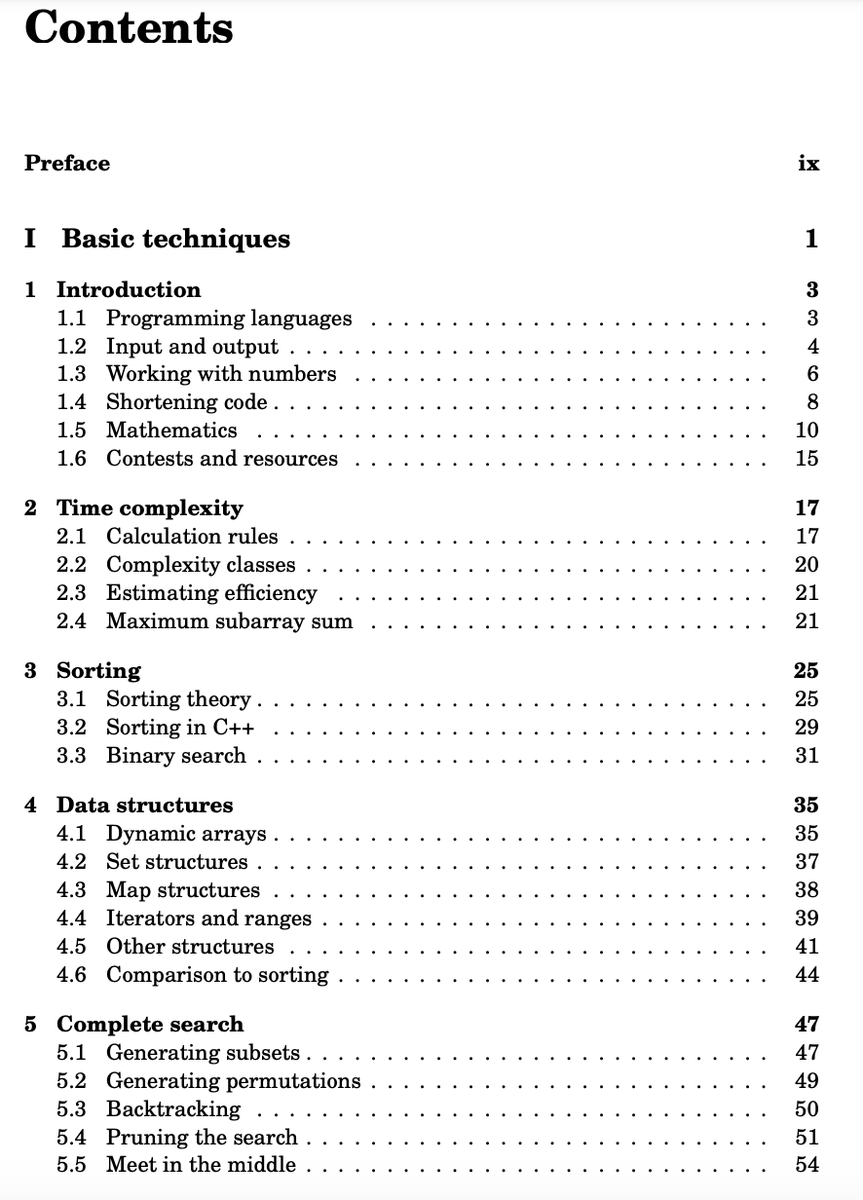
"Competitive Programmer’s Handbook"
This FREE book of ~300 pages covers 30 important topics. A MUST for tech interviews.
21
164
1,109
76,156
Stylades retweeted

20 May 2025
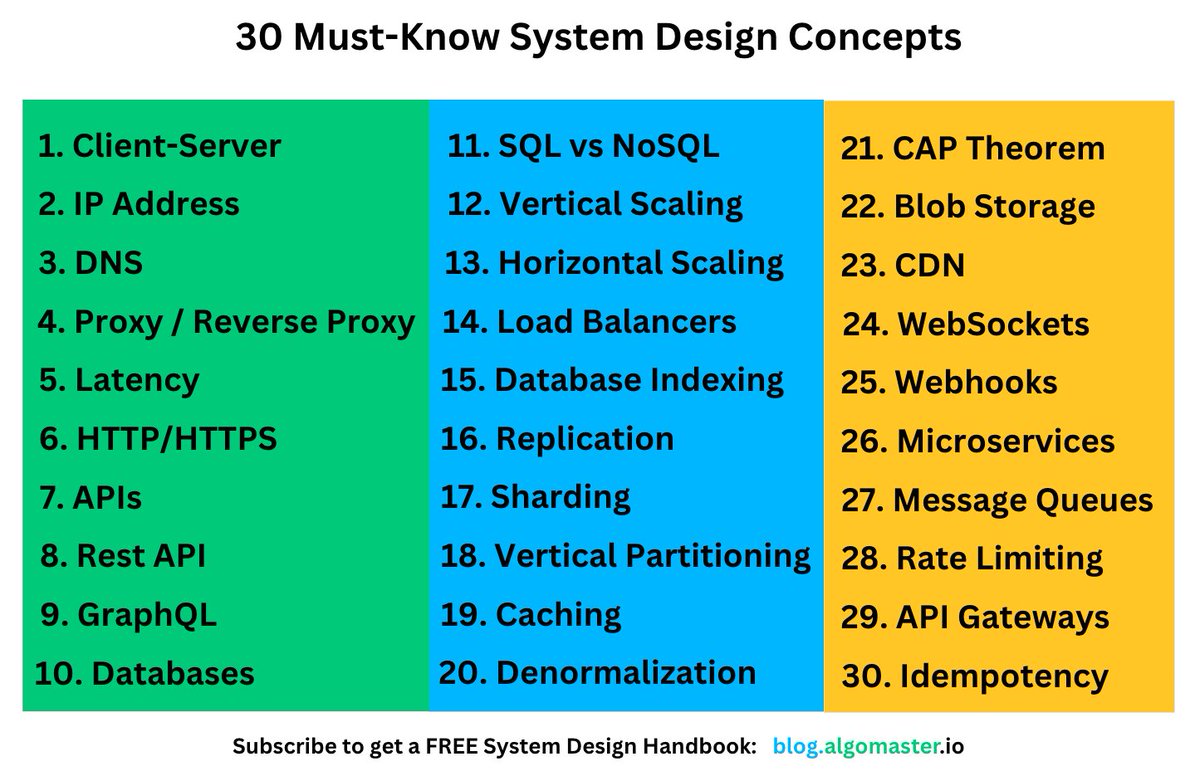
If you are new to System Design, learn these 30 concepts to build a solid foundation:
1. Client-Server Architecture
2. IP Address
3. DNS
4. Proxy / Reverse Proxy
5. Latency
6. HTTP/HTTPS
7. APIs
8. Rest API
9. GraphQL
10. Databases
11. SQL vs NoSQL
12. Vertical Scaling
13. Horizontal Scaling
14. Load Balancers
15. Database Indexing
16. Replication
17. Sharding
18. Vertical Partitioning
19. Caching
20. Denormalization
21. CAP Theorem
22. Blob Storage
23. CDN
24. WebSockets
25. Webhooks
26. Microservices
27. Message Queues
28. Rate Limiting
29. API Gateways
30. Idempotency
I wrote an article explaining all of these 30 concepts with visuals and examples.
Read it here: blog.algomaster.io/p/30-syst…
Subscribe for more such articles.
8
123
568
26,631
🚀New article alert! 🚀
Posted a new article on how to implement dark / light toggle mode on NextJS.
stylades.hashnode.dev/dark-l…
8
Posted a new article on states and props in React. stylades.hashnode.dev/props-…
14
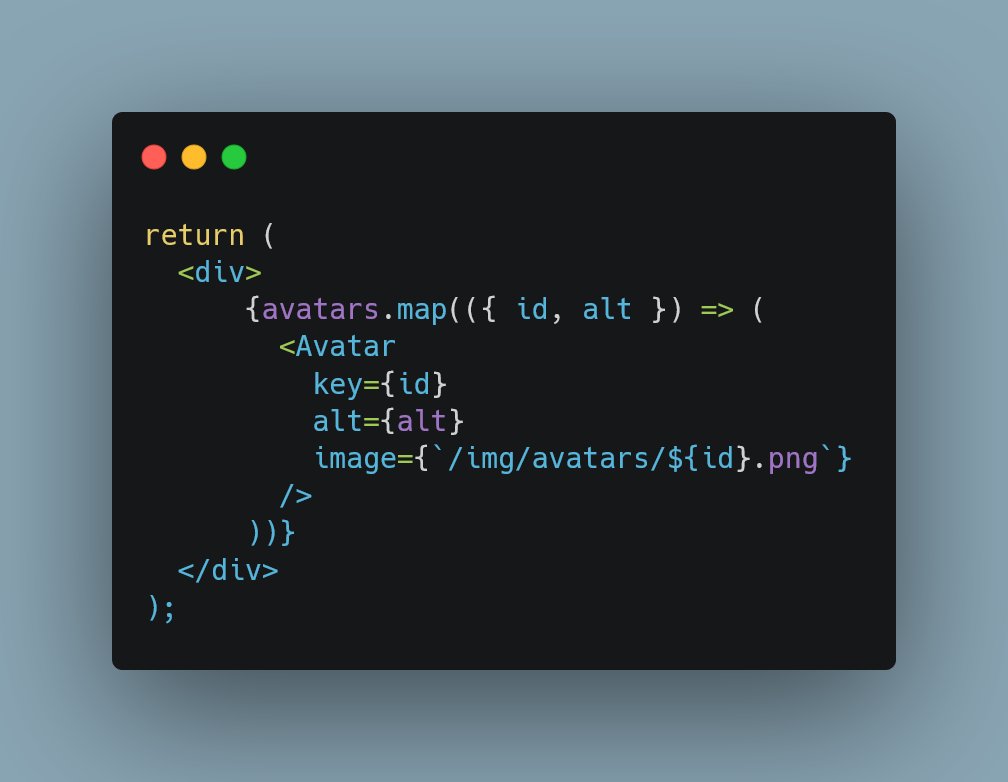
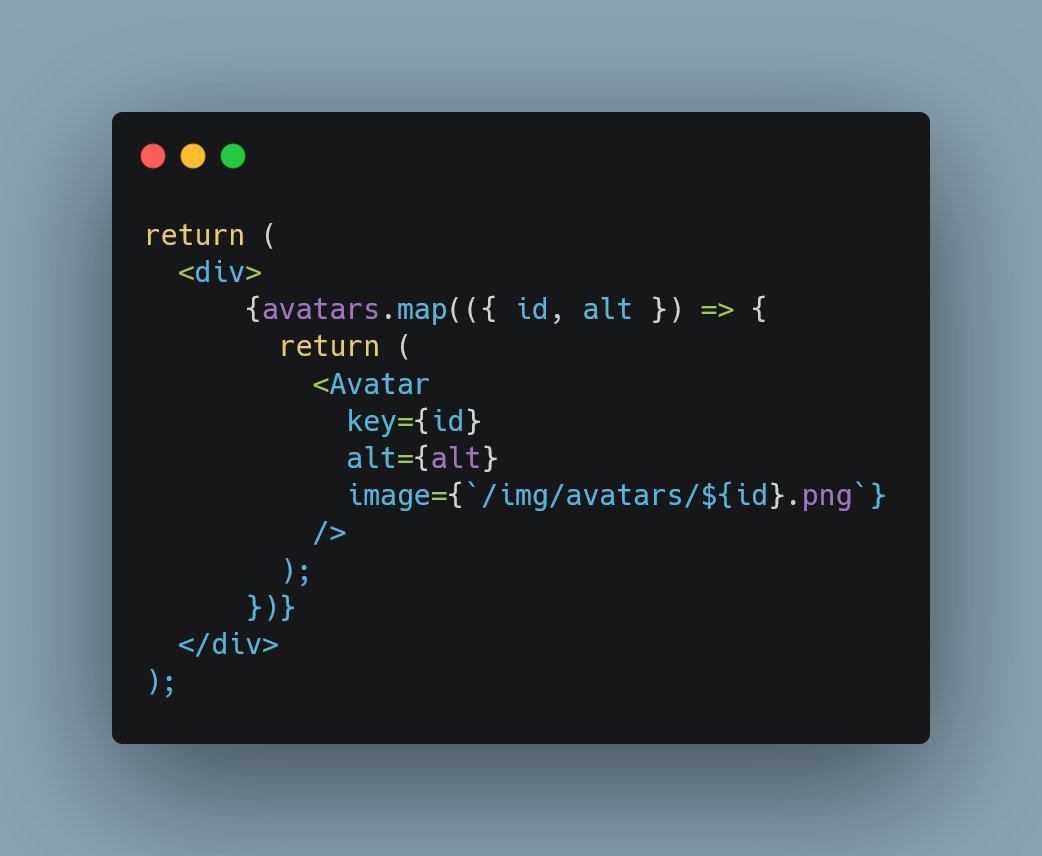
Day 5 of #100DaysOfCode -> Relearning a lot on best practices when it comes to dealing with keys in React.
13
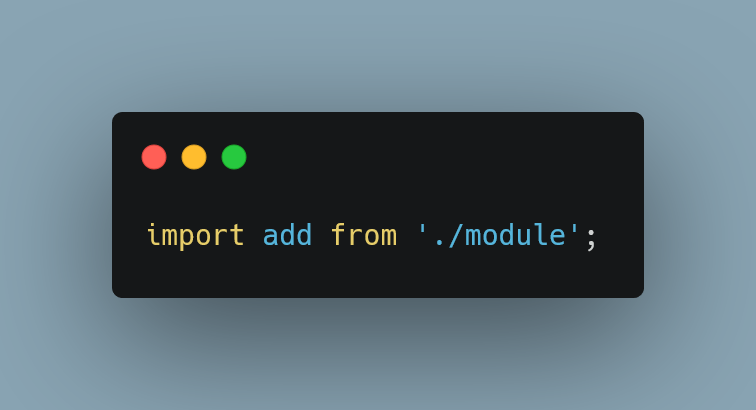
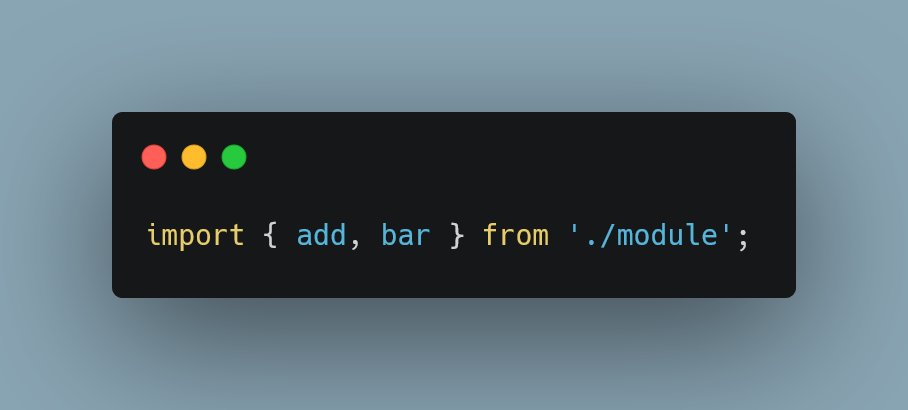
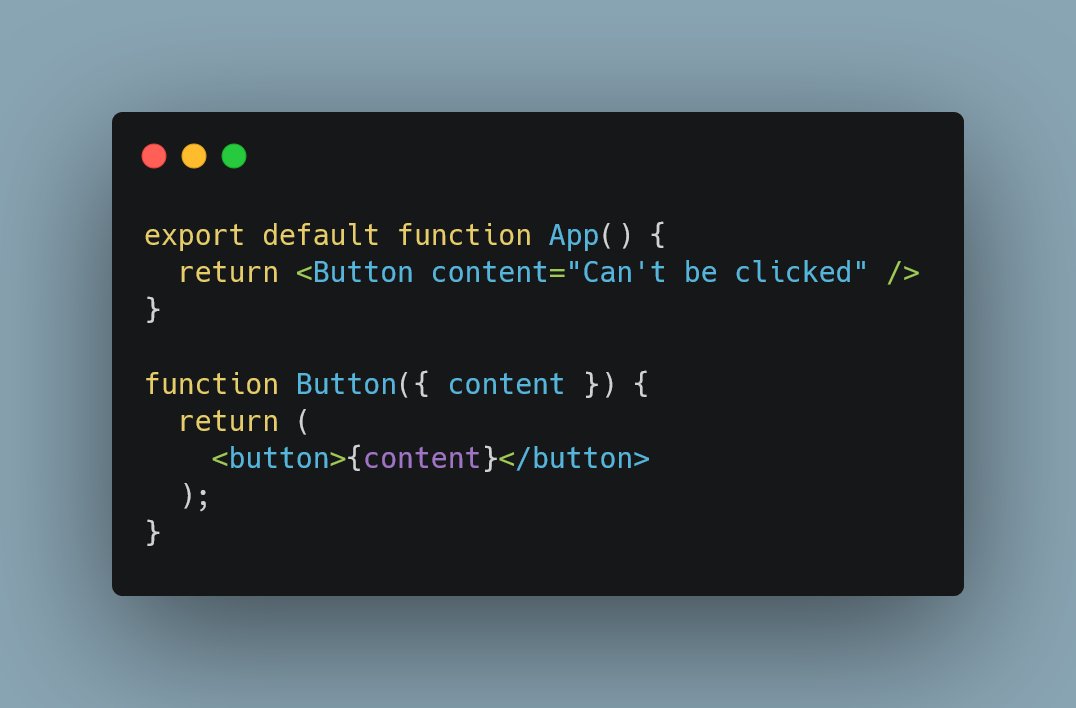
Day 4 of #100DaysOfCode -> differences between 'export const' and 'export default' in ES6.
1
1
53
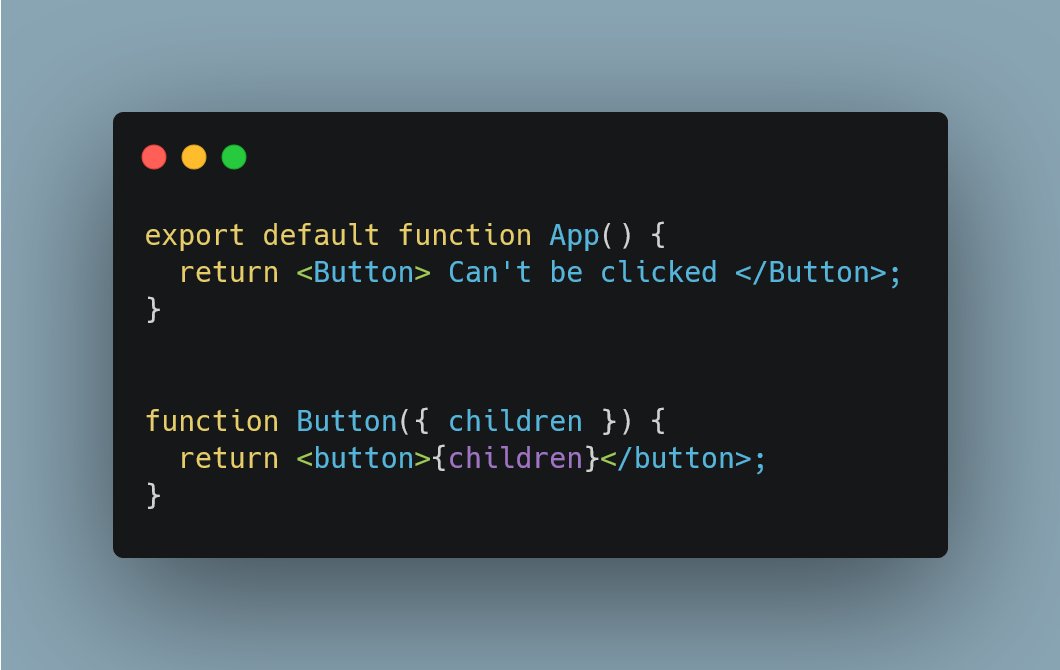
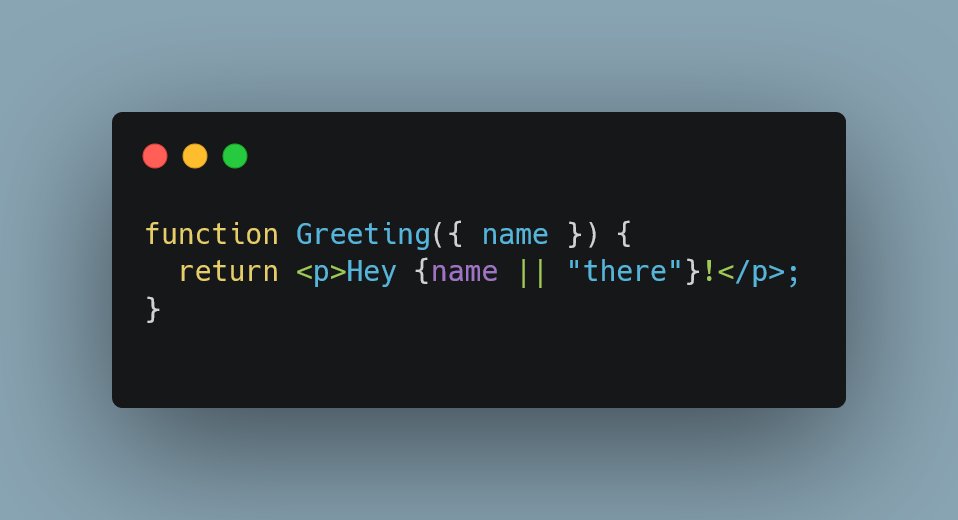
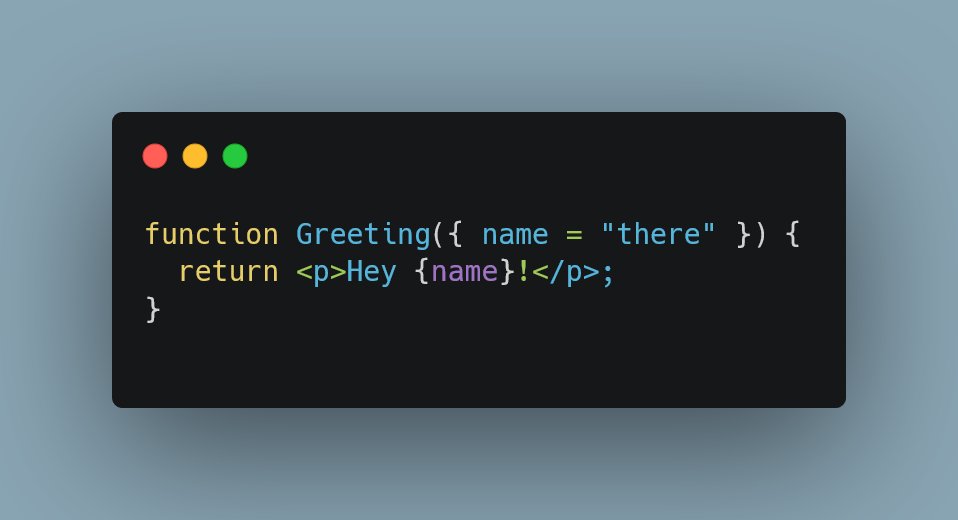
Day 3 of #100DaysOfCode -> Default props. Having default props can be helpful for maintainability reasons, in cases such as:
1
25
Day 2 of #100DaysOfCode -> Statements Vs Expressions. An expression in JavaScript is code that produces a value e.g., [1,2,3].pop() produces 3. A statement is an instruction for the computer to do something like to create a variable or start a loop. Example includes let x = 10;
1
3
22
In day 1 of the #100DaysOfCode worked on testing my login API for a project I am working on. I'm currently working with Jest and Supertest, and it's quite interesting since I'm learning how unit tests work
2
1
29