
129 Photos and videos








Στύπος retweeted

"In Asia Minor, which is a larger country than Spain, of which we have mentioned there are four kingdoms, the majority of which is under the Turks. For the most part, the peoples there follow the Greek rites and are mostly Greek.
Also, Armenia, which was formerly called Cilicia, is inhabited by Greeks. In Mesopotamia, there is a great number of Greeks, and there used to be even more during the time of the passage of Peter the Hermit and Godfrey of Bouillon, whose brother, Baldwin, was Count in Mesopotamia and was called Count of Edessa. In the Sultanate of Cairo, where Persian Tartars now reside, Greeks and Turks live, and the Greeks follow the Greek rite. In this Sultanate, there used to be forty walled cities with castles.
In the islands of Cyprus, Crete, Negroponte, Rhodes, and other islands, as well as in the Principality of Morea, although these places are under the rule of the Franks and obedient to the Roman Church, almost the entire population is Greek and inclined towards that sect, and their hearts are turned towards Greek matters. When they could show it freely, they would. It is clear, therefore, that the Greeks and those who follow them occupy a larger territory than the Catholic kings.
It is indeed true that the Catholics are incomparably better in arms, more numerous than the Greeks, and have greater power. There are also many Greeks in Calabria and in Terra d’Otranto who obey the Holy Roman Church, but perhaps not as devoutly as they would if Emperor Sior Michiel Paleologo, the Patriarch of Constantinople, and the son of the said Emperor, Sior Andronico, were firm and obedient to the Roman Church, and not in contempt, which causes immense harm.”
Marino Sanudo Torsello the Elder, ca.1325
7 Dec 2023

Marino Sanudo Torsello the Elder (1270-1343), a Venetian generally regarded as very objective and knowledgeable writer, statesman and geographer is a very good source about the events and situation of the first half of the 14th century period. Travelled and lived in the area for years, advocating a crusade against the Turks and being a great source of information for the powerful and active Doges back in Venice.
Among his writings, the "Istoria del regno di Romania" written between 1326 and 1323, gives a very useful insight of the Orthodox world (those following the "Greek rite) and the situation of Greeks among them (Greeks by nation). He doesn’t omit to narrate for us the distribution of the Greek population, and the other Orthodox (and Armenian) nations, of course from the viewpoint of a faithful Catholic and a Venetian patriot. Surely he cannot be considered as favoring Greeks, in contrast he follows all the usual stereotypes for Greeks circulating in the West.
Some very interesting points for Greeks here:
“It is true that there are many peoples scattered here and there, subjected to other lords, who follow the Greek rites, as is the nation of Gazaria, which is under the Tartars and other lords, situated near the Black Sea.
In Hungary, it is said that there are more than sixty thousand people who follow the Greek rite.
In Asia Minor, which is a larger country than Spain, of which we have mentioned there are four kingdoms, the majority of which is under the Turks. For the most part, the peoples there follow the Greek rites and are mostly Greek.
Also, Armenia, which was formerly called Cilicia, is inhabited by Greeks. In Mesopotamia, there is a great number of Greeks, and there used to be even more during the time of the passage of Peter the Hermit and Godfrey of Bouillon, whose brother, Baldwin, was Count in Mesopotamia and was called Count of Edessa. In the Sultanate of Cairo, where Persian Tartars now reside, Greeks and Turks live, and the Greeks follow the Greek rite. In this Sultanate, there used to be forty walled cities with castles.
In the islands of Cyprus, Crete, Negroponte, Rhodes, and other islands, as well as in the Principality of Morea, although these places are under the rule of the Franks and obedient to the Roman Church, almost the entire population is Greek and inclined towards that sect, and their hearts are turned towards Greek matters. When they could show it freely, they would. It is clear, therefore, that the Greeks and those who follow them occupy a larger territory than the Catholic kings.
It is indeed true that the Catholics are incomparably better in arms, more numerous than the Greeks, and have greater power. There are also many Greeks in Calabria and in Terra d’Otranto who obey the Holy Roman Church, but perhaps not as devoutly as they would if Emperor Sior Michiel Paleologo, the Patriarch of Constantinople, and the son of the said Emperor, Sior Andronico, were firm and obedient to the Roman Church, and not in contempt, which causes immense harm.”
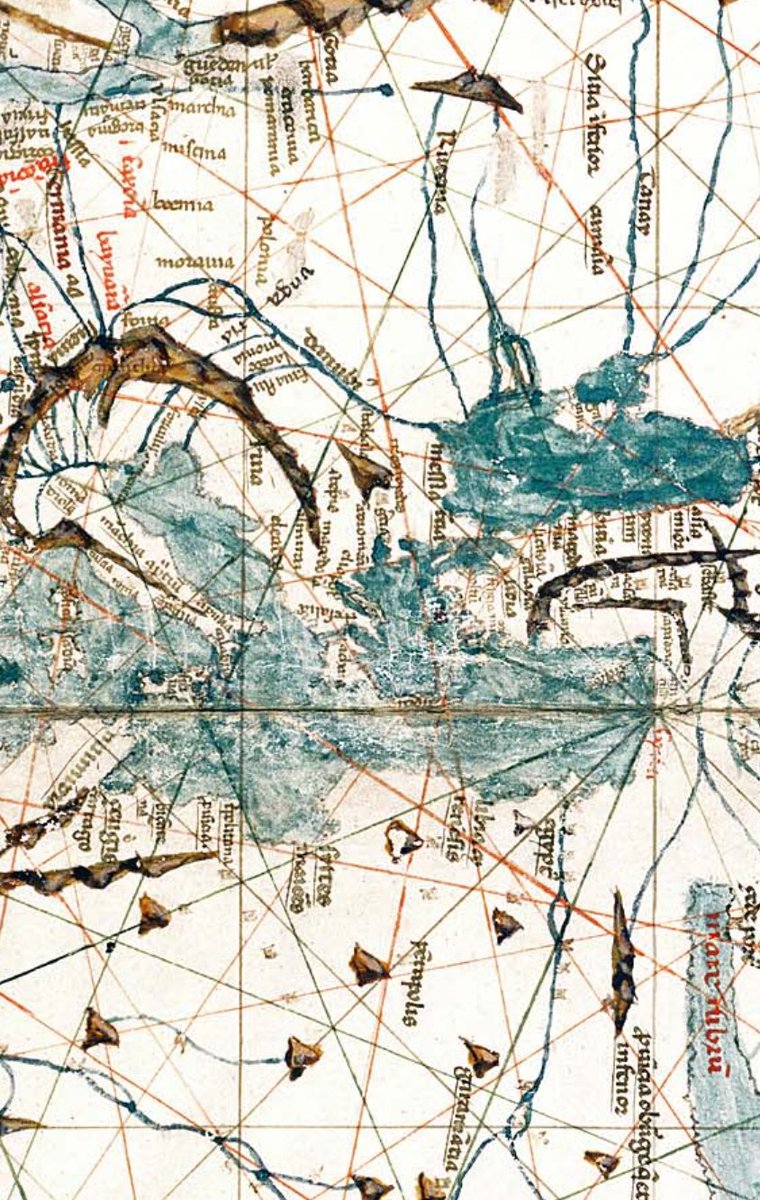
Detail of Marino Sanudo's World map, 1321:
1
9
46
902

RT @swilkinsonbc: Iran’s national team took school bags onto the #2026WorldCup pitch to honour the 175 school children killed by the United…
16,655
Στύπος retweeted

Ποδοσφαιριστές της Εθνικής Ομάδας του #Ιράν: «Δεν ψάχνουμε δικαιολογίες, αλλά αυτό δεν είναι δίκαιος ανταγωνισμός».
Οι παίκτες διαμαρτύρονται ότι αναγκάζονται να ταξιδεύουν την παραμονή του αγώνα και να περνούν ώρες σε ελέγχους, με συνέπεια να αγωνίζονται εξαντλημένοι.
#TeamMelli
3
56
199
7,053
Στύπος retweeted

Ο Ομπράντοβιτς πήρε τους μισούς του τίτλους με τον ΟΣΦΠ στον Κορυδαλλό.
Εντωμεταξυ από τα 13 χρόνια παρουσίας του στην Ελλάδα μόλις δύο σεζόν δύο έπαιζε ο ΟΣΦΠ στον Κορυδαλλό την ίδια περίοδο που έπαιζε και ο Παναθηναϊκός στο Σπόρτινγκ
Αρε Παντελαρα τι σου έχει κάνει.
#paobc
56
87
615
88,170
Στύπος retweeted

5 Oct 2025
Τι επικό έπος είναι αυτο; 😂
6
214
667
22,407
Στύπος retweeted

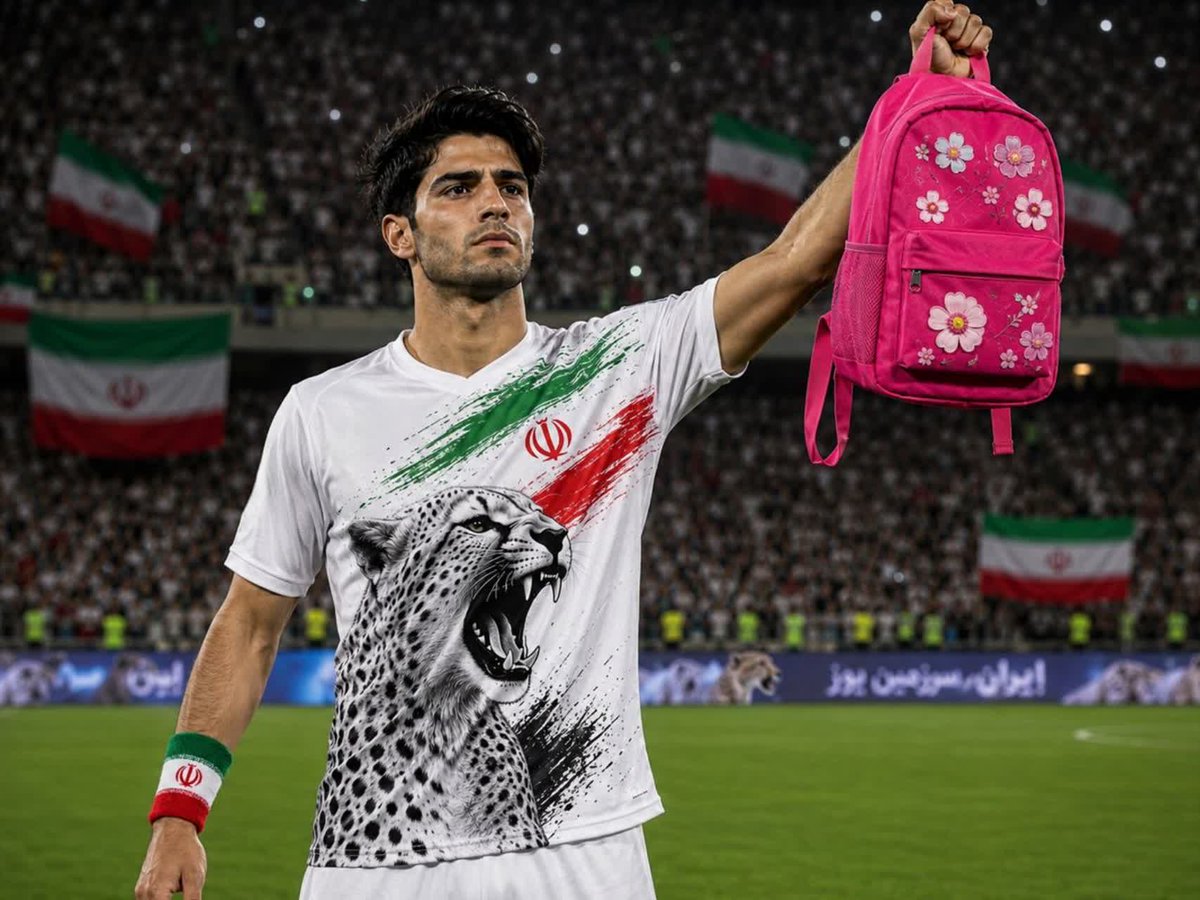
Paying Tribute to the 168 school girls murdered by Donald Trump
Community note
This is a fake AI generated image. x.com/i/status/20668…
944
31,184
169,733
2,702,724
Στύπος retweeted

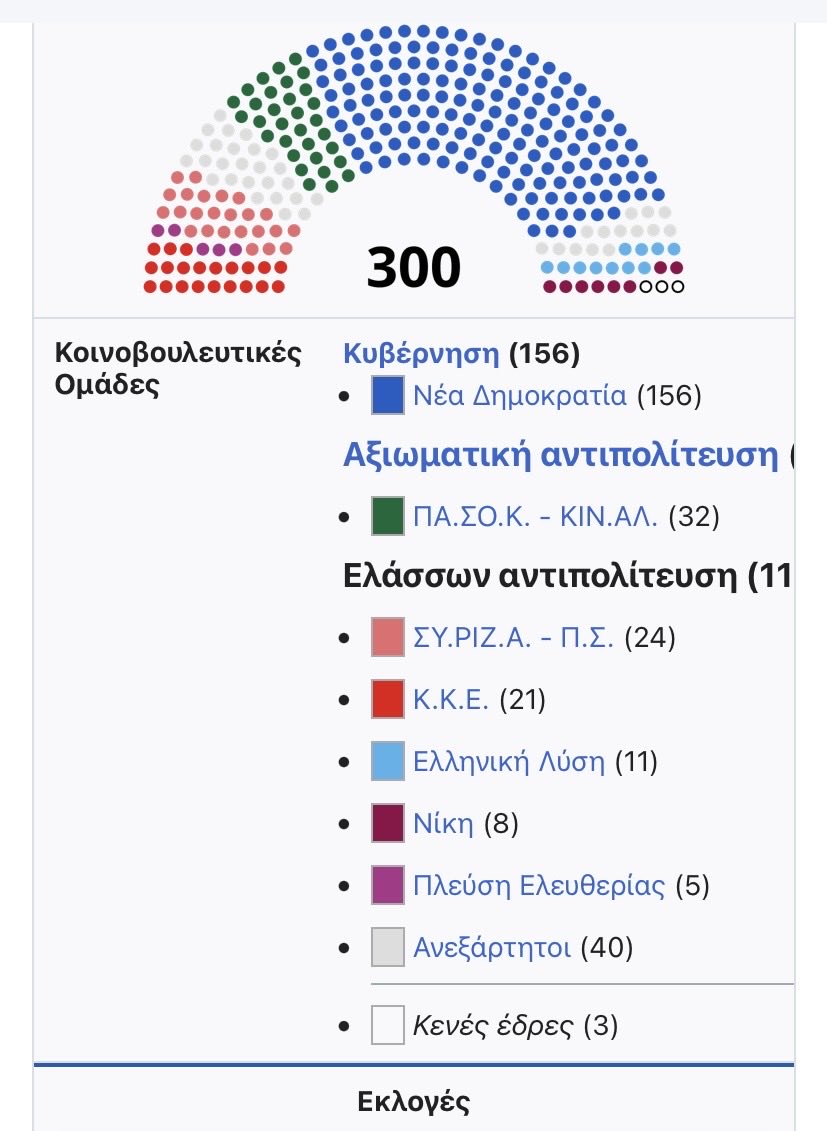
Εχει γίνει σαφές ότι οι🇬🇷μισθωτοί, ή πλειοψηφία δηλαδή των Ελλήνων,οι οποίοι καταθέτουν ετησίως 40 δις σε φόρους,δεν εκπροσωπούνται σχεδόν καθόλου στο🇬🇷κοινοβούλιο,σε αντίθεση με τους αυτοαπασχολούμενους που πληρώνουν12 δις και αποτελούν την απόλυτη πλειοψηφία των βουλευτών μας;
2
4
22
433
Στύπος retweeted

Jun 15
No other species on Earth has a teamwork system quite like ants.
288
2,182
9,133
366,167
Στύπος retweeted

Μαζική υστερία των ημερών ο λόγος της οδύνης. Τόσο απλά. Γιατί δε θυμάμαι ούτε μία μέρα να "έκλεισε" η τράπεζα.
Οι κάρτες μας χρεώνονταν κανονικά στα POS των καταστημάτων, μια χαρά πληρώνονταν οι δόσεις των δανείων (δύο πλήρωνα τότε), μέχρι και αγορές από εξωτερικό έκανα.
2
1
3
27
Στύπος retweeted
9 Jul 2022
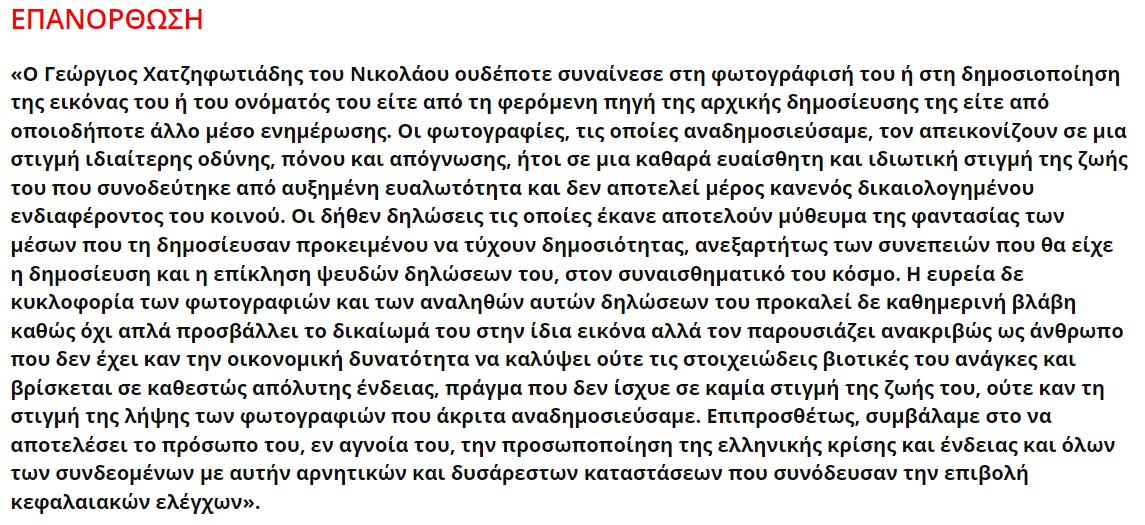
Θυμάστε τις φωτογραφίες με τον συνταξιούχο που κλαίει έξω από την τράπεζα την εποχή των κάπιταλ κοντρόλ; Έχετε διαβάσει την πονεμένη ιστορία του που ήταν σε άθλια κατάσταση κλπ κλπ κλπ; Τι σανό ήταν αυτό ρε σεις; Μιλάμε για πολύ σανό ρε σεις. Μιλάμε για απίθανο καθεστώς.
27
369
706
Στύπος retweeted

Κάθε μέρα νοσηλευτικό και ιατρικό προσωπικό, έρχεται αντιμέτωπο με λιντσαρισμα, και φυσικά κι από Ρομα. Εδώ Λάρισα, μη Ρομα, έσπασε το χέρι ορθοπεδικου, σε ένα απ τα δύο δημόσια νοσοκομεία. Χρειάζεται άμεσα σωστή φύλαξη των νοσοκομείων, αλλά και επάρκεια νοσηλευτικου και 👇
1
1
4
229
Στύπος retweeted

σε όλο το κόσμο έτσι είναι. δεν γίνεται να νοικιάσεις σπίτι χωρίς να σε ρωτήσει ο ιδιοκτήτης ποιος είσαι, που δουλεύεις, πόσα άτομα.θα μείνουν στο σπίτι. που βλέπεις το παράλογο; εσύ αν είχες ένα ακίνητο προς ενοικίαση δεν θα ρωτούσε τι δουλειά κανει;
1
1
184
Στύπος retweeted

Το νοσοκομείο δεν εφημερευε καν και η γυναικα εφυγε απο λιντσαρισμα γυφτων μη γραφεις μαλακιες.

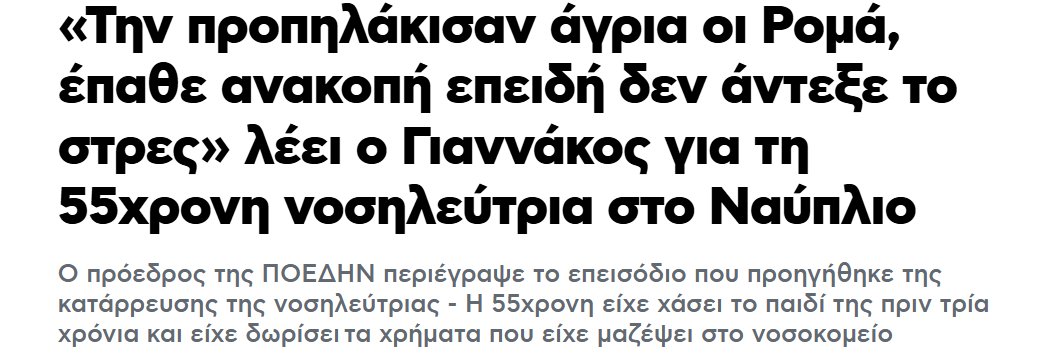
55χρονη νοσηλεύτρια έπαθε ανακοπή πάνω στην ένταση της δουλειάς και πέθανε εν ώρα υπηρεσίας στο Νοσοκομείο Ναυπλίου. Γι' αυτό δεν έχει τόση μεγάλη σημασία αν το ΤΕΠ είναι φρεσκοβαμμένο, αλλά αν είναι στελεχωμένο...
8
14
85
8,202
Στύπος retweeted

Whenever you mention the Armenian or Greek genocide they come in groups (and are easy to commit another one)
8
18
176
3,961
Στύπος retweeted
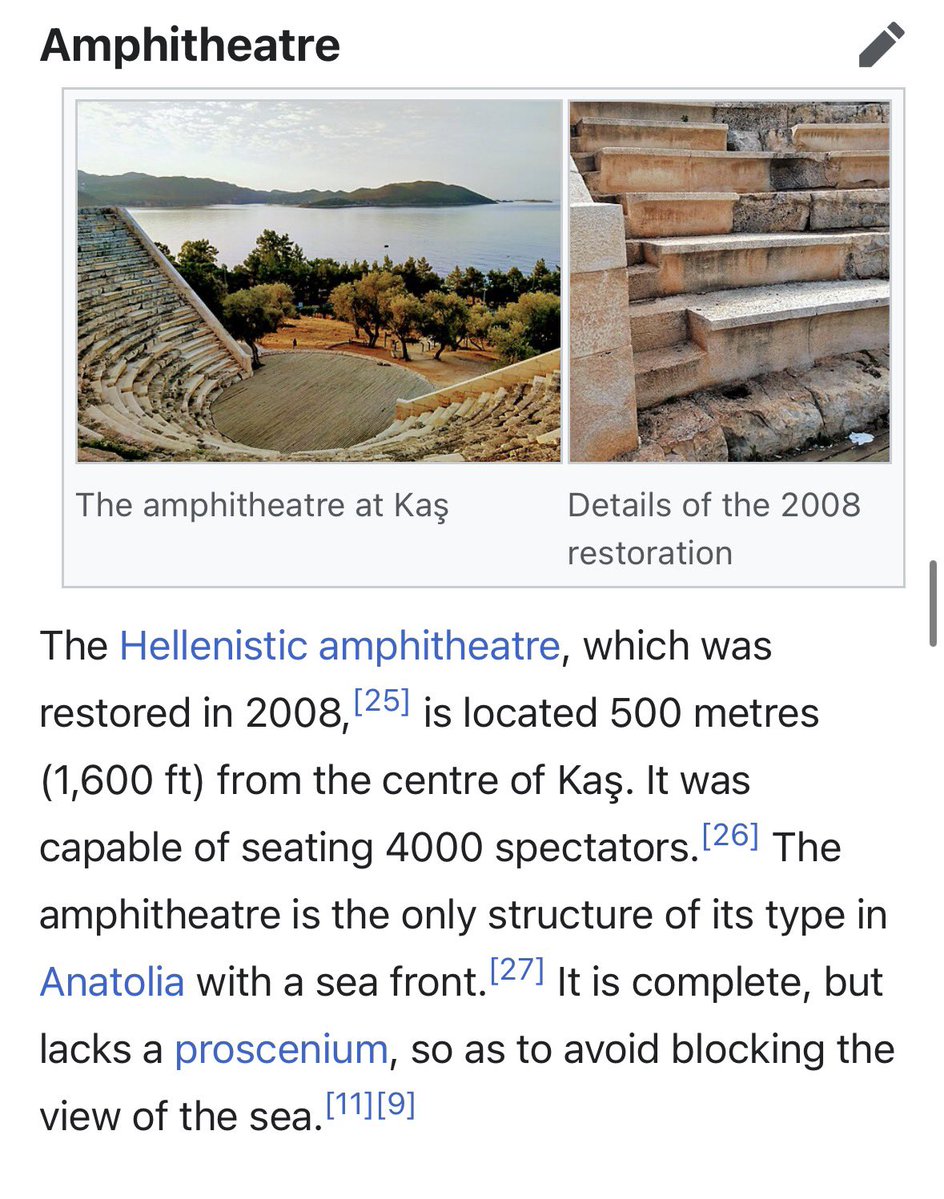
Putting Turkish flags on it does not make it less Greek
Jun 14

🇹🇷Aerial views of ancient Lycia. And the 2000-year old ancient theatre.
Where the FIFA World Cup was watched by 3000 fans. Pretty cool.
77
52
500
21,767
Στύπος retweeted

Jun 15
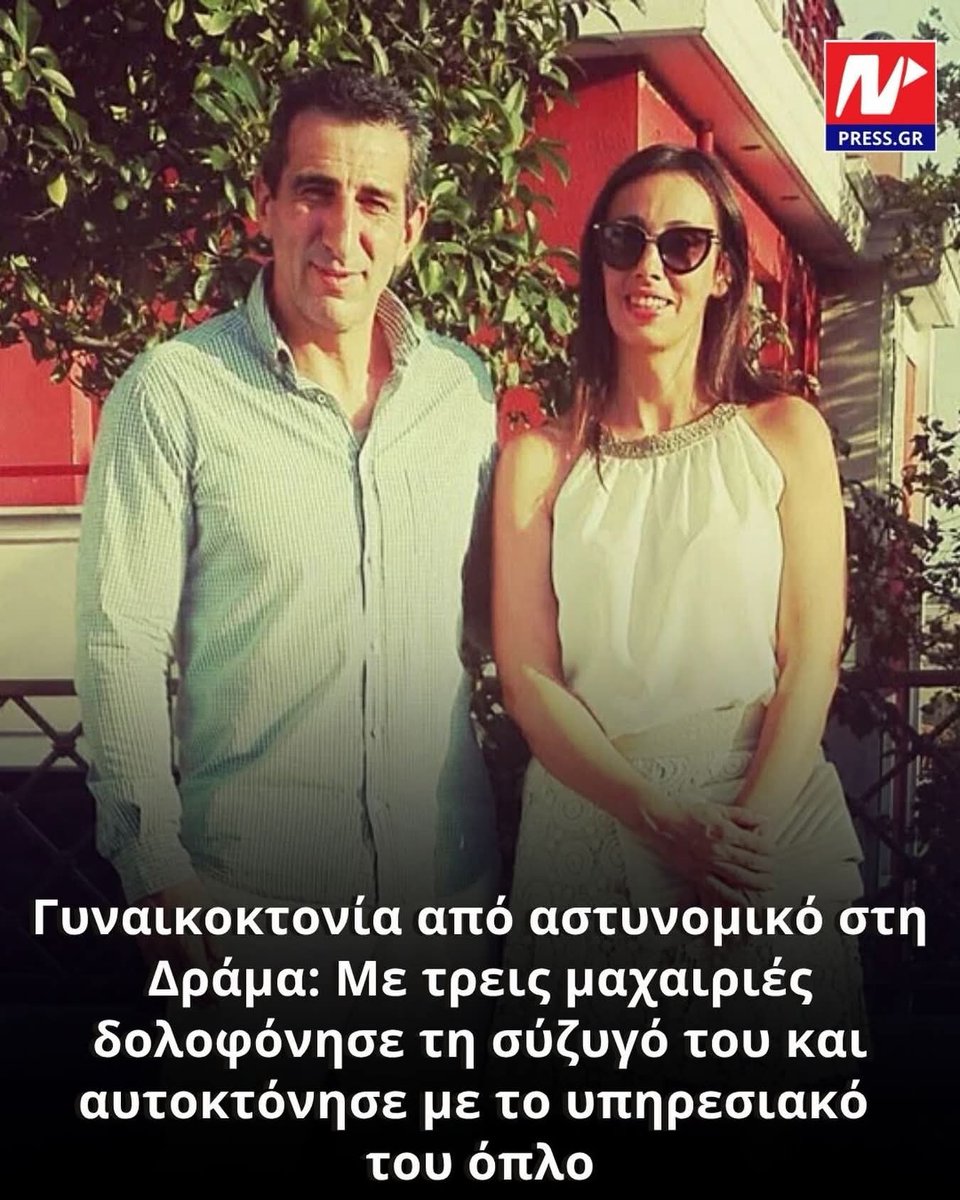
Άλλος ένας που είχε κριθεί κατάλληλος να έχει όπλο
9
143
520
12,932
Στύπος retweeted

Someone took a HUGE Image of Mikaeil Mirdoraghi, one of the children who was killed in the Minab School, to honor him.
80
6,449
43,572
370,037
Στύπος retweeted

The Turkish evolution
"There were no Greeks in central Anatolia"
"There were no Greeks in coastal Anatolia"
"There were no Greeks in west aanatolia"
And now
"There were no Greeks in Greece".
5
2
40
523
Στύπος retweeted

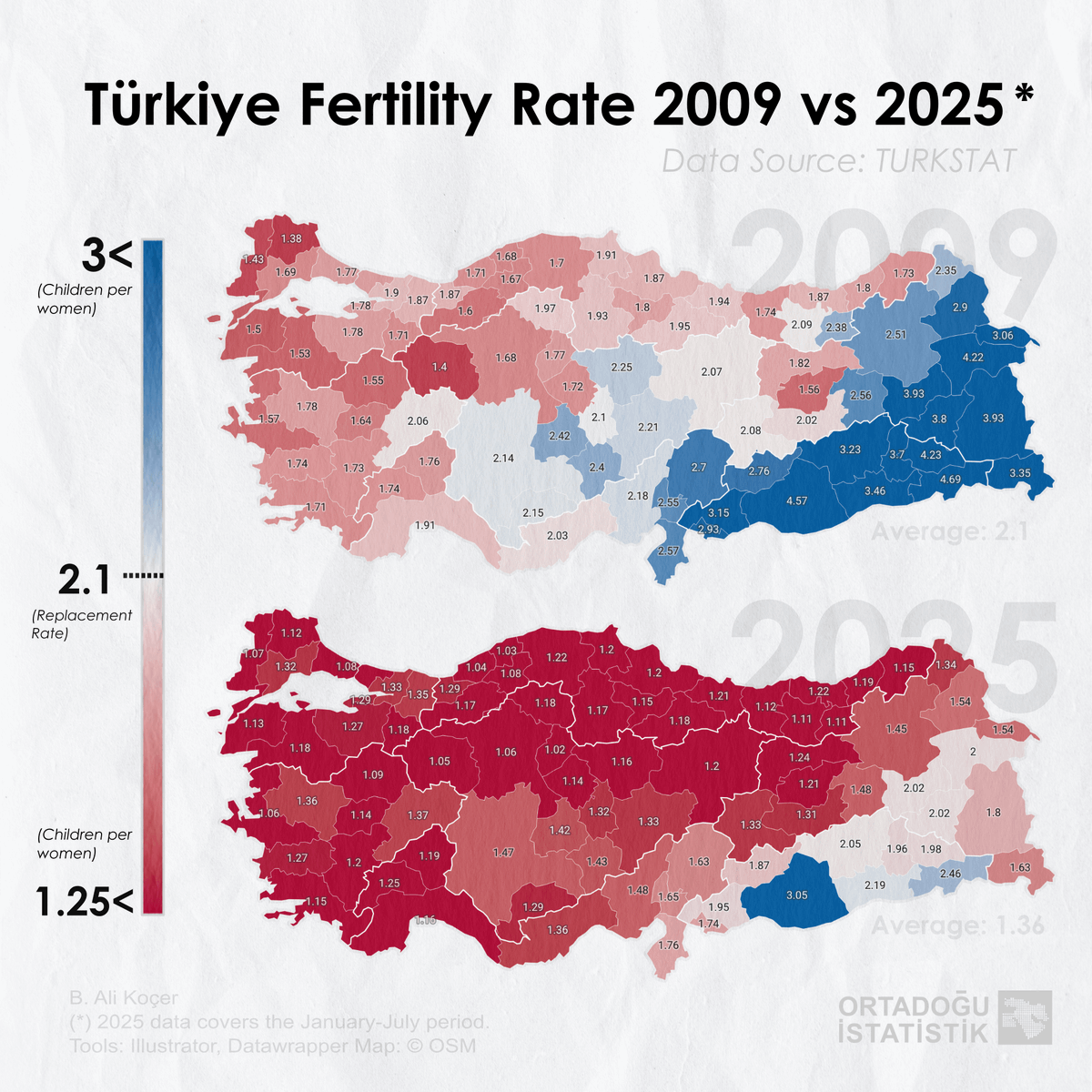
Στα ίδια χάλια και αυτοί. Οι αριθμοί κρατιούνται μόνο με Κούρδους Άραβες. Έχουν απλως πλεονέκτημα ακόμα στην πυραμίδα, αλλά αυτό ήταν. Αντί για πυραύλους θα απειλούμε στο μέλλον να στείλουμε τους συνταξιούχους μας.
2
1
9
298