
Trauma therapist. Mental health educator. Content creator. Sensitive ✌🏻✨
Joined February 2022
- Tweets 136
- Following 33
- Followers 71
- Likes 18
Photos and videos

23 May 2024
Gentle reminder that it's okay to be wrong. It's okay to change your mind. It's okay to admit that what you did in the past didn't work or wasn't okay.
You can always reinvent yourself and the people I admire most have done so many times.
129
8 May 2024
"You’re way too sensitive" = Your emotions make me uncomfortable so I’m going to blame you for experiencing them.
If someone says you’re “too sensitive” they are revealing their own discomfort with emotions and showing you they aren't a safe person to be vulnerable with.
119
6 May 2024
Children can and will adapt to any relationship dynamic that is offered to them in order to stay connected. These early dynamics lay the groundwork for your expectations in adulthood.
3
128
3 May 2024
Reminder: Trauma survivors aren't choosing to be sensitive/jumpy/nervous/avoidant. Intense physical/emotional pain literally changes the physical structure of your brain and body.
1
120
17 Apr 2024
Sitting here thinking about the ways that our culture has asked therapy to replace friendship as a space to vent and receive support. Therapy is amazing and I love what I do, but not everybody needs therapy. Some people just need people around them who care. ❤️
1
131
17 Apr 2024
The painful realization once you start healing that some people preferred the traumatized version of you.
1
111
Summer Forlenza retweeted

6 Feb 2024
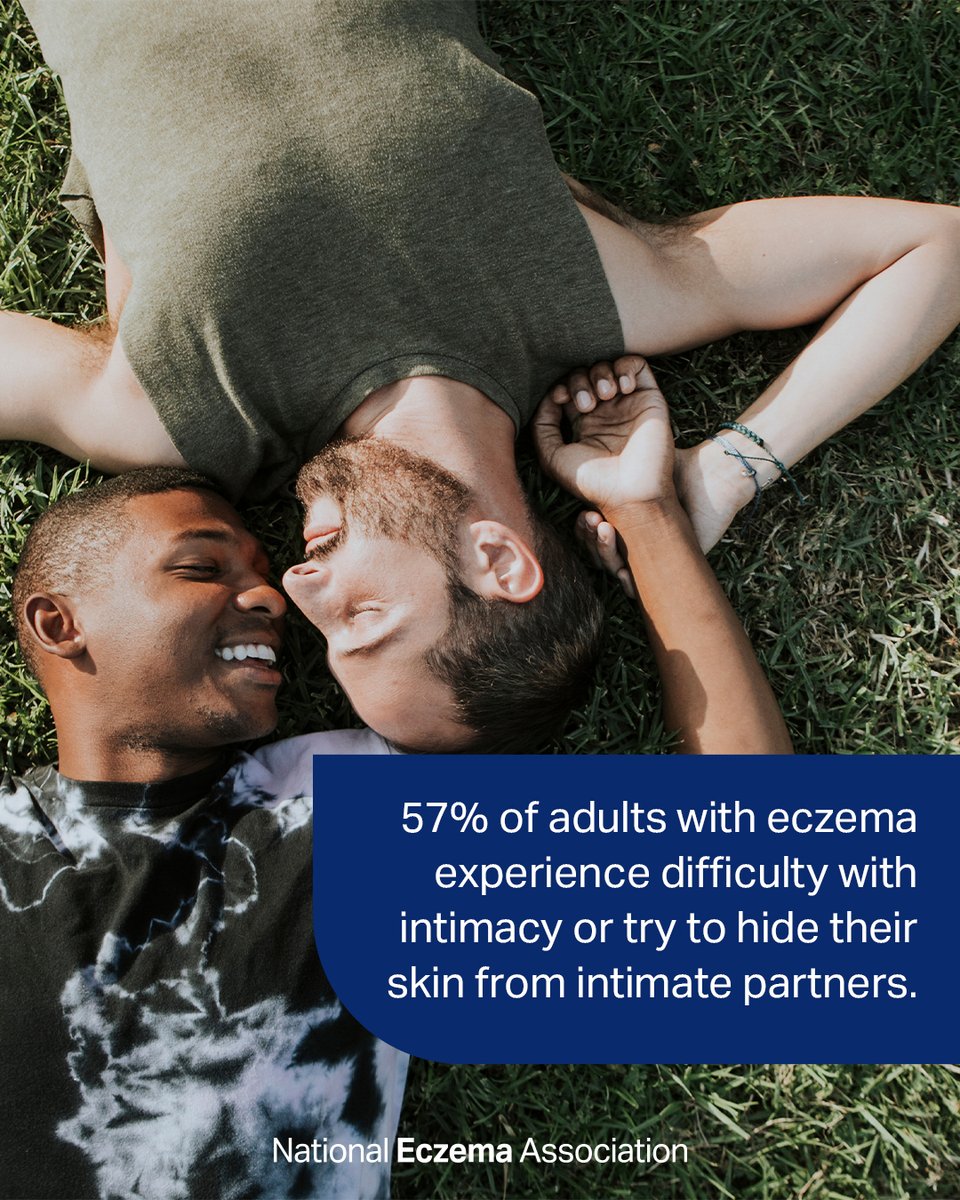
We spoke with @SummerForlenza, a licensed therapist and person with #eczema, and eczema advocate Patricia Cervini about managing physical touch during a flare.
💕
Read what they have to say: nationaleczema.org/blog/phys…
#GetEczemaWise #unhideECZEMA #Intimacy #ValentinesDay #Seczema
1
4
262
22 Feb 2024
Repeat after me: It's safe for me to make mistakes because I trust that I have what I need to make repairs.
2
152
17 Sep 2023
Listen to more music, especially the kind that you sing along and move to. Humans have been using song lyric melody to process emotions psychologically and somatically for thousands of years. Go to that concert, put in your headphones, sing out loud - it genuinely helps.
2
189
17 Sep 2023
Self talk that sounds like "Don't be dramatic, its not a big deal, just do it!" can feel like a helpful way to push through a tough moment. But this negative self talk reinforces shame and the belief that there is something wrong with you for being anxious or struggling.
1
189
17 Sep 2023
Instead try, "I know this is hard, I can do hard things, I'm proud of myself for pushing through." Acknowledge that it's hard to do, that it takes effort, and that you are doing the damn thing anyways.
176
3 Apr 2023
Hypervigilance has to do with the way that trauma memories are stored in the brain - rather than being moved into long-term memory, they are kept active in the limbic system of the brain.
This means that part of your brain feels like the trauma is *still* happening right now.
7
118
29 Mar 2023
Practicing settling my body when I’m distressed or anxious has changed my life and changed my relationships for the better. It took my years to learn and it’s something I still practice every day.
1
70
29 Mar 2023
“Without inner change, there can be no outer change. Without collective change, no change matters.” - Angel Kyodo Williams
63
28 Mar 2023
“When strategy competes with culture, culture wins - every time.” - Resmaa Menakem, My Grandmother’s Hands
Trauma healing happens best when we change our culture, not our strategies. This requires a change in perspective, not just new tools.
59
28 Mar 2023
There’s no need to shove a square peg through a round hole - not everything is gonna work for you and that is okay! Understanding what doesn’t work is just as important and exploring what could.
2
61
28 Mar 2023
I truly believe that some of the most important work that we can do to break generational trauma cycles is to learn how to really support the people in our orbit who are suffering.
1
4
135
24 Mar 2023
Recovery isn't easy but it's definitely possible and it is oh so worth it.
2
59
24 Mar 2023
Only by welcoming all of our emotions as visitors who may have something important to share can we move with them, rather than being trapped within them.
50
22 Mar 2023
It’s okay to still be in your healing journey and not yet “recovered.” It’s also okay if you don’t find yourself at a “recovered” place ever.
1
70