
Wife, mother, academic hospitalist, medical educator, and University of Kentucky IM residency program APD
- Tweets 479
- Following 348
- Followers 358
- Likes 3,401





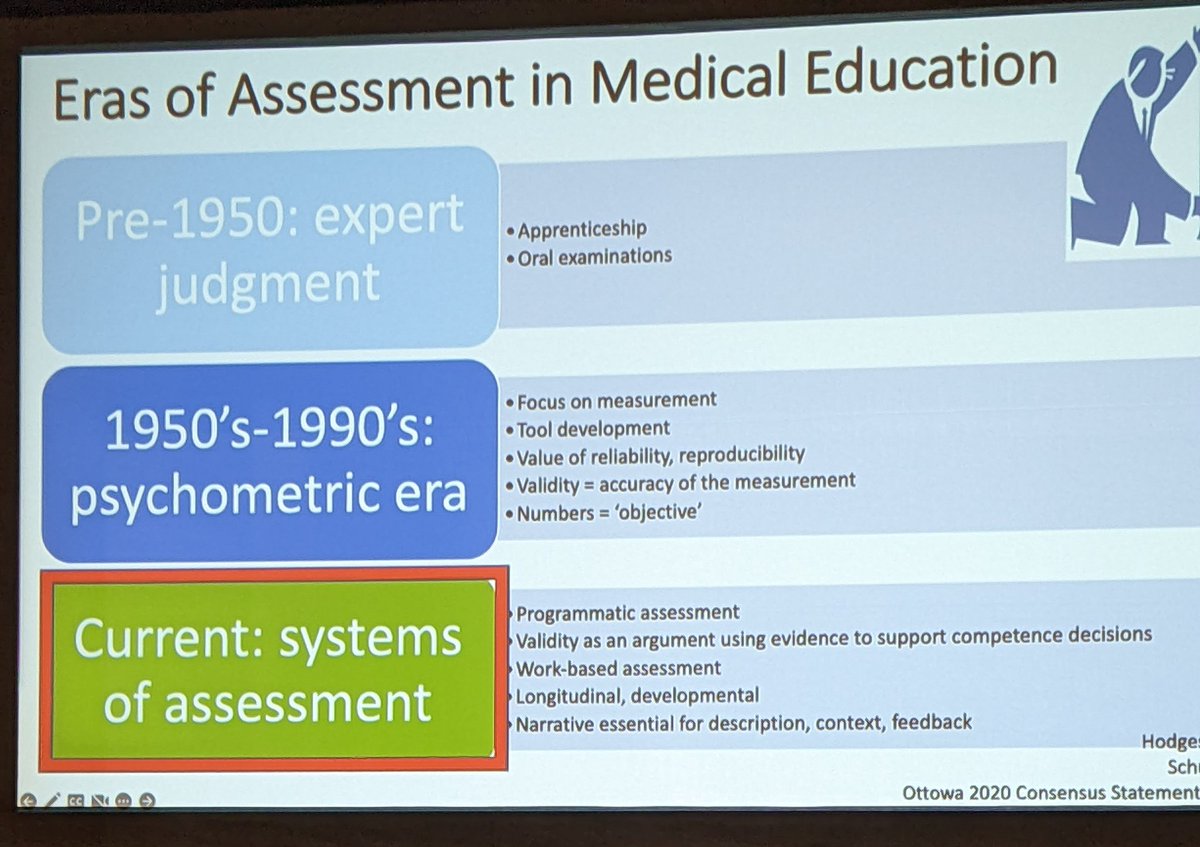
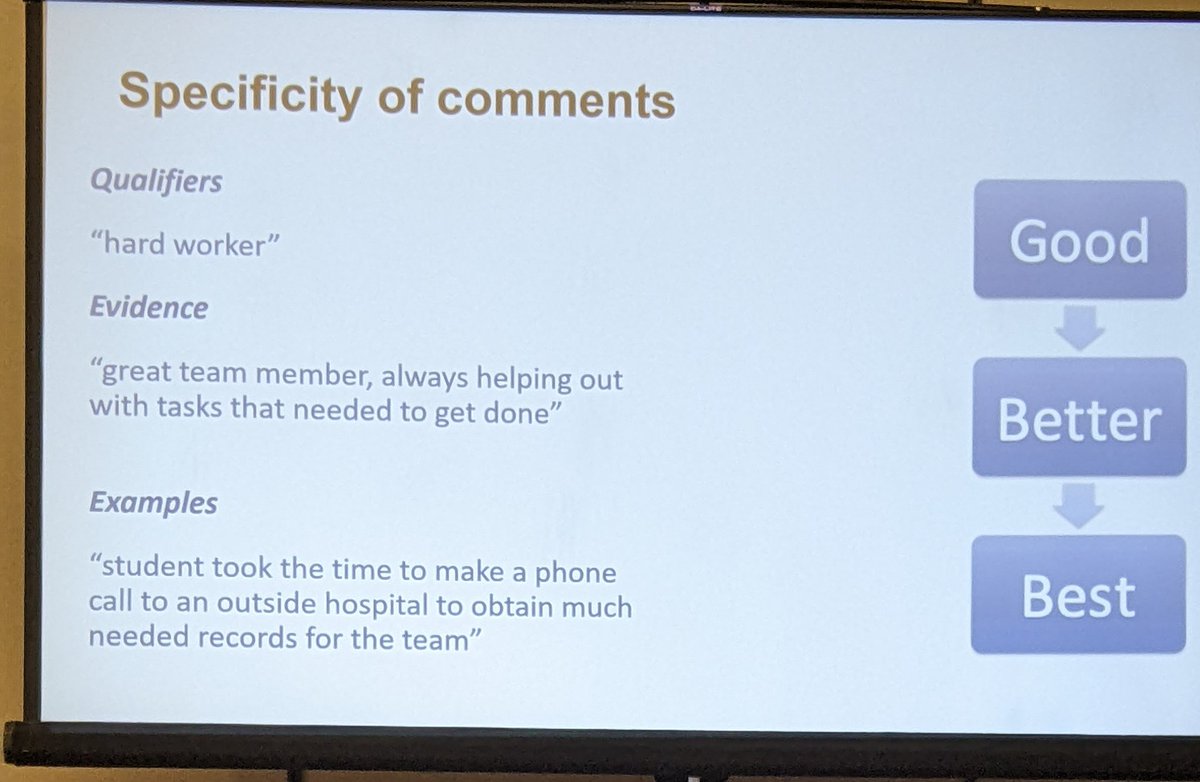



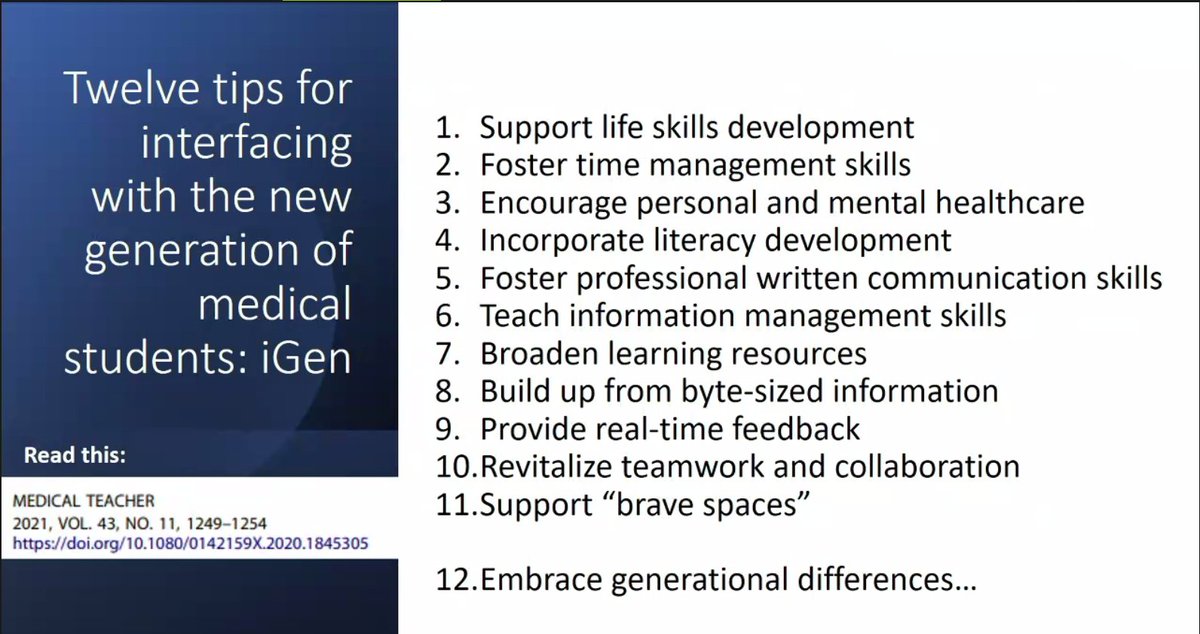



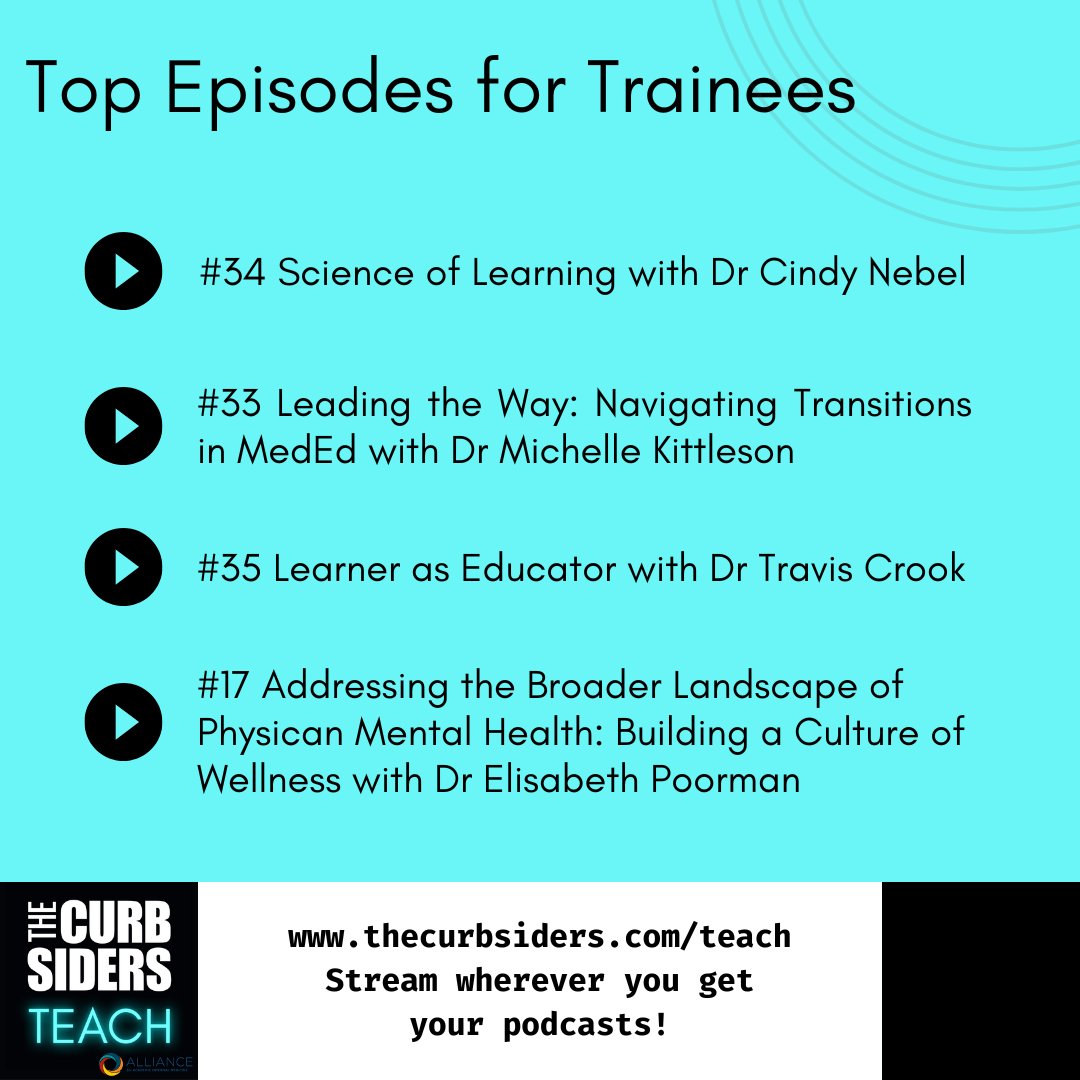








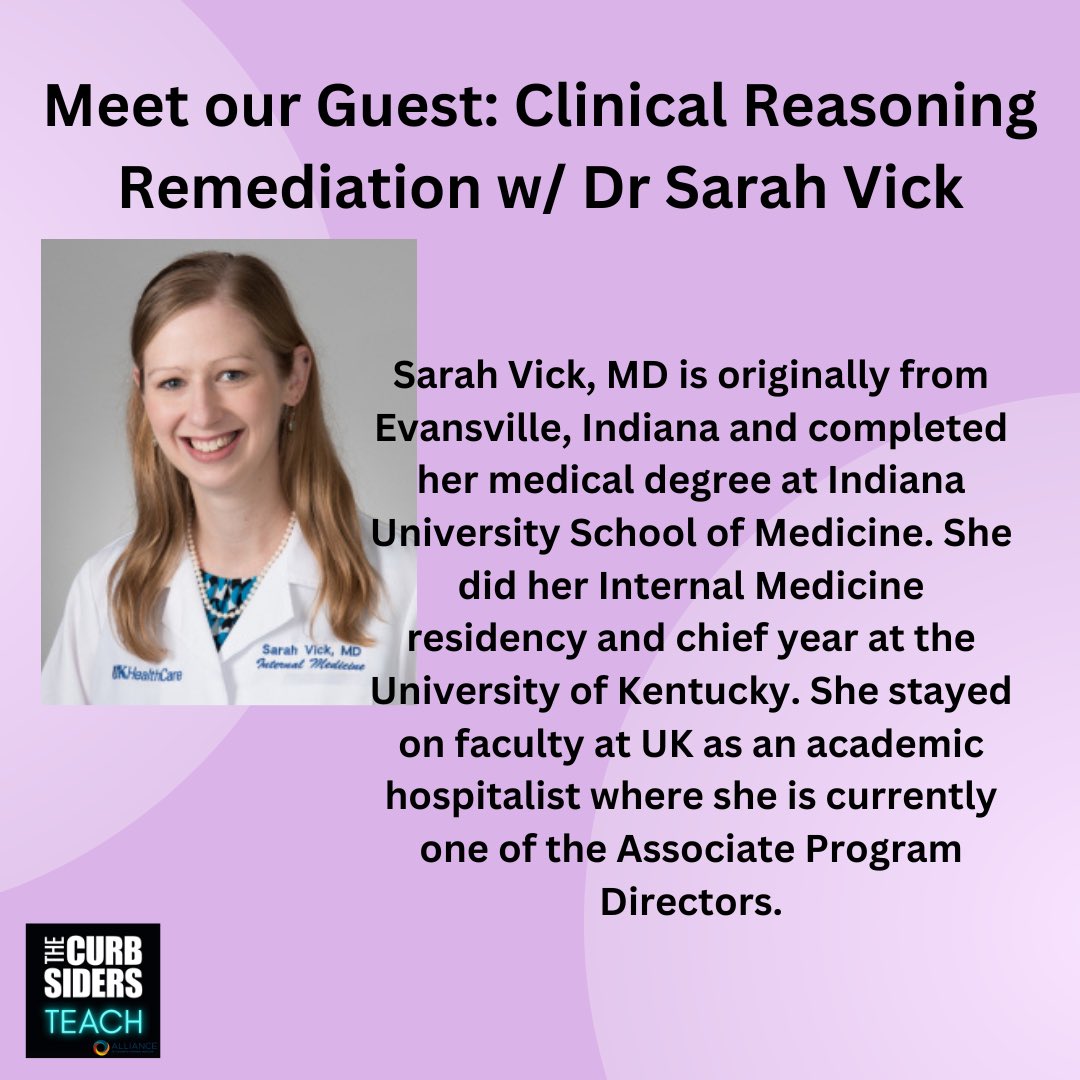
ALT Meet our guest: Clinical ReasoningSarah Vick, MD is originally from Evansville, Indiana and completed her medical degree at Indiana University School of Medicine. She completed her Internal Medicine residency and chief year at the University of Kentucky. She stayed on faculty at UK as an academic hospitalist where she is currently one of the Associate Program Directors.
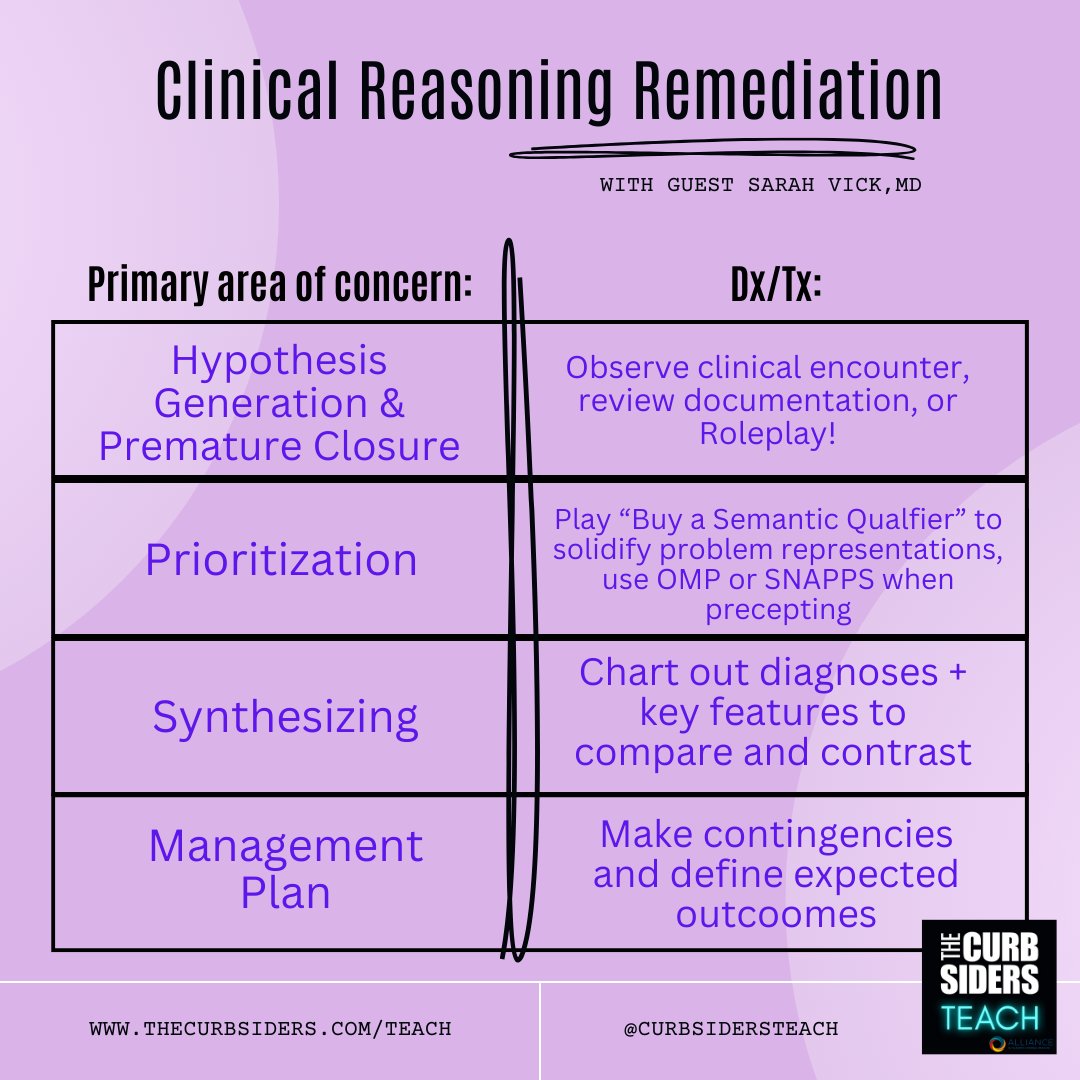
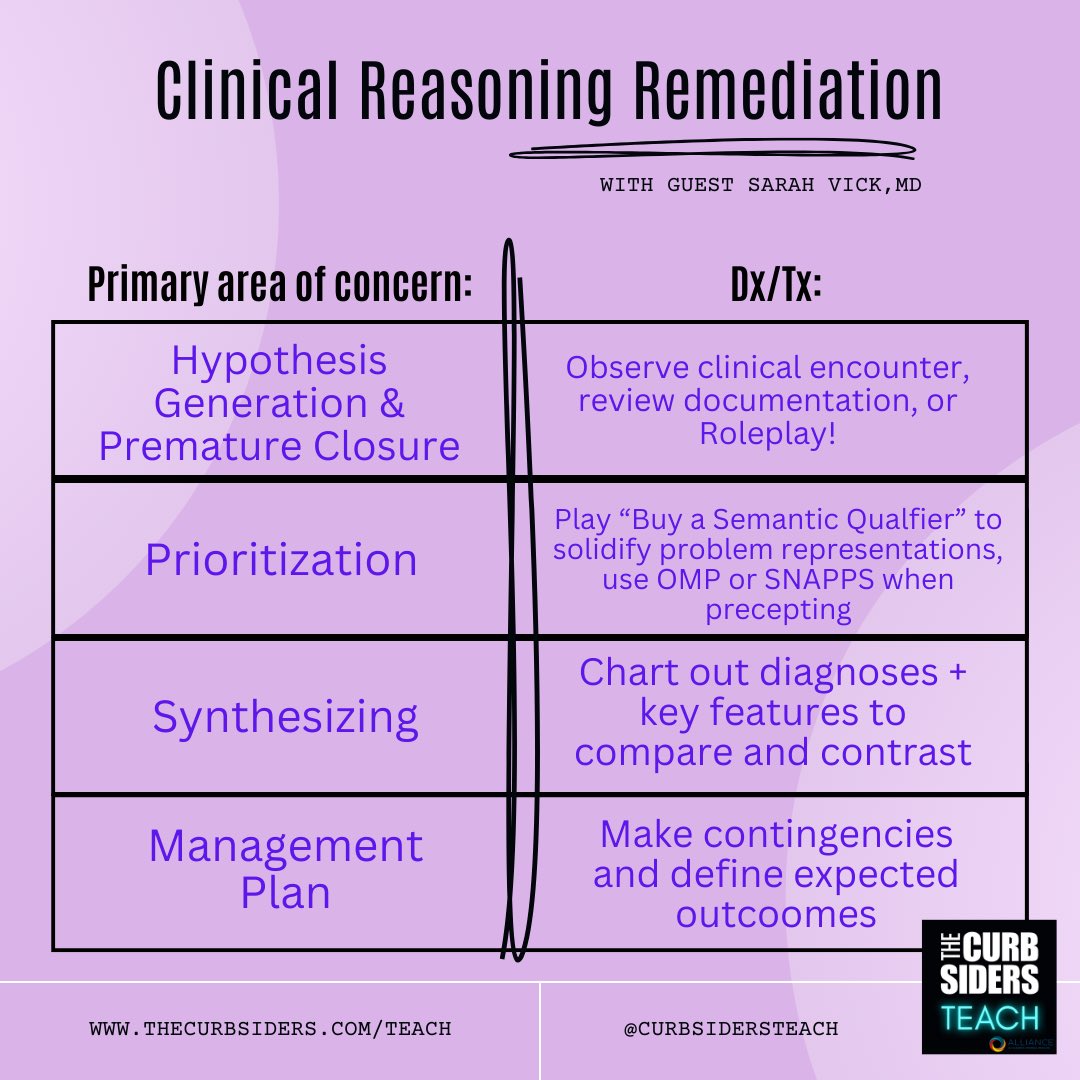
ALT Chart titled Clinical Reasoning Remediation with 2 columns Primary Area of Concern and Dx/Tx Hypothesis generation/Premature Closure: Observe Clinical Encounter, review documentation, or role play Prioritization: Play buy a semantic qualifer, use OMP or SNAPPS when precepting synthesizing: chart out diagnoses and key features to compare and contrast Management Plan: Make contingencies and define expected outcomes


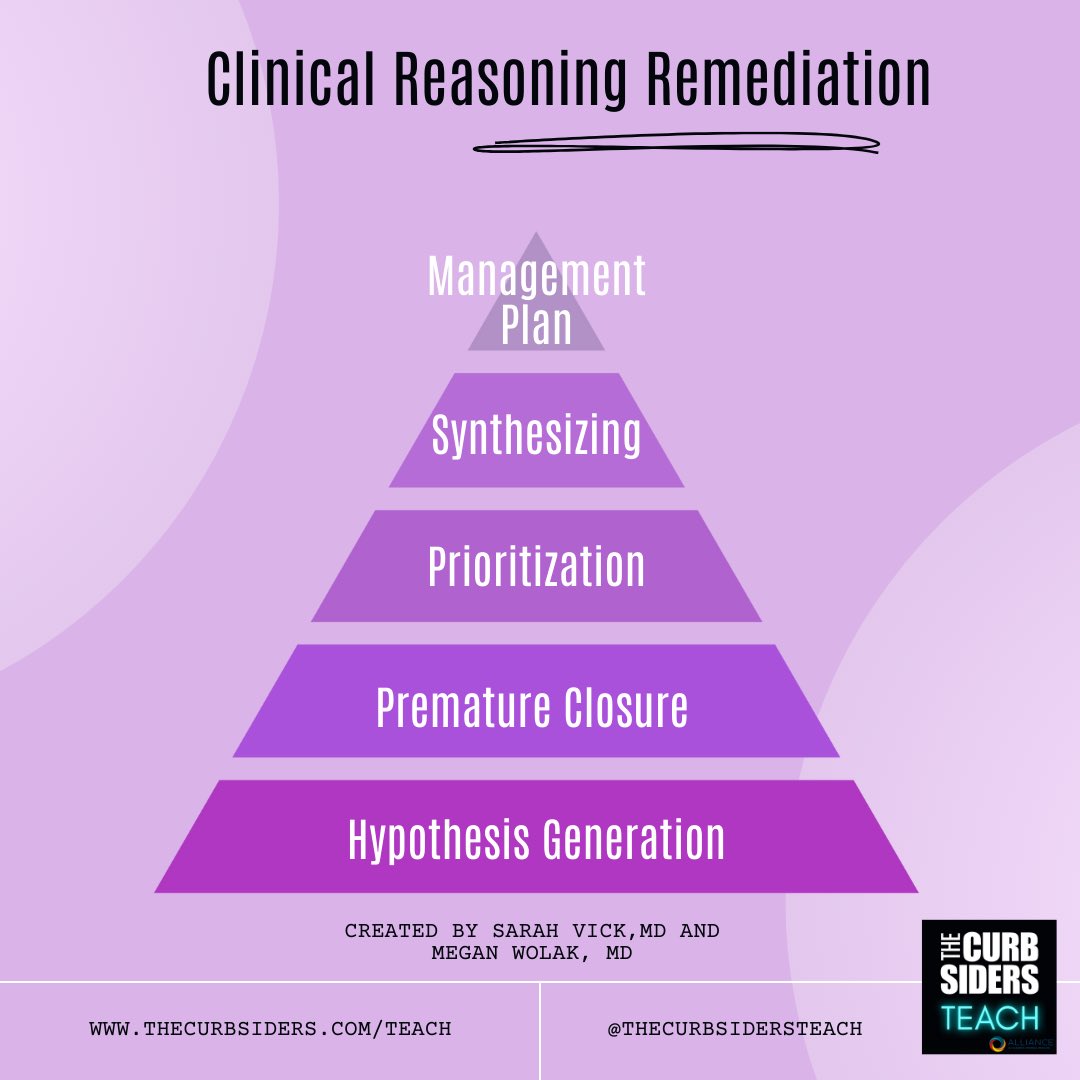
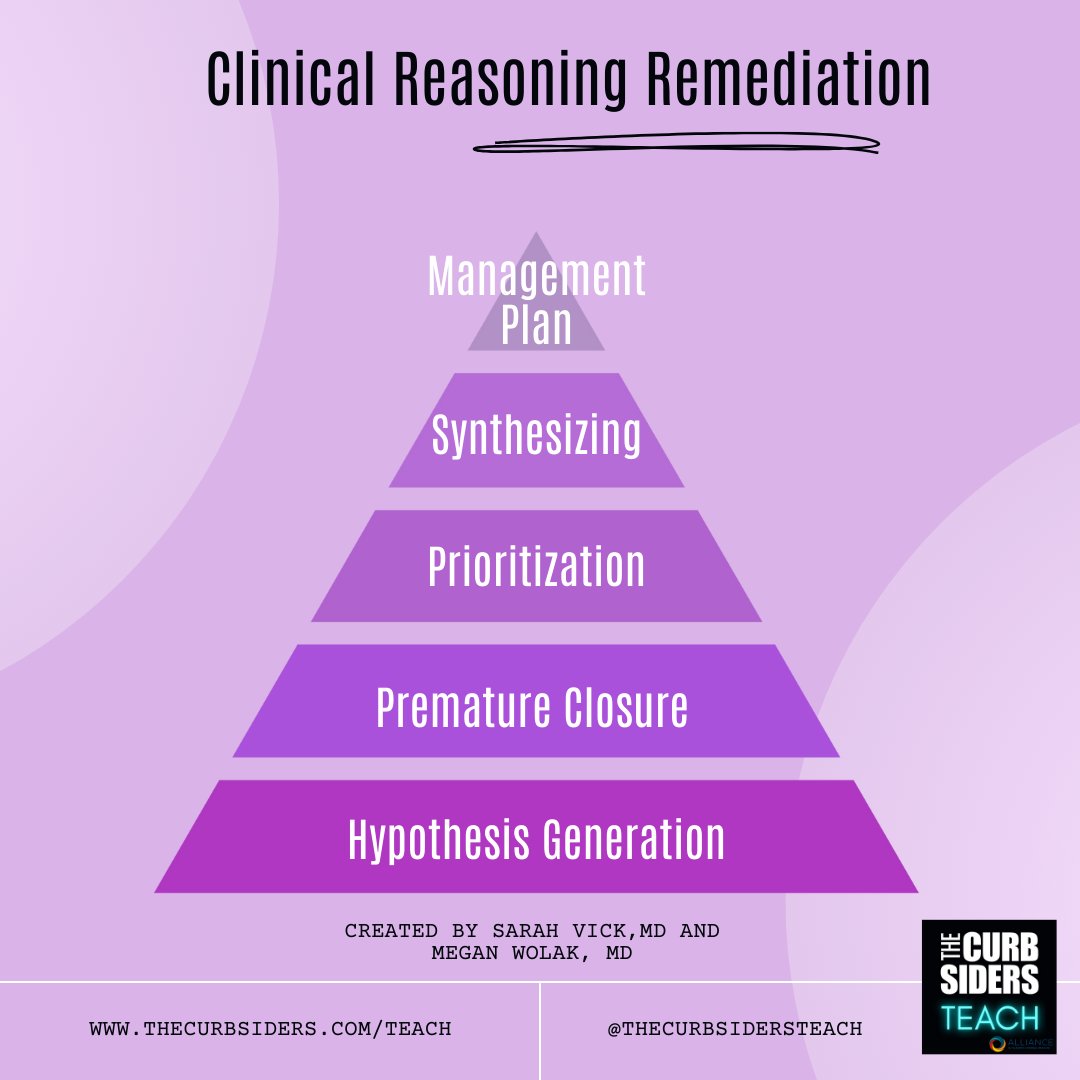
ALT Dr Vick and Dr Wolak’s Clinical Reasoning Pyramid This pyramid starts with foundational skills at the bottom and moves up to higher orders of clinical reasoning: Hypothesis Generation, Premature Closure, Prioritization, Synthesizing, and Management Plan.







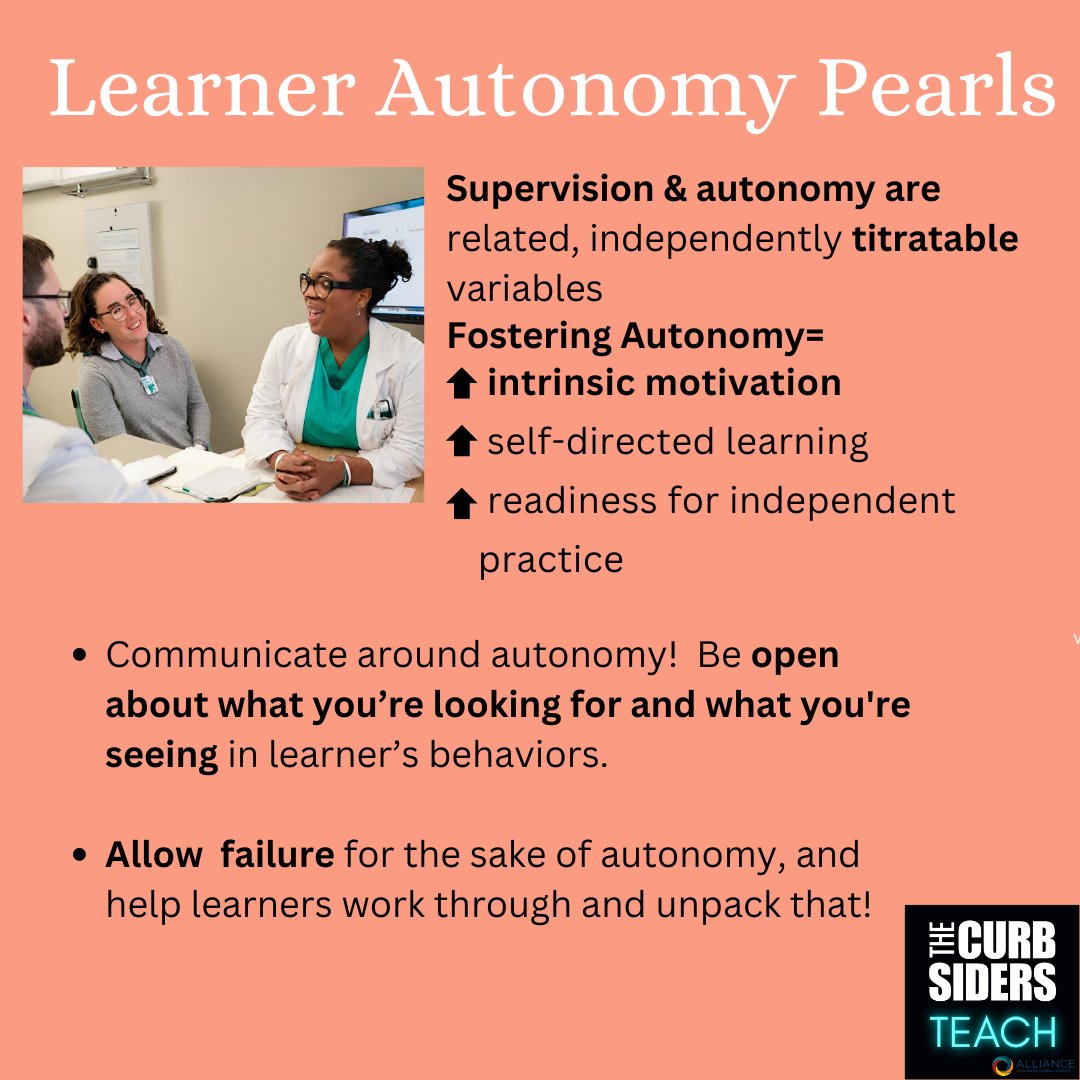
ALT Learner Autonomy Pearls podcast episode graphic. photo of health professionals talking together. text: Supervision Autonomy are relatable, independently titratable variables. Fostering autonomy increases intrinsic motivation, self directed learning, and readiness for independent practice. Communicate around autonomy! Be open about what your'e looking for and what you're seeing in Learner's behaviors. Allow failure for the sake of autonomy and help learners work through and unpack that