
Rayados
Joined January 2023
- Tweets 8,309
- Following 1,056
- Followers 323
- Likes 212,016
134 Photos and videos






Chuy Rayado retweeted

⚽️🏆🔥 MUNDIAL 2026: La FIFA prohíbe a jugadores que respondan en español en un Mundial donde México es uno de los países anfitriones. 🤦♂️
¿Qué opinas?
182
615
1,783
157,925
Chuy Rayado retweeted

Es indispensable la campaña de "No a la chilanguizacion de Monterrey" esas mamadas sureñas de cobrar a escondidas y asaltar gente en restaurantes tiene que terminar de inmediato y extenderlo a franeleros, ambulantes y en general a todo aquello que va en contra de nuestros valores
11
12
253
6,527

Chuy Rayado retweeted

Jun 12
Primer dia del mundial en México con intro de Malcolm el de en medio
Como le explicamos al mundo que esto paso en un solo día jajajajaja
292
11,741
68,866
1,633,184
Chuy Rayado retweeted

Jun 11
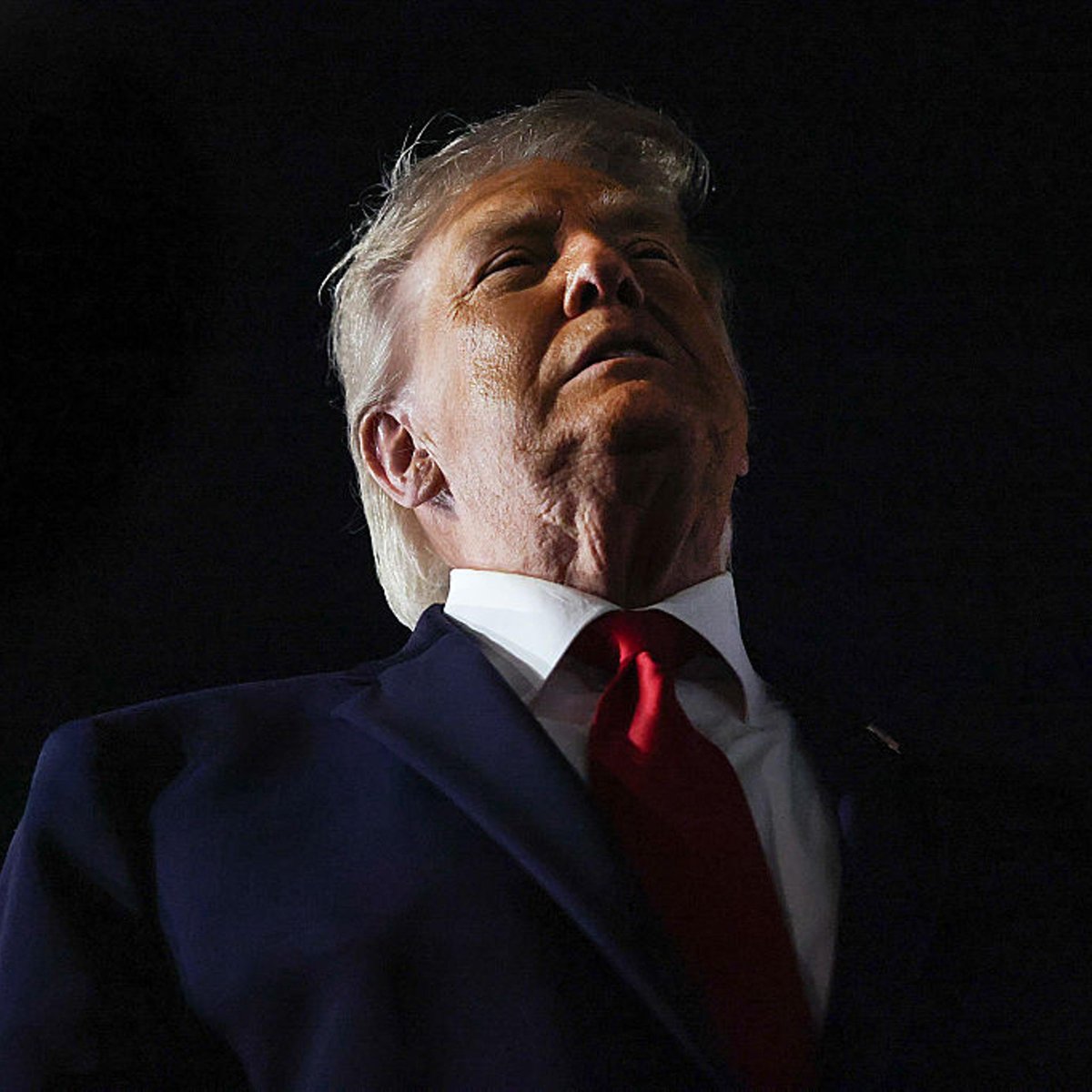
🚨🇺🇸 𝗕𝗥𝗘𝗔𝗞𝗜𝗡𝗚: Influencers who record and post content during the World Cup will need to have a journalist visa.
Otherwise, they will be deported.

2,166
4,070
44,355
5,312,265
Chuy Rayado retweeted

Jun 11
Llegó el gran día. 💚
Comienza la Copa del Mundo en nuestra casa. Y con ella, un nuevo capítulo en la historia de México. 🤍
Gracias, Incondicionales, por acompañarnos siempre. Por creer, por alentar y por soñar junto a nosotros. ❤️
Hoy no juega solo una Selección. Hoy juega todo un país. ¡Vamos juntos, México! 🙌🏻
#SomosMéxico 🇲🇽
170
2,334
15,660
272,143
Chuy Rayado retweeted

Jun 11
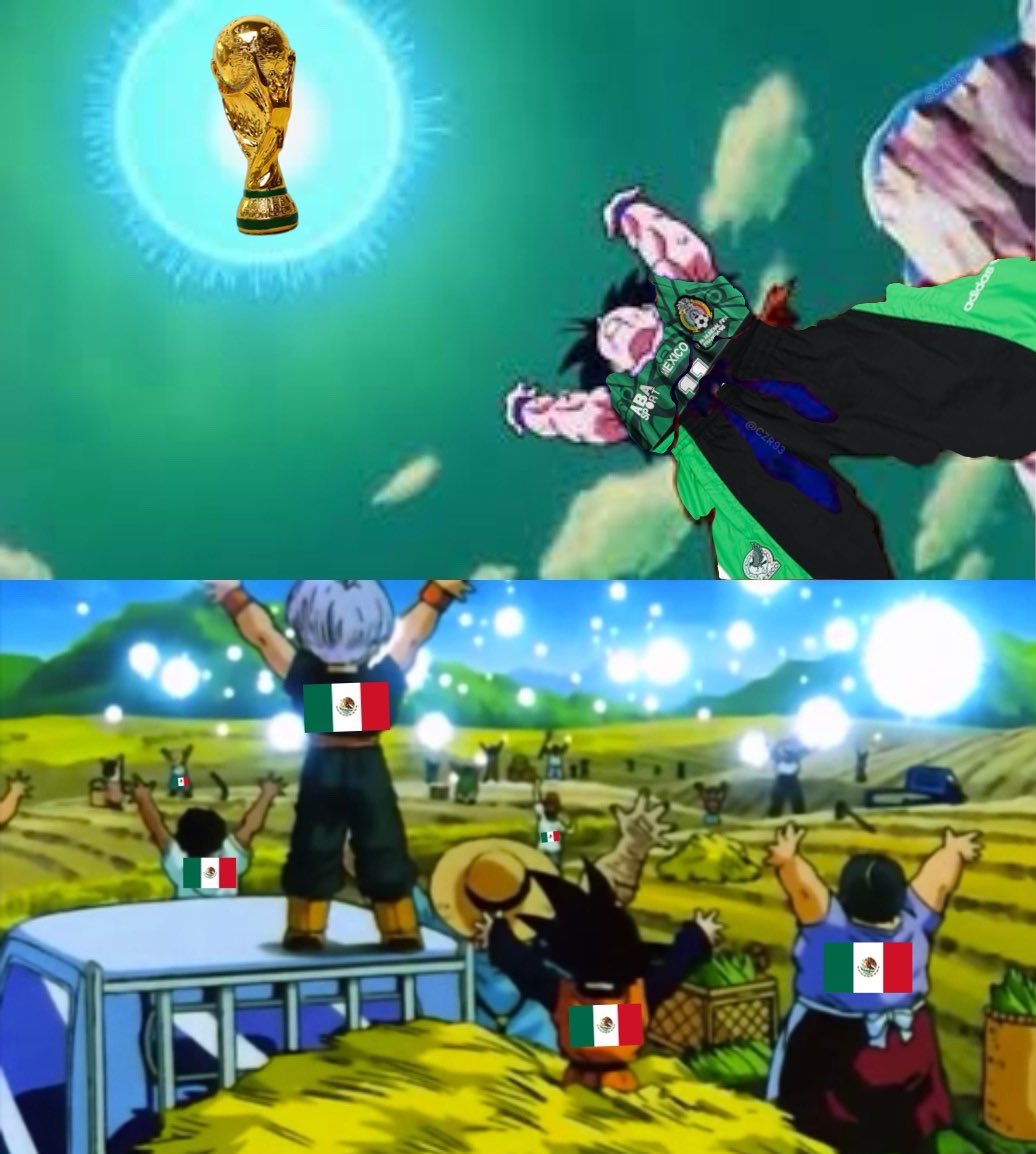
MEXICO PLAYS TODAY AT THE WORLD CUP! 🏆
THE DAY IS FINALLY HERE! VAMOS! 💚🤍❤️
27
1,631
10,470
121,688

Let's talk ⚽
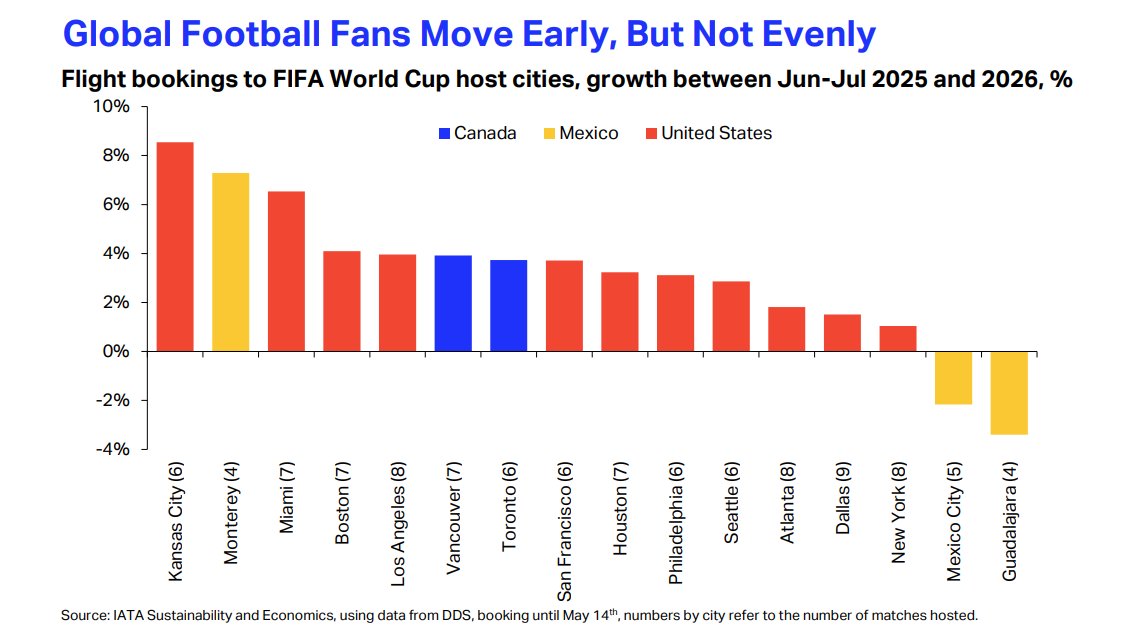
The 2026 FIFA World Cup's multi-city, multi-country format introduces a distinct dynamic for ✈️ travel. While nearly every city concerned is seeing increased in-flight bookings, the pattern is uneven.
#WeeklyChart and travel patterns 👇
bit.ly/4xi01Dt
3
84
281
177,590

Chuy Rayado retweeted

Jun 10
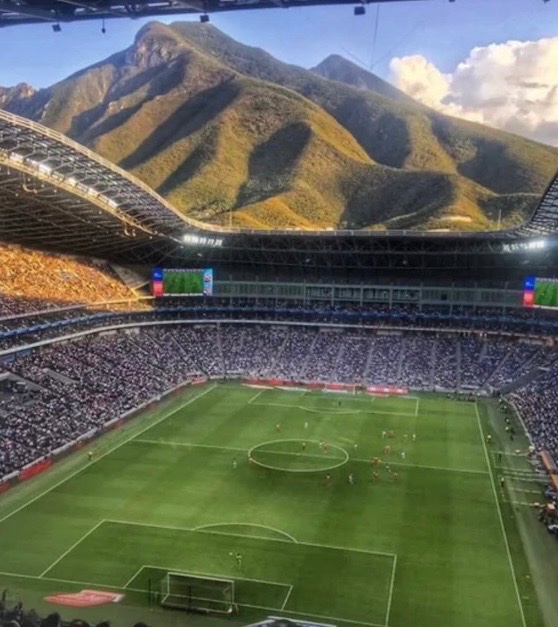
What city is this stadium in?
83
194
3,415
171,848
Chuy Rayado retweeted

Felicidades por tu gran éxito empresarial (perdón, tu boda)
A ver, alma caritativa y empresaria del año... Déjame ver si entendí bien tu brillante modelo de negocio: organizas una fiesta para celebrar tu matrimonio, eliges un menú carísimo que claramente no te alcanzaba para pagar, ¿y ahora resulta que tus amigos eran socios capitalistas obligados a financiarte el capricho?
Qué nivel de necesidad y de hambre hay que tener para ver a tus seres queridos como terminales bancarias con patas. Qué horror que te dieran un abrazo "seco" en lugar de un fajo de billetes húmedos, ¿verdad?
Ideas para tu "mensajito amable" (Por si te falta inspiración):
"Hola, Juan. Qué bonita la foto que nos tomamos, pero lamentablemente los recuerdos no pagan los langostinos que te tragaste. Me debes 100€. Quedo atenta a tu transferencia para no bloquearte de mi vida".
"¡Hola, tía! Qué linda tu sonrisa, pero fíjate que la sonrisa no cotiza en el banco. ¿Me pasas lo de tu cubierto o te lo difiero a 12 cuotas con interés?"
La cruda realidad (A ver si así despiertas):
El concepto de "Invitar": Viene del latín invitare, que significa que tú pagas. Una boda no es un concierto con venta de boletos ni una kermés para recaudar fondos para tu causa benéfica.
Tu presupuesto, tu problema: Si te faltan 2.500€, el error de cálculo no fue de tus invitados por no ser "decentes" (según tus estándares de tarifa mínima), fue tuyo por querer tirar la casa por la ventana con los bolsillos vacíos.
La que se está colgando eres tú: Organizar un evento para luego exigirle a los demás que paguen su derecho de piso es el acto más tacaño, hambreado y de mal gusto imaginable.
Mi recomendación: Paga la deuda de la fiesta que tú organizaste, cierra la boca y agradece que 95 personas te quieren lo suficiente como para ir a verte vestida de blanco.
245
290
10,544
547,468
Chuy Rayado retweeted

Jun 10
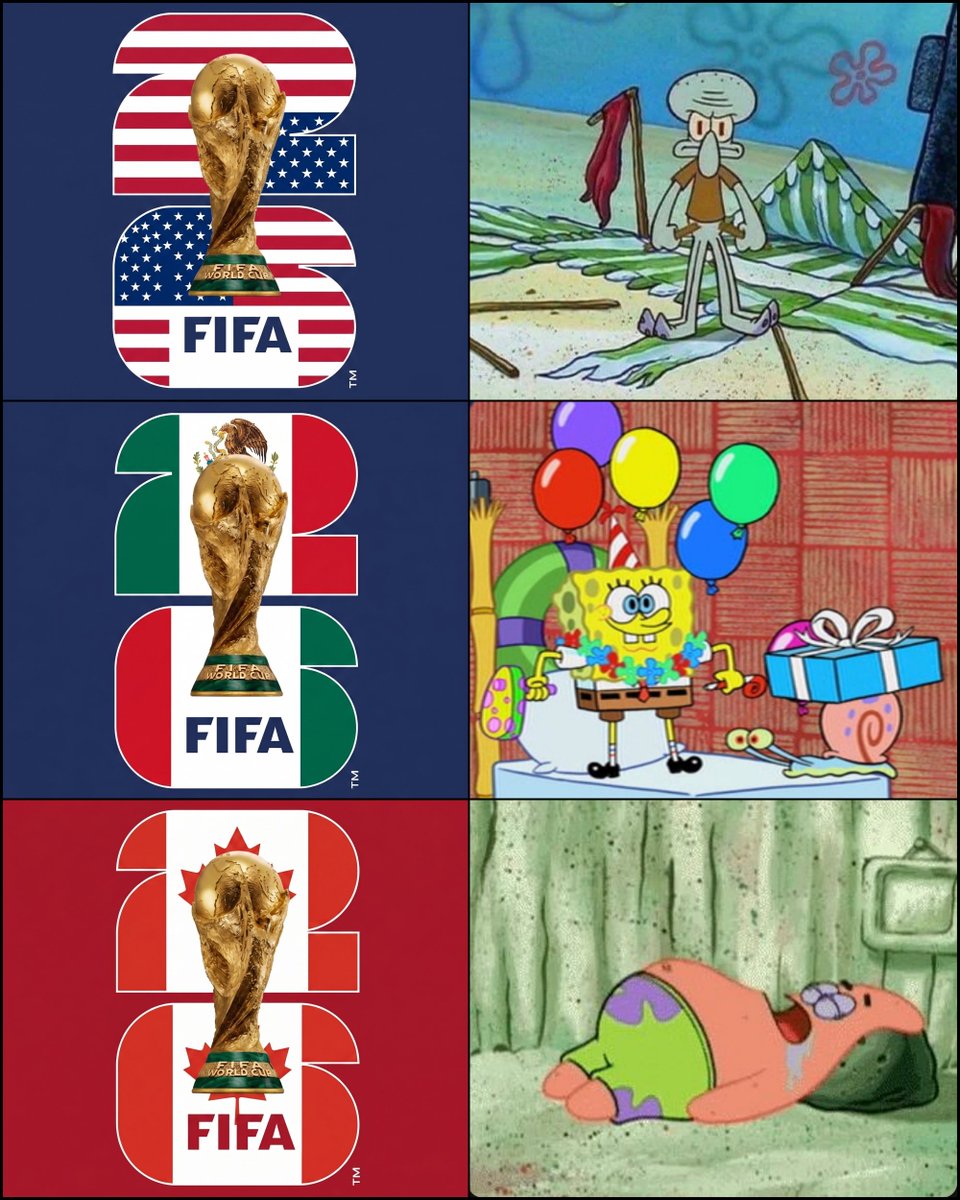
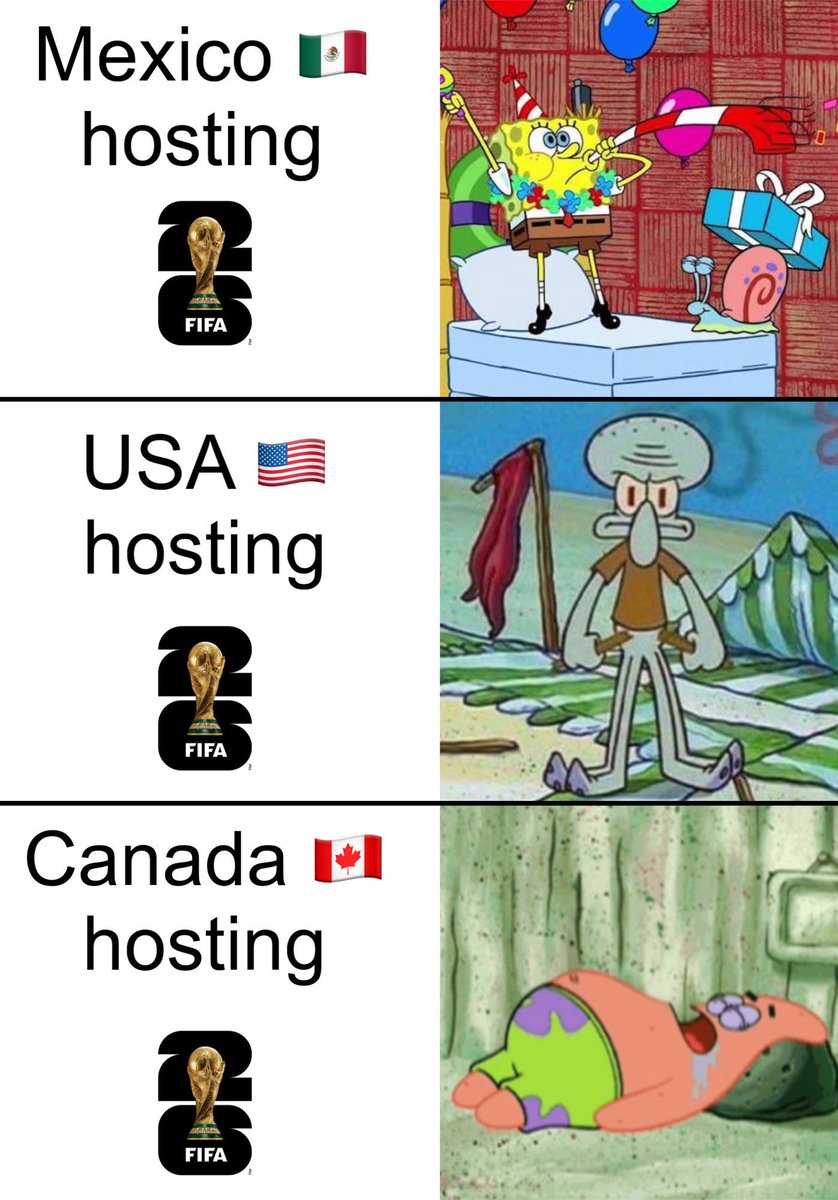
The 3 host countries of 2026 World Cup
500
11,633
167,521
2,868,837

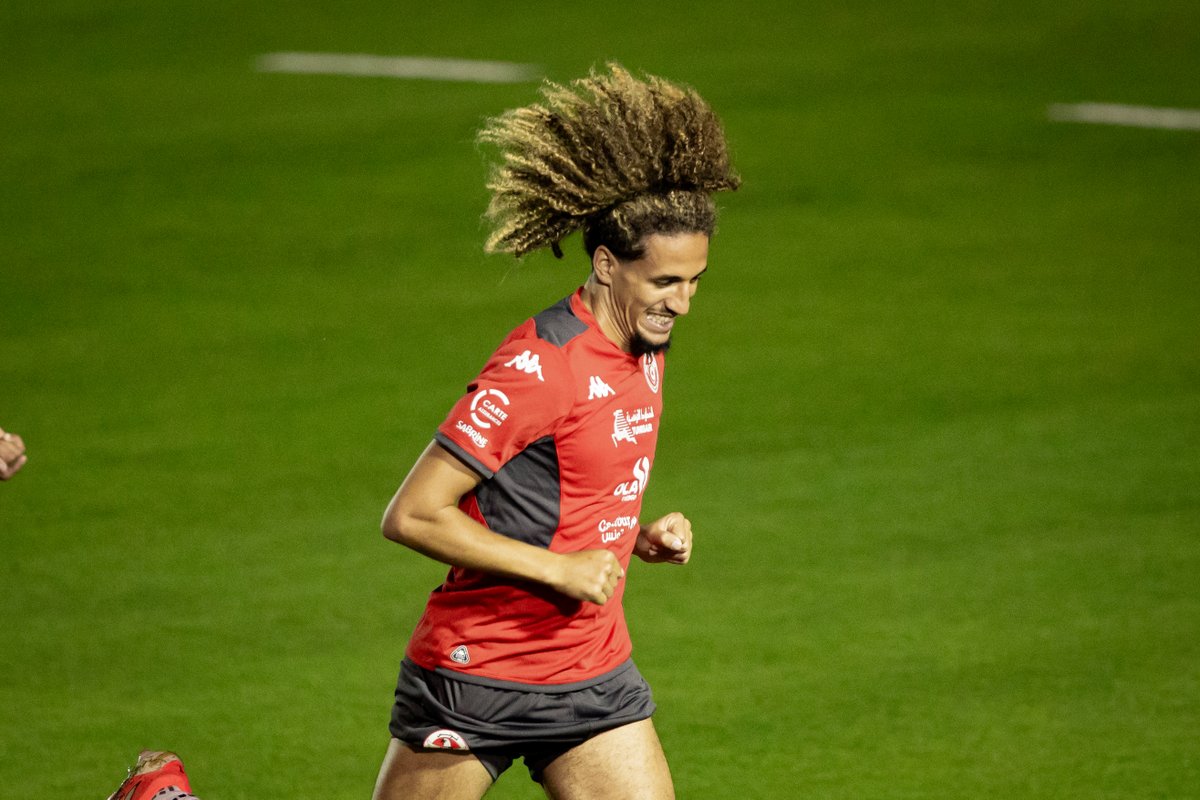
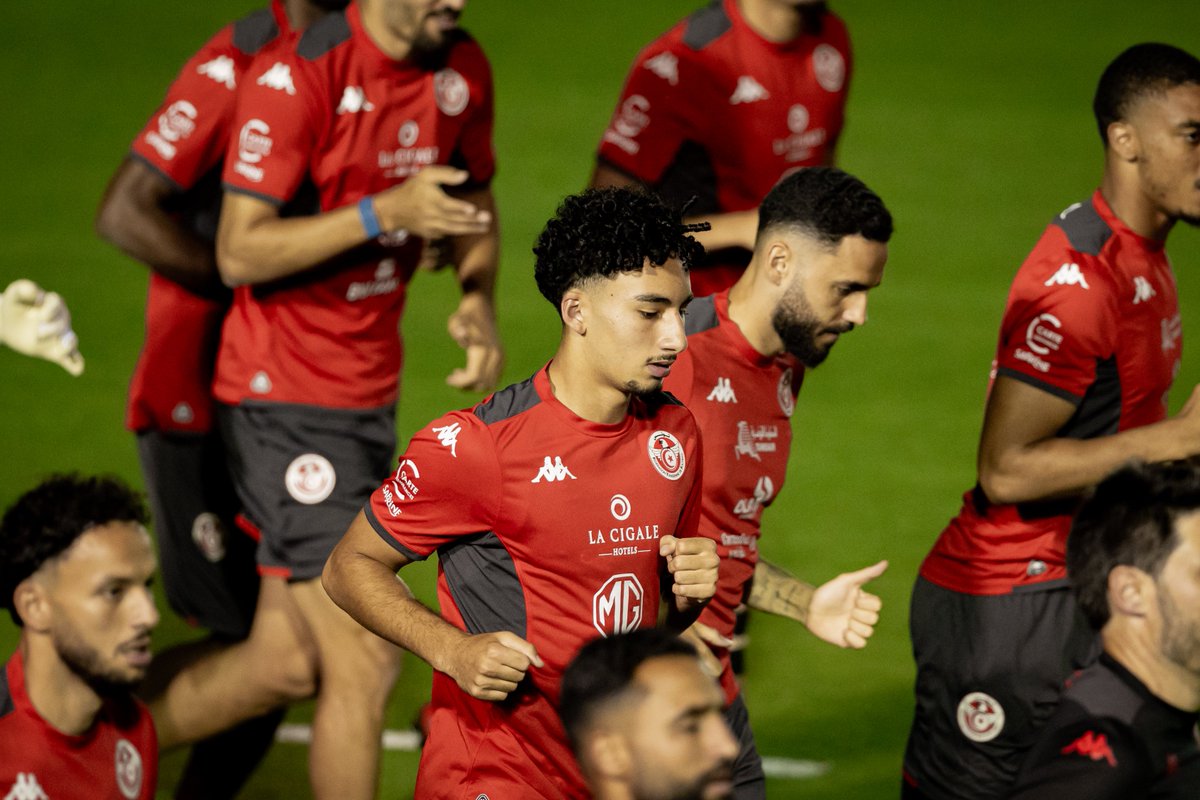
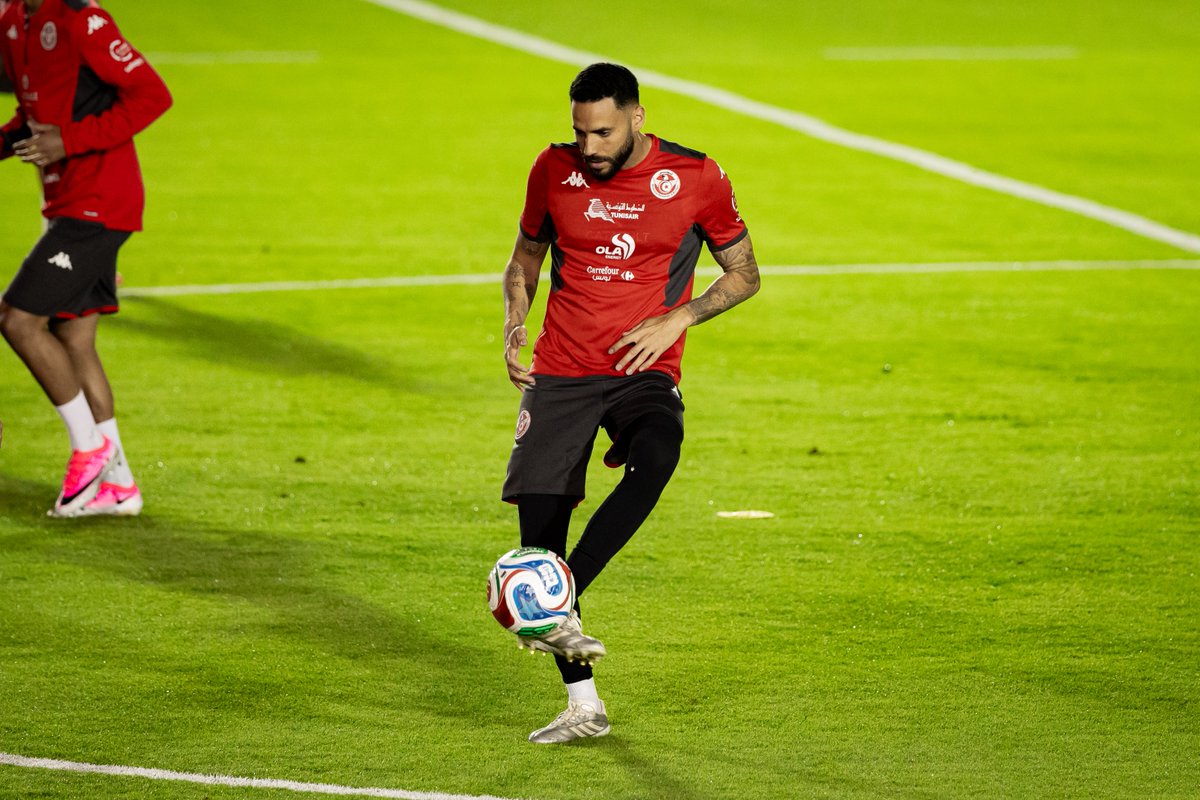
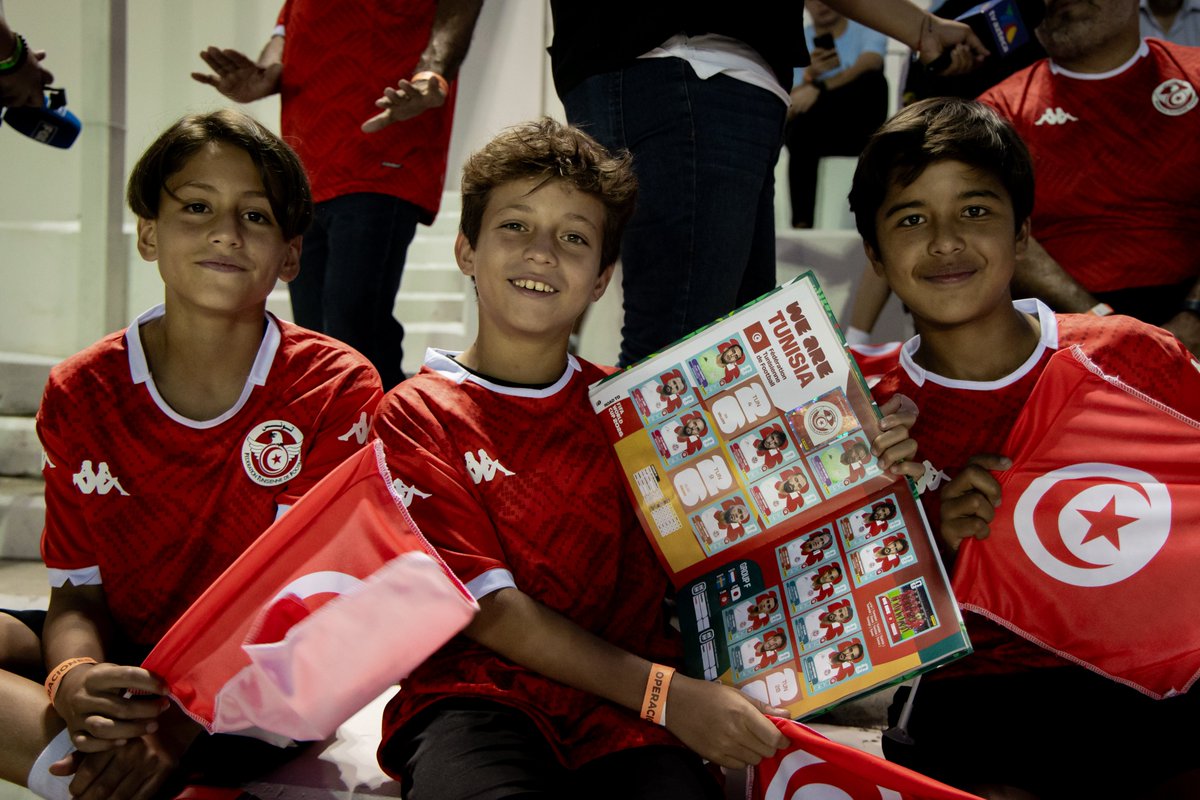
Crece el ambiente mundialista en el Rayados Training Center. 🌎
Hoy recibimos a la Selección de Túnez para su primera sesión de entrenamiento, a la que asistieron niños de Escuelas Rayados.⚽
Les damos la bienvenida y les deseamos mucho éxito en el Mundial.👏🏼 🇹🇳 #MTY2026
2
61
979
18,155

Chuy Rayado retweeted

Jun 10
Mexico plans to stage several World Cup matches at this location.
Estadio BBVA, known as “El Gigante de Acero” (“The Steel Giant”), was constructed between 2011 and 2015 as the replacement for Estadio Tecnológico, the longtime home of C.F. Monterrey since 1950.
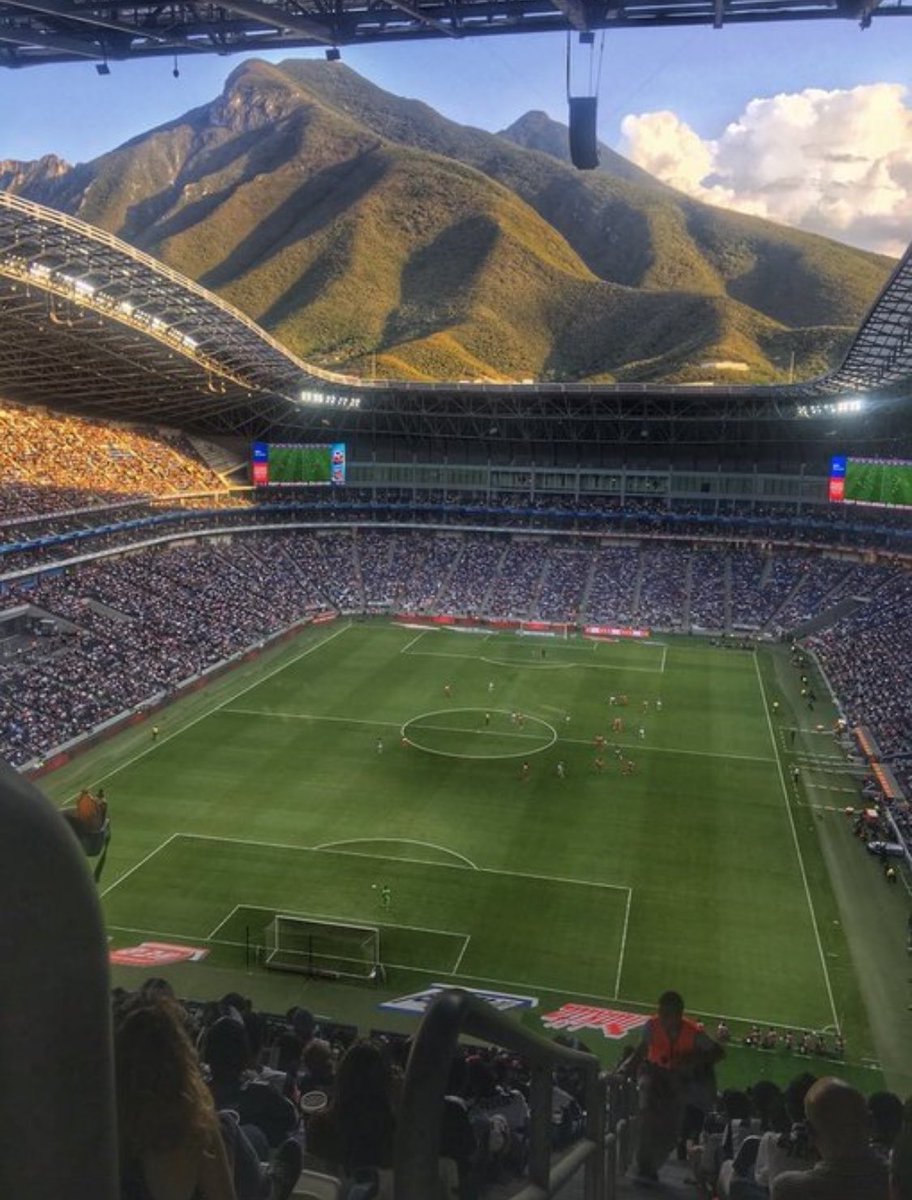
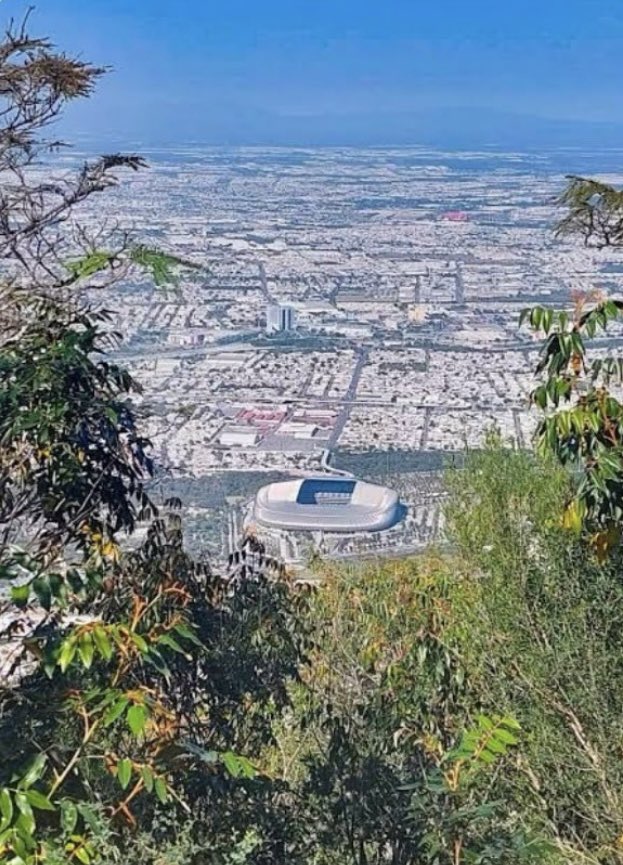
The 53,000-seat venue was deliberately designed and positioned to frame views of Cerro de la Silla, a mountain named by Spanish settlers in the 16th century because its distinctive silhouette resembles a saddle (“silla” in Spanish).
Long before European settlement, the area was home to Indigenous peoples, including groups collectively referred to as the Coahuiltecans. Rising approximately 1,820 meters (5,970 feet) above sea level, Cerro de la Silla served as a vital landmark for travelers and settlers moving across northeastern Mexico.
As Monterrey evolved from a modest colonial outpost into one of Mexico’s leading industrial centers, Cerro de la Silla remained a defining feature of the landscape. Over time, it became the city’s unofficial symbol, appearing prominently in logos, photographs, postcards, and countless representations of Monterrey itself.
40
114
1,227
110,882
Chuy Rayado retweeted

Sofia Miranda, repórter da GETV, estava fazendo uma transmissão ao vivo com um grupo de Mariachis, no México, quando de repente um deles tirou um revólver da cintura e mostrou a repórter.
VIVA MÉXICO!! VIVA BRASIL!!
127
478
8,114
416,239
Chuy Rayado retweeted

Jun 8
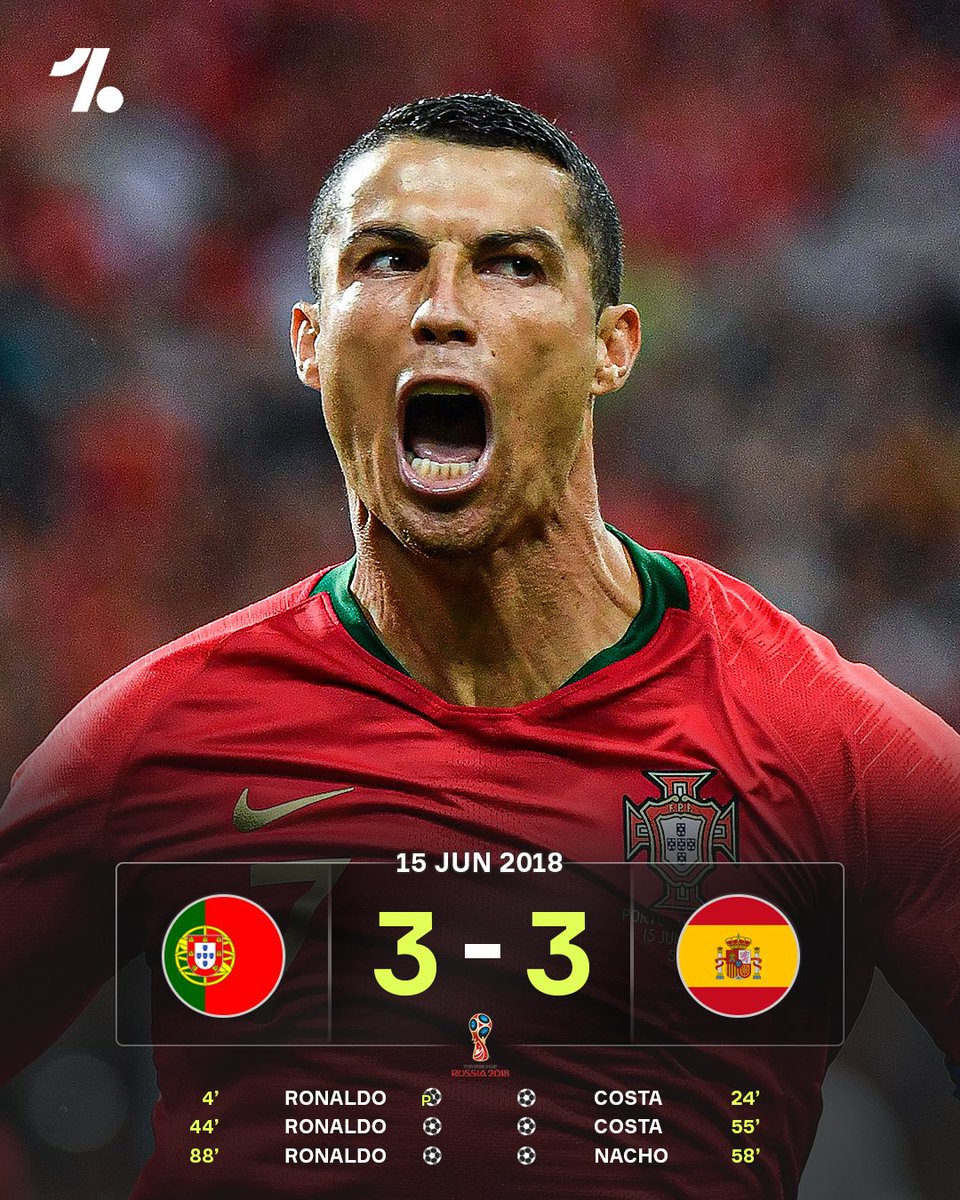
Spain have conceded just ONE hat-trick in the history of the World Cup 🇪🇸👀
... and it had to be Cristiano Ronaldo that scored it 🐐🇵🇹
301
3,141
33,530
274,556
Chuy Rayado retweeted

The 2026 World Cup is going to be special in Monterrey. 🇲🇽
Just look at that view. 😍
9
60
753
20,690

Jun 7
jajaja como buen putito bloquea los comentarios

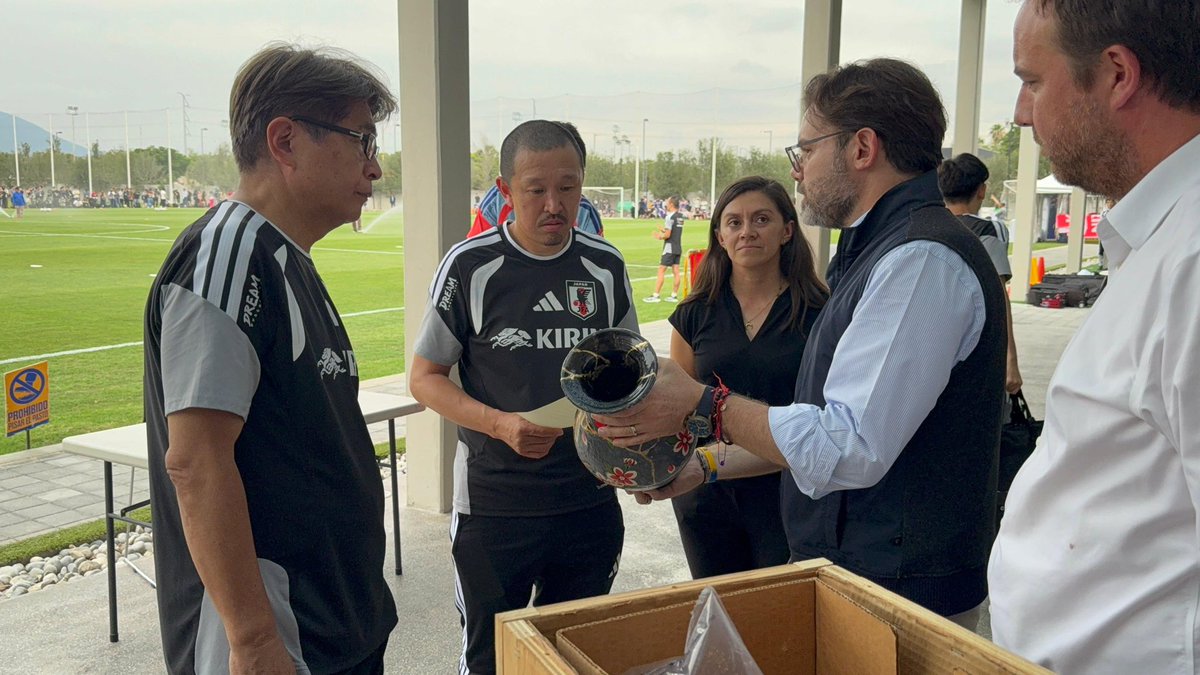
What began as a setback has become an opportunity—an opportunity to strengthen our relationship, to learn, to improve, and to express the deep respect and admiration we have for Japan, its culture, and its national team @jfa_samuraiblue @TigresOficial
1
83
Chuy Rayado retweeted

Habla mejor el español y se le entiende más que al puto tartamudo de @ArizpeMiguelZ
2
12
98
3,411