
published writer, former reviewer (books and film), mother, reader, film fan, metal head, knitter, redhead, youtuber #GeishaofGore horror, exploitation
Joined January 2009
- Tweets 52,308
- Following 3,732
- Followers 3,433
- Likes 572,459
2,469 Photos and videos







Colleen Wanglund 💜🦋📚✍️ retweeted

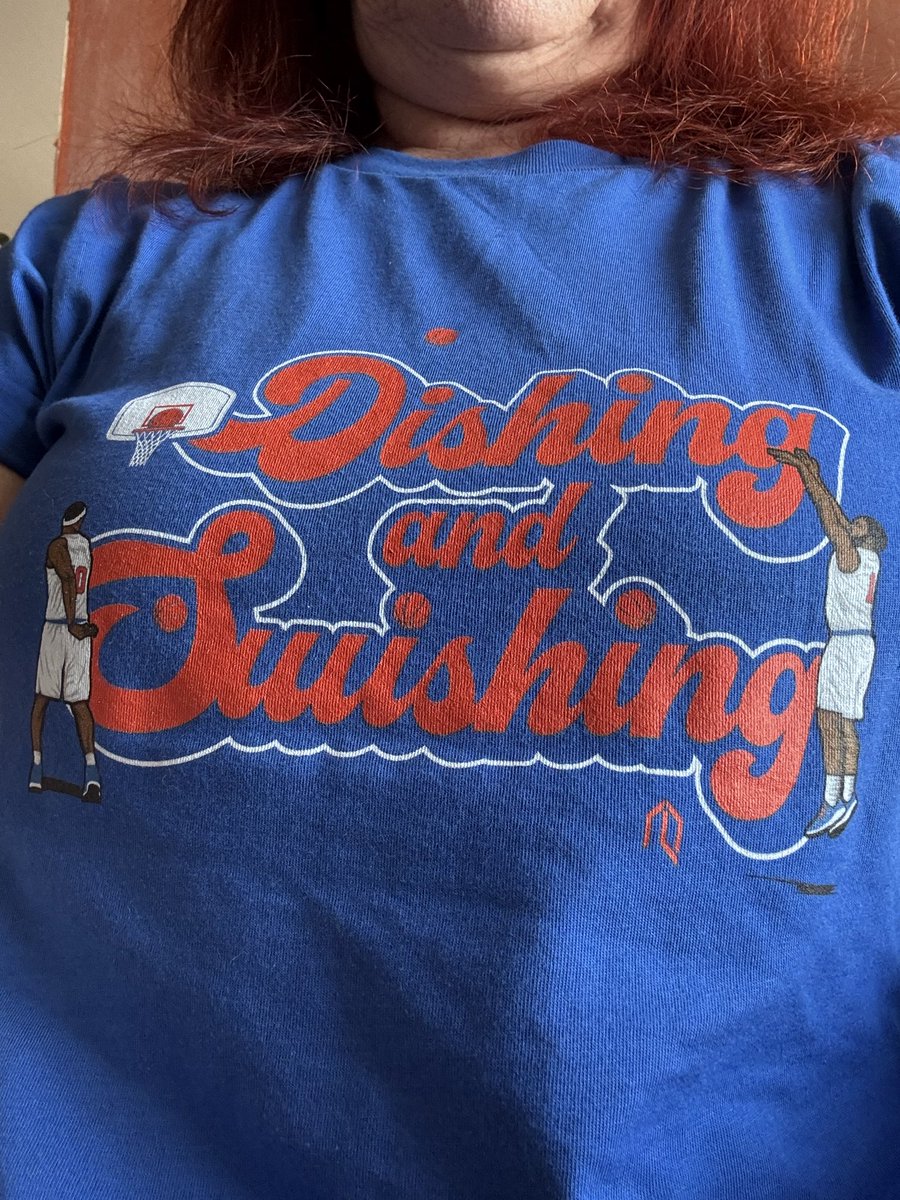
BING BONG - KNICKS ARE THE NBA CHAMPS
ORANGE AND BLUE LIGHTS ALL NIGHT
SEE THE LIGHTS LIVE: esbo.nyc/ecx
81
3,256
16,008
238,305

Finally!


15


Colleen Wanglund 💜🦋📚✍️ retweeted

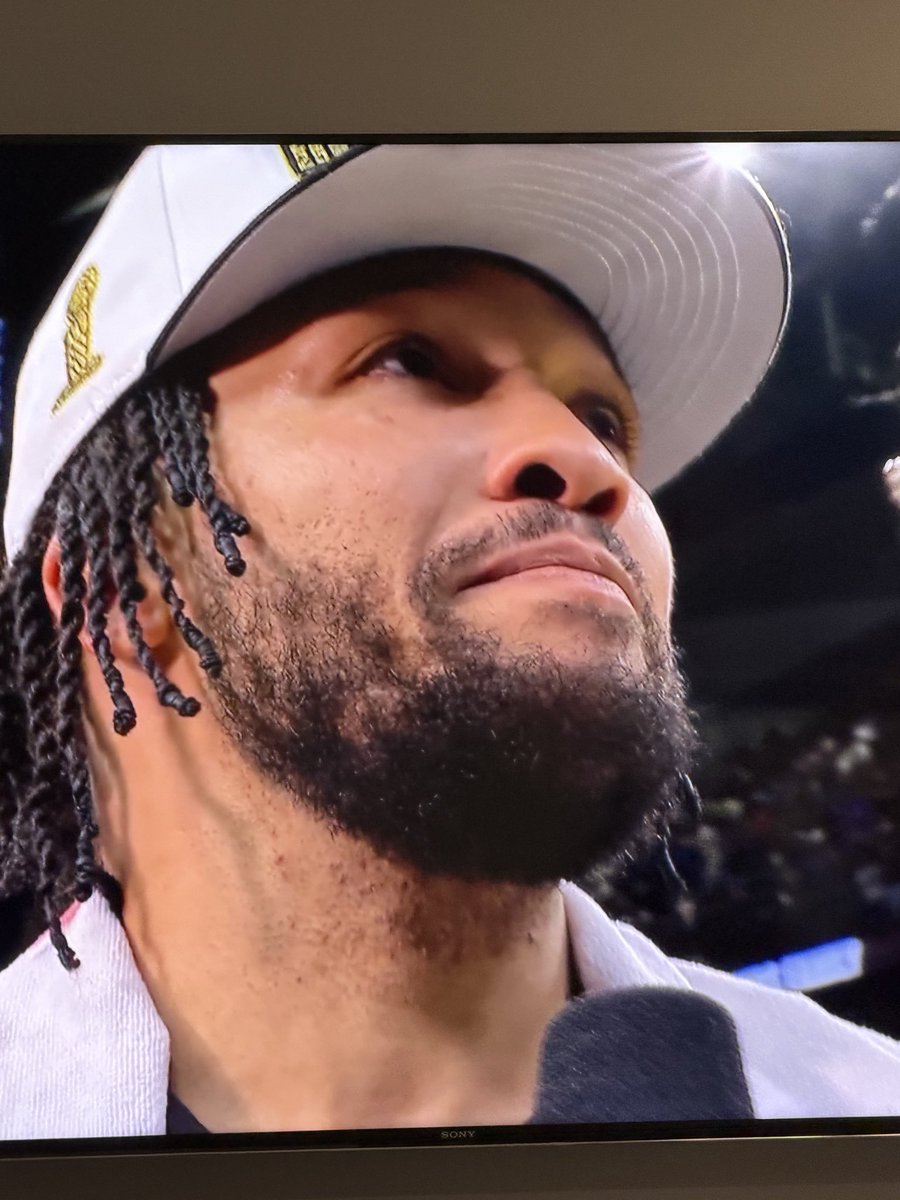
June 14, 1994: #11 breaks a 54 year drought
June 13, 2026: #11 breaks a 53 year drought

92
1,345
8,557
211,255
Colleen Wanglund 💜🦋📚✍️ retweeted


1
51
278
4,254
Colleen Wanglund 💜🦋📚✍️ retweeted

It's the 40th anniversary of Thornton Melon doing the Triple Lindy and winning the National Championship for Grand Lakes University.
Back to School (1986)
132
719
5,927
610,959
Colleen Wanglund 💜🦋📚✍️ retweeted

Marquis de Lafayette landed in South Carolina to serve the Continental Army alongside George Washington today in 1777! He was 19 years old.
🎥: Grok Imagine
27
296
1,907
27,809
Colleen Wanglund 💜🦋📚✍️ retweeted

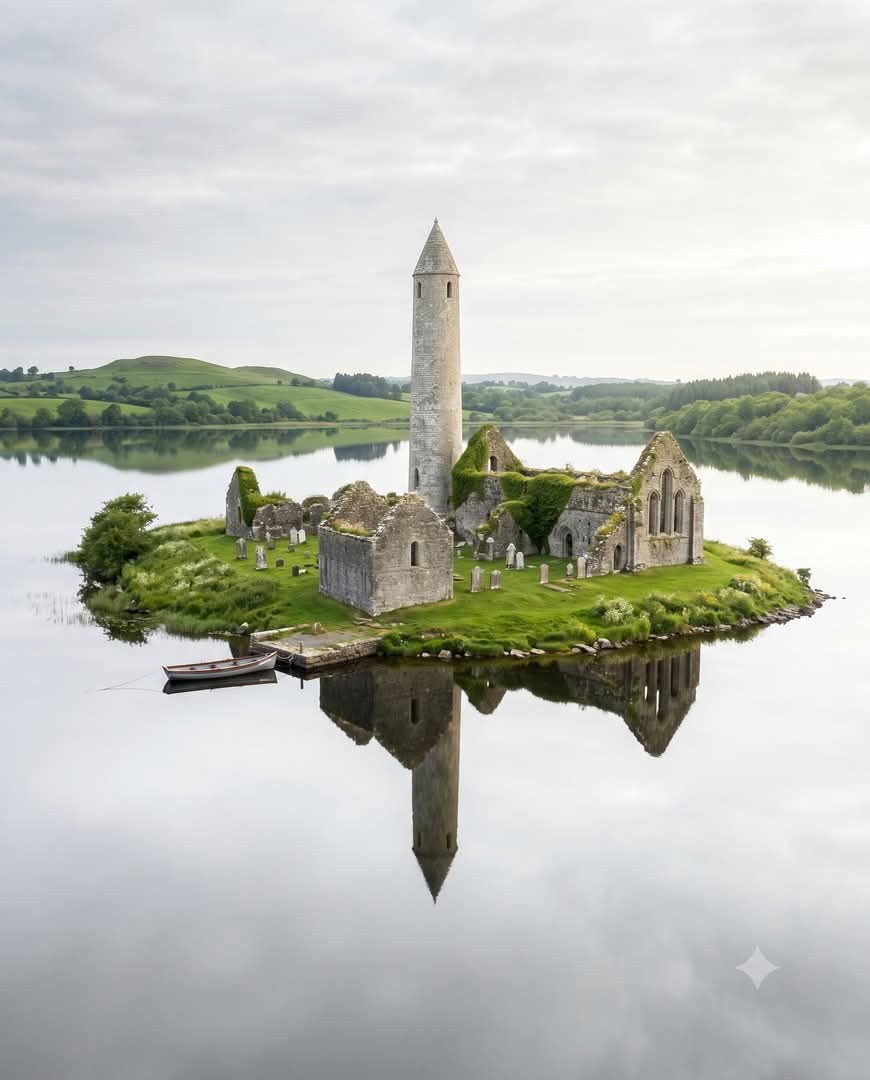
Devenish of the Assemblies was founded by St Molaise in the 6th century, the monastery of Devenish Island was the most important of Lough Erne’s many island monasteries 🙏🏻
📍County Fermanagh, Éire 🇮🇪
📸 The Irish Way
#Fermanagh #Ireland #LoughErnes #Devenish #History
3
8
38
457
Colleen Wanglund 💜🦋📚✍️ retweeted

Georges Méliès’ A TRIP TO THE MOON (1902) was one of the first blockbuster films & one of the first major piracy victims. Unauthorized copies flooded American theaters through companies tied to Thomas Edison & Méliès never saw a cent from its U.S. success.
9
38
153
17,200
Colleen Wanglund 💜🦋📚✍️ retweeted
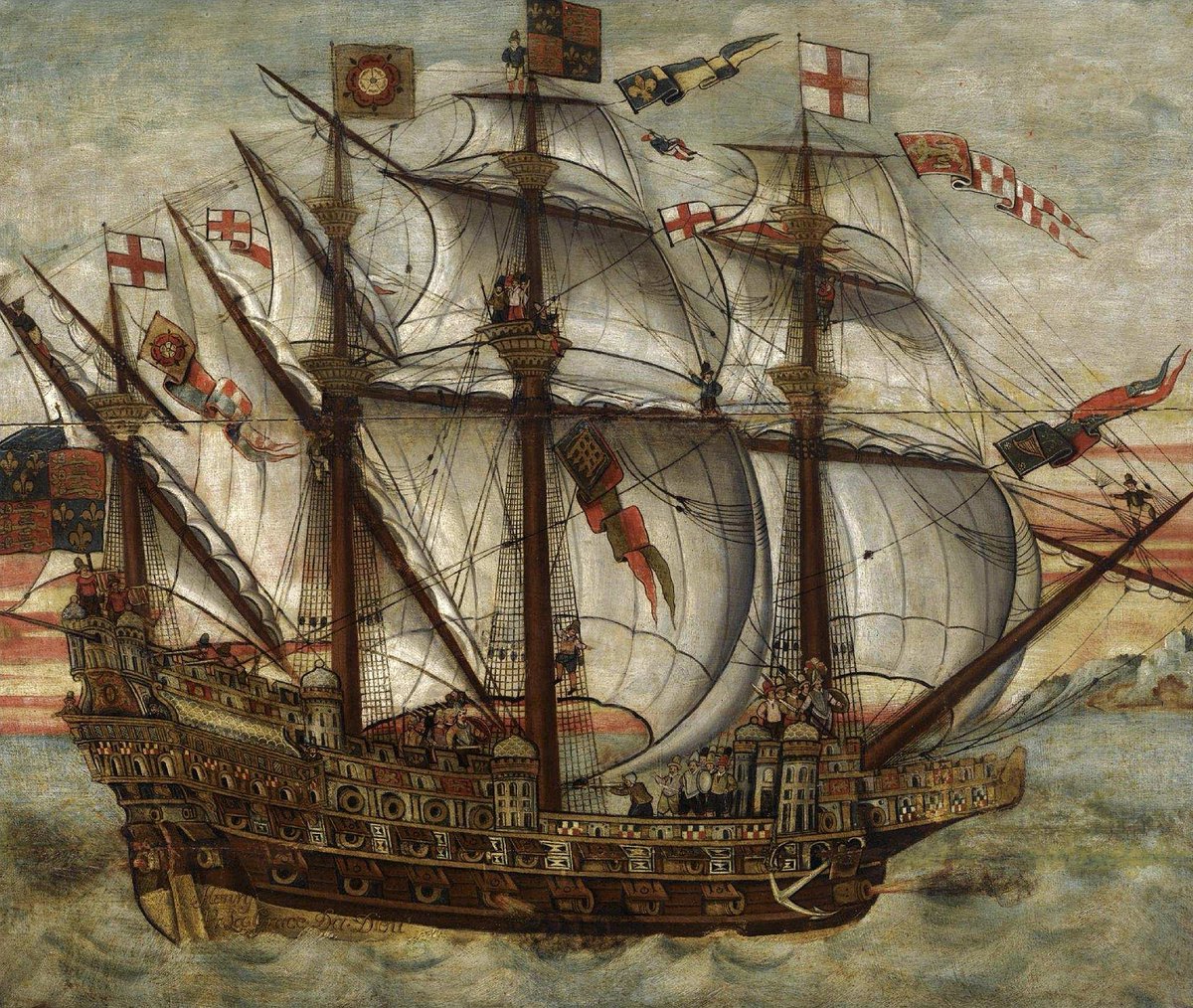
The largest warship in the world at the time, the Henry Grace à Dieu, was dedicated at Woolwich Dockyard in England today in 1514.
2
26
211
11,754
Colleen Wanglund 💜🦋📚✍️ retweeted

On this day in 1995, Alanis Morissette released 'Jagged Little Pill,' an album that turned raw emotion into a cultural force. She was 21, fearless, and unapologetically honest. With every scream, sob, and sly grin, she gave a generation permission to say exactly what they felt.

4
19
82
2,676
Seriously
Jun 13

Don’t worry about Elon becoming rich with his own money.
Worry about politicians becoming rich with your money.
1
15
This is so sad. Praying for Bill and his family.
Jun 12

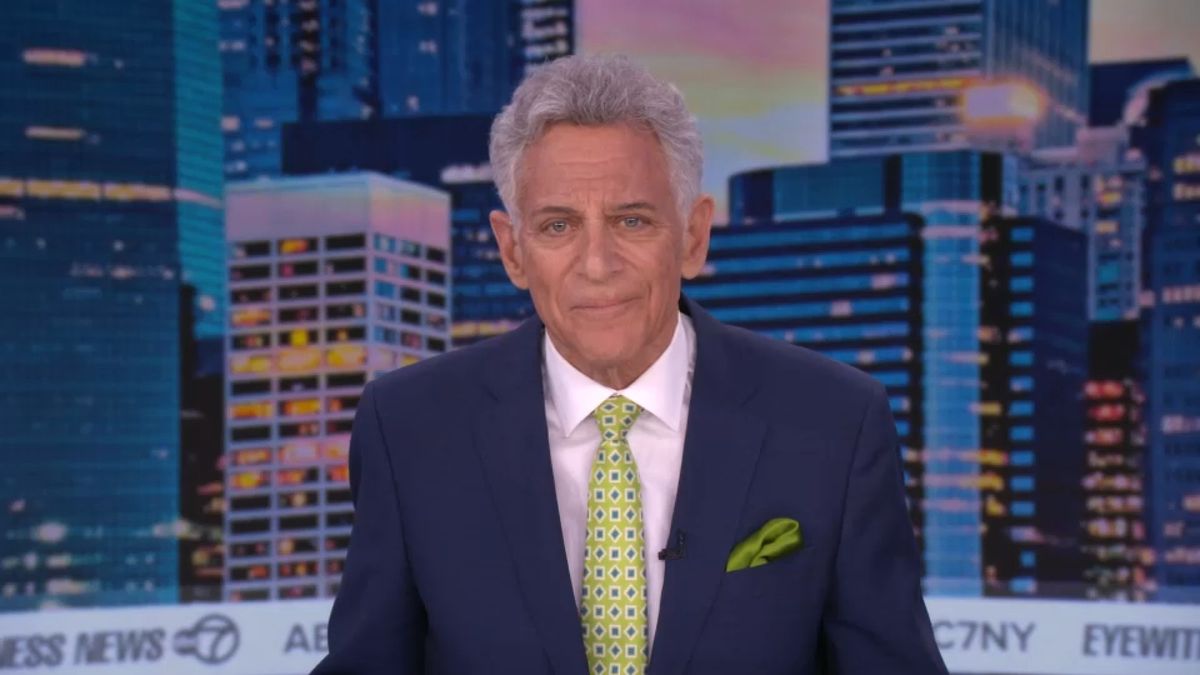
Beloved WABC Anchor Bill Ritter steps away from the anchor desk; reveals Alzheimer's diagnosis 7ny.tv/qjn7PG
1
17
Colleen Wanglund 💜🦋📚✍️ retweeted

"You Only Live Twice" starring Sean Connery opened in theaters today in 1967.
BITE-SIZED FACT | The movie was the fifth film in the James Bond series.

8
31
178
6,716
Colleen Wanglund 💜🦋📚✍️ retweeted

Jun 12
Rest in peace to Gene Shalit, a man whose Kermit the Frog interview went absolutely off the rails in 1984.
Nobody has interviewed a Muppet like this since.
42
1,993
14,176
528,582
Colleen Wanglund 💜🦋📚✍️ retweeted

Foxglove providing colour and a little delightful magic by a busy main road 🩷
It was once believed in Ireland that the Foxglove would nod or bow out of respect for passing fairies 🌷🧚🏻
And yet despite this association it was also used in various cures for the "fairy stroke"
This highly toxic plant has rejuvenating qualities and when a child began to waste away from fairy influence then the juice of the Foxglove was thought to be the key to their revival 🔑
In some places the juice from twelve Foxglove leaves would be administered each day and if the child, or even adult, was a Changeling, then they would refuse the offer of the medicine 🌺

6
49
243
1,820
Colleen Wanglund 💜🦋📚✍️ retweeted

6/13/2012 R.A. Dickey throws a one-hit shutout against the Rays. Dickey also sets a franchise record with 32 2/3 consecutive scoreless frames. Following the game, the Mets appeal that the hit allowed by Dickey be ruled an error on David Wright; however, the ruling is upheld.
3
15
101
6,470
Colleen Wanglund 💜🦋📚✍️ retweeted

Jun 12
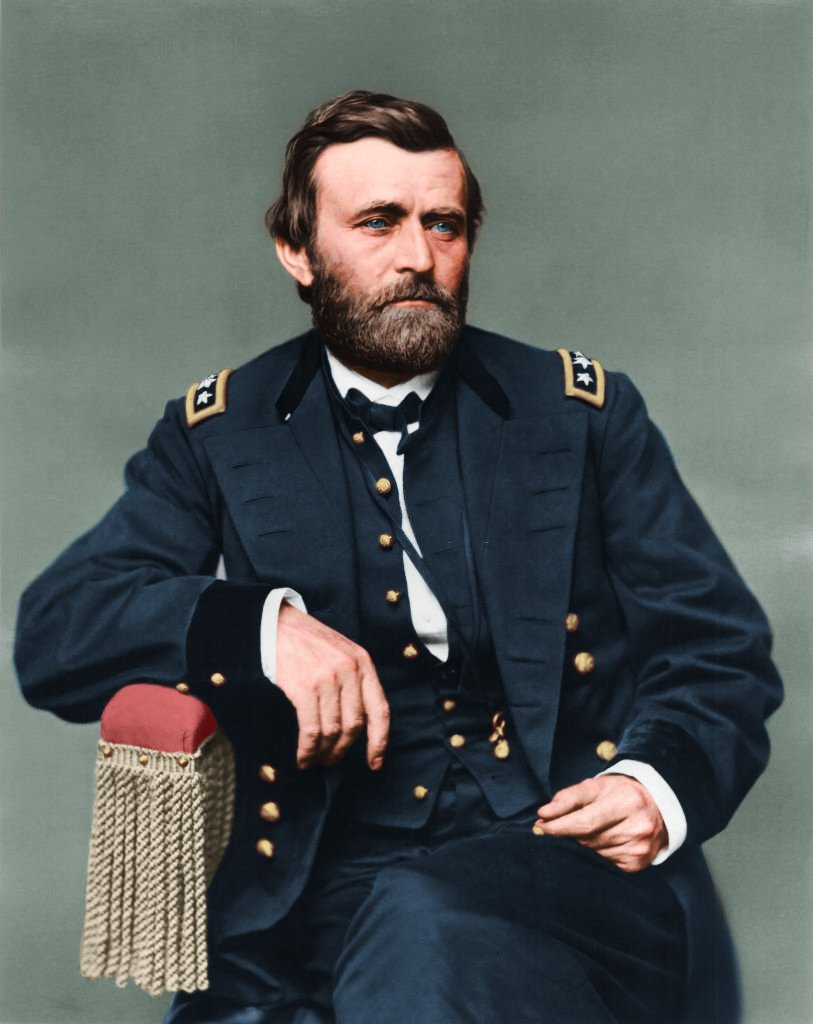
OTD in 1864: 100,000 men vanished overnight, and the greatest general of the age had no idea where they went. This might be the most underrated move of the Civil War.
Context: Grant had just spent ten days locked in trench warfare at Cold Harbor, Virginia, after a frontal assault on June 3 that cost him thousands of men in under an hour. He admitted it was the worst mistake of his career. The armies were so close that soldiers could not lift their heads above the dirt in daylight.
Everyone, including Lee, expected Grant to do what every Union commander before him did after a bloody repulse: retreat north and regroup.
Instead, on the night of June 12, Grant did something audacious. He pulled the entire Army of the Potomac out of trenches that were in some places only yards from Confederate lines. No bugles, no fires, wheels muffled. By morning the Union trenches were empty and Lee's scouts found nothing but abandoned earthworks.
The army marched south, away from Richmond, which made no sense to Confederate observers. Then Union engineers did something almost nobody thought possible: they threw a pontoon bridge across the James River, roughly 2,100 feet of it, over water up to 85 feet deep with a four-foot tidal swing. They built it in about eight hours. It was one of the longest floating bridges in military history.
For three full days Lee was effectively blind, unsure whether Grant was north or south of the James. By the time the picture cleared, Grant's army was across the river attacking Petersburg, the rail hub that fed Richmond.
The siege that followed lasted nine months and ended with Lee's surrender at Appomattox.
Everyone remembers Cold Harbor as Grant's worst day. Almost nobody remembers that one week later he pulled off the maneuver that won the war.
34
445
2,308
73,626
Colleen Wanglund 💜🦋📚✍️ retweeted

#ff @Batmanmeetsgod1 @MAHLLC @SarahEGlenn @GwenMayo @kinky_horror @therealjoebob @DebbieRochon @kanehodder1 @Kelly_Said @amy_grech @SweetColleen @mygoodbabushka @SeanWhalenActor @BiLLYd_licious @BNAmherstNY @MoniqueSnyman
2
2
2
28
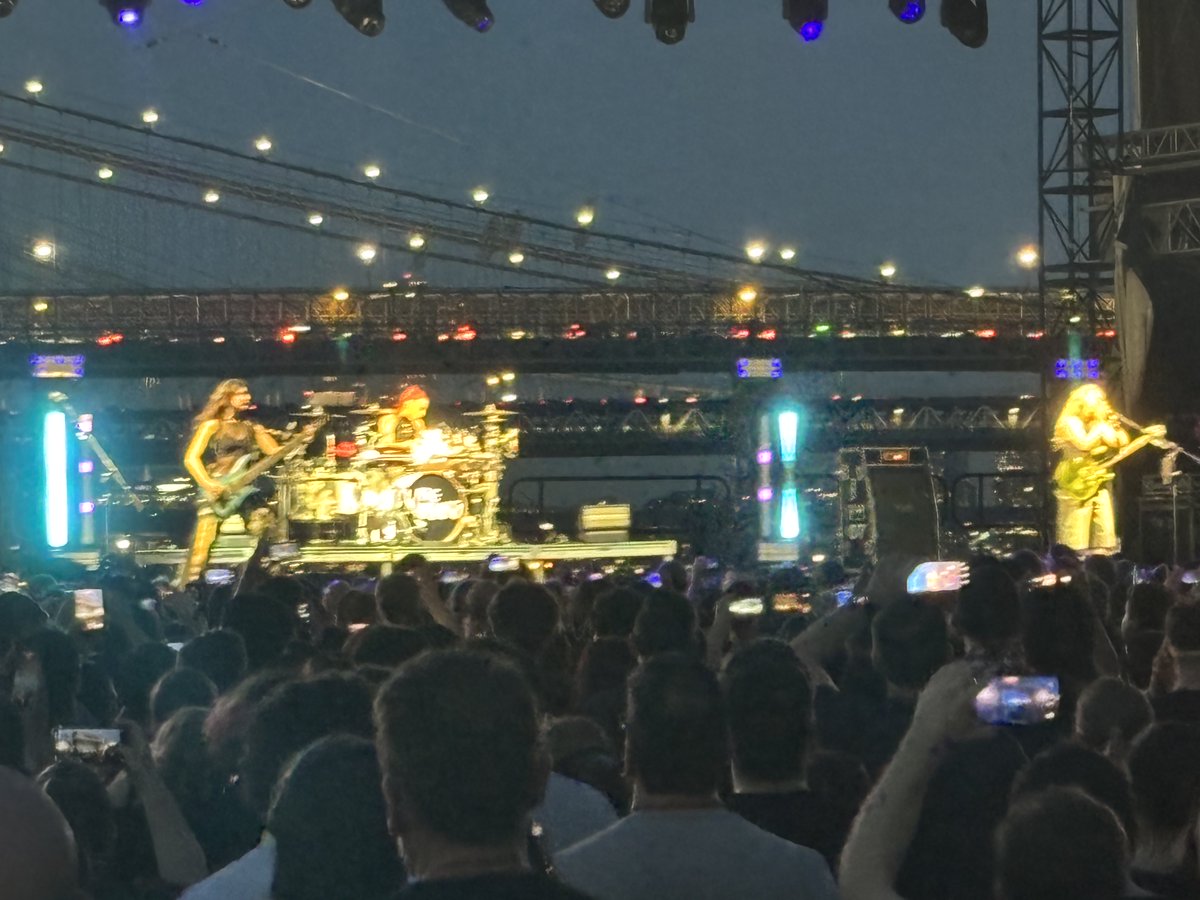
The Warning at the Rooftop last night. Fantastic show.
2
30