
I create video courses for Java Developers
Joined April 2015
- Tweets 538
- Following 615
- Followers 1,358
- Likes 2,803
131 Photos and videos




Pinned Tweet

2 Jan 2024
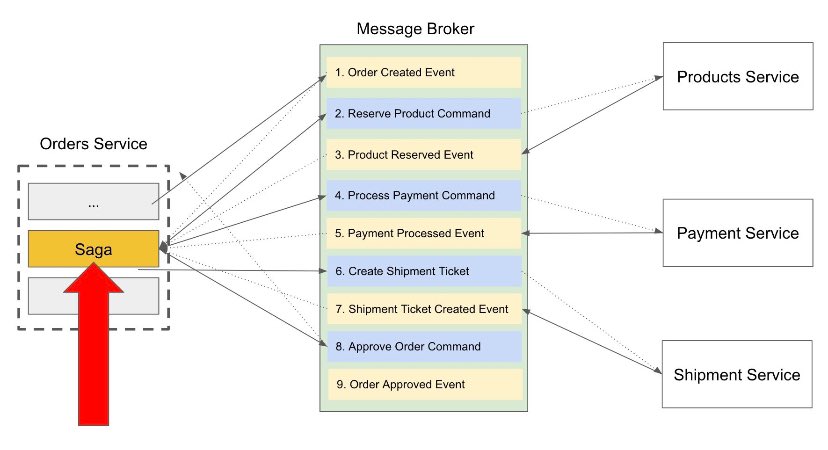
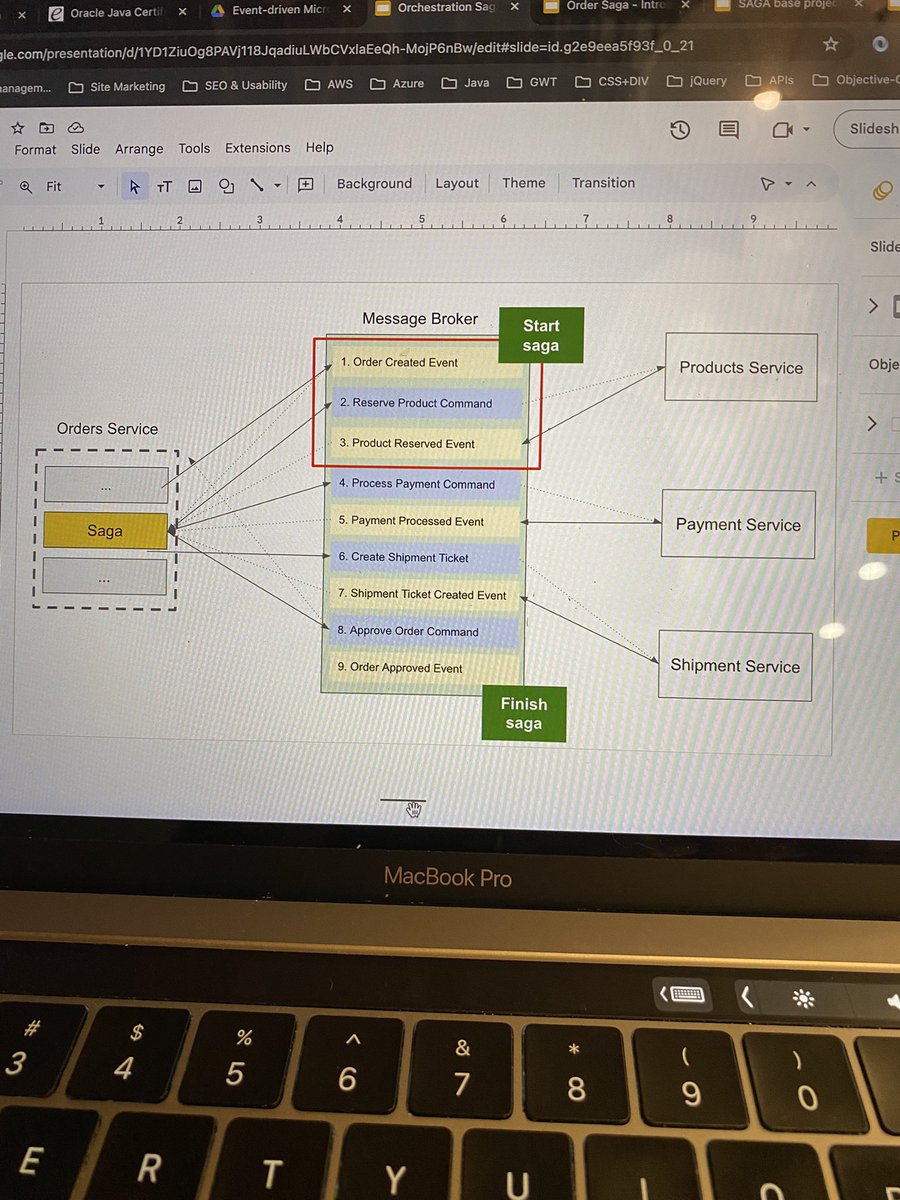
My new video course is now live on #Udemy 🎊. Apache Kafka for Event-Driven Spring Boot Microservices.
I like how my year started.🥳
udemy.com/course/apache-kafk…
#ApacheKafka #SpringBoot
2
2
634
6 Sep 2025
AI is getting smart and everyone is talking about vibe coding… but a piece I read recently ended with a line that I liked a lot! - “Java is here to stay, and so are folks who know it”. That felt super encouraging.
1
3
82
21 Aug 2025
Apparently, first version of JUnit was written on a plane 🙂. Kent Beck and Erich Gamma pair-programmed it on a flight from Zurich to the 1997 OOPSLA in Atlanta. What else were two geeks to do on a long flight but program? 😅
martinfowler.com/bliki/Xunit…
#JUnit
1
76
18 Aug 2025
I used to think I had to learn and figure out every single detail before starting a project.
Now I just start with what I already know and learn the rest in small iterations. And always keeping my final goal in mind.
This way I see progress and results(good or bad) much faster.
1
43
18 Aug 2025
When I look back, I see how many mistakes I’ve made in code.
And instead of being embarrassed, I use them as proof that I’ve been learning all along.
Those mistakes are part of why I can solve problems faster now.
1
42
17 Aug 2025
GitHub has moved fully under Microsoft’s CoreAI, and Copilot is center stage. Feels like dev workflows are now AI-first by design.
windowscentral.com/microsoft…
43
17 Aug 2025
I think if you know your codebase by heart, these AI tools can actually slow you down.
30
16 Aug 2025
I’ve realized that my environment affects how I think about code.
A noisy place makes me write quick fixes.
A calm space makes me write more thoughtful solutions.
1
21
15 Aug 2025
“Devin, the AI engineer,” just raised nearly half a billion dollars.
Impressive but someone still has to know how to prompt it well, review its output, and fit that code into the real system.
1
46
15 Aug 2025
I still remember how lost I felt the first time I tried to write Unit tests.
Now I can't imagine a good project without them.
Progress doesn't always feel fast, but it's always there when we look back.
----
Java developer? Check my video courses: udemy.com/user/sergeykargopo…
1
32
15 Aug 2025
I’ve realized that saying yes to too many side projects quietly eats up my energy, even if they all seem interesting.
I always feel happier and less burned out when I finish one thing before moving on to the next.
31
14 Aug 2025
Anthropic shipped Opus 4.1 for tougher coding and agent tasks. I like that they’re chasing reliability more than showy demos.
anthropic.com/news/claude-op…
1
48
14 Aug 2025
Every time when I write too much clever code is usually a trap. It’s fun in the moment and feels cool. But later, I’m the one stuck trying to understand what I wrote 😬.
Simpler code with good comments is always better.
32
14 Aug 2025
When I'm working on something tricky, I often talk through the problem out loud. Especially when no one is around. Somehow, it helps me understand it better 😊.
32
13 Aug 2025
GitHub’s CEO says devs should adapt to AI or leave the field.
Not subtle.
businessinsider.com/github-c…
27
13 Aug 2025
Elon Musk says coding is becoming more like painting. Developers will focus on creative problem solving, not routine tasks. That sounds good to me😊
33
13 Aug 2025
JetBrains’ Kineto is another tool that lets us build AI apps without coding every line. I wonder if no-code tools like this might make us lose touch with the craft 🤔. Still, it’s tempting to spin up an AI app in a day and see what sticks.
youtu.be/2Xwu5aVvg84
61
13 Aug 2025
I’ve noticed that when I stay in a rush for too long, my creativity drops.
My code and my lectures start to feel mechanical and plain.
I’ve learned it’s important to slow down and not feel guilty about it, because that slowdown is what actually improves the quality of my work.
27
12 Aug 2025
When I’m working on personal projects, there are days when I try to write the most elegant code I can.
While other times, I just focus on making the feature work and leave refactoring for the second iteration.
And I’m fine with that because it keeps my projects moving.
1
43
11 Aug 2025
A little practical tip. Keep a short “next steps” list in your project folder.
When you return to the code, you’ll know exactly where to start.
It’s a small habit that removes friction every day.
34
11 Aug 2025
Some of the best developers I have worked with were not the fastest.
They were the ones who cared about leaving the codebase better than they found it.
That habit quietly builds your reputation over time.
29