
Joined June 2019
- Tweets 1,546
- Following 146
- Followers 982
- Likes 6,385
63 Photos and videos









Syn_dcade retweeted

Jun 13
Unstoppable, uncensorable, global decentralized AI seems like a good investment bet to make. The “Bitcoin of AI” so to say…
344
467
2,299
335,108
Syn_dcade retweeted

Jun 3
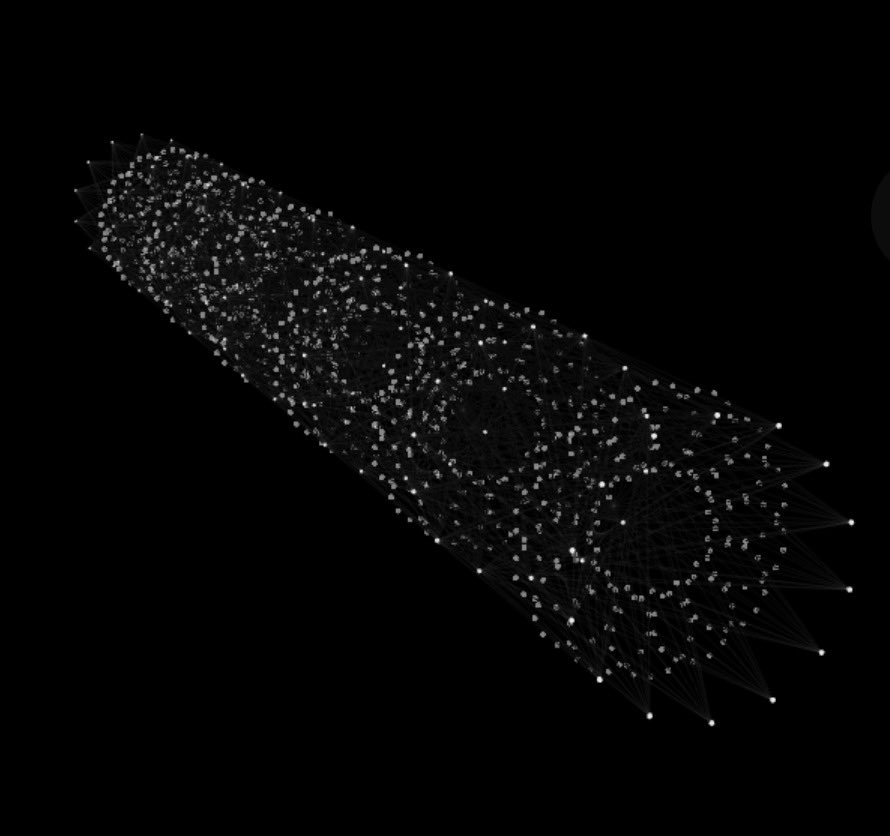
Just orchestrated a 128 node permissionless decentralized training run, in 5 minutes, for 5 TAO, via @IOTA_SN9
They can do this up to 100B param models.
Unbelievable.
iota.macrocosmos.ai/dashboar…
43
178
859
71,618
Syn_dcade retweeted
Jun 3
The beauty of decentralized technologies is that they beget each other, a protocol of decentralized compute is only relevant when there is a protocol for decentralized training.
Jun 2

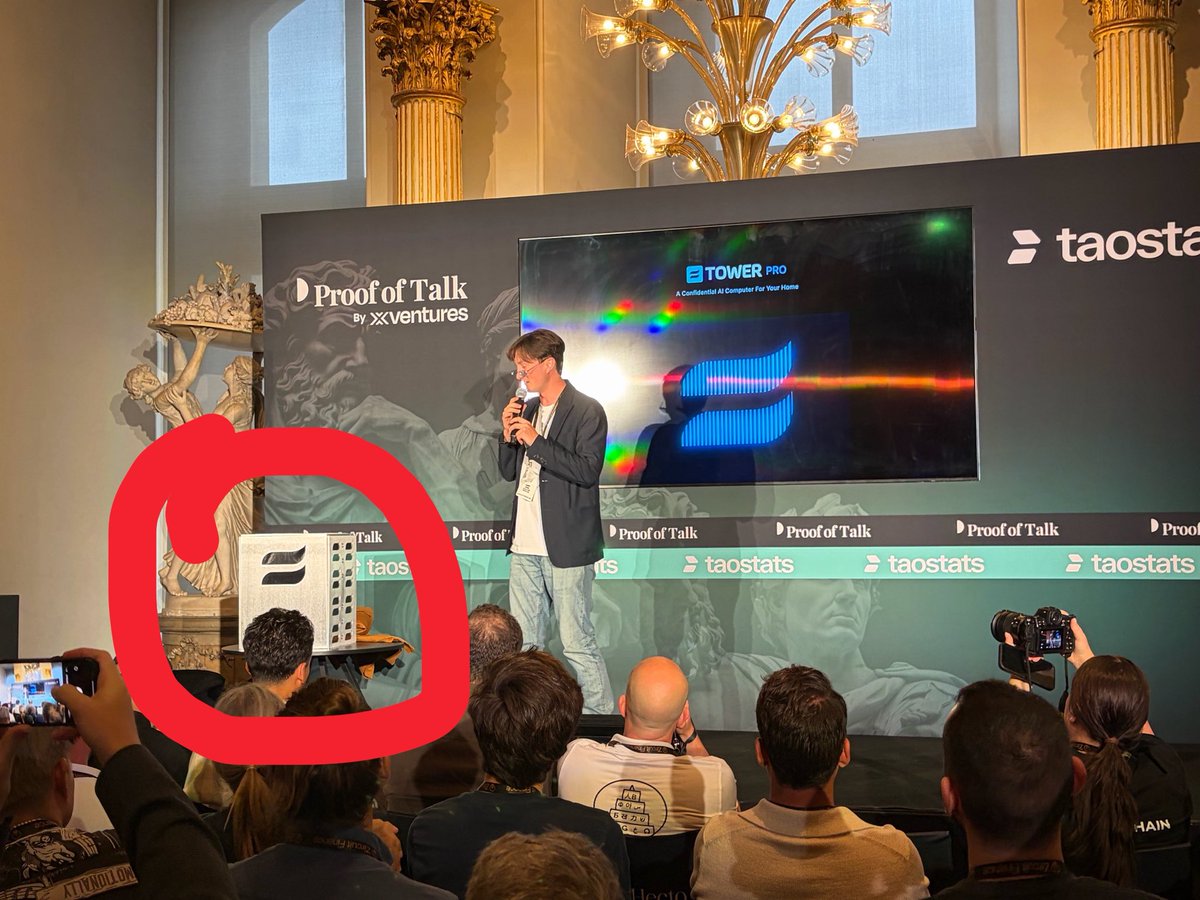
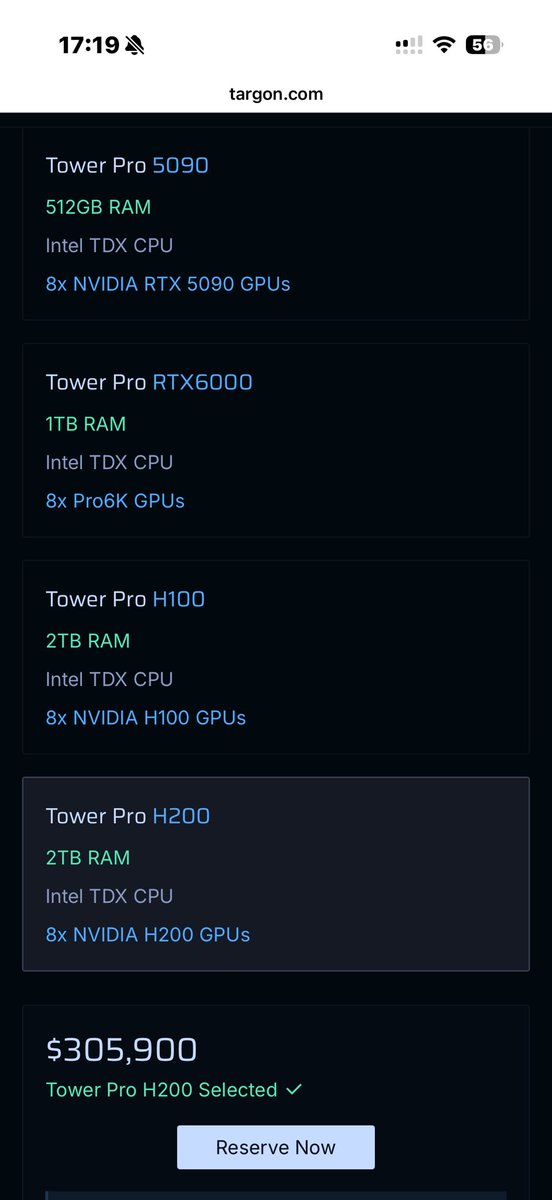
Targon 直接现场发布 Targon Tower
简单来说就是setup好的高性能显卡,nb的地方是平时不用的时候可以一键接入 Targon 产生被动收入。要不是实在太贵,我都有点心动了🥲
11
42
276
19,352

Syn_dcade retweeted

May 21
What you need to know about $TIG
16 Oct 2025

🧵
Someone I highly respect has his eyes on $TIG, so I took a look 👀
What I found was different from the usual crypto project.
TL;DR
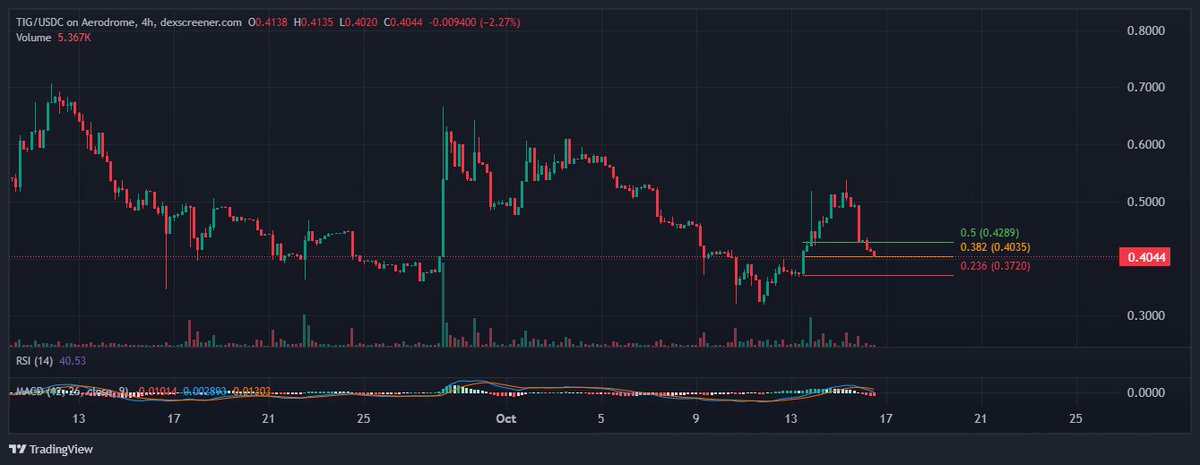
🔵Emissions just halved (Tranche 3), reducing sell pressure and marking a strong accumulation zone from a tokenomics standpoint.
🔵I believe #AI and compute narratives will shine this bullrun. We will see amazing runs on $VIRTUAL $FET $PALM etc
🔵If we can hold a higher low, ideally between 0.37 and 0.4 we are golden. I used the $CyOp chart analyzer for confirmation. t.me/CyOpNewEra/35050
1
4
300
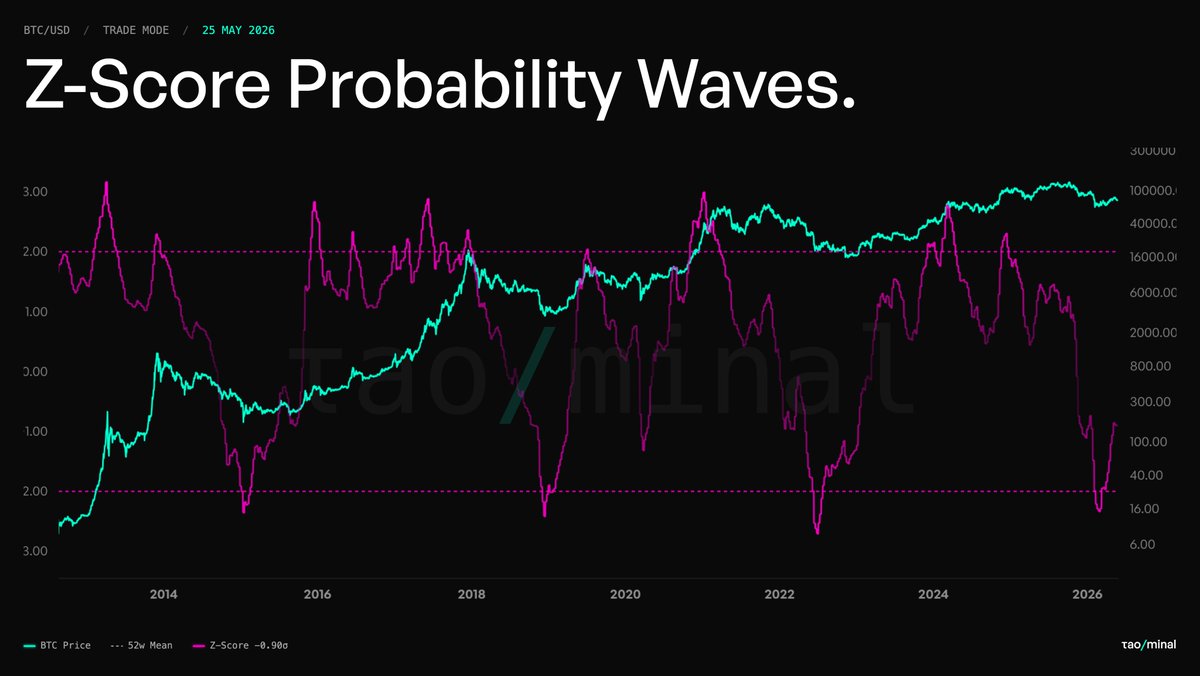
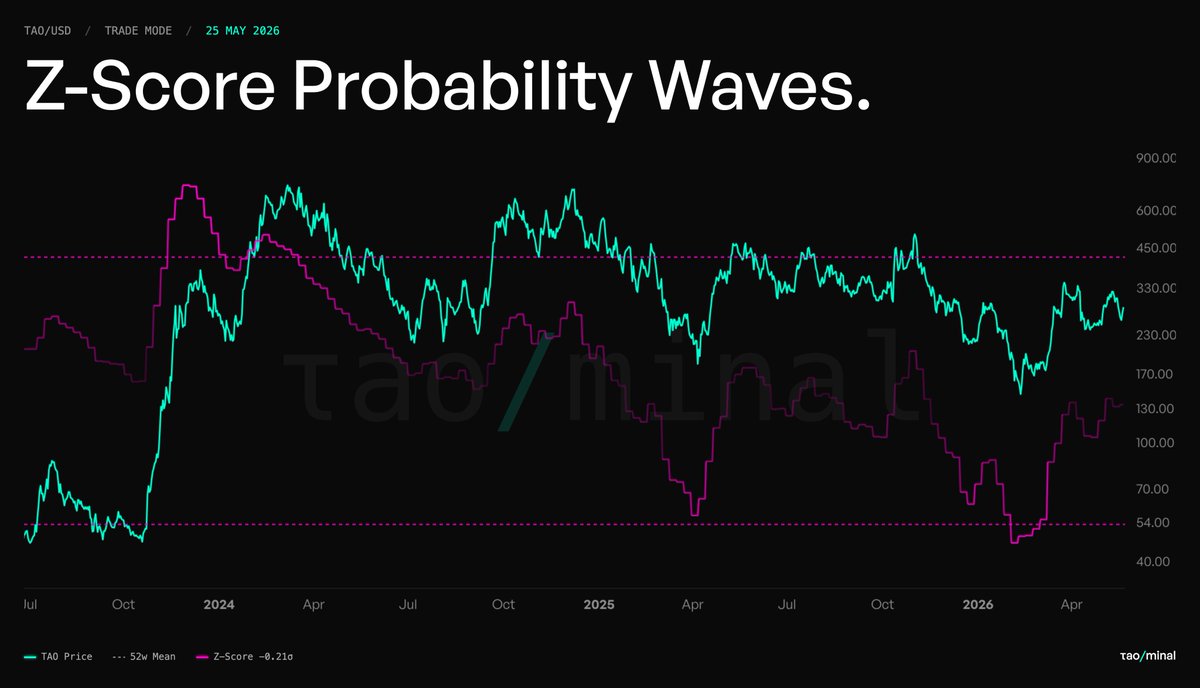

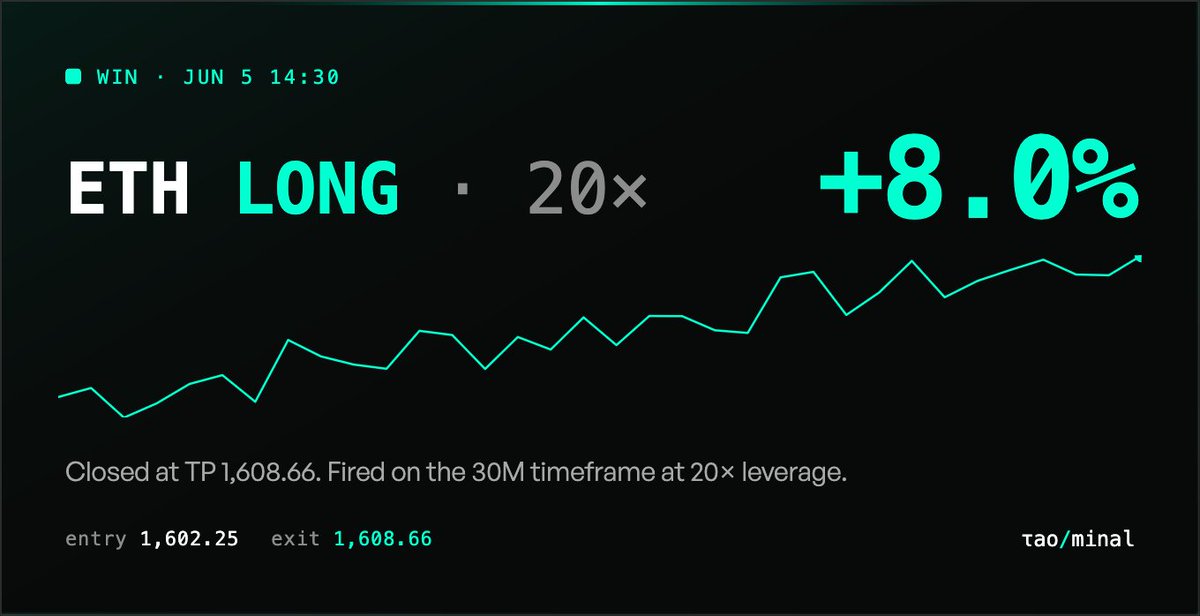
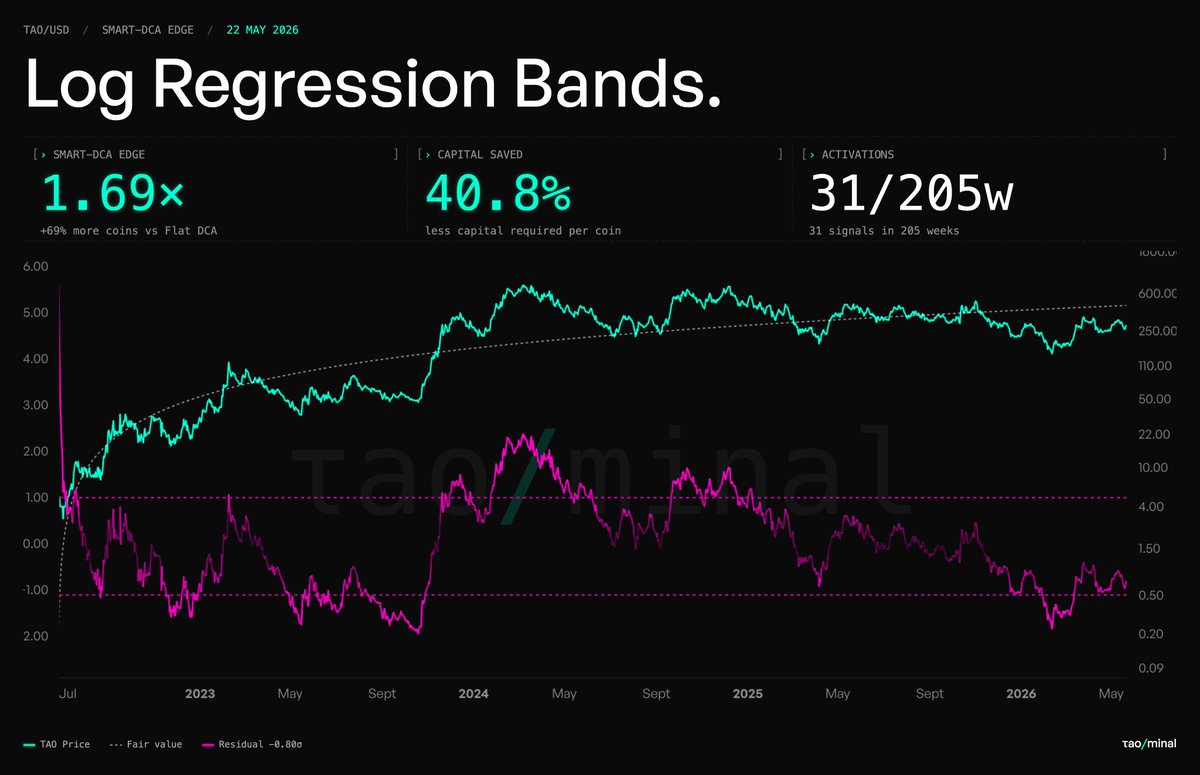
Log Regression Bands ▌
$TAO's growth fitted to a log curve. Bands above and below tell you where this subcycle sits in the long arc.
Fair value
$451.56
Log-fit midline
Residual
-0.80σ
Standard deviations from fit
Risk score
0.34×
0 (cheap) → 1 (top)
2
4
209
Syn_dcade retweeted

A couple of points on the recent OpenAI math result and why TIG is built for exactly this.
First of all, this is a genuinely impressive result. It's a longstanding famous problem and many mathematicians are impressed with it.
Where TIG comes in is the difference in how its algorithm challenges are verified vs how proofs like the one from OpenAI are verified.
The AI did the proof with over 125 pages in its chain of thought.
BUT
It took nine mathematicians multiple weeks to verify it actually worked.
The raw output required polishing (missing definitions, scrambled logic) and ultimately needed a human-edited, reorganised, clearer version as the final proof.
So the AI produced something but humans had to do all the heavy lifting to figure out if it was real.
That is the whole problem with AI doing maths.
Generating gets faster, verifying stays slow and expensive.
One of the nine mathematicians flagged this directly, worried that even experts will struggle to verify future proofs.
TIG sidesteps this entirely.
The problems on TIG are asymmetric.
Hard to solve, trivial to verify.
If an algorithm is better (eg runs quicker), it does not matter at all what the contents of the algorithm are.
You run it.
It either works or it doesn’t.
If it works, you can tell immediately if it was better.
No expertise needed.
This is what the miners (benchmarkers) in the TIG network do.
When an algorithm is submitted, benchmarkers run and then adopt the best one.
So with the increase in AI x Maths, TIG works not only on challenges of economic importance, but on the exact shape of problem where AI-generated work can actually be trusted at scale.
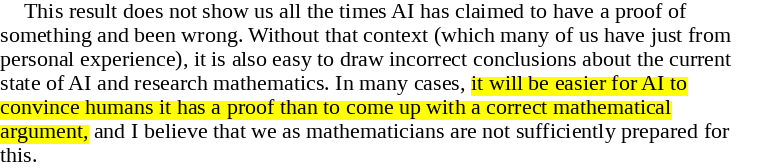

Today, we share a breakthrough on the planar unit distance problem, a famous open question first posed by Paul Erdős in 1946.
For nearly 80 years, mathematicians believed the best possible solutions looked roughly like square grids.
An OpenAI model has now disproved that belief, discovering an entirely new family of constructions that performs better.
This marks the first time AI has autonomously solved a prominent open problem central to a field of mathematics.
7
26
153
9,073
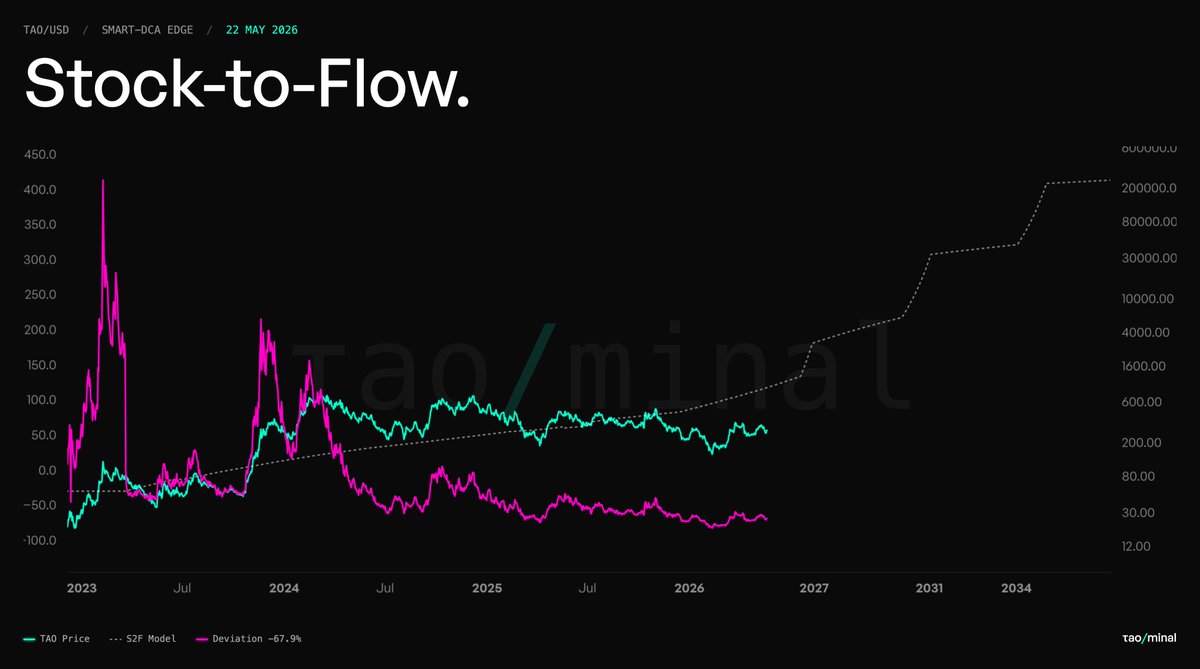
Stock-to-Flow $TAO
Supply divided by annualised emission, fit against log price. The classic #Bitcoin scarcity model adapted to #Bittensor.
S2F Model
$888.66
Predicted · log fit
Deviation
-67.9%
Price ÷ model − 1
S2F Ratio
5.31×
Supply ÷ annual emission
2
4
205
Syn_dcade retweeted
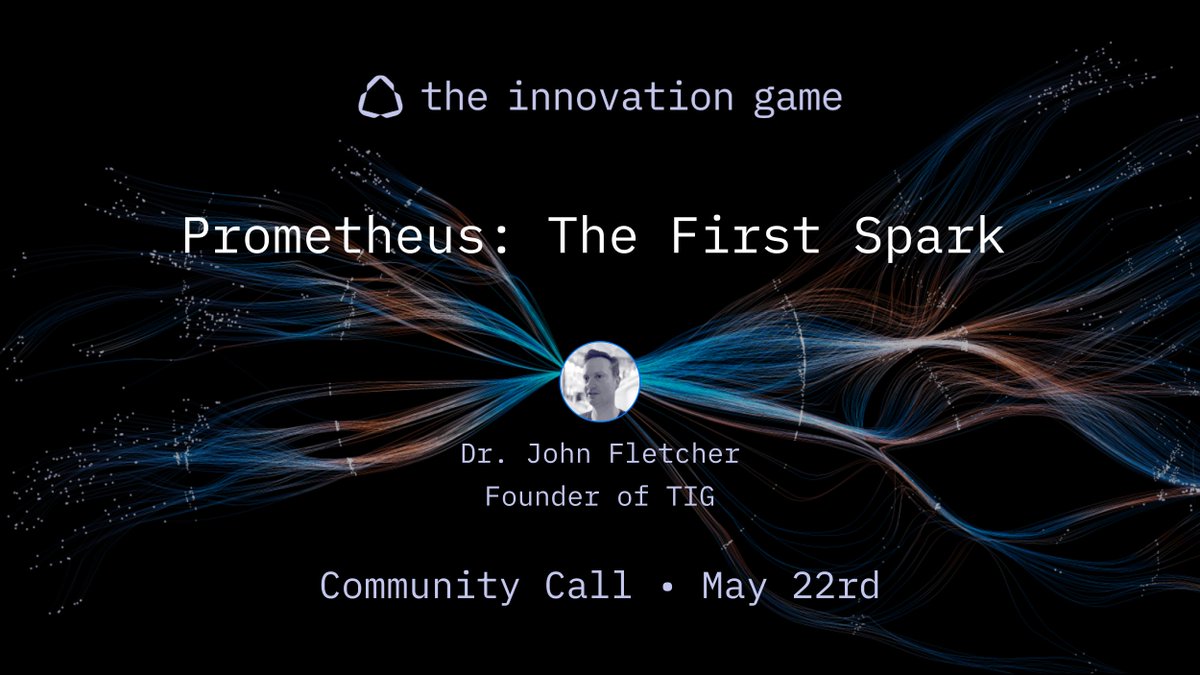
We’ve long forecasted that AI will become an essential component of how scientists and mathematicians do research.
With Prometheus’ release just over the horizon, this hypothesis is now an imminent reality.
Today at 5PM BST, join @Dr_JohnFletcher and @0x_Asuka as they discuss how Prometheus is poised to reshape entire industries and even birth new ones.
See you there!
7
42
162
7,163
Syn_dcade retweeted

Feb 11
"I like to get involved in projects that I think are transformative and have 100x, 500x, 1,000x type return opportunities" @BarrySilbert
"Unless the US dollar completely collapses.. #Bitcoin is not going to go up 500x"
"I think a #Bittensor can go up 500x and so our portfolio is allocated accordingly"
500x would see one $TAO valued at $75,000
cc: @APompliano @BitGo
46
128
641
60,884
Syn_dcade retweeted

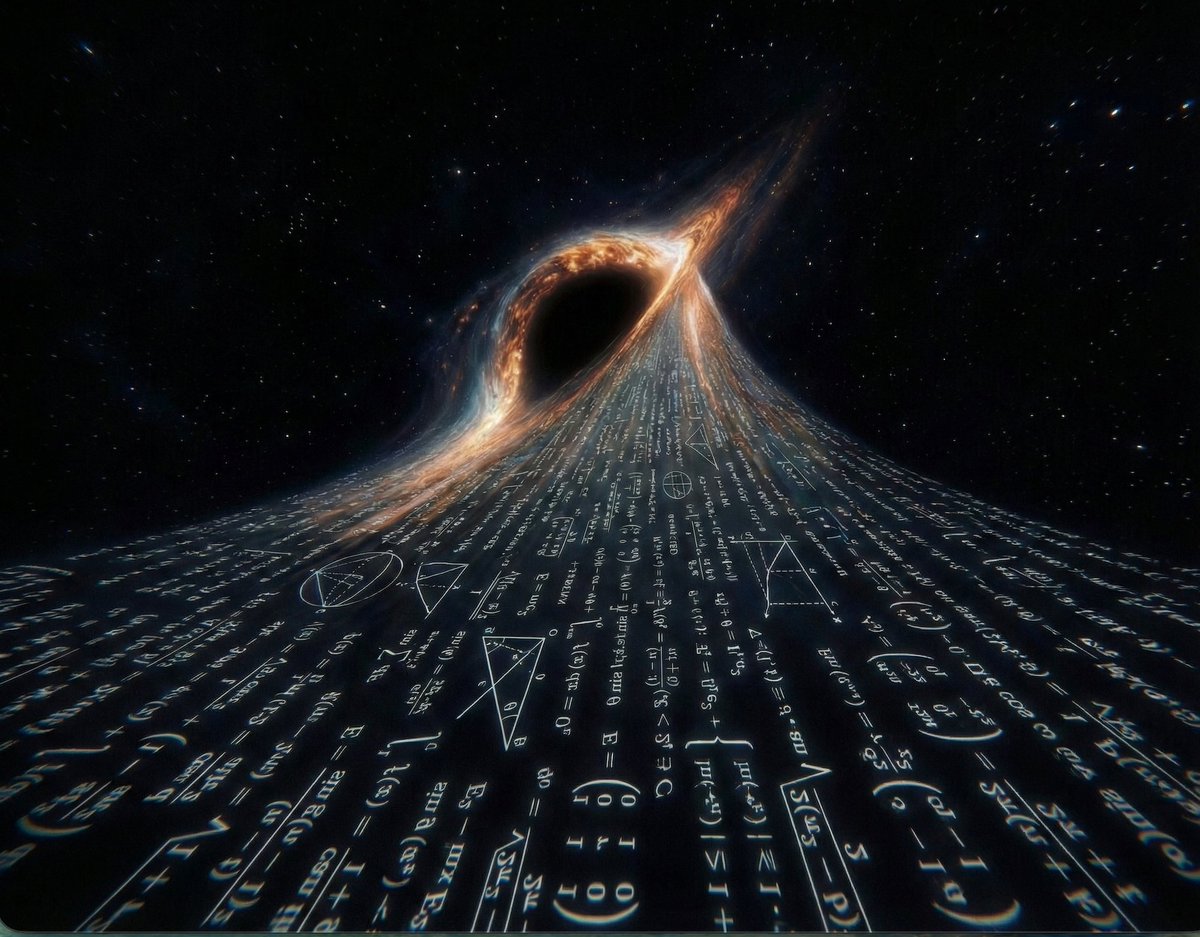
Everyone's debating when the singularity arrives.
Wrong question.
The question is: how close is the event horizon?
This is the point of no-return, when the winner of the AI race becomes inevitable.
Nothing may seem to change when the event horizon is crossed. But the final outcome is now determined.
Google has done this before. With Search, it captured data its competitors thought was worthless.
And the data flywheel effect meant the race was over years before anyone noticed.
This same mechanism applies to mathematical tacit knowledge.
This data set can grant control of the most fundamental layer of the AI stack.
We are now at a decision point. Two futures are possible.
In one future, the most powerful foundational technology in AI remains open.
Everyone can see the state of the art. Everyone can build on it. Technology improves at the maximum rate.
The alternative is a single private entity controling algorithmic discovery. The technology is closed, secret.
Perhaps some capabilities are offered over an API, at the monopolist's discretion.
But *how* the technology works is unknown to the public.
From there on, all progress is governed by one company's priorities.
On our current trajectory, who wins the AI race? Google.
Will they be a monopolist? Yes.
Alphabet pricing a 100-year bond starts to look less like confidence and more like certainty.
There is still time to change this.
tig.foundation
Feb 9

I think this is why Alphabet are confident in their 100 year bond offering..
x.com/Dr_JohnFletcher/status…
Controlling algorithmic breakthroughs is the endgame
4
21
76
7,547
Syn_dcade retweeted
Open source alone is not enough.
You can't eat GitHub stars.
You can't pay rent with citations.
Algorithm development requires compute, infra, and sustained effort.
Without an economic framework that rewards open innovation, decentralisation cannot compete.
TIG is that framework.
With the framework no one else can compete. All competiton will be eviscerated.
3
9
64
1,069
Syn_dcade retweeted
This is worth emphasising.
The permanent lead in AI from data flywheel has nothing to do with recursive self-improvement / AGI,
(which has been assumed before now to be the point-of-no-return for a runaway lead).
Nothing so sci-fi is required.
It only needs the same mechanism used by Google 25 years ago to secure web search dominance. This is a well-known mechanism!
Jan 13

In his latest think piece, @Dr_JohnFletcher spells out why $TIG isn’t just a cool idea but an absolute necessity.
Google is essentially the *only* artificial intelligence company collating the most valuable data set known to man- the problem solving know-how that survives unharvested in science’s brightest minds. They are, in fact, using the same exact playbook that allowed them to develop a monopoly on internet search.
AI can’t really ‘do’ science yet i.e. it can’t formulate and conduct the research/discovery process on its own, unassisted. This is because it doesn’t yet know how to think like a top scientist. That’s set to change once it’s interacted with enough Terrence Taos and ingested the contents of their brains. Google will pull ahead of every competitor and institution, eventually developing a monopoly on science itself. Even scarier, the race can in fact be over long before this point (recursive self improvement).
Google’s dominance in search cemented itself when it still had a minority share in that market. The point where it reached escape velocity is clear only in retrospect and so it could not be accounted for by any regulatory body or think tank. History is set to repeat itself, this time with artificial intelligence.
@tigfoundation is the *only* initiative that can meaningfully prevent this dystopic outcome from irreversibly imposing itself. Though the article doesn’t explicitly mention $TIG, it spells out why this is true.
Tis well worth the <20 minutes it takes to read and understand.
2
12
70
4,405
Syn_dcade retweeted

Jan 14
$USELESS daily post until we hit 500m mcap...
This is now the third retweet of this chart pic that I originally posted here, and every day I believe more and more that this will come true. Slowly but steadily, we are getting closer and closer to it happening. It will be wonderful.
But I'm just a cat!
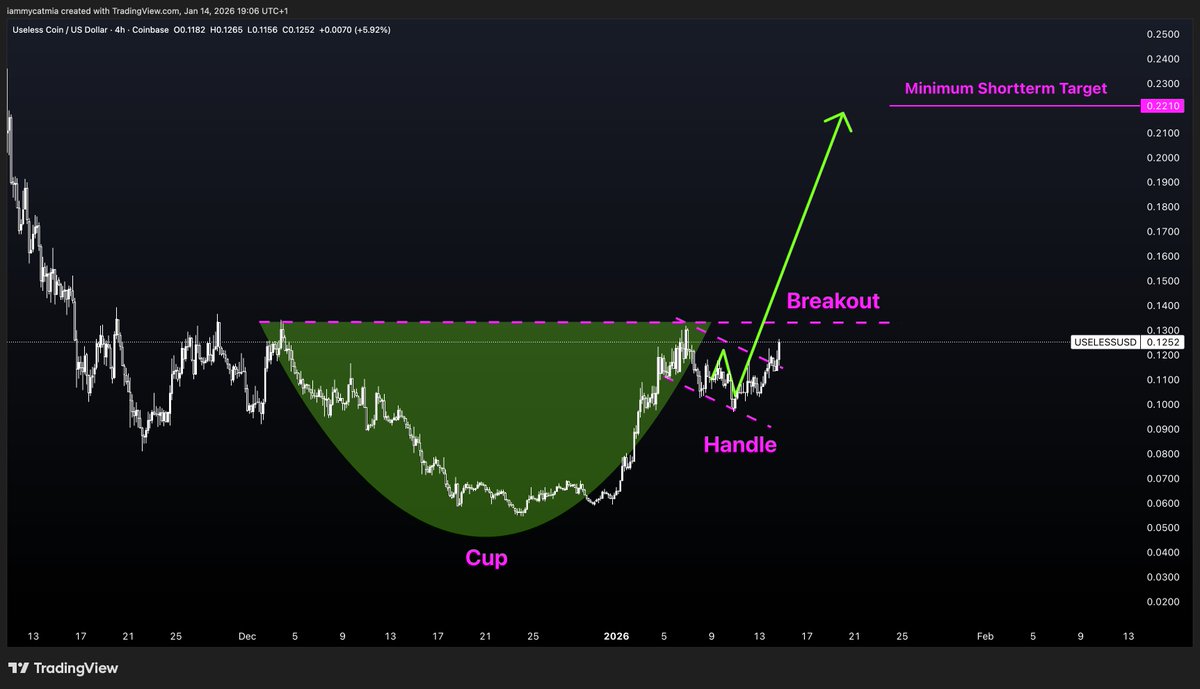
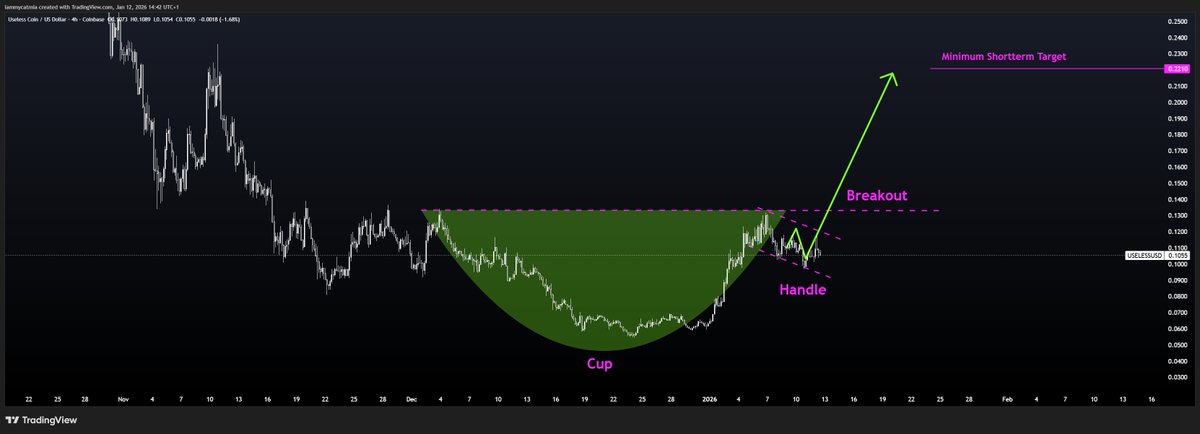
Jan 12

$USELESS daily post until we hit 500m mcap...
Does it make more sense to you on the 4-hour chart, anon? The breakout is going to be epic, so get your popcorn ready.
🍿 - and never forget: I´am just a cat!
1
5
55
5,190