SYNGAP1 Foundation is a legacy page dedicated to preserving the work and mission of our 100% charitable nonprofit in the USA, focused on #SYNGAP1
Joined December 2014
- Tweets 10,744
- Following 3,182
- Followers 2,599
- Likes 8,245
1,800 Photos and videos






7 Jul 2024
Happy 4th of July Weekend!
7 Jul 2024

Happy 4th of July!! Bean was great this week. We went on a short adventure through downtown DC—he was mesmerized! So much has happened in the last 16 years, & I'm grateful for God's blessings. Never give up and trust in faith! #POV #Syngap1 #ferriswheel @mlweldon5 @Imaginedragons
1
3
360
7 Jul 2024
Our founding’s sake..@beckettthebean Adventures in DC!
7 Jul 2024
Happy 4th of July! 🎆 Beckett did so good! No meltdowns, just a few sensory overloads. He saw so much of DC and drove through Maryland & Virginia! #SYNGAP1 will never defeat my boy! @mlweldon5 💙💚💜 #IndependenceDay #FamilyTime 💙💚💜 #SYNGAP1 will never defeat my boy!
2
262
21 Jun 2024
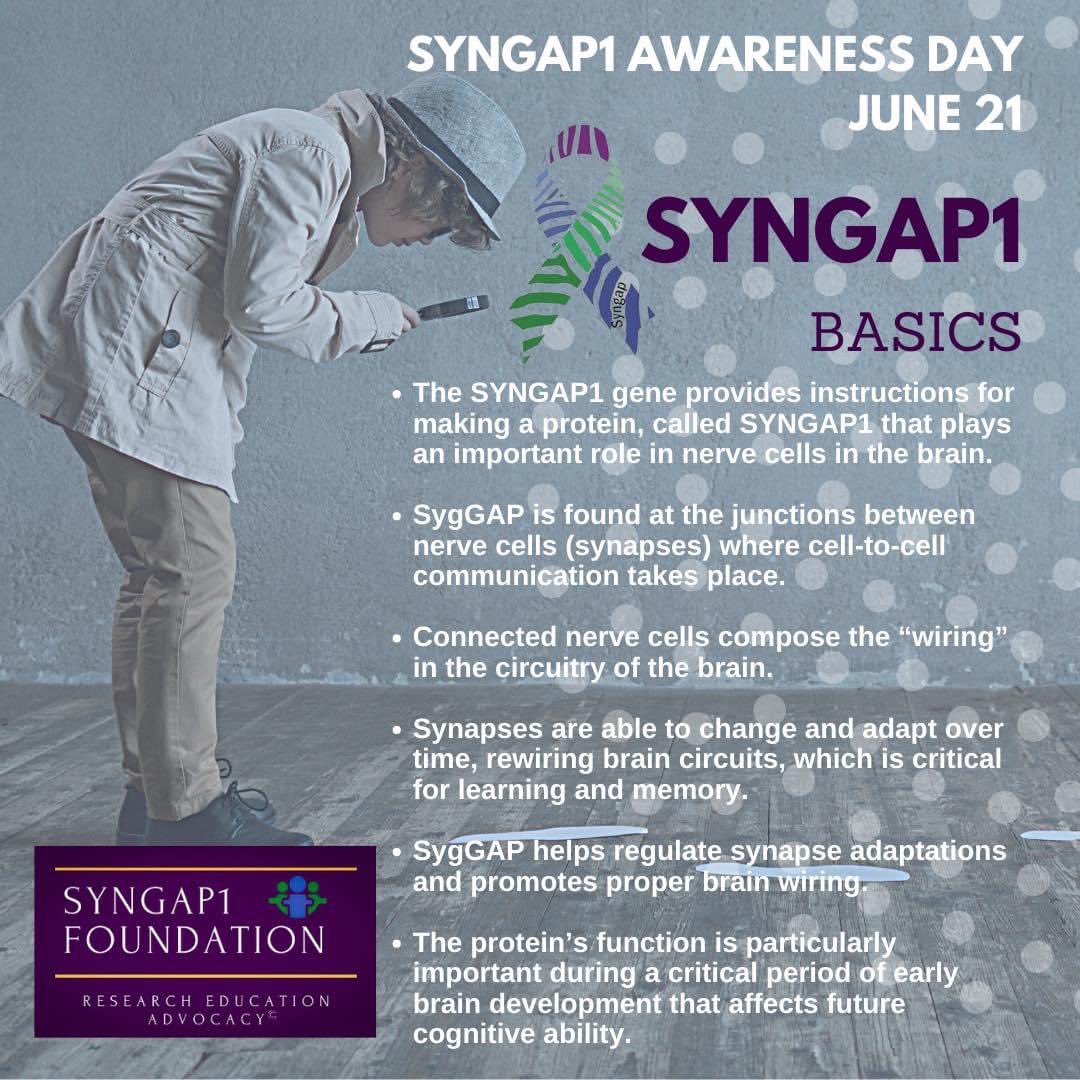
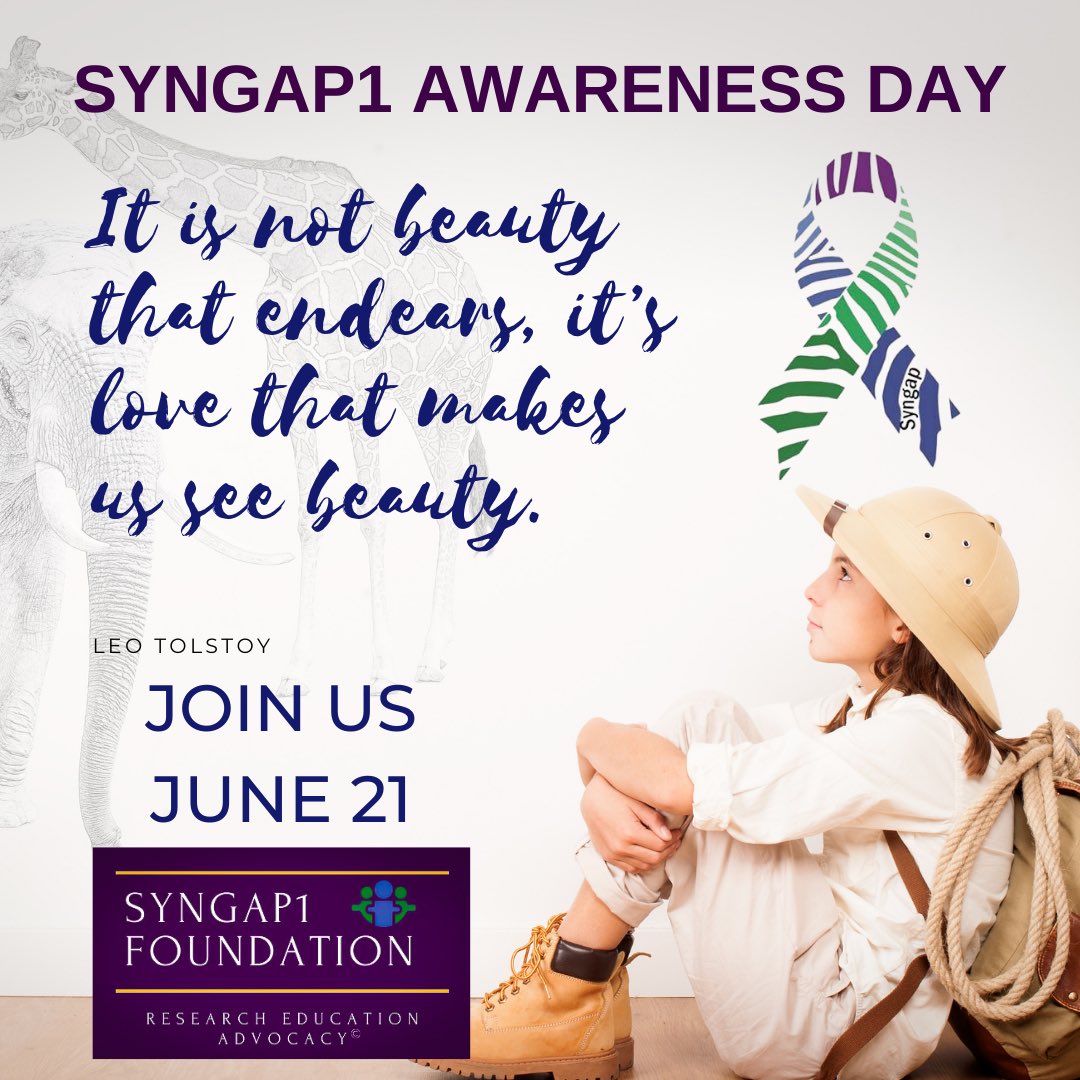
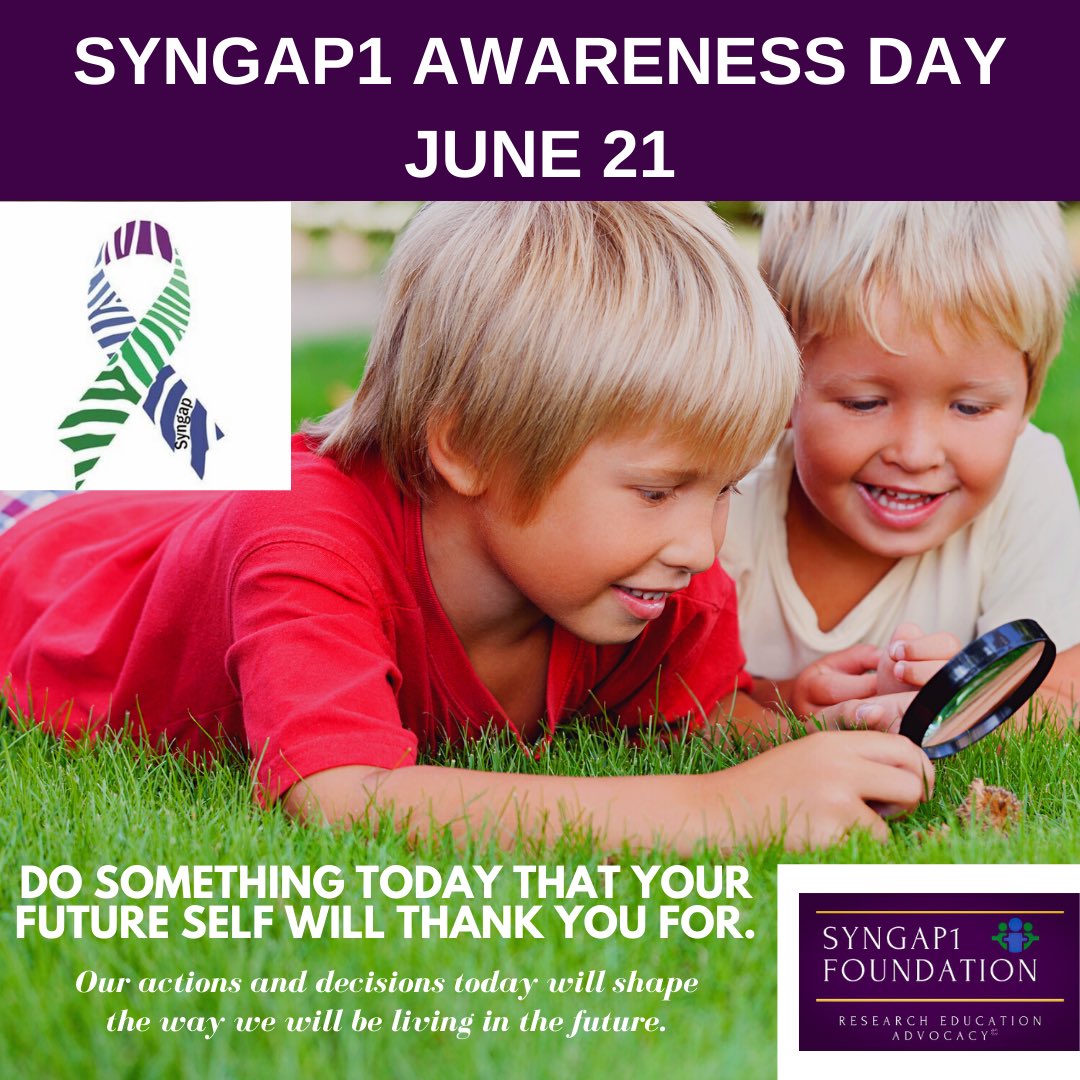
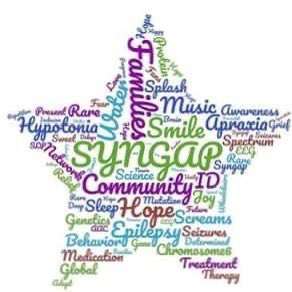
Yes! It’s International #SYNGAP1 Awareness Day!
We are the proud parent organization that encouraged our worldwide Syngap1 Families to spread awareness in their own nations!
To donate: syngap1foundation.org/
6
278
16 Jun 2024
Happy Father's Day to all the incredible dads out there, especially those with special needs children. Your strength, patience, and endless love make the world a better place. Today, we celebrate you and the unique journey you embrace every day. Thank you for your unwavering support and for being a source of inspiration. #HappyFathersDay #SpecialNeedsDads #UnconditionalLove
3
184
3 Jun 2024
Registration is now open for the Child Neurology Foundation’s course for caregivers titled, “From Surviving to Thriving.”
This course is free with code CNF25. Course details and registration can be found at the following link: From Surviving to Thriving childneurologyfoundation.org…
Please note that caregivers should prepare to attend 3 live Zoom sessions facilitated by Brad Thompson, licensed counselor and dad to a child with complex healthcare needs.
This course starts July 17th and runs through July 31st. We are limiting enrollment to 30 participants so encourage your community to enroll quickly.
3
221
29 May 2024
Our Founder, Monica Dudley-Weldon will be meeting our ONLY #SYNGAP1 family living on the Wagmatcook First Nation, Nova Scotia!
We are honored and beyond blessed to be raising awareness for #SYNGAP1 to an amazing supportive community!
Thunder Feather Drummers and First Nation Elder, Molly Pierro will be opening the SYNGAP1 workshop with a ceremonial event with drumming and prayer!
The History and Culture of the Wagmatcook First Nation
The Wagmatcook First Nation is a Mi'kmaq community in Nova Scotia, Canada. The Mi'kmaq, indigenous to the Northeastern Woodlands, traditionally inhabited the Maritime Provinces, parts of Quebec, and Newfoundland.
Pre-Contact Era
The Mi'kmaq were semi-nomadic, living off fishing, hunting, and gathering, with a social structure based on kinship and clans. Their territory was divided into districts, each governed by a chief and a council of elders.
European Contact and Colonization
The 16th and 17th centuries brought European explorers, marking a significant change. Initial interactions involved trade, but European colonization profoundly affected the Mi'kmaq. Allied with the French during colonial conflicts, the Mi'kmaq suffered significant losses due to warfare and disease.
19th and Early 20th Century
The 19th century brought hardships as European settlement patterns and laws marginalized the Mi'kmaq, leading to the loss of traditional lands. The Indian Act of 1876 imposed further restrictions, and many Mi'kmaq were forced onto reserves, including Wagmatcook, established in 1881.
Cultural Revival and Modern Era
Despite colonization, the Mi'kmaq, including Wagmatcook, maintained a strong cultural identity. Recent decades have seen a resurgence in Mi'kmaq language, traditions, and governance. Institutions like the Wagmatcook Cultural and Heritage Centre promote this cultural revival. The community is active in economic development, education, and political advocacy, striving to improve the well-being of its members.
Contemporary Issues
Today, the Wagmatcook First Nation addresses modern challenges while preserving its cultural heritage. Land rights, environmental protection, and self-governance remain central to their efforts for greater autonomy and sustainability.
Conclusion
The history of Wagmatcook reflects the resilience and adaptability of the Mi'kmaq people. Despite centuries of challenges, the community continues to thrive and preserve its cultural heritage as an integral part of the Mi'kmaq Nation in Nova Scotia. #syngap1awareness #novascotia #autism #epilepsy
4
203
29 May 2024
🌟 Join Us for Syngap Awareness Day! 🌟
Syngap Awareness Day is a global event where families affected by Syngap come together online to celebrate our children, our community, and raise awareness about Syngap. Despite the challenges, our families find beauty and joy every day.
📅 Why June 21?
The Syngap gene is on chromosome 6, loci 21.32 on the p arm, making 06/21 the perfect day to celebrate. It’s also International Music Day, and our kids love music!
Our goal is to make every Syngap-affected family feel part of this amazing community. By raising awareness, we hope families with undiagnosed children might find the answers they need and discover their own community.
Join our event and donate: facebook.com/share/7kT31YyPi…
#SyngapAwarenessDay #CelebrateOurChildren #RaiseAwareness #SyngapCommunity #InternationalMusicDay #NotAlone #SYNGAP1
3
149
27 May 2024
🌟 Join Us for Syngap Awareness Day! 🌟
Syngap Awareness Day is a global event where families affected by Syngap come together online to celebrate our children, our community, and raise awareness about Syngap. Despite the challenges, our families find beauty and joy every day.
📅 Why June 21?
The Syngap gene is on chromosome 6, loci 21.32 on the p arm, making 06/21 the perfect day to celebrate. It's also International Music Day, and our kids love music!
Our goal is to make every Syngap-affected family feel part of this amazing community. By raising awareness, we hope families with undiagnosed children might find the answers they need and discover their own community.
Join our event and donate: facebook.com/share/7kT31YyPi…
#SyngapAwarenessDay #CelebrateOurChildren #RaiseAwareness #SyngapCommunity #InternationalMusicDay #NotAlone #SYNGAP1
3
132
27 May 2024
Honoring the brave souls who made the ultimate sacrifice for our freedom. 🇺🇸
This #MemorialDay, we remember and express our deepest gratitude to those who served and gave their lives for our country. Let us never forget their courage and dedication.
#HonorTheFallen #RememberAndRespect #FreedomIsNotFree #USA
110
15 May 2024
We are saddened at such a great loss! Our organization is grateful for the research. They began on #SYNGAP1 and 2014 when we began our organization. They are part of our #SYNGAP1 Legacy and will continue to be! @SimonsFdn
10 May 2024

It is with great sadness that the Simons Foundation announces the death of its co-founder and chair emeritus, James Harris Simons. Jim was an award-winning mathematician, a legendary investor and a generous philanthropist. simonsfoundation.org/2024/05…
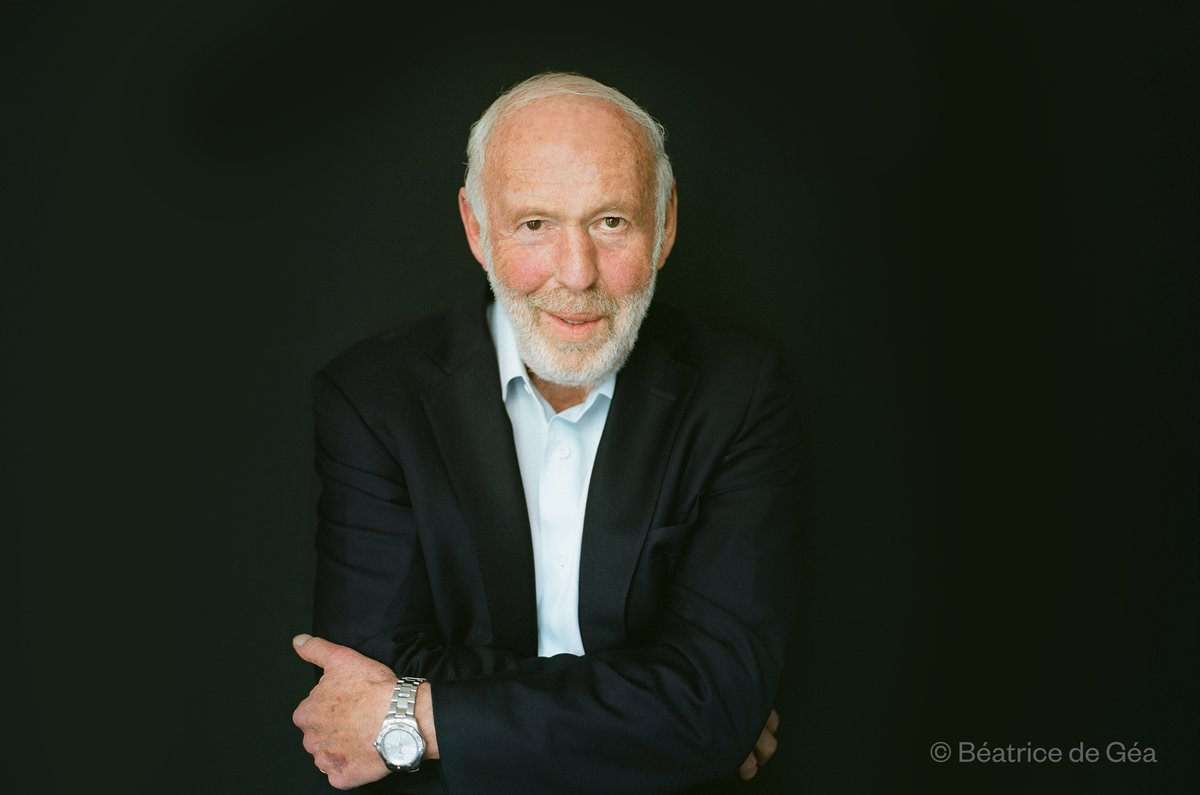
ALT Photo of James Harris Simons, credit: Beatrice de Gea
1
3
327
15 May 2024
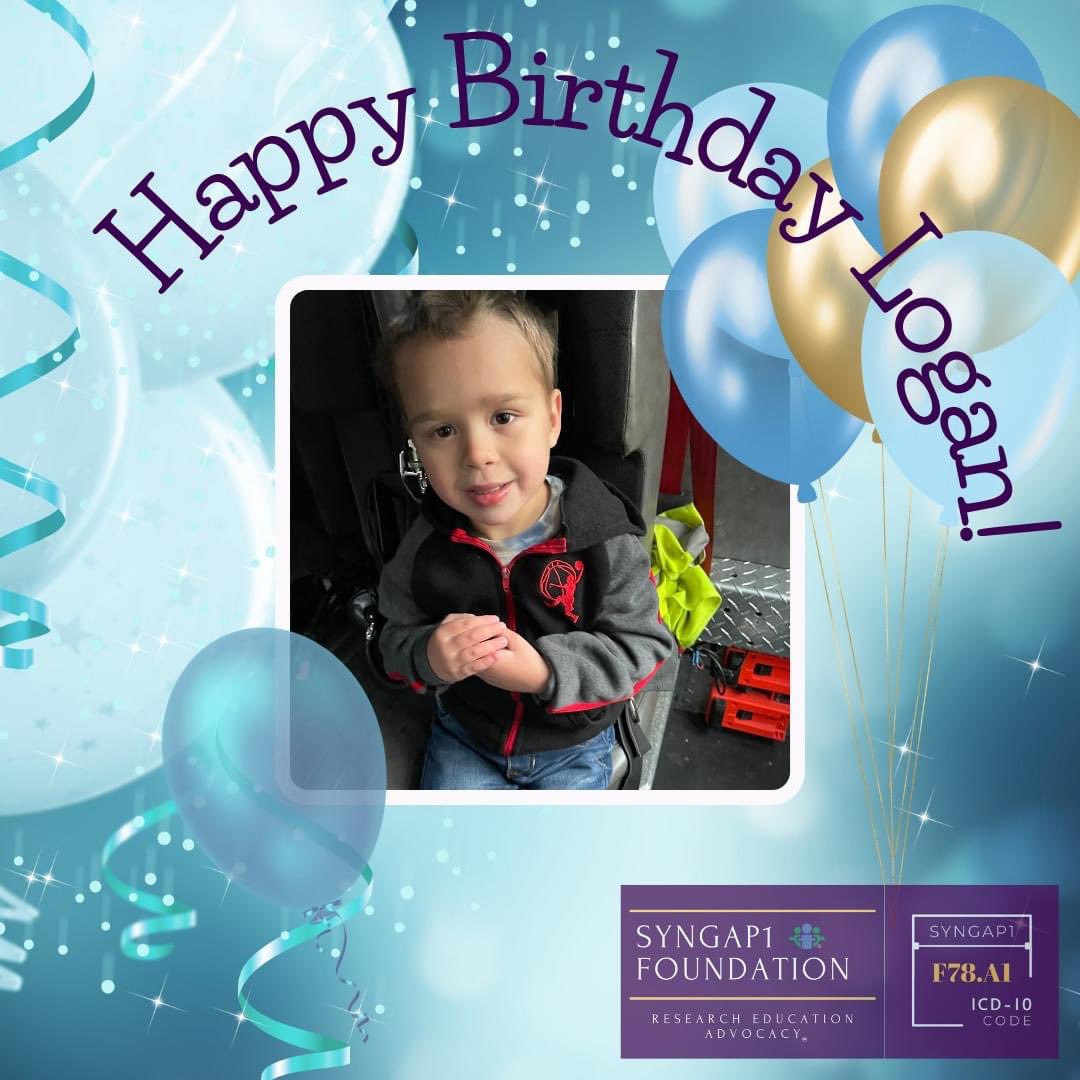
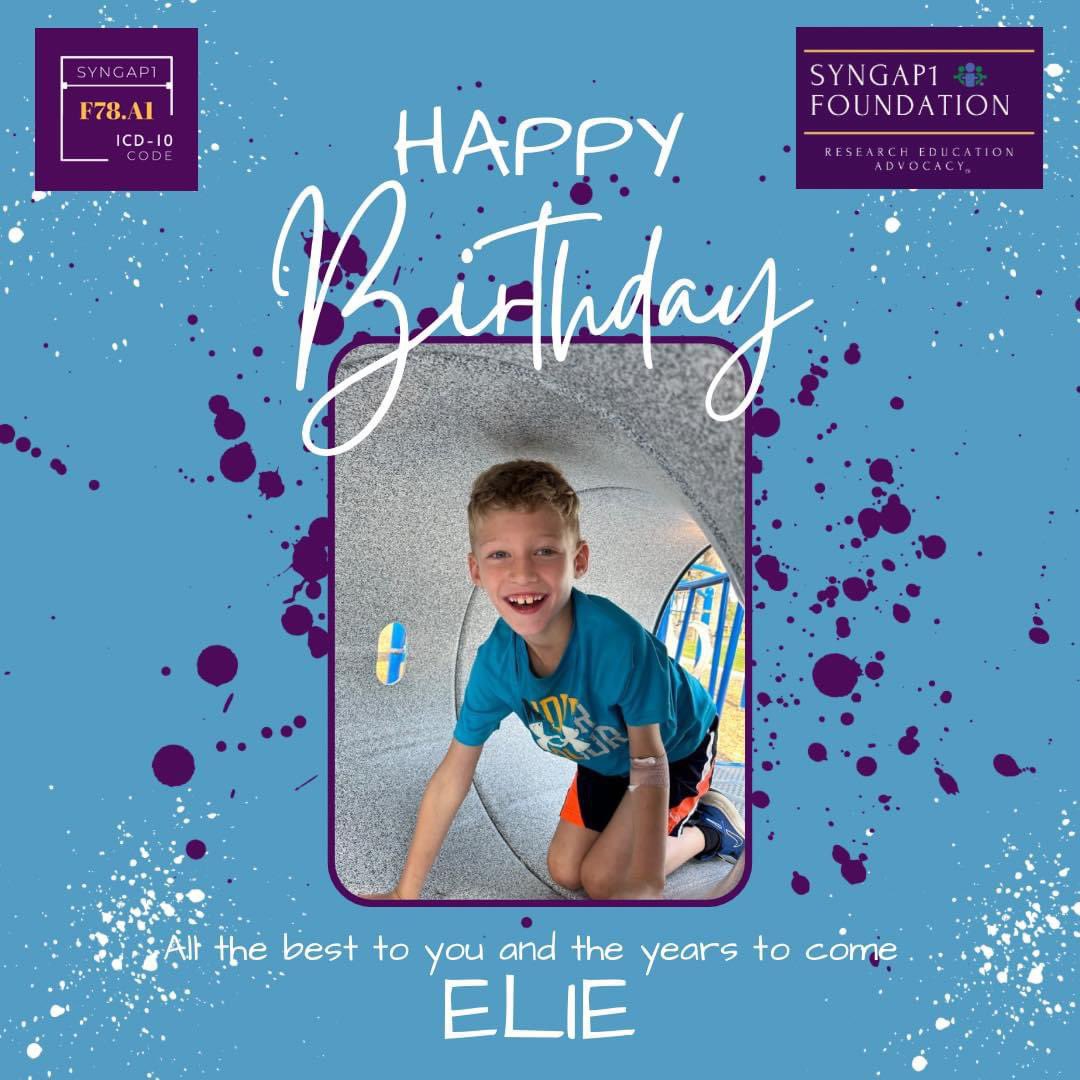
Happy birthday Logan! May your day be filled with all your favorite things! #birthday #SYNGAP1Strong #LoveAndHope #spotlight #HappyBirthday #happybirthday #SYNGAP1Warrior #syngap1 #friends #CelebrationTime #Birthday #BirthdayCelebration #RareDisease #Family #Hope #Spotlight #SYNGAP1
1
1
100
14 May 2024
💜💚💙Learn more about the history of the #SYNGAP1 ribbon and our former Program the #SYNGAP Global Network here! 💜💚💙
syngap1foundation.org/syngap…
To donate in honor of #SYNGAP1 Awareness Month Coming in June visit:
paypal.com/fundraiser/charit…💜💚💙
2
135
12 May 2024
Today, and every day, we celebrate the extraordinary love, strength, and grace of all mothers.
Happy Mother's Day to the incredible women who shape our lives with their unconditional love and endless support. 💐 #MothersDay #LoveYouMom
1
2
112
1 May 2024
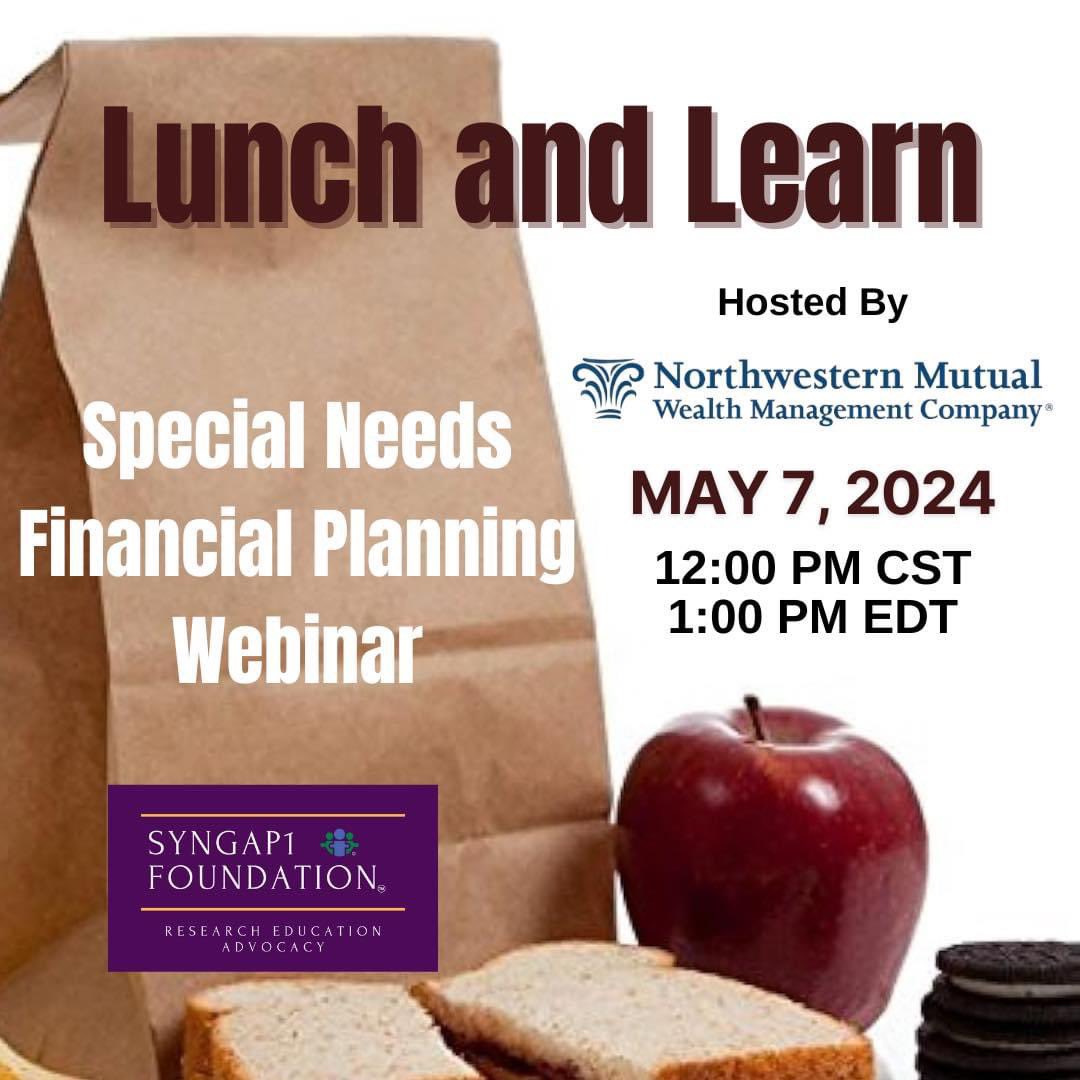
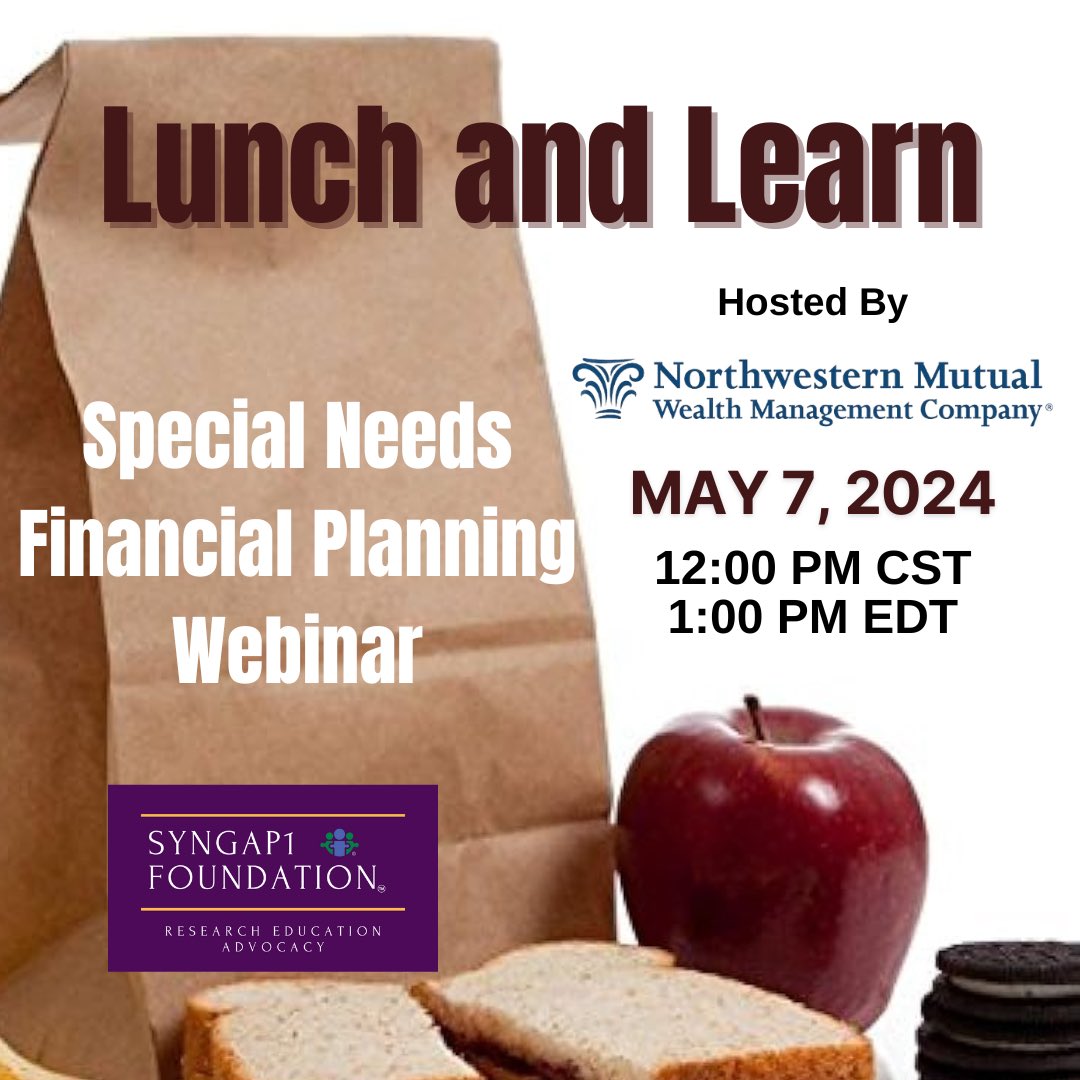
📢 NEXT WEEK! 🎉 Join us for a Lunch and Learn webinar hosted by Northwestern Mutual Wealth Management Company on Tuesday, May 7th at 1:00 PM EST / 12:00 PM CST.
Gain valuable insights and expand your financial knowledge on financial planning for individuals with special needs.
Don’t miss out!
🔗 Zoom Meeting Link: us06web.zoom.us/j/8850075254…
Meeting ID: 885 0075 2541
Passcode: 081270
#Webinar #LunchAndLearn #FinancialLiteracy #NorthwesternMutual #WealthManagement #Investing #FinanceEducation
1
3
163
21 Apr 2024
🌟 Exciting news! 🎉
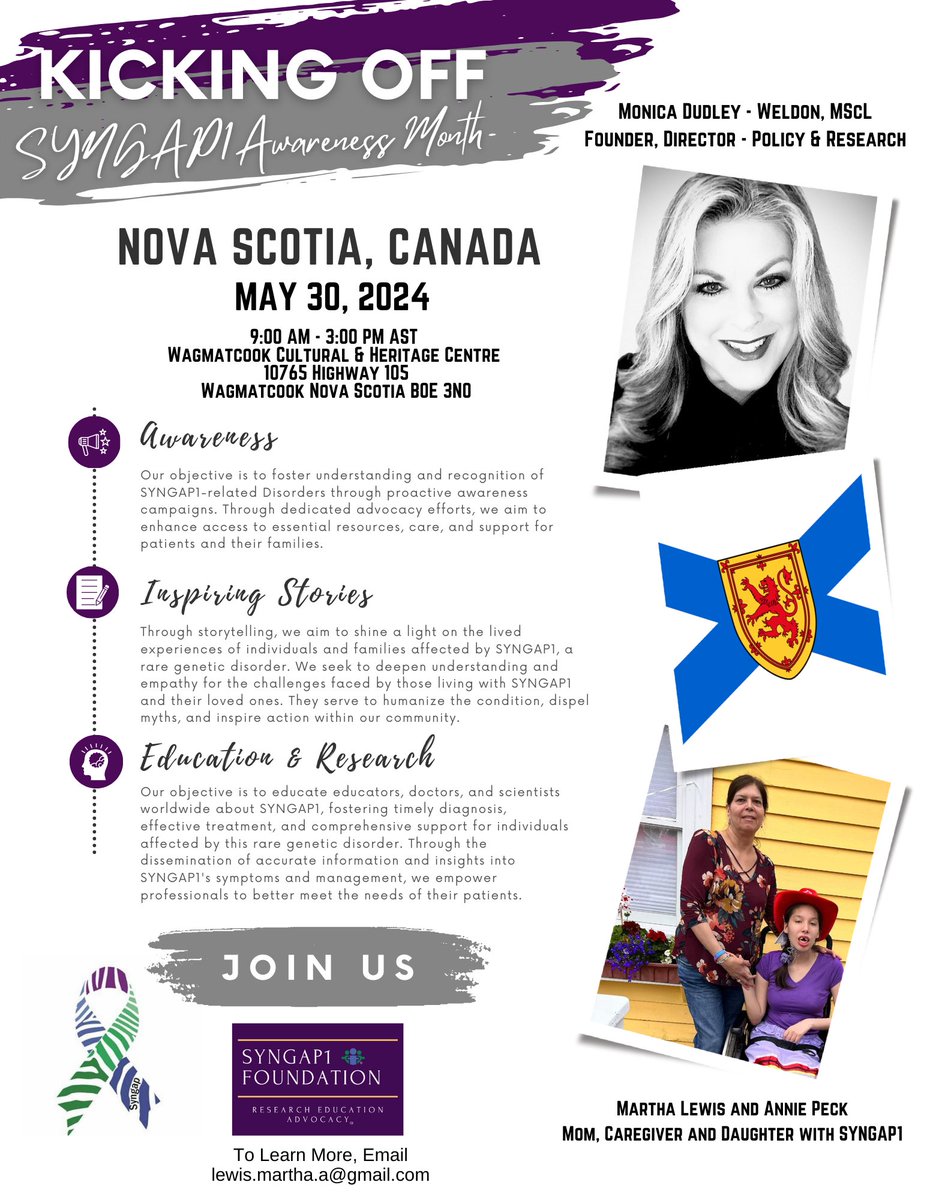
Join us for the kickoff of SYNGAP1 Awareness Month with a special guest: the Founder and Former President, now Policy and Research Director of the Syngap1 Foundation, @mlweldon5
We're also thrilled to welcome Martha Lewis and her daughter Annie Peck, the first child in Nova Scotia identified with SYNGAP1-related disorders sharing her story.
Let's gather at the Wagmatcook Cultural & Heritage Centre, hosted by the Wagmatcook Tribe, a First Nation Community.
Together, we'll raise awareness, share stories, and unite in support. For more information, email lewis.martha.a@gmail.com.
Don't miss out on this inspiring event! #SYNGAP1Awareness #SYNGAP1 #NovaScotiaStrong 💙🧠✨
2
5
300
SYNGAP1 Foundation retweeted

15 Apr 2024
Thrilled to share our journey with my son's rare diagnosis of SYNGAP1-related diseases!
It's been a rollercoaster, but we're grateful for the support and awareness brought by sharing our story. Huge thanks to the @GWtweets journalism student, Aaron Shires who found us by happenstance online and helped shed light on our experience.
Check out the full story here: auadvancedreportingspring24.…
#RareDisease #SYNGAP1 #Grateful
2
7
267
13 Apr 2024
1
2
123
12 Apr 2024
🌟 Gratitude Alert! 🌟
We're overjoyed to commemorate a decade of discovery with the SYNGAP1 Foundation alongside the incredible duo, Colby Blakesley and her son Jon!
🎉 Their story is a testament to the transformative power of research and family support.
“Today, we extend our deepest appreciation to the SYNGAP1 Foundation for their unwavering commitment to inclusivity and empowerment. And thank you to Monica Weldon whose vision and dedication made it all possible!” 🙌
~ Colby
#DecadeOfDiscovery #SYNGAP1Foundation #GratitudeGalore 🌟 #SYNGAP1
1
2
121
10 Apr 2024
📢 Exciting news! 🎉 Join us for a Lunch and Learn webinar hosted by Northwestern Mutual Wealth Management Company on Tuesday, May 7th at 1:00 PM EST / 12:00 PM CST.
Gain valuable insights and expand your financial knowledge on financial planning for individuals with special needs.
Don't miss out!
🔗 Zoom Meeting Link: us06web.zoom.us/j/8850075254…
Meeting ID: 885 0075 2541
Passcode: 081270
#Webinar #LunchAndLearn #FinancialLiteracy #NorthwesternMutual #WealthManagement #Investing #FinanceEducation
1
3
199