
Intelligence ― Money ― Prestige
Joined March 2025
- Tweets 10,646
- Following 1,489
- Followers 84
- Likes 3,142
800 Photos and videos


The Constructive Times retweeted

Jun 13
The unreal blue beauty of Atera River, Japan
25
691
4,408
65,686
The Constructive Times retweeted

Jun 13
Japanese friend,Would this be your dream home aesthetic?
16
101
1,986
The Constructive Times retweeted

Dear future husband, I found the bathroom I want
35
303
2,419
450,632
The Constructive Times retweeted

1
30
148
1,421







The Constructive Times retweeted

Jun 13
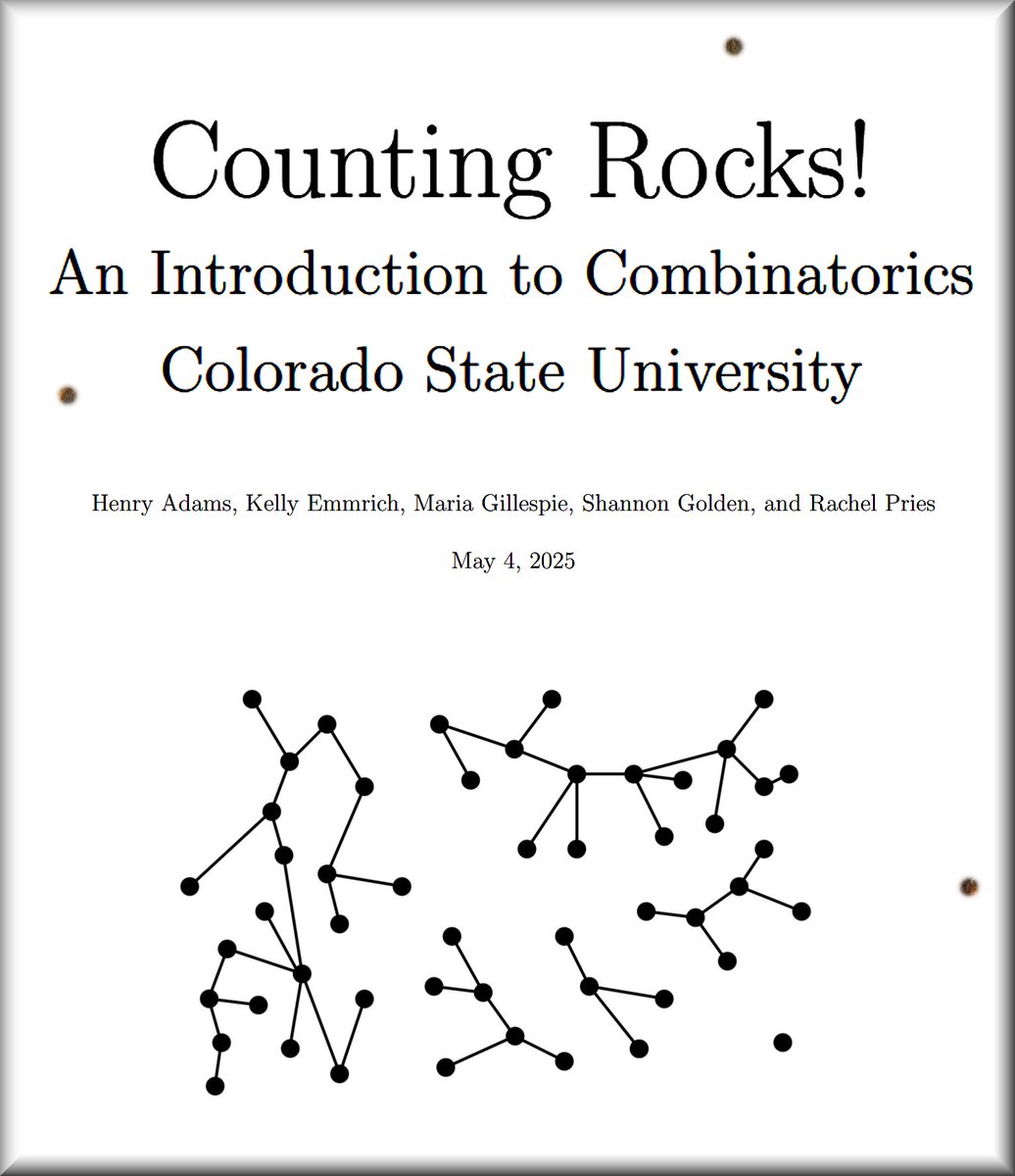
FREE Math Book.
"Counting Rocks! An Intro to Combinatorics" by Adams et al. Combinatorics is the mathematics of counting, arranging, and combining. It's the invisible engine powering our digital world, driving everything from cryptographic security to DNA sequencing. Studying it is FASCINATING because it allows us to solve massive, seemingly impossible puzzle problems using elegant, logical patterns. Machine learning models and neural networks rely on advanced combinatorial graph theory to map relationships and process complex data.
“Combinatorics is the mathematical study of discrete mathematical objects and their combinations and arrangements. Other kinds of mathematics (like calculus and analysis) use continuous mathematical objects, which involve infinitesimally small increments. By contrast, discrete mathematics is the study of objects that come in larger chunks, such as whole numbers, polygons, and networks. If you have ever asked 'I wonder how many different ways I could... ?', then you have thought about combinatorics. The history of combinatorics began in ancient times, in places such as Egypt, India, China, and Iran. The computer revolution greatly amplified the importance of combinatorics and graph theory. There are also applications of this class and book to other fields, like linguistics, physics, chemistry, and biology. In general, from this class, you will gain experience solving problems about combinatorial structures and algorithms; we hope you will continue to use the experience and ideas you gain from this class for the benefit of many other people.”
Contents
What is Combinatorics?
Counting Principles
Counting Combinations
Pascal’s Triangle and the Binomial Theorem
Proof Techniques in Combinatorics
Recurrence Relations
Generating Functions
Graph Theory Basics
Trees
Graph Optimization
Planar Graphs
Graph Coloring
Link: mathematicalgemstones.com/ma…
7
104
552
20,741
The Constructive Times retweeted

Jun 12
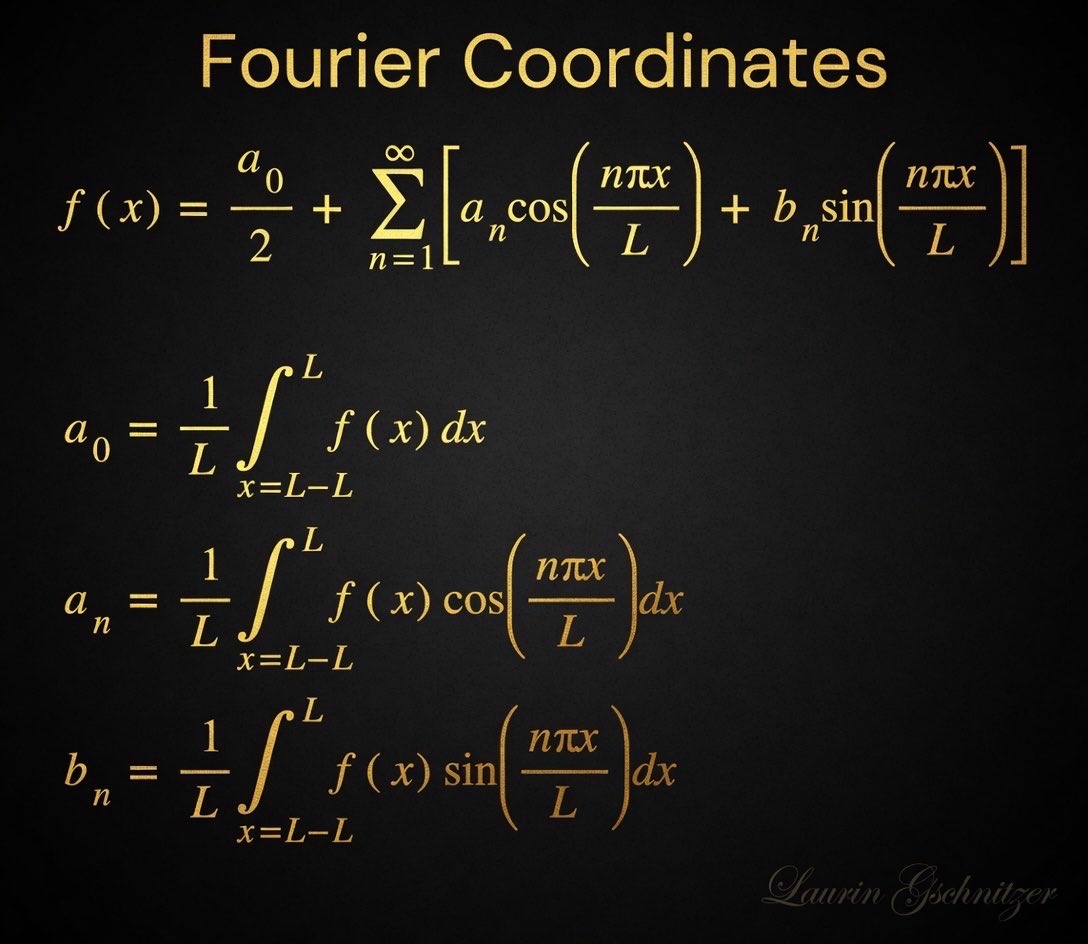
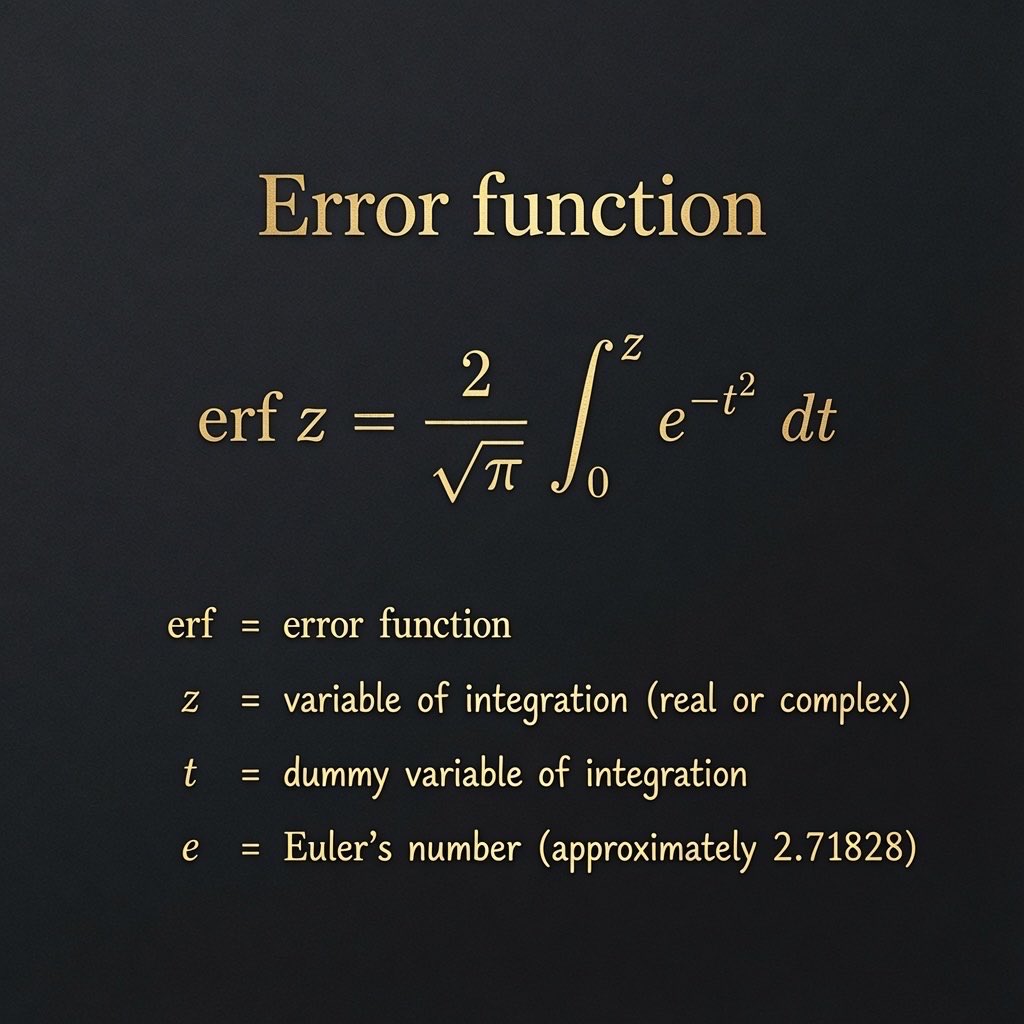
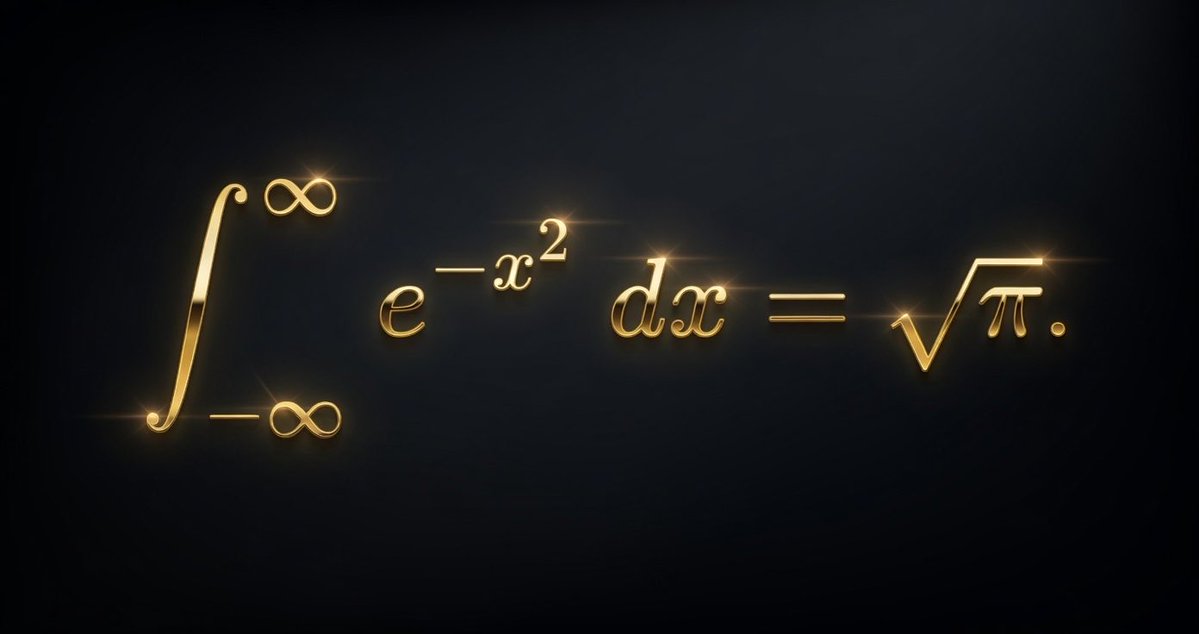
The Error-Function. ⭐️
6
39
353


The Constructive Times retweeted

Jun 13
This is the Most expensive yatch in the world costs $1billion
19
68
768
60,211