
THRESH0LD helps digital asset companies optimise operations and reduce costs when managing millions of transactions, using a single, simple API.
Joined May 2020
- Tweets 1,402
- Following 230
- Followers 303
- Likes 755
330 Photos and videos







May 14
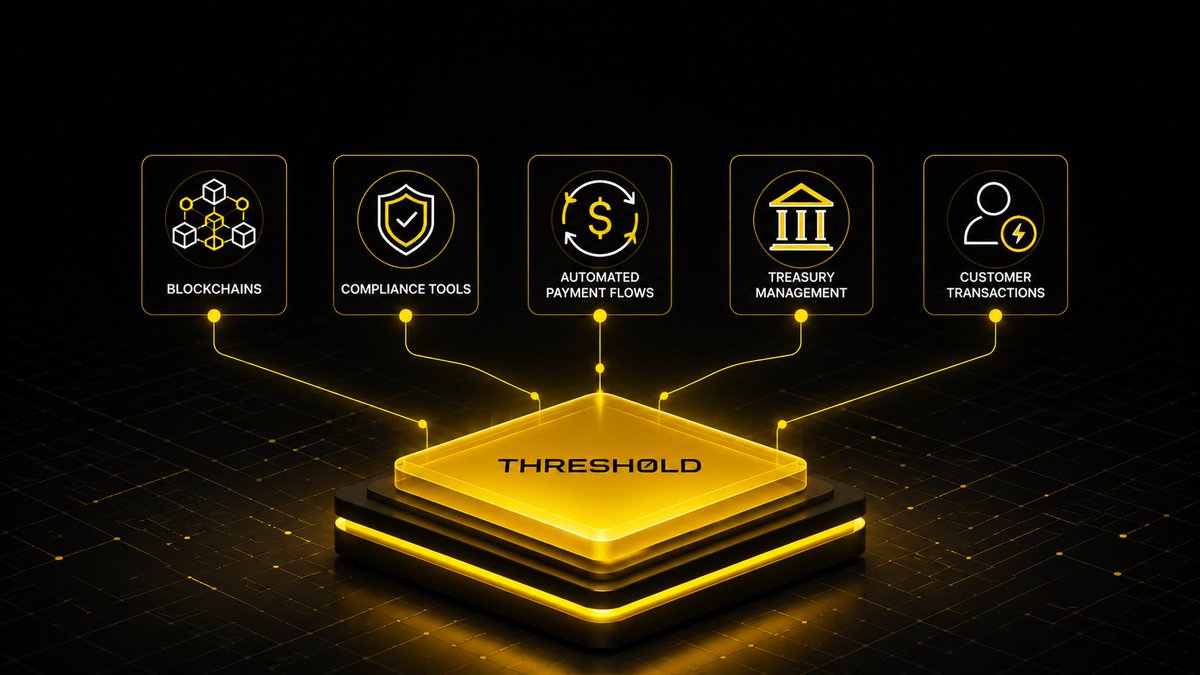
In 2026, your #wallet solution isn't just for asset storage & management.
It’s the Operating System connecting your #digitalasset #business to:
⛓️ Blockchain networks
✅ Compliance tools
💸 Automated payment flows
🏦 Treasury management and
⚡ Customer transactions
1
16
May 14
Get it right, and you can scale faster, automate intelligently, and control costs.
Efficient digital asset businesses are built on strong foundations.
That's exactly why we built Thresh0ld.com
Send us a DM to see a Demo!
17
Apr 30
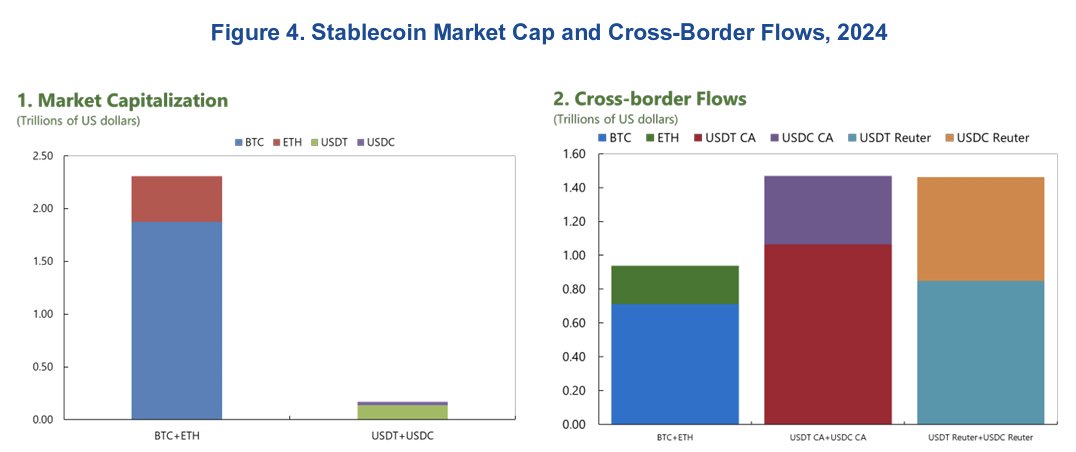
Sub-Saharan Africa moved over $200 billion in on-chain value between mid-2024 and mid-2025.
Stablecoins represented 43% of that activity.
Why are African fintechs shifting to stablecoins?
#Stablecoins #USDT #USDC #Fintech #Africa #Payments #CrossBorder #DigitalAssets
1
20
Apr 30
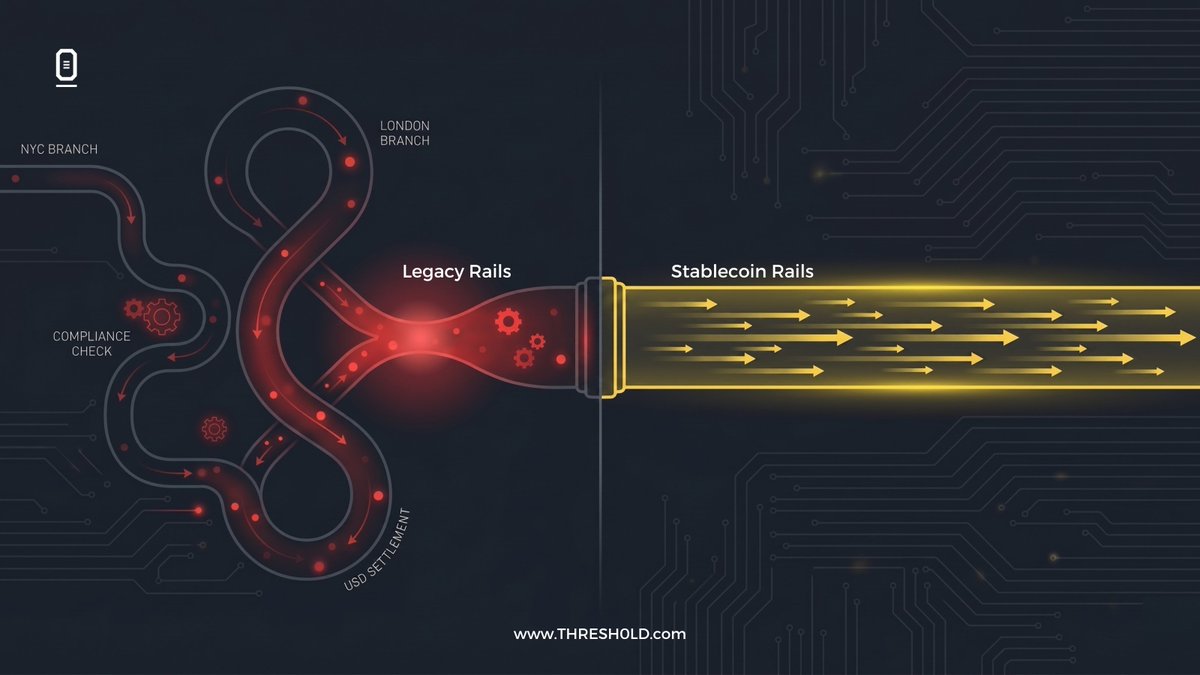
✅ Instant Settlement, within minutes
✅ 24/7 Availability, markets that never close.
✅ Capital Efficiency, No more pre-funded nostro accounts.
1
15
Apr 30
@THRESH0LD_ , we provide the secure infrastructure needed to scale stablecoin operations with institutional-grade security.
Ready to build the future of settlement?
Talk to us today ➡️ thresh0ld.com/contact/
28
Apr 22
The numbers don't lie:
2024: Crypto hacks resulted in $2.2B in losses.
Mid-2025: That figure hit $2.17B in just six months.
The pattern behind these breaches is almost always the same: A single private key, stored in a single location, compromised by a single attack.
1
35
Apr 22
Instead, it is split into multiple independent "shards" across separate systems.
To succeed, an attacker would need to breach several parties simultaneously, a nearly impossible task.
1
16
Apr 22
By eliminating the single point of failure, we give businesses the confidence to scale without the constant shadow of a potential breach.
Is your current wallet infrastructure built for the security demands of 2026❓
Click here to see a demo 👉thresh0ld.com/contact/
15
Apr 15
Here’s a trend most people aren't watching closely enough:
#AI agents have moved from "tools that recommend" to "tools that execute."
But execution requires capital.
1
15
Apr 15
To be truly autonomous, agents need their own wallets.
They need to pay for APIs, settle trades, manage subscriptions, and process transactions, all without waiting for a human to click "approve."
This means the wallet infrastructure behind these agents must be:
1
13
Apr 15
✅ Programmable ✅ Ultra-Secure ✅ API-First
The era of "Agentic Wallets" is here, and it's reshaping how we think about digital ownership.
Are we ready to give AI agents this much autonomy, or is it too much power too soon?
Let us know your thoughts in the comments! 👇
11
Apr 15
To be truly autonomous, agents need their own wallets. They need to pay for APIs, settle trades, manage subscriptions, and process transactions, all without waiting for a human to click "approve."
This means the wallet infrastructure behind these agents must be:
1
13
Apr 15
✅ Programmable ✅ Ultra-Secure ✅ API-First
The era of "Agentic Wallets" is here, and it's reshaping how we think about digital ownership.
Are we ready to give AI agents this much autonomy, or is it too much power too soon?
Let us know your thoughts in the comments! 👇
14
Apr 10
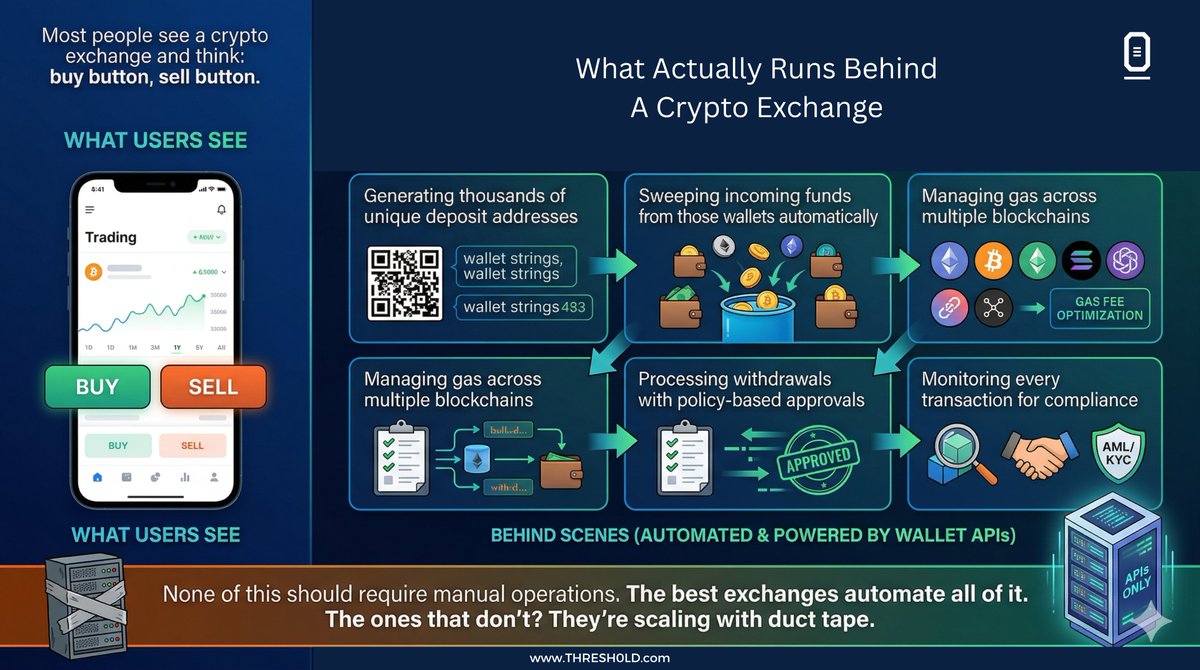
Most people see a crypto exchange and think => buy button, sell button.
Behind the scenes, there is a wallet infrastructure like @THRESH0LD_ powering every transaction:
1
23
Apr 10
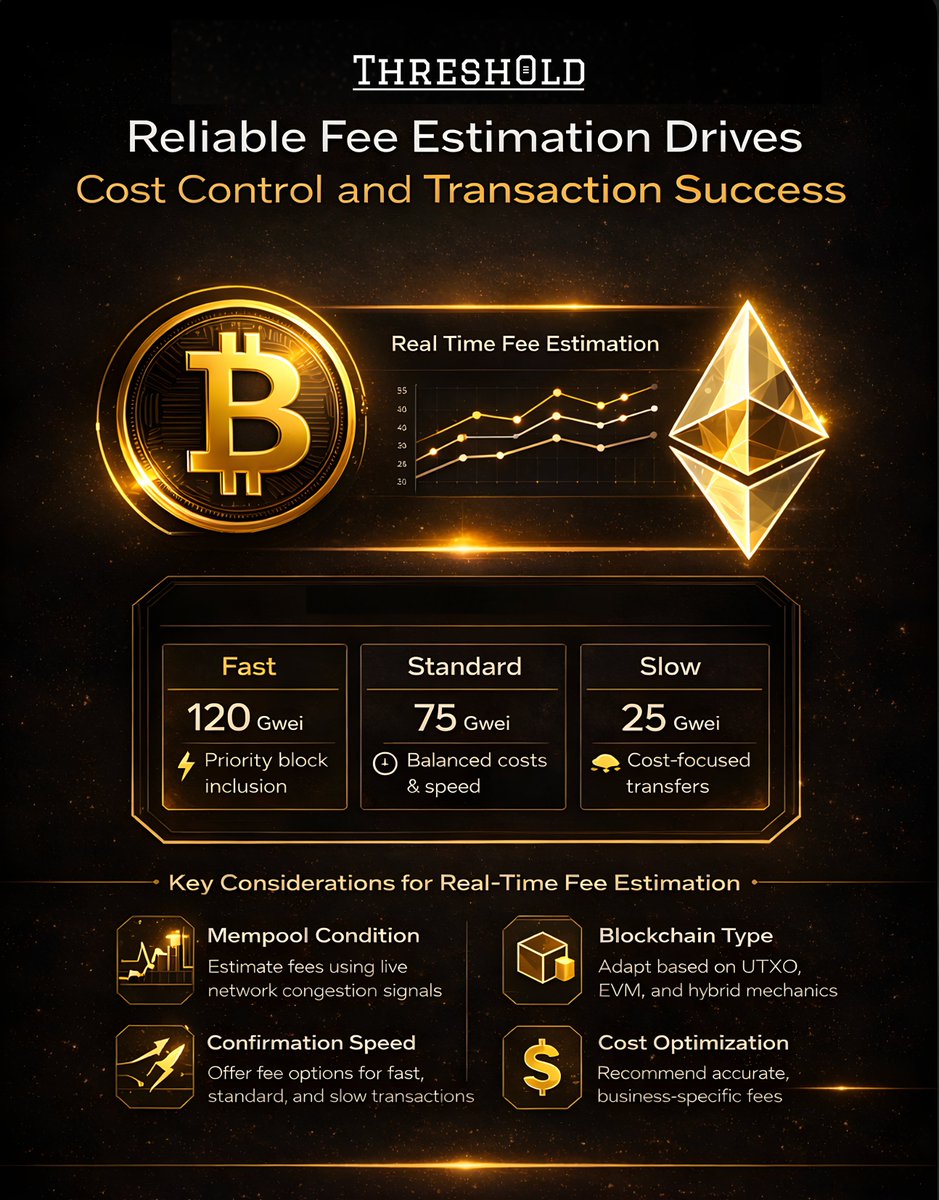
✔️ Generating thousands/millions of unique deposit addresses
✔️ Sweeping incoming funds from those wallets automatically
✔️ Managing gas fees across multiple blockchains
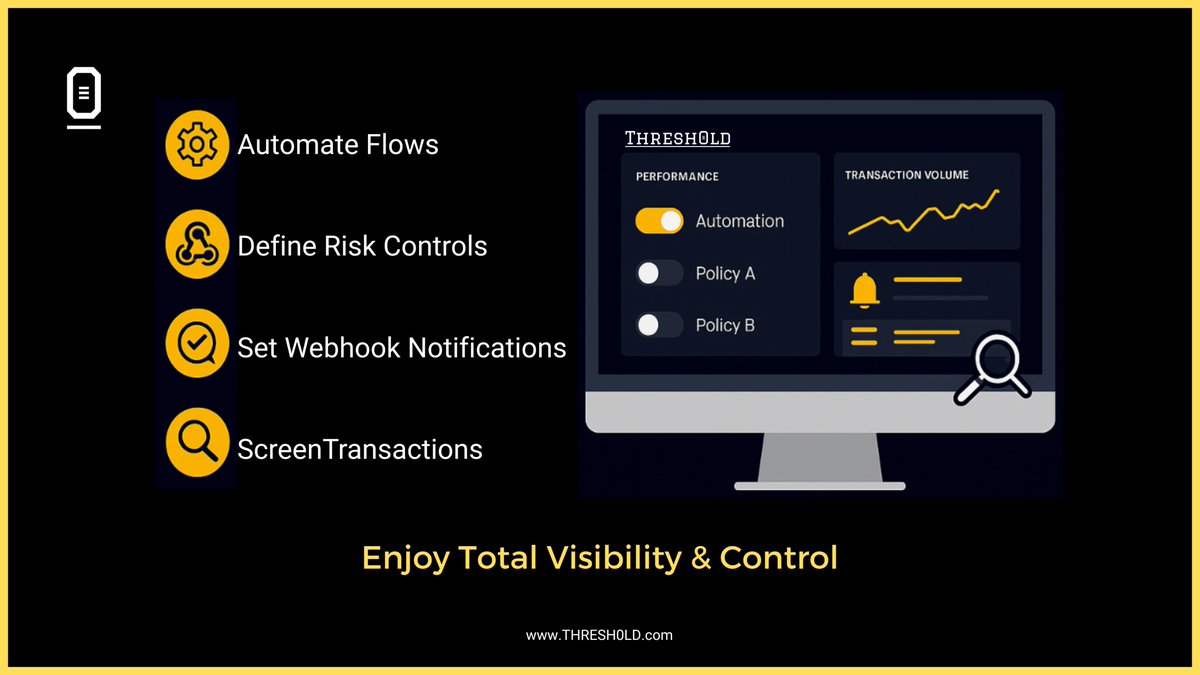
✔️ Processing withdrawals with policy-based approvals
✔️ Monitoring every transaction for compliance
1
20
Apr 10
None of this should require manual operations.
Some of the most efficient exchanges automate everything through the @THRESH0LD_ API.
Looking to scale your exchange operations?
Talk to us today 👉 thresh0ld.com/
#CryptoExchange #WalletInfrastructure #Bitcoin
28
Mar 6
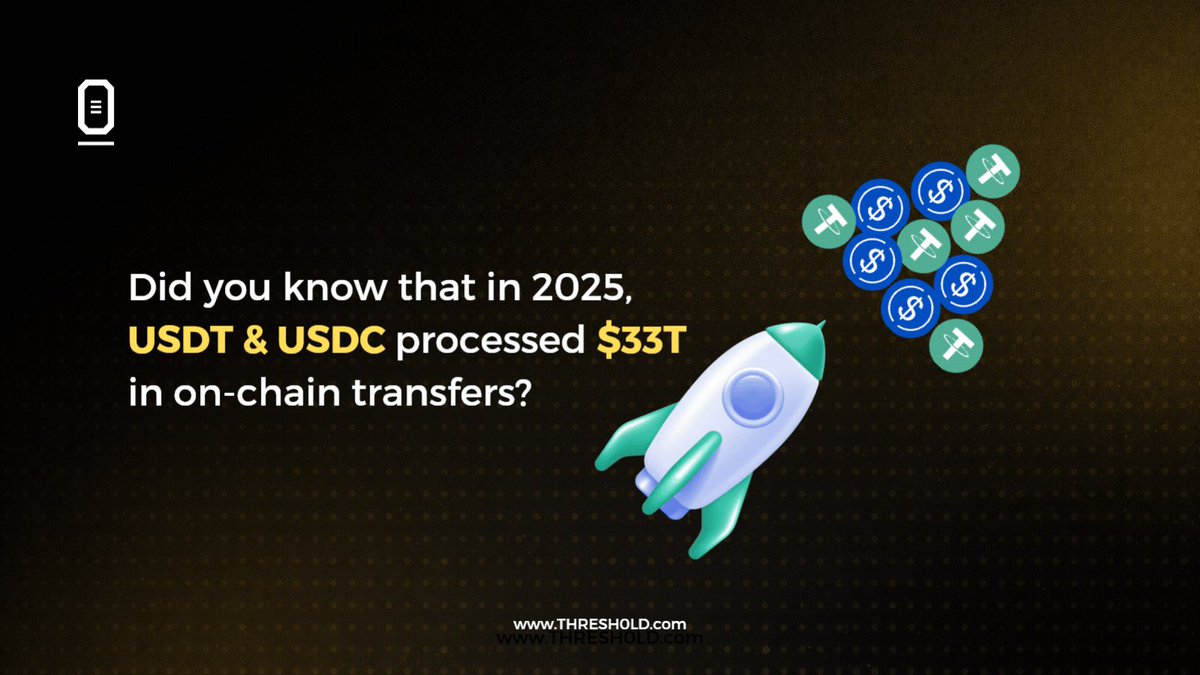
#Stablecoins processed $33T in on-chain transfer volume in 2025.
Of which #USDC => $18.3T & #USDT =>$13.3T
Transfer volumes are projected to continue growing steadily over the next decade.
1
1
1
25
Mar 6
So why are #Fintechs and #NeoBanks adopting #Stablecoins?
✔️ Faster global settlement
✔️ Lower cross-border payment costs
✔️ 24/7 programmable money
At THRESH0LD, we provide wallet infrastructure that helps digital asset businesses secure, automate & scale stablecoin operations
1
1
1
24
Mar 6
If you’re building with stablecoins, your infrastructure matters.
Talk to us → thresh0ld.com/#contact-sales
#Crypto #BlockchainInfrastructure #CryptoWallet #Fintech #CryptoPayments #DigitalAssets
1
2
25