
Maritime Data analyst, Astrophysicist at heart, PhD: looking at extragalactic Planetary Nebulae with MUSE on the VLT.
Joined November 2009
- Tweets 990
- Following 212
- Followers 114
- Likes 1,754
102 Photos and videos






26 Jan 2022
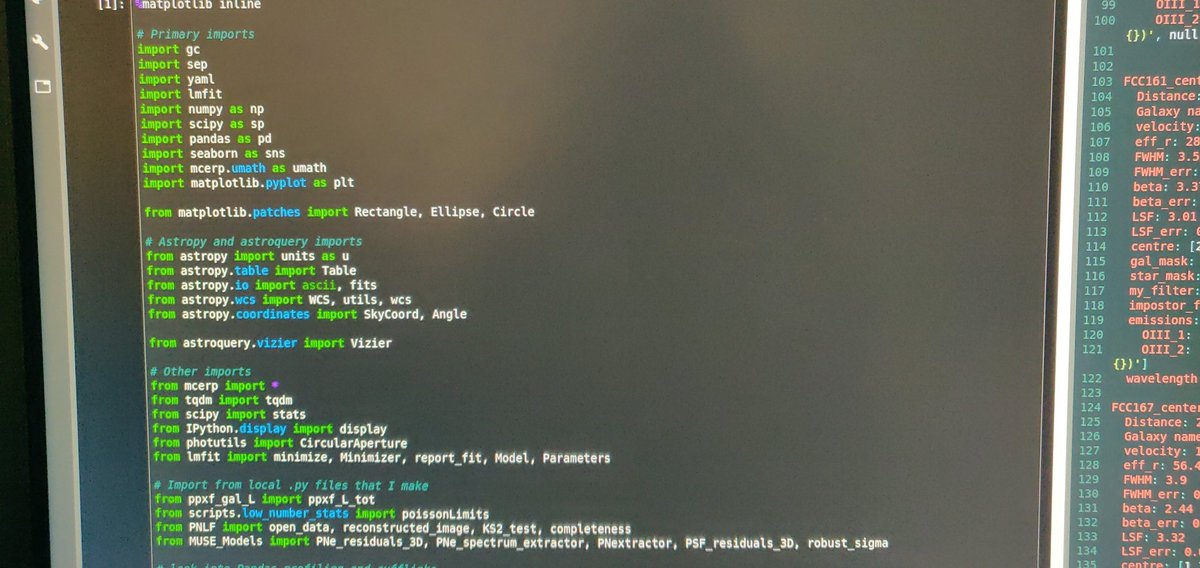
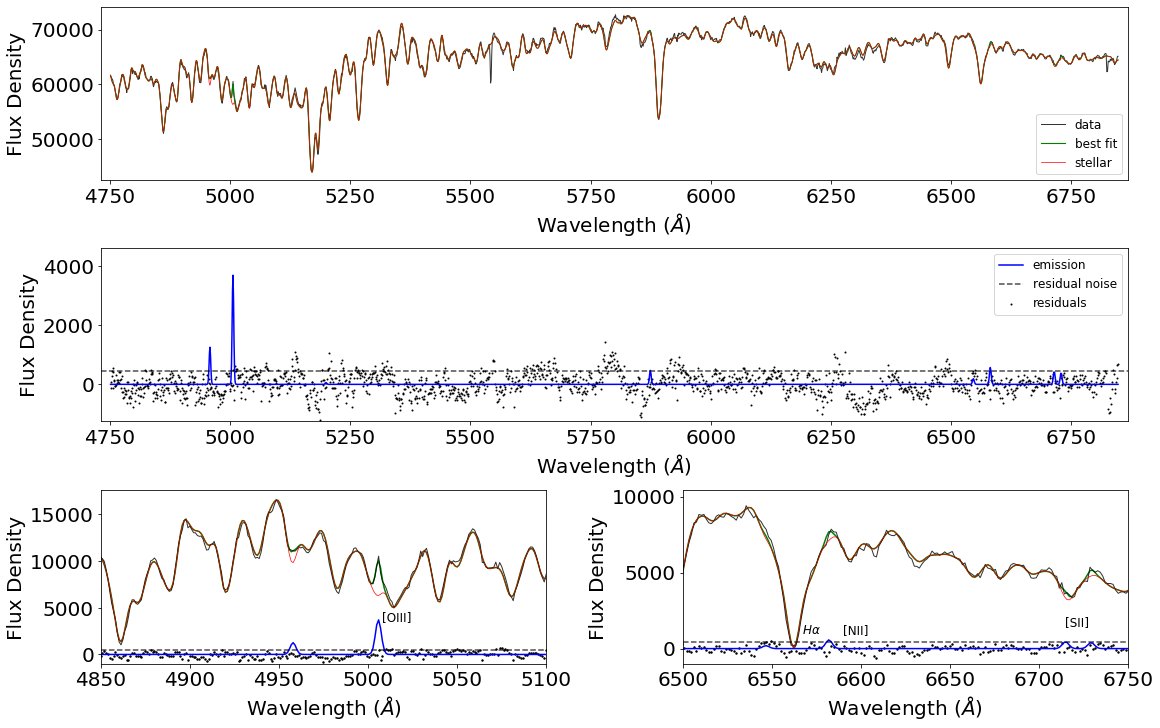
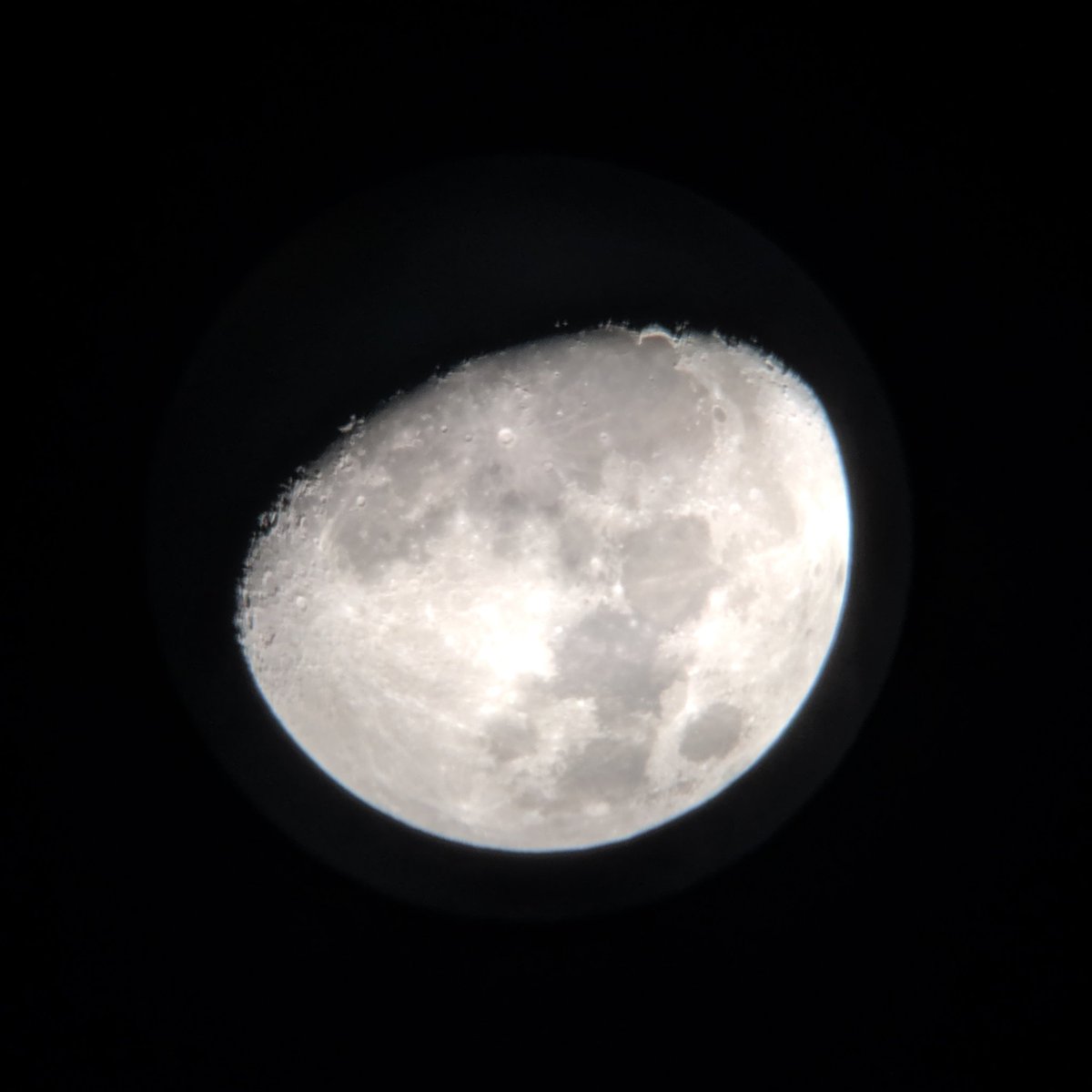
Viva complete and passed with minor corrections! Thanks to everyone who supported and was a part of my PhD life :D #phdlife #Astrophysics
5
35
26 Jan 2022
I have my PhD Viva in under 2 hours, any suggestions or tips are wholly welcome while enter the final prep stage :D #astrophysics #phdlife #AcademicChatter
5
14
Thomas Spriggs retweeted

12 Nov 2021
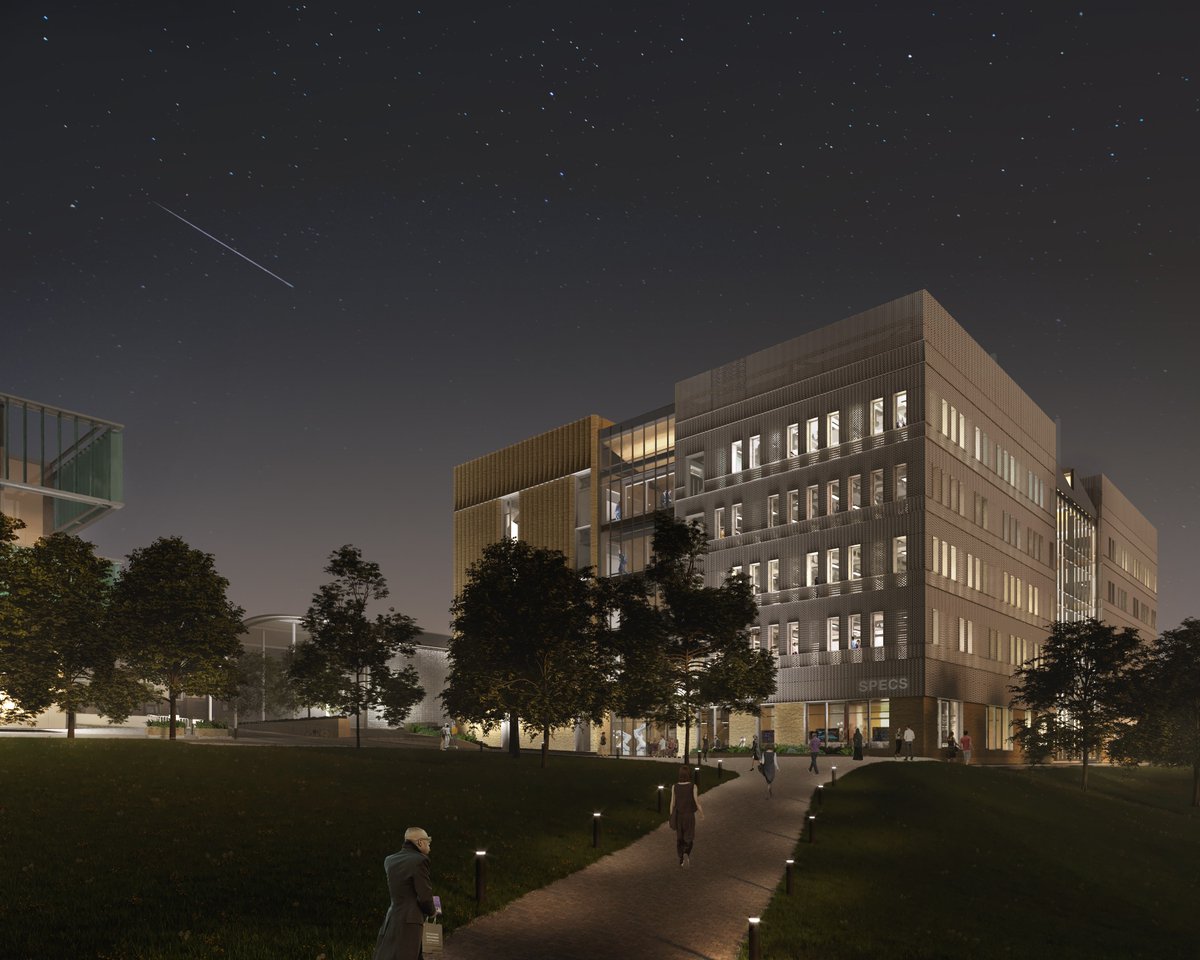
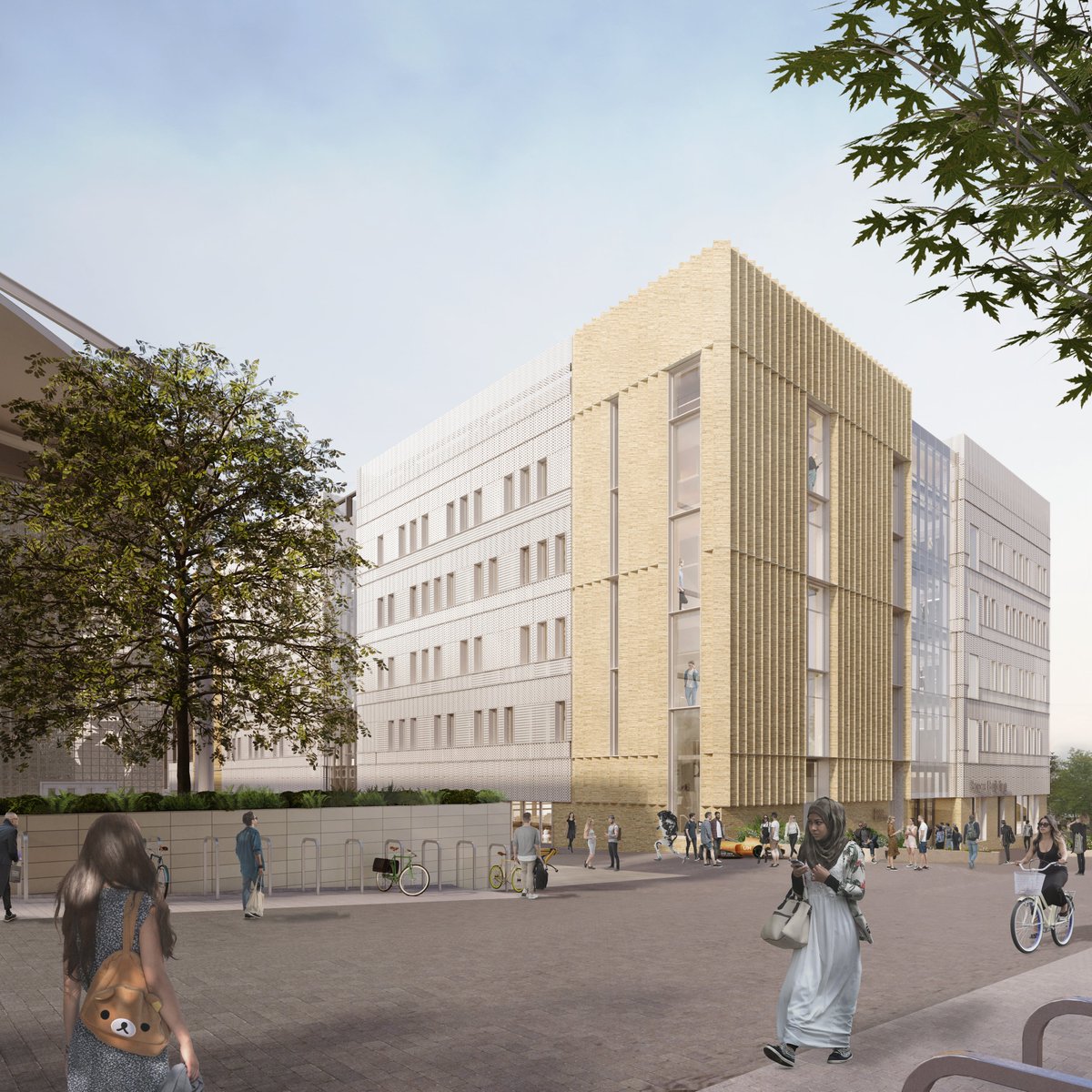
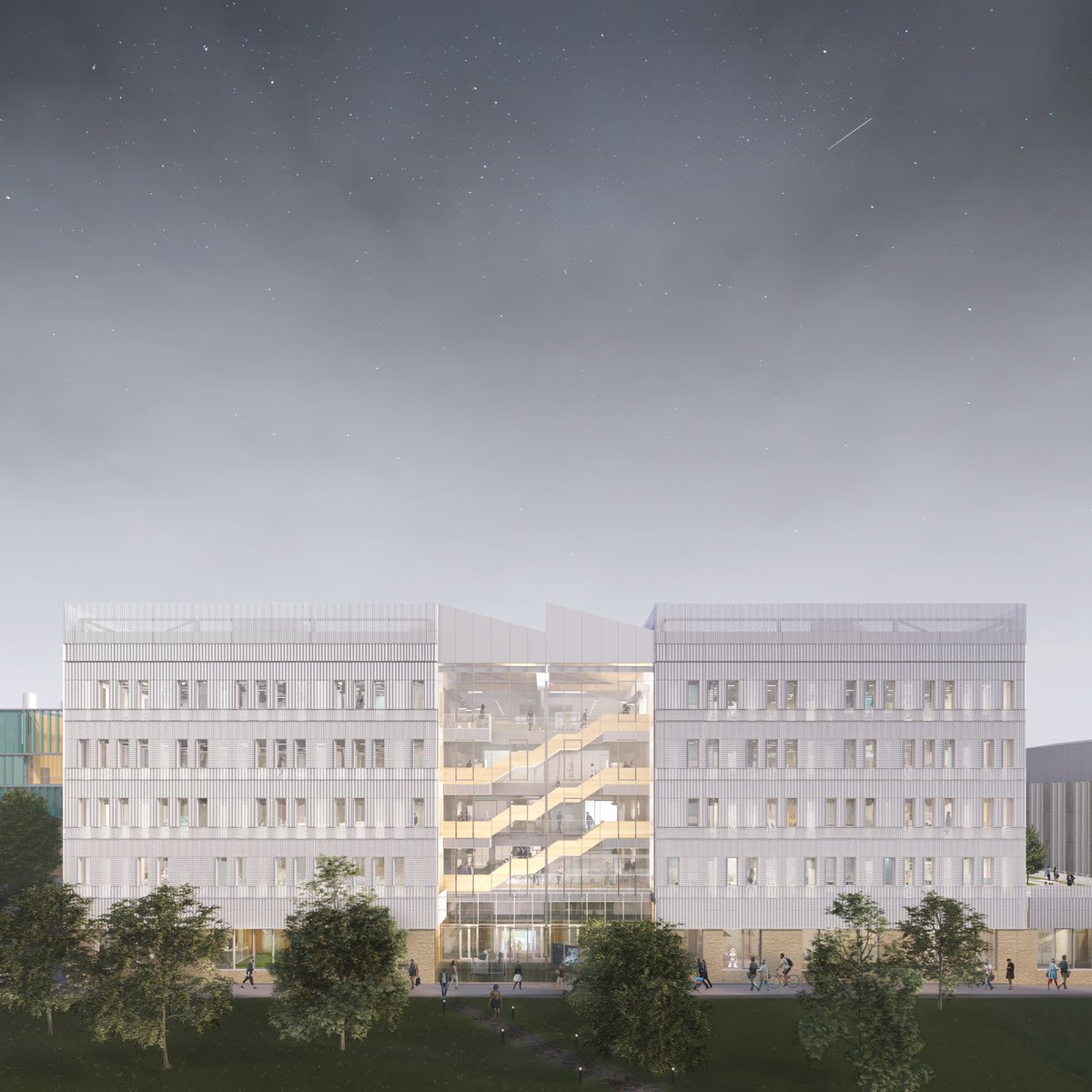
Take a look at the concept drawings for our new School of Physics, Engineering and Computer Science 😍
The landmark development will be delivered by @morgansindall_i and is located in a central position on College Lane Campus.
ow.ly/m2GJ50GMiXu

1
10
20
Thomas Spriggs retweeted

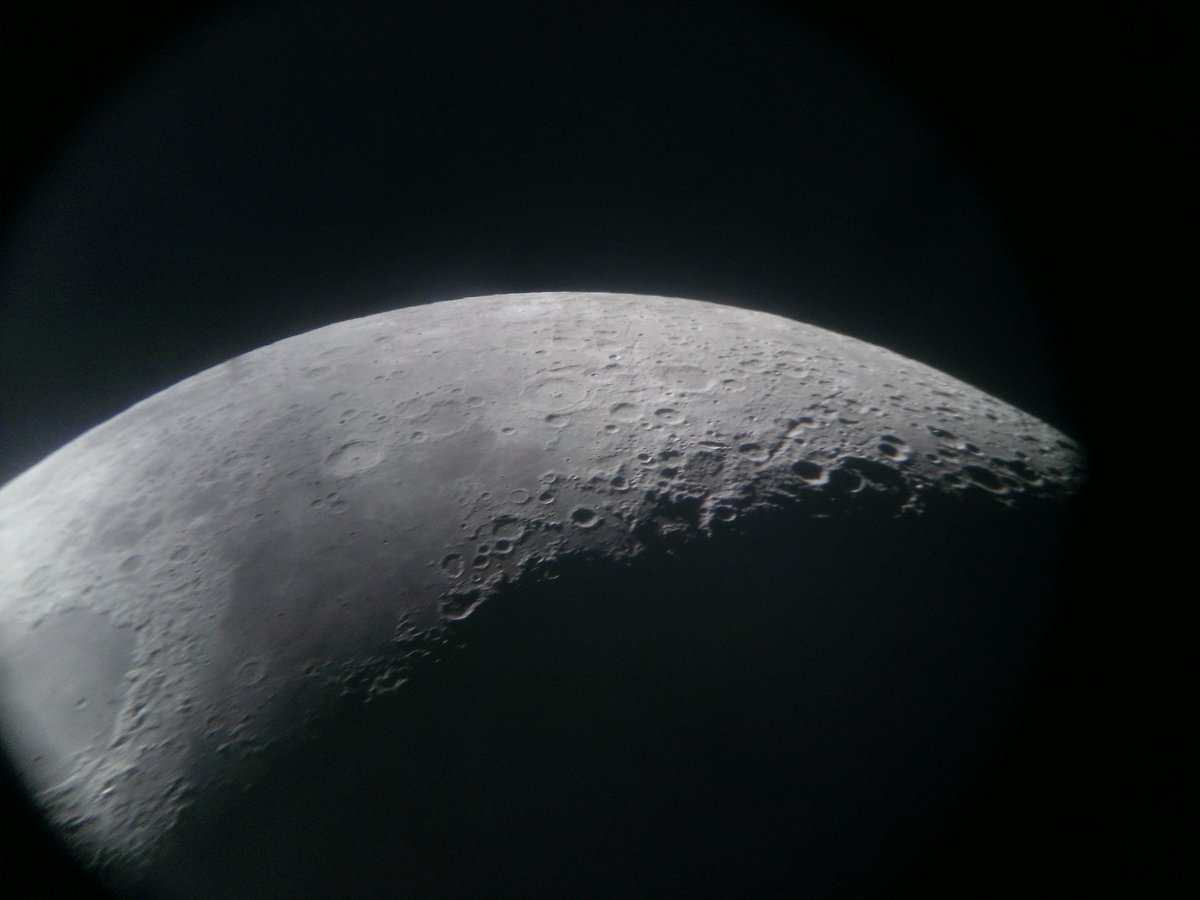
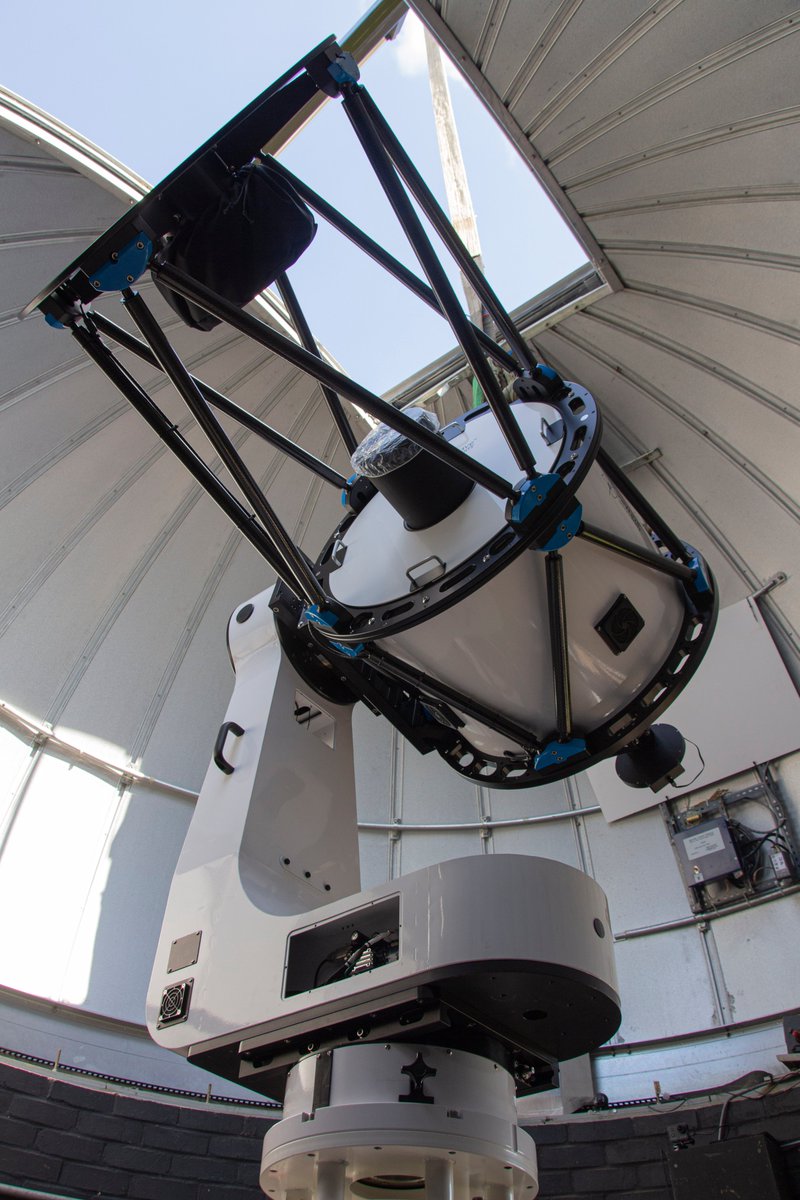
The telescopes we use to take our images are predominantly used by our students. Study astrophysics with us @uniofherts and you can have access to these facilities from your first semester.
Course info: herts.ac.uk/courses/undergra…
More about the Observatory: herts.ac.uk/bayfordbury/bayf…
1
5
38
Thomas Spriggs retweeted
With some further processing we can just make out the 5th largest moon - Miranda.
2
7
63
Thomas Spriggs retweeted
Locking onto the movement of the planet we are able to see the orbit of the moons.
Uranus is unique amongst the planets in that its moons orbit, along with its own rotation, are almost at 90 degrees to the orbit around the sun.
6
74
416
Thomas Spriggs retweeted
Last night Uranus reached opposition. We tracked it over 4 hours to make this video showing the movement of the planet and its four brightest moons (Titania, Oberon, Umbriel and Ariel) against the stars.
60
1,049
4,566
30 Sep 2021
The Fornax3D project: Planetary nebulae catalogue and independent distance measurements to Fornax cluster galaxies. doi.org/10.1051/0004-6361/20… via @AandA_journal
It's finally available in its final form! The catalogue of PNe is also available from the CDS (see whithin) 🎉🎉🎉🥳📖
2
10
12 Aug 2021
Hello there. I am actively looking for my next step after PhD in Astrophysics. If you, or anyone you know, are looking for someone to fill an academic or industry role: using python for data analysis or data science, or a research based role, pleas DM me :D #AcademicTwitter #jobs
2
1
22 Jul 2021
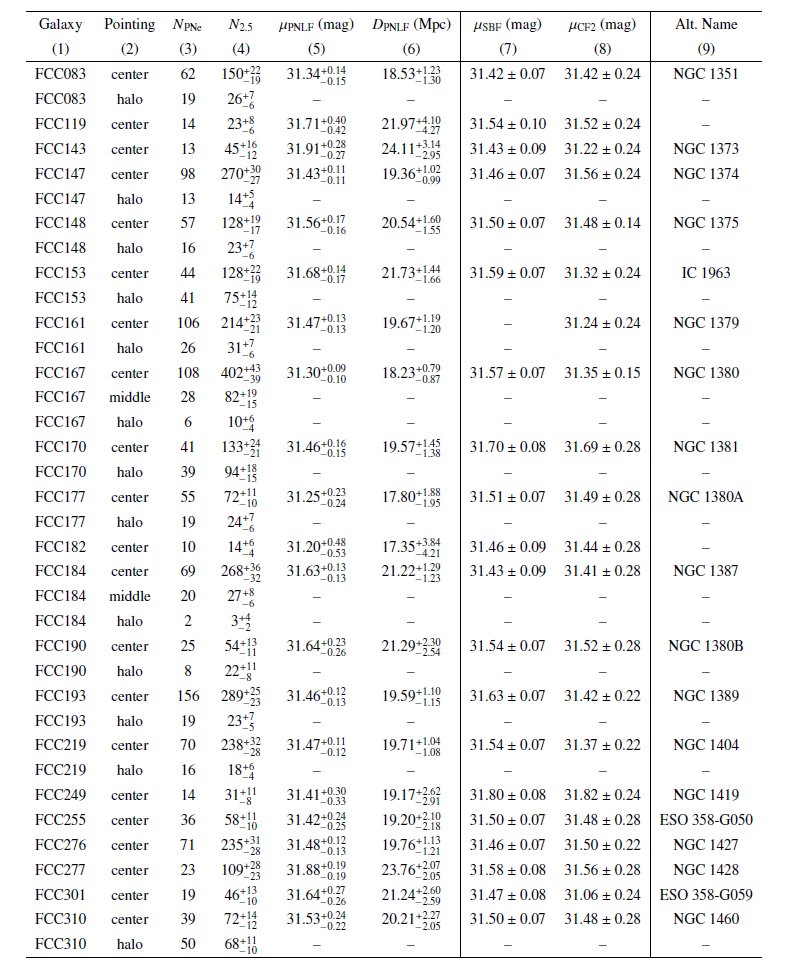
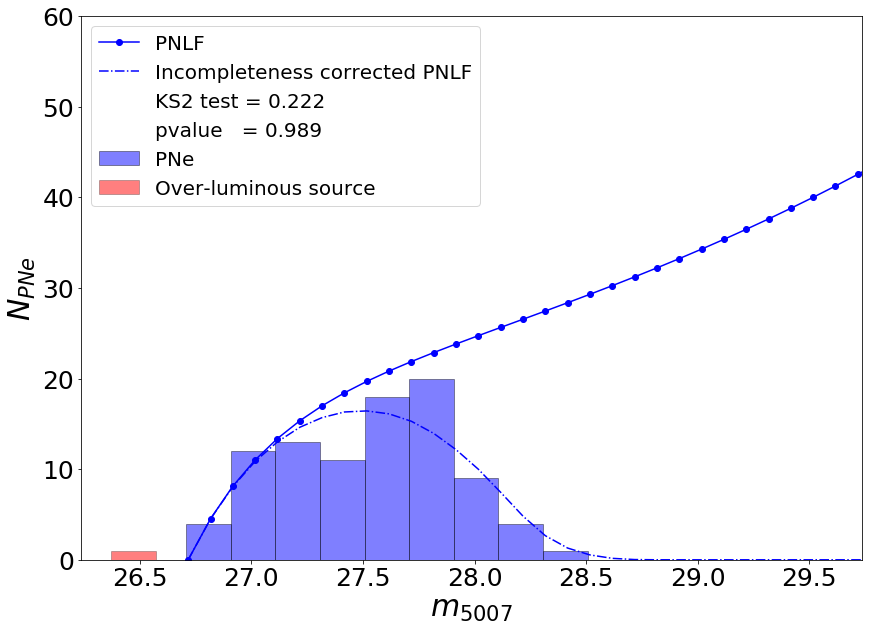
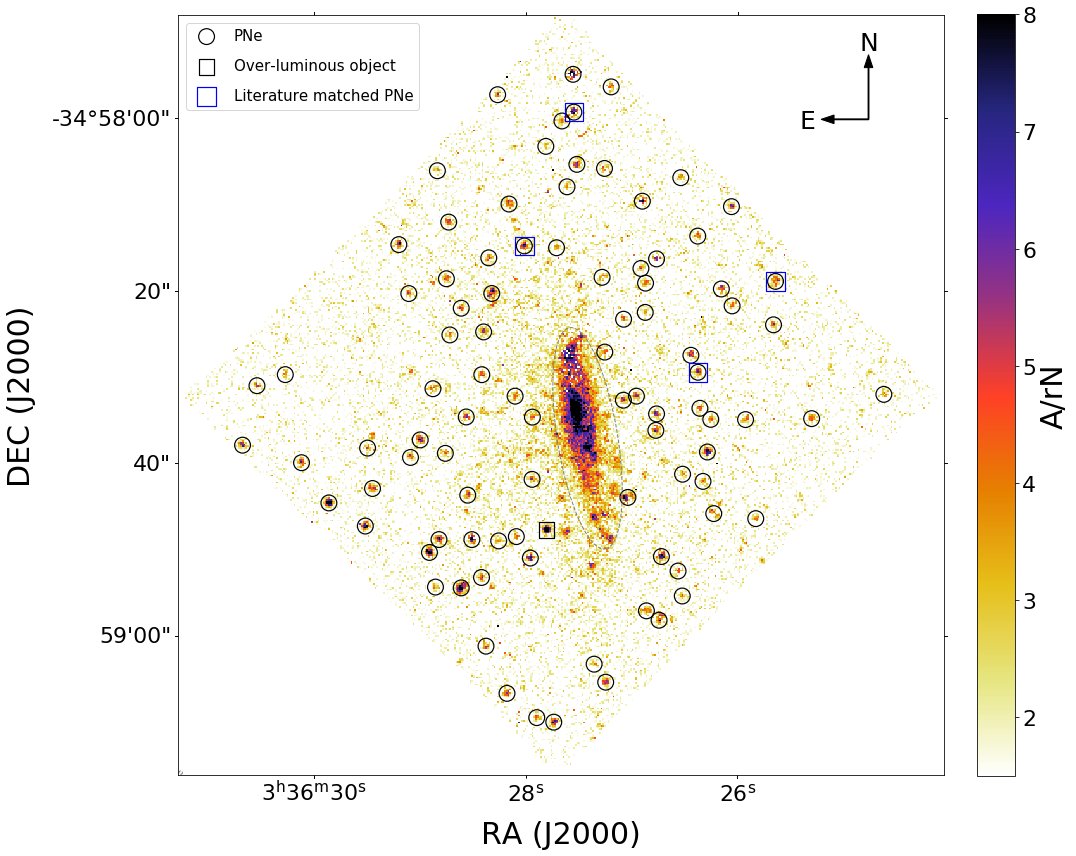
New paper day! 🎉🎉🎉 Introducing the Planetary Nebula Catalogue of the Fornax3D ETGs, along with independent distance estimates! This paper has been accepted in A&A, and is now on Arxiv /ADS: arxiv.org/abs/2107.09680
Plots and overview to follow
4
1
12
22 Jul 2021
22 Jul 2021
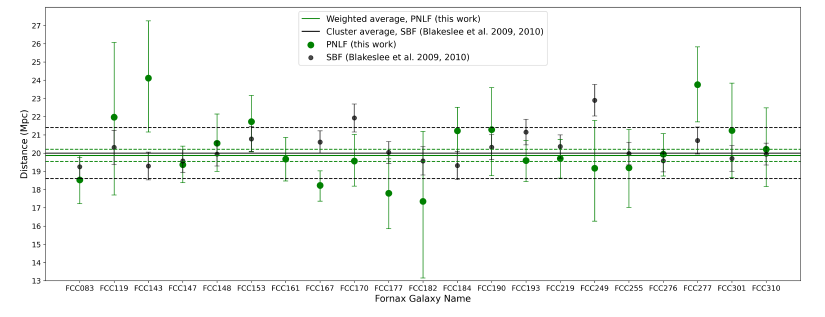
Those distances are in very good agreement with the Surface Brightness Fluctuation (SBF) within the literature, and our average distance to the cluster: D=19.86 /- 0.32 Mpc, agrees well with other cluster average distances.
22 Jul 2021
Introducing our catalogue of 1350 PNe from across 21 ETGs of the Fornax cluster, observed using MUSE as part of the Fornax3D survey. We also include PNLF derived distances to each galaxy.
1
30 Jun 2021
Check out my poster for EAS 2021, where I present the method behind our PNe detection pipeline and showcase our latest results in distance estimation to the Fornax Cluster using PNe alone!
k-poster.kuoni-congress.info… #EASLeiden2021
1
4
Thomas Spriggs retweeted

6 May 2021
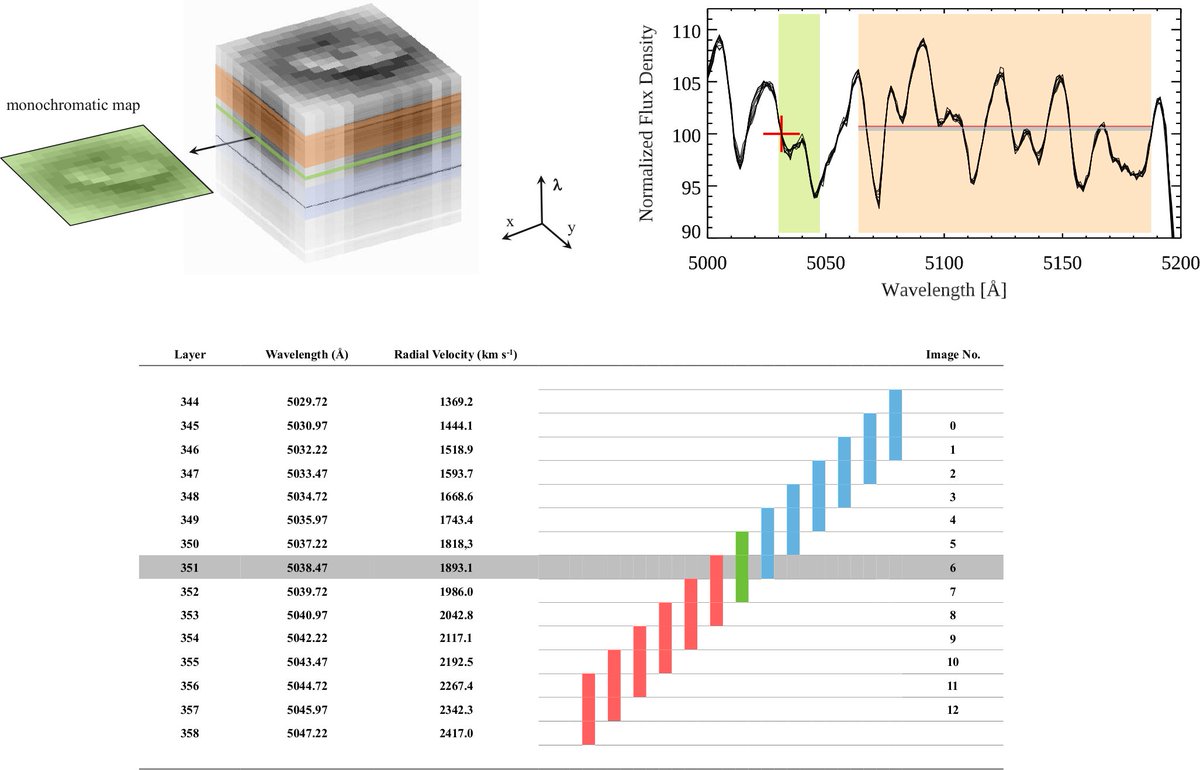
New paper by Martin Roth et al. (arxiv.org/abs/2105.01982) to which I was happy to contribute a little bit. We demonstrate how one can get the most out of MUSE data of galaxies out to ~35 Mpc for detecting planetary nebulae (PNe). #musevlt 1/5
1
3
10

Thomas Spriggs retweeted

23 Nov 2020
🥁Drum roll🥁
The five winners of the RAS early-career poster competition 2020 are...
...officially announced here: ras.ac.uk/news-and-press/new… #RASposter2020
ALT RAS Poster Exhibition Winners Announced. ras.ac.uk/ras-2020-posters
2
6
14
6 Nov 2020
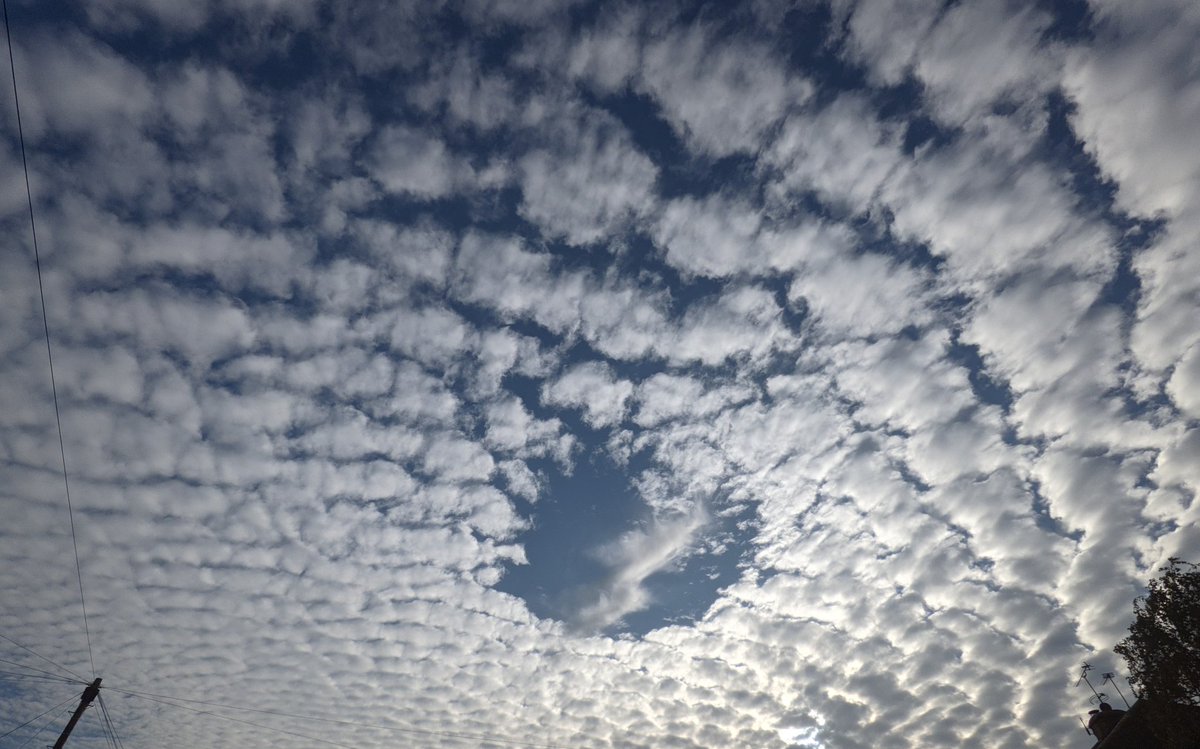
Some amazing Cirrocumulus clouds this morning, with an intriguing and mysterious disturbance in the middle... Any ideas what might have caused it? #weather #clouds @MetOffice_Sci #cirrocumulus
3