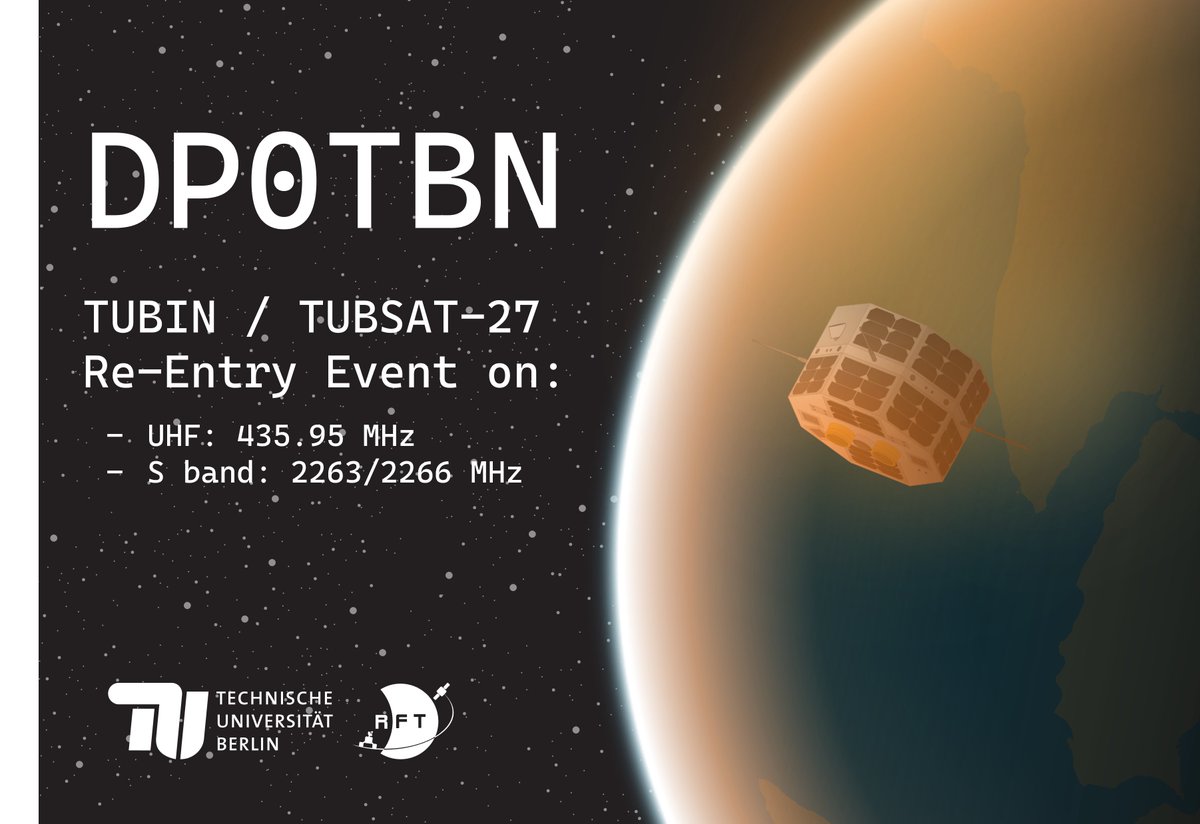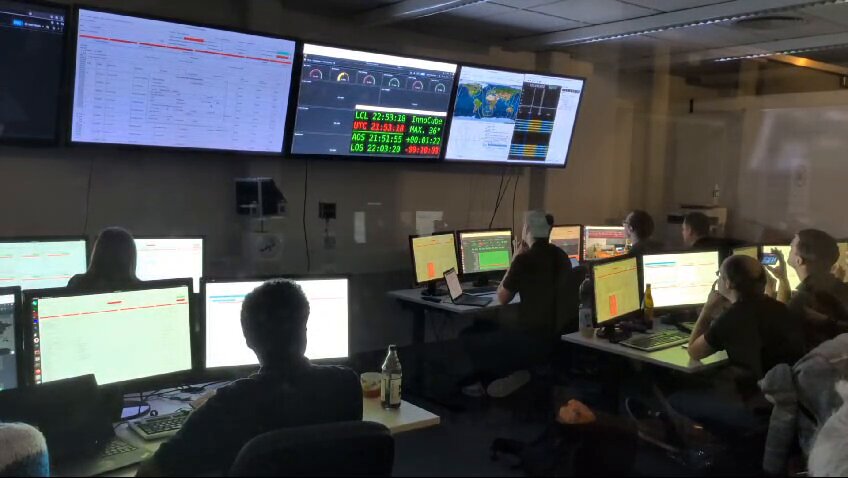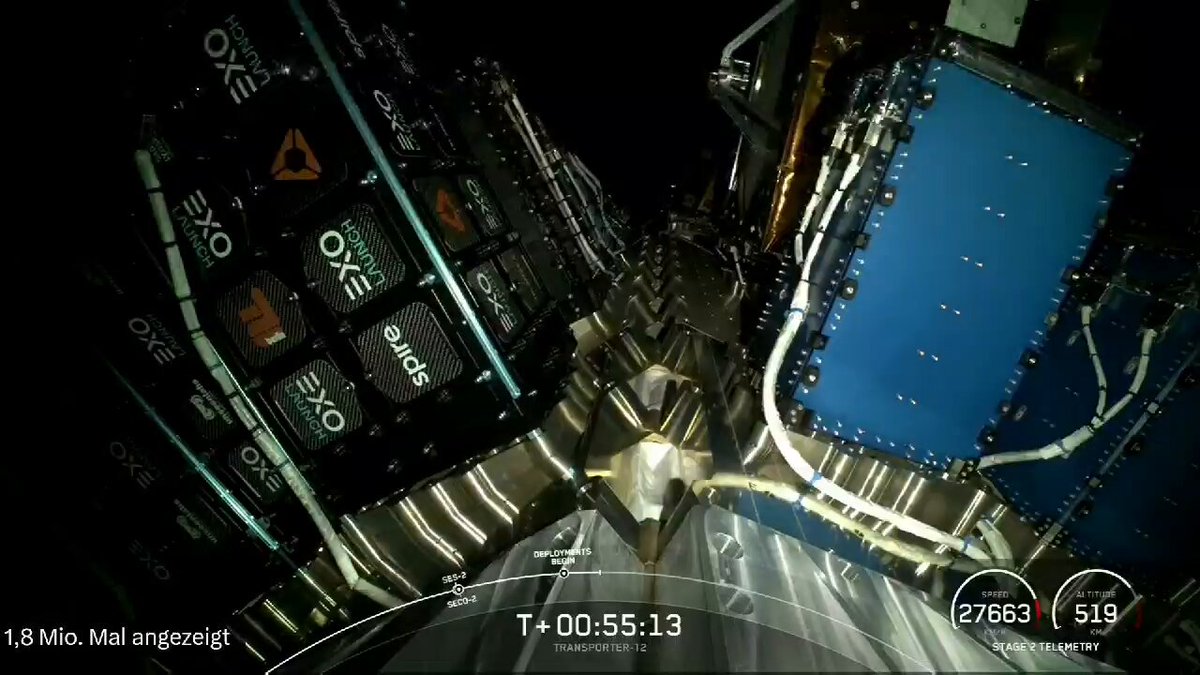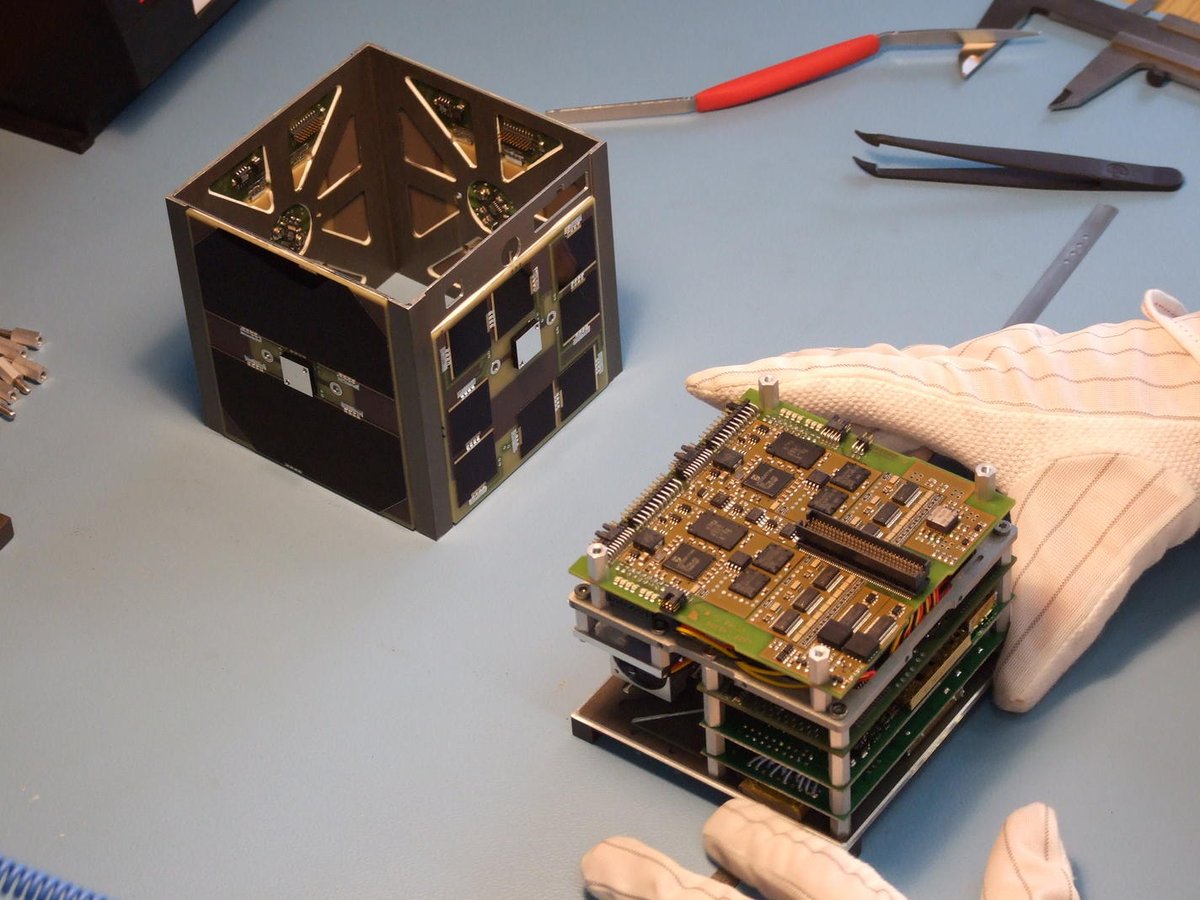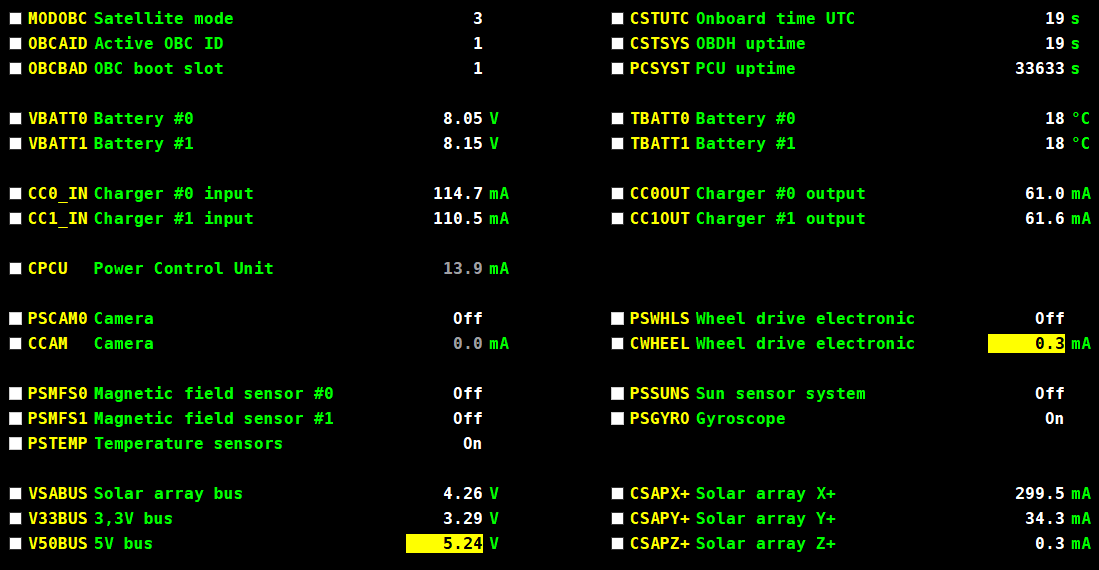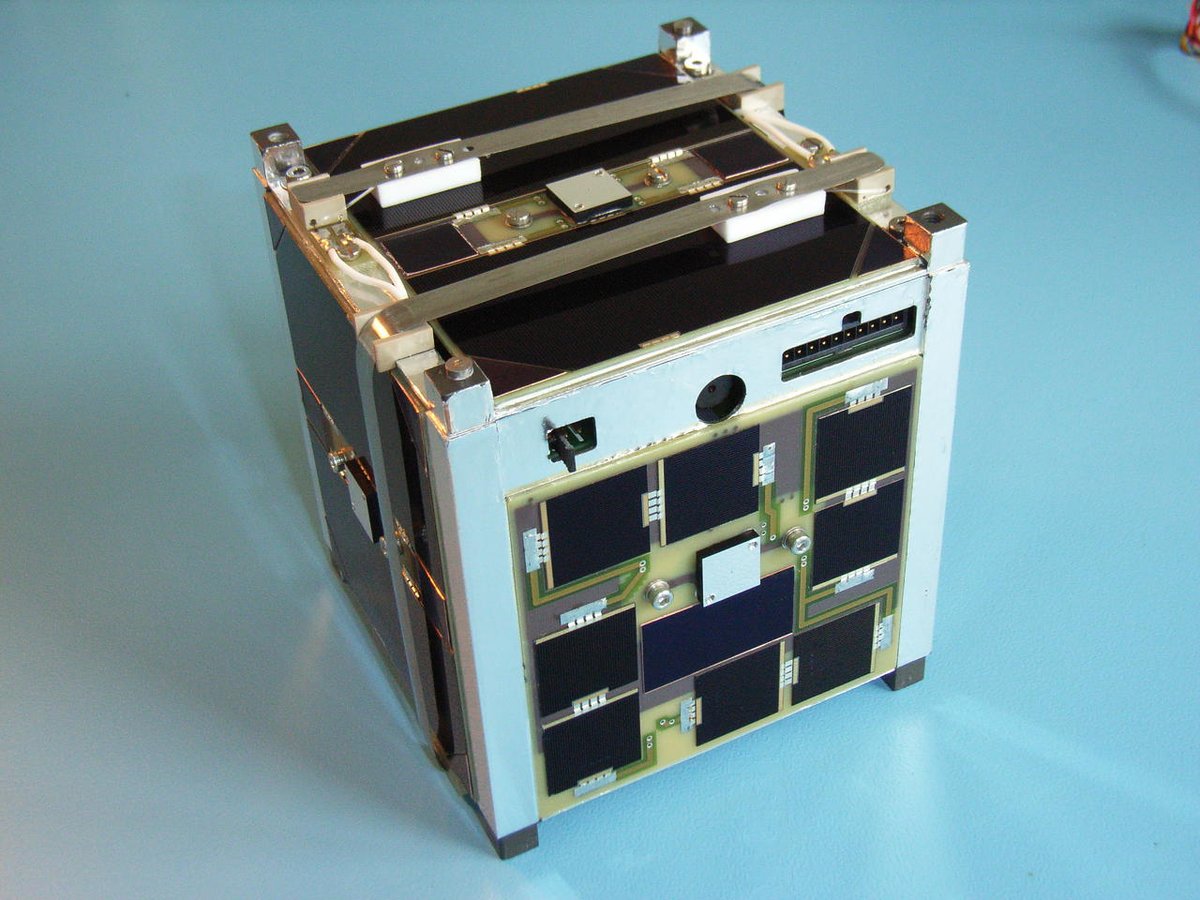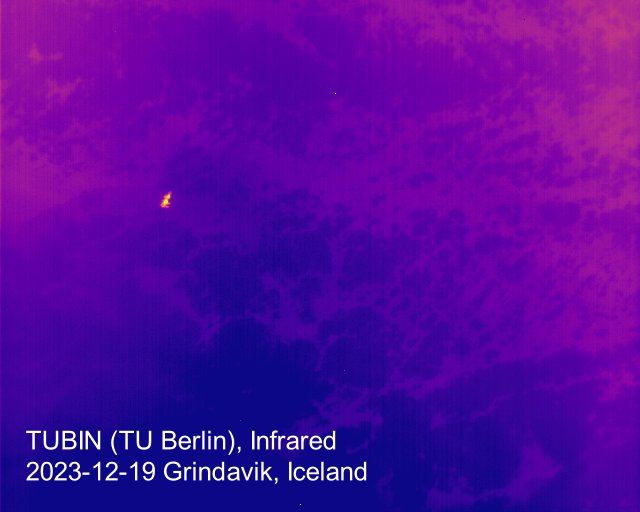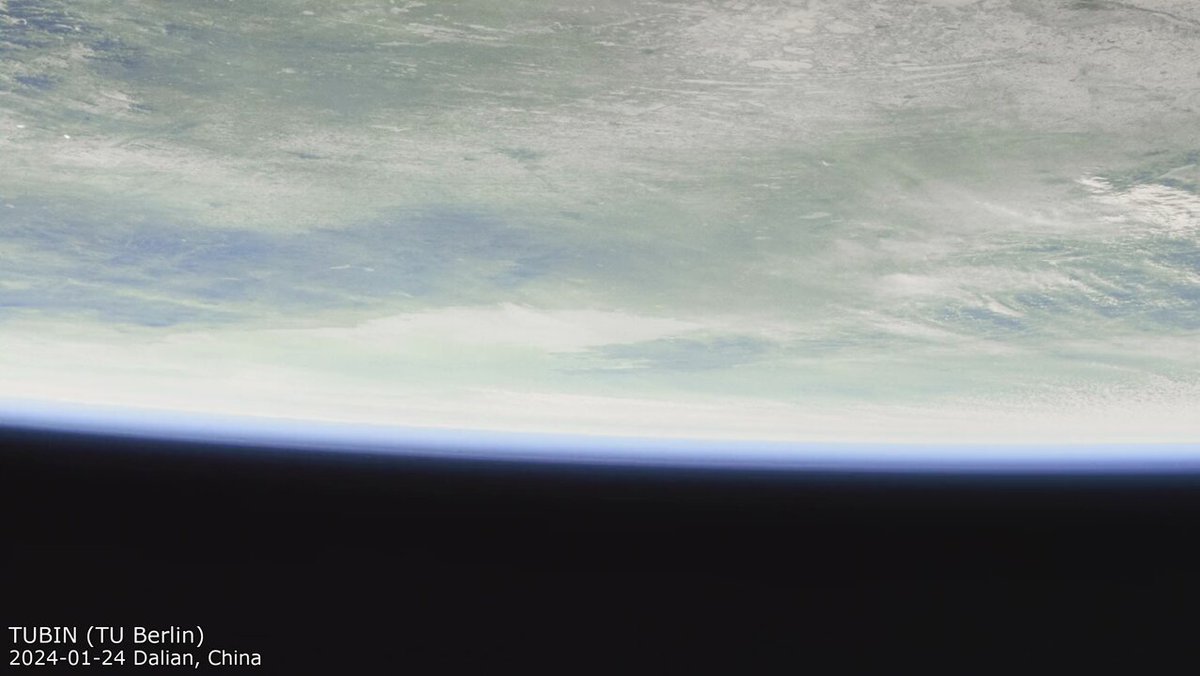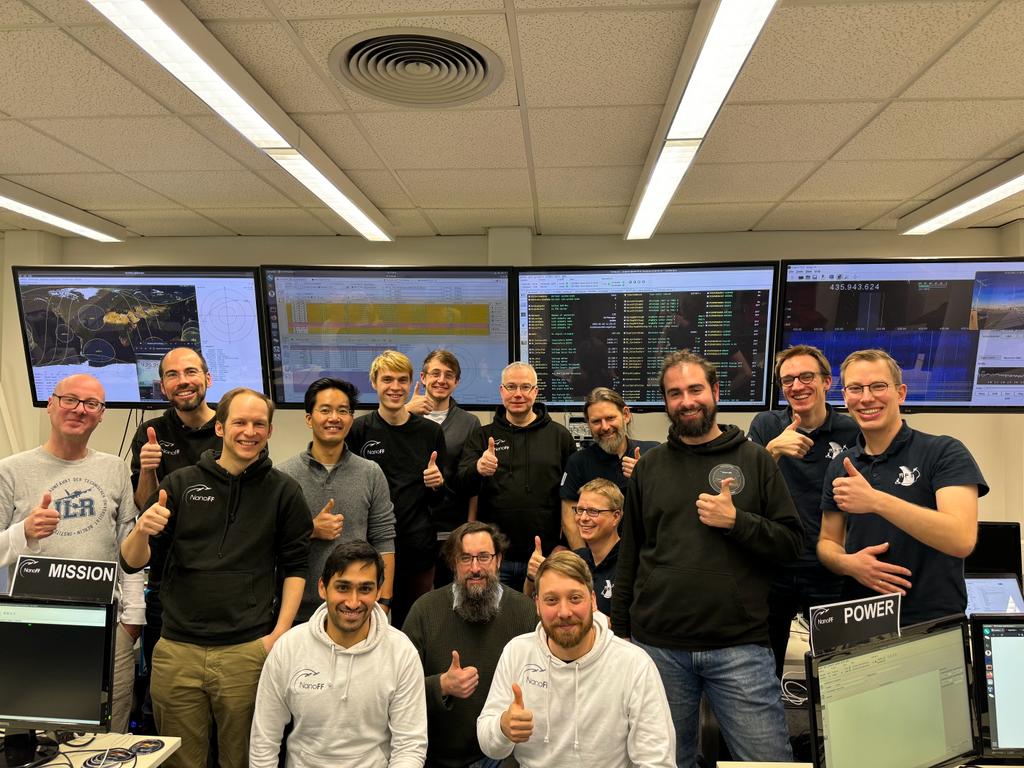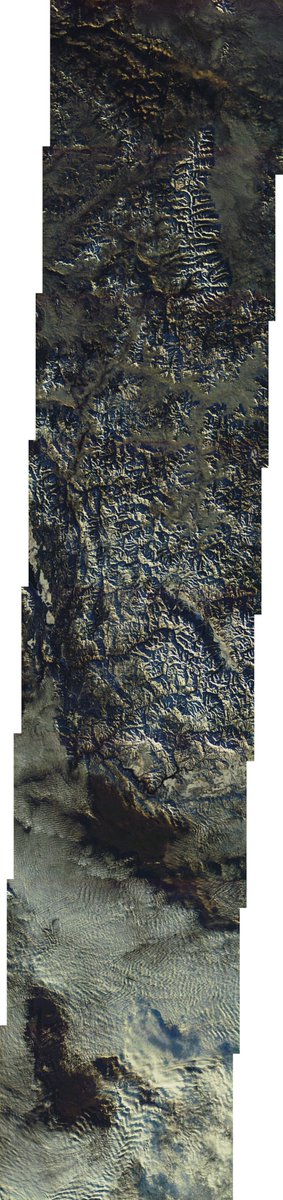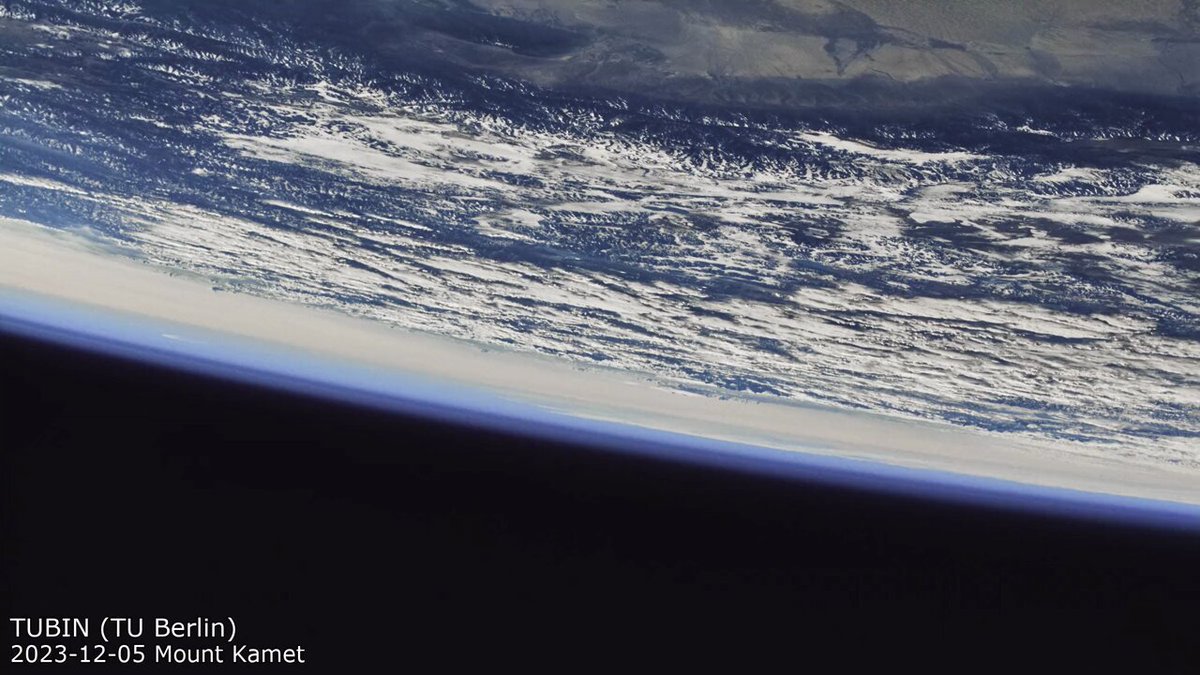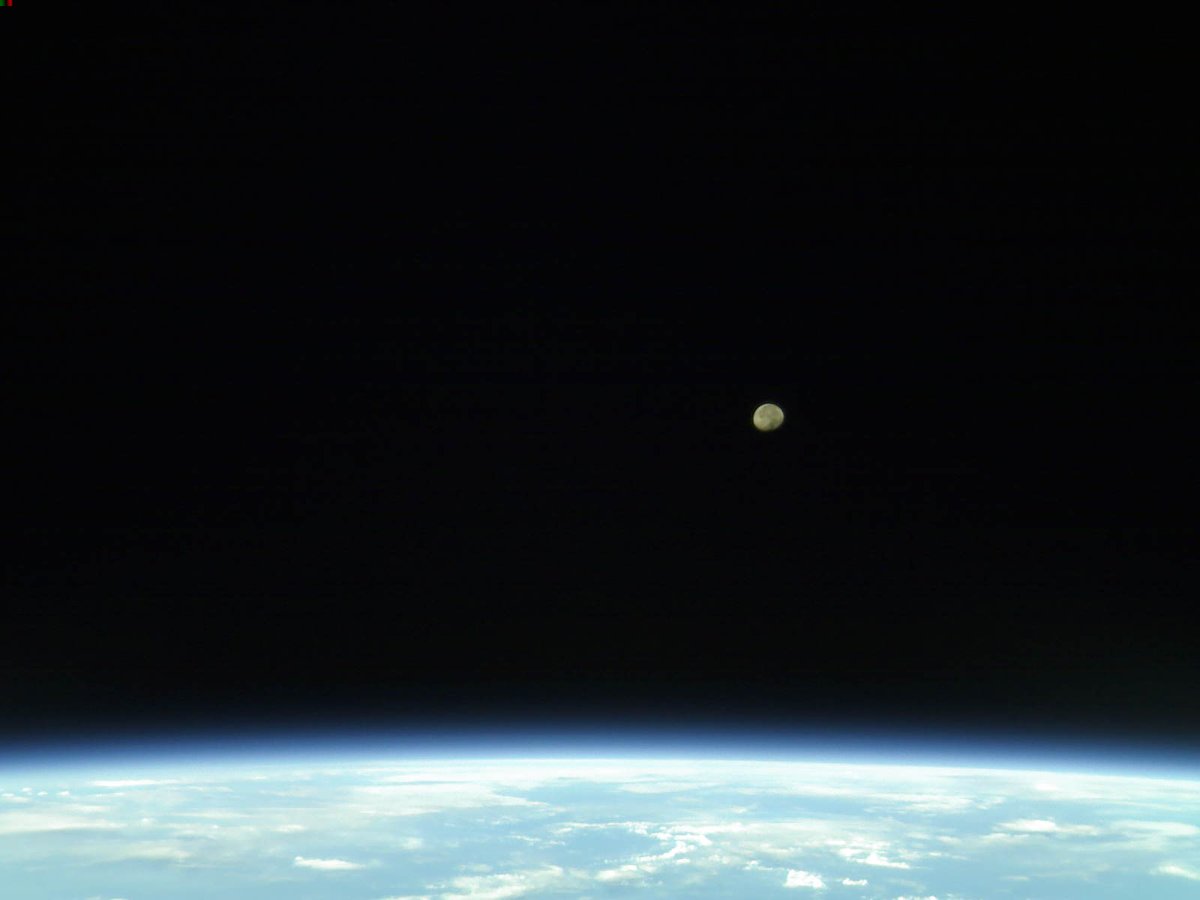
(1/5) TUBIN/TUBSAT-27 (NORAD 48900) is about to re-enter Earth’s atmosphere in the next week (likely 2025-12-16). It is transmitting a beacon every 10 s at 435.950 MHz. Further information can be found in the @LibreSpace_Fnd forum:
community.libre.space/t/tubi…#TUBIN#TUBSAT@SatNOGS
(4/5) As the orbit is decaying orbital elements are getting outdated quite fast, most recent TLE’s can be found in the @SatNOGS DB:
db.satnogs.org/api/tle/?form…
(5/5) Any decoded frames, audio recordings or reception reports are very welcome. Telemetry can be submitted using our SiDS server, for everything else please reach out:
radio.space.tu-berlin.de/tel…
Please note that the URL for the server was recently changed.
Zum #TagderRaumfahrt von @DLR_SpaceAgency öffnen wir unsere Türen🚀🛰️ Dabei geben wir einen Einblick in 30 Jahre Satellitenentwicklung, aktuelle Projekte und führen live Betrieb mit Satelliten durch.
🗓️ 29.03.2025, 10-19 Uhr, ca. alle 2 h
🌐Anmeldung: tagderraumfahrt25.de/teilneh…
Gemeinsam mit Kolleginnen und Kollegen präsentieren Studierende von BEARS e.V. und
@StudOps. Für Kinder gibt es zudem ein spannendes Mitmach-Angebot: Baue einen maßstabsgetreuen Modellsatelliten und führe Höhenmessungen mit Wasserraketen durch.
Wir freuen uns auf Ihren Besuch!
#InnoCube aka #TUBSAT-31 was successfully received during its first pass over our ground station 🎉 All subsystems of the satellite are nominal and operations will return tomorrow morning 📡🛰️
InnoCube aka TUBSAT-31 Launch Event 🛰️🚀
Today we are launching our latest satellite InnoCube, a 3U #CubeSat, on #Transporter-12. Join us for our launch event, where we will present the mission and its payloads.
Stream: youtube.com/live/2m-KFetSNrw
Time: Today, 17:30 CET / 16:30 UTC
First light for BEESAT-1 🛰️📷
In the past 2 months, the camera payload of #BEESAT-1 has been successfully commissioned, 15 years after launch. Attitude control is currently limited to the magnetorquers pending reaction wheel tests, but nevertheless we captured some nice images!
ALT BEESAT-1 Image titled "First Light" taken on 2024-11-18 at 09:19 UTC. The image is the first image taken with BEESAT-1 and shows a part of the Earth horizon in the top left while rays of sunlight enter the camera objective from the lower right.
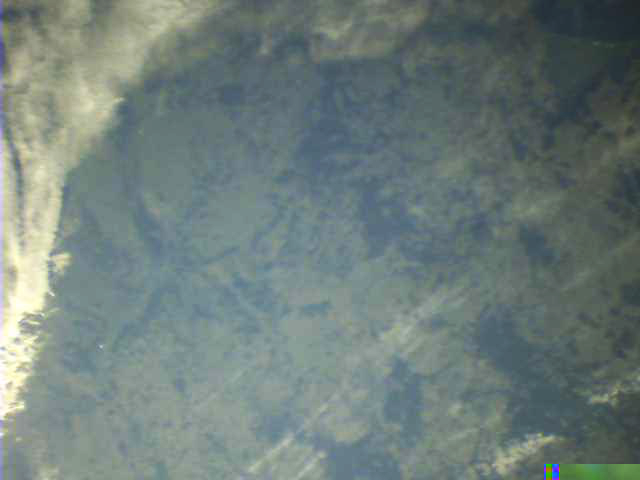
ALT BEESAT-1 Image titled "Warsaw and Poland" taken on 2024-12-13 at 08:09 UTC. The image is mostly cloud free besides a cloudy front on the left border. It shows Poland with the capital Warsaw towards the left of the image.
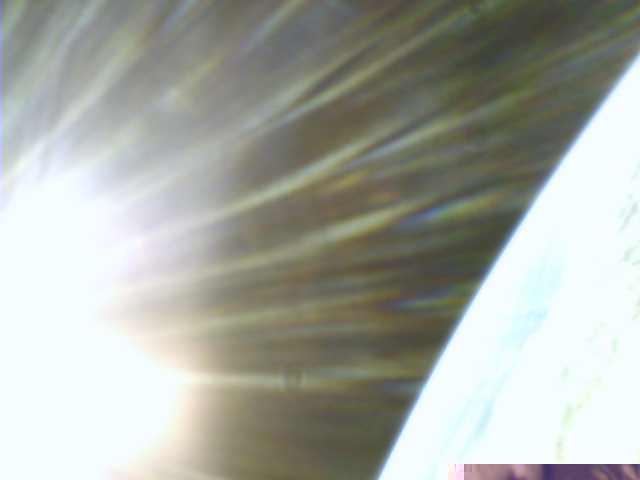
ALT BEESAT-1 Image titled "Horizon above Spain" taken on 2024-12-21 at 10:15 UTC. The image shows the sun above Earth's horizon. On the Earth some contours of land and sea can be seen that should be parts of Spain.
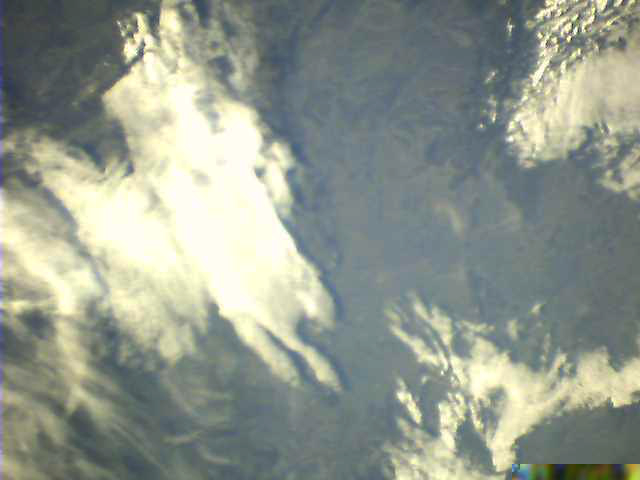
ALT BEESAT-1 Image titled "Hungary and Alps" taken on 2024-12-21 at 08:33 UTC. The image shows Hungary from above with the alps in the upper right corner. On the left side a big cloud covers part of the image.
After our students @StudOps recovered #BEESAT-1 🛰️ the student responsible for the project will present the process and current status of our first #CubeSat today at #38C3 in Saal 1, 19:15-20:15 CET, also live-streamed here:
streaming.media.ccc.de/38c3/…
Happy 15th anniversary #BEESAT! Launched in 2009, operated until 2013, recovered in 2024. This morning we successfully powered up the sun sensors and magnetometers for the first time in over 10 years! Telemetry looks good so far as we continue checking the state of the satellite.
@TUBerlin's first #CubeSat, #BEESAT, will be celebrating its 15th anniversary in space tomorrow on September 23rd. Launched in 2009, it operated successfully past its design lifetime until an anomaly occurred in 2013, preventing the downlink of telemetry... until a few days ago!
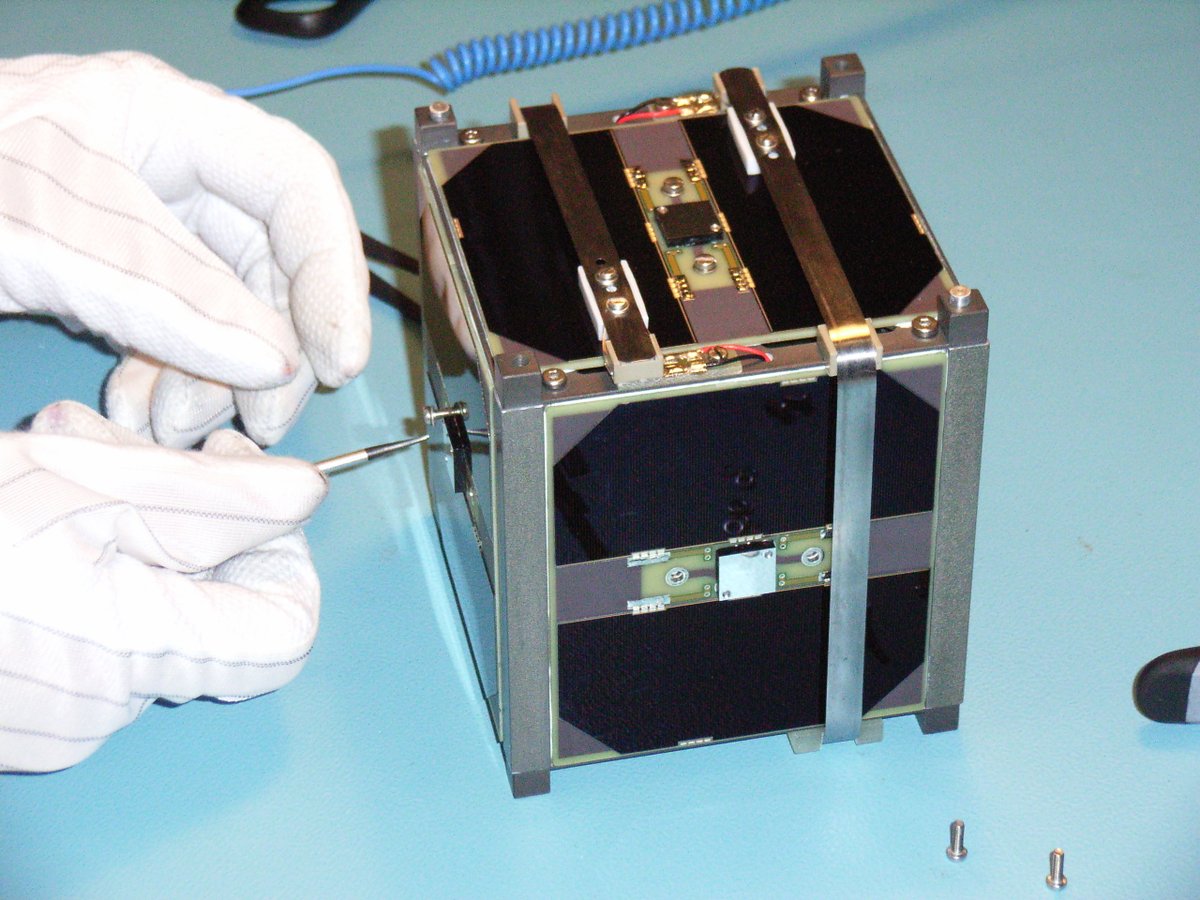
ALT BEESAT Flight Model in laboratory before launch
Last Friday, the final step of an ongoing student-led effort to diagnose and recover the satellite was completed, restoring #BEESAT to an operational state. We will be checking the current status of all subsystems and look forward to recommissioning the satellite.
@StudOps
ALT Standard telemetry of BEESAT received on 2024-09-20 at 08:47:54 UTC by TU Berlin ground station in Berlin following the last step of the recovery process.
#BEESAT (catalog no. 35933), also called BEESAT-1, will operate over Europe on September 23rd 2024 to mark its 15th anniversary during the following times (UTC):
07:26 - 07:40
09:04 - 09:17
20:56 - 21:09
22:33 - 22:47
@SatNOGS@pe0sat@ea4gpz
While we are stopping the drift between the #NanoFF satellites you can watch how #NanoFF B was released into orbit in January. Big thanks to @D_Orbit for the professional cooperation, successful deployment in our target orbit and the great video!
tu.berlin/en/about/profile/p…
Until now the drift between both #NanoFF satellites is reduced to less than 19km per day and will be fully stopped within the next few weeks. Since deployment, the difference in the semi major axis was reduced from initially ~350m to currently less than 100m.
It took a while due to vacations: Here's the orbital maneuvers video of #TUBIN already teased a couple weeks ago :) It was meant to evaluate necessary configurations to visualize faster maneuvers besides target pointing. A few things that are to be improved on:
The 2s interval for the images is too long to work properly in fast pans for the frame interpolation that we use to smoothen our videos.
We'll have to lower the imaging interval (for those parts) or the max torque applied to the reaction wheels to smoothen the pans.
Video comprises 450 real images one interpolated image in between at 16 fps -> 15 times real speed.
Start is north of the Caspian Sea looking ahead towards Baku peninsula, pan to targetting the Persian Gulf and later the entrance of the Red Sea and back looking ahead again. 🥳