
5,972 Photos and videos
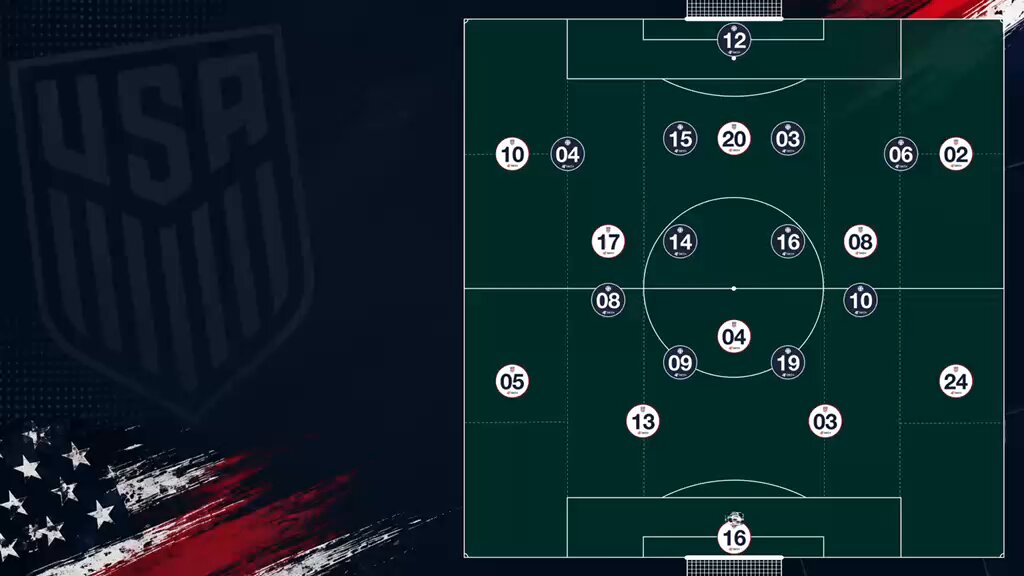
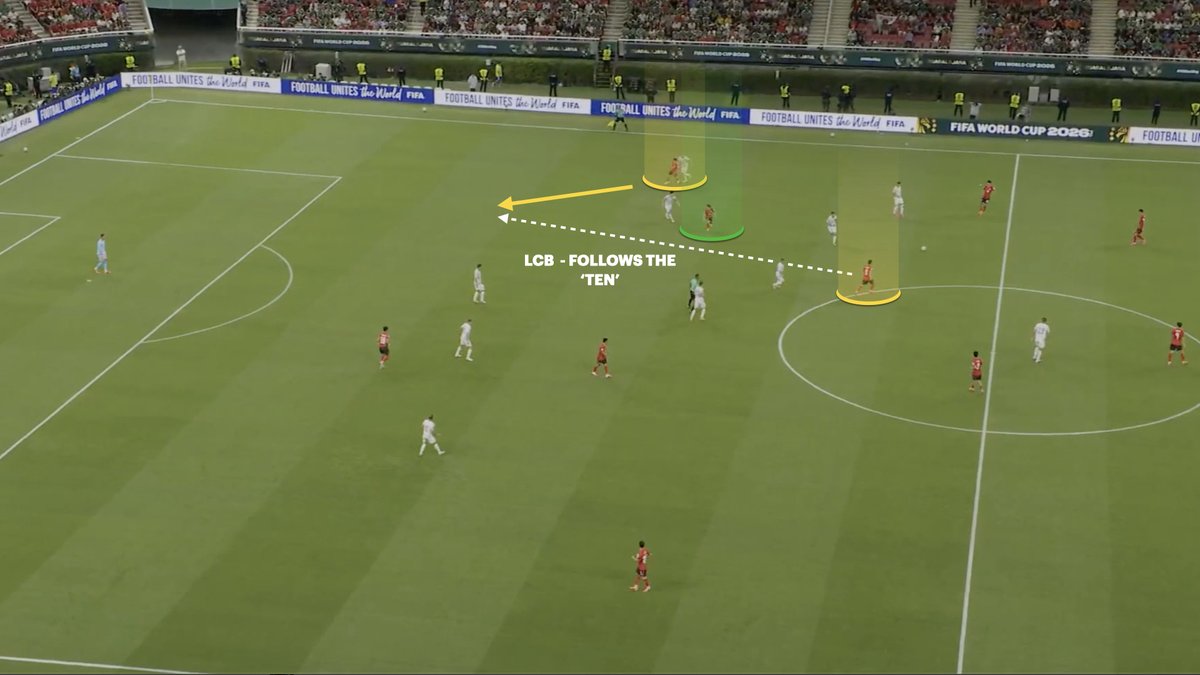
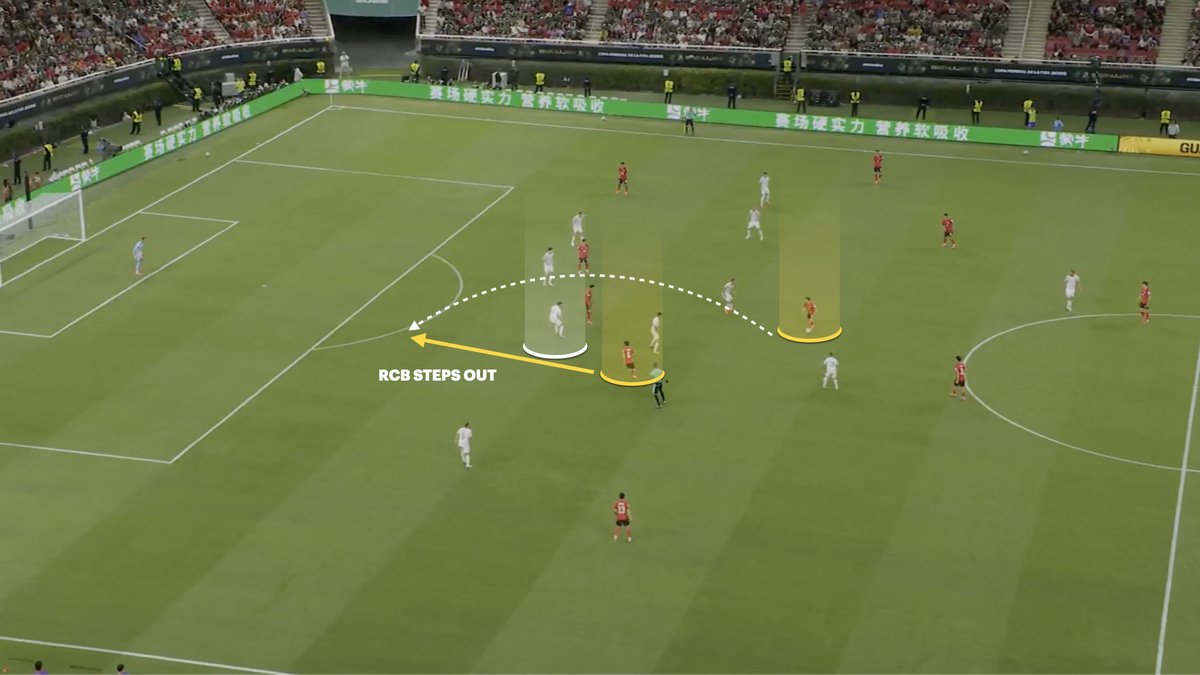
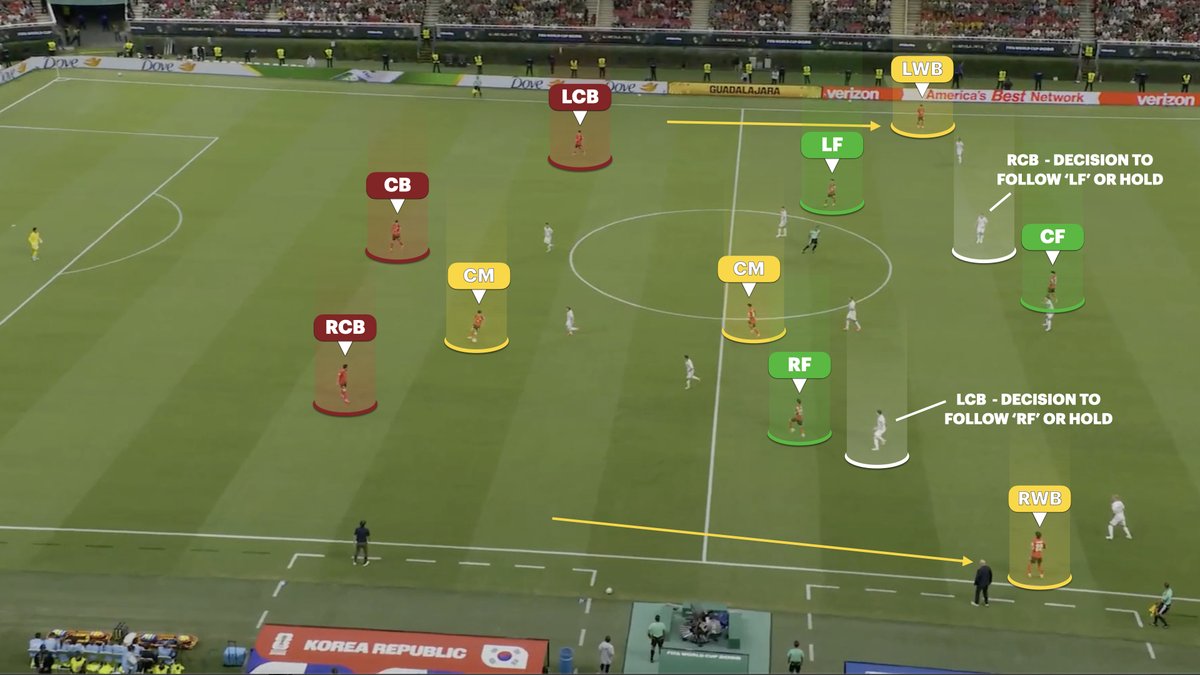
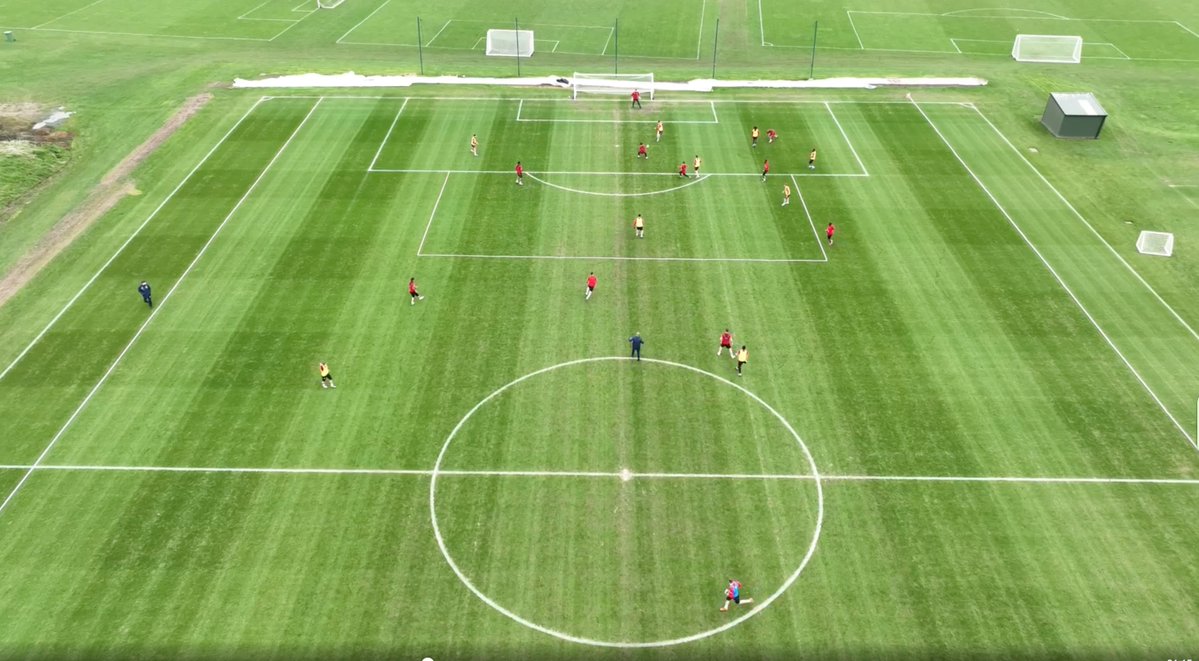
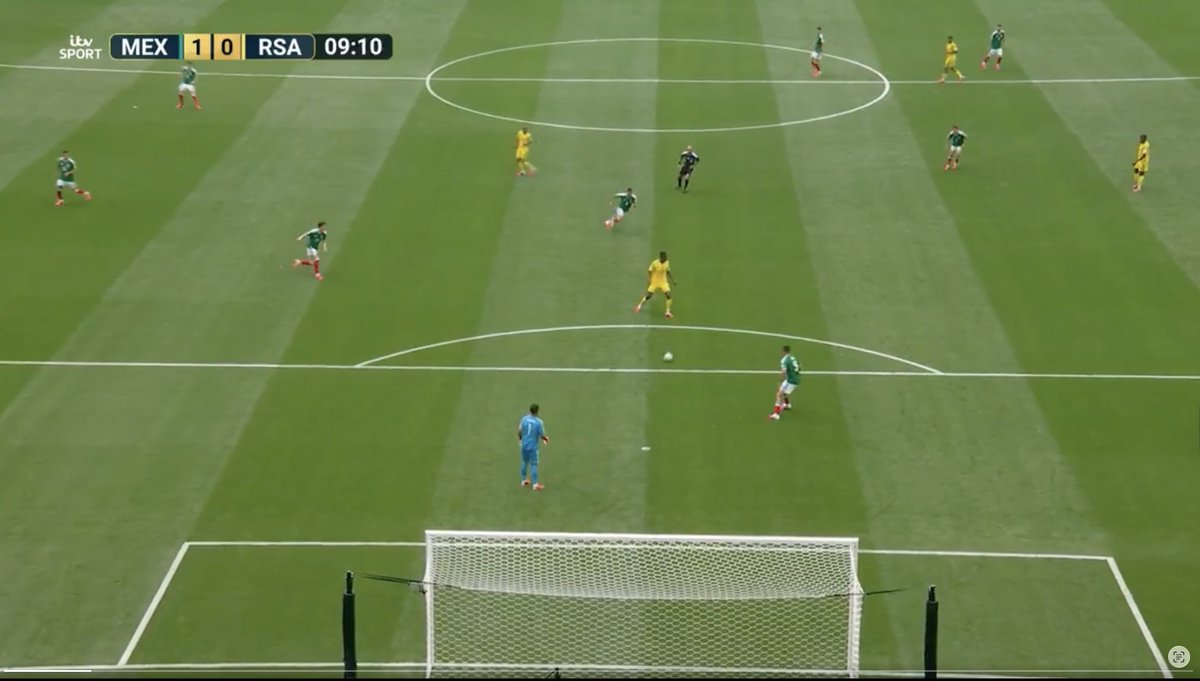
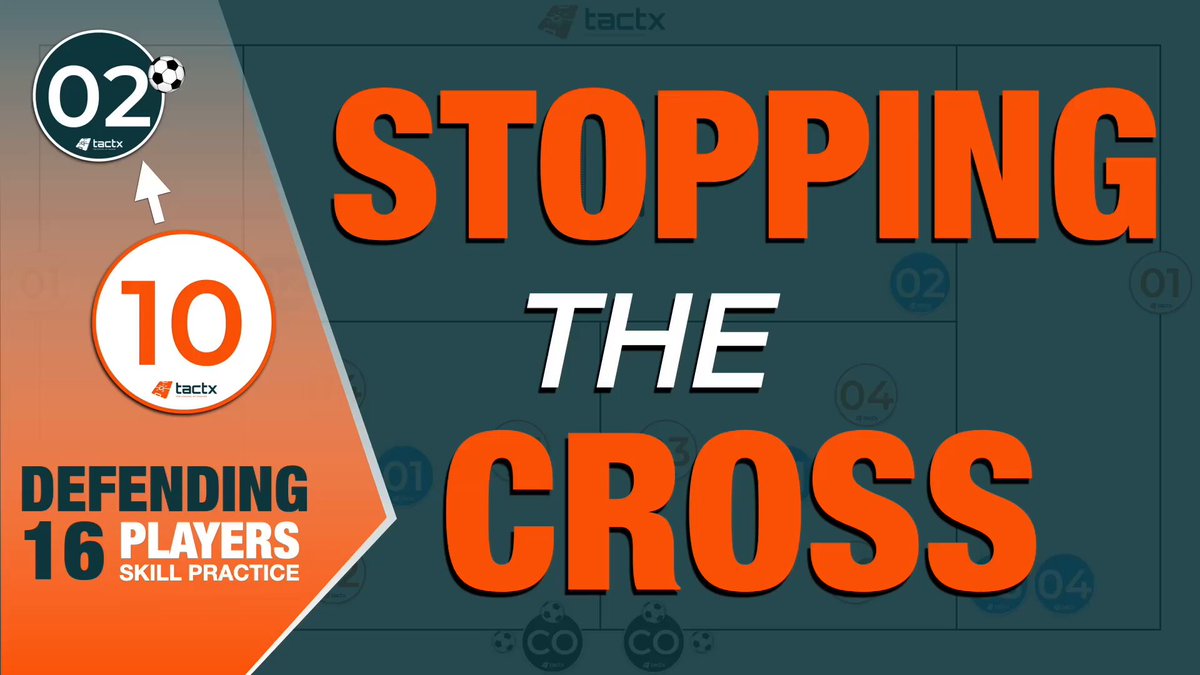


We will leave this here.
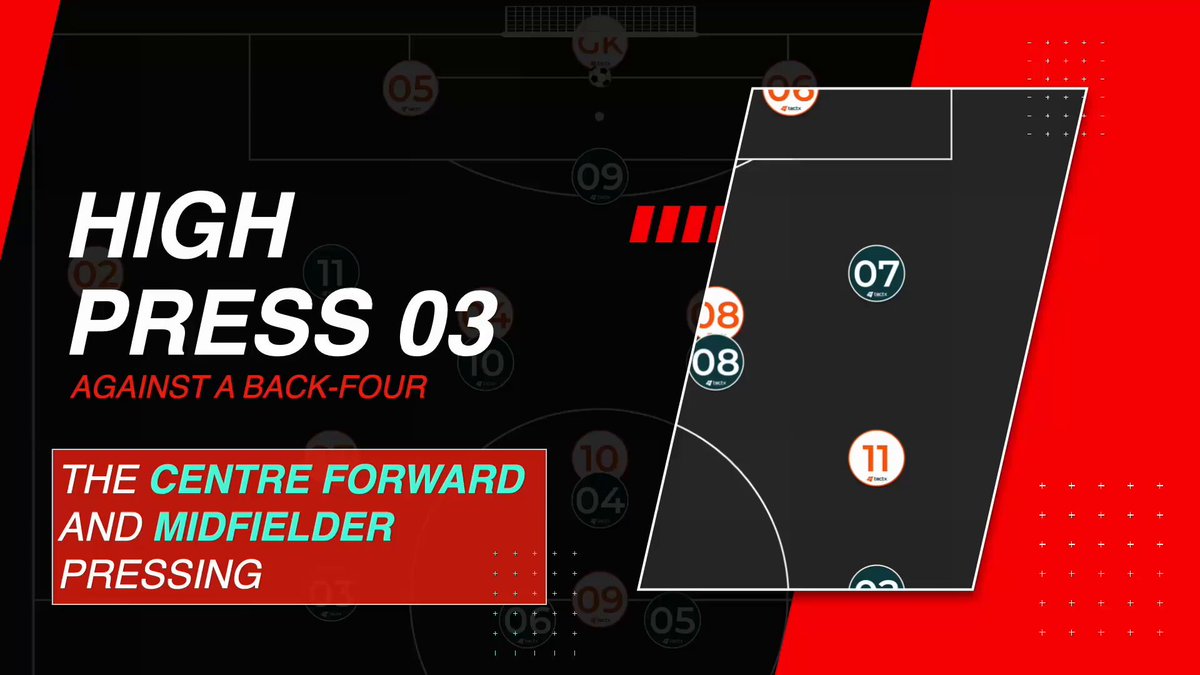
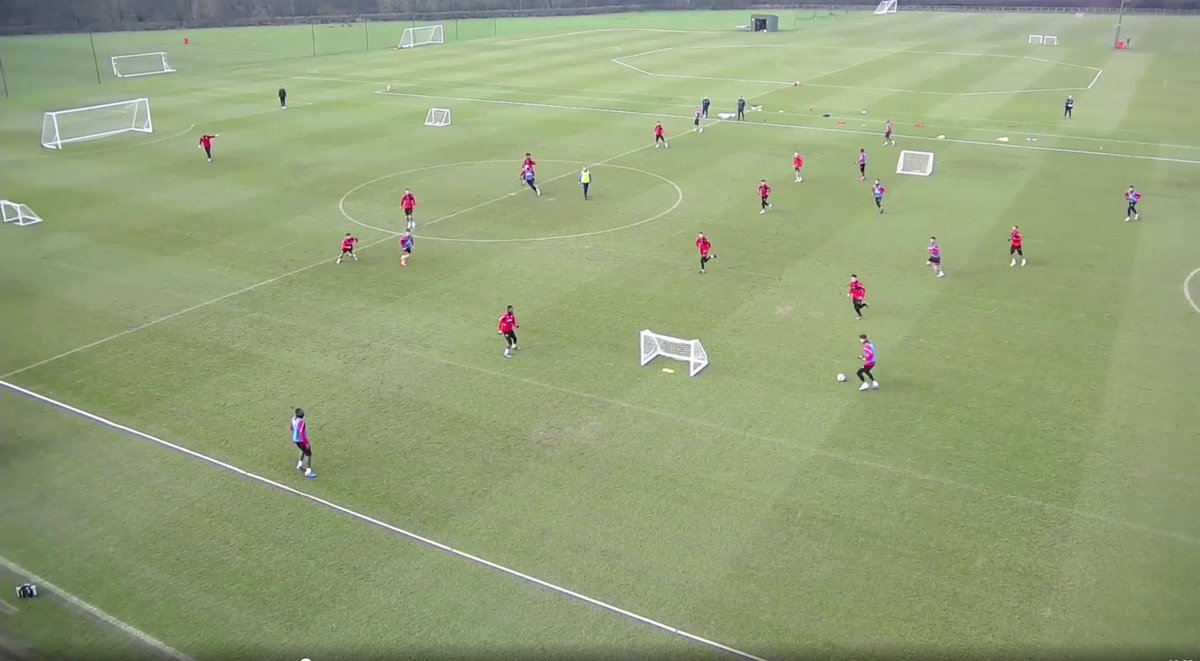
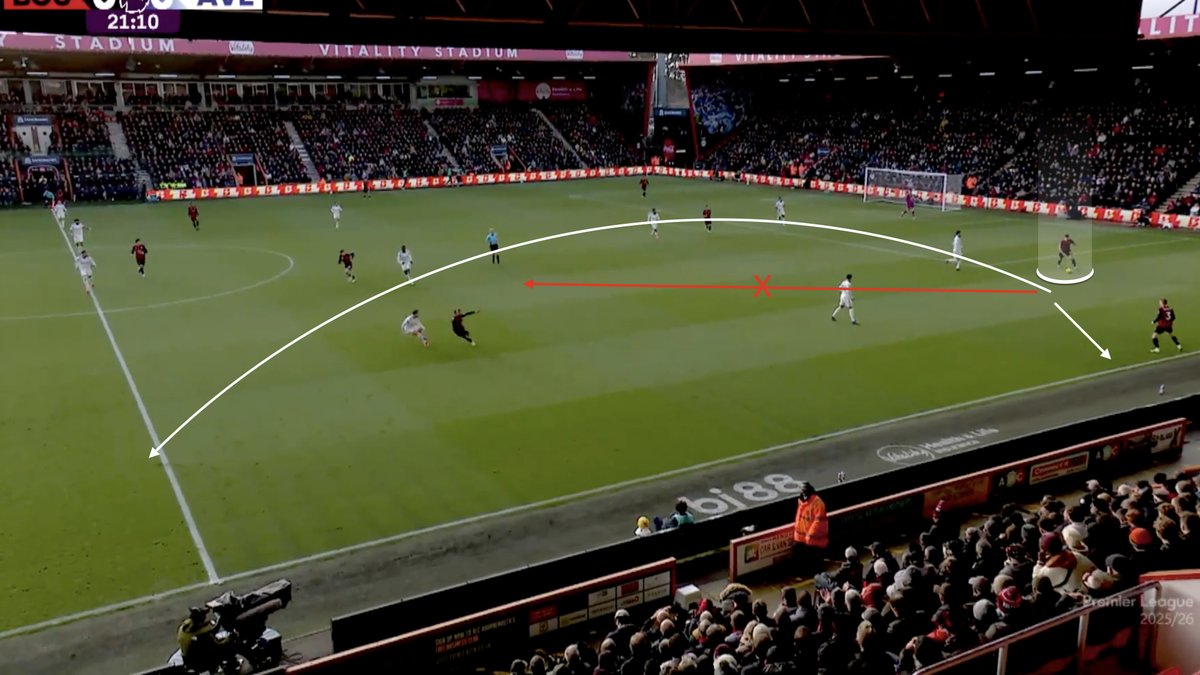
Breaking down the connections around the centre forward and the movement to break down organised defences.
Kane is, and should be trusted, to play the game as he sees it.
The ‘X’ algo doesn’t like links so please share.
tactxcoach.com/programs/side…
1
39
9,952


The World Cup starts for real when the Brazilians play.
Something special about that shirt.
Jun 13

As Brazil kick off their 2026 World Cup campaign today here is a mix of history, analysis and fantasy that I wrote in 2023.
(very long read, enjoy!)
WHAT IF BRAZIL 1970 PLAYED SPAIN 2008–12?
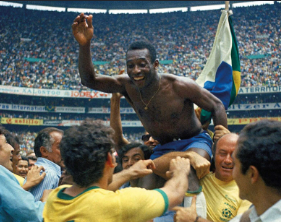
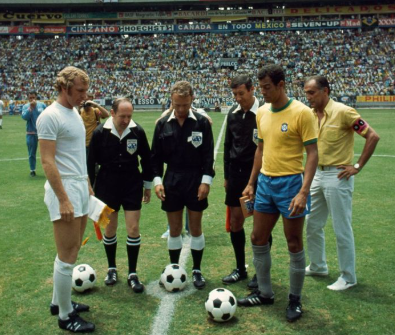
What is the greatest football team of all time? People delight in absolutes and having heated but ultimately pointless debates about the word ‘greatest’. A wonderful way to spend an afternoon with friends. The discussion will inevitably split between club and international teams. Equally inevitably, Brazil 1970 will be brought up. If we were to pick a marquee international fixture to decide the greatest team of all time, Brazil 1970 would undoubtedly be involved. For a generation the 1970 FIFA World Cup was the most important and most eye-opening event . It was the first tournament broadcast in colour, which immediately provided added vibrancy. England went into the tournament as defending world champions, decked out in an iconic, pure, all-white kit. Then there was the mystique and magic of Brazil, whose distinct bright yellow shirts came to polychromatic life. Brazil offered an irresistible cocktail for the global audience, the primary attraction being a global legend at the apex of his career, Pelé. At the 1958 World Cup Pelé made a huge impact as a teenager. In 1962 he was injured early on in the tournament, Brazil victorious despite his absence . In 1966 Pelé received notoriously rough treatment from opponents, with injury hampering his involvement and Brazil’s progress. By 1970 Pelé had a point to prove . The Brazil squad was packed with attacking talent . As well as Pelé the line-up featured Tostão, Jairzinho, Gerson, Rivellino and Clodoaldo . The team was captained by Carlos Alberto, an aggressive, attacking right-back . Brazil played six games at the tournament, winning all six . In the group stage Brazil cruised past Czechoslovakia 4-1 before facing England. The defending champions would be beaten 1-0 in a game laced with iconic moments . That tackle by Moore. What a save by Gordon Banks! Jeff Astle fizzing a low, left-footed chance a fraction wide with the score still 0-0. Jairzinho ripping a shot into the net following a Pelé assist. Bobby Moore and Pelé embracing at the end of the game. Brazil then beat Romania 3-2 in their final group game. Next was Peru 4-2 in the quarter-final. Uruguay 3-1 in the semi-final. They provided further iconic moments as they progressed to the final with spectacular swerving free kicks and dazzling skills but Pelé was creating his own personal highlight reel. As well as scoring the goals he was creating them . Yet it was the almost moments that resounded most. Almost scoring from halfway. Almost scoring after an outrageous dummy, leaving a long through ball then running round a bamboozled goalkeeper, the shot from a tight angle trundling just wide. Slamming a miscued goal kick immediately back at goal. In the final Brazil met the notoriously outstanding Italian defence. The glorious passing of Gerson, dazzling dribbling of Rivellino, thunderous shooting of Tostão and hunger for goals of Jairzinho were far too much for Italy. Pelé opened the scoring with a gravity-defying leap and pneumatic pump of the neck muscles. The final goal of the game is one of the most iconic goals in football history. A sweeping team move capped with Pelé’s glorious lay-off to Carlos Alberto, made all the more memorable because Pelé appears to pass into a completely empty space until Carlos Alberto gallops into the frame and lashes a right-foot shot into the corner. The game is won 4-1 . This is the measuring stick for all Brazilian teams that have followed the. Who would they face off against though? In over 100 years of internationals football has witnessed many fantastic teams. How do we select and define their greatness? The team has to have two features . It has to have won a major trophy and enchant the imagination in some way. Numerous teams fulfil one of these but not many secure both. Greece were successful but were the antithesis of enchanting. Hungary 1954, Netherlands 1974 and Brazil 1982 enchanted but failed to bring home the trophy, so they are out.
Brazil have had many great teams, with the 1958–62 side strong contenders, but I am not convinced anyone really wants to watch Brazil vs Brazil. Besides, Pelé would really struggle to play for both 1958–62 and 1970 at the same time. None of the West German or German teams have captured the imagination. The same can be said of Italy . France from 1998–2000 are very strong contenders with a mix of wonderful individuals, fine football and trophy wins. However, using the criteria there is a group better suited to the task. Spain did not quite have the individual flair of Brazil 1970 in any of their three great teams . They were true teams. In 2008 the first task of Luis Aragonés was to bring together the rival Real Madrid and Barcelona players. In 2008 Barcelona were pre-Guardiola and Spain pre- the tiki-taka brand of football. Their style was somewhat more direct than they would become but the keys to the performances were the talents in midfield, something that would only become increasingly important across the coming tournaments. An axis of Xavi and Iniesta was cemented, with Fernando Torres the spearhead as the sole striker. David Villa was a key to the team, playing as a second striker but with the freedom to drift across the pitch. However, his tournament was cut short by an injury, leaving Torres isolated in the final. That glorious isolation would lead to the only goal of the 2008 European Championship Final – Torres sprinting on to a Xavi through-ball to dink a finish over the advancing goalkeeper.
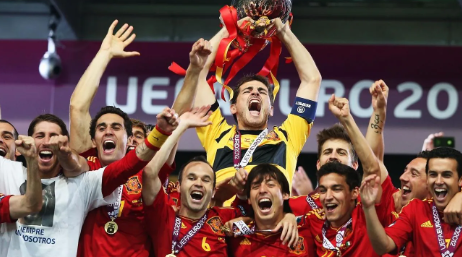
By 2010 Spain had developed further, now managed by Vicente del Bosque and heavily under the stylistic influence of Pep Guardiola. Spain’s possession football was criticised at times for lacking a cutting edge and they opened the tournament with a 1-0 loss against Switzerland. From there they won every game but scored few goals. In the group stage they scored twice to beat Honduras and then beat Chile 2-1. From the last 16 through to the final all of their games were won by the scoreline of 1-0. By now the defence was well established: Iker Casillas in goal, Sergio Ramos at right-back, Carles Puyol and Gerard Piqué as the central defenders and Juan Capdevila at left back. The midfield was the Spanish powerhouse. Sergio Busquets, Xabi Alonso, Andrés Iniesta and Xavi were the core. Xavi and Iniesta are synonymous as a central midfield paring but Iniesta was used as a wide player by Spain. Such was the midfield depth that David Silva, Juan Mata and Cesc Fàbregas were substitutes. It was from the bench that Fàbregas slipped a killer pass to Iniesta to stroke in the only goal of the final versus a rough, tough Netherlands team. In 2012 Spain were in their final, apex form. The tiki-taka style had fully embedded into the team and the side played mostly without a centre-forward, using Cesc Fàbregas in the false nine role, dropping from a traditional centre-forward position into deeper midfield areas. Torres came off the bench to play as a more traditional forward but in the final against Italy they started with six players who could be classified as playing in central midfield roles: Andrés Iniesta, Xavi, Sergio Busquets, David Silva, Xabi Alonso and Cesc Fàbregas. This relied on players making forward runs from deeper and wider positions. If the runs did not come or the passes were not picked out Spain could become turgid, as they were in the semi-final against Portugal, drawing 0-0 and only coming through after a penalty shoot-out. However, when it clicked into gear the style was fluid, exciting and impossible to stop . This was the case in the final as Spain produced a wonderful show of fast passing and off-the-ball movement to win 4-0. We have our teams for this fantasy match-up – now we must make a few adjustments to set the scene fully. For Brazil the team squad and manager are clear and straightforward. For Spain, spanning three tournaments, it is less transparent. In terms of manager we will take Del Bosque as he won two of the three trophies and coached the Spanish side when they performed in the manner that most would associate with them. The high-possession, counter-pressing style adapted from Guardiola’s Barcelona was most apparent in 2012, therefore the majority of the team will be that 2012 line-up. A few changes should be made. Ramos should be moved from his 2012 central defender position to his 2010 and 2008 right-back position. This makes room for Carles Puyol. Capdevila played in both the 2008 and 2010 finals but Jordi Alba’s overlapping runs are so key to the style of the 2012 team, he gets the start. Switching Puyol in does not impact the playing style to the same extent. In the forward positions David Villa takes one of the spaces. He comes in for David Silva, moving to the left side of an extremely narrow midfield. Iniesta has to shift across to the right. Fàbregas remains as a false nine. We will assume that Brazil have adopted modern fitness methods and neither team will have a physical advantage. The game requires a neutral venue. We will select Wembley Stadium, but not the new Wembley topped with a metallic arch, but the Wembley with the Twin Towers. A ball should also be selected, given footballs have changed a great deal over time, a ball from a neutral time period would be suitable. The Italia 90 World Cup is 20 years after Brazil’s win and 20 years before Spain’s. The ball for the game will be the Adidas Etrusco Unico from the 1990 tournament.
What we cannot do is give Brazil modern tactics. They can only use the tactics they displayed in 1970. Similarly, Spain will only use the 2012 tactics. While the 2008 team would sling in crosses this was rare for the 2012 side. Spain will be using a short passing style. The Spanish team of 2008 had more in common with Manuel Pellegrini’s Real Madrid in terms of formation. The system was a highly flexible 4-2-3-1 that morphed into 4-2-4 or 4-2-2-2. The team set up in a mid-block, looking for opportunities to regain the ball close to the halfway line rather than being committed to applying pressure close to the opponent’s penalty area in a high press . By 2010 this had changed – the system was 4-2-3-1, built upon a triangular axis of Xavi, Busquets and Xabi Alonso . All three were capable of acting as playmakers, while Busquets could drop into the defensive line when required. This triangle remained in place by 2012. In 2010 David Villa was a clear striker for the Spanish side. By 2012 he had signed for Barcelona and played wide on the left. Spain used him there before his injury in the early stages. Cesc Fàbregas played as a false nine, with Andrés Iniesta wide. This is the system that will face Brazil. One built around a narrow midfield, packed with possession experts who make clever runs in behind defences, the spaces for these runs created by the movement of the false nine, dragging central defenders out of position. The narrow formation relied on clever midfielders pulling wide (Silva or Iniesta) or the full-backs overlapping aggressively (Alba and Arbeloa in 2012, Ramos in our line-up). Possession for Spain had multiple purposes. To control the tempo of the game. To allow players to conserve energy and tire out the opposition. To prevent the opposition from scoring. To pull opponents out of position. Possession was the key, thus at restarts Spain would use their goal kicks to pass the ball short and start the passing cycle all over again. Spain were the epitome of system and team; their reward was three consecutive tournament victories Brazil were the masters of individuality and finding ways for their elite talents to flourish. Tactically Brazil were sophisticated if not complicated. Defensively the team sat off in a somewhat passive deep block, not really looking to regain the ball until it had progressed deep inside their territory. Central defenders Brito and Piazza stayed deep, with left-back Everaldo not straying too far forward. Right-back Carlos Alberto provided attacking thrust on the right-hand side of the back four. The shape ahead of the back four is often characterised as a ‘Brazilian box’, a 4-2-2-2 with two players sitting deep, two as attacking midfielders and two strikers, but the system was far more fluid and flexible than that. Clodoaldo generally remained closer to the back four, playing shorter, connecting passes. Gerson performed a playmaking role, spraying longer passes and using his long-range shooting ability. The brilliant dribbler Rivellino largely stuck to the left-hand side but would tuck inside behind the forwards, into a number ten position. It is the relationship between Pelé, Tostão and Jairzinho where the sophistication emerges. Jairzinho played nominally as a right-winger, but he had licence to arrive in the centre-forward position .This was possible because both Pelé and Tostão had total freedom to take up any position on the pitch, pulling away from the centre-forward role, creating space for Tostão to arrive into. Pelé spent much of the tournament dropping deep, rather than running in behind – Jairzinho did the running in behind . Pelé then got into the box when the ball was in wide areas to exploit his heading ability.The Brazilian attack functioned much in the way we would consider the relationship between a false nine and modern goalscoring wide men. With the tactical approaches clear, just how does our game play out?
Brazil’s start is as bright as their shimmering yellow strip. They have early possession with Gerson spraying passes from flank to flank. One switch of play picks out Rivellino on the left. He tricks a couple of defenders, slithering into the penalty area. His thunderous left-boot strike is brilliantly fingertipped on to the post by Iker Casillas. Spain’s possession and technical football is much discussed but far less discussed is that in goal they had a match-winner. At times Real Madrid were porous defensively but Casillas pulled off remarkable saves to keep the opposition at bay. Spain’s defending was far better but Iker still possessed the same match-winning capabilities. The tempo of the game settles down. Brazil keep their distance from Spain, who stroke the ball around. They are happy to keep possession and unwilling to take risks early in the game. Possession without penetration, almost sterile football. Brazil pinch possession in the centre of the pitch through Clodoaldo . He passes short to Tostão, who sets the ball back to Gerson. Jairzinho begins his run in behind and Gerson picks him out. Jairzinho’s touch takes him a fraction too wide to shoot so he clips a ball back towards the penalty spot. Pelé leaps and powers a header down and into the bottom corner beyond the dive of Casillas. Brazil take the lead inside the first quarter of an hour. Spain crank things up a gear. They begin to counter press with more ferocity, regaining possession frequently. Their probing passes force some desperate Brazilian defending leading to corner kicks, but Brazil scramble them away. Just.
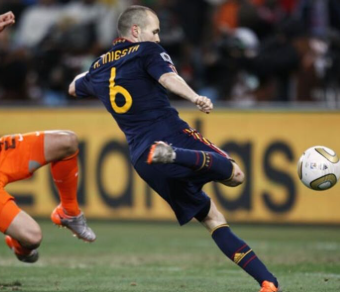
Brito finally gets sucked in by Fàbregas’ movement. Fàbregas drops short and receives the ball. Brito follows him, leaving a gap in the Brazilian back line. Fàbregas passes to Xavi, who lays the ball off to Xabi Alonso. Alonso punches a pass into the gap vacated by Brito . David Villa races on to it. As he strikes the shot Carlos Alberto recovers brilliantly, deflecting the shot on to the bar and behind for a corner. There are mere moments before half-time. Alonso fizzes a corner into the near post area, and Sergio Ramos, master of the big goal, adds another to his collection, flicking the ball into the roof of net. Half-time and the scores are level. The pattern of the second half is one of Spanish possession punctuated by Brazilian breakaways. Now that Spain are level they have returned to risk-averse mode. Slowly passing higher and higher up the pitch. Pushing Brazil further back. By the midway point of the second half Spain’s central defenders are camped almost 15 yards inside the Brazil half. This leaves acres of space behind the Spanish defence with Brazil poised to break. Pelé pounces on a stray pass and sets Jairzinho away. Puyol struggles to keep up and brings Jairzinho down 35 yards out. Controversially, he escapes with only a yellow card. It seems like half of the Brazil team are interested in taking the free kick. Eventually they back away, leaving Tostão, Pelé and Rivellino. Tostão unleashes a swerving effort, dipping late and flicking off the top of the Spanish crossbar. Inside the last ten minutes Spain have been unable to create a real chance despite having almost 70 per cent of possession. Brazil have held firm but when they lose the ball in their own half as Spain press the Brazilian defenders hard. They have to be more cautious when the midfielders regain possession because their technical ability enables them to play through the press on a number of occasions, Casillas having to be alert and sweep up the danger. Finally, Xavi flicks a pass into the Brazilian penalty area . Iniesta times his run perfectly. For the first time Spain have a runner from midfield and Iniesta controls the ball perfectly with the laces of his right foot. Almost instantly he pokes the ball through the legs of the onrushing Felix . Spain take the lead, 2-1 with five minutes remaining . Brazil dig deep. In stoppage time Tostão finds Pelé on the edge of the Spanish penalty area. He shimmies and twists. Casillas is fractionally off his line. Of course, the master has spotted this. Pelé floats a chipped effort goalward. Casillas is stranded, an onlooker just like everyone else as the ball drifts towards goal … and it keeps drifting a fraction wide of the post. Spain have won 2-1, ultimately starving Brazil of enough of the ball for their individuals to do too much damage. Victory for the team over the individuals, but it was mighty close.
1
5
79
8,551
Tactx retweeted

Jun 12
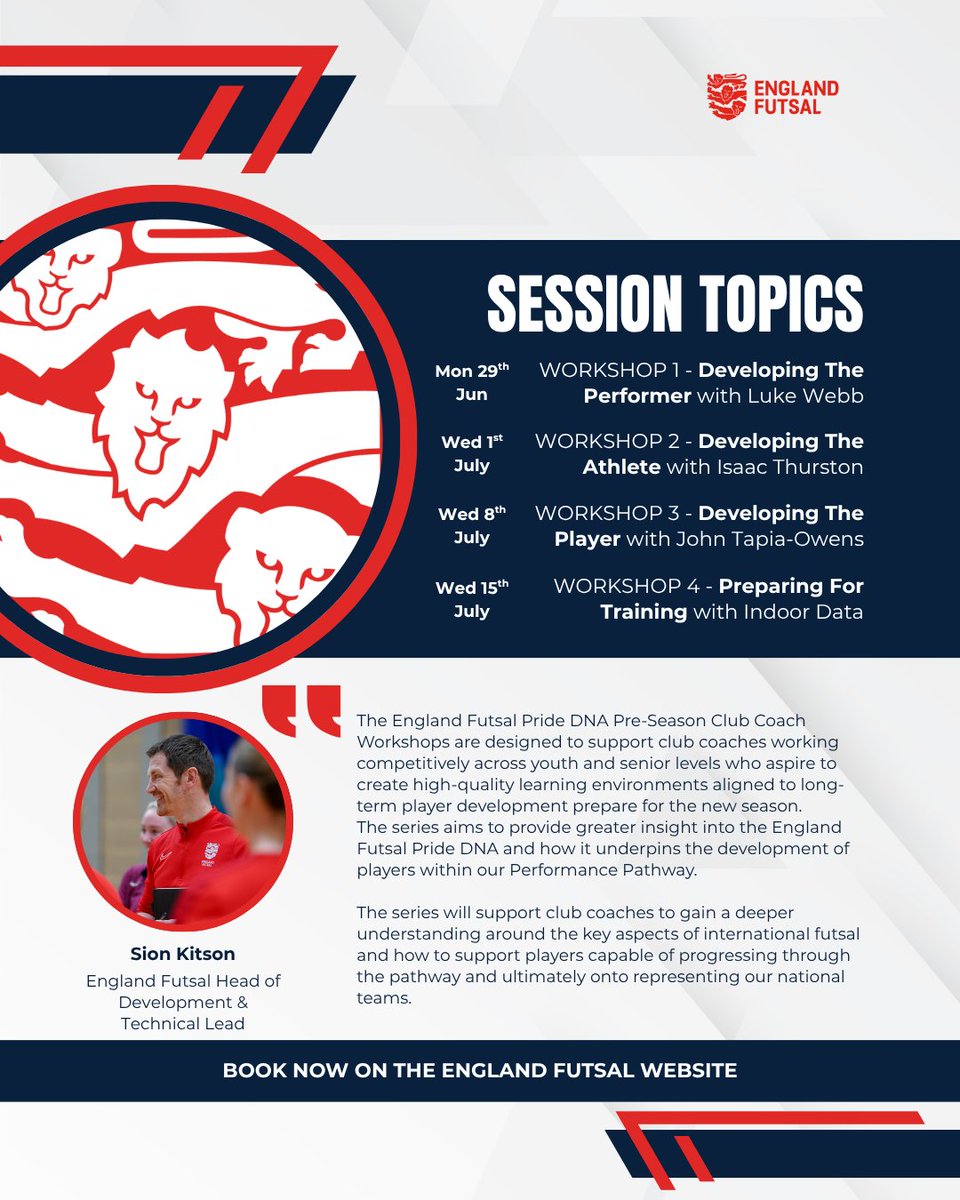
PRESEASON PRIDE DNA COACHING WEBINAR SERIES 🦁🧠
Coaches, this one isn't to be missed.
Four 90 minute masterclasses from experts in the performance, conditioning, analysis and coaching disciplines to keep you sharp over the summer ⚡️
Find out more ➡️ englandfutsal.com/latest-new…

4
6
19
5,014
A wonderful clip towards individual development and the model we use.
Scan - see the ball, the opponent and the next move
Support - beside and below movements to exploit the space
Supply - shift and shoot, one of three techniques to finish
x.com/TFootballT1/status/206…
Jun 12

2
5
44
8,931
For more on coaching the individual, visit the link below.
tactxcoach.com/programs/the-…
1
6
2,411
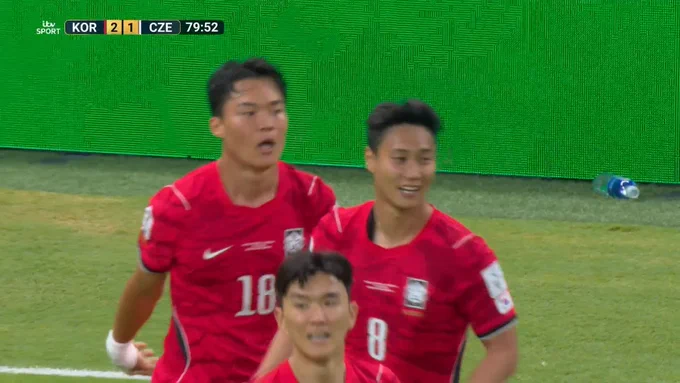
Ball, opponent, next move
x.com/Tactx_/status/20552141…
20
7,298