
Our Special Programs area conducts research into new technologies. Our Blockchain Authentication and PQE area supports the US Government and private clients.
Joined March 2022
- Tweets 284
- Following 120
- Followers 1,408
- Likes 467
87 Photos and videos




Pinned Tweet

18 Aug 2023
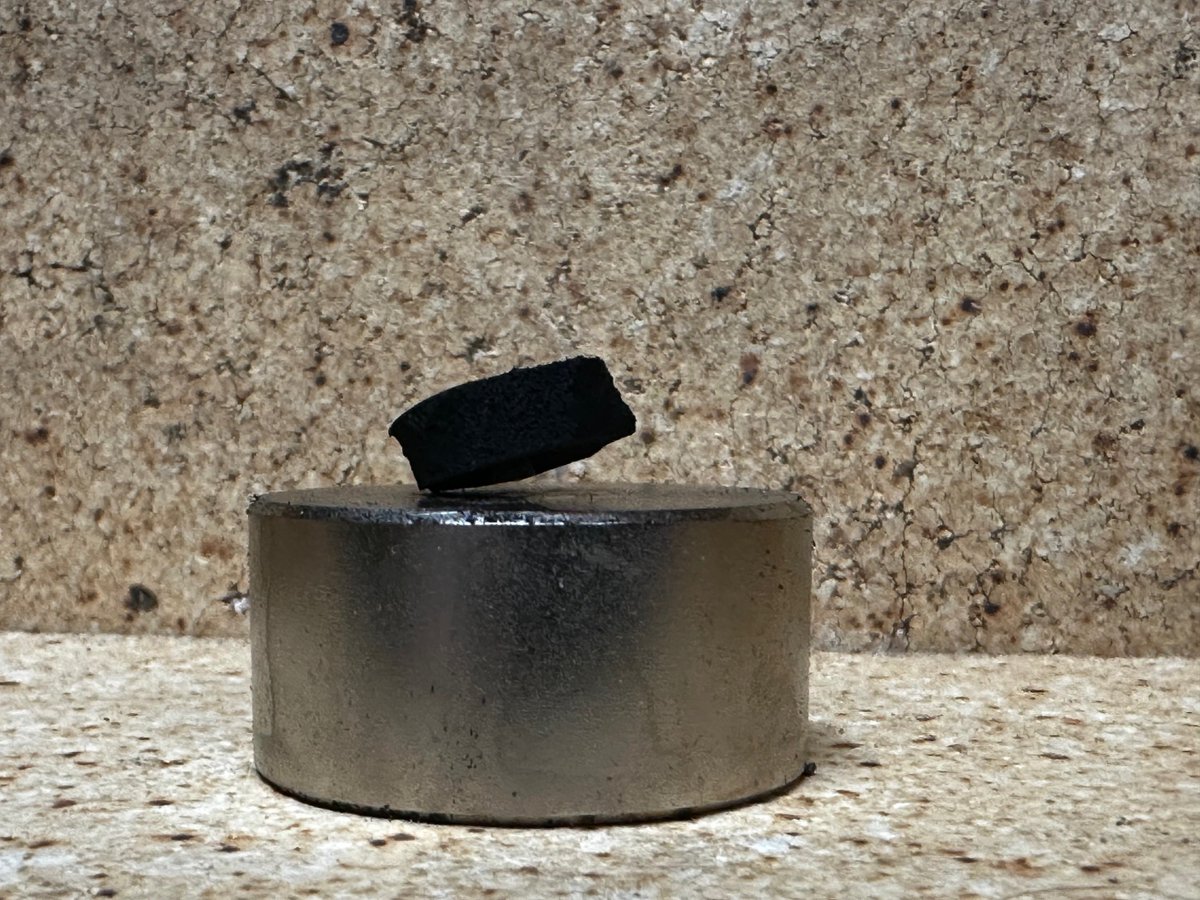
Here is a link to our latest updates. This posting contains a graph of Temperature / Conductivity and a short video showing how a compass reacted to one of our samples. More to come soon. We will also be releasing more information on the two inventors in the coming days.
tajquantum.com/11710584-2/
7
4
21
7,243
Taj Quantum retweeted

6 Jun 2025
Have a wonderful weekend everyone ✌️ #FridayVibes #MentalHealthAwareness
9
17
57
7,265
19 Sep 2023
Taj Quantum is proud to be the Post-Quantum Encryption and Blockchain-based Authentication systems provider for BridgeComm.
Our secured Free-space optics technology provides security and speeds most people only dream of!
19 Sep 2023

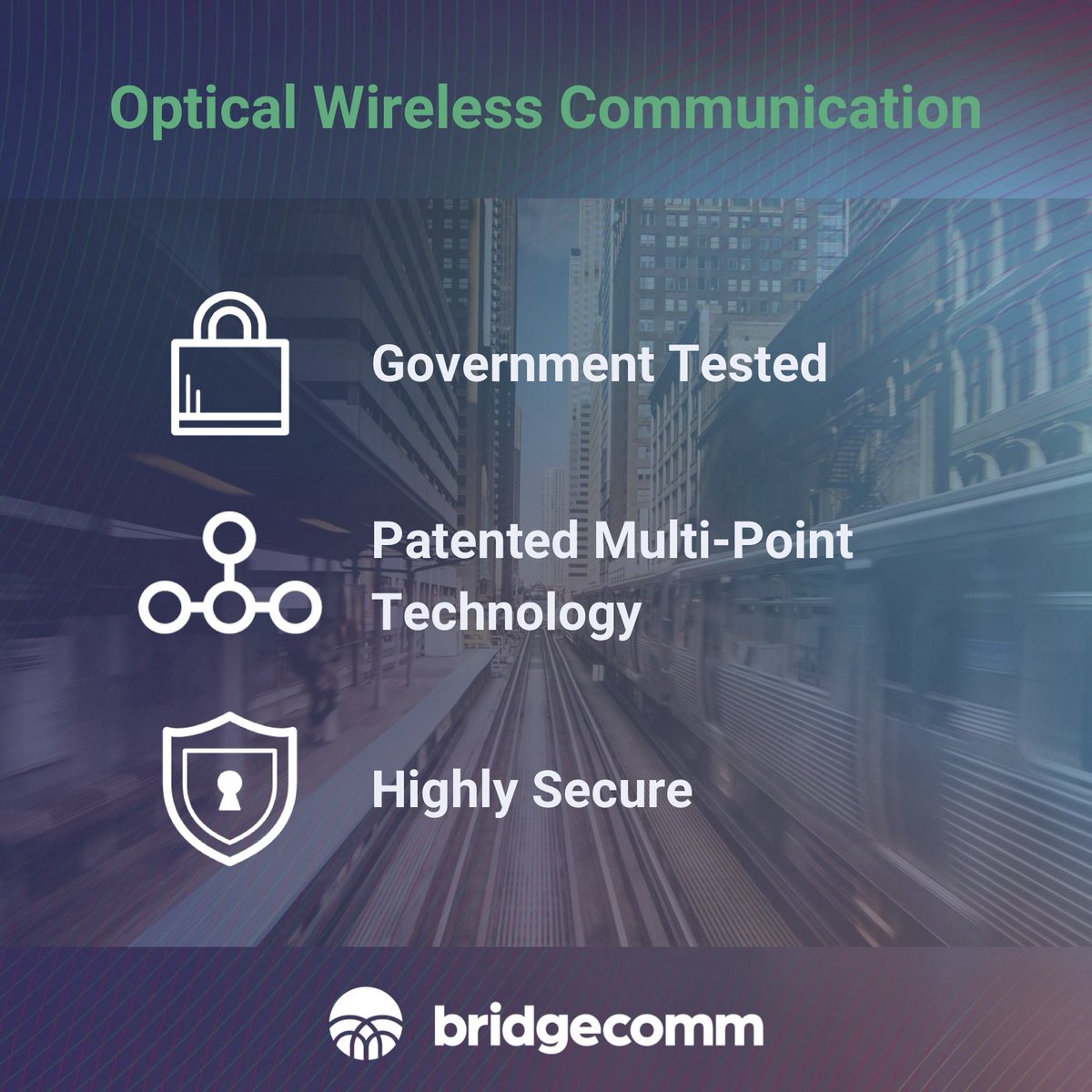
We are revolutionizing comm systems with our free-space optical technology capabilities We are removing the limits on connectivity for the new space economy, governments & mobile network operators.
✅ Government Tested
✅ Patented Multi-Point Technology
✅ Highly Secure
2
3
1,845
26 Aug 2023
Last year, our CEO spoke with Spectrum 1 News about the work we're doing in Smart Agriculture and in Ukraine. Today, we've expanded into many additional areas, including providing secure optical communications systems from space-based laser communications systems using our Blockchain Authentication and PQR Encryption systems.
We're proud to continue providing free, secure communications to over 150,000 people in Ukraine. Almost 10 times the number of people we had on our systems a year ago.
spectrumnews1.com/oh/columbu…
1
1,083
25 Aug 2023
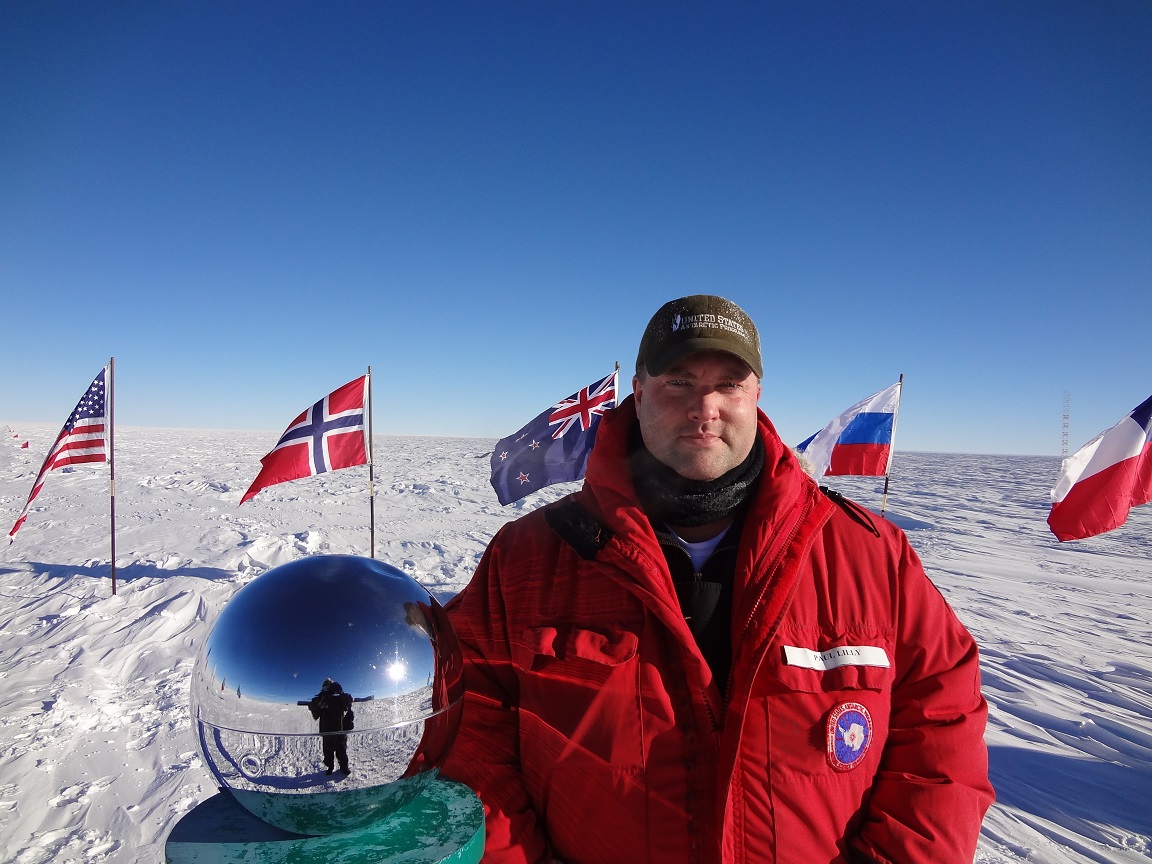
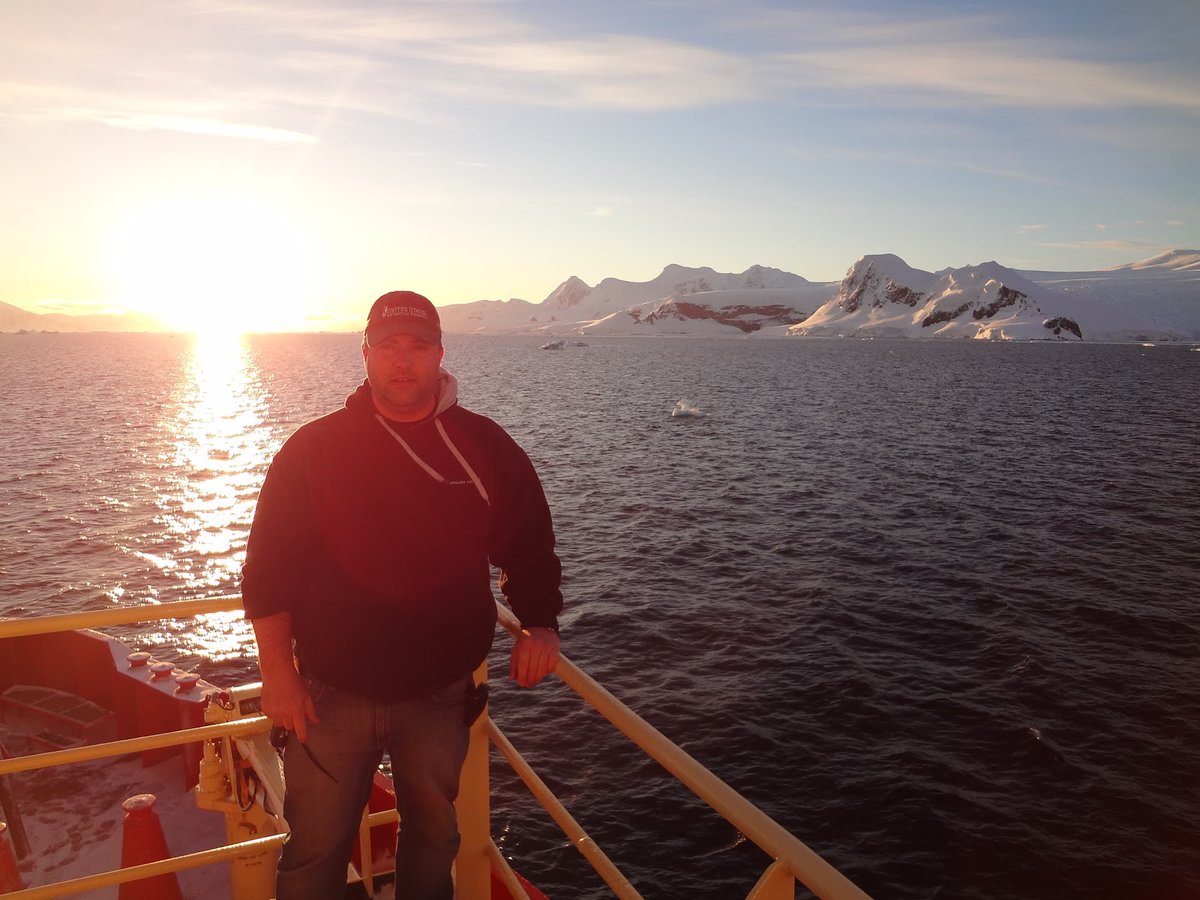
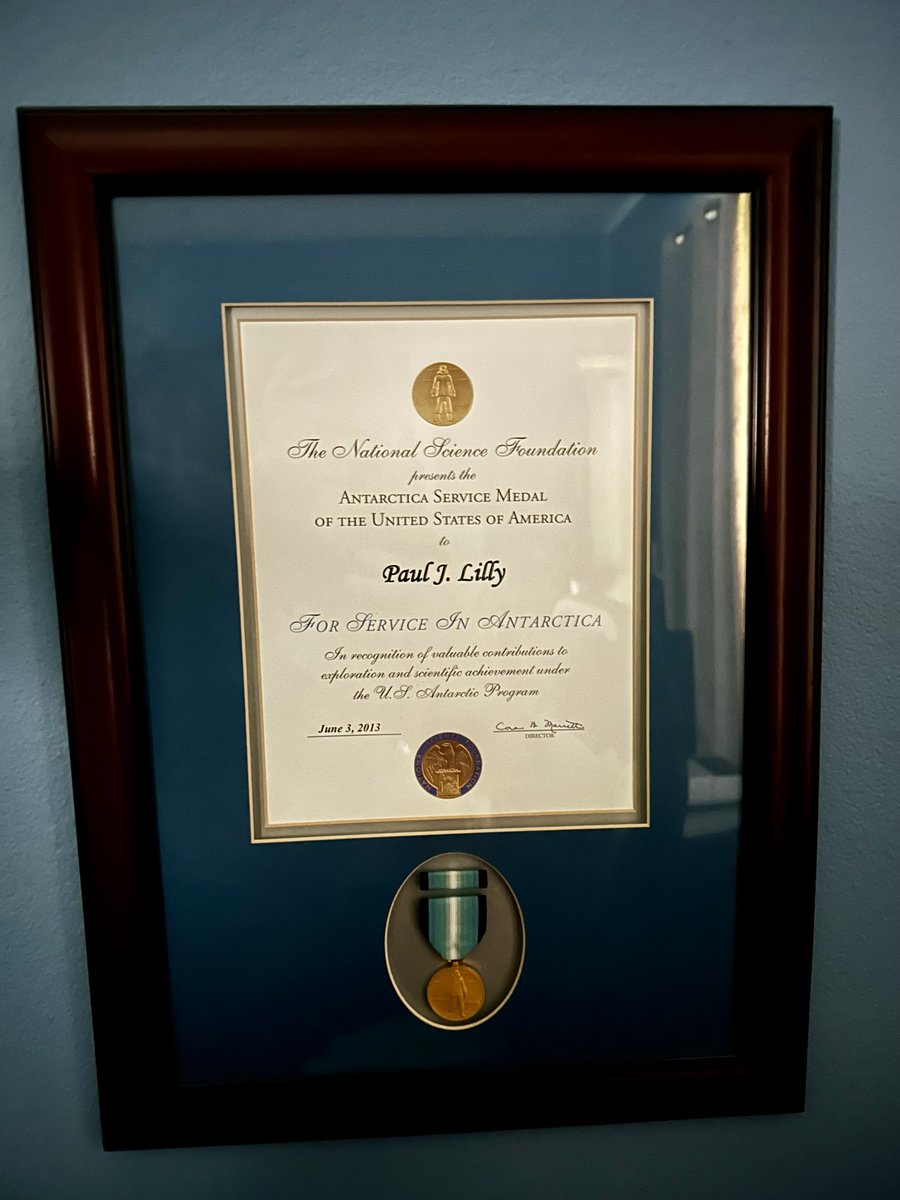
It's been 10 years since our CEO, Dr. Paul Lilly, was awarded the Antarctica Services Medal of the United States of America for his service to the National Science Foundation's Antarctica program from 2011 to 2013.
"It's amazing to see how science has changed over the last 10 years. I only hope the next 10 are as fruitful!" Dr. Lilly said.
If you want to know more about the day-to-day life in Antarctica, check out the blog Paul wrote periodically on his off-time. pauljlilly.blogspot.com/ The photo's alone are worth a visit!
2
950
25 Aug 2023
It looks like we'll have some exciting news in the coming weeks related to our encryption and authentication systems, along with our partners at BridgeComm! More to come soon! For those who missed the partnership announcement a few weeks ago:
prnewswire.com/news-releases…
1
661
23 Aug 2023
We've had some people request to see more of the compass video since there are questions about what would happen if the superconductor was turned. The superconductor was turned twice, 90 degrees each time, in the full version below.
youtu.be/XBKOOSEdWZw
2
3
9
2,350
9 Aug 2023
Posting a quick update: Please remember that we were not in control of when the US Government would release the patent, so this is a bit of a scramble. To make sure our patent covers all of the items we are releasing, our attorneys are still reviewing them. We are also in discussion with several Universities; we intend to release full details on the process for two variants of the graphene-based superconductor and our process for turning these into a wire format for usability to them for initial validation along with a public release.
Additionally, we will be releasing more details on the backgrounds of both Mr. Wood and Dr. Lilly.
Dr. Lilly will be available starting next week for interviews and discussions. Mr. Wood is 76 years old and recently lost his wife due to illness, and he prefers not to be involved in live interviews for now.
We know there is a lot of attention on validation, and we look forward to the scrutiny.
4
2
18
5,813
1 Aug 2023
Starting a FAQ's thread (This will be updated periodically):
1. Is TQ a crypto company? No. We use blockchain as a tool to provide authentication systems using a private blockchain deployment along with smart contracts to manage the varied challenges faced by the US Military and our customers.
2. Background on the principal inventor, John Wood: Mr. Wood has experience and interests in multiple technical areas and is the author of eight issued US patents. His undergraduate education at the University of Southern California was in chemistry (BS), and his graduate education at the University of California, Santa Barbara, was in physical chemistry (MA). While at UCSB, he designed an experimental setup to use a shock tube and a low-power Q-switched laser to use the Raman emissions to be the first to accurately measure the outer portion of the vibrational potential well as it approached decomposition. Over the years, he has made major contributions to advanced analytical chemistry, air monitoring, and monitoring control systems. In the most recent several years, Lockheed Martin applied for patents for many of his innovative ideas in diverse fields. He is experienced in devising innovative solutions to complex technical challenges. Mr. Wood is skilled in hands-on laboratory and other technical work. He is certified by the State of California as a Radiation Safety Officer for the South Coast Air Quality Management District. *We will release a more thorough background in the coming weeks.
3. What are you doing in the Ukraine? TQ provides a communications tool for Ukrainian civilians and a variety of Aid workers and organizations within Ukraine. We currently have around 150,000 people using our services daily, all at no cost to the user. TQ is committed to continuing to fund this effort to keep people free to communicate without fear of an enemy listening in.
4. How many employees and consultants does TQ currently have? TQ employs (full-time, part-time, and consultants) around 22 people. We are still very small, and we’re focused on growing. We anticipate hiring a new scientific team and building the associated laboratory and production facilities to help us get to market as quickly as we can.
5. How soon until we see superconductors in everyday technology? We are still around 10 to 20 years away from seeing this technology used in everyday electronics. We all have these amazing “things” with no real utility. The next step is to find ways to incorporate this technology in a variety of ways. Our focus is on turning the superconductor into shielded wiring as a natural first step. We will also be licensing material and processes to companies that can develop these products more rapidly.
11
1
22
9,353
1 Aug 2023
Taj Quantum Awarded Patent for Groundbreaking Type II Superconductor newswire.com/news/taj-quantu…
12
10
61
19,014
31 Jul 2023
The official Press Release is on the Taj Quantum page and should be available on most PR News outlets within the next 48 hours as systems update. We will release additional information, graphs, videos, and images over the coming days and weeks! Our website and postings here on X will be the best sources of information.
tajquantum.com/art-t2sc/
15
5
49
35,550
31 Jul 2023
We're aware everyone wants everything right now. Please keep in mind that there are about four years of two people's lives in this one project, along with a significant investment to get to this point (personal money, not some large company or University). We're trying to get you what you want and will continue to be as open as possible where we can.
2
1
13
7,194
31 Jul 2023
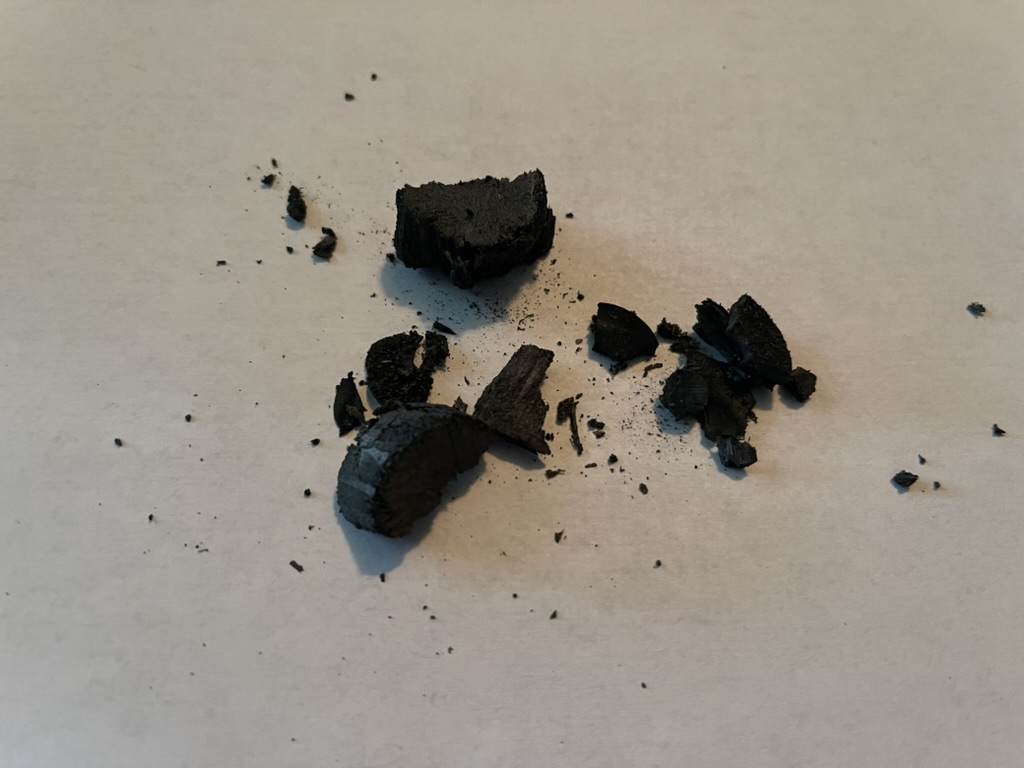
This is a better-quality image than on the website. More to come along with videos in the coming days, etc. (This is a Graphene-foam material - very fragile.)
12
6
67
170,615
31 Jul 2023
For those interested. This is one of the earlier samples (August 2021). I dropped it... It was also way too thick and had a lot of other issues, though. Working with Graphene in a variety of forms is a challenge and creates some unique challenges.
3
1
14
19,366
30 Jul 2023
What I find funny is that people are surprised that a Quantum-oriented tech company works with Quantum-oriented tech on many levels.
I've really enjoyed talking to so many people directly and openly tonight. I look forward to continuing this once our official release with videos, pictures, graphs, etc., comes out on Monday.
Thank you for your support and skepticism. Extraordinary claims and all that.
Bye for now, and we'll talk soon!
6
31
22,168
29 Jul 2023
Okay, I've been told I must "shut up and let our PR people do their job." More to come soon. I don't listen well, CEO prerogative, but It will sound better from them anyway. :)
I'm told we'll be releasing videos on Monday and an official statement, etc.
6
2
41
11,300
29 Jul 2023
I want to remind everyone of one thing: Prototypes are easy, Production is hard. (Elon quote). While we're excited about both our patent/discovery and the discoveries in Korea; there is a long way to go before either of our technologies is in your car, sending energy to your home/office, and building new advanced tech.
The real work begins now.
22
7,864
29 Jul 2023
For those asking, we are a technology company based in Florida. We have a breadth of capabilities in many quantum and general science areas. TQ is a combination of my previous science and engineering consulting firm that I formed after leaving Lockheed Martin and Engility. John and Paul have been working together for over 20 years and have invented numerous technologies together. Our focus over the past year has been in the field of encryption and blockchain, in addition to our Special Programs Area (our version of Skunk Works) centered on new technology development - the home of the ART-T2SC.
2
22
7,024
29 Jul 2023
We are excited to announce that we have finally been issued our patent for our Above Room Temperature Type II Superconductor. Contrary to some recent reports regarding the paper circulating from Korea. Simply putting "World's First" in your paper title doesn't actually mean you are the first. Our Patent was issued this last week after over two years of waiting. Read our patent from the USPTO website: patentcenter.uspto.gov/appli…
90
88
729
807,507
29 Jul 2023
For those DM'ing me, yes, I'm aware we need to update our website. :) Thank you. Again, we weren't expecting this storm of news activity, and we weren't prepared. Fixing that now.
2
30
28,495