
Have questions for leading MH researchers? Ask them here. Be sure to enable Tweets & Replies to follow the dialogue! Check back for more slo-mo Twitter chats.
Joined April 2021
- Tweets 432
- Following 245
- Followers 143
- Likes 581
133 Photos and videos

Let’s Talk about Mental Health Services Research retweeted

12 Oct 2024
Hiring a PhD level Mental Health Research Scientist (24007948) to work on multiple NIMH grants focused on early psychosis and public sector mental health services. Lived experience applicants strongly encouraged! cfopitt.taleo.net/careersect…
1
25
54
6,167
Let’s Talk about Mental Health Services Research retweeted

9 Sep 2024
Webinar Oct 2: The Youth Protective Factors Study: Risk, Strengths, and Reoffending.
Hosted by @OJPNIJ , @UMass_SPARC & @UCBerkeley 's Risk-Resilience Lab.
buff.ly/47h6guB
Funded by the @OJPNIJ, Grant#: 2020-JX-FX-0005
@OJPOJJDP @transitionsacr
#JuvenileJustice

1
4
98

Don’t worry if you missed our month-long Chat on disability employment research! We’ll soon post a Wakelet summary, including the outstanding resources that were shared. Stay tuned!
51
Thank you for joining our slow-motion Chat on disability employment research throughout September! Follow along here for additional reflections & mental health services research information & strategies.
Let’s keep the conversation going!
1
50
What is the future of employment research for ppl with psych disabilities? We need to innovative around new services, directly informed by the needs of people with psych disabilities, involve peers at all levels, and conduct randomized trials to demonstrate effectiveness.
1
2
95
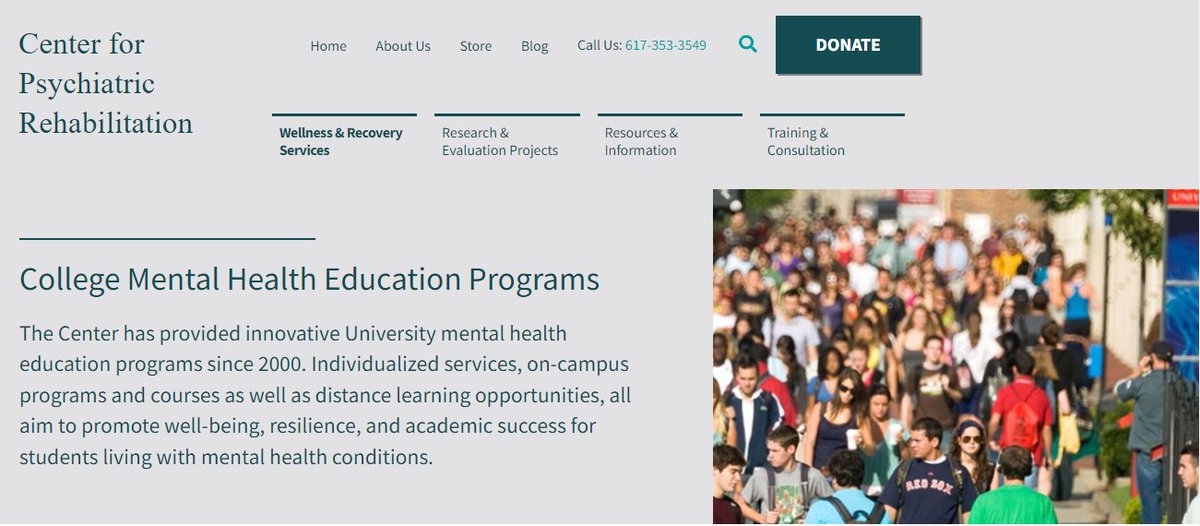
The Center for Psychiatric Rehabilitation developed an innovative College Mental Health Education Program, designed to support young adults in college with psych disabilities cpr.bu.edu/cmhep/
3
32
The National Institute of Mental Health recognized the educational & vocational needs of young people with psych disabilities with the RAISE study: nimh.nih.gov/research/resear…
2
44
Surveys of college students since the pandemic show alarming rates of depression and anxiety affecting their ability to achieve their educational and career goals. journals.sagepub.com/doi/ful…
1
43
Continuing our #TwitterChat, another approach to addressing the educational and vocational needs of young ppl with psych disabilities is called HYPE—Helping Youth on the Path to Employment: umassmed.edu/hype/
2
33
There has been increasing focus on “transition aged youth and young adults” and their ability to pursue educational and vocational goals; Transitions at the University of MA is devoted to this mission: umassmed.edu/TransitionsACR/
2
39
What about our young people with psych disabilities and helping them achieve their educational and vocational goals? ps.psychiatryonline.org/doi/…
2
125
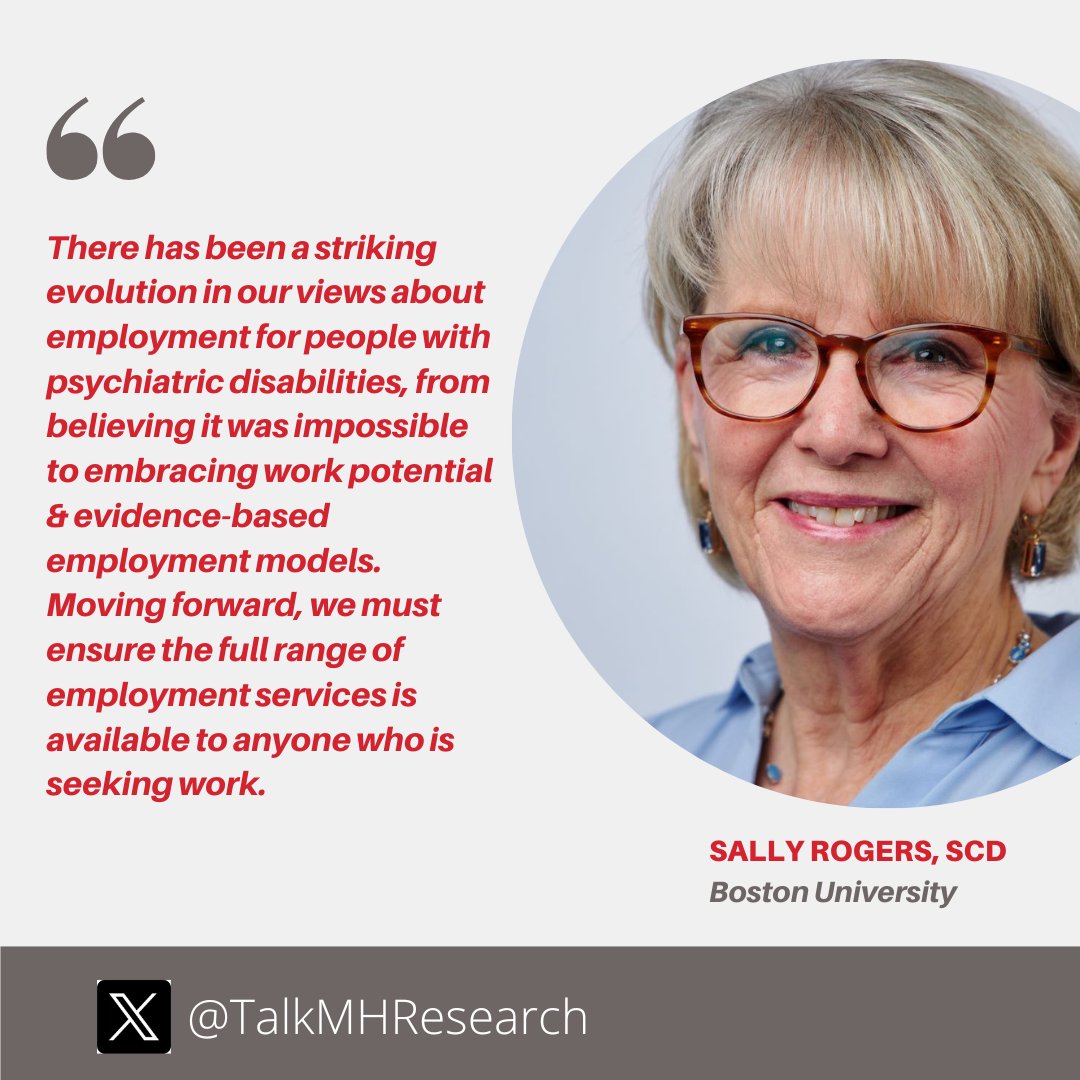
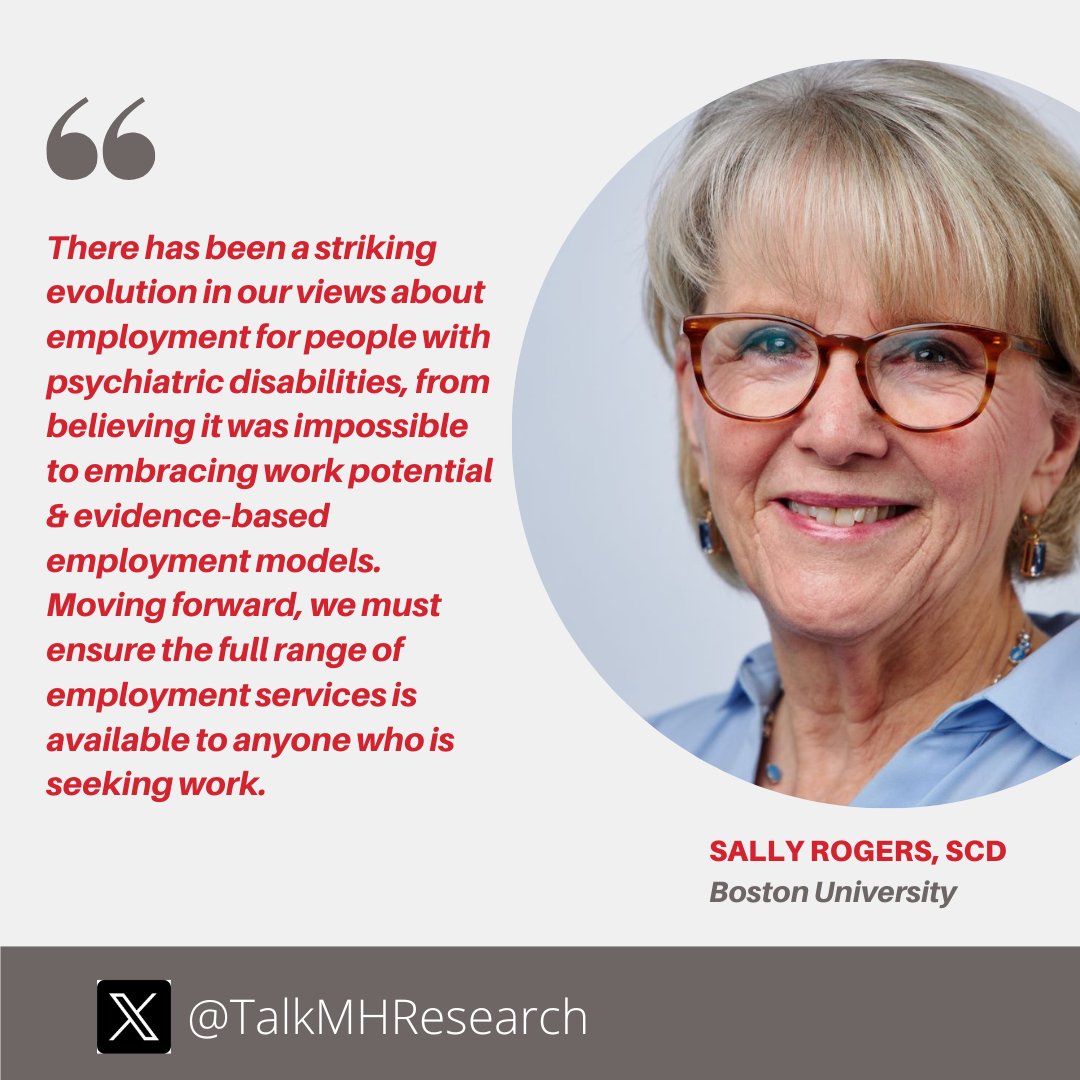
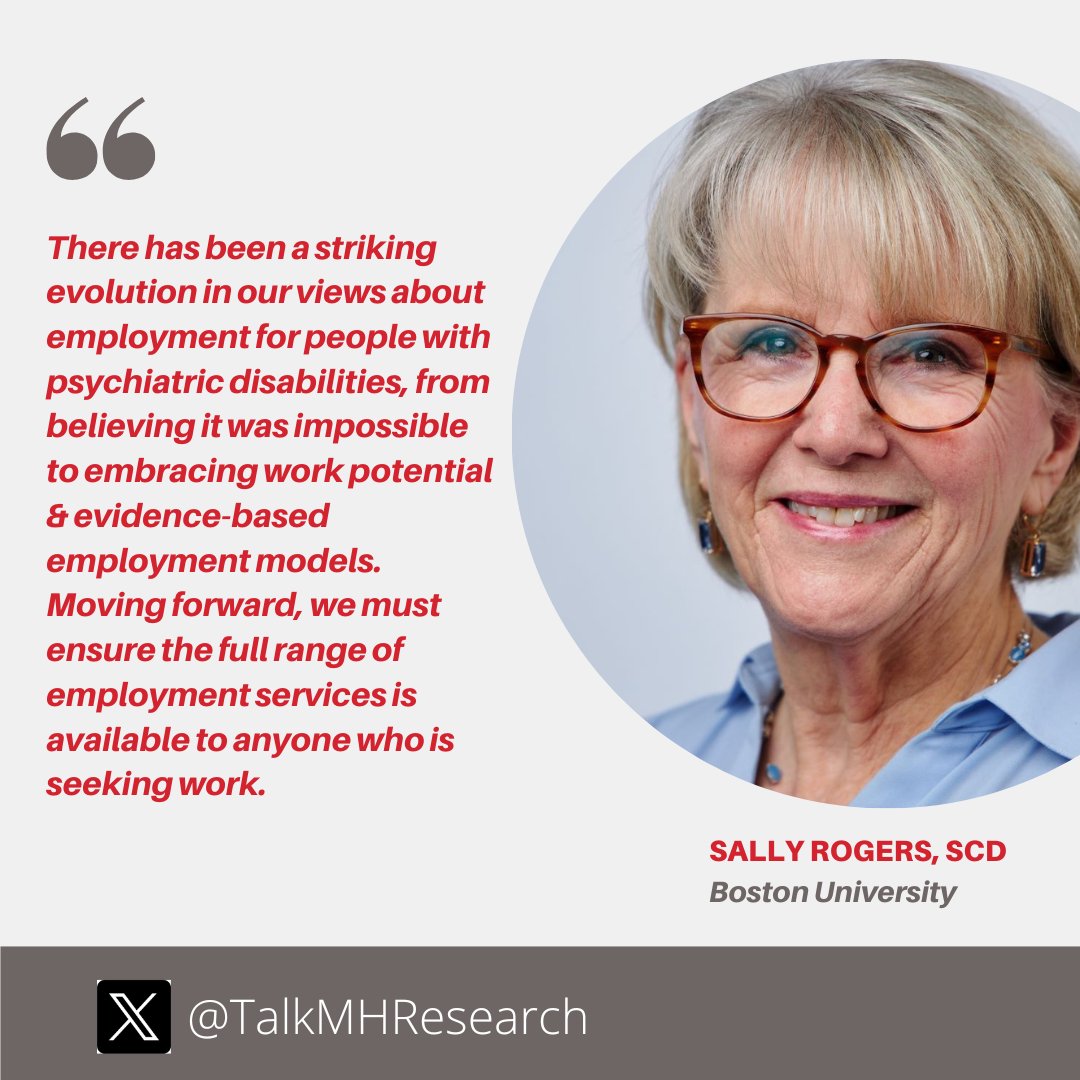
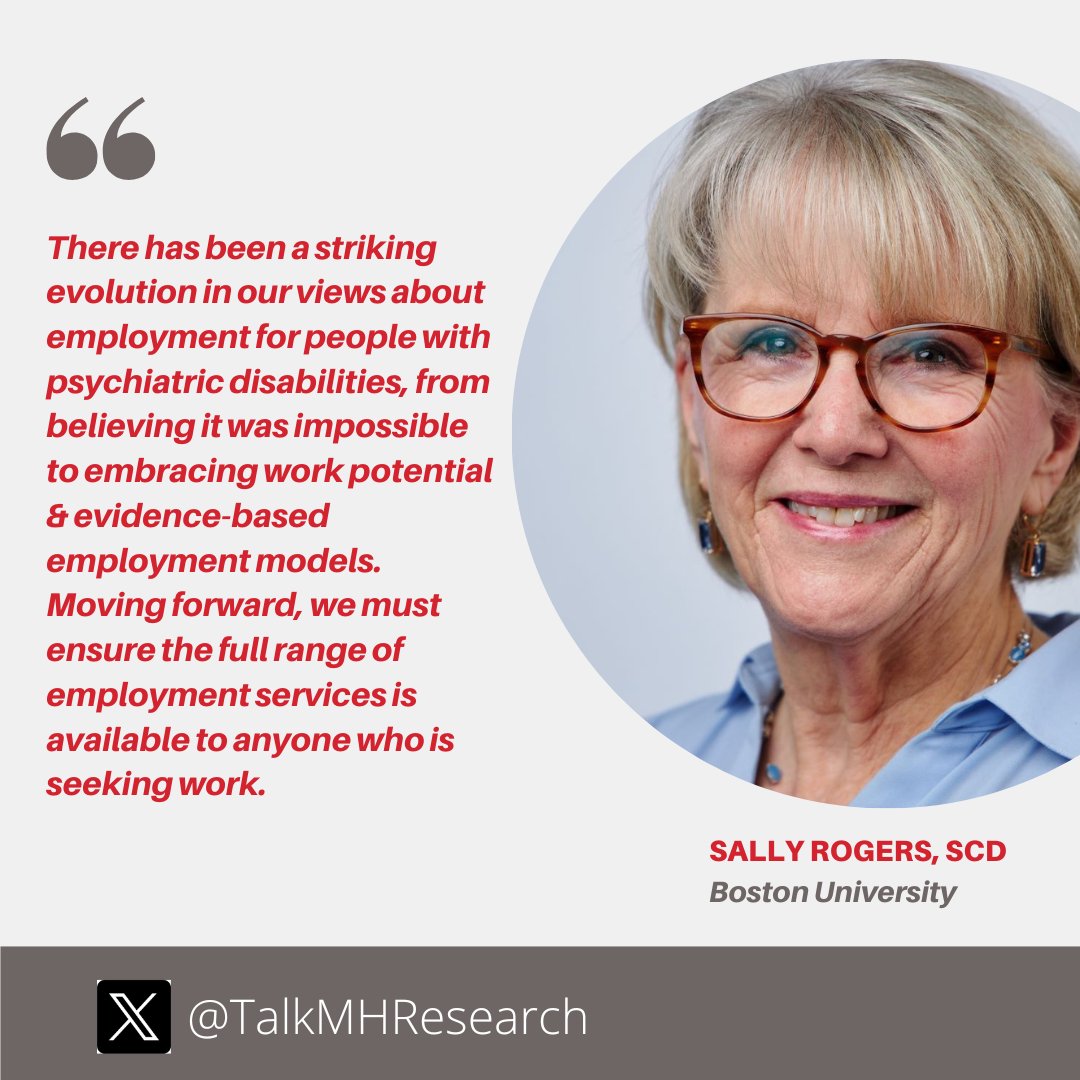
Moving into the final week of our slo-mo Chat, Dr. Sally Rogers will be reflecting on the future of disability employment research. If you’re wondering what emerging & new researchers can do to advance this line of scholarship, join us to learn more & share ideas!
1
51
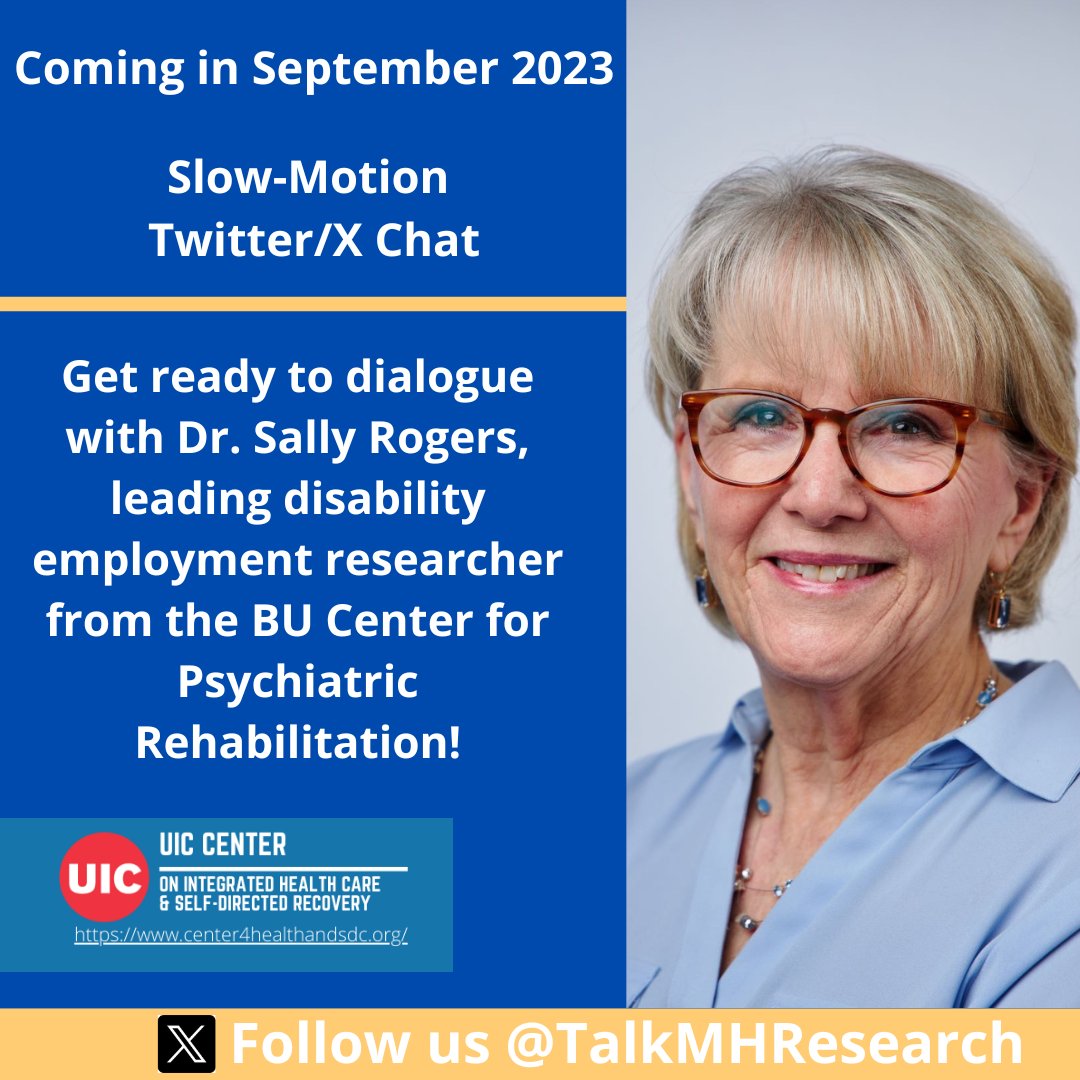
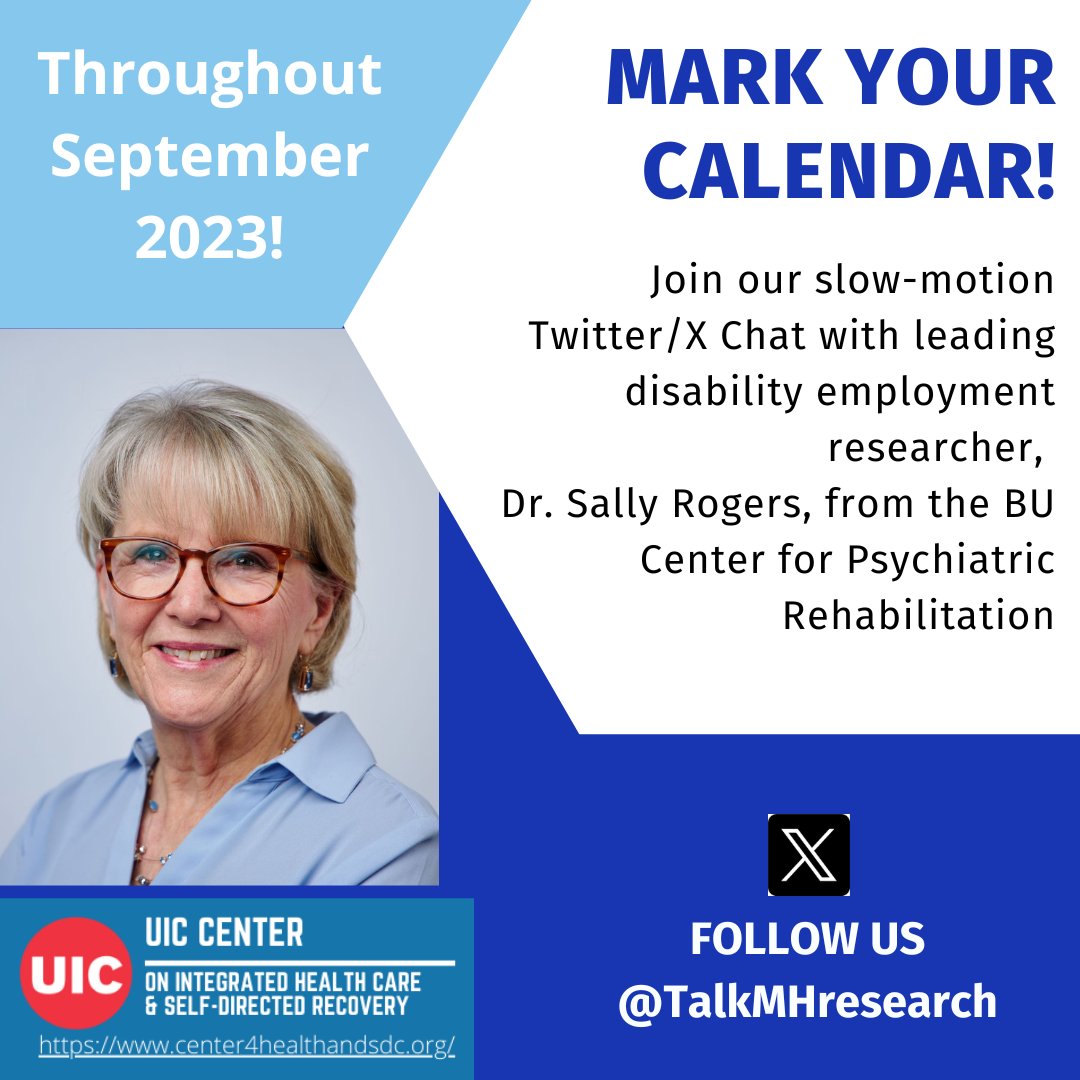
Join our Chat & hear what inspired expert Dr. Sally Rogers to engage in disability employment research. This unique Chat takes place throughout September! What our X/Twitter Chat series is all about: bit.ly/2QglU66
1
32
In its employment research, services & training, the CPR has been committed to participatory research methods for decades; our initial approach is still relevant and useful today cpr.bu.edu/wp-content/upload…
2
45
I wonder what myths you have observed or encountered when it comes to individuals with disabilities in the workplace? What have you seen and heard? And, more importantly, what succinct messages can we convey to combat those myths?
1
51
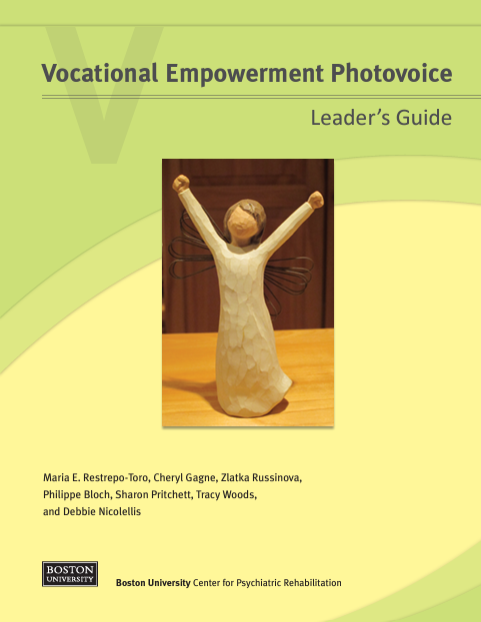
How can stories help people with psych disabilities achieve their work goals? The Center has used photovoice and narratives to help people feel empowered about work: cpr.bu.edu/wp-content/upload…
1
3
58
Manifestations of stigma in the workplace have been a focus of the CPR; to learn more, see the webinar with Dr. Zlatka Russinova youtube.com/watch?v=u2fLk0EY…
Transcript: cpr.bu.edu/wp-content/upload…
1
48
Stigma, prejudice and discrimination in the workplace are real and difficult barriers for people with psych disabilities. Have you seen evidence of stigmatizing words, actions, behaviors in your workplace?
1
1
53
Welcome to all of our followers! We have great dialogue going. Don't forget that you can ask expert Sally Rogers anything this month about disability employment research. She’s sharing many important & inspiring resources here, & would love to answer more questions!
1
3
192
People with psych disabilities face barriers to getting and keeping employment such as disrupted educational experiences because of mental health symptoms, limited work experience, stigma, low self-efficacy. See Amanda’s inspiring story: youtube.com/watch?v=t0vNBf1P…
2
40