
New Media Producer • Hybrid Engineer • Show Host • Making it Easy for You to Show up at the Microphone/Phone; I do the Rest!
Joined May 2008
- Tweets 8,499
- Following 1,550
- Followers 557
- Likes 21,110
650 Photos and videos















TalkToMeGuy retweeted

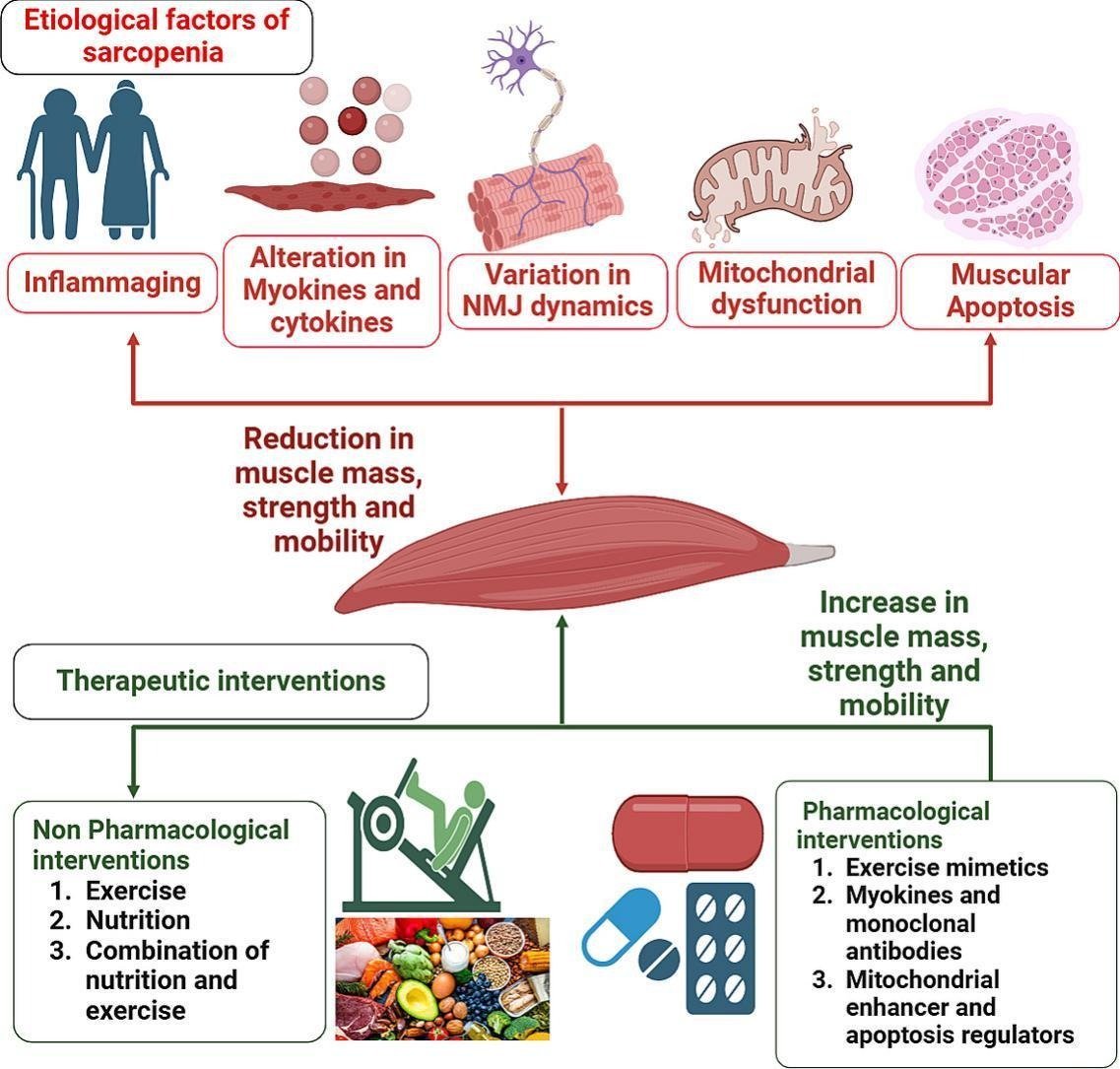
Sarcopenia: An overview of emerging therapies and pathophysiological insights in age-related skeletal muscle decline
💪"This consolidated body of knowledge is expected to enhance the formulation of more effective therapeutic strategies aimed at maintaining muscle mass..."
sciencedirect.com/science/ar…
3
45
150
5,607
TalkToMeGuy retweeted

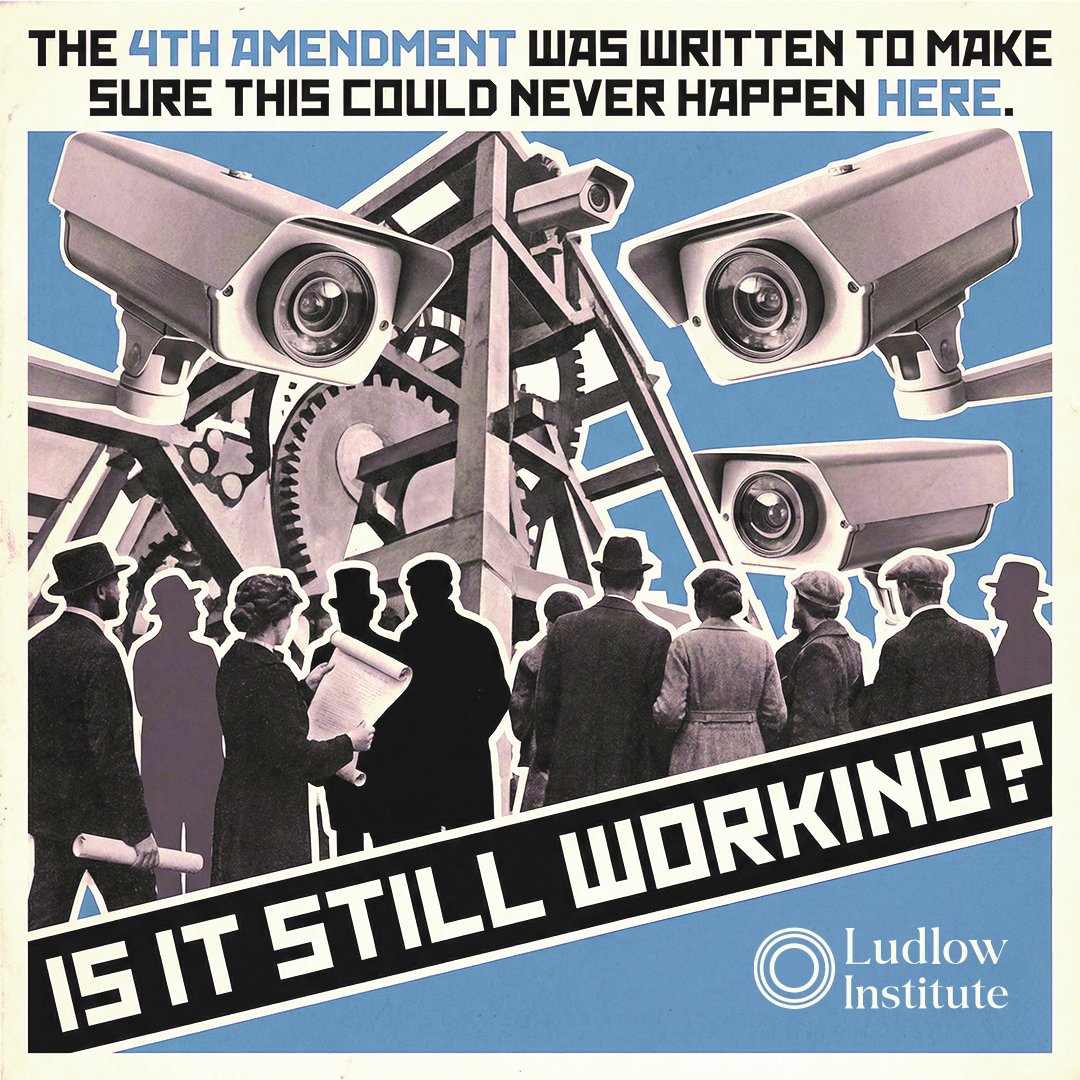
The 4th Amendment was supposed to prevent a surveillance state.
Yet we're surrounded by cameras, tracked by our phones, and surveilled without warrants.
It's not working.
Surveillanceaccountability.c…
21
155
506
8,624
TalkToMeGuy retweeted

Apr 11
What the Artemis II astronauts did over the last 10 days was a testament to their bravery. And the fact that they traveled farther from Earth than anyone ever has, re-entered our atmosphere at more than 24,000 mph, and splashed down safely was a testament to human ingenuity. Thanks to everyone at @NASA for making this mission possible, and for taking us along for the ride.
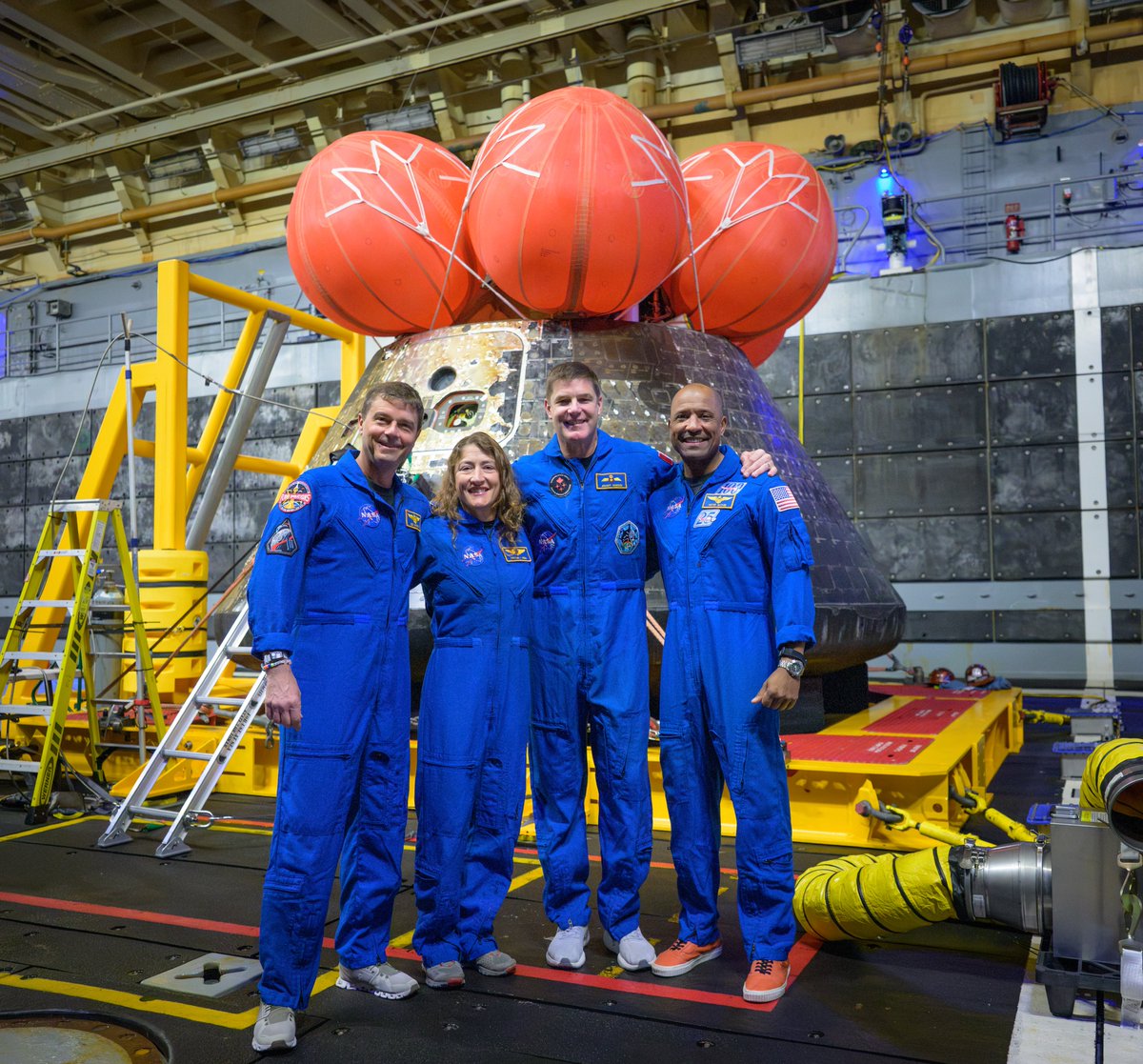
ALT "NASA astronauts Reid Wiseman, commander; left, Christina Koch, mission specialist; CSA astronaut Jeremy Hansen, mission specialist; and NASA astronaut Victor Glover, Artemis II pilot, right, pose for a group photo after viewing the Orion spacecraft in the well deck of USS John P. Murtha on Saturday, April 11, 2026. Photo Credit: NASA/Bill Ingalls"

ALT "Earth sets over the Moon’s curved limb in this photo captured by the Artemis II crew during their journey around the far side of the Moon. Photo Credit: NASA"
15,640
59,440
825,210
63,728,677
TalkToMeGuy retweeted

Apr 12
AI tools. Human stories. 🎬
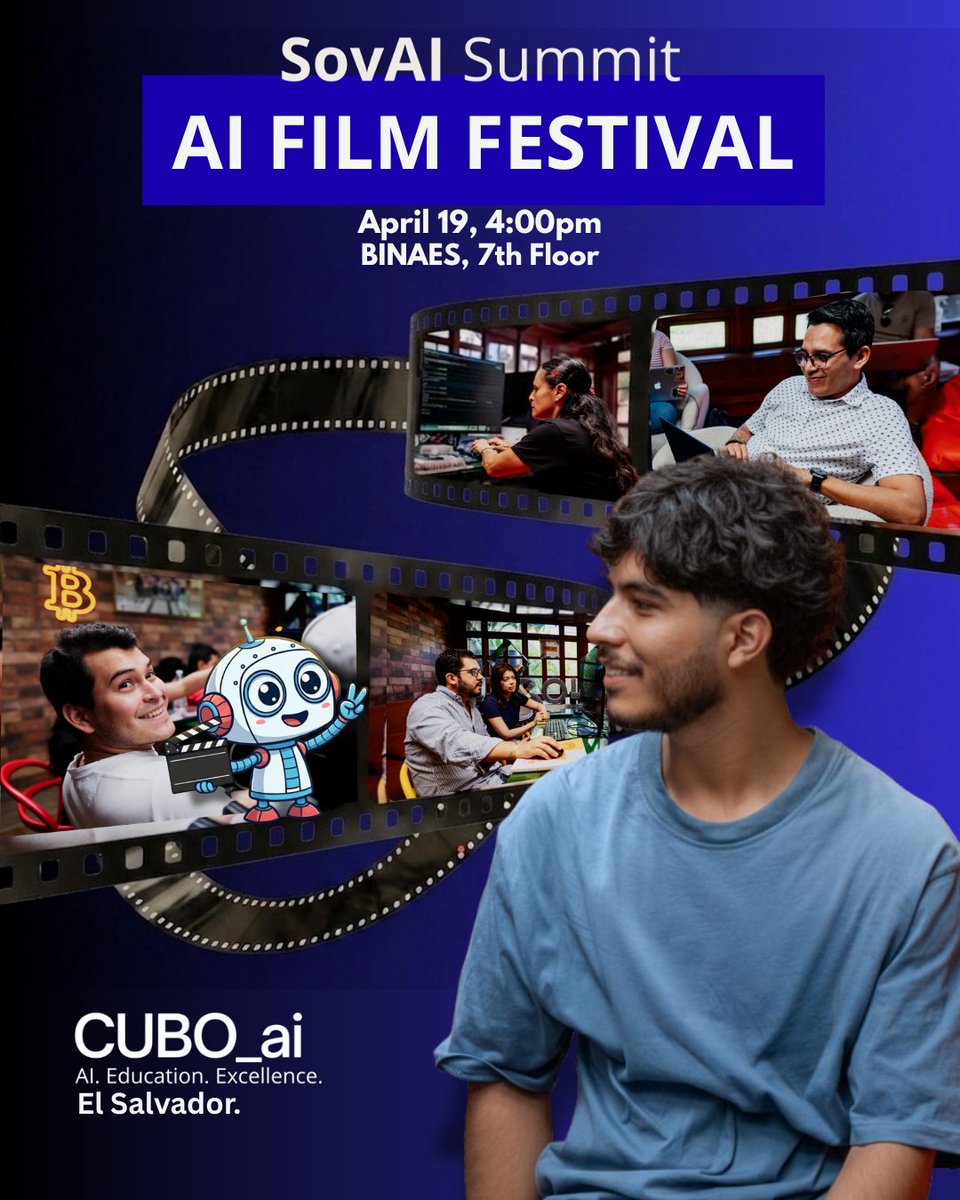
We are rolling out the red carpet for the rising stars of El Salvador’s emerging tech & innovation scene.
Join us at BINAES for the SovAI Film Festival as we debut the premiere shorts from our CUBO AI students. Human-led storytelling from Generation Bukele meets the power of sovereign technology.
A strictly no slop, zero doom event.
📍 BINAES, 7th Floor
🗓️ Sunday, April 19

This is the beginning of a new era. 🎥🇸🇻
The SovAI AI Film Festival brings to the screen stories created with artificial intelligence by CUBO_ai students.
Short films, but ideas that will stay with you far longer.
Bring your family, your friends… or anyone who still doesn’t get what’s coming. 🎞️📌
Here, you don’t just watch content…
you witness the future being built in real time.
⚡ Sovereignty, creativity, and technology in one place.
⚡ Local talent with global impact.
⚡ Stories born where no one was looking.
📍 BINAES, 7th Floor
🗓️ April 19 — 4:00 PM
The future of film is being created here.
1
14
52
5,071
TalkToMeGuy retweeted

Scientists Call for Urgent Action on Glyphosate, Citing Strong Links to Cancer
orgcns.org/4s4baDR
3
16
35
1,009
TalkToMeGuy retweeted

🚨OH MY GOD. DHS said an immigrant “beat an agent with a shovel for 3 mins” before he was forced to open fire.
A leaked video shows NO attack and the immigrant runs into a house before the officer SHOOTS THROUGH THE DOOR.
He needs to go to fucking jail.
237
13,398
59,815
908,850
TalkToMeGuy retweeted
She told the doctor, “Don’t write that in my file.”
The doctor did anyway.
That data can now be legally shared with 2.2 million entities without her consent.
Doctor-patient privacy matters.
Where did it go, and why did we let it disappear?
43
292
938
27,237
TalkToMeGuy retweeted

Apr 5
No matter how many billions are spent, neither NASA nor the Pentagon can build a working toilet.
Apr 4

🚨 BREAKING: The most expensive spacecraft ever built.. $93 billion to get us back to the moon.. is being rotated toward the sun because the $30 million toilet vent froze and filled the capsule with the smell of frozen piss..
it’s 2026.. astronauts are peeing into backup bags because the high-tech plumbing on our return-to-the-moon mission needs sunlight to thaw.. apollo guys did this in 1969 with duct tape and a prayer.. we came back half a century later with a $30 million toilet that still can’t beat zero degrees..
they built an entire launch system over seven years.. spent more than the GDP of 100 countries.. and the mission is being run like a student housing maintenance request..
“can you turn the heat up.. the bathroom is frozen again.”
nasa is fighting physics.. it’s also fighting a procurement machine that charges taxpayers $93 billion to deliver the same bathroom the apollo boys had when richard nixon was president..
this is the most expensive smell in human history.
30
50
237
12,199
TalkToMeGuy retweeted

Mar 29
The best websites to read and/or download free books.
Save them or you will regret it.

35
150
638
50,904
TalkToMeGuy retweeted

Mar 29
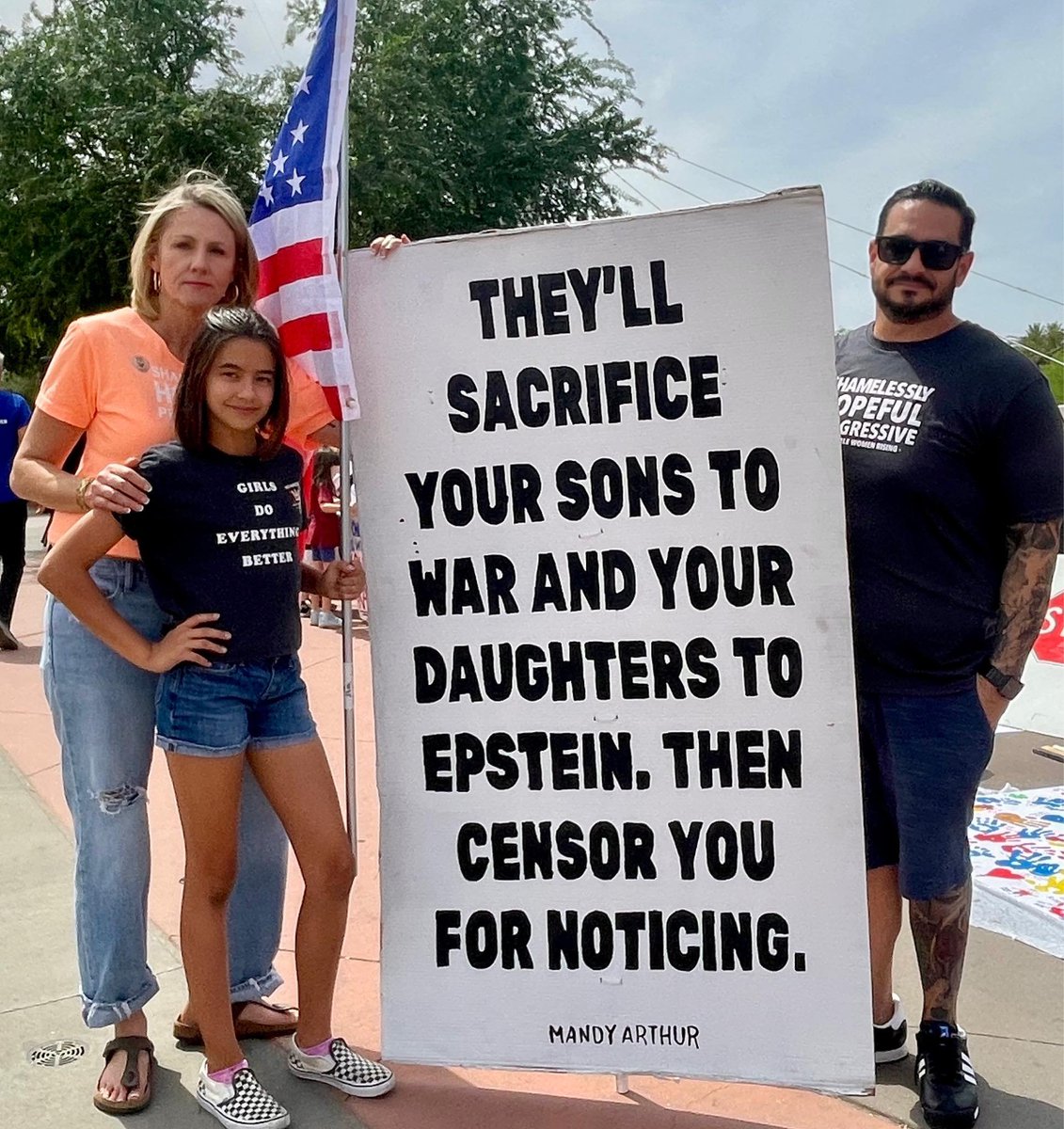
The presidency of the United States is an office, not a throne. Today, the American people sent an unmistakable message to the wannabe king with the largest single day protests in American history — 'No Kings.' 🙌💪👏✊️👇
136
874
2,358
33,295
TalkToMeGuy retweeted

Mar 29
"Every time you eat sugar, it's like hitting yourself with a hammer" – and if it were a new product today, it would NEVER get FDA approval
Sugar causes massive cellular damage—slow and silent. You don't drop dead immediately; you drop dead decades later from diabetes, Alzheimer's, cancer, chronic illness.
A teaspoon disrupts your entire biochemistry—hormones, vitamins, minerals—for 6-8 hours.
16
182
417
18,441
TalkToMeGuy retweeted

Mar 28
Bruce Springsteen is currently playing to a #NoKings crowd of over 200,000 people in Saint Paul Minnesota right now!
Trump is using government to hurt people who disagree. That is what kings do to scare others. We will not be scared. We will not be silent.
3,285
12,345
48,458
1,039,955

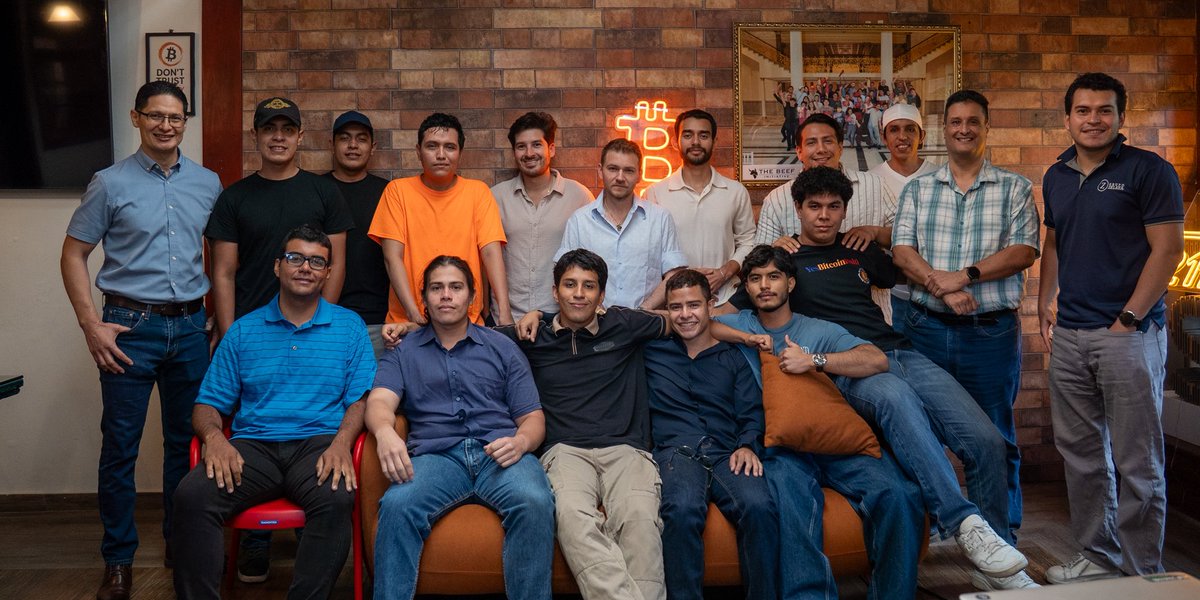
Today we wrapped up the CUBO_AI OpenClaw Bootcamp in El Salvador!
$400 in AI tokens and a group of ambitious students is all it takes to shape the future. I’m pretty sure we spent more on lunch.
This week we put 8 groups to the test in our OpenClaw bootcamp. Day 1 was lectures on Agentic AI, how to approach building with AI whether you’re technical or not, and how to safeguard yourself from the real risks of unleashing an autonomous agent on your machine. Day 2 was entirely dedicated to building. Every group had to come up with their own automation challenge and solve it.
In 5 hours we had 9 working projects. One group decided to build two things because they finished early. Five hours is all it took to prototype functional products and businesses.
Across our bootcamp students we saw:
- Automated lead generation with validation and Telegram alerts so they never miss a prospect
- A gold, silver and oil price tracker with trajectory analysis that collects global news into a single dashboard
- A pharmacy prescription tool that automatically pulls requests from email and streamlines medication delivery times
- A Telegram-based English tutor with structured lessons, voice analysis for grammar correction and a web dashboard
- A medical studies database with integrated quizzes and resource links to help students prepare for specializations
- An entrepreneurial assistant that helps with designs, business strategy and AI integration plans
- A Telegram and Chrome plugin that lets you send a YouTube link to the agent and get the downloaded file back, or download straight in the browser
Students ranging from some AI experience to none at all walked in not knowing what an AI agent was and walked out with working products and real world solutions. Every one of them stepped up, came up with their own problem to solve, and figured out how to orchestrate an AI agent into doing real work. They became product managers of their own ideas in real time.
Tools like OpenClaw, NemoClaw and the wave of open source agent frameworks behind them are doing something the last decade of tech never did. Making it possible to build real software products without a CS degree, without venture funding and without being anywhere near Silicon Valley. The only requirement is a problem worth solving and the willingness to sit down and figure it out.
The next generation of builders is not going to come exclusively from Stanford or Y Combinator. The models and tools are getting cheaper and becoming more accessible by the month. The playing field is leveling whether the traditional tech world is ready for it or not. And once again, El Salvador is leading the charge. This week, a room full of ambitious builders demonstrated it.
8
28
110
58,572

Mar 26
RT @EFF: Are you attending a protest sometime soon? Here are EFF’s tips for how best to prepare one’s digital devices and oneself while exe…
31
TalkToMeGuy retweeted

Mar 25
SCAMDEMIC 2.0👇 Buckle up my friends
138
830
2,466
254,512
TalkToMeGuy retweeted

Mar 26
These stories are profoundly disturbing. Let's hope the Trump administration achieves their goal of figuring out what is causing the autism epidemic. And that they then take action to reverse the trend.
jennifermargulis.substack.co…
3
7
25
747
TalkToMeGuy retweeted
Mar 24
"If his decision holds (it likely won’t), mercury will be allowed back into vaccines, all one-day old infants will be forced to take the Hep B vaccine, and children across the nation will be required to take Covid vaccine boosters to stay in school."
"One federal judge – and all the Covid-era insanity is back."
themahareport.com/p/a-boston…
4
12
50
1,277

TalkToMeGuy retweeted
Mar 13
Cardiologist Dr. Jack Wolfson: NEVER do this test, even if your cardiologist recommends it.
55
1,054
2,415
99,632