
Joined August 2011
- Tweets 19,048
- Following 993
- Followers 9,403
- Likes 32,051
1,688 Photos and videos

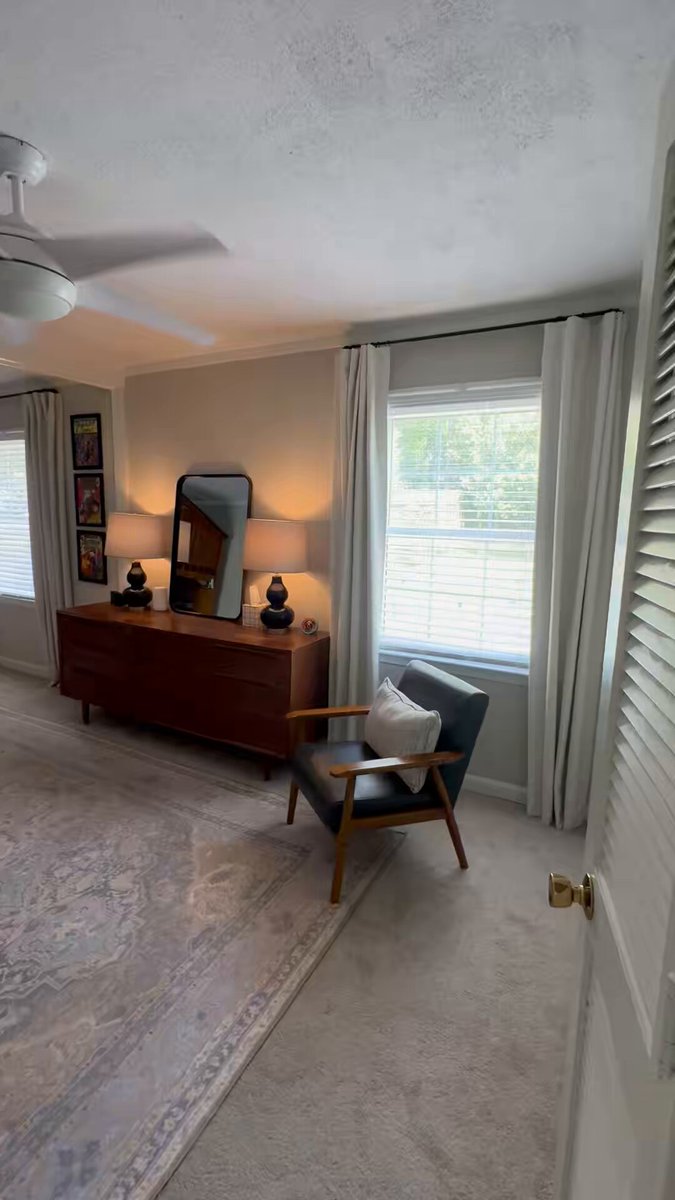
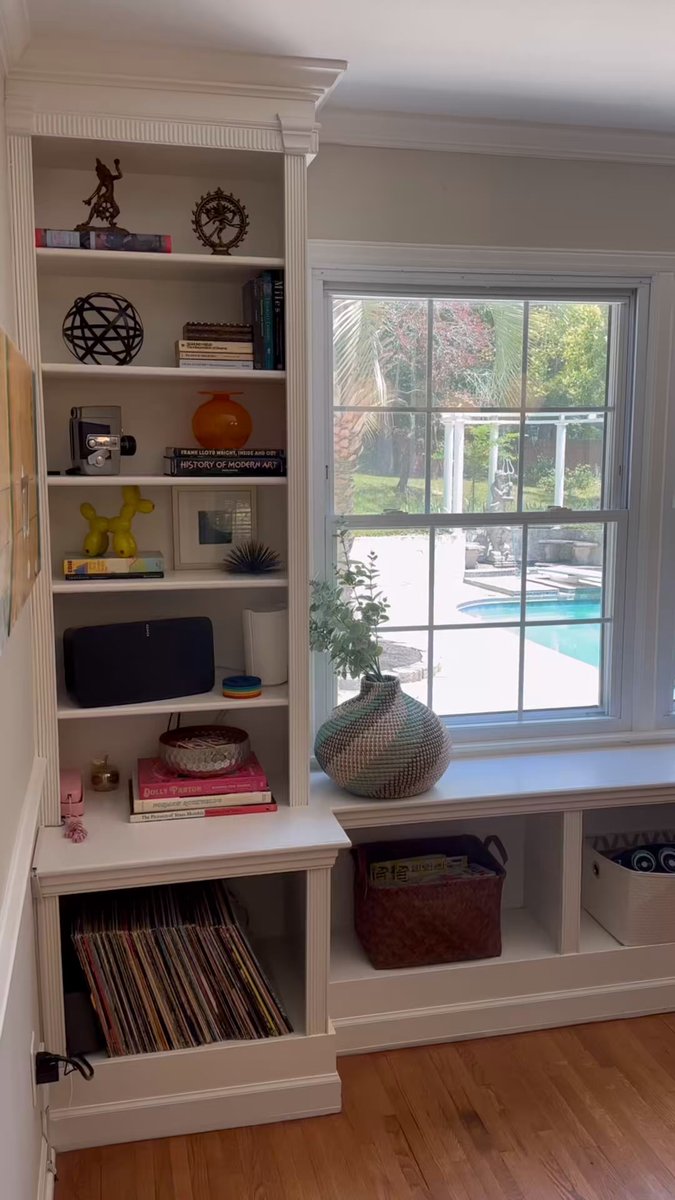








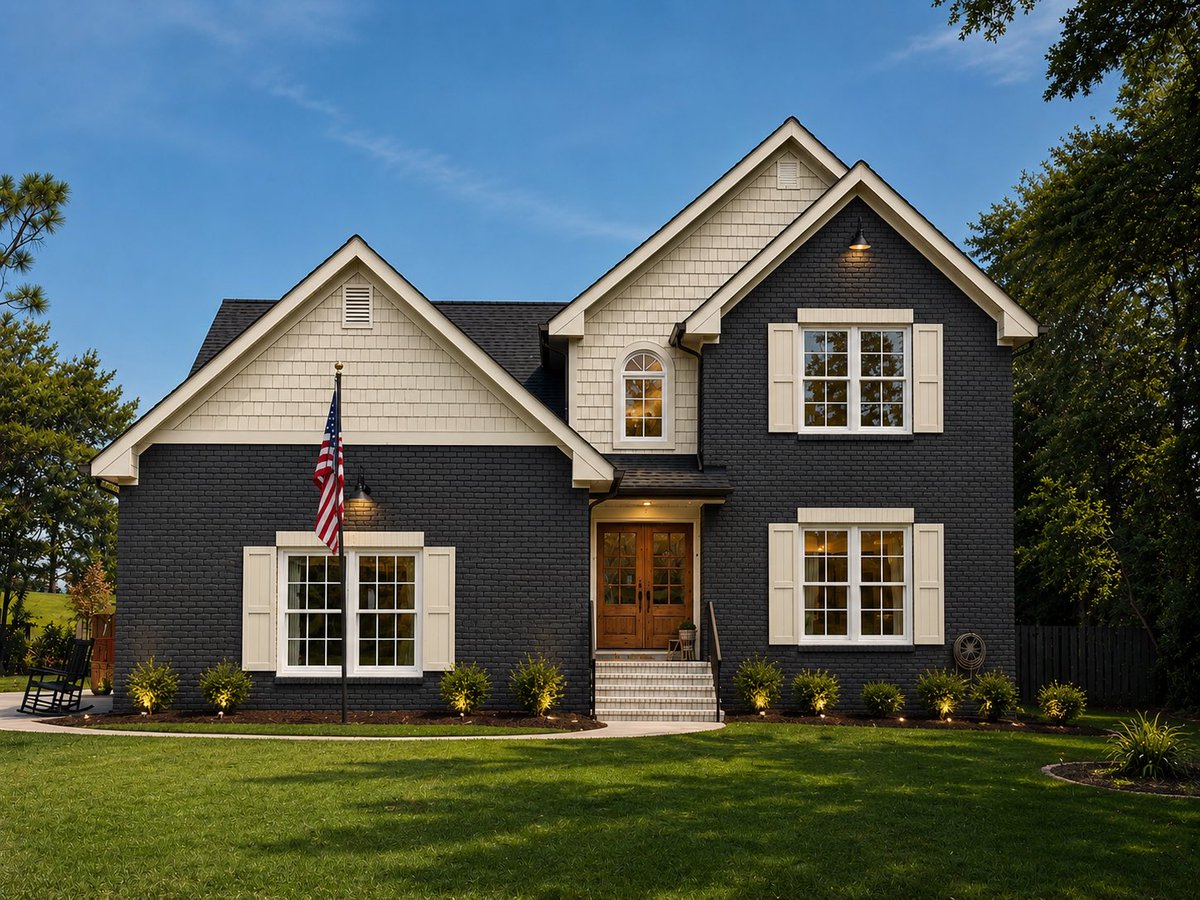
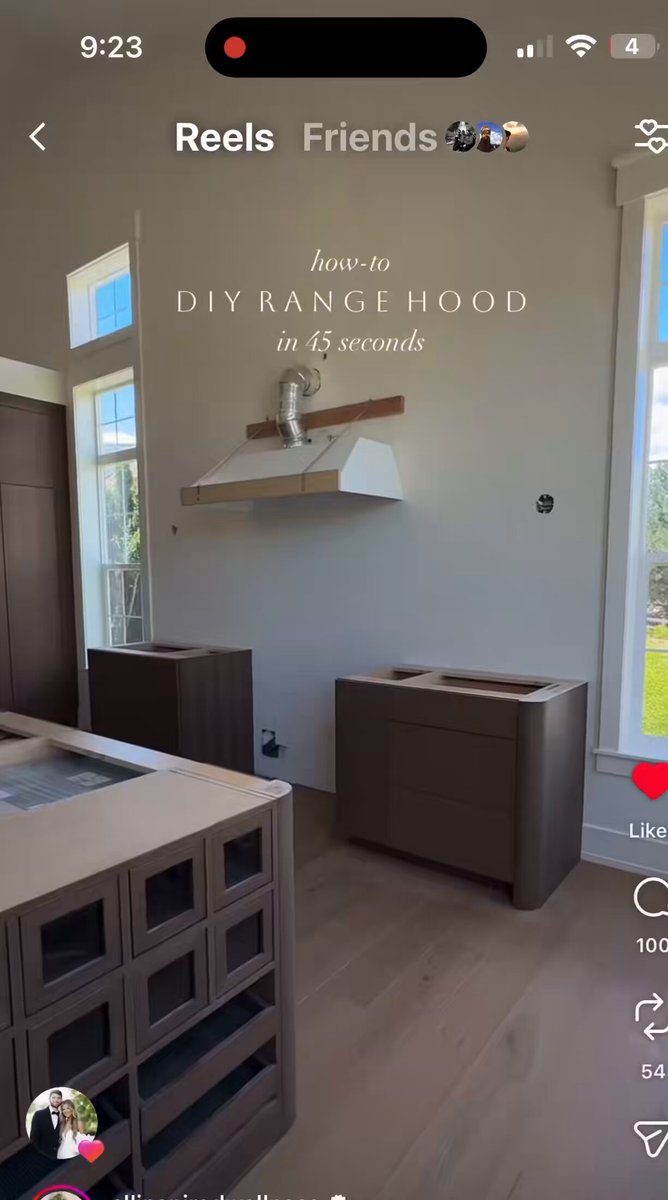
Pinned Tweet

9 May 2024
Little bit about myself and my background. I’m a 28 year old licensed GC / real estate agent and I went to University of South Carolina. I have completed over 50 builds in the past five years. Always eager to learn and grow my business.
18
3
192
68,263
This lady wraps caskets for a living…there truly is a business for everything
1
6
1,905
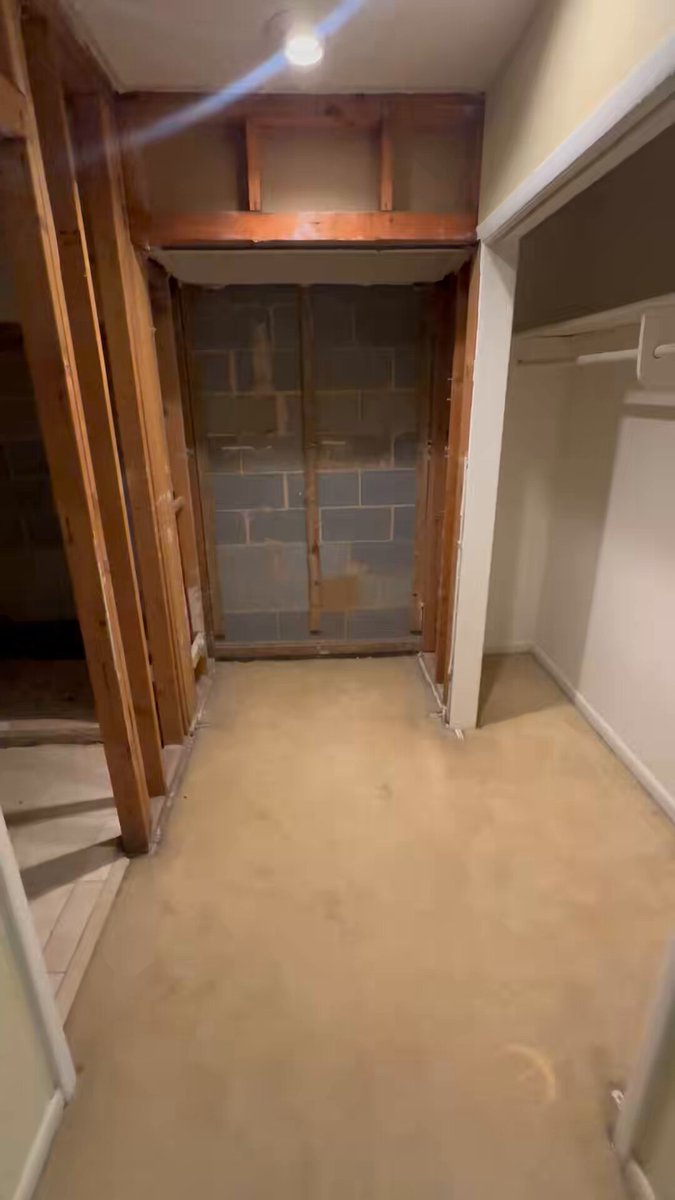
Nothing could prepare me for what I thought was just a normal closet
6
16
7,279
Home Builder Tanner Alexander retweeted

HGTV said you can make $80,000 flipping a house
They left out $37,000 in costs they never show on camera
Every episode: buy for $150,000, renovate for $50,000, sell for $280,000, "profit: $80,000!!!" Everyone at home does the math on their couch and thinks they should quit their job
I've flipped 80 houses. That math is a lie. Not an exaggeration. A lie
Here's what a flip actually costs that HGTV will never put on a chyron because it would ruin the fantasy:
AGENT COMMISSION: 5-6% of sale price. On a $280,000 sale that's $14,000-$16,800. This is the biggest cost they never mention. You're paying someone $16,000 to list your house on a website and hold 3 open houses. Unless you sell it yourself (FSBO), which has its own costs and headaches, this money is gone
CLOSING COSTS ON THE PURCHASE: 1-3%. Title insurance, attorney fees, recording fees, transfer taxes. On a $150,000 purchase that's $1,500-$4,500
CLOSING COSTS ON THE SALE: 1-2%. More title fees, more transfer taxes, more attorney fees. Another $2,800-$5,600 on a $280,000 sale
HOLDING COSTS: The entire time you own the property and can't sell it, you're paying property taxes, homeowners insurance, utilities, lawn care, and loan interest. For a 4-month renovation on a $150,000 house that's $6,000-$10,000. Longer renovations = higher costs. Unexpected delays = bleeding money every day
THE SURPRISE BEHIND THE WALL: every flip has at least one. Mold behind the shower tile. Knob-and-tube wiring that has to be replaced. A joist somebody cut for plumbing that's now sagging. Water damage under the subfloor you couldn't see until you pulled up the carpet. Budget 15-20% over your renovation estimate or you'll run out of money before you finish. On a $50,000 renovation that's $7,500-$10,000 in surprises
PERMITS: $500-$3,000 depending on scope and municipality
Now let's redo the HGTV math with real numbers:
Purchase: $150,000
Renovation budget: $50,000
Renovation surprises (15%): $7,500
Closing costs to buy: $3,000
Holding costs (4 months): $8,000
Closing costs to sell: $4,200
Agent commission: $16,800
Total actual cost: $239,500
Sale price: $280,000
Actual profit: $40,500
Not $80,000. $40,500. Half of what they said
And that's if NOTHING else goes wrong. No contractor delays. No permit issues. No buyer's inspection killing the deal at the last minute. No market shift during the 4 months you're holding. No second round of surprises after you open the second bathroom wall
If the renovation takes 6 months instead of 4, your holding costs jump to $12,000-$15,000. Profit drops to $35,000. If the surprises are worse than expected and renovation hits $65,000 instead of $57,500, profit drops to $28,000. If the market softens 3% during your hold period and you sell for $272,000 instead of $280,000, you're at $20,000 profit on 6 months of work
$20,000 for 6 months of managing contractors, visiting the jobsite every other day, dealing with permits, sweating over the appraisal, staging the house, negotiating with buyers, and waking up at 3am wondering if the foundation inspector missed something
That's $3,333 per month before taxes. After self-employment tax and income tax, you're clearing about $13,000. Many full-time jobs pay more with less stress and a dental plan
I'm not saying don't flip houses. I flip 35 a year. I love it. But I make money because I buy at 60-65% of after-repair value, I stick to cosmetic renovations, I know my exact costs on every line item, and I've done it enough times to know what $4,200 in paint and $6,800 in flooring buys me at appraisal time
The people who lose money flipping houses aren't unlucky. They watched HGTV, ran the fake math, bought a house at 85% of ARV, and discovered the real cost structure after they were already in too deep to walk away
The 70% rule: don't pay more than 70% of after-repair value minus repair costs. If a house will be worth $280,000 after renovation and the reno costs $50,000, your max purchase price is ($280,000 x 0.70) - $50,000 = $146,000. Not $150,000. Not "close enough." $146,000 or you walk
Every dollar above that line comes directly out of your profit. The people on HGTV are buying at 80-85% of ARV. That's why they need a TV show. The margins on their deals don't work without the production company subsidizing the renovation budget
Stop getting investing advice from a network that also airs Diners, Drive-Ins, and Dives
144
68
765
305,660
Such a cool home showing yesterday in middle of Charlotte. 4 bed, 3 bath, .4 acres, huge pool, 2,240 sq ft. What do you think this home cost?
6
14
6,389
Are you kidding me 🤤
Jun 6

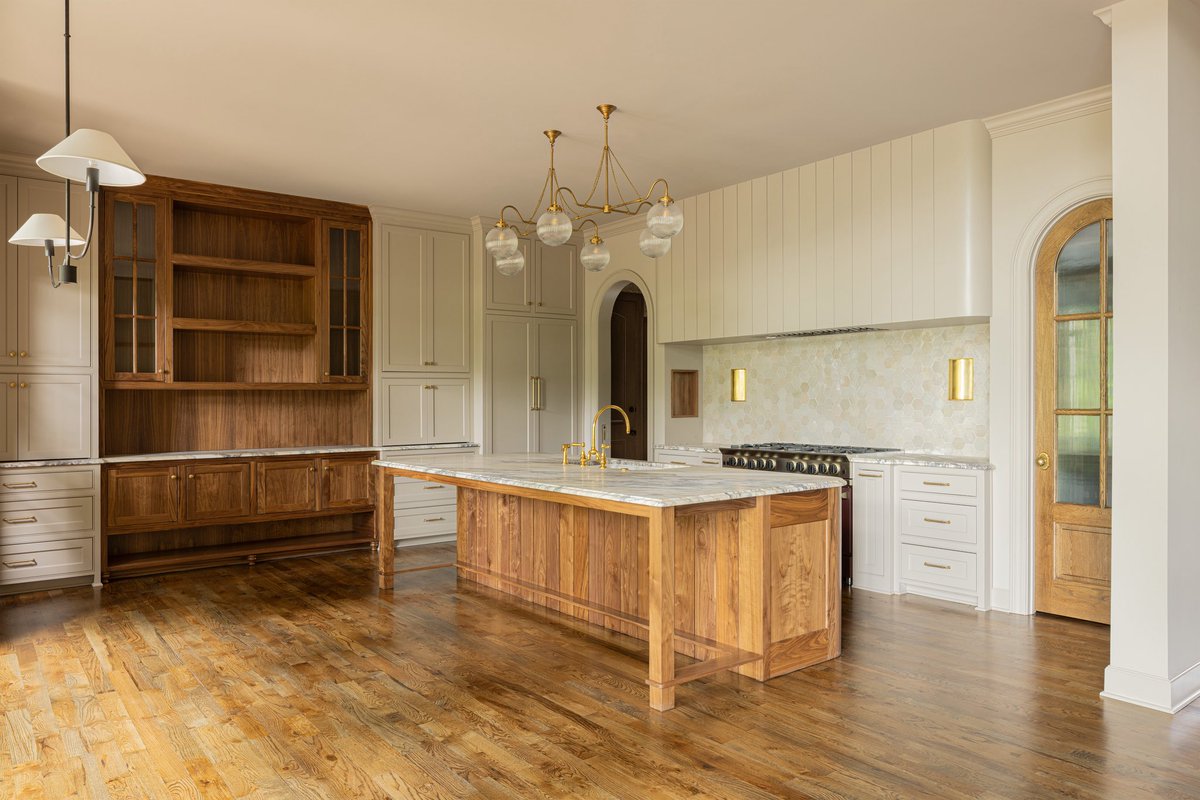
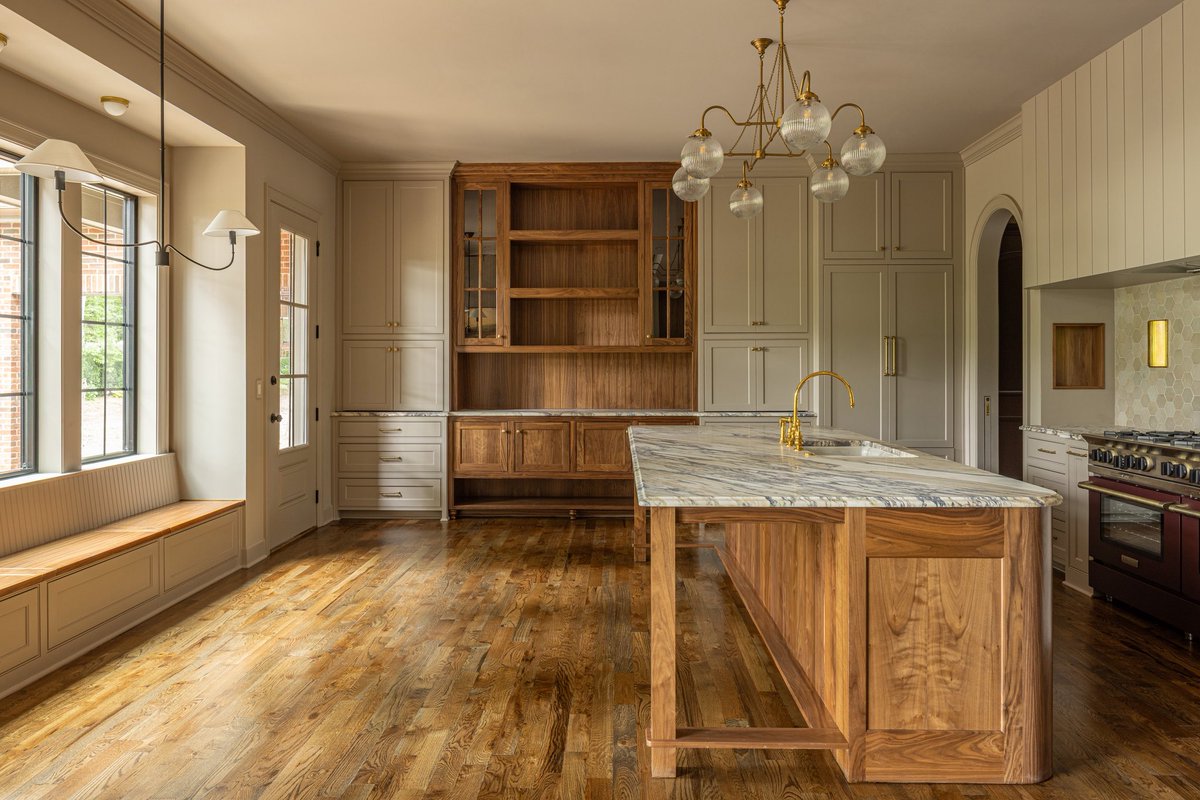
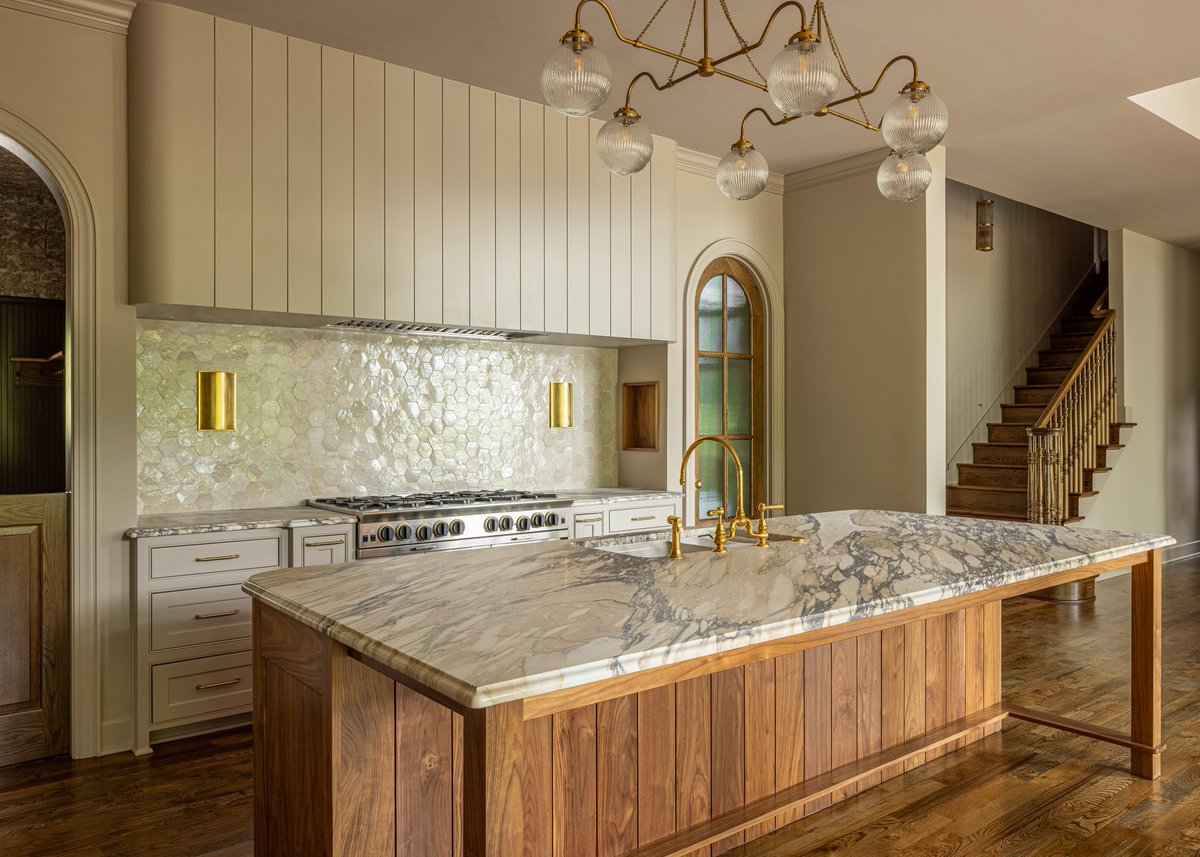
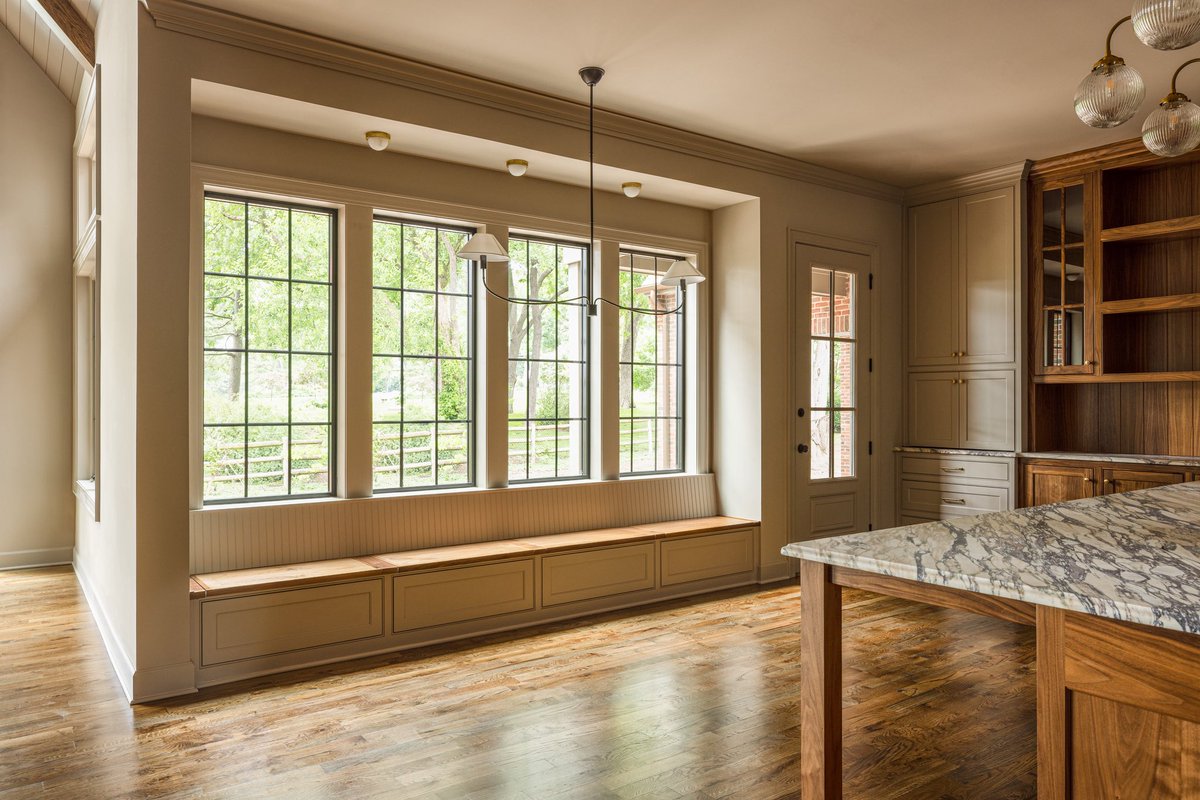
Walnut and painted cabinets! 😮💨 recently finished home. No white paint on any wall or cabinet in this house.
5
1
71
10,203
Good news: someone called the number off of my truck
Bad news: they screamed at me for running a yellow light
18
66
3,816
What happened to Bobcat as a company? Everyone I know who runs a grading/tree/mulch/etc company runs Cat, Kubota, Deere, or Tak. I don’t know a single one with bobcat anymore
75
1
281
109,051
Don’t tell @jasonc_nc

2
781
Time to quit my business and be a full time tree house carpenter
6
1
52
2,635
“Can you quote what it would cost to finish this bathroom?” Talk about a jump scare
4
9
2,107
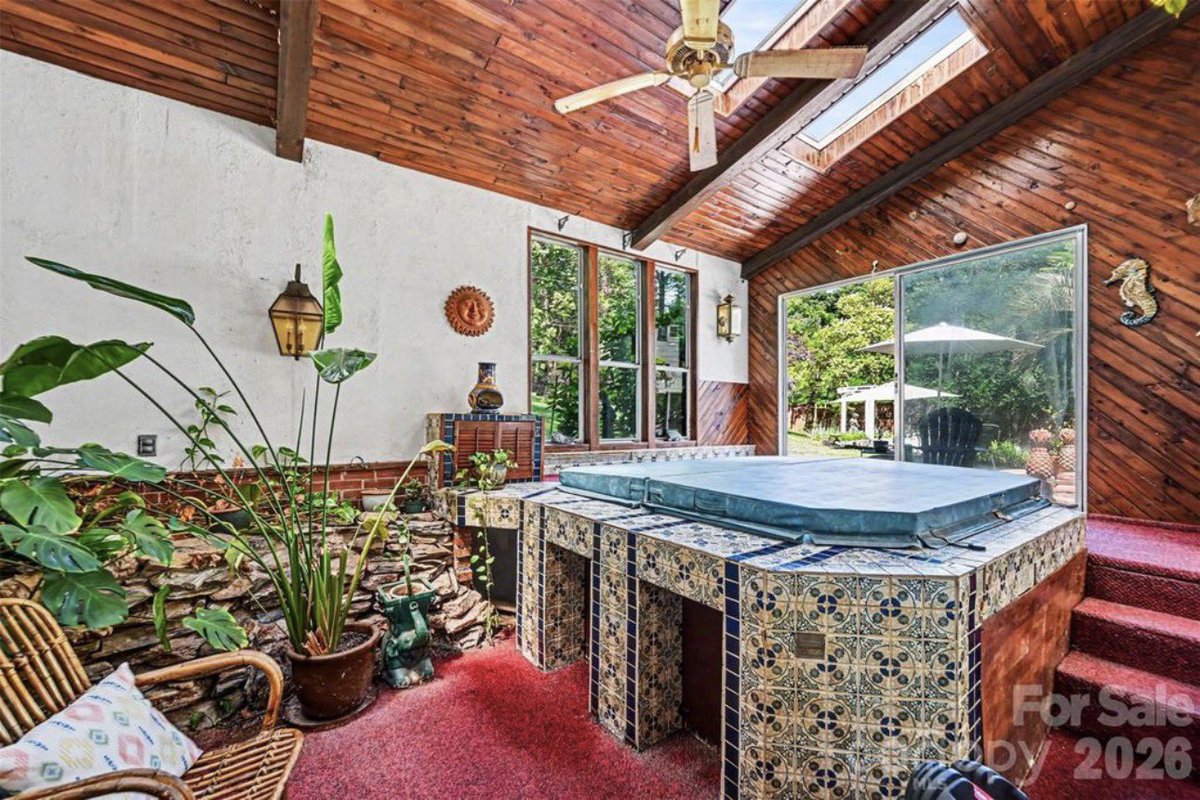
My lord I bet this hot tub room on the 70’s absolutely popped off. Showing this home on Saturday.
6
21
2,156
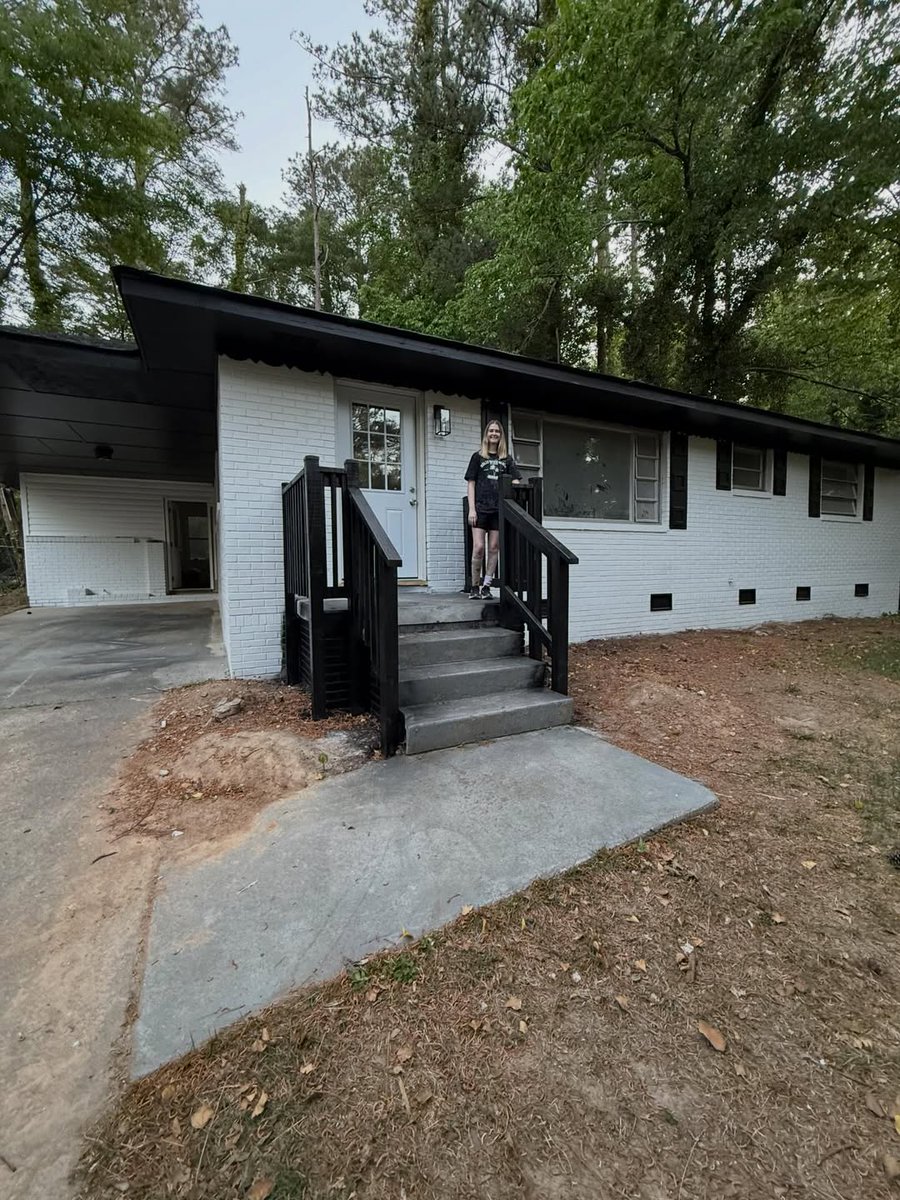
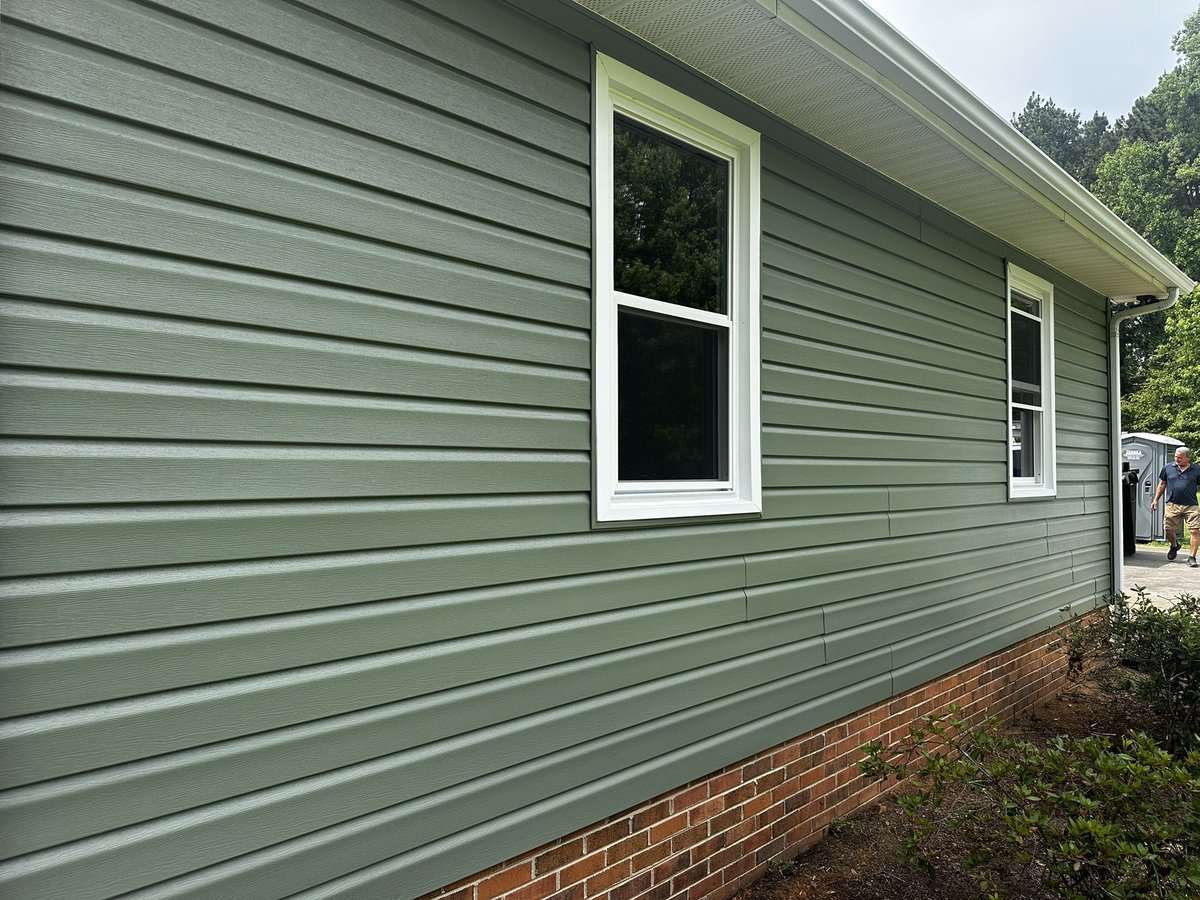
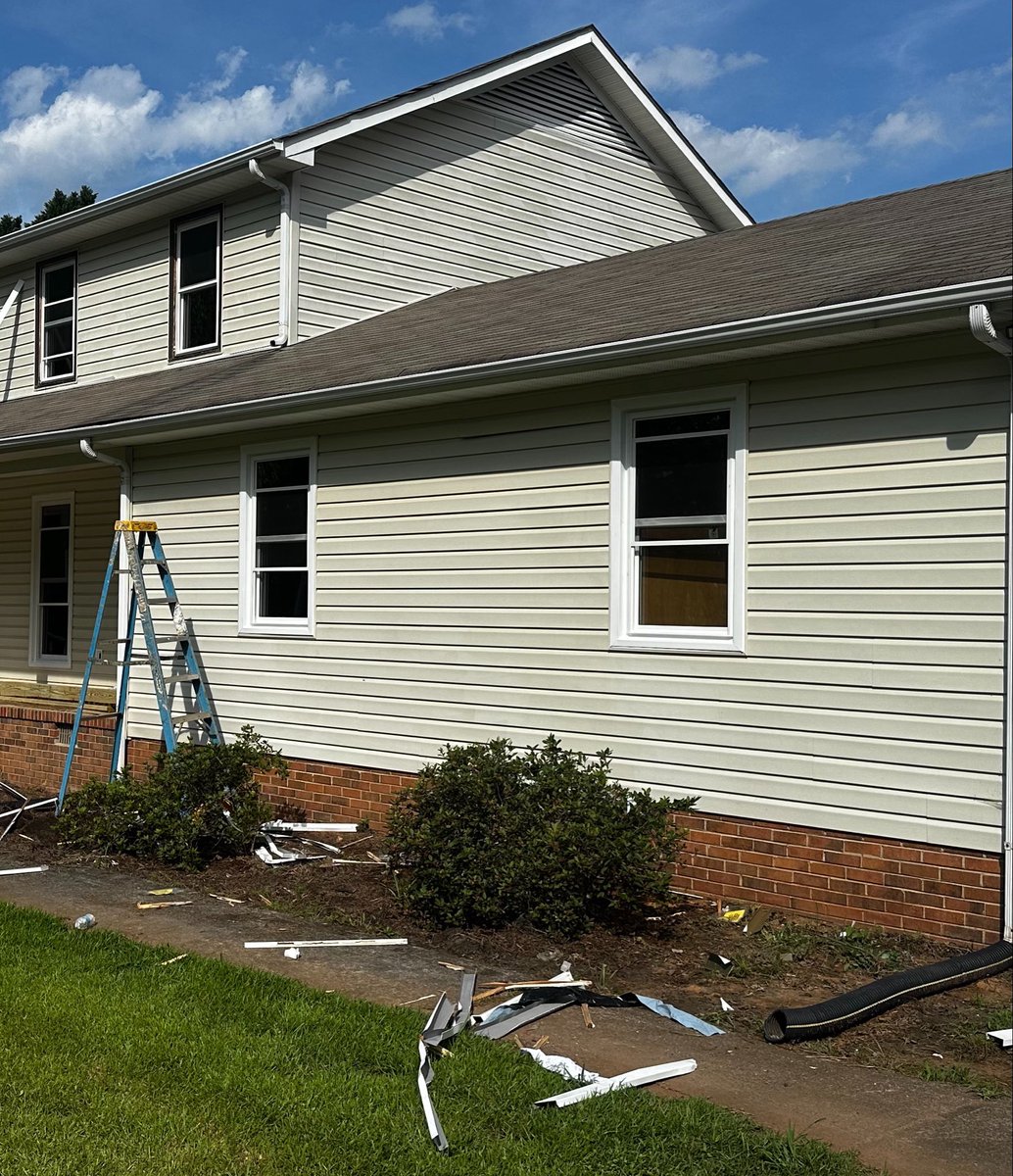
What if I told you this vinyl siding was painted
13
1
42
7,782
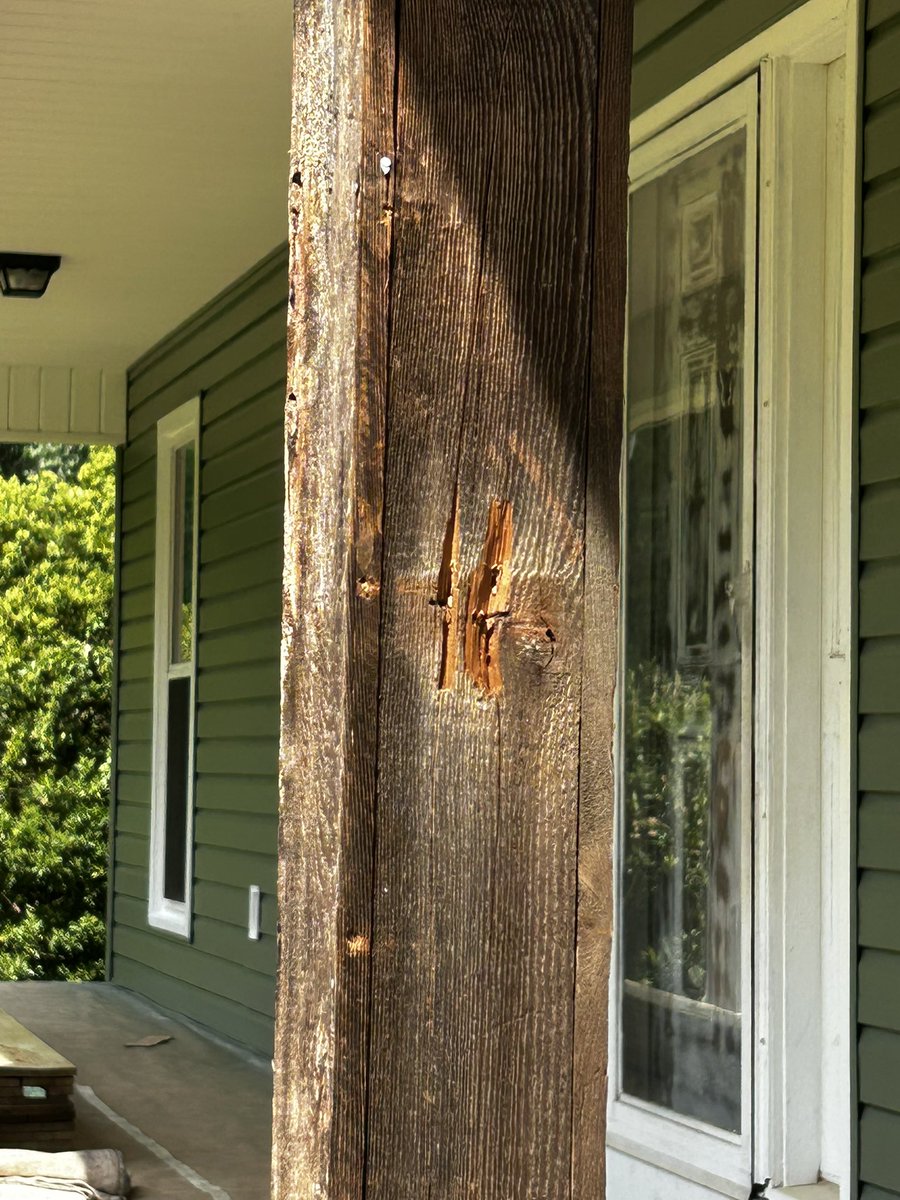
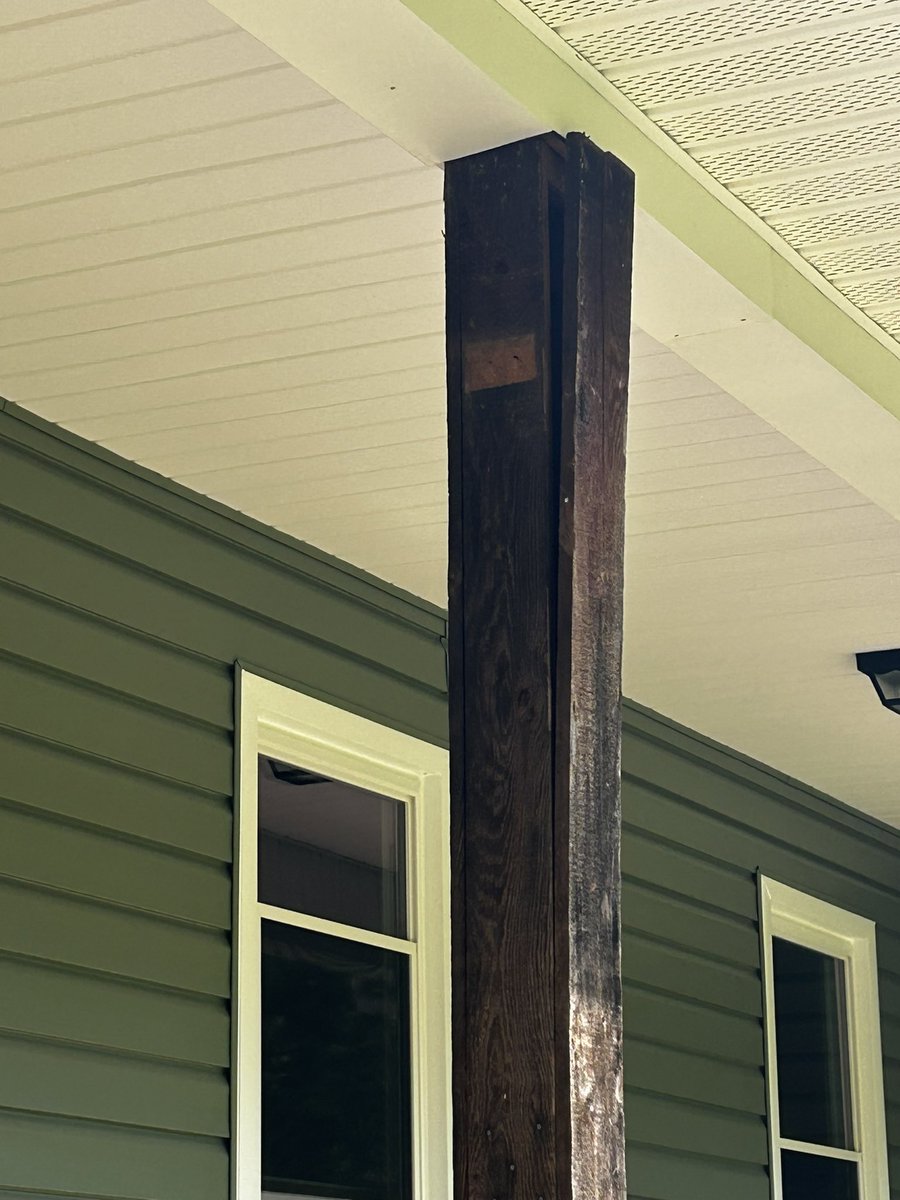
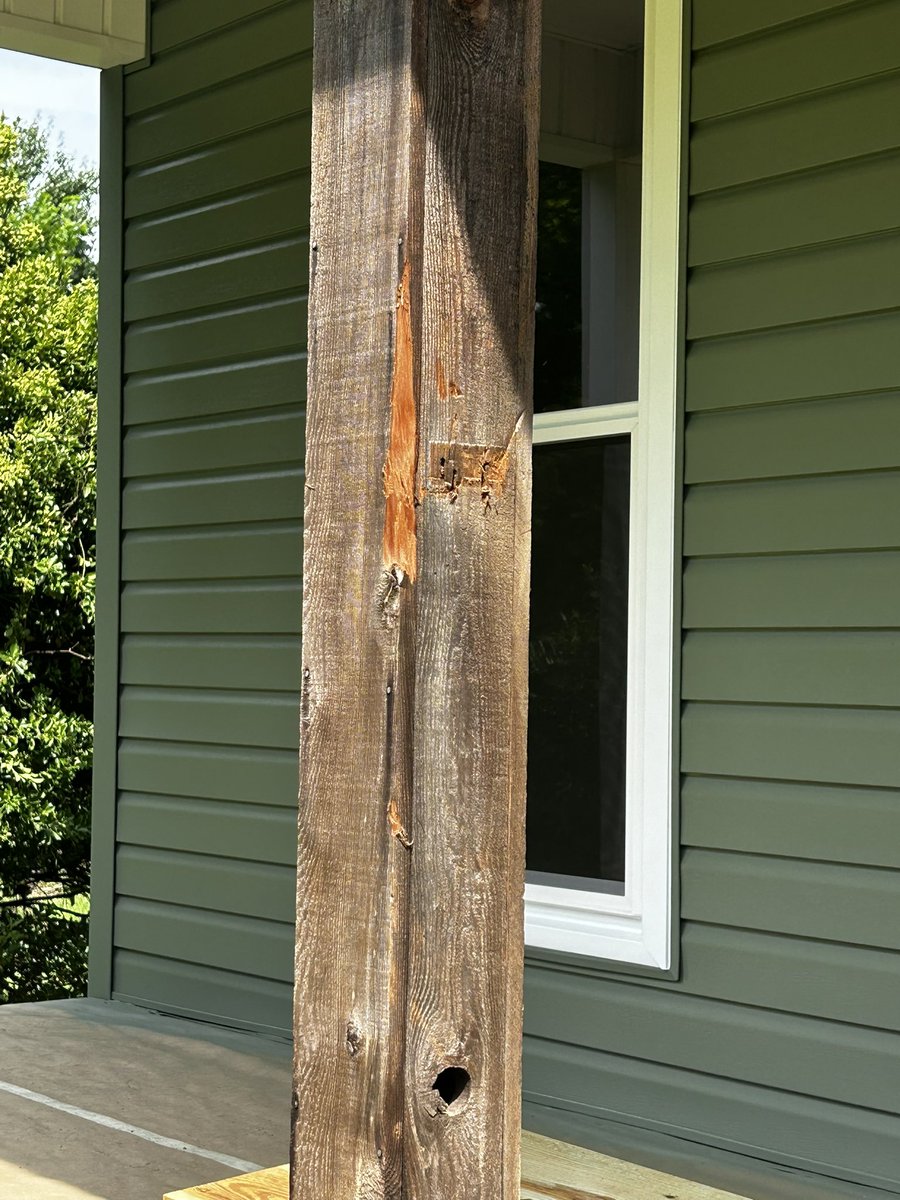
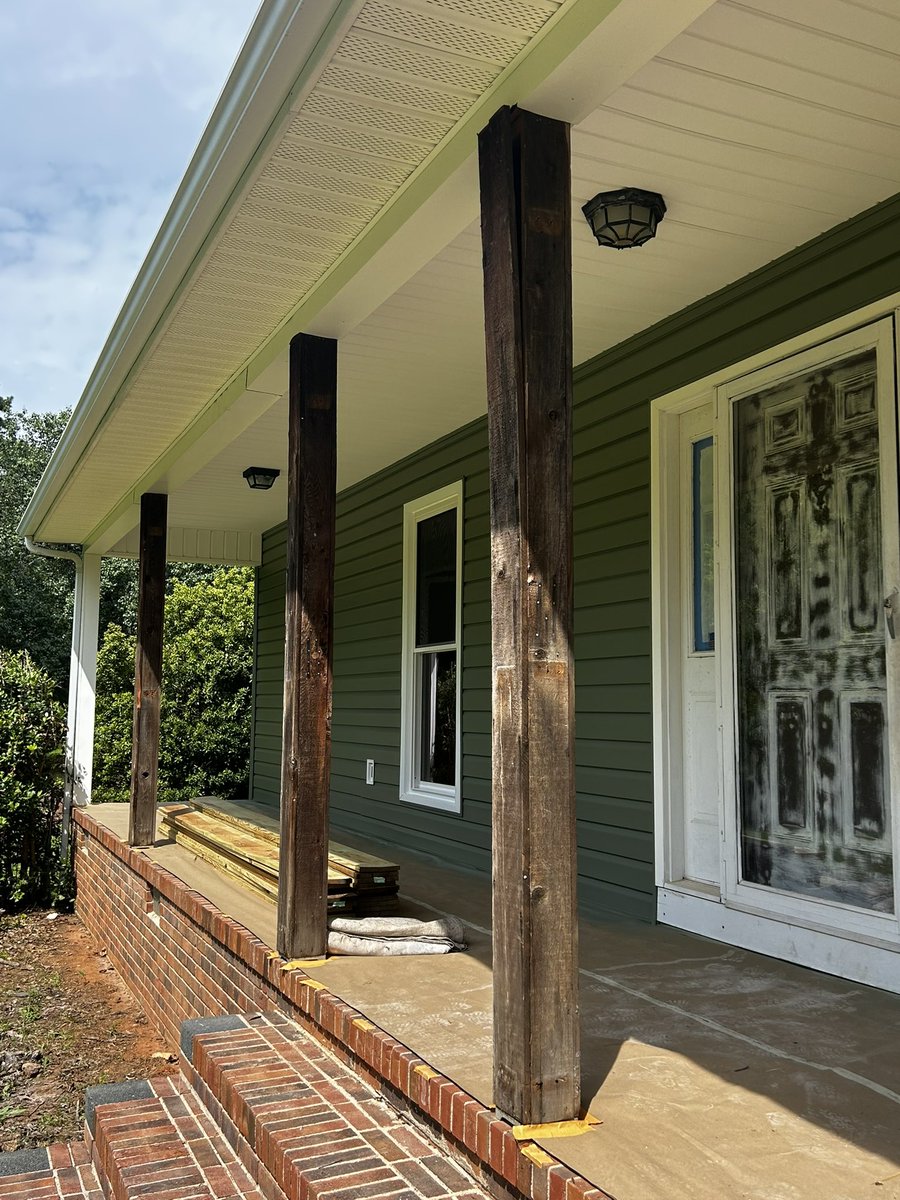
I leave the jobsites for two days and this is what happens 😂 these are not the treated posts I asked for
13
52
16,185
Had over 10 mil impressions this last month. Payout - $70
7
21
1,887
Quoting a custom home.
“We want 2,500 sq ft with Hardie, stone, 6 burner gas stove, tile in every bathroom, instant water heater, cabinet’s to the ceiling, paella windows, and built ins everywhere for 450k.”
🫠
63
173
78,702
Misspell pella windows so people know your tweets not ai
1
35
6,236
Wife booked us a last minute vacation to Charleston. Glad to get away from work for a few days.

23
1,168
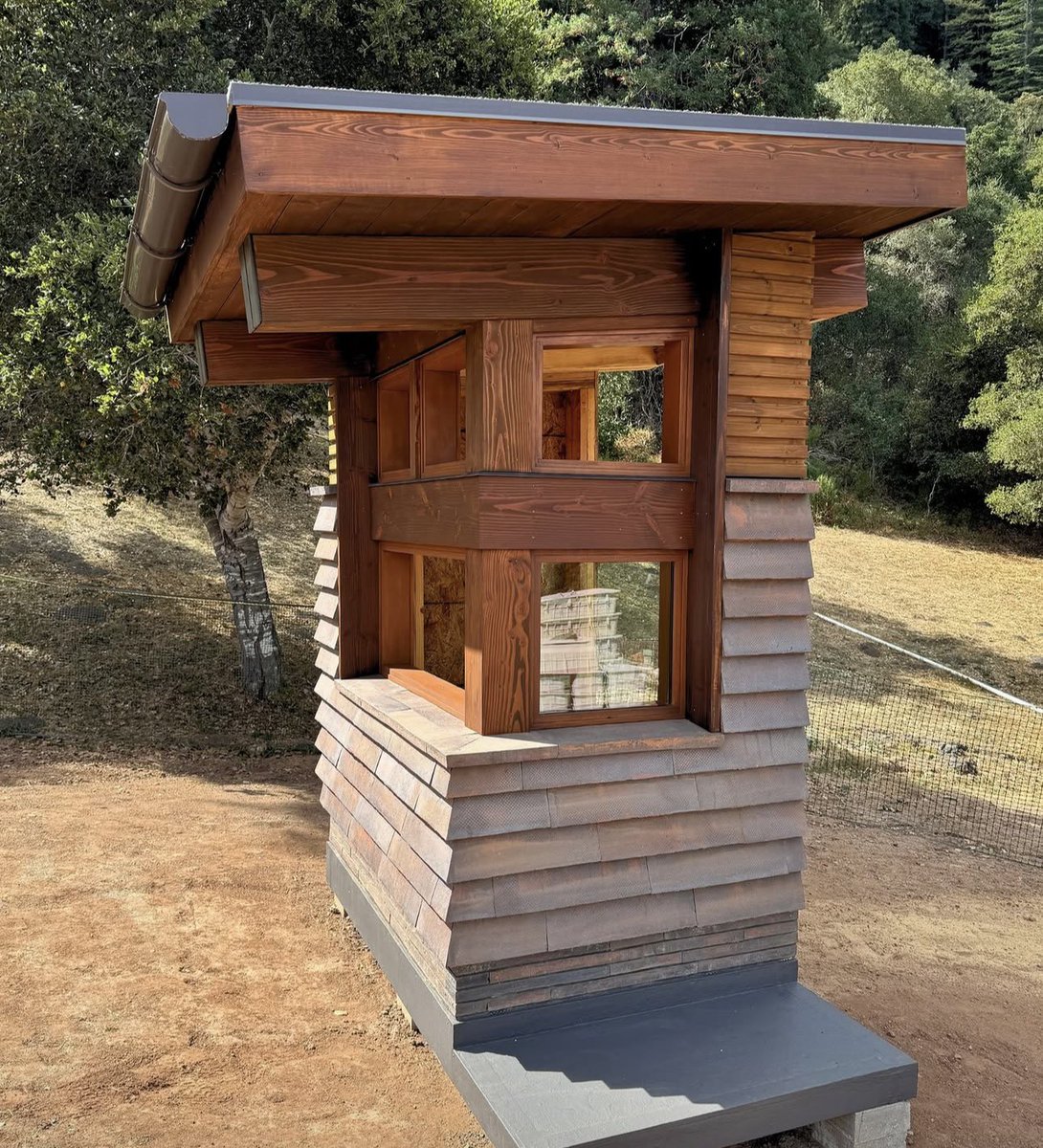
These full scale exterior mockups are one of my favorite things in homebuilding. They let neighbors, clients, and architects see exactly how the home will look before it’s built
10
1
87
4,780