まちかどハンダ付け職人です/電子ガジェットを作ってます。マイコン関連の回路設計から試作・量産まで。ソフトウェアもちょっと書ける、安心と実績のココナラプラチナランキングです。お問い合わせは以下のリンクまで/たれぱんだとYS-11とロードバイクが好き/コロナ7回接種済/補聴器使ってます
Joined March 2008
- Tweets 97,164
- Following 1,602
- Followers 2,058
- Likes 85,511
6,112 Photos and videos






Pinned Tweet

24 Mar 2025
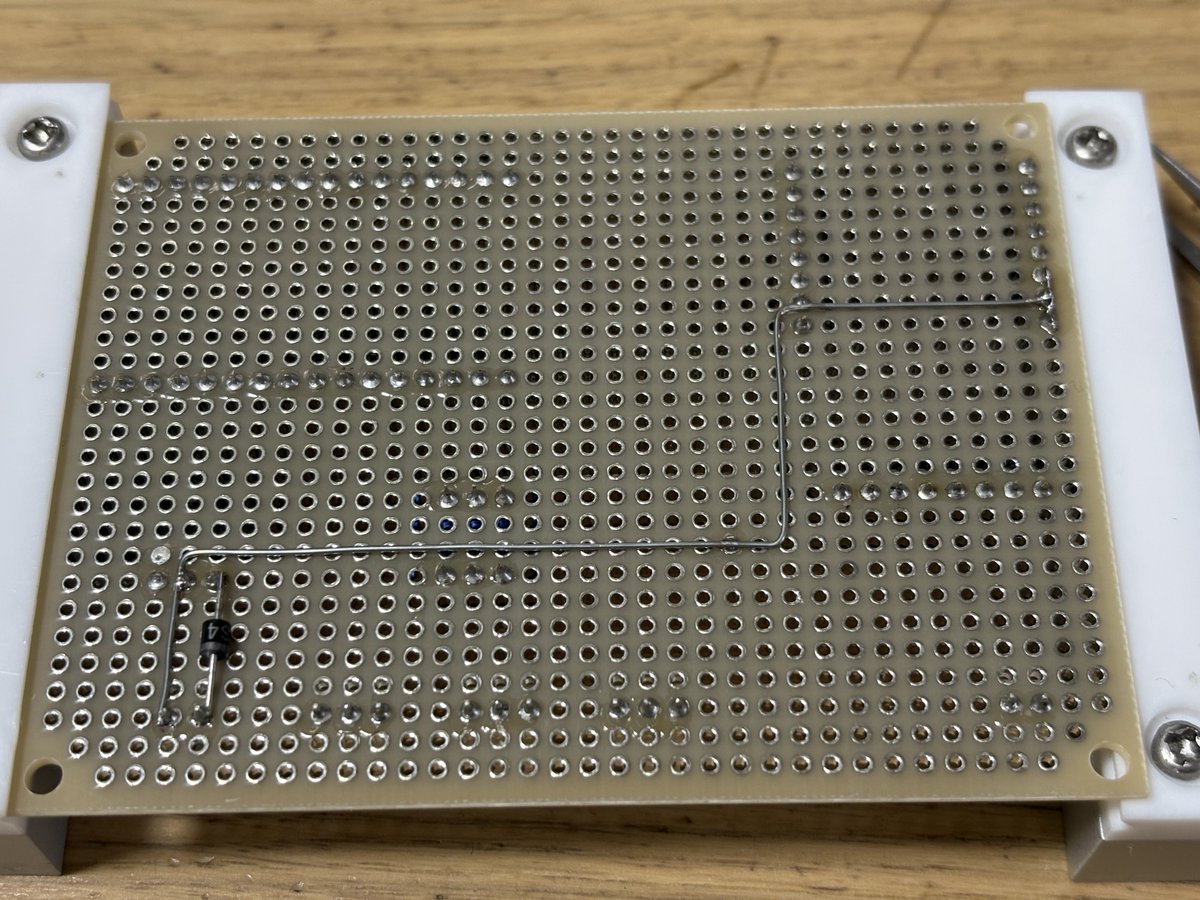
と、書いていると背中にいろいろ刺さる。
倉橋屋製ニキシー管時計、何か問題があれば、お気軽にご相談くださいませ。
WiFi対応でOTAアップデート可能な仕様とはいえ、スタティック駆動かつ電圧可変という変態回路なので、私が死んだときに回路図などを公開する仕組み考えないとね。
2
2
18
9,772
同感です。
「知らん人に積極的に害をなす」感覚がまず理解できないし、「そんなリスクにしかならないことをなぜするのか」も理解できない。
なにより「自分が下劣な人間であることを表出して喜んでいる」のは人前で粗チンを晒しているのと同等の変質行為だとすら思う。
何故、やるんだろう?
7h

吊り目ジェスチャーが話題になるたびに不思議なんだけど、海外の人々による「黄色人種を差別してやろう」という熱いパッションはどこから来るんだ。普段暮らしていく中で、「お、他人種だ!挨拶がわりに差別してやろ!」みたいな感情ってなかなか湧いてこなくない?
1
105
コーンのついた超音波スピーカー、買ってみたらピエゾ駆動だった……まぁ HC-SR40みたいな金属缶より良いのか悪いのかわからないけども。
っっていうか超音波計測できる設備がにゃいので秋月から80KHzまでのマイクを慌てて買ったっす。
ところで……「誰」の周波数特性を信じればいいの?
40
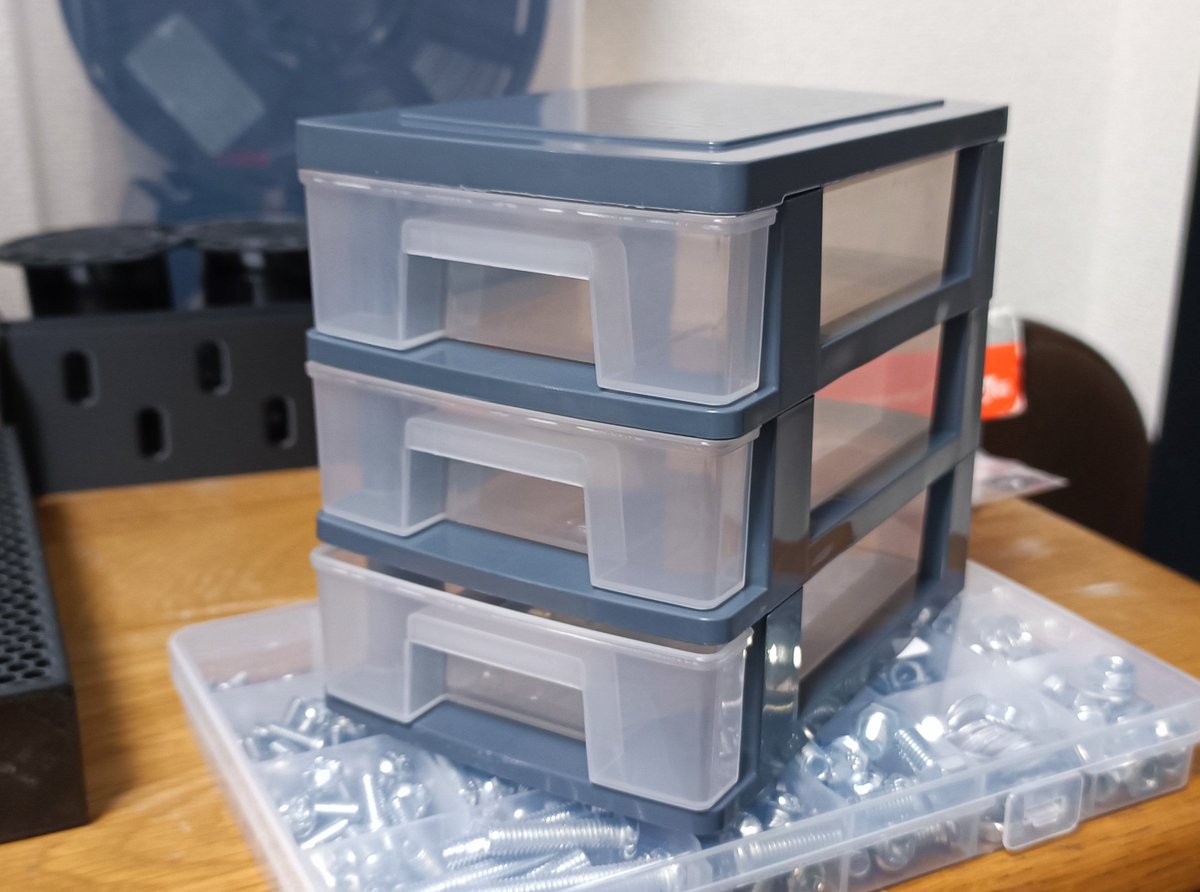
以前は「100均で買うほうが安い」っていうと数万の3Dプリントユーザーがタヌキになったものだが……
時代は成熟したものだの(談・たぬき

67
日経CNBCの記事、同じ広告が毎回最初に流れるので反射的にパスしてしまう。
テレビならオープニング→CMは自然なのかもしれないけど、わしら「そんなら見ない、他にも情報源はあるんやで」という感覚だと気づいて♡
Jun 1

【あらためてGAFAMの業績と見通しを再確認】
GAFAMの予想成長率を売上高予想及び純利益など様々な角度から分析。強い数字を出しているマイクロソフトをどう見るか。
本編は日経CNBC onlineで配信中
11
くらはし/Koichi Kurahashi ⋈ retweeted

Jun 13
日本人の声を代弁してくれてありがとう☺️
「お前ら外国人のせいで、日本は今危ない状況になっている。」
英会話教師で日本に住んでる外国人配信者が外国人のせいで日本の治安が悪化していると忠告する動画をアップ。
まじでこの通り過ぎる、本当にありがとう👇
194
10,677
32,344
424,815
ヲタやホビースト、メイカーの遺品整理の話。
自ら整理して最後にトラスコのオリコンだけが残りました
っていうのが一つの理想かもしれないなと思った。
ほら、虎死して皮残すって言うじゃん←違
101
この週末ずっと実装機を再調整してきたけども、問題を解決できぬうー。
人の作ったソフトウェアこれだから嫌いだー。
ぬうー。
30
買ってきた安ジンが美味しくないので、とりあえずライムジュースで割って雑ギムレットにしようとおもったらレモンしかない。
……これはこれで飲めるw
28
くらはし/Koichi Kurahashi ⋈ retweeted

琴平のうどんタクシーのドライバーさんになるためには、筆記試験だけでなく、なんと『手打ちうどん試験』もあるんだそうです!!うどんを愛する方だけがなれる仕事!!!めっちゃうどんの知識が豊富!!タクシー乗車中もずっとうどんの話で楽しすぎました!!!是非、うどんタクシー乗ってみてね!



20
251
2,911
36,241

自分が非常勤やってた保健所では、こういうクレーマーに検便を行い他の利用者の健康調査もした上で疫学的に「クレーマーがウソをついて金を無心してる可能性」があったら警察に連絡していました
何故そこまで対応したかというと、こういう生活保護と、生活保護の言いなりで記事を書く毎日新聞やYahoo!のような社会のゴミのせいで消費期限の近い商品を値引きしてくれる区内のスーパーやコンビニ、「試飲や試食」を仕事とするマネキンさんにまで被害が及ぶからです 役所と警察はゴネ得を許さない社会を作らないといけない
毎日新聞とYahoo!は生活困窮者から無償のパンを奪い、我々から安売り惣菜を奪い、マネキンさんの仕事も奪ってる
#毎日新聞は社会のゴミ
#Yahooは社会のゴミ
Jun 13

腐敗しやすい惣菜パンなどでない
そもそも類例が報じられていない
職員は消費期限について説明済み
食べて数時間後に腹痛などが発生
病院などを受診したわけではない
保護費支給日までまだ日があった
うん。やっぱり不自然やね。
8
1,354
4,224
208,556
くらはし/Koichi Kurahashi ⋈ retweeted

Jun 13
A bit odd, don’t you think?
As soon as Muslims started immigrating to Japan, its Shinto shrines and Buddhist temples started burning down, just like the churches in Europe.
1,327
29,662
111,046
1,147,069
悪さをしないアニサキスは前に何かで見たことがあったけど……検診センターだとそこで見つけても"駆除"してもらえない、というのは知りませんでした。
胃カメラでポリープ取ってもらいましたけど、あれはクリニックだから取ってもらえたんですね……。

医「"アニサキス"ですね」
女「え!?アニサキス!?今いるんですか!?
でも痛くないですよ!?」
医「アニサキスって、痛みが強く出る人もいれば、
じつは"でない人"もいるんですよね〜」
女「え〜...、でもそのまま胃酸で死にますよね?」
医「いや、死んだとしても
体に"良くないこと"を起こすので
取り除かないとダメですよ」
(つつかれても元気な白い糸)
医「うん、やっぱりアニサキスですね。
...ただ、申し訳ないんですけど、
ここ健診センターなので
この場で取り除けないんです」
医「紹介状を書くので、
病院で取ってもらいましょう」
女「えっ!...つまり、もう1回胃カメラですか...?
いやああぁぁぁーー」
↓
169
通勤車両の設計基準だと「1人分の幅」が平均的男性の肩幅よりも狭いと聞いたことがあります。


116
なるほどー。
ところで組み立て治具を見てみたい ^ ^

1
90
え、搭載する位置と方向、それでいいんすか?

🚨 MERCEDES JUST PUT A MOTOR ONLY 8 CM THICK INTO A CAR THAT CAN HIT 62 MPH IN 2.1 SECONDS.
Instead of conventional radial flux motors, Mercedes is betting big on axial flux technology. In these motors, the electromagnetic force flows parallel to the axle, allowing two magnetic rotors to sandwich a central stator in a flat, disc-like layout.
The result is dramatically smaller and more powerful. The front motor in the new all-electric Mercedes-AMG GT 4-door Coupe is just 9 cm wide. The rear motors are even thinner at roughly 8 cm each. Despite their tiny size, they help launch the heavy performance car from 0-62 mph in just 2.1 seconds, with a top speed of up to 186 mph.
Why this matters:
• Axial flux motors are significantly more power-dense and can be up to 50% lighter than traditional designs
• Their extreme thinness frees up packaging space in the vehicle for better weight distribution, aerodynamics, or interior room
• Mercedes acquired YASA in 2021 and has spent years developing the complex manufacturing processes needed to build them at scale
• The technology is debuting in a high-performance AMG model, showing Mercedes is serious about using it in its most demanding cars
The deeper implication:
While most of the EV conversation focuses on batteries and software, the electric motor itself is undergoing a quiet revolution. Axial flux designs have long been seen as theoretically superior but extremely difficult to manufacture at scale.
By solving the production challenges and putting these motors into a real high-performance car, Mercedes is pushing the entire industry forward. The next generation of electric performance cars may not just have bigger batteries they may have fundamentally better motors.
We’re watching the physical hardware of EVs evolve as dramatically as the software has.
How important do you think motor technology (rather than just battery size) will be for the future of electric performance cars?
Follow for more frontier automotive engineering and electric vehicle technology.
7
952
オイルショックより前の生まれなもので、商品枯渇や目詰まりはいつか解消されるし、需給で高騰してもピークからは下がる、と静観できるのだよ(つらがまえがちがう
……半導体メモリーもどうかそういう方向で……。

報道しない自由やらを行使しまくっていた報道機関や出荷しない自由を駆使しまくっていた商社などが政府に直接ぶん殴られているw
それにしても"不良"在庫で阿鼻叫喚な米問屋を見て学ばなかったんだろか>商社
1
141
2DKの都営アパートでも廃棄だけで20万円ぐらいだったかなぁ……。
遺品整理士の方にざっと仕分けしてもらって判断つかないものを段ボールに詰めてminikuraに送ったりした費用を合わせたらいくらになったことやら……。
Jun 12

有給休暇とって実家の産業廃棄物処理
完了
日数は1ヶ月
費用は12万5000円(他社も同じような額)
今日はあとはゆっくりと
1
1
3
230
私、クルマも自転車も乗っているけども……これすり抜けようとしたんじゃなくて(それでも馬鹿だけど)、直前まで前走車に気づいていなかったみたいね……。
論外だ。
ただ、車にも馬鹿はいるわけで……お互いに一部の馬鹿のせいで母集団全体をけなすのは控えるのがフェアかなと思う。

1
6
5,264
おおー、その発想はなかった。>天地逆
Jun 12

You can deploy this 3D Printer in 16 seconds and print in anywhere seriously. No joke! muon_3d is coming soon to kickstarter. One 3D Printer to watch out for! And it is fast! It can print a benchy in 9 mins Showcased at sanjaymortimerfoundation 2026 #3dprinting #practical
1
111