
Tech Content Creator | Previously @AndroidAuth, @AndroidPolice, @Pocketnow | Tech reviews that turn you into a savvy buyer! youtube.com/@techusiast
Joined March 2017
- Tweets 2,897
- Following 645
- Followers 653
- Likes 3,167
1,466 Photos and videos




Pinned Tweet

13 Feb 2025
Welcome to the Techusiast channel! I'm Roland Udvarlaki, better known as Techusiast.
I've been creating videos since 2017 and have been in the tech industry and journalist space for nearly a decade. Here are the types of videos you can expect from my channel in 2025 and beyond.
2
5
1,376
The UK government's intention to protect young people by banning under-16s from major social media platforms is understandable, but the execution is deeply flawed. Following in the footsteps of Australia's recent legislation, this sweeping global trend toward blanket bans misses the mark. While restricted access makes sense for children under 13, sixteen-year-olds are generally mature enough to understand and manage online risks.
Instead of an outright ban, 16 to 18-year-olds, and indeed children under 13, should be given targeted guidance and robust digital education. We need to actively teach them about the real harms present online, from misinformation, violence, and predatory behavior to AI safety.
We need to teach children, instead of banning them!
Parents need tools to explain these risks, and education systems need to highlight these issues.
The biggest concern, however, is the threat to adult privacy. Forcing users to verify their identity through facial recognition, bank details, or flawed email systems is a massive overreach. This policy essentially demands that we sacrifice what little privacy we have left to tech monopolies like Meta, Google, and many others.
Instead of forcing users to send confidential data overseas, governments should look toward device-wide authentication methods. By implementing an encrypted, on-device standard managed by hardware makers, we could verify age locally and securely.
This approach would allow both adults and children to navigate the web safely without the constant fear of a massive data breach. Outright bans paired with intrusive surveillance are simply not the way to go.
Policymakers urgently need to pause and rework this strategy before they make a catastrophic mistake by mishandling data!
x.com/Techusiast/status/2066…

20
Jun 13
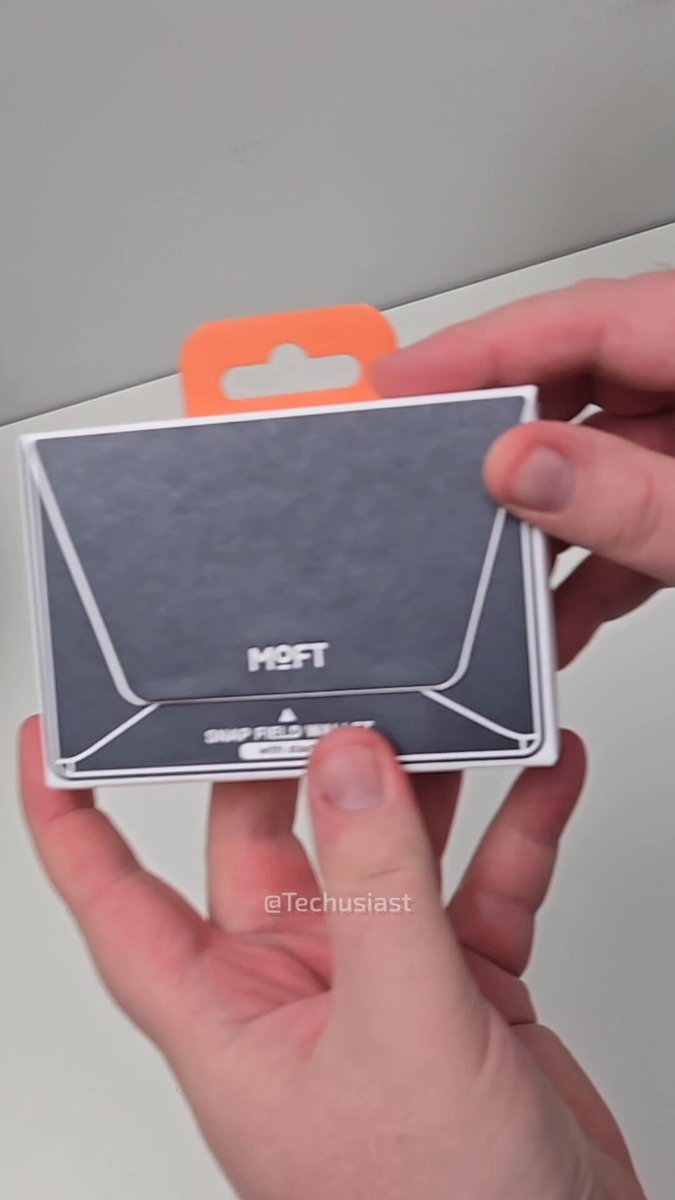
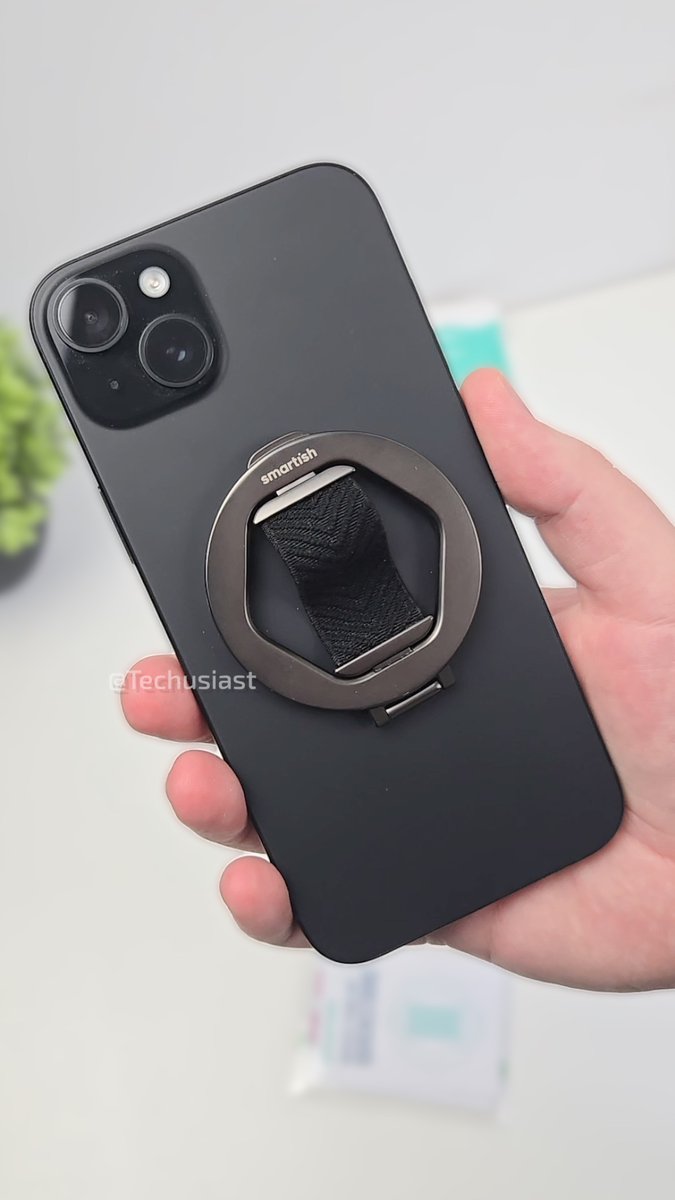
Unboxing the MOFT Snap Field Wallet MagSafe Stand. It's commute-friendly, relatively compact, and can store up to 8 cards, cash, coins, and even other must-have accessories.
It's available in 11 beautiful colors, and it can be used on all MagSafe-supported devices, such as iPhones, Google Pixels, Samsung Galaxy, and many other devices. What's more, you can also easily install it on non-supported devices, thanks to the included magnetic ring!
It's really versatile, and it feels durable and premium. It's certainly something that I can easily recommend to most of you, especially if you have a lot of cards, some cash, and some coins, like I often do.
🔗 (Affiliate) Check it out over at amzn.to/3Qbdhch OR moft.us/products/snap-field-…
#moft #magsafe #magsafewallet #iphone #iphone17pro @moft_global
113
Jun 12
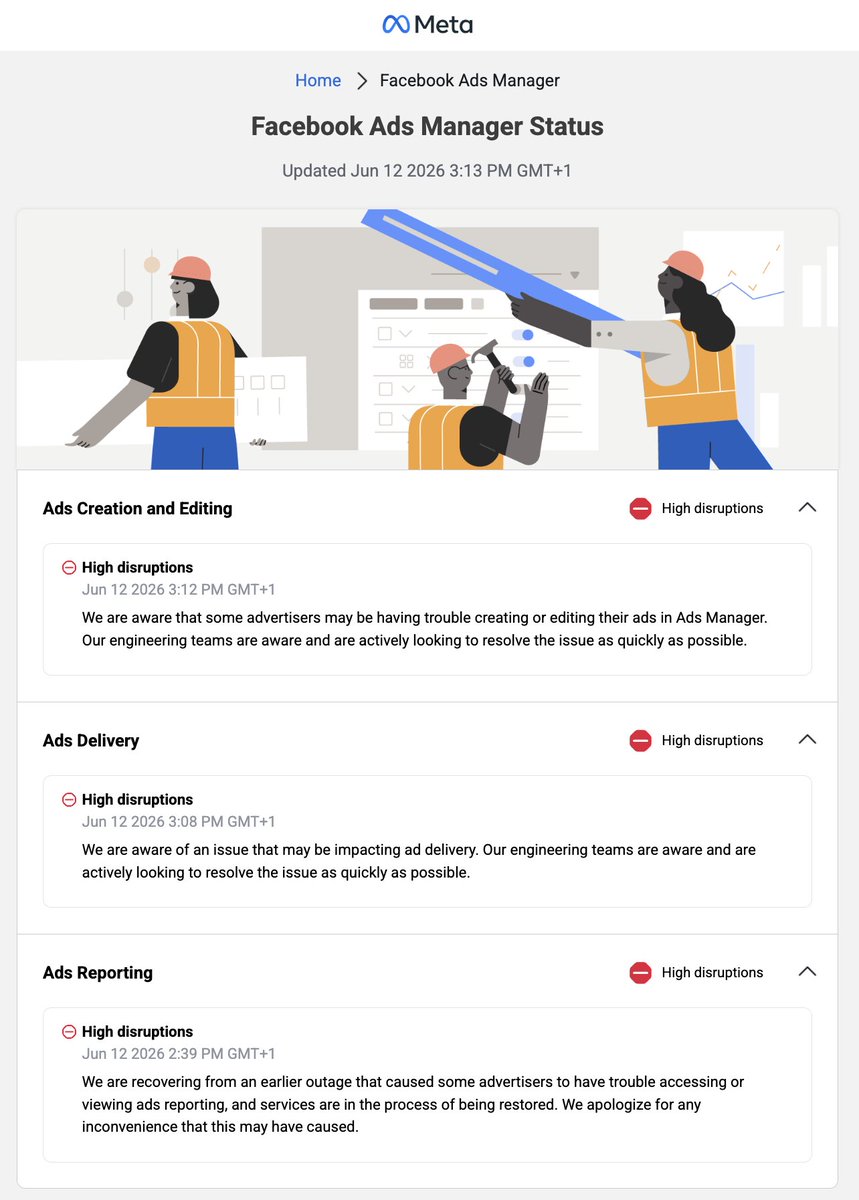
Weird. Facebook Messenger randomly popped up on my phone and said logging out. Facebook, Messenger, and Instagram are down.
Threads is loading on my end, but doesn't appear to refresh.
What's going on with Meta products?
1
2
8
1,397
Jun 12
Threads allowed me to post, but didn't allow me to upload the same image.
Instagram is now loading on my phone.
WhatsApp also appears to be unaffected.
1
106
Jun 12
Meta is aware of the issues and is working on a fix.
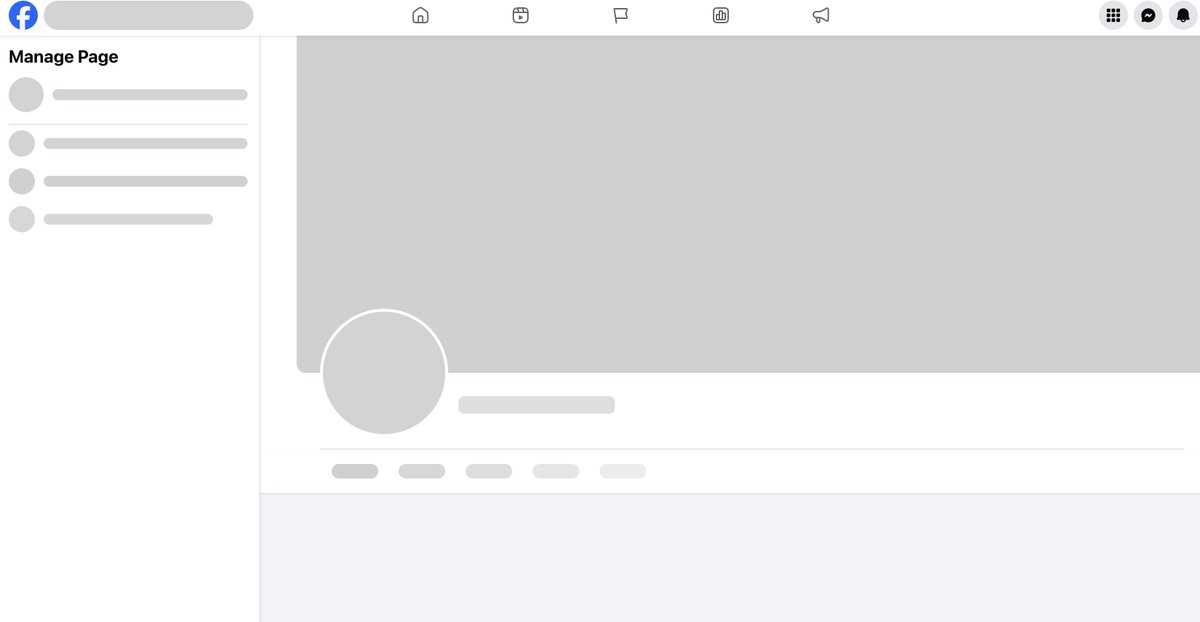
Facebook is still down on my end (on the web), though it loads on my phone.
#facebookdown
546
Jun 8
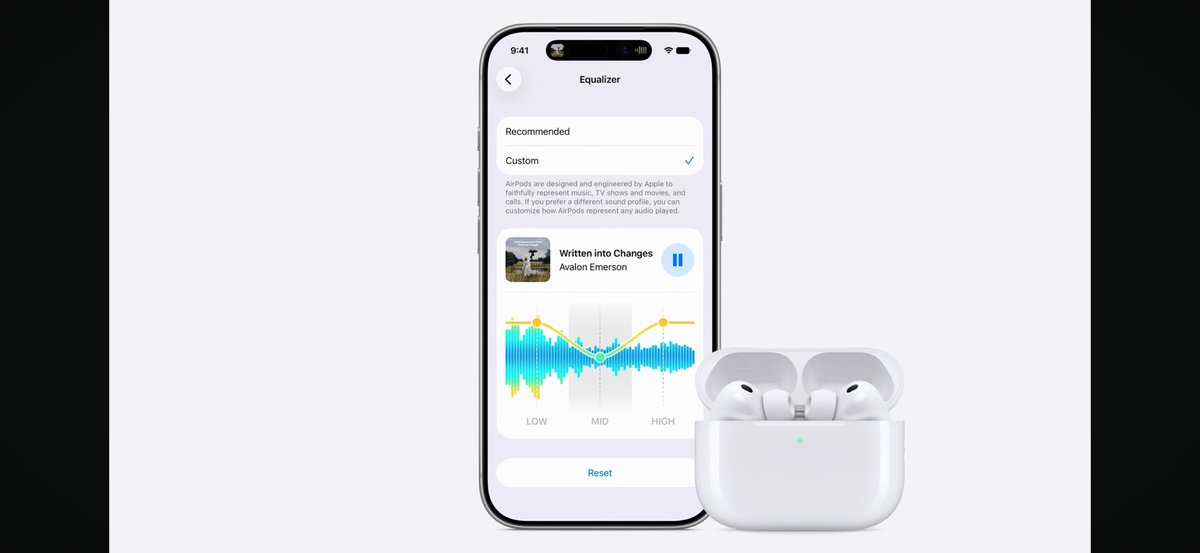
Ugh... But I guess, it's 3 more than what we had prior? So I guess that's better than nothing 🫣😅

The custom EQ for AirPods is only three bands. ☹️
1
1
798
Jun 8
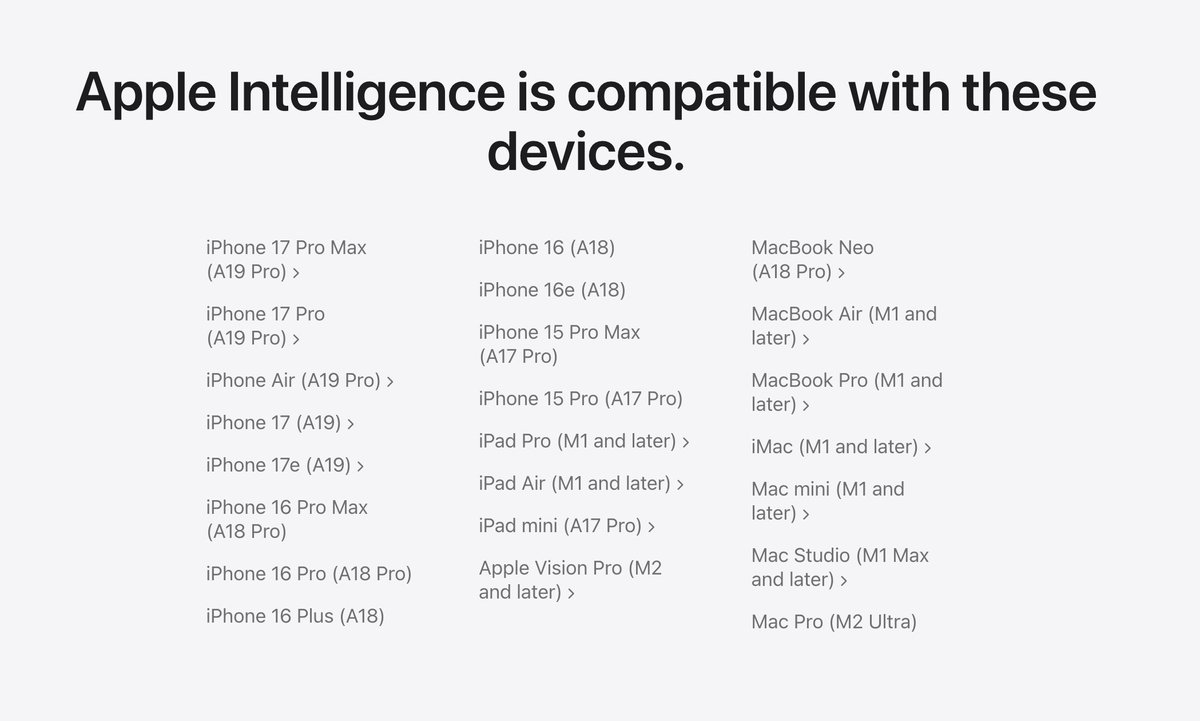
The fine print states:
Apple Intelligence and Siri AI in iOS 27, iPadOS 27, macOS 27, watchOS 27, and visionOS 27 are available on:
iPhone 16 models or later
iPhone 15 Pro
iPhone 15 Pro Max
iPad mini (A17 Pro)
iPad models with M1 or later
Mac with M1 or later
Apple Vision Pro
Apple Watch Series 10 or later
Apple Watch Ultra 2 or later
and Apple Watch SE 3.
When paired with an Apple Intelligence-enabled iPhone nearby.
#WWDC #WWDC26
Jun 8
Apple Intelligence Compatible devices
The more enhanced AI features, however, will be limited to the following devices:
iPhone 17 series, iPhone Air, iPad model with M4 and later with at least 12GB of unified memory, Mac models with M3 and later and at least 12GB of unified memory.
1
1,418
Jun 8
Apple Intelligence Compatible devices
The more enhanced AI features, however, will be limited to the following devices:
iPhone 17 series, iPhone Air, iPad model with M4 and later with at least 12GB of unified memory, Mac models with M3 and later and at least 12GB of unified memory.
1
1
2,304
Jun 8
Siri AI is much more capable now!
Ask for in-depth plans, go through documents, ask for directions, check photos, and lots more.
It all works on-device and in a safe cloud platform, also capable of searching the Web to provide up to date information with more privacy.
There's also a new Siri app on all platforms, enabling you to do more.
Siri AI will also be incorporated in Spotlight.
All of this is leveraged using a licensed version of Google Gemini, finally allowing Apple users to do more, more seamlessly.
It looks great! #WWDC26
57
Jun 8
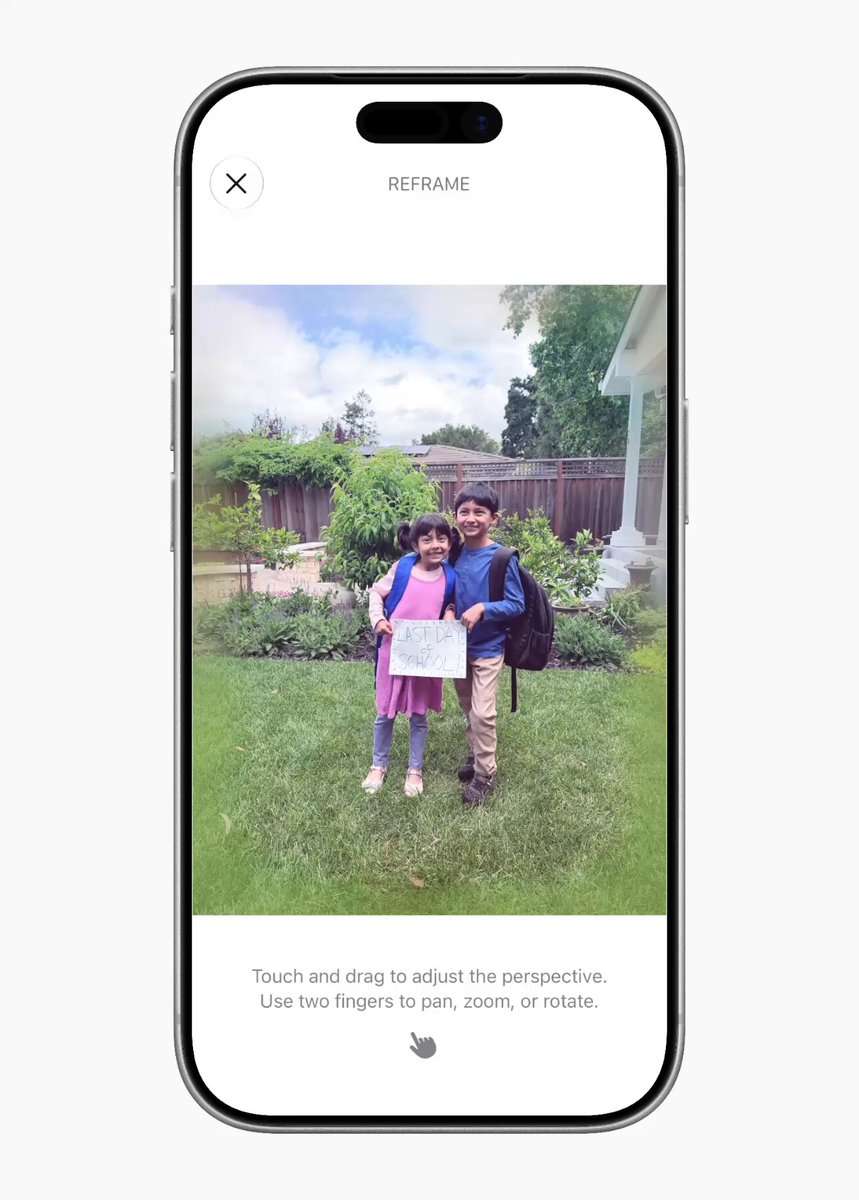
Lots of great new options for parents to control how their children can access digital media, access apps, Internet, and lots more.
This is how it should be done!
Gradual access and opening up the digital world to ensure children are aware of the dangers and misinformation.
#WWDC26
1
55
Jun 8
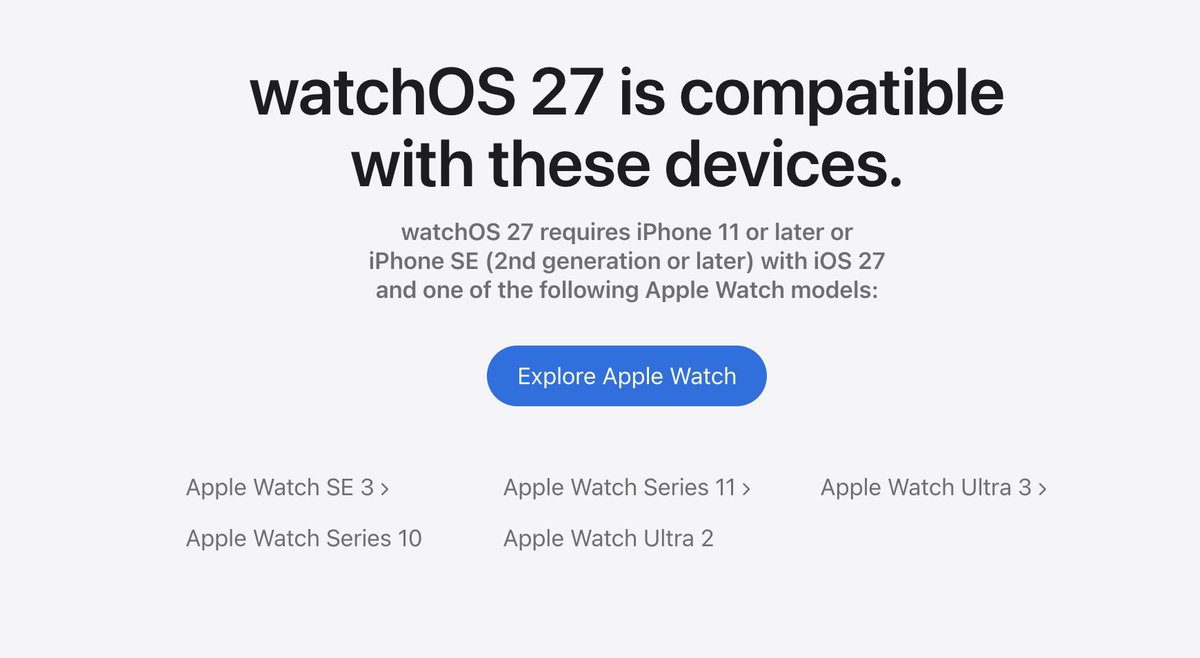
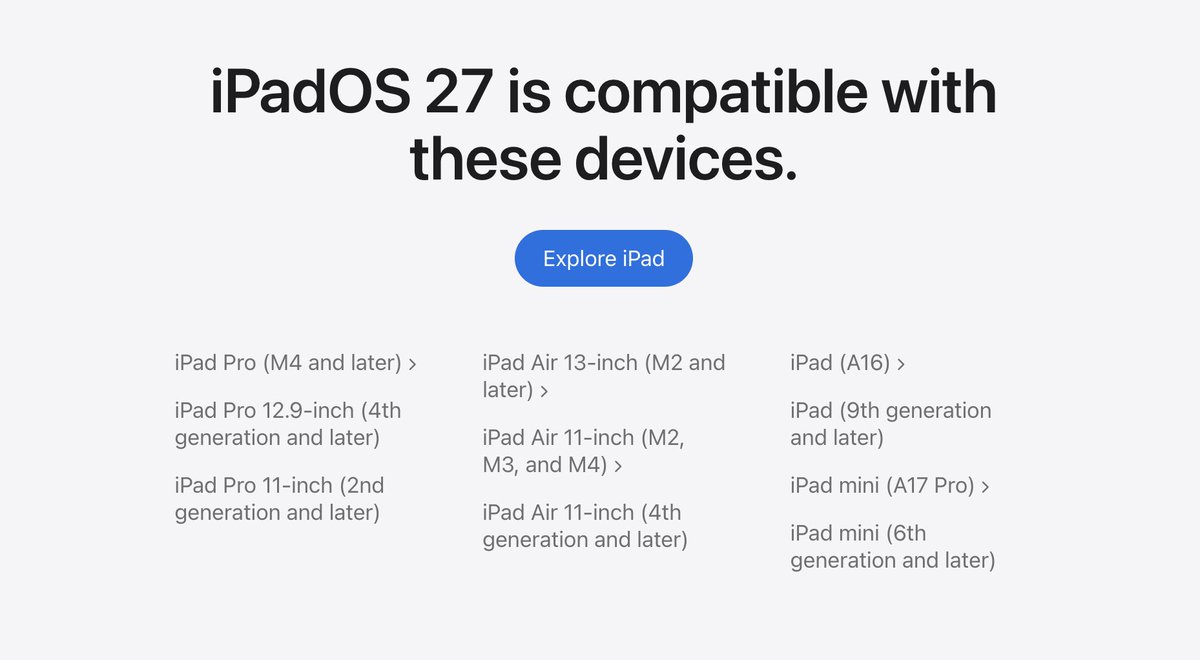
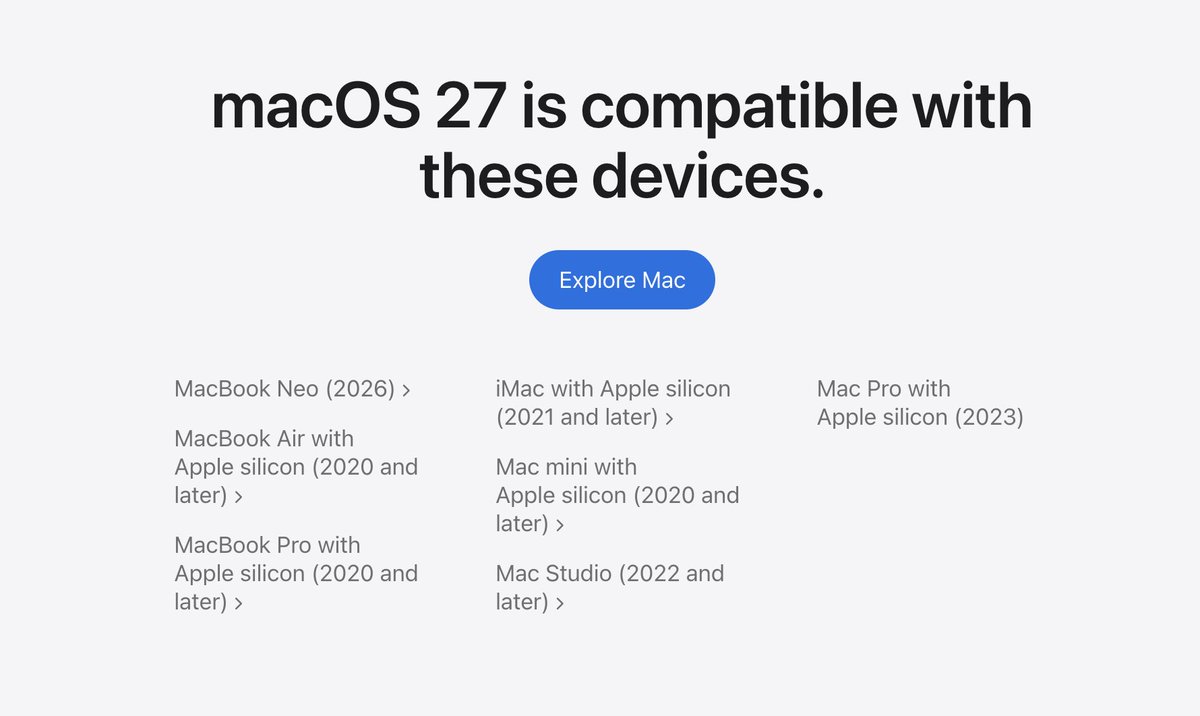
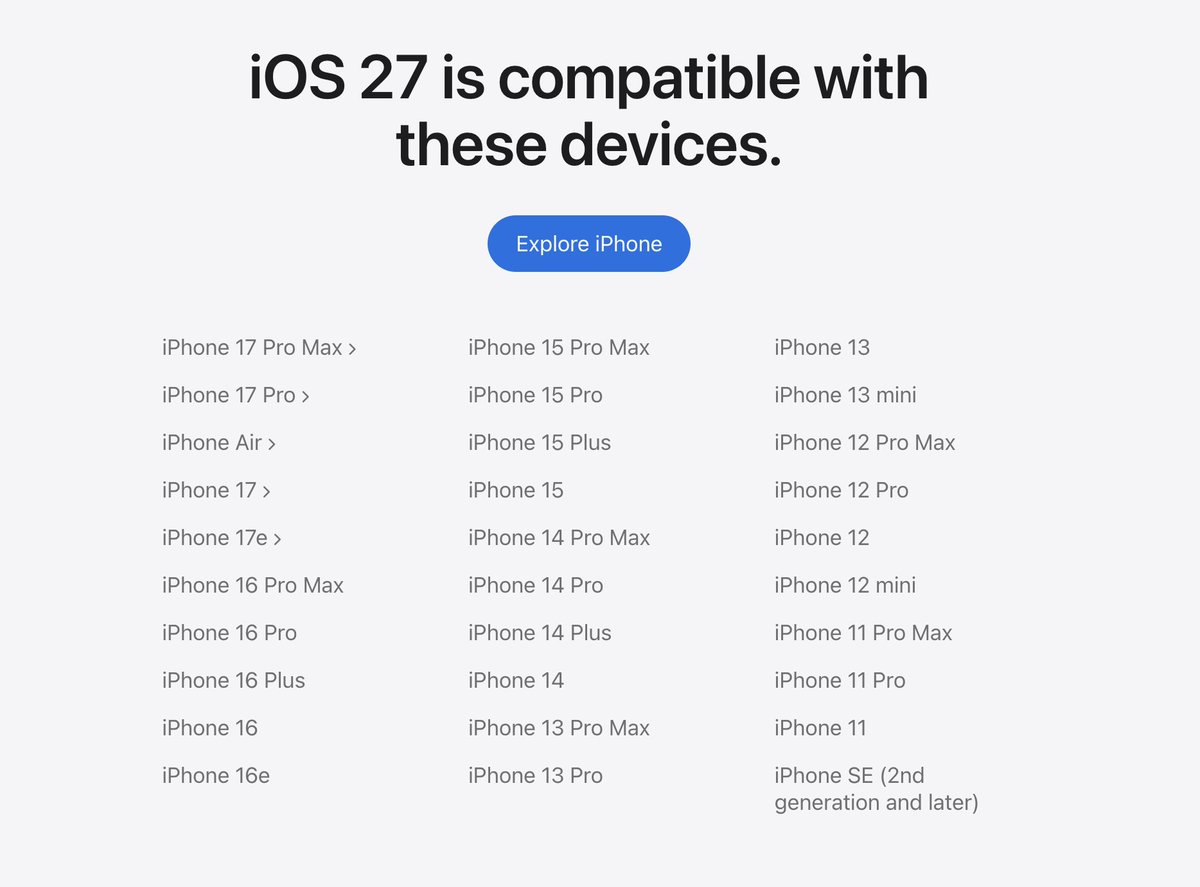
iOS 27 will be supported on iPhone 11 series and newer models. Massive win for us, consumers!
Well done Apple!
#WWDC26
1
200