
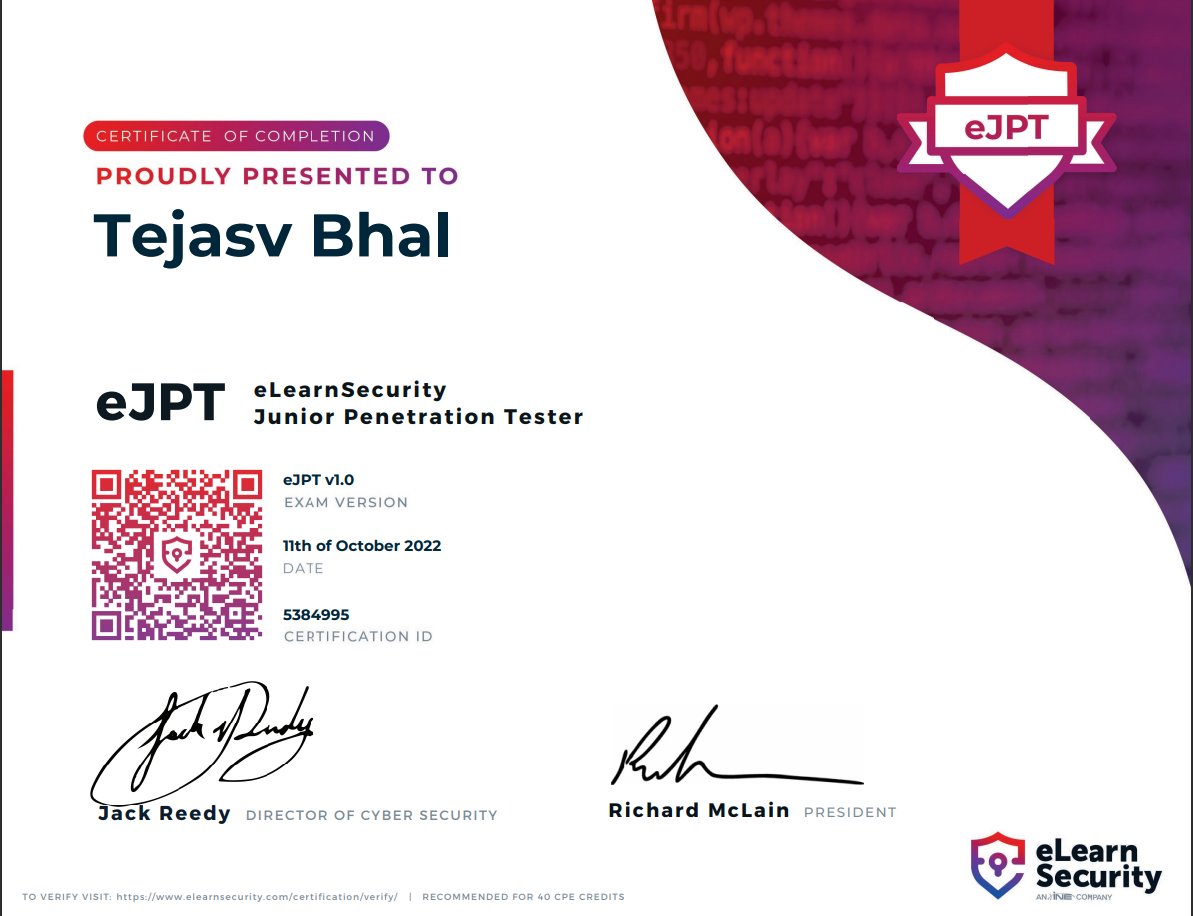
Senior Application Security Engineer | eJPT | THM TOP 0.1% | tryhackme.com/p/Tejasvbhal | youtube.com/@tejasvdiaries
Joined September 2021
- Tweets 252
- Following 143
- Followers 26
- Likes 28,255
13 Photos and videos



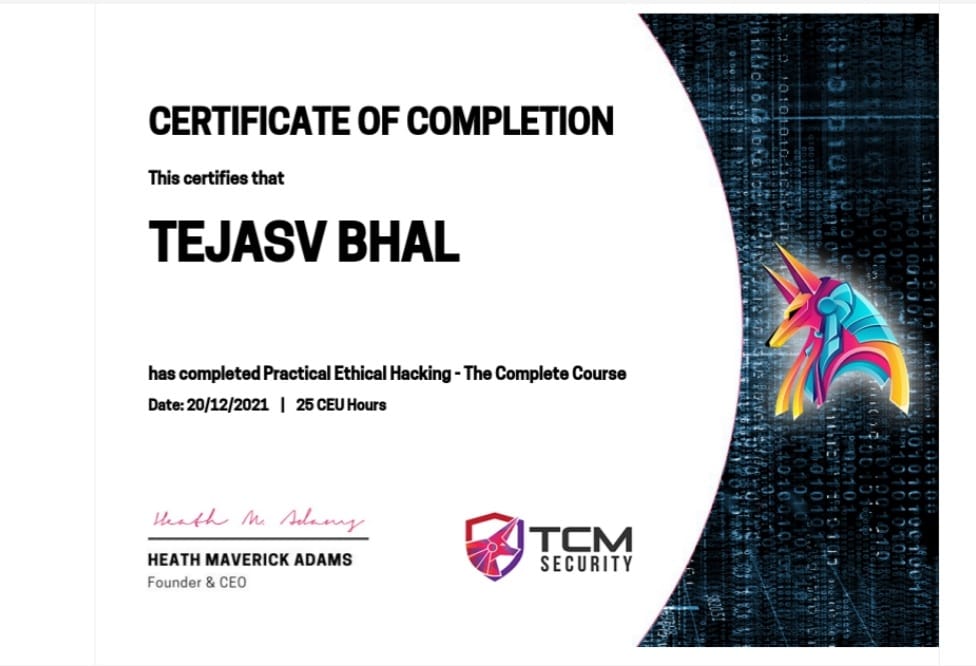
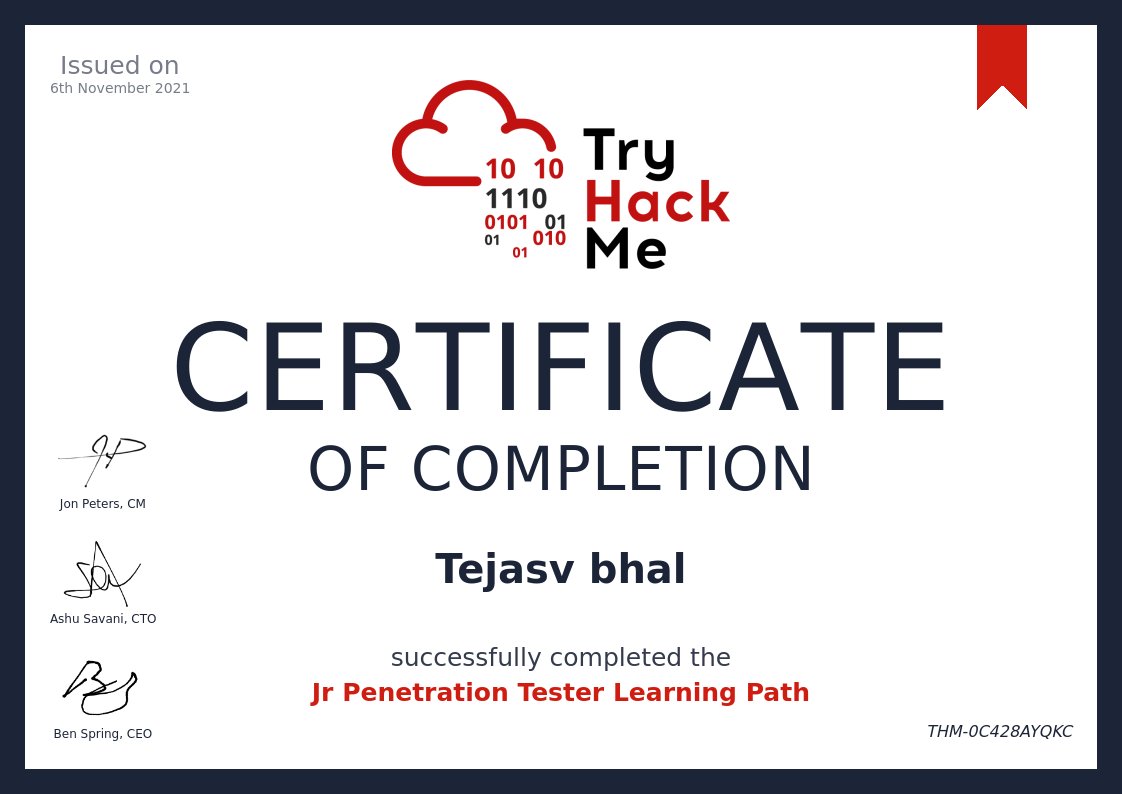
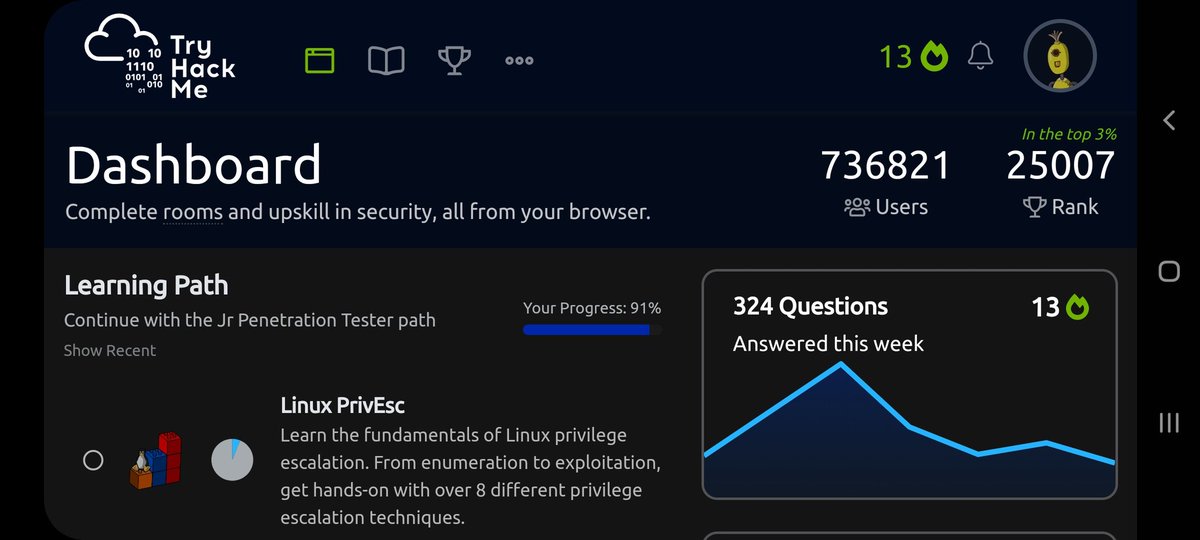


Jun 11
The idea that AI is ending cybersecurity misunderstands how things actually work. Public models like Fable 5 have strict limits, often switching to Opus 4.8, While AI speeds things up, human engineers are still essential for checking the results and fixing problems.
1
11
Jun 10
Finding new vulnerabilities isn't dark magic—it's systematic dynamic analysis. When off-the-shelf tools fail, pivot to research:
Target the blockers: Focus on the control that actively stopped you.
Behavior over binaries: Use ProcMon or API Monitor before a disassembler.
2
9
Jan 1
Just dropped a youtube short on the Stuxnet virus 🚀🎥 Animation: @grok 🎙️ Voice: ElevenLabs 🧠 Script/Images: Google Gemini @elonmusk, Grok’s image-to-video feature is a game changer for storytellers.
youtube.com/shorts/_TUntHNJH… via @YouTube
1
134
15 Dec 2025
Trailer #1 — Focused on Steve Rogers
Trailer #2 — Focused on Thor
Trailer #3 — Focused on Doctor Doom
Trailer #4 — Main trailer
120
18 Nov 2025
Number of People joined cloudflare on X today >>>>> total employees in cloudflare🤣🤣😂😂
66
19 Jul 2025
How a 10-minute phone call caused a $100,000,000 loss.
My new cinematic video breaks down the insane MGM social engineering hack.
The craziest part? I made the entire thing with AI. Script, visuals, music, everything. 🤯
youtu.be/4UBv4qJ7H_E?si=23M1…
#gemini #AI #Veo3 #Sora
1
3
196
1 May 2025
🧵 The most underrated cybersecurity skill?
Not reverse engineering. Not threat hunting. Not even detection engineering.
It's 👉 Taking notes & writing clear reports.
Here’s why it matters more than you think. 🧵
6
1
36
1 May 2025
What matters is the habit, not the tool.
6/
💡 In cyber, a solid report is a defensive weapon.
We talk a lot about detection... but retention—of knowledge—is just as critical.
Document or it didn’t happen. ✍️
#CyberSecurity #BlueTeam #IR #SOC #CyberTips
33
1 May 2025
5/
Tools that help:
Obsidian
Notion
Markdown Git
Even plain ol' OneNote or Google Docs
67
1 May 2025
4/
🛠️ Tips:
Use timestamps in notes
Write as you go (don’t wait until the end)
Log decisions, not just actions
Use templates for consistency
16
1 May 2025
3/
📄 A clear, well-structured report:
Adds professionalism
Becomes part of IR evidence
Supports continuous improvement
16
1 May 2025
2/
🧠 Good documentation helps:
Rebuild timelines
Explain actions to others
Train junior analysts
Protect your team in legal/audit reviews
16
1 May 2025
1/
During an incident, memory fades, logs rotate, and chaos spreads.
Your notes might be the only record of what happened, when, and why you did what you did.
13
13 Dec 2024
🎥 Excited to share something new I’m trying—my own YouTube channel, "Tejasv Diaries"!
My 1st video, "The Rise of Cybercrime in India," is live. 🚀 I’ll be sharing stories & insights on #cybersecurity regularly!
youtu.be/j_9t1xeK_LA?si=OMew… via @YouTube
#YouTube #CyberSecurity

1
57