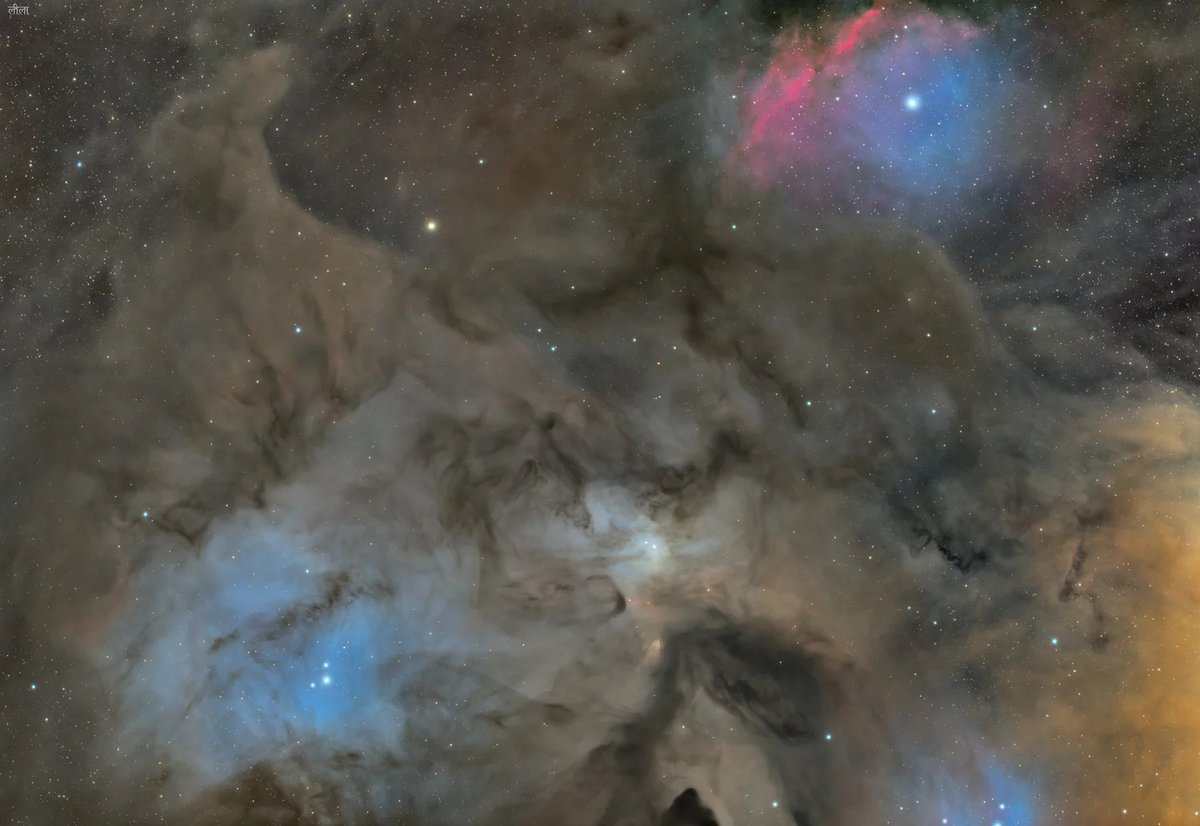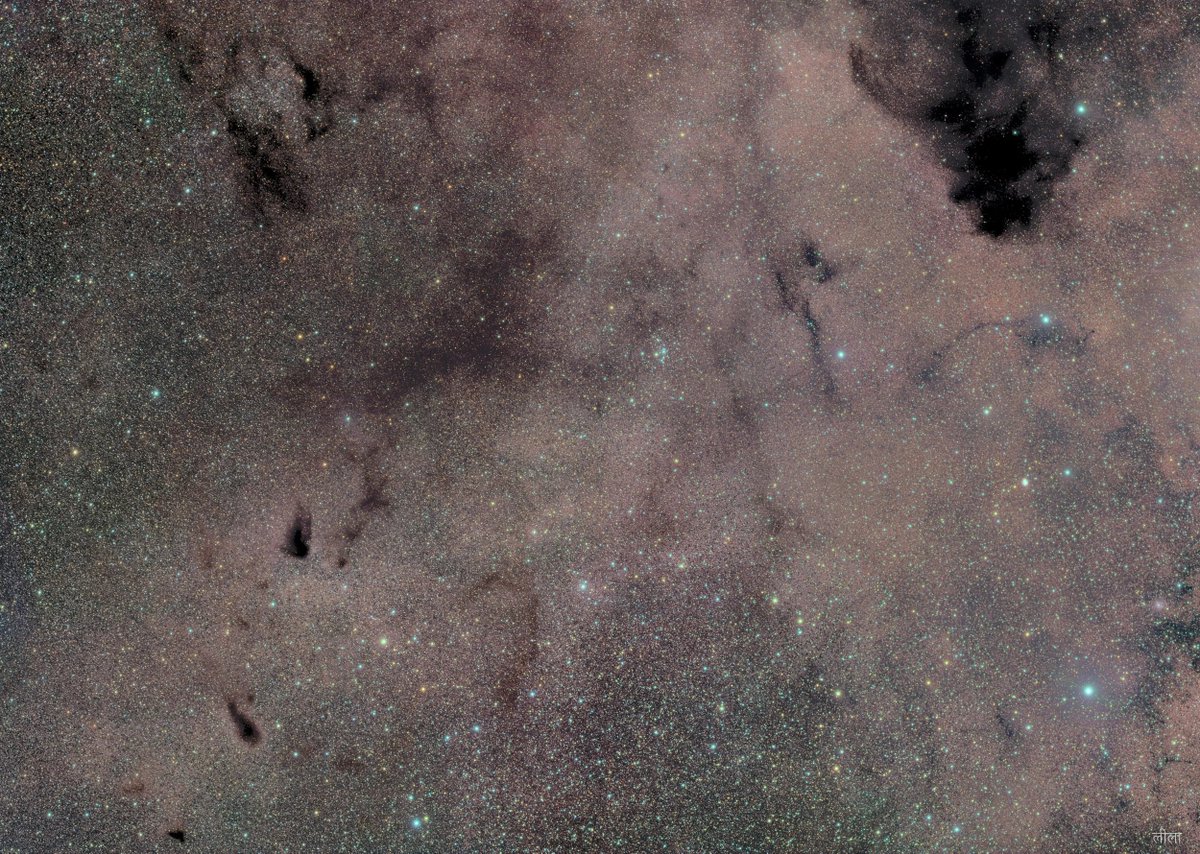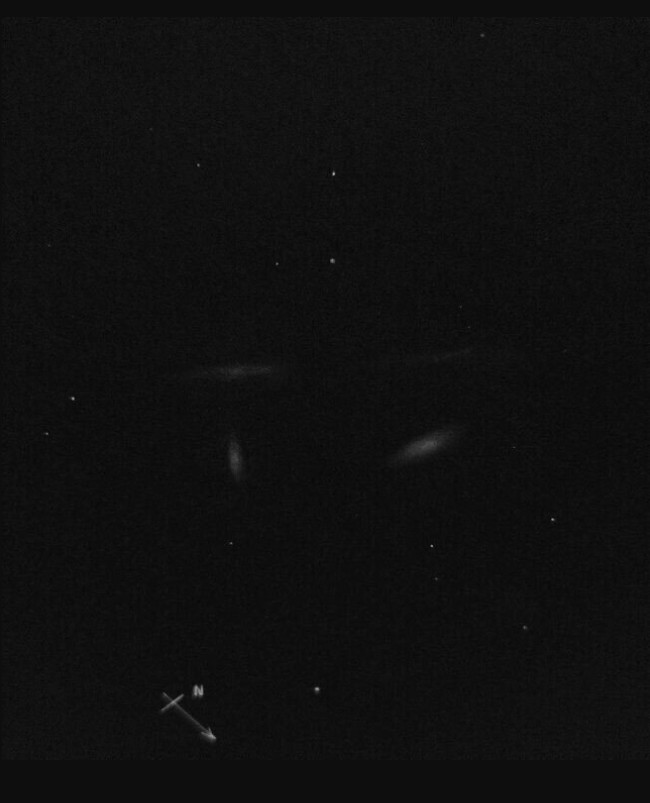
🔭 The Elephant's Trunk — IC 1396A, its bright sunward rim catalogued as vdB142 — is a fist of cold molecular cloud punched into the western edge of something far larger. That larger thing is IC 1396 (Sh2-131), an enormous H II region in Cepheus sprawling across roughly three degrees, six full Moons laid side by side, its faint outer glow reaching past five.
The whole complex is lit by a single engine at its heart: HD 206267, a Trapezium-like multiple system whose dominant member is an O6.5 star of perhaps forty to sixty solar masses, driving a wind clocked above 3,000 km/s. The cluster around it, Trumpler 37, is only three to four million years old — young enough that the gas it was born from still hangs in the frame. The trunk itself is some twenty light-years of dust and hydrogen, its edge ionised into that sinuous rim, and tucked behind it sit protostars and infant Class 0/I stars, a couple of hundred of them catalogued, the youngest barely a hundred thousand years old. Distance is the honest soft spot: the textbook number is about 2,400 light-years, but Gaia pushes Trumpler 37 nearer 2,800–2,900.
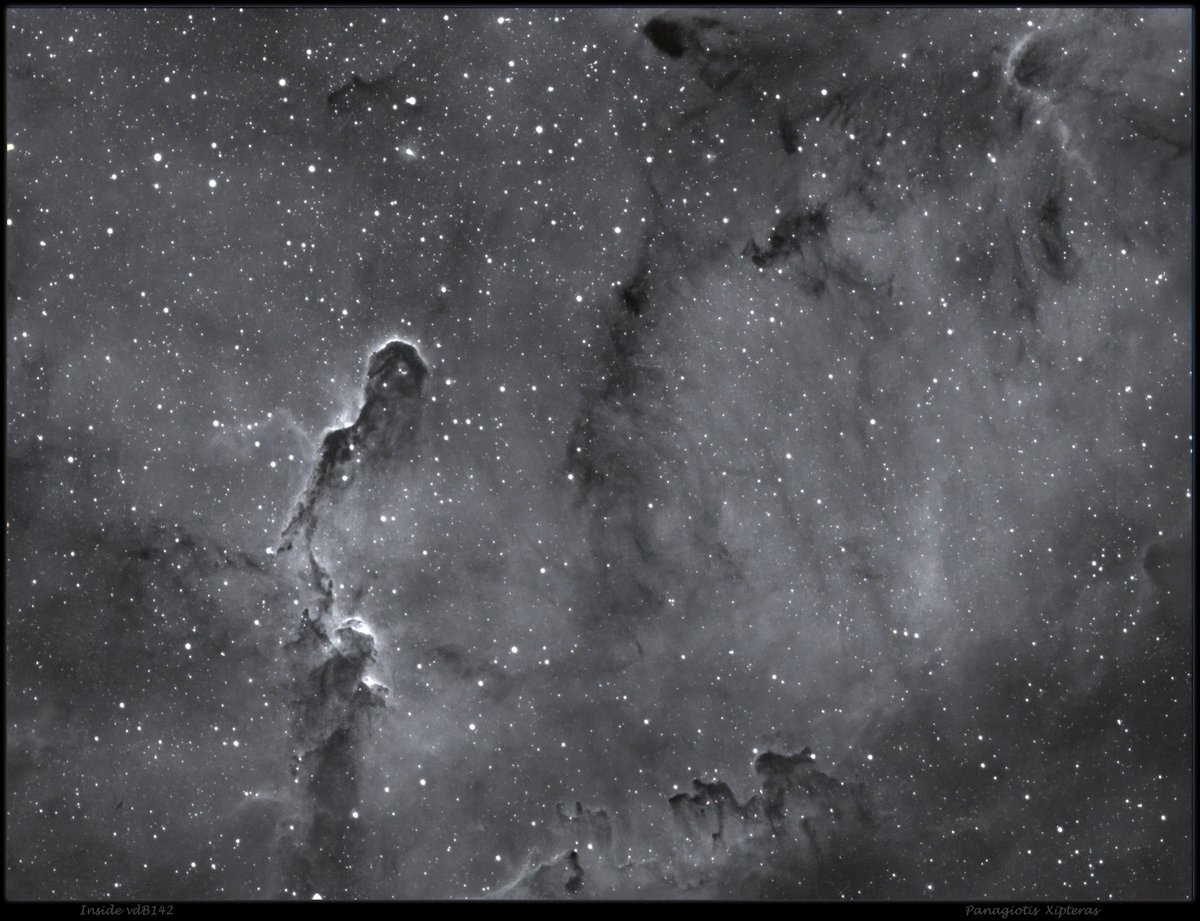
📷 Visually, IC 1396 is so large and so faint that under an ordinary sky you mostly catch Trumpler 37's scatter of stars and a vague brightening; the trunk wants a dark site, a UHC or Hβ filter, and a rich-field scope before it gives up even a hint of its shape. The camera is where it surrenders. This frame is mine, shot at the rim in pure hydrogen-alpha with my
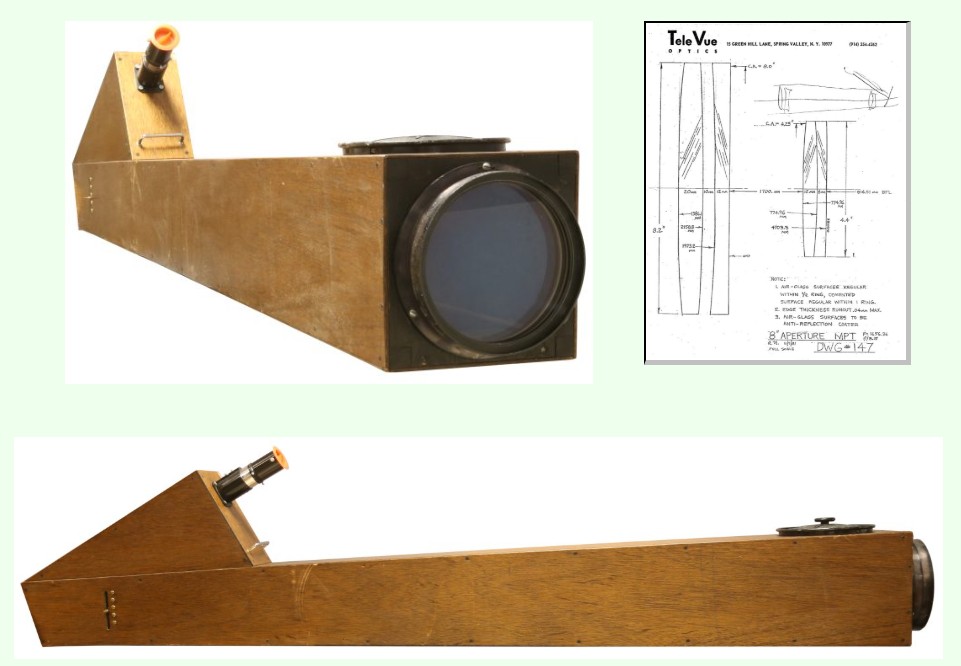
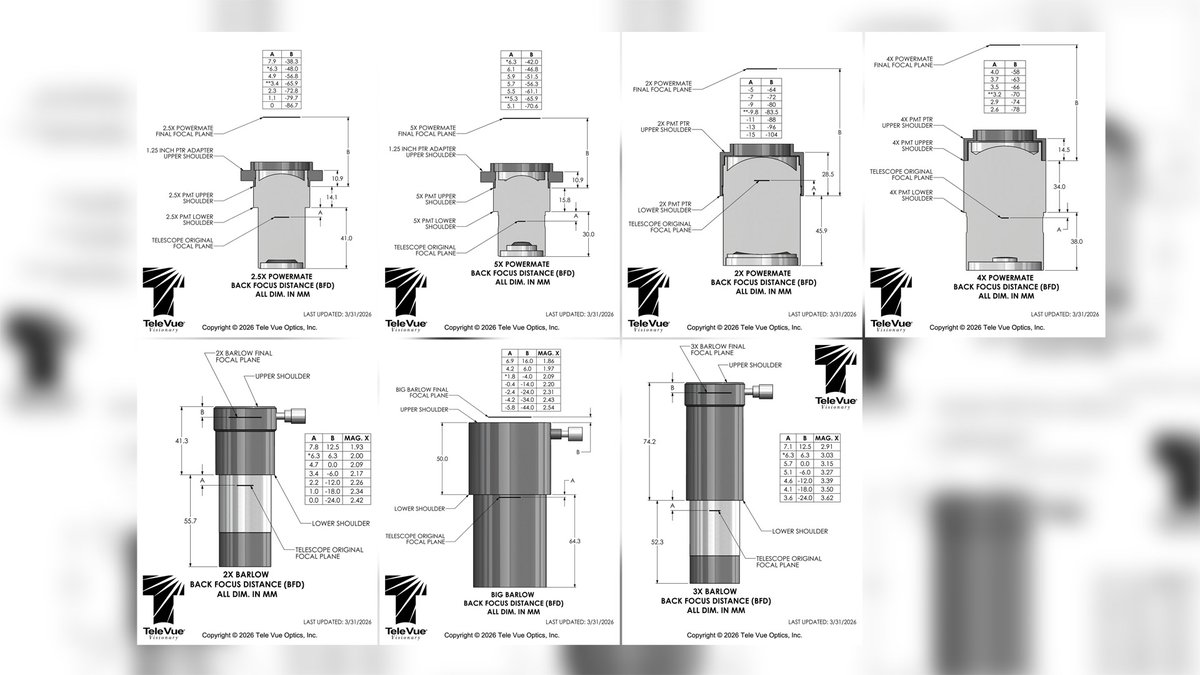
@TeleVueOptics NP127is at f/5.2 — 660 mm of focal length — carrying a QSI-683ws8 and its mono KAF-8300 sensor behind an Astrodon 5 nm Hα filter. That choice is the whole game. A wide-field five-inch apochromat is exactly the right tool here: aperture matters less than a fast, flat, generous field, and at f/5.2 the scope drinks the faint rim in quickly while keeping stars tight right into the corners across a degree and a half. The 5 nm band does the heavy lifting, walking straight through light pollution and even moonlight — precisely what a low-surface-brightness cloud buried in a faint H II region demands.
📜 Because the distance is a range, the light I collected is really two postcards — and both are ... Greek.
🤔 Take the nearer figure, about 2,400 years: those photons left the trunk around 400 BCE, while Athens was rebuilding after its long war with Sparta, Plato was opening the Academy, and the Persian Empire still ran from the Aegean to the Indus.
🤔 Take the farther figure, closer to 2,900 years: now the light set out near 900 BCE, in the early Iron Age, when the songs that became the Iliad and the Odyssey were still being sung rather than written, the first Olympic footrace was a lifetime away, and Phoenician traders were carrying their alphabet west across a Mediterranean that had never heard the name Rome.
🤷♂️ Either way, the message in this glass is older than almost everything we call history — and it has been crossing empty space the entire time we built ours.
🌍 Then the counterweight, which is the part I keep returning to. By the Earth's own clock, 25 centuries is nothing — not a chapter, barely a sentence. No continent has shifted a measurable inch since that light left. The coastlines are the same coastlines; the climate has only drifted within the cool, damp Subatlantic phase that followed the Bronze Age's warm spell. Walk central Europe in 900 BCE and the forests are the forests we later cleared, full of aurochs and wolves and beaver — the same species, doing the same things. No extinction marks the span, no fauna turned over, no stratum laid down that a geologist would bother to name.
🛰️🗑️ However, the sea was clean and free of microplastics. There was no light pollution and the night sky was free of space junk and satellite trails.
👑 The constellation holding all of this is a king. Cepheus, in the old story, ruled beside his wife Cassiopeia, whose boast about her own beauty so offended the sea nymphs that the gods sent a monster; the only price to lift the curse was their daughter Andromeda, chained to the rocks. Perseus arrived in time, and the whole quarrelsome family was fixed in the northern sky — the king a quiet house of faint stars between Cassiopeia's W and the Pole.
✨ For me the Elephant's Trunk is a patience target, not a glory one. It doesn't leap out of the eyepiece; it asks for a red filter, a long quiet night in the backyard, and the willingness to let hours of hydrogen build before anything appears. Then the rim sharpens, the dark trunk lifts off the glow, and you remember you're watching stars being born twenty light-years deep in a cloud that has been there, working, since before Homer. Worth the wait every time. Yes.
Thanks for reading and Clear Skies /
@xipteras #ElephantsTrunkNebula #astrophotography