
Master of Ceremonies | Finance | Law | Realist
Joined November 2010
- Tweets 65,569
- Following 864
- Followers 882
- Likes 44,620
1,568 Photos and videos






Koby. retweeted

Jun 14
HE STARTED THE WAR, you stupid, stupid, stupid, stupid motherfucker.
Jun 14

Donald J Trump is the Peace President and that is an irrefutable fact.
Community note
The United States and Israel have actually started the war with coordinated strikes on Iran on Feb 26, after which Iran retaliated with missile and drone attacks. britannica.com/event/2026-Ira…
1,349
14,009
137,434
2,420,029


Koby. retweeted

18 Dec 2016
And that mini competition you guys do when someone dies trying to show who was closest. Stop it
4
567
607
Koby. retweeted

Jun 14
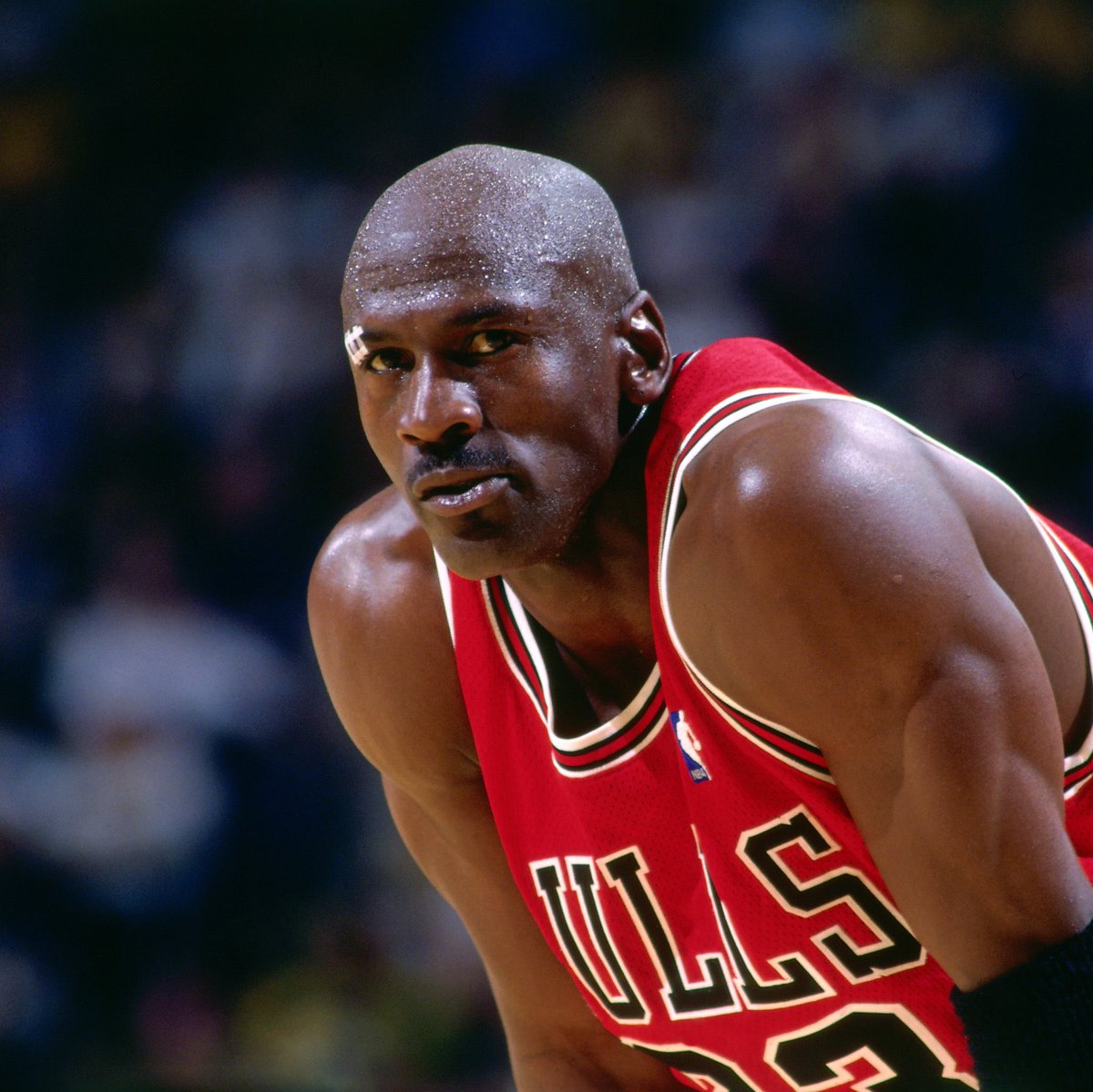
You gotta understand why OGs believe this is the GOAT lol

Nigga MJ really did this 3x took a year off and did it 3 more Times.
60
1,132
14,315
1,130,603

Jun 15
Right? I was confused watching the NED v JPN game.
Jun 14

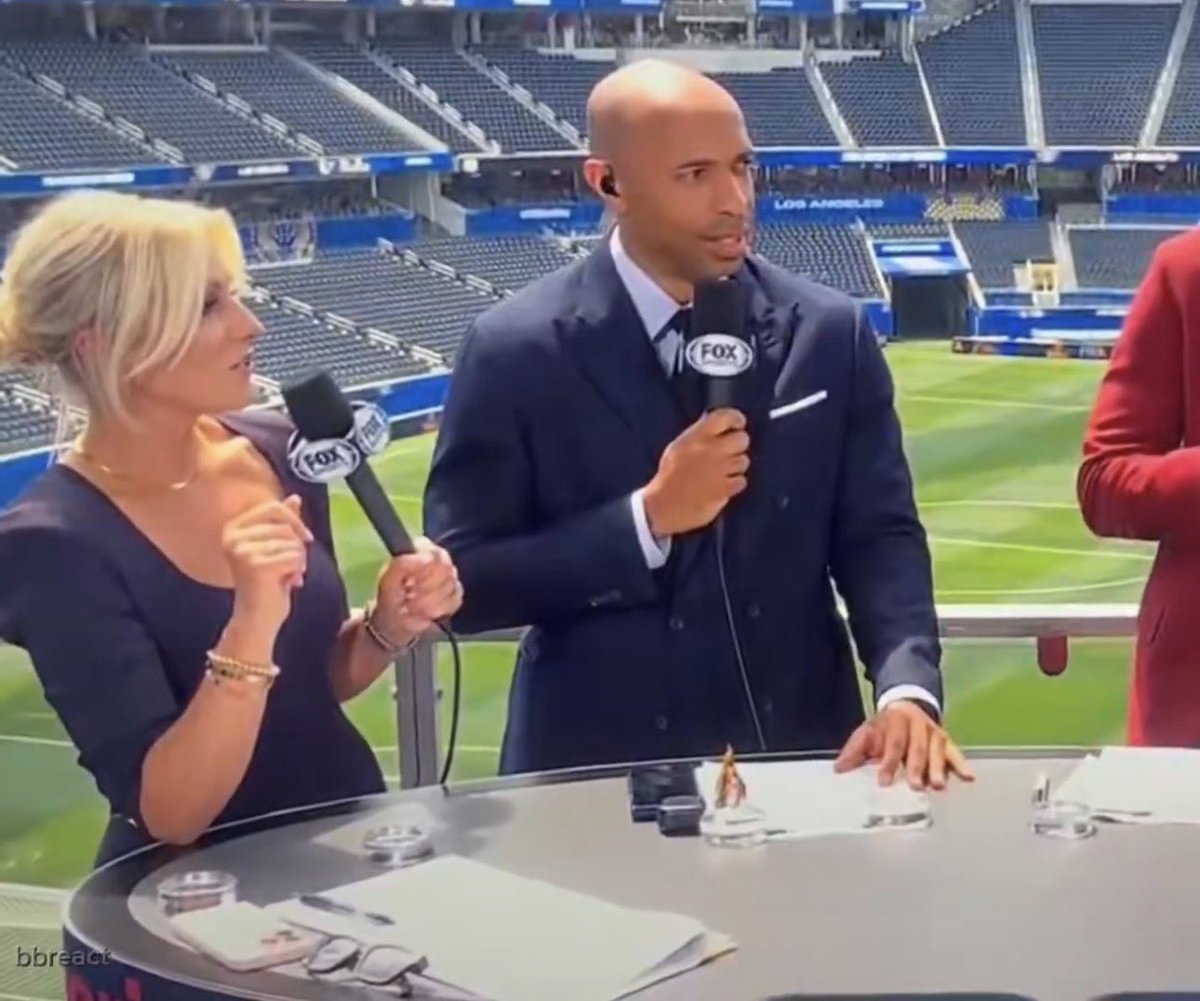
🚨🗣️New: Thierry Henry reacts to the USA vs Paraguay stoppage for TV commercials:
“I’ve spent my entire life in this beautiful game — as a player at the highest level, as a fan, and now as someone who analyses it every week — and what unfolded during that USA versus Paraguay match left me deeply frustrated. The fourth official standing there on the touchline, arm raised high, instructing the referee to hold the restart… not for any injury, not for tactical reasons, and not even primarily for player hydration in that scorching heat. No. It was because the broadcast team hadn’t finished airing all their commercials. That’s not football. That’s a television show pretending to be a World Cup match.
The beautiful game is being strangled by greed. Players are out there in the heat, ready to restart, momentum building like a storm about to break — and we pause everything so the sponsors can cash in. It’s like stopping a symphony mid-crescendo because the advertisers want their jingle heard. Football didn’t conquer the world by turning into American sports with endless timeouts and ad breaks. We had rhythm, flow, emotion that flowed like a river. Now? It’s dammed up for dollars.
This isn’t about hydration or player welfare anymore — it’s a slippery slope where the soul of the game is sold piece by piece. Fans deserve better. Players deserve better. The referee on that pitch looked like a puppet on strings controlled from some broadcast truck. Enough is enough. We need to protect what made this sport the greatest on Earth before it disappears completely.”
The World Cup should be football’s cathedral. Instead, we’re turning it into a shopping mall with a pitch in the middle.
And here’s the question nobody wants to answer: if the fourth official is waiting for commercials, then who is really running the game? FIFA? The referee? Or the broadcasters?
Because the moment football starts asking advertisers for permission before asking the players, you’ve crossed a line.
The World Cup is supposed to be the showcase of football. Not the showcase of who paid the most for airtime.”
Community note
The posting account is a self-described parody account that fabricates quotes. Thierry Henry did not say this. x.com/Vfynn_ youtube.com/watch?v=sBrrqp…
41
Koby. retweeted

Jun 14
They’re calling it the greatest aura gamble of all time
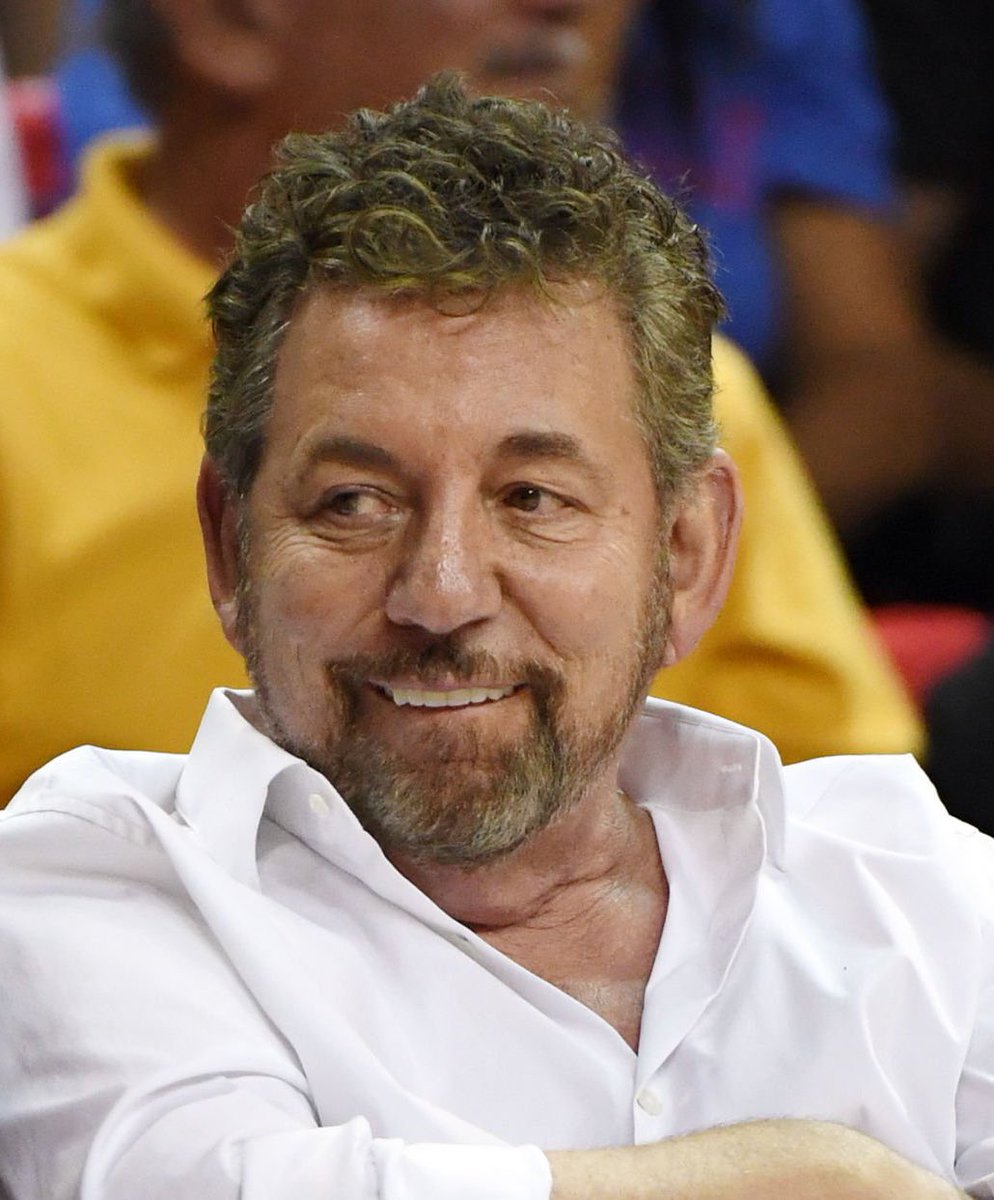
Jan 5

Knicks owner James Dolan says the Knicks won’t raise the NBA Cup banner because they plan to raise a championship banner instead.
"We are going to raise the banner. We’re going to raise the NBA championship banner. That’s what we’re going to raise."
(Via @SbondyNBA )
112
3,753
64,704
2,560,640
Koby. retweeted

Jun 13
tf that got to do with me?!



768
22,373
453,131
8,158,152

She never would’ve guessed niggas would be bagging up crack to this.

233
9,354
83,261
3,150,603
Koby. retweeted

Jun 14

120
3,427
70,387
1,422,987
Jun 14

56
Koby. retweeted

Jun 13
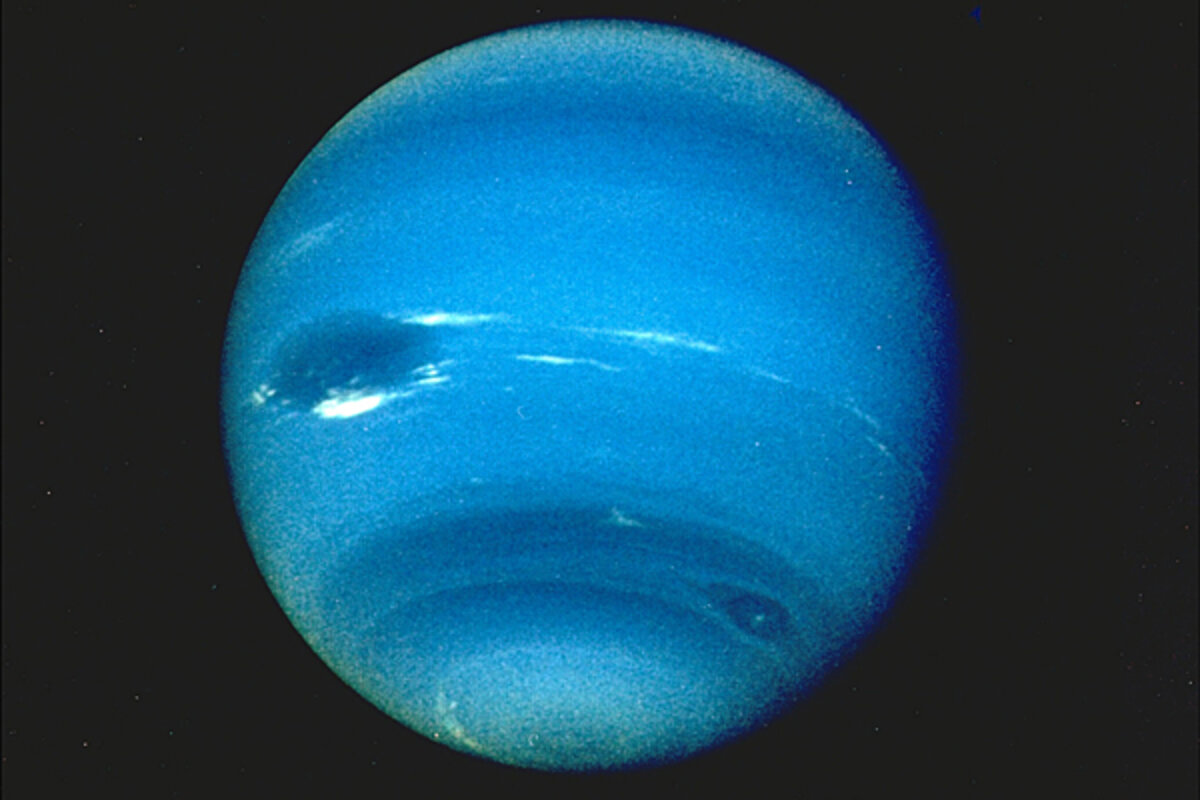
Not that anybody asked, but the last time the @NYKnicks won a championship, the planet Neptune had not yet completed one orbit around the Sun since its discovery in 1846.
158
754
10,410
231,199
Jun 14
It’s not enough timberland boots to meet the kind of demand that’s coming.

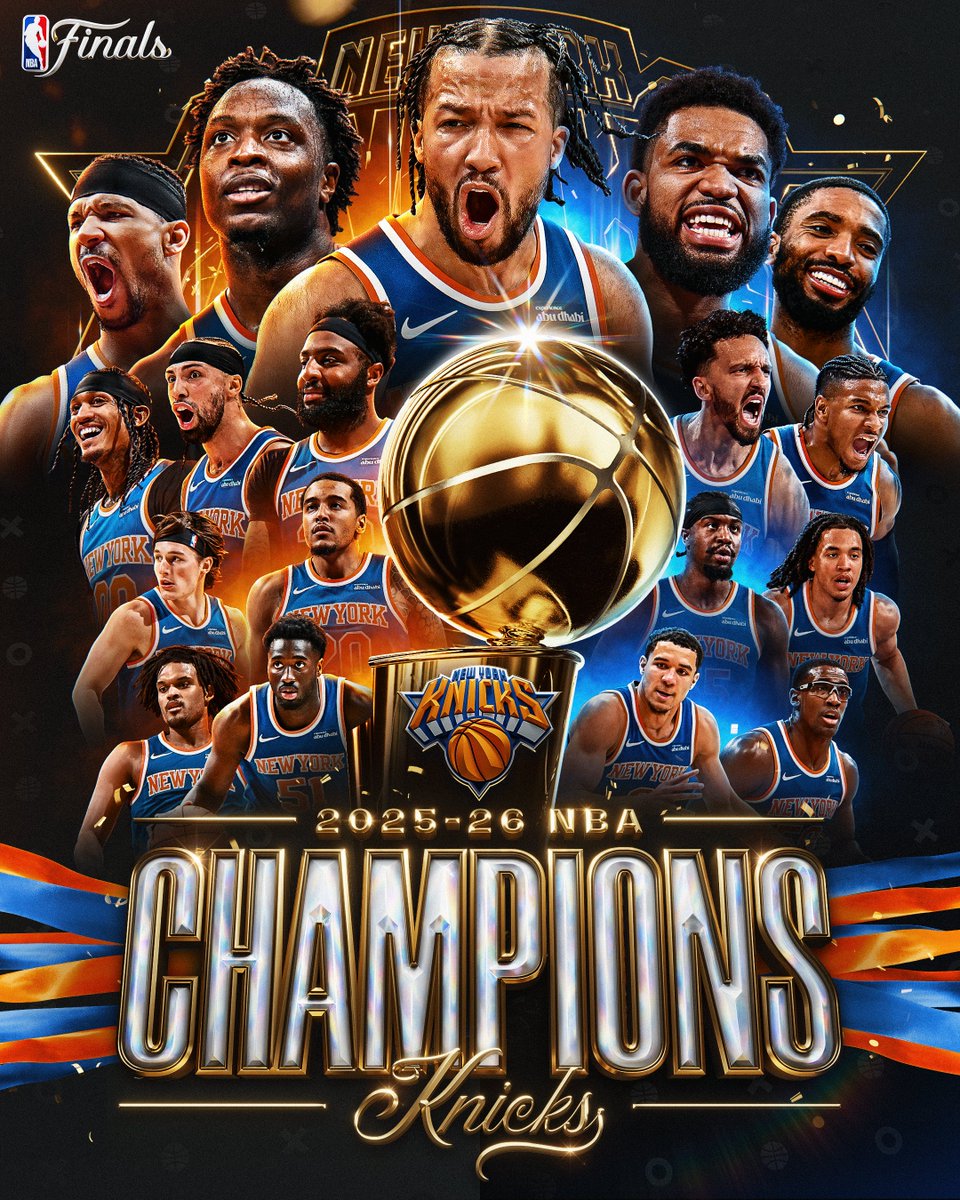
FOR THE FIRST TIME IN 53 YEARS, THE KNICKS ARE NBA CHAMPIONS 🏆
New York defeats San Antonio 4-1 in the NBA Finals, capturing their third championship in franchise history!
8
Koby. retweeted

Jun 13
Na why i dey always run if i dey cross road be this
316
2,810
9,880
446,299
Jun 13
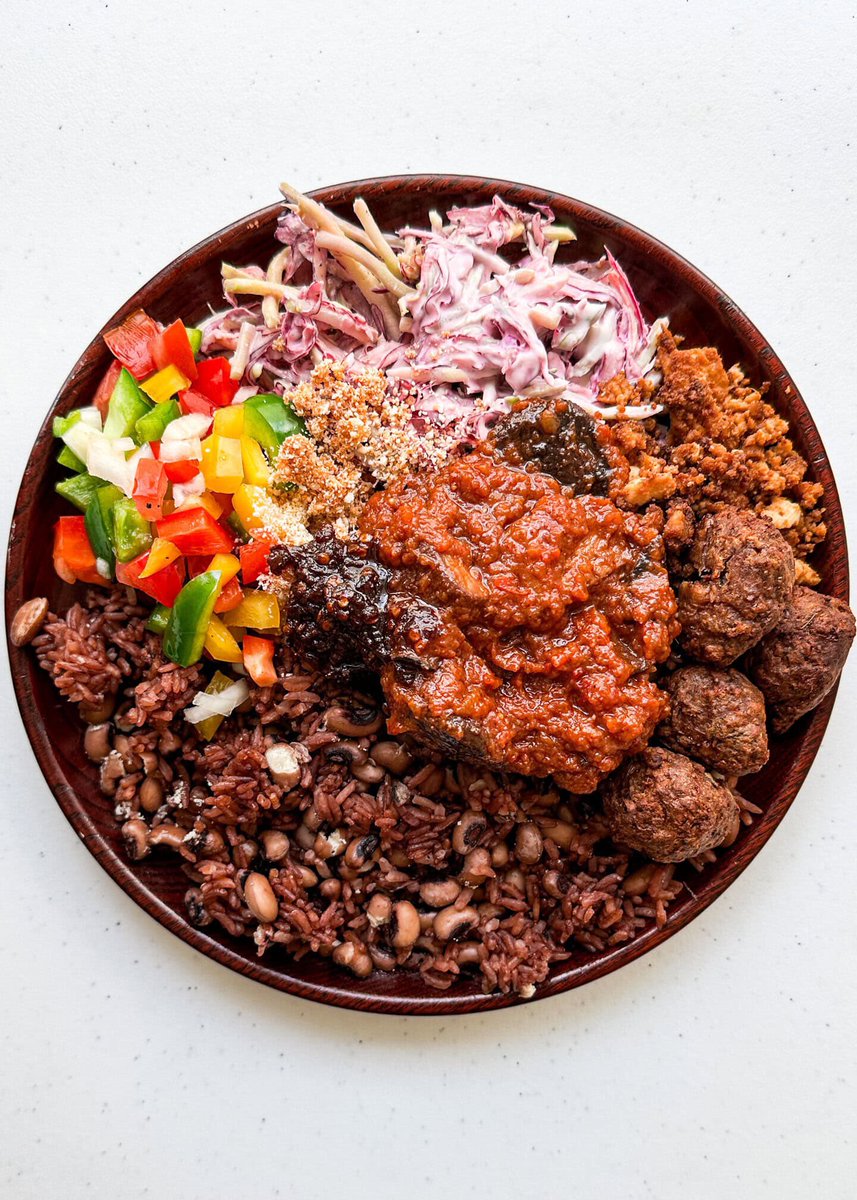
Alomo 2 1 black gold.

Everyday Law for Everyday people.
Daniel, a 32-year-old software engineer, meets Ama, a 29-year-old graphic designer, at a social event in Accra. They spend the evening together and later return to Ama’s residence.
Before engaging in sexual intercourse, Daniel expressly states that he does not want children and is careful to avoid any possibility of pregnancy. Ama agrees that the encounter is intended to be a casual, one-time sexual relationship. Daniel uses a condom throughout intercourse.
After ejaculation, Daniel removes the condom, ties it, and disposes of it in a wastebasket located in Ama’s bathroom. He spends a short period of time at the residence before leaving.
Unknown to Daniel, after he departs, Ama retrieves the discarded condom from the wastebasket. Desiring to become pregnant and believing Daniel possesses qualities she would like in the father of her future child, she extracts semen from the condom using a syringe and artificially inseminates herself.
Several weeks later, Ama discovers that she is pregnant. She does not initially disclose the circumstances of conception to Daniel.
Nine months later, she gives birth to a daughter, Adwoa.
A DNA test subsequently confirms with 99.99% certainty that Daniel is the biological father.
When informed of the circumstances surrounding conception, Daniel states that he never consented to father a child and that his use of a condom demonstrated an affirmative intention to prevent conception. He contends that he has been made a father through conduct that circumvented his reproductive choices.
Ama responds that:
* Daniel voluntarily engaged in sexual intercourse.
* He voluntarily ejaculated.
* He voluntarily discarded the condom in her home.
* The child is biologically his.
* Whatever dispute exists between the adults should not affect the rights and welfare of the child.
Ama applies to court for declarations of paternity, child maintenance, inheritance rights, and other parental obligations.
Daniel commences a separate action seeking declarations that:
* He did not consent to reproduction.
* He should not be treated as a legal parent.
* Alternatively, he should not be liable for child support.
* Alternatively, he should be entitled to damages for the non-consensual use of his genetic material.
You are the judge. How would you rule?
106
Koby. retweeted

Jun 11
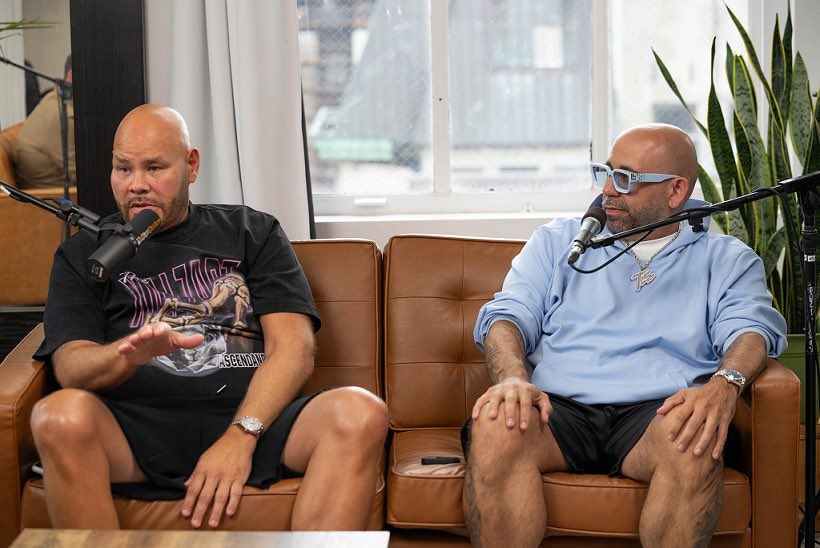
“I looked OG dead in his eyes and said you gotta be there for that put back and word to my motha this is straight facts … he said I got you Crack”
76
1,088
5,877
244,308