
#VixxenArmy #MarkovaArmy #BambiBlueCrew #KatieBigToys #KJVillains #VahnAddict #LoveTrooper #ChechikArmy #CalisCrew #TeamLisaAnn #TeamApplegate #Reigndeer
Joined March 2016
- Tweets 178,156
- Following 6,956
- Followers 8,692
- Likes 13,339
10,617 Photos and videos






Pinned Tweet

27 May 2025
Please help out with whatever you can! She is an amazing woman and doesn’t deserve the Hell she’s going through! She is one of the best out there!

28
1
265
126,828
Brandon R. Wilson (18 ) retweeted

Jun 15
If you ever needed to buy content direct. Here’s the link. No subscriptions and exclusive to here. ❤️❤️❤️
unlockt.me/zaradeeley

3
3
140
5,337
Brandon R. Wilson (18 ) retweeted

Jun 14
If the Kicks win tonight you’ll get a treat in your DMs if you repost


66
231
4,284
157,073
If NASCAR ever went back to Le Mans and asked @DaleJr to be one of the drivers of the car. Would he do it?
2
511
Wonder if @jayleno has one?
Jun 13

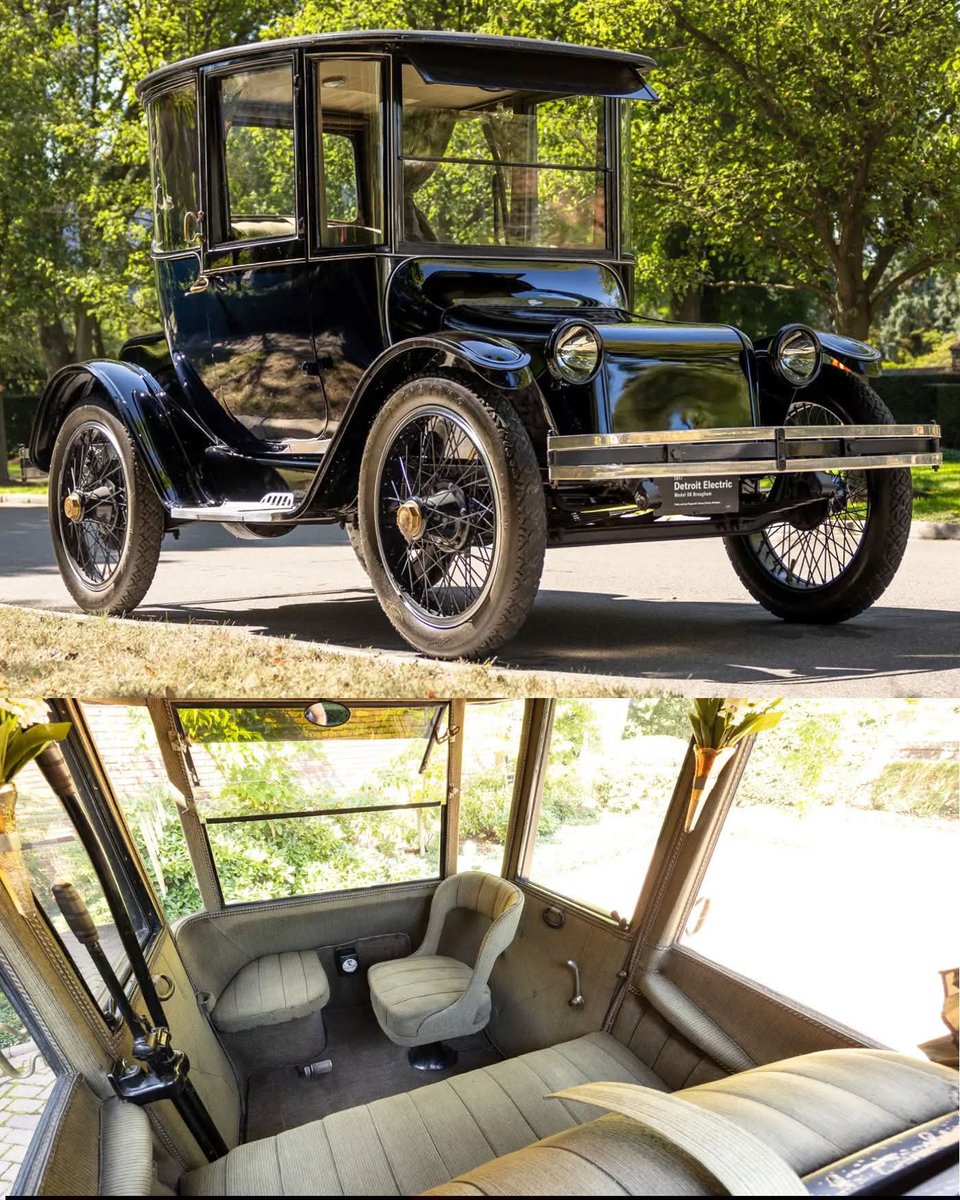
1917 Detroit Electric Model 68 Brougham
Anderson Electric Car Company had been building horse-drawn vehicles since 1884, and the Model 68 Brougham carries that heritage openly. Its tall, two-door greenhouse, curved-glass windows all around, and aluminum roof pressed from a single sheet are drawn directly from carriage architecture.
Detroit Electric was one of the "Big Five" early American electric makers and indisputably the longest-lived; the conservative body sold in 1917 looked much as it had a decade earlier.
Deep-buttoned diamond-pattern upholstery covers the interior, and both doors open wide for unimpeded entry in formal attire. Two hand levers handle all driving: the long one steers, the short one governs speed through five forward settings and five in reverse.
The Elwell-Parker 80-volt motor (commonly rated around 4 to 6 horsepower, though often advertised higher) was fed originally by heavy lead-acid cells split between front and rear battery boxes beneath the body (occupying the compartments a gasoline car would reserve for its engine and fuel tank).
This example runs on modern batteries connected through the original charging socket. Period advertising cited 20 mph and about 80 miles of range per charge.
No clutch, gearshift, or starter crank were needed, which defined the car's market: wealthy women and physicians who found early gasoline alternatives noisy and demanding. New pricing ran from $1,175 into the mid-$2,000s when a Ford Model T cost under $500.
Detroit Electric built around 13,000 cars from 1907 through 1939, a longer run than any other American electric maker of the period.
© Automobile Historia
#archaeohistories
707
USA! USA! USA! USA! USA! USA! USA! USA! USA! USA! USA! USA! USA! USA! USA! USA! USA! USA! USA! USA! USA! USA! USA! USA! USA! #USMNT #WorldCup26
3
549
Brandon R. Wilson (18 ) retweeted

Jun 11
fansly.com/RoxiKeogh
Come see my public antics guys

14
19
183
6,924
Don’t be a dick!
Jun 11

Honestly, I’m 🤏🏼 this close to hiring a management company. I mean it’s starting to seem better than being cursed out at 4 in the morning because I’m not responding. Like some of you have fucking forgot that WE ARE NORMAL HUMANS AND SLEEP.
2
798
Brandon R. Wilson (18 ) retweeted

Jun 11
onlyfans.com/ledanaja
Special offer: all my content at half price!
1,800 media files
1,550 photos
270 videos
Have fun, and don't forget to let me know what you liked best!

3
4
33
3,377
Brandon R. Wilson (18 ) retweeted

Jun 11
if you arent a member to my OF and would like to be spoiled with content, you can buy me coffee
cash app $bfh5008
or paypal brihogan5008@gmail.com☕️
email brihogan5008@gmail.com for goodies after🥳
im not offering ratings or custom videos anymore💔
i know some of you have asked and im so sorry
4
7
120
6,850
Brandon R. Wilson (18 ) retweeted

Jun 11
I have entered the amazing @Playboy X @HoneyBirdette competition and i’d like your help to win 🏅
You can vote for free, or pay for entries (you can also win prizes for voting) 😍 so it’s a win win for all!!
Please consider voting 💕
orbiiit.com/en/participants/…

2
13
137
49,224
Any time!


2
481

Are DMs on here not working, or is it just on my end?
1
4
1,315
What went through @TheRealXPac’s mind when that happened?
Jun 1

Never forget the greatest bump in wrestling history.
I lose my mind every single time I see this 😭😭
1
3
2,470
This is what the internet should be used for.

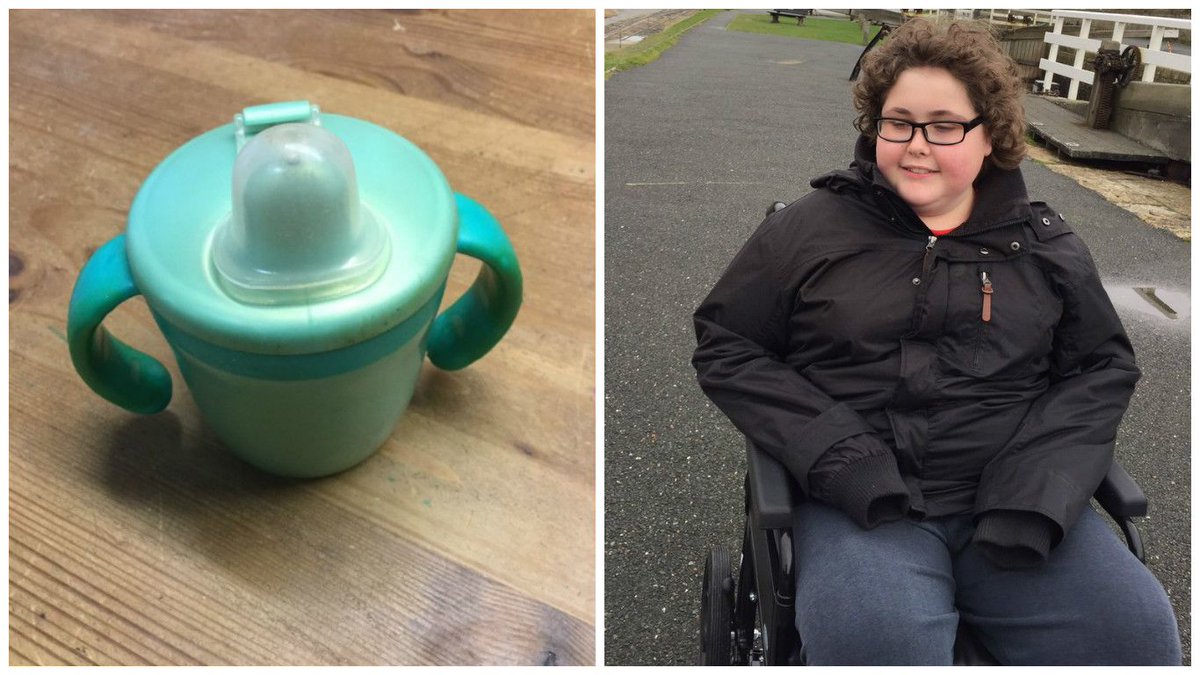
In 2016, Marc Carter from Devon, England, made a heartfelt plea for help when his autistic son Ben's favorite blue Tommee Tippee cup began falling apart.
Ben had been drinking exclusively from that same cup since he was around 2 years old.
Because of his strong attachment to it, switching to another cup was extremely difficult and had previously caused serious distress and dehydration concerns.
Marc shared Ben's story online, hoping to find replacement cups. What happened next was extraordinary.
The appeal went viral under the hashtag CupForBen, and people from around the world searched their homes, attics, and cupboards for matching cups.
Dozens were sent to the Carter family by strangers who wanted to help.
Then the original manufacturer, Tommee Tippee, stepped in. Although the cup had been out of production for years, the company searched through its archives, located the original mold, and arranged a special production run of 500 new cups just for Ben.
2
2,412
Brandon R. Wilson (18 ) retweeted

Do you wanna have a coffee date?💋 Tomorrrow 3-8pm 👙☕️
📍17211 Pacific Hwy Lynnwood Wa
@BeehiveExpresso
1
7
116
7,800
Brandon R. Wilson (18 ) retweeted

May 27
I just love ELON SO MUCH SO I TURN ON MY NOTIFICATIONS FOR ANY TIME HE POSTS AND ITS A LOT OF NOTIFICATIONS so many rockets in outer space he just lights up the skies 🌌 all of our night SKIES 🌌 SPACEX HELLA DRIPPY TBH like Wow. 🤩
22
8
235
129,882
I voted for Noah Bensi in the #AltStarAwards presented by @bad_dragon altporn.net/news/2026/05/07/… Meet in LV! altstarawards.com @AltPornNet @NoahBensiSFW

2
6
2,081
Brandon R. Wilson (18 ) retweeted

May 23
Put me in your calendar it will be here before you know it. I’ll be at Expose San Diego Kearny may 29th and the 30th. ❤️❤️❤️❤️
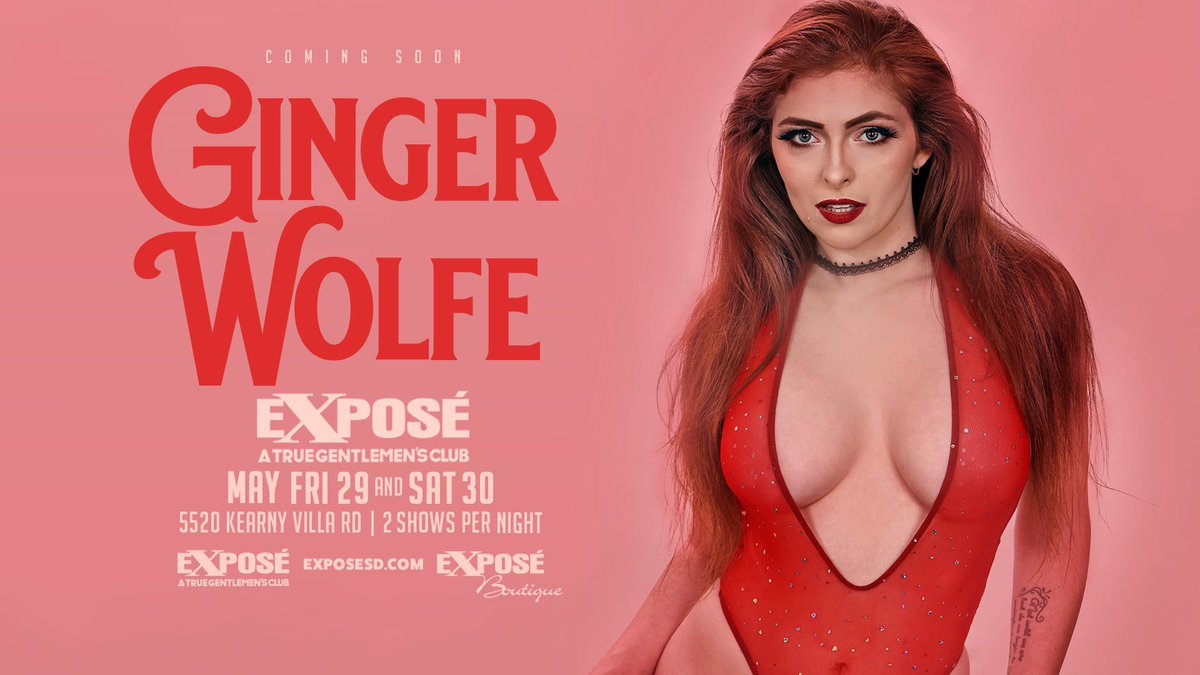
2
2
26
3,158
