|Pan Afrikanist|Decoloniality| History|
Joined February 2012
- Tweets 111,060
- Following 2,145
- Followers 4,135
- Likes 107,394
16,496 Photos and videos

Pinned Tweet

9 Jun 2019
I remember one early winter morning! A knock by my bedroom; “ papa it is time to go”! It was around 3am! It was my dad, he just took leave from work. As I walk out my mom was standing by with a folded blanket; “ take this one with you ngwanaka “! Don’t put on shoes she says...
29
62
122
| M M A M A K W A| 🇷🇺🇿🇦 retweeted

Im ashamed to be a south African 😭😭😭
Islamic Republic of Iran ... Fellow south Africans .. Ethanol .. SAPS .. Sipho Chaine .
298
525
1,692
46,967
| M M A M A K W A| 🇷🇺🇿🇦 retweeted

Jun 8
They blame us even after they celebrated an illegal coup that had nothing to do with SA
3
4
52
3,547
| M M A M A K W A| 🇷🇺🇿🇦 retweeted

Mngxitama was one of the original critics of Afrophobia in South Africa...
More evidence that politicians should have real careers to fall back on so they don't end up selling out the principles they started with to stay off the street.
5
65
235
8,790
An interesting question indeed! Immediately after answering that one we should ask an adjacent question; what does the system consider us?
Jun 8

South Africans, do you consider yourselves proud Africans first, or South Africans first?
1
141
I nearly asked e tswaletšwe ke eng yaz!! Bathong!

108
| M M A M A K W A| 🇷🇺🇿🇦 retweeted
Jun 8
Why do Zimbabweans make it a responsibility of their neighbor, South Africa, to deal with their own Government ?

🔸Your Excellency, the uncomfortable truth we cannot shy away from is that, for as long as the political crisis in Zimbabwe remains unresolved, people will continue to run away. Very little will be able to stop them. This must be top most in your minds when you prop up the regime that is causing mass suffering. These are the side effects of mollycoddling and making friends with corrupt dictatorships.
We need new leaders.🇿🇼
46
309
1,378
66,274
They play too much

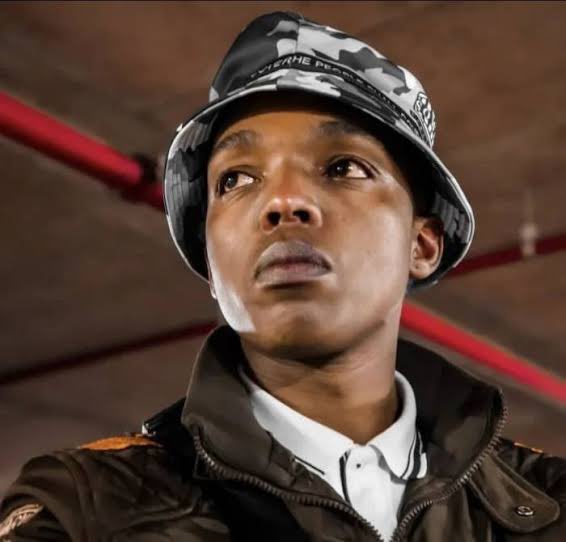
The ANC is considering Nhlanhla Lux Dlamini for the Johannesburg Mayor position!
1
85
Zimbabweans want someone to come resolve their problems!! You are a cursed nation!! No way!
🔸Your Excellency, the uncomfortable truth we cannot shy away from is that, for as long as the political crisis in Zimbabwe remains unresolved, people will continue to run away. Very little will be able to stop them. This must be top most in your minds when you prop up the regime that is causing mass suffering. These are the side effects of mollycoddling and making friends with corrupt dictatorships.
We need new leaders.🇿🇼
115
Rich uncles are a problem 😂😂😂😂
Jun 8

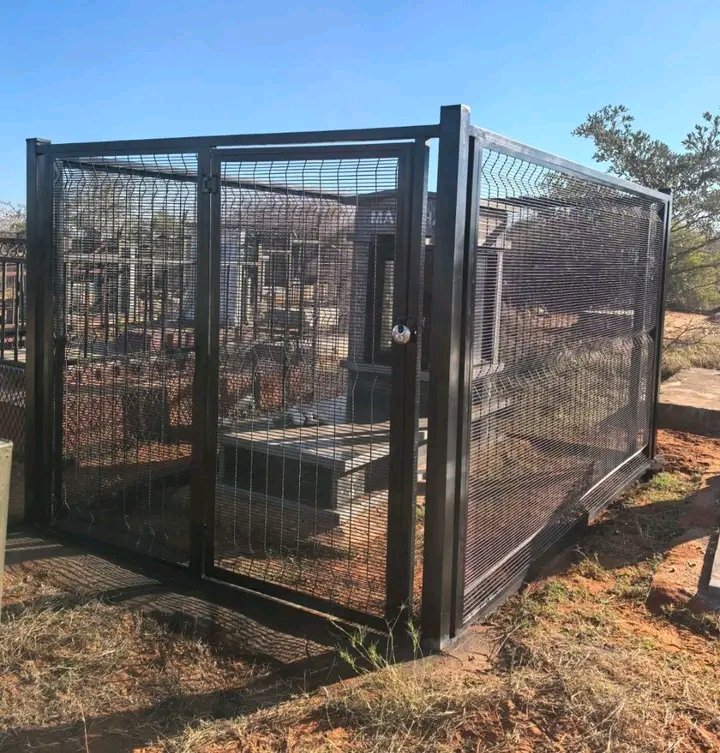
So My family members are fighting my Uncle and taking him to court because he is refusing to give other family members the key to open to enter my Grandmother's tombstone to perform rituals etc. All because he was the only one who paid for the installation of the Tombstone, now he is denying access. I Drama 😩🤗
234
Nhlanhla Lux can’t even construct a coherent sentence on governance or policy on local governance. Jabu Moleketi is their guy if those are the options!

EXCLUSIVE: Masuku advances, Morero misses out as ANC considers Nhlanhla Lux, Frank Chikane, Chichi Maponya and Jabu Moleketi for Johannesburg mayor
mg.co.za/politics/2026-06-08…
135
How much Zionists paid you for this performance?

The boundless JOY of returning to the motherland.
For God and Country 🇬🇭 🙏🏾
3
128


It’s all written MOSSAD all over it cadre! Interestingly, both Patriots and Ghana Gov play for the same team, is just that they don’t know yet. Israel is using them to advance its own racist and genocidal interests!

This now confirms that what I always say,Ghana is just being used in this agenda against South Africa,they are even using actors now who pretend to be victims of xenophobic SA,Ghana has allowed themselves to be easily puppeted by the West
1
3
3
134
This now confirms that what I always say,Ghana is just being used in this agenda against South Africa,they are even using actors now who pretend to be victims of xenophobic SA,Ghana has allowed themselves to be easily puppeted by the West

1
2
4
668
| M M A M A K W A| 🇷🇺🇿🇦 retweeted

This is ethnic mobilization, you can't convince me otherwise.

62
67
308
20,640
| M M A M A K W A| 🇷🇺🇿🇦 retweeted

This is the first time I have been pro-Concomitant action. Ramaphosa is saying the opportunists parading on the streets, using this to advance their political and criminal agendas, will be dealt with. TRT, STF, and SANDF must be deployed come 30 June.
2
7
13
313
| M M A M A K W A| 🇷🇺🇿🇦 retweeted
Jun 7
Shame, Ryan still hurt that in South Africa we have freedom of speech ?
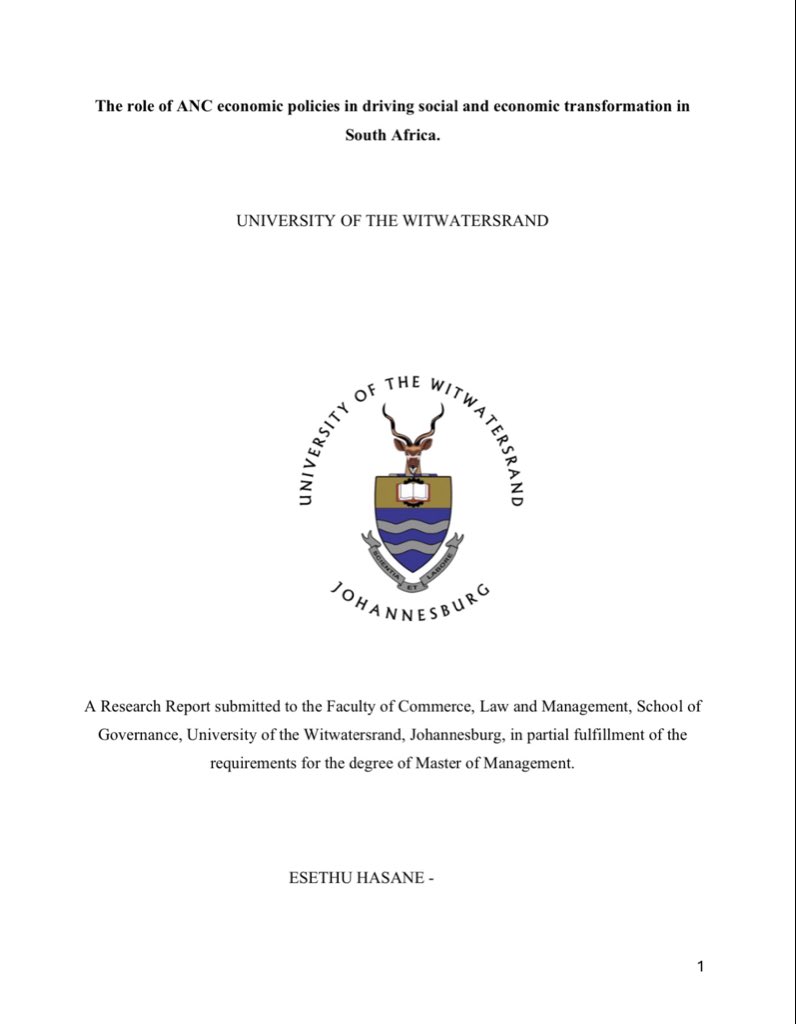
I wrote a WHOLE Masters Research on what I’m saying and got a Distinction, it seems, you would be very hurt by it. Criticizing Government’s liberal macroeconomic policy and outlook isn’t trash talking; it’s simple that, criticism.
Jun 7

This guy is a public servant at Transport. Trashes what he thinks the government’s economic policy is. Wrong about what he thinks the government’s economic policy is, however. Wrong about economics, too. And even if it were the case that the state should be at the centre of the economy, this particular state can’t so much as fix a pothole most of the time.
14
11
52
19,712
| M M A M A K W A| 🇷🇺🇿🇦 retweeted
Jun 7
Reducing South Africa’s crisis to corruption or state incompetence alone, while understandable, misses something critical; neoliberal economic policy that deliberately restrains the state and places the private sector, historically built on apartheid wealth, at the centre of development without structural reform. Since GEAR in 1996, ANC slowly and quietly abandoned the redistributive promise of the Freedom Charter and the RDP, surrendering the state’s most powerful transformation tools to markets that were never designed to serve the poor.
The result? 40% unemployment, world-record inequality, and spatial underdevelopment that still mirrors apartheid geography. These are not simply the consequences of corruption they are logical outcomes of a liberal capitalist framework that rewards existing concentrations of wealth and keeps the state too weak to challenge them.
Honest analysis requires three conversations at once: fighting corruption, rebuilding state capacity, AND confronting an economic ideology that made radical transformation structurally impossible from the start.
Without that third conversation, we are not diagnosing the problem we are protecting it; and we won’t get out of the woods
Jun 7

South Africans are deeply frustrated and with good reason about illegal immigration and the pressure it places on already scarce opportunities.
But the real crisis is not the immigrants themselves. The root cause is our failure, over the past fifteen years, to deliver inclusive economic growth that creates enough jobs, dignity and hope for our own people.
This failure has been driven by three systemic issues we can no longer ignore:
• A collapse in the rule of law that has enabled corruption, criminality, land invasions, illegal migration, and the brazen theft of electricity and water.
• Bureaucracy and red tape that continue to strangle enterprise, deter investment and kill job creation.
• Incompetent and, in too many cases, corrupt leadership in key positions across government, state-owned enterprises and parts of the private sector.
As leaders, we must have the courage to look in the mirror and ask a difficult but necessary question: How have we allowed these conditions to take root and persist?
This question is not about blame. It is about responsibility and that is precisely why it is empowering. It places the power to change things back where it belongs: with us. We are not helpless. We are not victims of forces beyond our control. By focusing on what lies within our sphere of influence our decisions, our standards, our willingness to confront uncomfortable truths and act decisively, we can begin to reverse the damage we have helped create.
The time for self-criticism and honest reflection is now. The time for excuses has long passed. South Africa’s future will be determined by leaders who are prepared to own their part in the mess and do the hard, disciplined work required to fix it.
31
49
91
21,370