Institute of Human Biology (IHB), Roche, Basel, Switzerland. Institute of Bioengineering, EPFL, Switzerland. #organoids, #tumoroids, #stemcells, #bioengineering
Joined December 2018
- Tweets 213
- Following 361
- Followers 6,075
- Likes 524
52 Photos and videos


6 Dec 2024
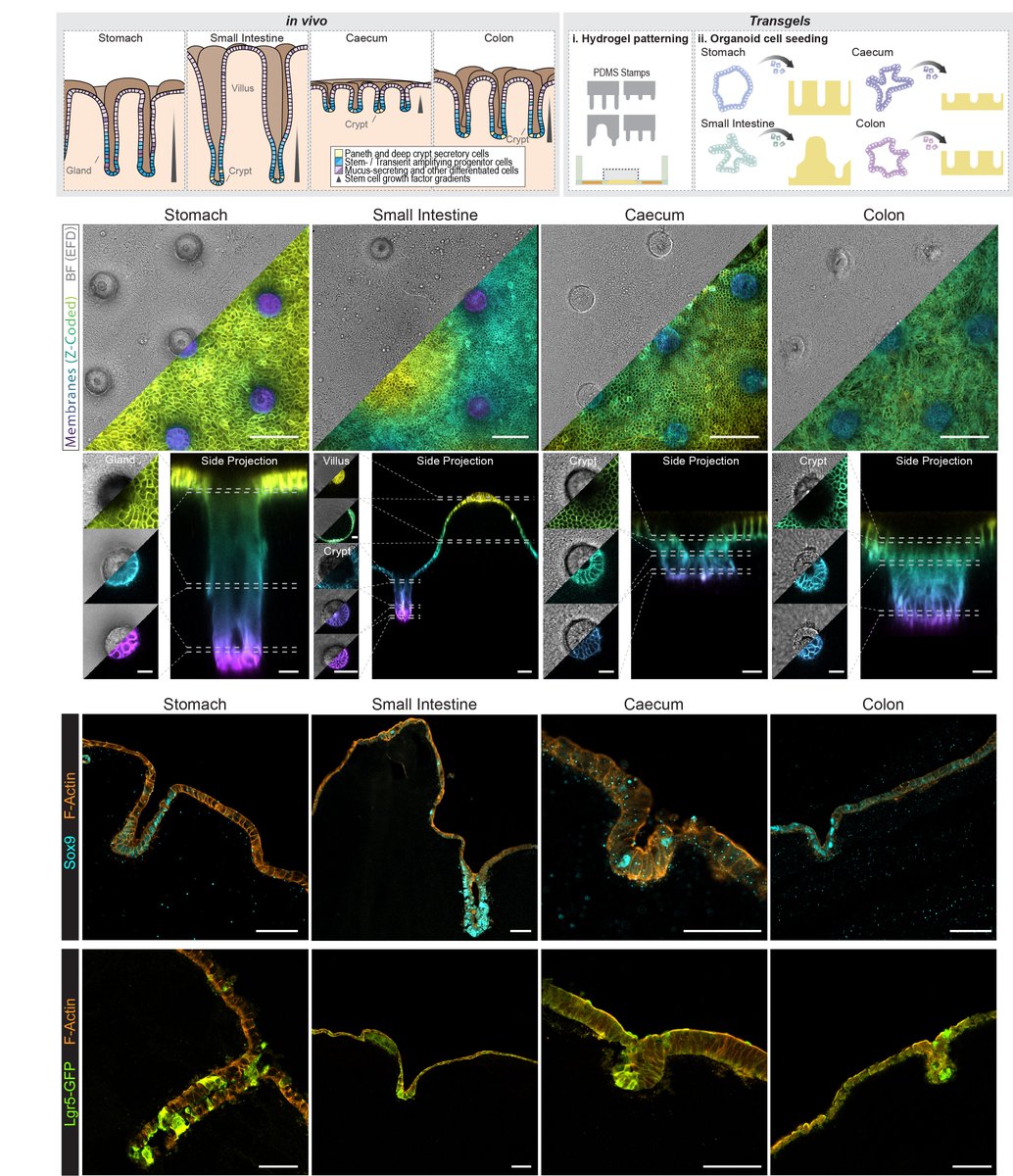
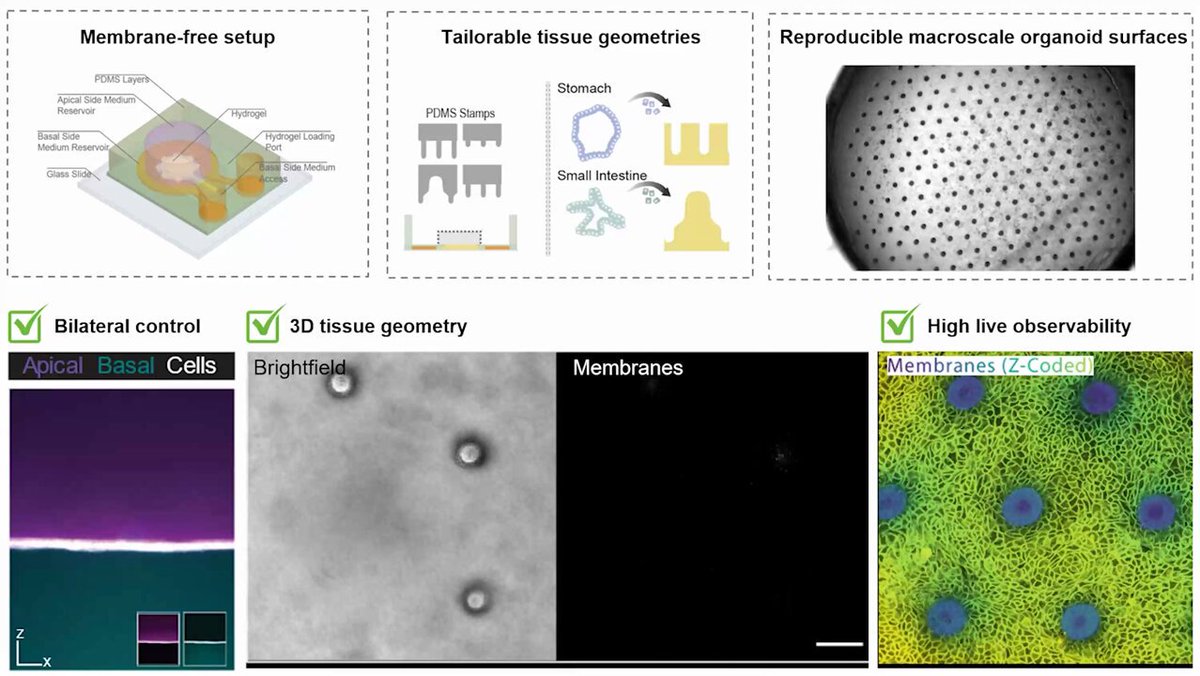
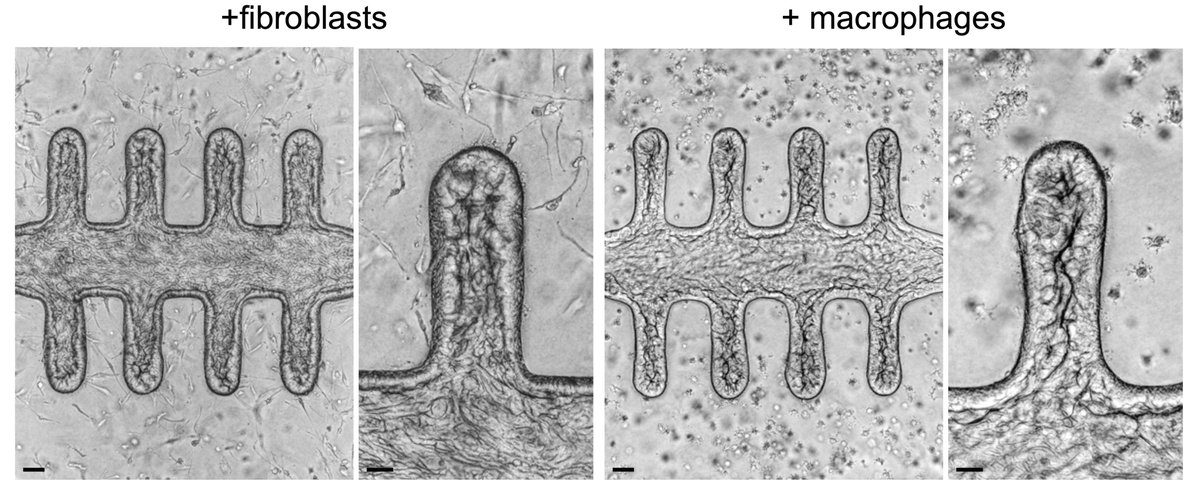
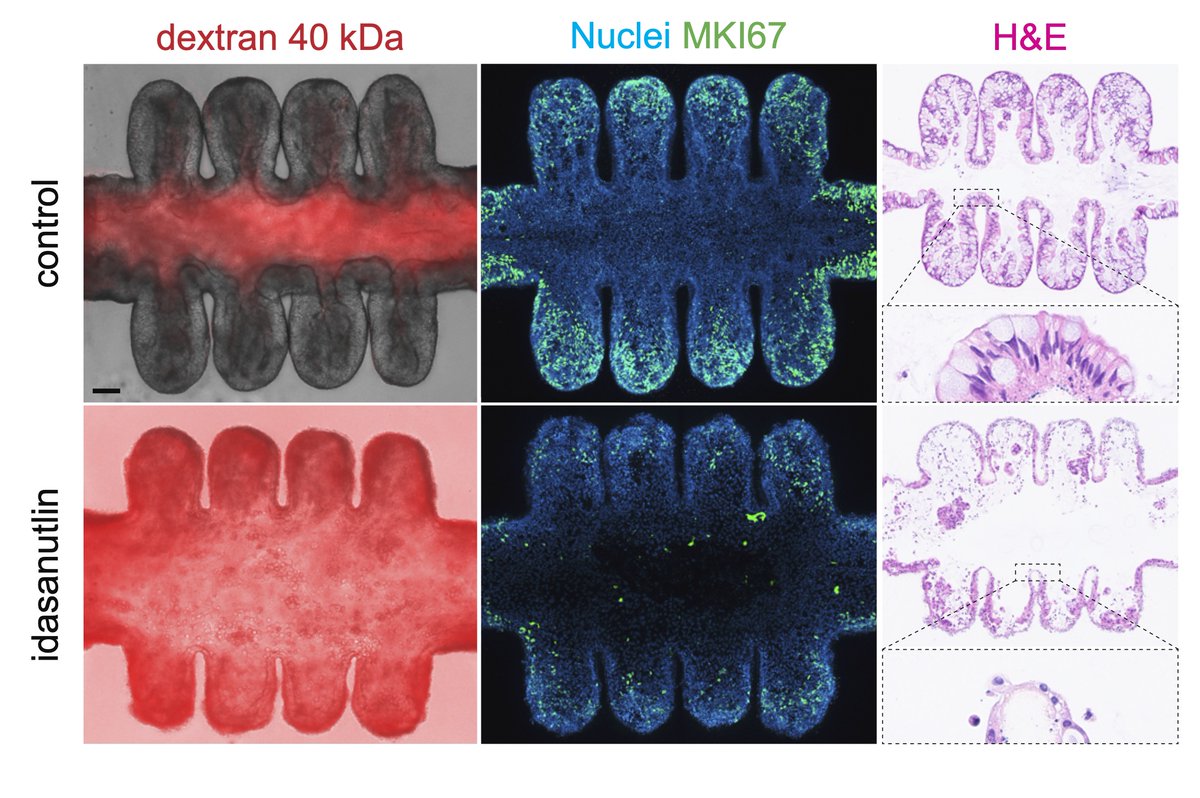
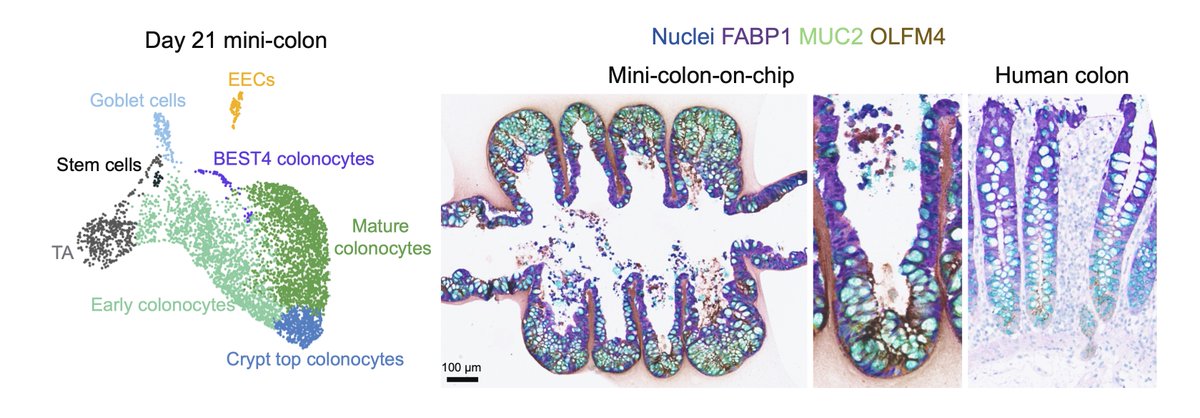
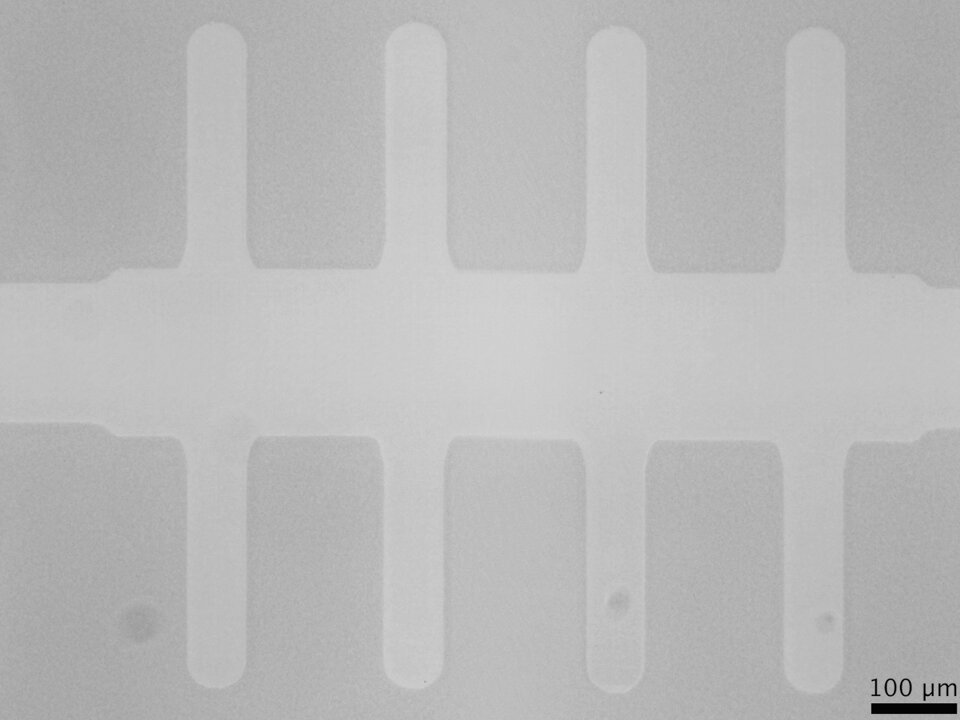
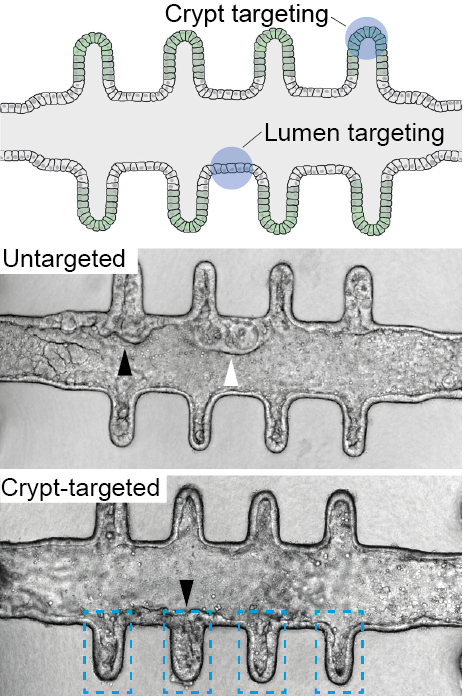
Bioengineered GI organoids just got an upgrade! Our new Transgel system combines 3D complexity with bilateral accessibility & remarkable observability, enabling advanced studies on tissue dynamics, stem cell niches, and host-pathogen interactions.🔬
👉 nature.com/articles/s41551-0…
2
26
162
14,807
6 Dec 2024
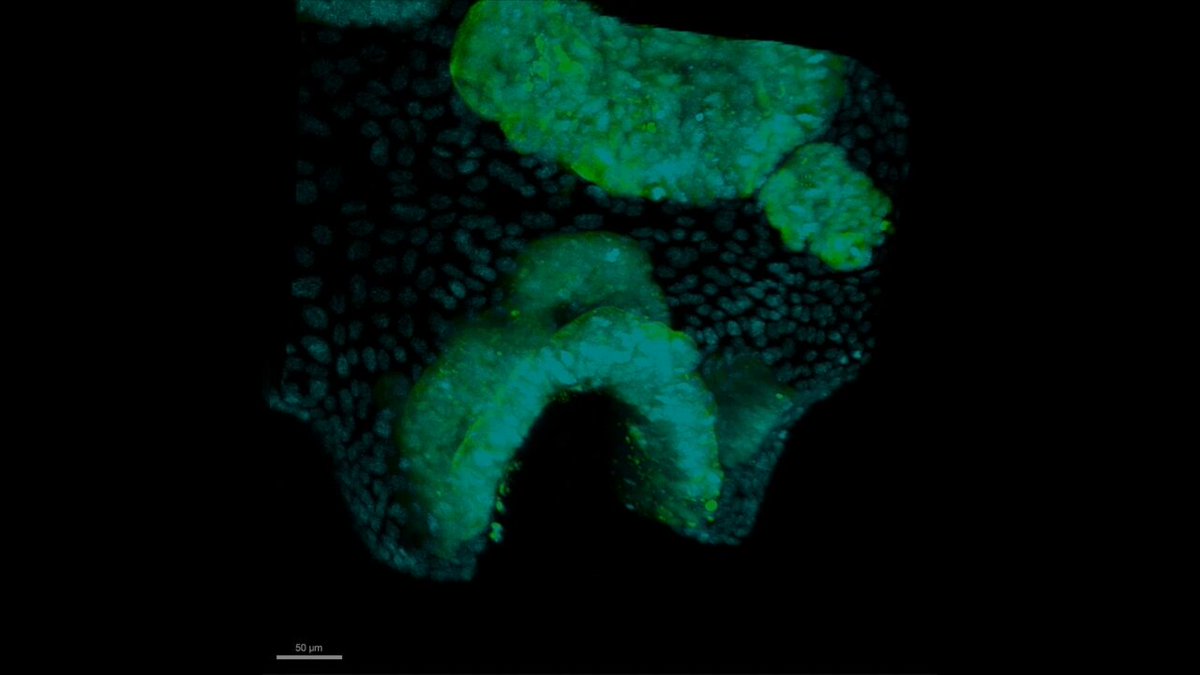
From gastric to colonic tissues: Transgel organoids replicate GI tissue architecture, including stem cell patterning and improved differentiation over time! There seem to be conserved mechanisms for geometry-induced stem cell organization and differentiation across the GI tract.
1
1
12
1,452
6 Dec 2024
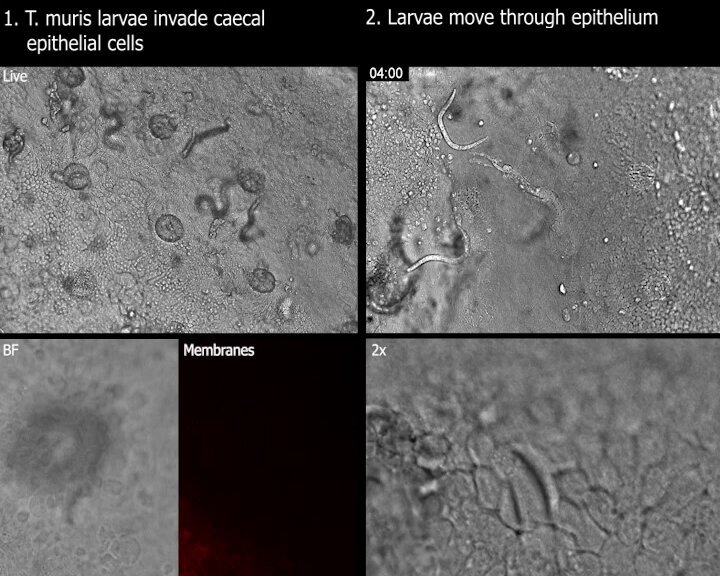
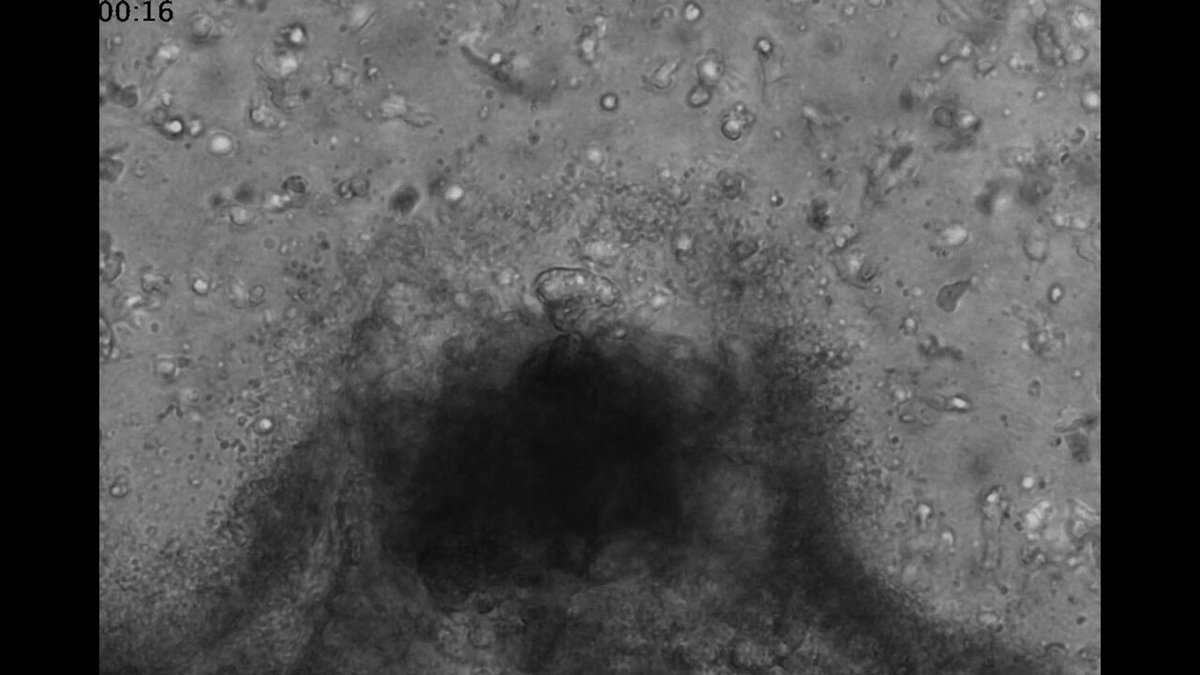
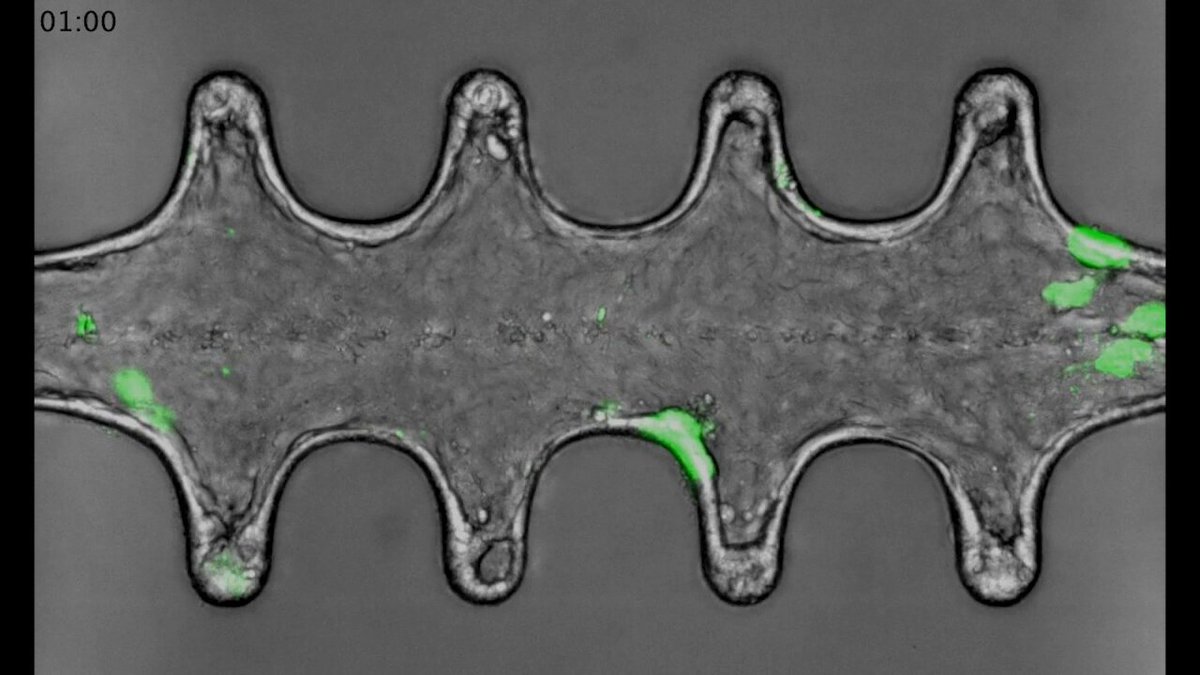
Transgels enable live imaging of parasite infection in caecal models. Watch larvae invade epithelia in real-time & observe mechanisms like syncytial tunnel formation. Huge congrats to super talented @MoritzHofer_ and thanks to Maria Duque-Correa for the fantastic collaboration!
2
8
1,162
12 Nov 2024
Join us @Roche's Institute of Human Biology (IHB) as a Scientific Group Leader! Lead innovative research in #HumanModelSystems such as #Organoids. We especially seek applications aligned to our commitment to diversity and inclusion. More go.roche.com/11jc8 #TeamIHB #pRED
40
139
16,723
1 Oct 2024
Please join us in shaping the future of human biology research and help to translate it into real-world applications in pharmaceutical research and development!
30 Sep 2024

📢Open call for Scientific Group Leads! #TeamIHB seeks stellar Junior & Senior scientists to start research groups on innovative and translational #HumanModelSystems. Expertise in #Immunology, #Neurology, #Ophthalmology, #Metabolism or #Oncology a➕! More go.roche.com/11jc8
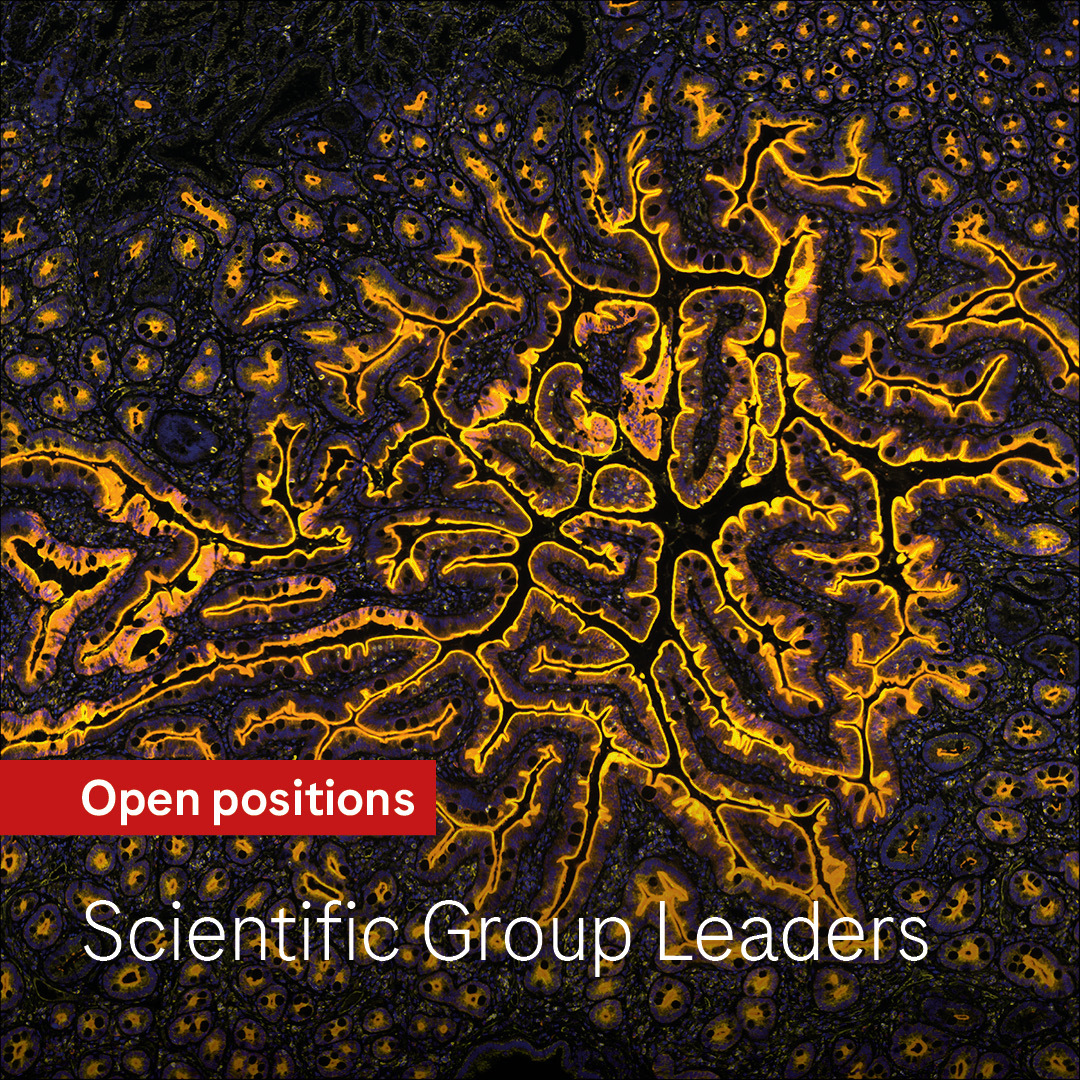
ALT P-gp efflux transporters in the small intestine. Staining with immunofluorescence antibodies against the efflux transporter P-glycoprotein is in yellow. Its staining co-localizes with the marker villin (red) in the apical brush border of the epithelial cells that line the intestinal wall, creating an orange co-staining pattern.
1
18
97
13,330
15 Aug 2024
Fantastic paper that exemplifies the credo and mission of @IHB_Research: bold and creative young scientists as hands-on leads projects combining biology, engineering, computation and drug development extremely close collaboration between multiple research groups! Congrats!!
14 Aug 2024

Exciting new inroads into human biology and therapy development: Human intestinal organoids with an autologous tissue-resident immune compartment! #Gjorevski #Cabon #IHB @Nature @IHB_Research nature.com/articles/s41586-0…
5
88
6,590
3 Jul 2024
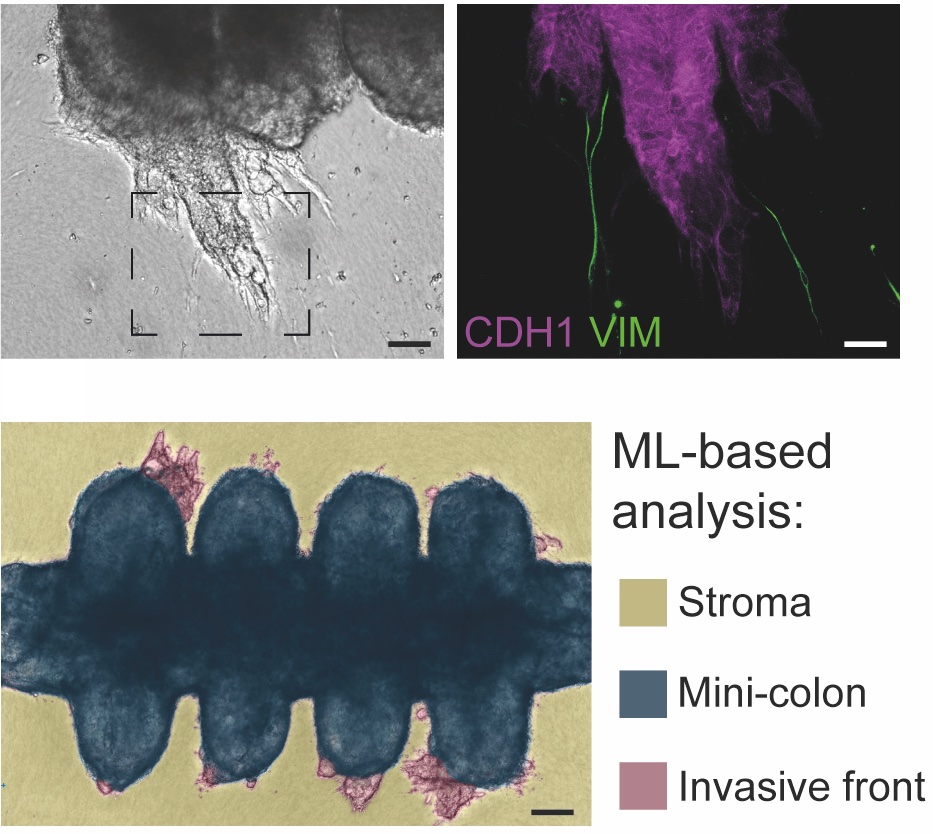
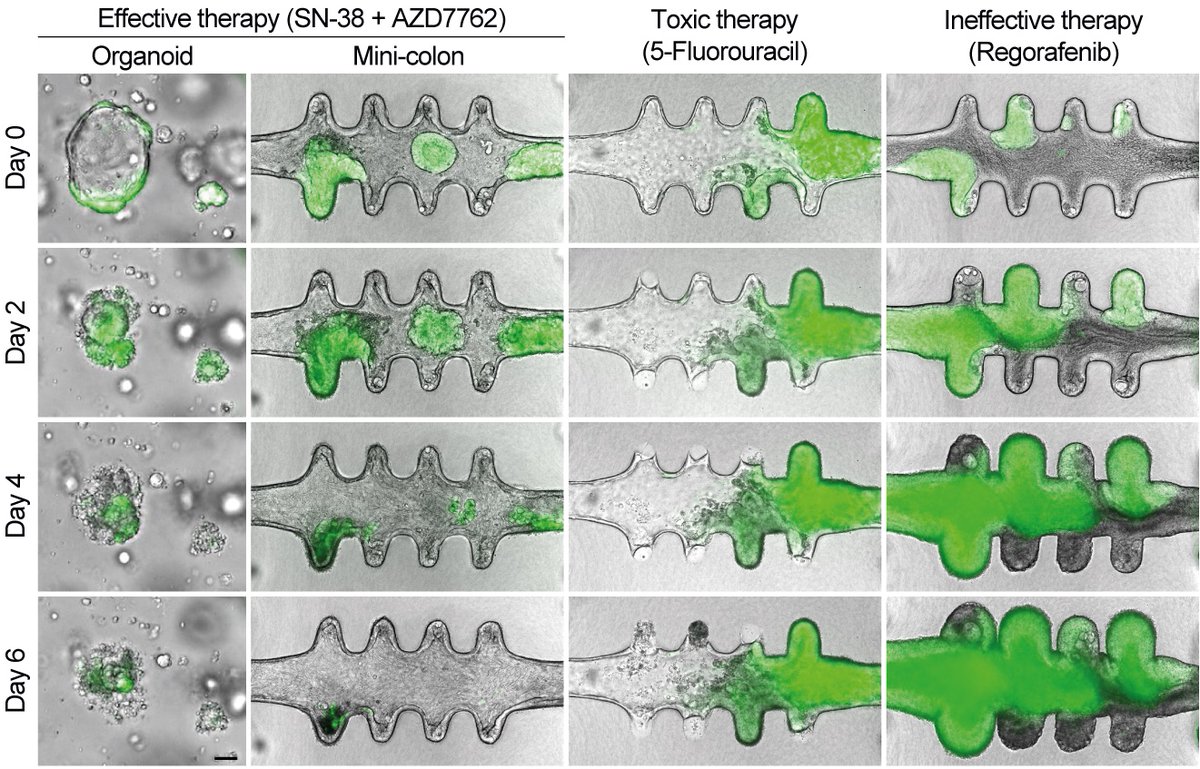
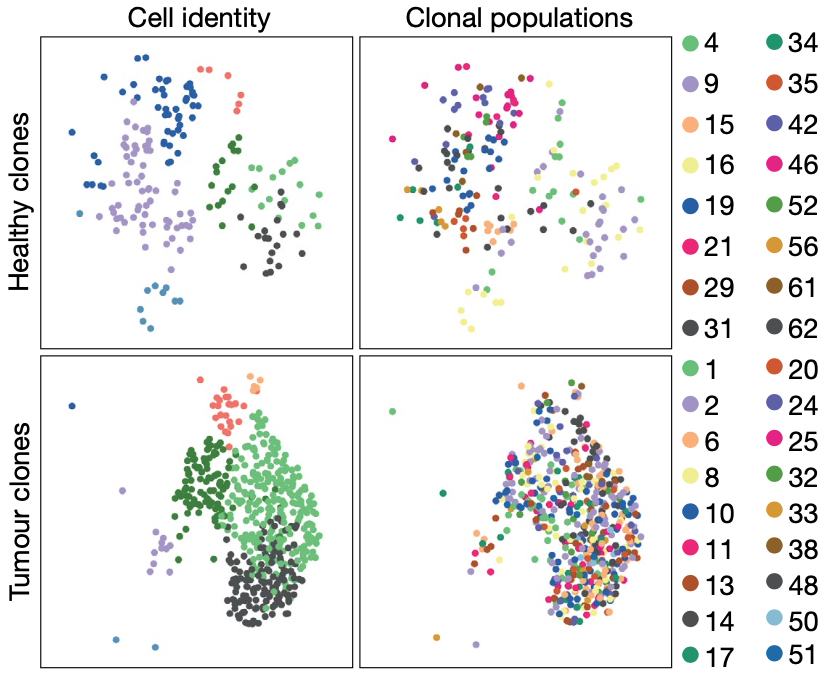
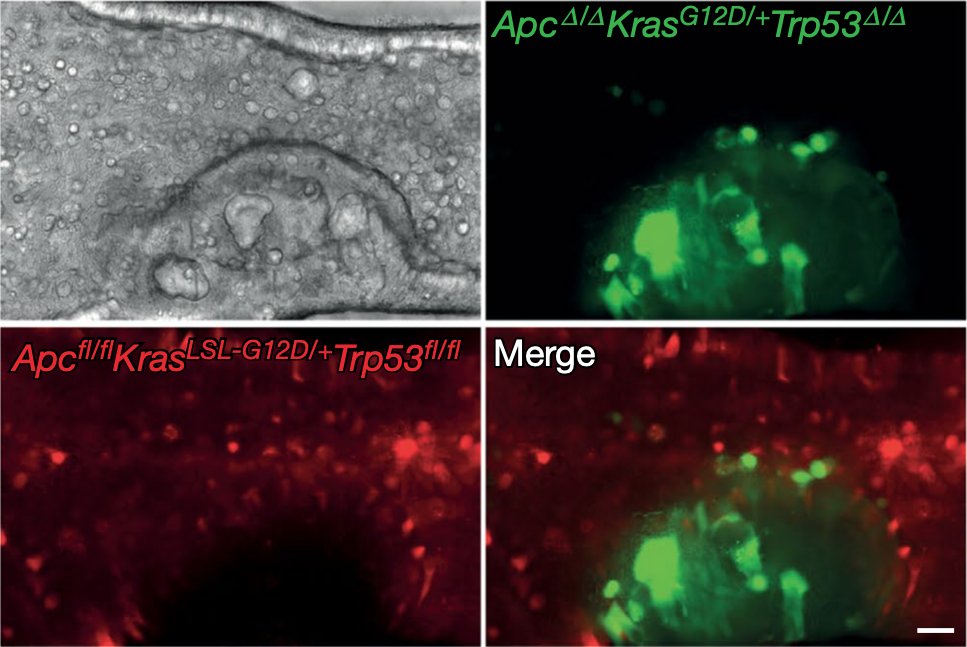
Following our recent breakthrough on mouse mini-intestines for ex vivo tumor development, we asked ourselves: can this technology be applied to cells from cancer patients? We are excited to announce the answer to this question in our latest publication: rdcu.be/dMuAr
8
53
339
46,768
3 Jul 2024
and the identification of immunomodulatory interactions among different components of the tumor microenvironment.
1
1
12
1,858
3 Jul 2024
This work has been led by the brilliant @LFranciscoLM, with invaluable support from @NicoBroguiere, @JakobJLanger, Lucie Tillard, @mike_nikolaev, @CoukosGeorge, and Krisztian Homicsko. 🙏🙏!!
9
1,546
13 Jun 2024
Imagine growing a miniature version of the human intestine in the lab to study gut biology in great detail and test medicines before clinical trials? We are happy to share our latest publication on bioengineered human mini-intestines: authors.elsevier.com/sd/arti… Let’s dive in!
14
187
857
135,509
13 Jun 2024
These bioengineered mini-intestines are a powerful tool for exploratory and translational research. They enable advanced modeling of the intestinal #epithelial barrier for drug testing and capturing the multicellular complexity of gastrointestinal diseases.
1
1
13
2,189
13 Jun 2024
This project was spearheaded by @olga_mitrofan and supported by co-authors @mike_nikolaev, @_xuquan, @NicoBroguiere, Irineja Cubela, @GrayCampLab and Michael Bscheider as a collaborative effort between IHB, Roche pRED and EPFL. Huge thanks to all!!
1
9
1,898
5 Jun 2024
Thanks, this was a lot of fun!!

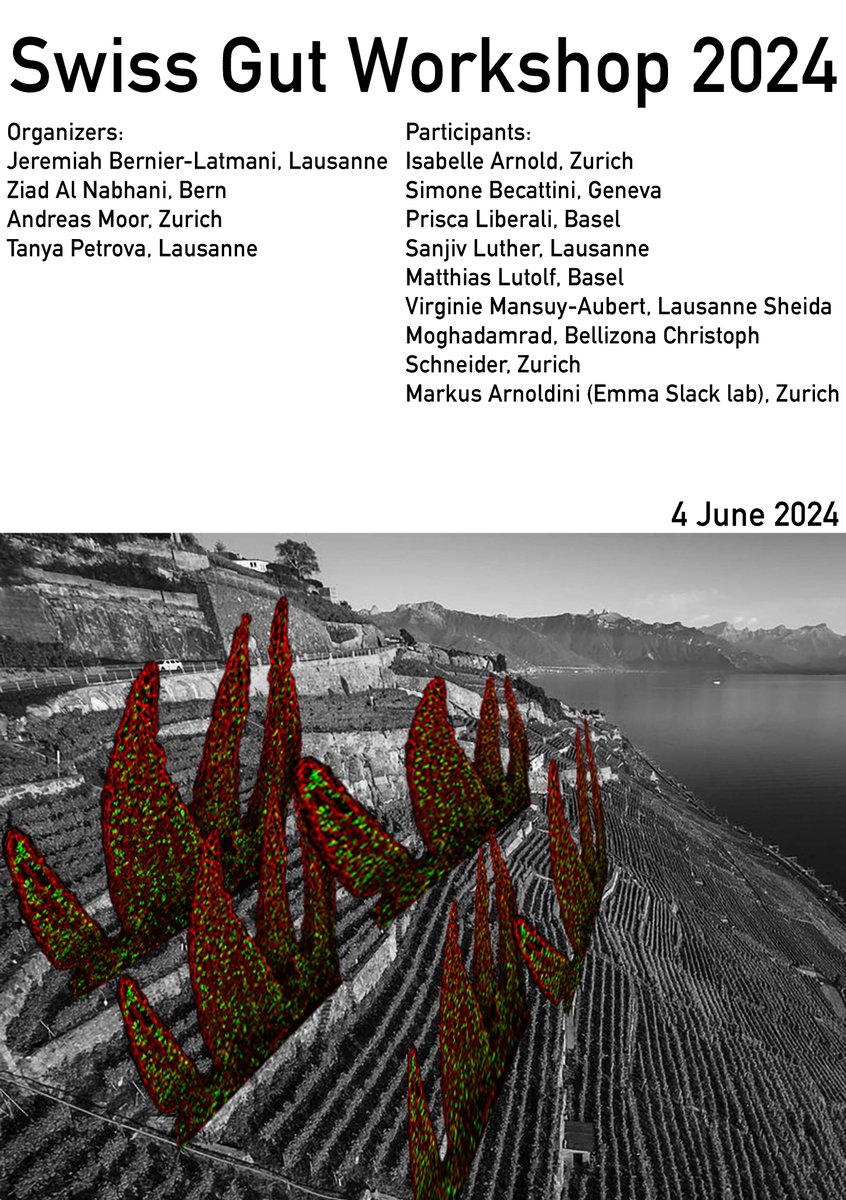
🤩The first Swiss Gut Workshop was a success! So exciting to dive into the latest gut research from organoids to the gut-brain axis, all set against the stunning Lavaux landscape🤩
🙏 to all participants for sharing amazing science and @UNIL for support!
11
3,606