Are You Ready To Start Catching Bigger Fish?
Joined August 2009
- Tweets 29,018
- Following 1,354
- Followers 4,064
- Likes 18,648
11,207 Photos and videos



3
2
19
6,365
🎣😎 The Mullet Run retweeted

The final tally of the day was 195 pounds of trash removed from Miami's mangroves. 45,230 pounds removed over 207 days. Please consider donating: patreon.com/c/u24962511
5
35
145
2,974
We have been chunking hogleg for decades. Get you a dozen and #runthatdog
3
7
1,300
🎣😎 The Mullet Run retweeted
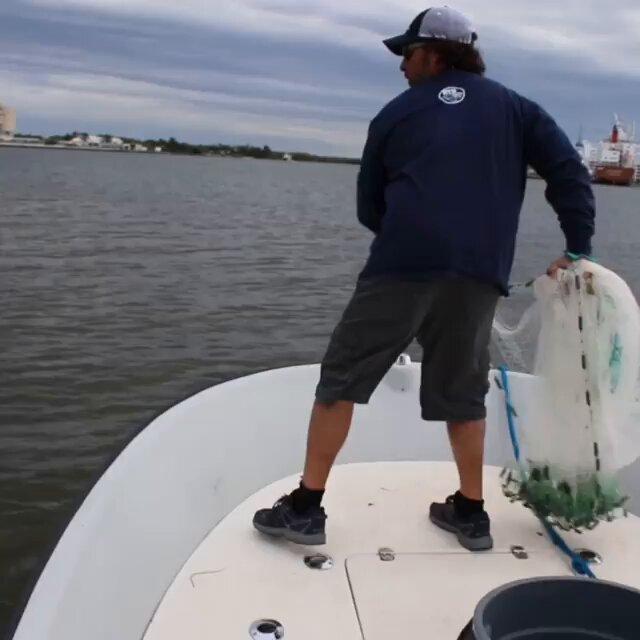
Cast Netting PILCHARD. They are everywhere in the summer. This is all it takes.
3
8
1,747
If somebody catches more fish than you with a Zebco than you do with a $1,000 setup, who is the better fisherman?
85
There is truly no greater test of patience than ending up on a drift boat with a captain who's apparently trying to set a world record for fuel conservation.
You paid to go offshore and instead you've been orbiting the inlet all day like a confused seagull, never venturing more than a quarter mile from shore because diesel prices hurt his feelings.
Meanwhile, you're trying your absolute best to focus on that sacred "arm length" of line coming off the spool because every drift boat expert within a 50-mile radius has reminded you 27 times that if you don't have the perfect arm length, you'll somehow ruin fishing for everyone on board.
But that's impossible because directly behind you are two old timers on the bench screaming at each other about Billy the Kid.
Not fishing techniques. Not weather patterns. Billy the Kid.
One guy swears he died at 21. The other says there's a conspiracy and he lived another 40 years under a fake name somewhere in Texas.
Next thing you know they're standing up, pointing fingers, and trying to square off while everyone else is ducking flying coffee cups and tackle bags.
Now the captain has to separate them while simultaneously announcing, "Lines down! Keep your arm length! Don't tangle!"
At this point nobody knows what's happening anymore.
You're not offshore.
You're not catching fish.
You're just trapped in a floating senior citizen history podcast that occasionally drifts over a reef.
2
1
6
700

Jun 14
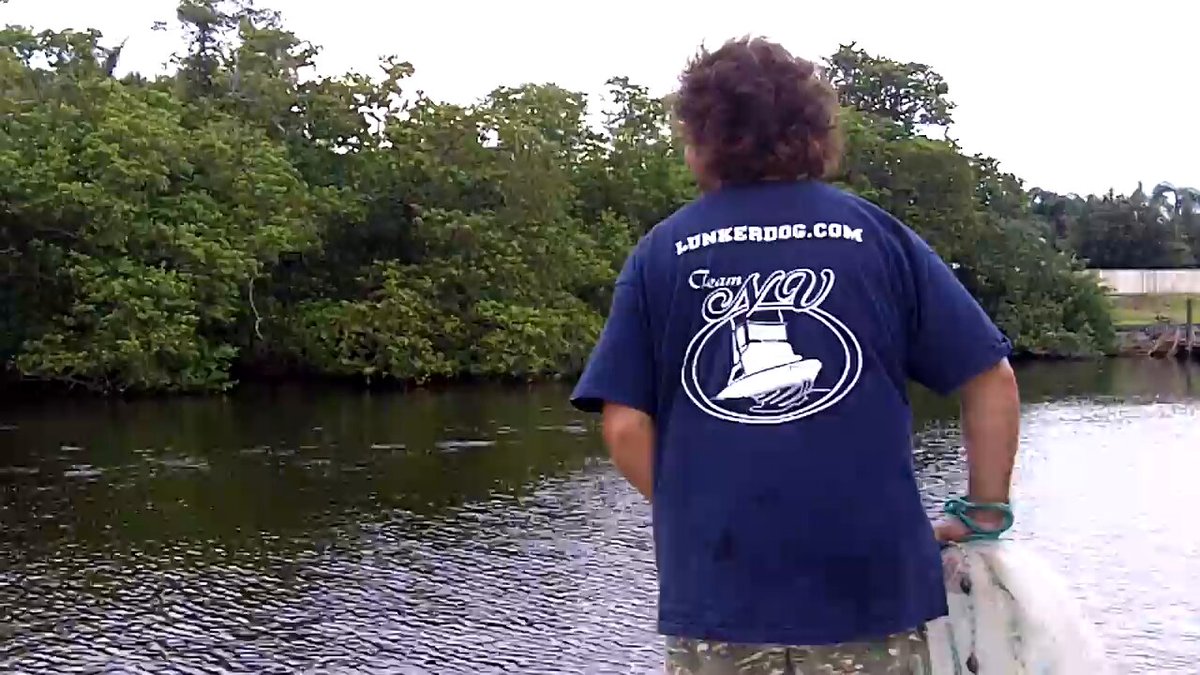
Captain Jeff's Tarpon Tips are as relevant today as they were back in 2008! Comment on this video quality 😂
1
2
8
360
Jun 14
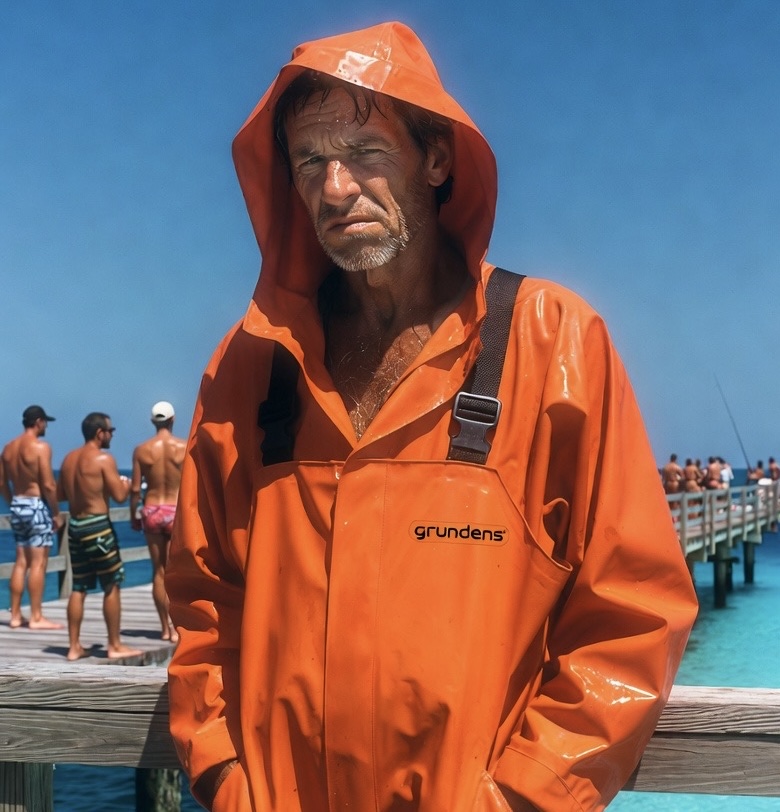
You ever notice there's always that one guy at the pier who shows up wearing a cowboy hat like he's about to ride off into the sunset after limiting out on redfish?
Meanwhile, the man's entire life story took place east of I-95 in Broward County.
Buddy acts like he grew up wading marshes and chasing tailing reds at daylight. In reality, he was raised 10 minutes from a Publix, 15 minutes from a Starbucks, and the closest thing he's ever seen to a cattle ranch was a road trip through Okeechobee with the windows up and the AC blasting.
The funniest part is the whole "country" act. Wearing a cowboy hat on a concrete fishing pier doesn't magically transform you into some backwater fishing legend. That's like putting on a chef's hat and expecting Gordon Ramsay to hand you a Michelin star.
Let's be honest. Most of eastern Broward County doesn't even have redfish or speckled trout fisheries worth talking about. The guy's out here dressed like he's been poling a skiff through Louisiana marshes his whole life when his fishing résumé consists of catching mangrove snapper next to a bait bucket and asking strangers what's biting.
Nothing wrong with wearing whatever you want. But if you're going to cosplay as the most country fisherman on the coast, at least make sure your hometown has more cows than condo towers.
Until then, that cowboy hat isn't saying "country."
It's saying "Bass Pro Shop gift card."
1
151
Jun 14
"Who catches more fish: the guy with the newest gear or the guy with the oldest gear?"
1
1
1
129
🎣😎 The Mullet Run retweeted

Jun 13
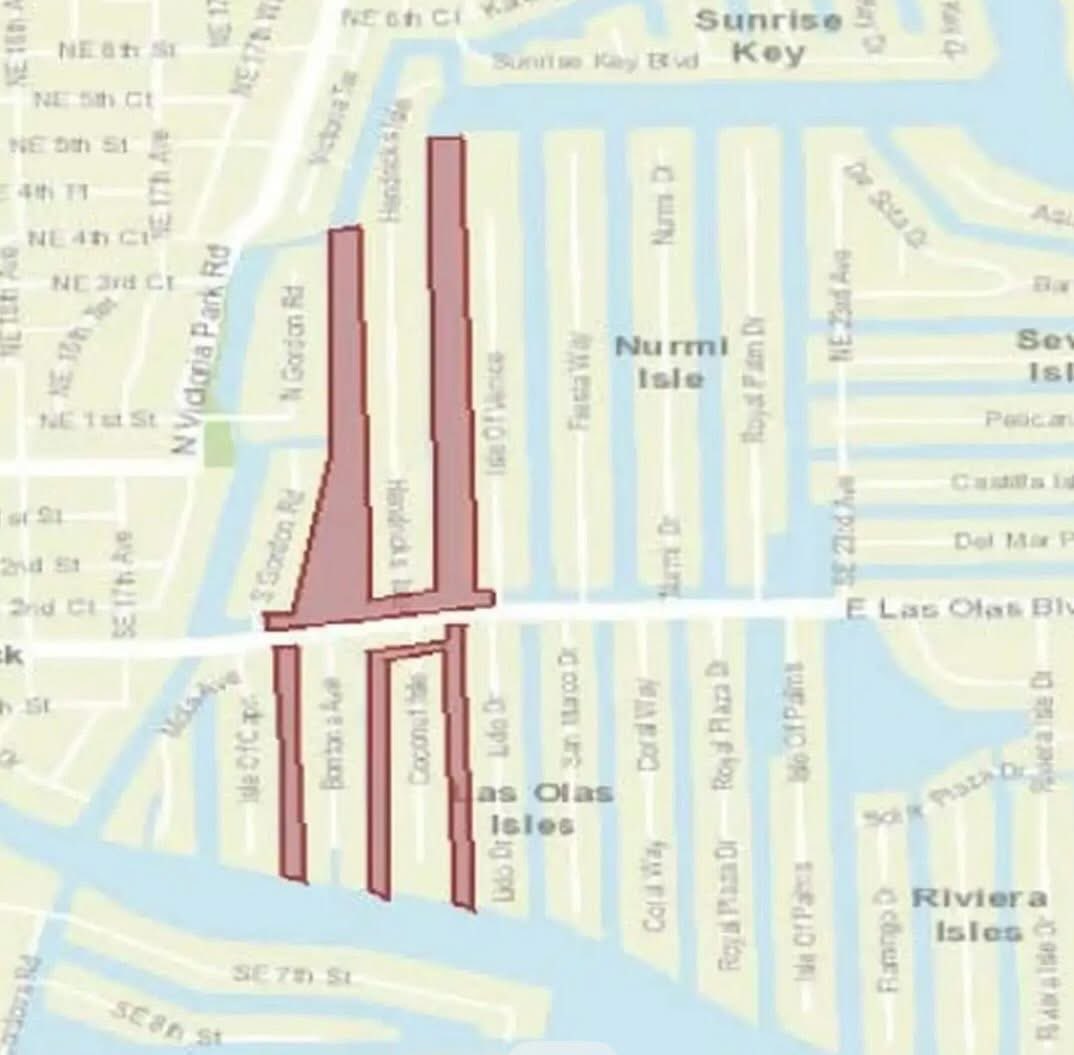
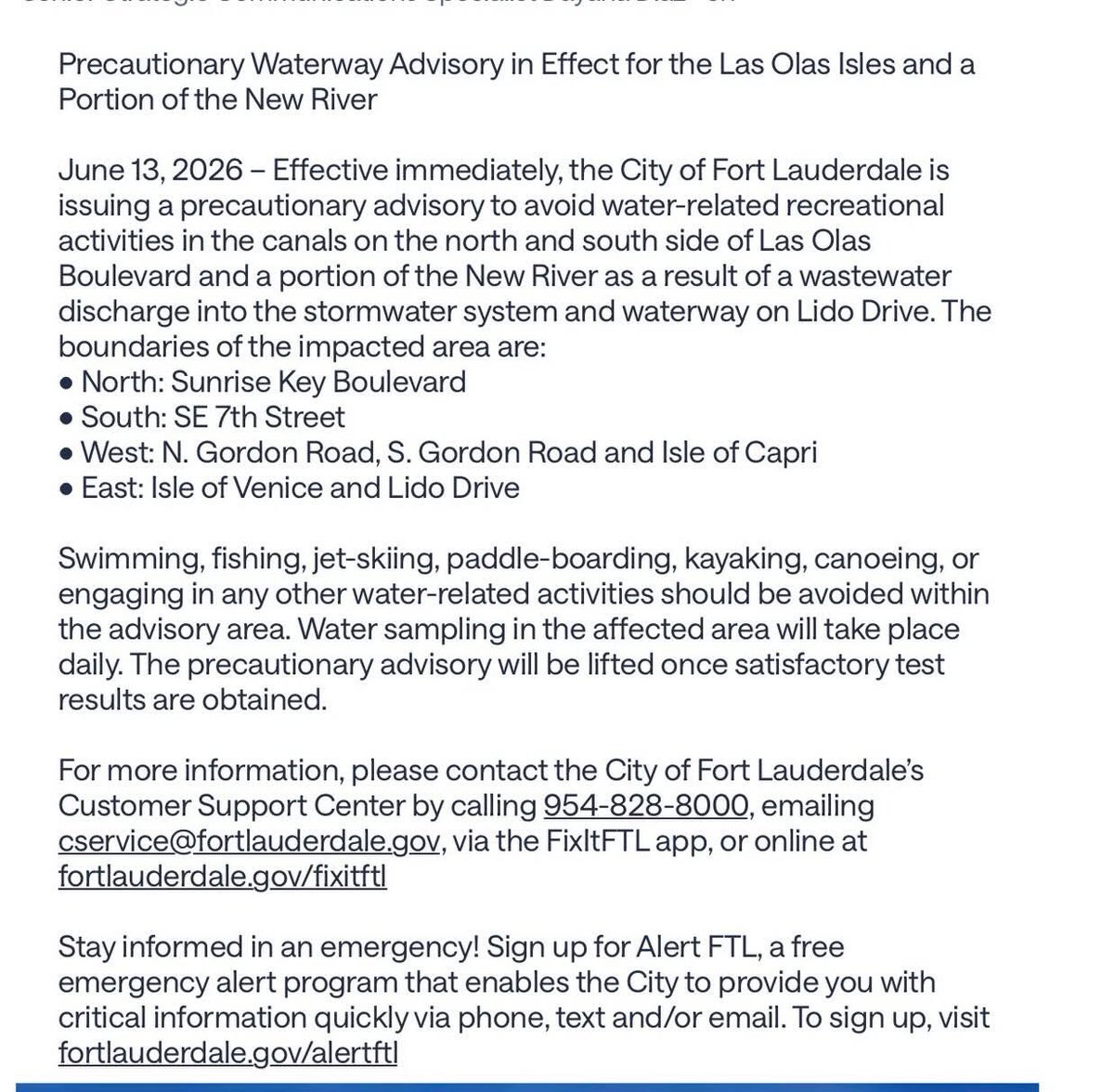
Las Olas waterway advisory. Always
1
2
81
Jun 13
Bait fishing tonight. 18 years ago we uploaded this!
1
1
3
282
🎣😎 The Mullet Run retweeted

Jun 13
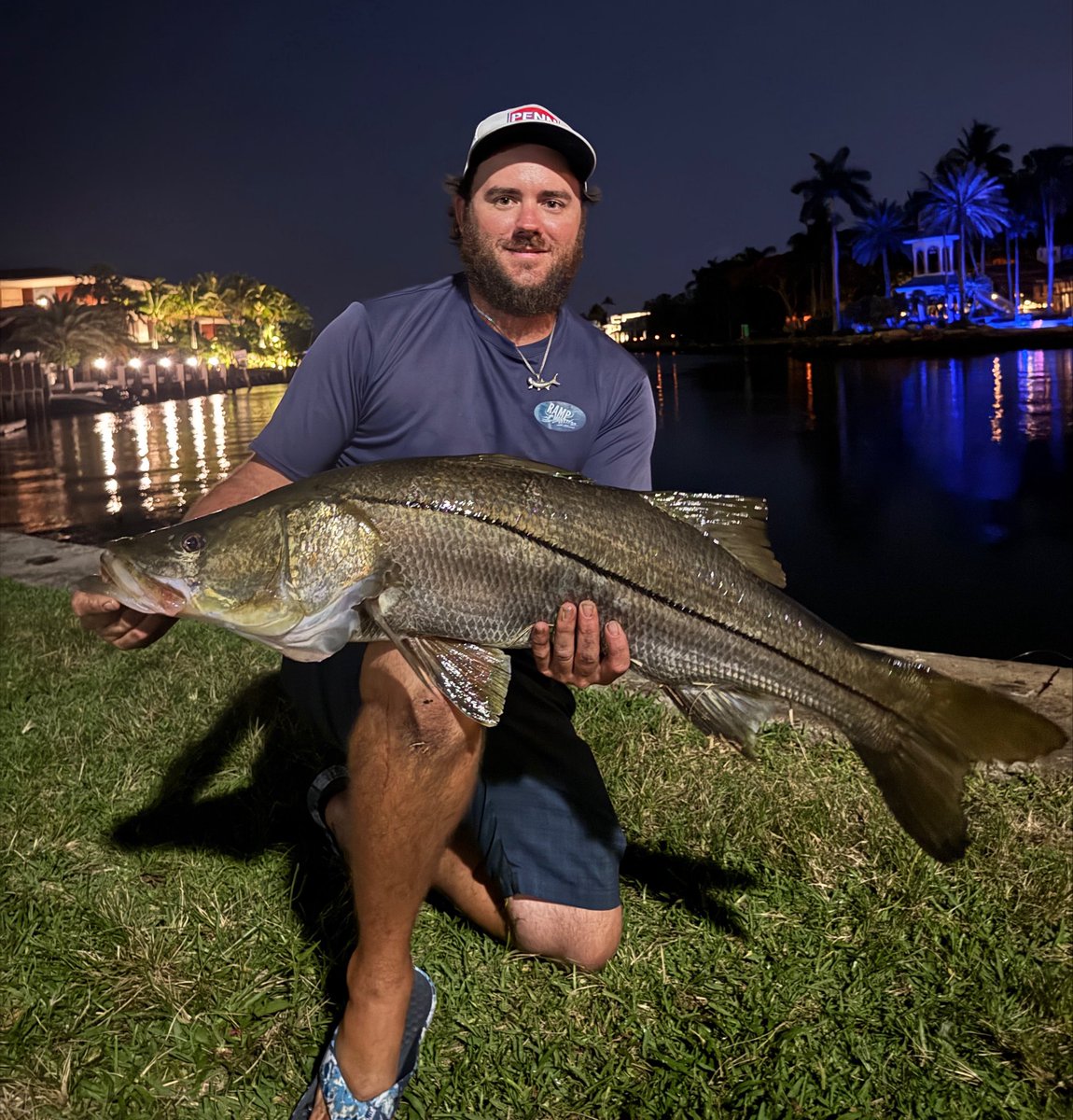
Got into everything on offshore Thursday!!!
2
1
8
426
Jun 13
Should cities actively remove underwater objects that fishermen constantly get snagged on, or are those structures actually part of what makes fishing productive?
It's a question worth discussing.
Many anglers have experienced the frustration of losing expensive lures, rigs, sinkers, and even fish to rocks, concrete debris, bridge rubble, or other underwater structures. Some fishermen argue that if local governments know about major snagging hazards in popular public fishing areas, they should consider removing them to make fishing safer, more accessible, and less costly for everyone.
On the other hand, many of these same structures provide critical habitat for fish. Rocks, ledges, and artificial debris often attract baitfish, which in turn attract larger game fish. In many cases, the very spots where anglers get snagged are also the spots where the biggest fish are caught. Removing these structures could potentially reduce fish populations and negatively impact local fisheries.
There are also environmental and financial considerations. Removing underwater structures can be expensive and may disturb aquatic ecosystems that have developed around them over many years. Some anglers believe education, mapping, and warning signs would be a better solution than physically removing structure from the water.
So what's the right answer?
Should cities and municipalities actively remove known snag hazards from public fishing areas? Should they only remove dangerous man-made debris while leaving natural structure alone? Or should fishermen simply accept that structure, snags, and lost tackle are part of the sport?
We're interested in hearing from anglers of all experience levels.
What do you think? Have you ever lost gear to a spot that you believe should have been cleaned up, or do you think structure is essential for maintaining healthy fisheries and good fishing opportunities?
Drop your thoughts in the comments.
1
2
233