Sharing the ideas and works of Jawaharlal Nehru | Not associated with any political party | Email to connect or get published: thenehru@outlook.in
Joined October 2017
- Tweets 2,810
- Following 6
- Followers 5,117
- Likes 1,294
1,553 Photos and videos
Pinned Tweet

14 Aug 2023
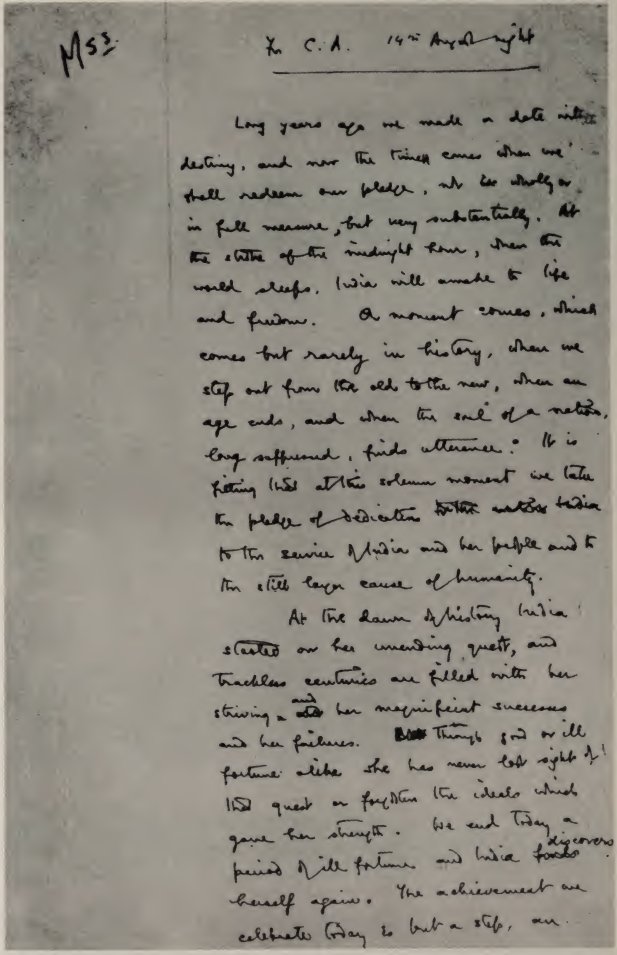
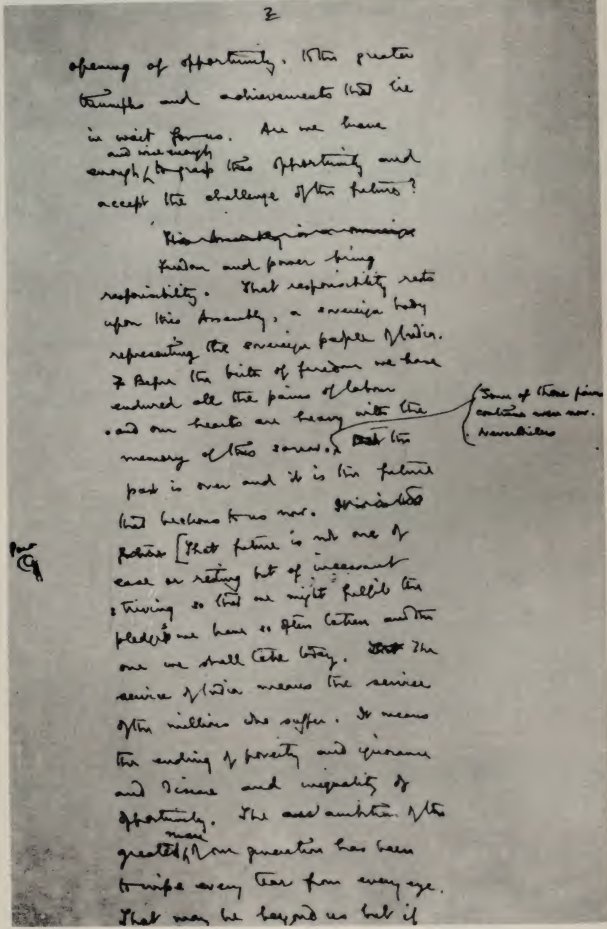
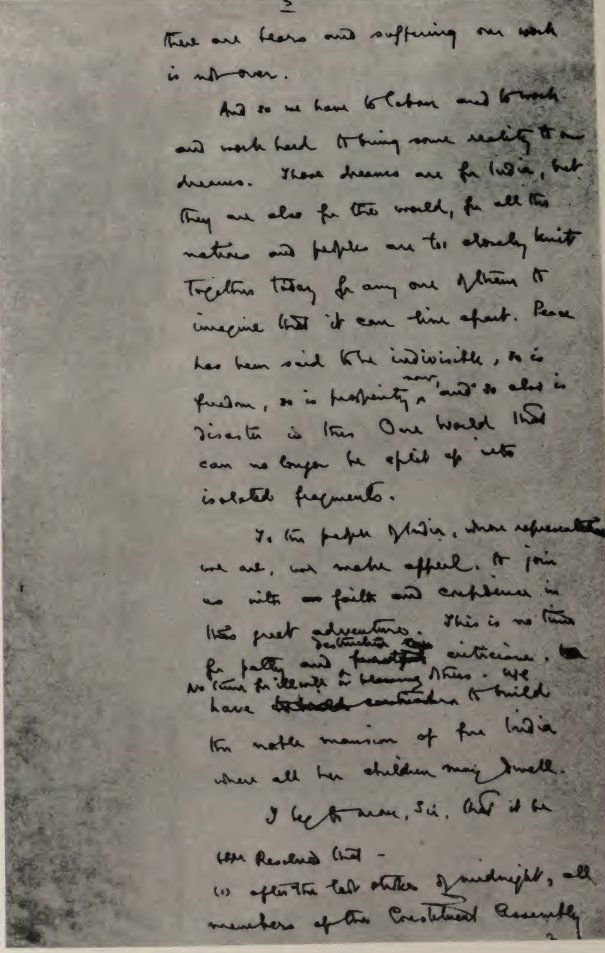
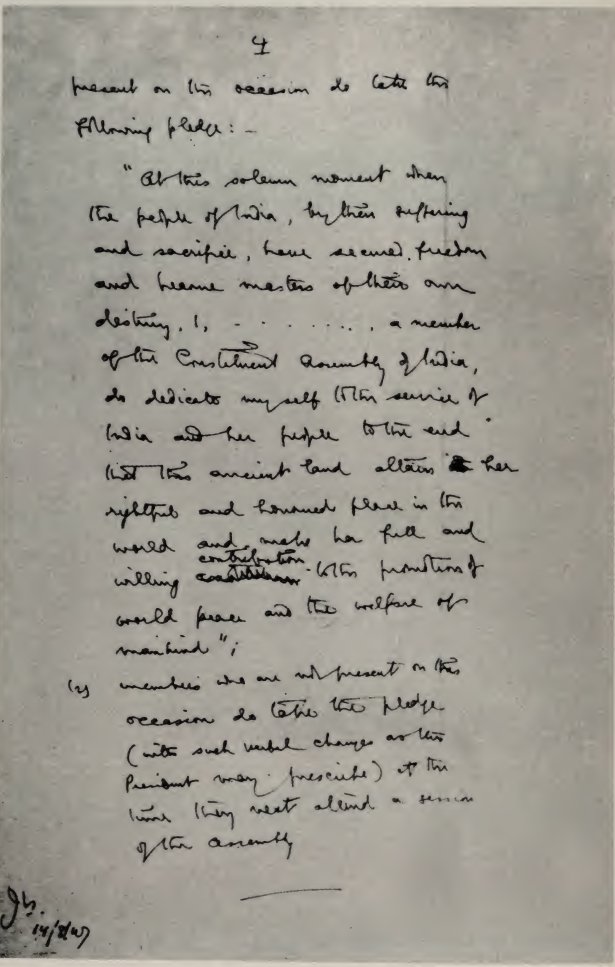
First draft of Tryst with Destiny by #Nehru
#IndependenceDay #IndependenceDayIndia #IndependenceDay2023
2
18
65
9,198
9
26
212
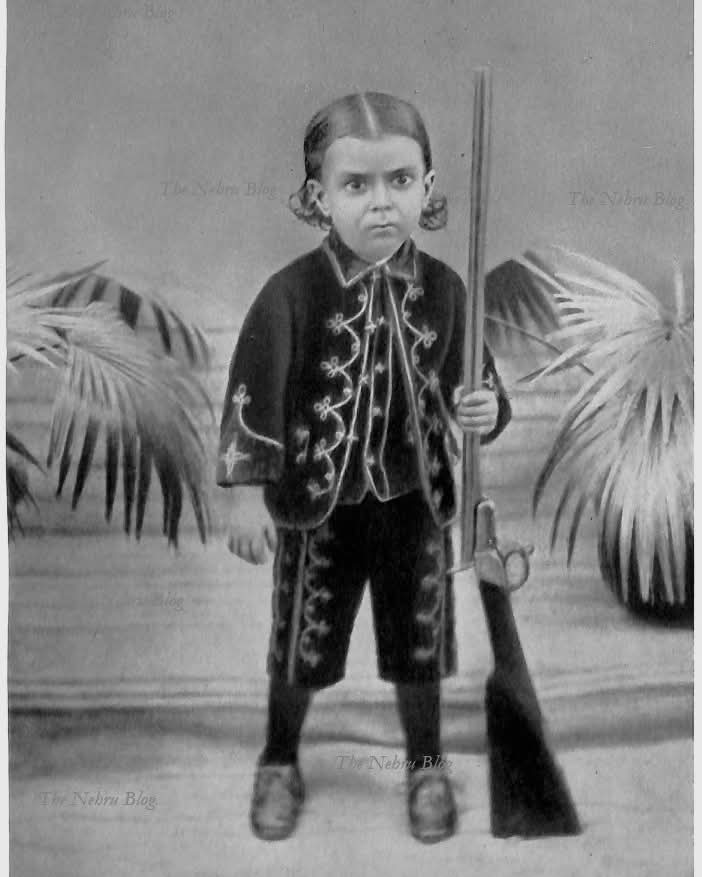
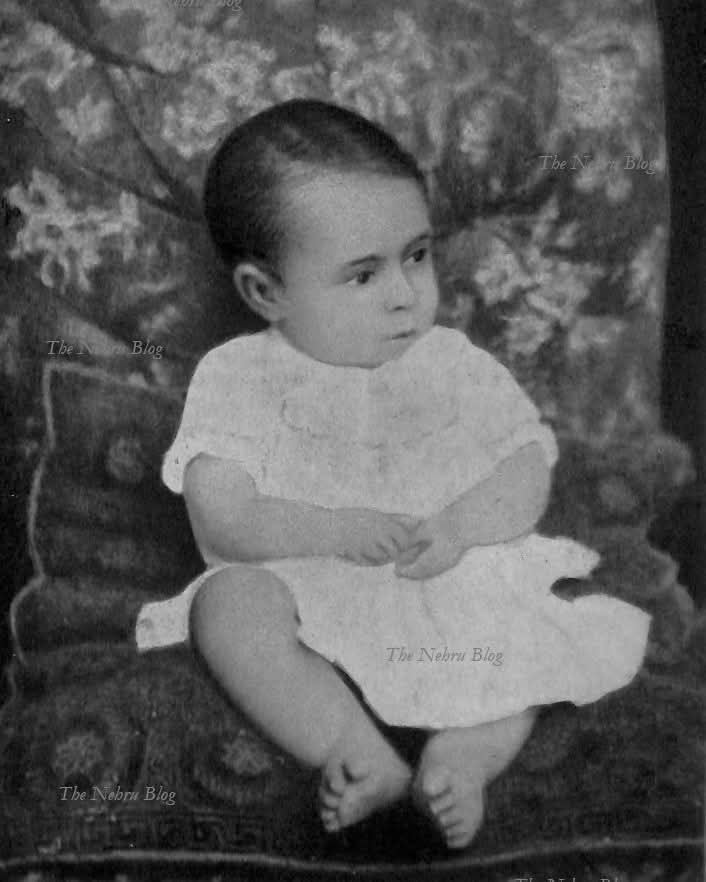
Jawaharlal Nehru at the age of 3Years.
तीन वर्ष की आयु में जवाहरलाल नेहरु।
Nehru described his childhood as comfortable and privileged, but also somewhat lonely. Being the only child for many years, he had few companions of his own age. He recalled spending much of his time with adults, tutors, and servants.
नेहरू ने अपने बचपन का वर्णन एक ऐसे जीवन के रूप में किया है जो सुख-सुविधाओं और विशेषाधिकारों से भरपूर था, लेकिन साथ ही कुछ हद तक एकाकी भी था। कई वर्षों तक इकलौते बच्चे होने के कारण उनकी उम्र के साथी बहुत कम थे। उन्होंने स्मरण किया कि उनका अधिकांश समय वयस्कों, निजी शिक्षकों (ट्यूटरों) और घरेलू कर्मचारियों के साथ बीतता था।
Nehru wrote that although he lived in a large and prosperous household, he often felt lonely because there were no children of his age to play with. He later remembered this solitude as encouraging habits of reading, reflection, and imagination.
नेहरू ने लिखा है कि यद्यपि वे एक बड़े और समृद्ध परिवार में रहते थे, फिर भी वे अक्सर अकेलापन महसूस करते थे क्योंकि उनके साथ खेलने के लिए उनकी उम्र के बच्चे नहीं थे। बाद के वर्षों में उन्होंने इस एकांत को अपने व्यक्तित्व के विकास में सहायक माना, क्योंकि इसी ने उनमें अध्ययन, चिंतन और कल्पनाशीलता की आदतों को प्रोत्साहित किया।
From an early age, Nehru developed a fascination with books. His education initially took place at home under private tutors. He became interested in science, nature, history, and literature, interests that remained with him throughout his life.
बहुत कम उम्र से ही नेहरू को पुस्तकों के प्रति गहरा आकर्षण था। उनकी प्रारम्भिक शिक्षा घर पर निजी शिक्षकों के मार्गदर्शन में हुई। विज्ञान, प्रकृति, इतिहास और साहित्य में उनकी विशेष रुचि विकसित हुई। ये रुचियाँ जीवनभर उनके साथ बनी रहीं और उनके बौद्धिक व्यक्तित्व के निर्माण में महत्वपूर्ण भूमिका निभाती रहीं।
#nehru #jawharalalnehru
3
13
35
601
The Nehru Blog 🇮🇳 retweeted

Jun 13
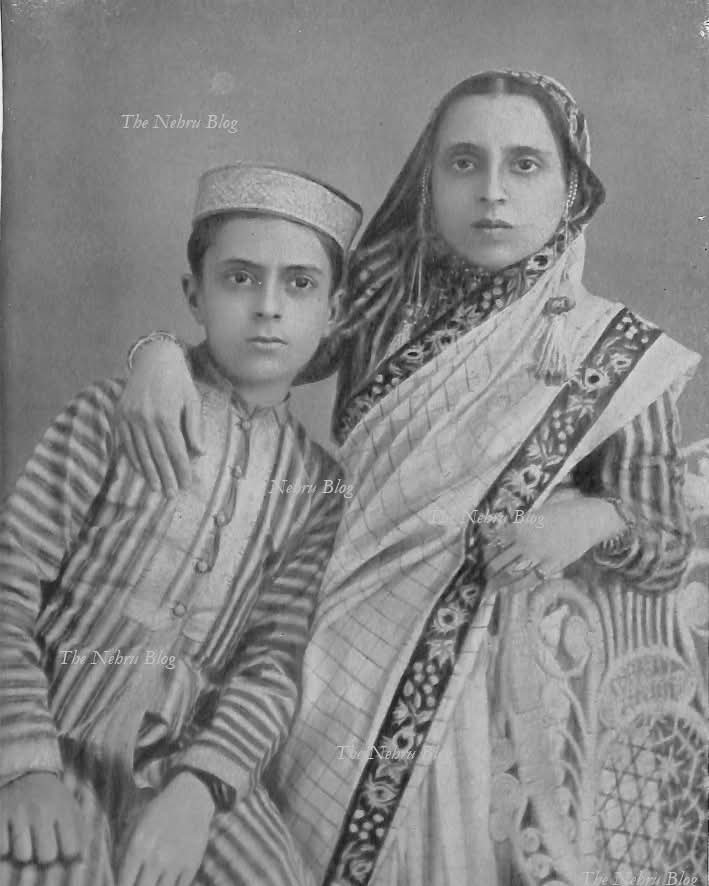
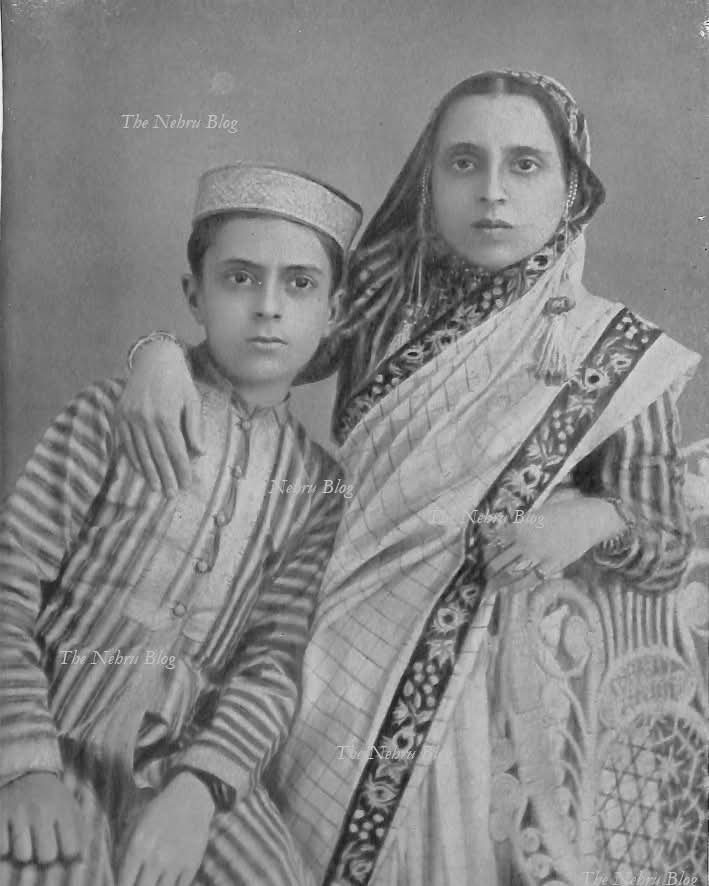
Jawaharlal Nehru with his mother.
Jawaharlal Nehru writes in his books about his mother, Swarup Rani Nehru, with deep tenderness, comparing her gentle, non-threatening presence to the formidable, authoritative figure of his father, Motilal Nehru.
Nehru describes Swarup Rani as a delicate, beautiful woman who suffered from persistent ill health throughout most of her adult life. He also touches upon the cultural dynamics of their household.
One of the most poignant narratives in Nehru's writings is how his fragile, traditional mother transformed when the family joined Mahatma Gandhi's non-cooperation movement. Despite her physical ailments, Swarup Rani did not stand in the way of her husband and son risking imprisonment; instead, she threw herself into the struggle.
In An Autobiography, Nehru notes with immense pride how she braved police lathis (batons) during protests. In one incident during the Civil Disobedience movement, she was struck and injured by the police during a demonstration. Nehru writes about the agony of being locked away in prison while knowing his frail mother was on the streets facing state violence, yet he notes her absolute resilience.
1
4
12
529
The Nehru Blog 🇮🇳 retweeted

बहुत सुन्दर आज के अंधेरे के समय में नेहरू जी की वैश्विक और राष्ट्रीय छवि और उनके प्रति अवाम की दीवानगी को दिनकर जी ने बहुत भावुकता से व्यक्त किया है।
1
1
166
Jun 13
Jawaharlal #Nehru with his mother.
Jawaharlal Nehru writes in his books about his mother, Swarup Rani Nehru, with deep tenderness, comparing her gentle, non-threatening presence to the formidable, authoritative figure of his father, Motilal Nehru.
Nehru describes Swarup Rani as a delicate, beautiful woman who suffered from persistent ill health throughout most of her adult life. He also touches upon the cultural dynamics of their household.
One of the most poignant narratives in Nehru's writings is how his fragile, traditional mother transformed when the family joined Mahatma Gandhi's non-cooperation movement. Despite her physical ailments, Swarup Rani did not stand in the way of her husband and son risking imprisonment; instead, she threw herself into the struggle.
In An Autobiography, Nehru notes with immense pride how she braved police lathis (batons) during protests. In one incident during the Civil Disobedience movement, she was struck and injured by the police during a demonstration. Nehru writes about the agony of being locked away in prison while knowing his frail mother was on the streets facing state violence, yet he notes her absolute resilience.
48
140
2,764
Jun 12
No #Religion is Foreign to India
Every Indian has to realize that the various religions and creeds and faiths that exist in India are as much of India as any other, and that we are all partners and sharers in that great inheritance. We may follow our different paths according to our own conscience or belief and faith, and each person must have that perfect freedom, but to imagine that those who follow a slightly different path in faith are somehow foreign to India is historically wrong and in fact.
The fact that a religion or truth came from another country do not make it anything that is foreign to a country. Truth is truth wherever it may be.
St. Thomas landed at the port of Malabar in the year 52 A.D. Since India had then become a vast centre of culture and was attracting a large number of foreigners, it was quite possible that St. Thomas came to this country in the early phase of Christianity and began to spread his Gospel.
There is a lot of ignorance in North India about the traditions of the South. It is necessary therefore that every part of India should know the background of the other.
In a big country like India, people tend to become ignorant of the other parts of their country. But this is not desirable.
I deprecate the tendency on the part of the people to live in narrow shells and develop a narrow nationalistic outlook as this is not consistent with our modes of thought and culture.
— Jawaharlal #Nehru
(Speech on the occasion of the celebration of St. Thomas Centenary, New Delhi, 14 December 1952.)
2
22
41
600
The Nehru Blog 🇮🇳 retweeted

Jun 12
Jai Jawahar
Jun 12

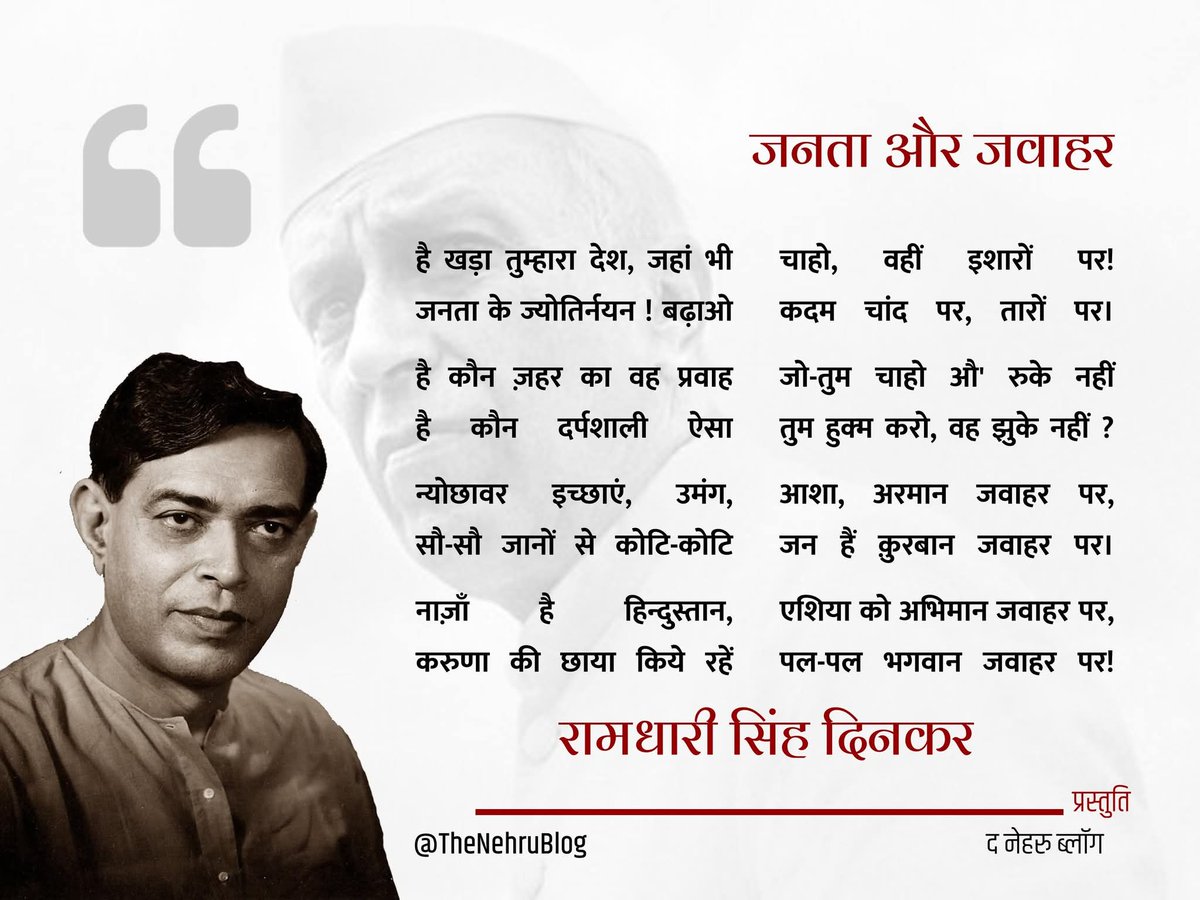
दिनकर की कविता "जनता और जवाहर" से कुछ पंक्तियाँ:
है खड़ा तुम्हारा देश, जहां भी
चाहो, वहीं इशारों पर !
जनता के ज्योतिर्नयन ! बढ़ाओ
कदम चांद पर, तारों पर ।
है कौन जहर का वह प्रवाह
जो-तुम चाहो औ' रुके नहीं
है कौन दर्पशाली ऐसा
तुम हुक्म करो, वह झुके नहीं ?
न्योछावर इच्छाएँ, उमंग,
आशा, अरमान जवाहर पर,
सौ-सौ जानों से कोटि-कोटि
जन हैं कुरबान जवाहर पर ।
नाज़ाँ है हिंदुस्तान,
एशिया को अभिमान जवाहर पर,
करुणा की छाया किये रहें
पल-पल भगवान जवाहर पर ।
#nehru #dinkar #JawaharlalNehru
1
3
9
198
The Nehru Blog 🇮🇳 retweeted

Jun 11
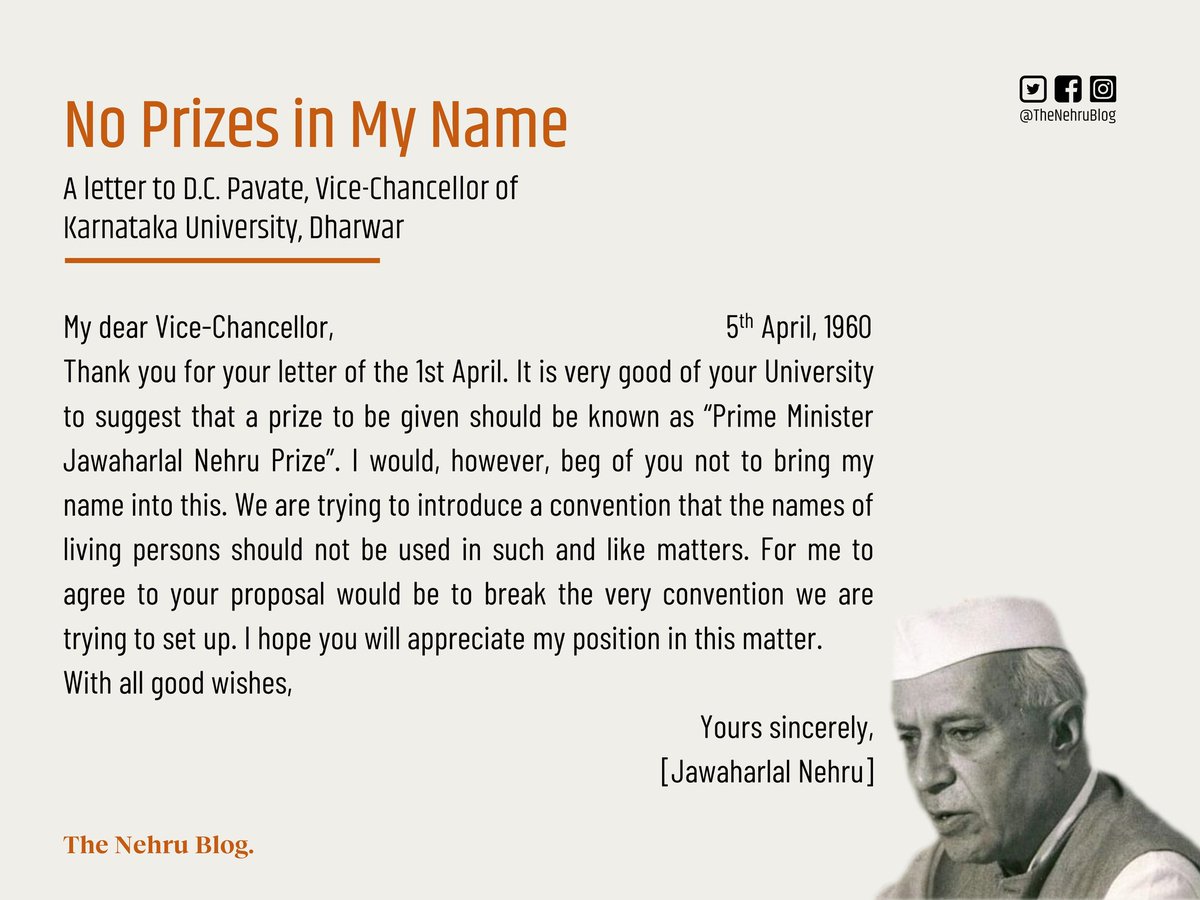
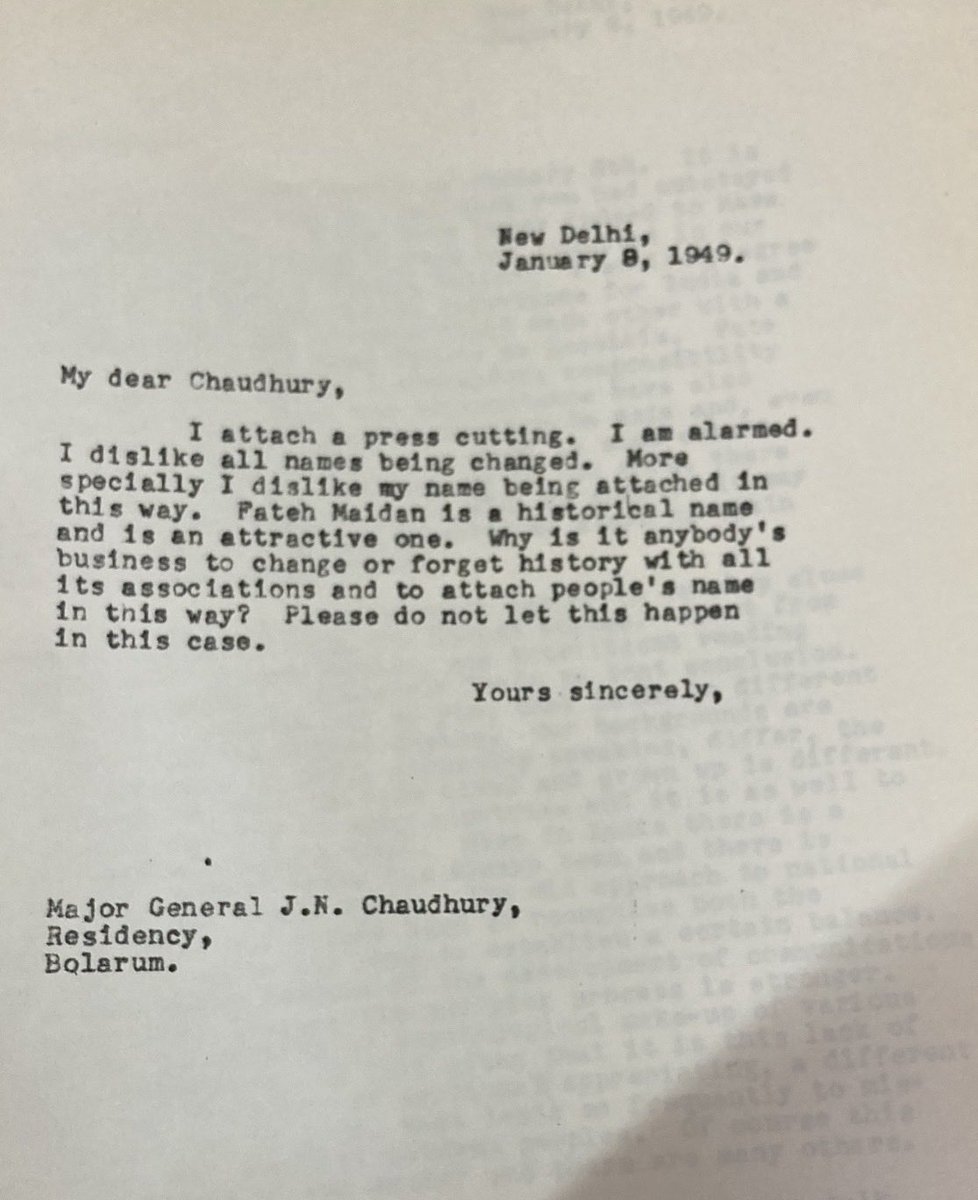
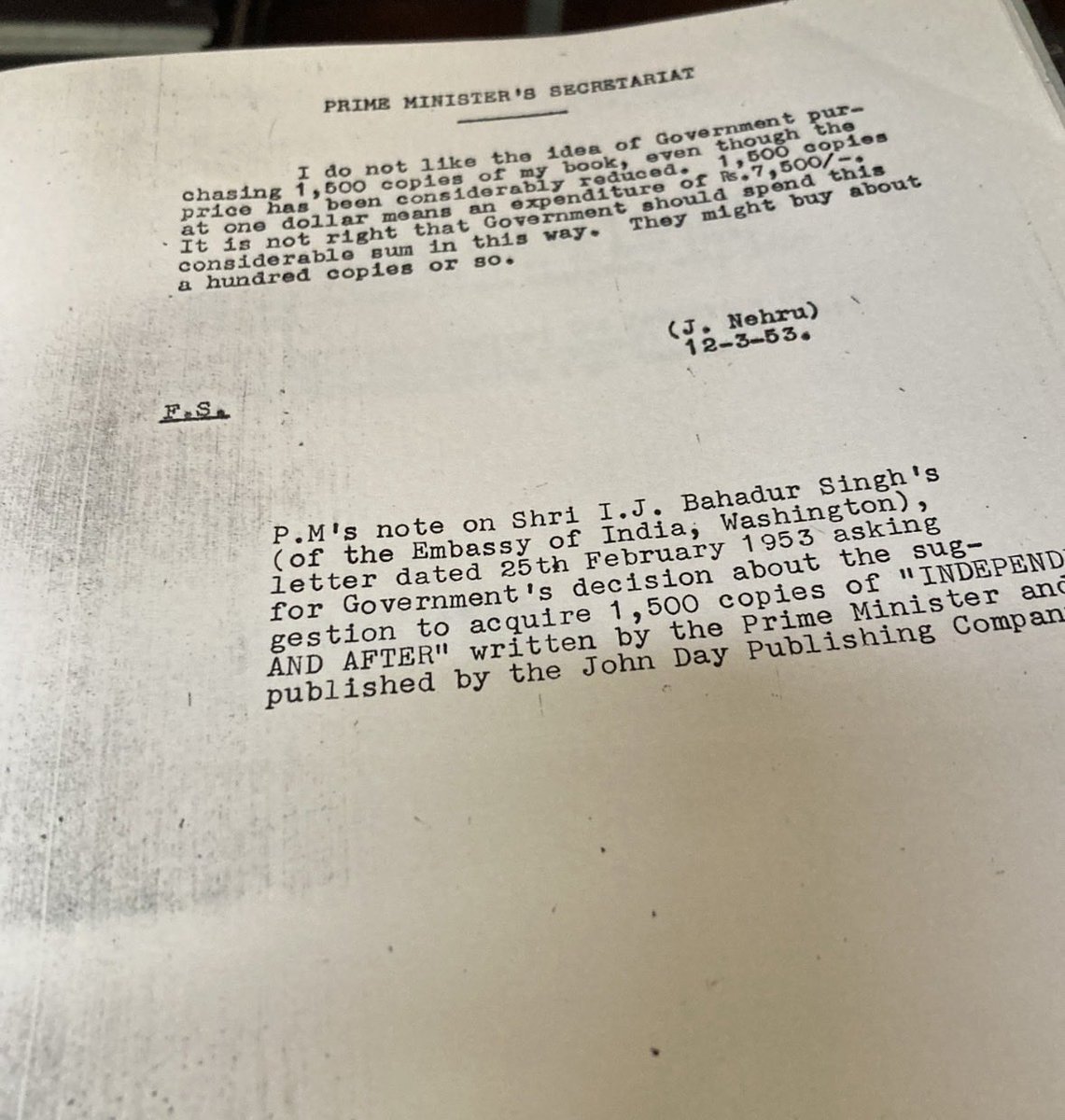
Since the comparison goes on, please see these two letters by Nehru. One, where he says he dislikes change of names of places/sites, particularly renaming them after him and second his opposition to let an embassy buy his own book. That’s austerity.
There’s no comparison.
2
44
103
8,115
Jun 12
दिनकर की कविता "जनता और जवाहर" से कुछ पंक्तियाँ:
है खड़ा तुम्हारा देश, जहां भी
चाहो, वहीं इशारों पर !
जनता के ज्योतिर्नयन ! बढ़ाओ
कदम चांद पर, तारों पर ।
है कौन जहर का वह प्रवाह
जो-तुम चाहो औ' रुके नहीं
है कौन दर्पशाली ऐसा
तुम हुक्म करो, वह झुके नहीं ?
न्योछावर इच्छाएँ, उमंग,
आशा, अरमान जवाहर पर,
सौ-सौ जानों से कोटि-कोटि
जन हैं कुरबान जवाहर पर ।
नाज़ाँ है हिंदुस्तान,
एशिया को अभिमान जवाहर पर,
करुणा की छाया किये रहें
पल-पल भगवान जवाहर पर ।
#nehru #dinkar #JawaharlalNehru
2
21
47
863
Jun 12
1
4
726
Jun 12
Jawaharlal Nehru at the age of one year.
Insights into His Early Childhood
An Only Child's World: Born on November 14, 1889, Jawaharlal grew up in a massive, deeply privileged household. Because his sisters (Vijaya Lakshmi and Krishna) were born much later, he noted in his autobiography that his childhood was quite lonely, spent largely around adults, tutors, and caretakers.
The Transformed Household: Around the time Nehru was a toddler, his father, Motilal Nehru, was building an incredibly successful legal practice. The family moved to a large palatial home, Anand Bhawan, which featured modern amenities quite rare in India at the time, such as electricity and running water.
Early Education: From his toddler years onward, Nehru did not attend a traditional school. Instead, he was educated entirely at home by a series of private European governesses and tutors, most notably Ferdinand T. Brooks, who introduced him to a love of reading, science, and theosophy.
#nehru #JawaharlalNehru
4
30
105
2,475
Jun 11
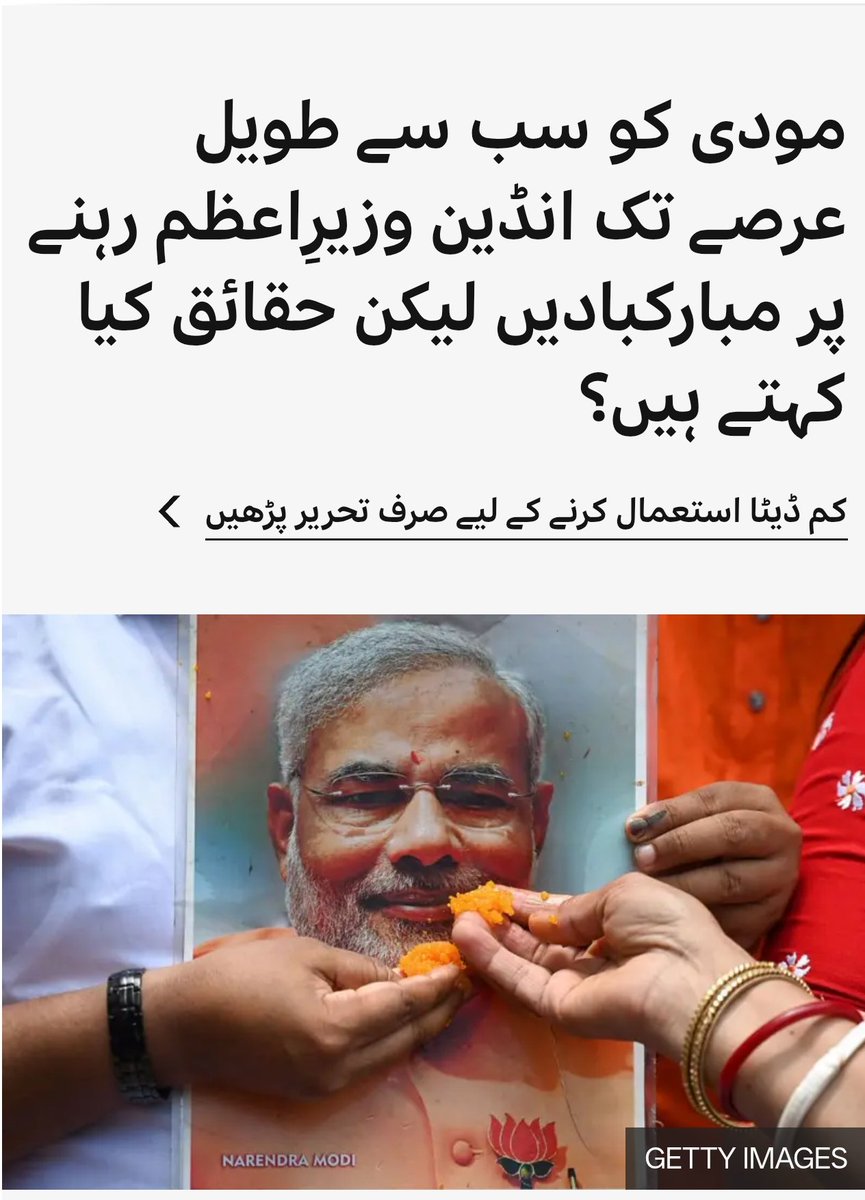
For our Urdu readers, BBC article by @MahtabNama
یہاں لفظ ’منتخب‘ انتہائی اہم ہے کیونکہ اس بحث کا ایک پہلو یہ بھی ہے کہ آج بھی نہرو سب سے زیادہ دن تک خدمات دینے والے انڈین وزیراعظم ہیں کیونکہ وہ اگست 1947 میں انڈیا بننے سے لے کر مئی 1964 میں اپنی وفات تک بطور وزیراعظم خدمات انجام دیتے رہے۔
اس طرح نہرو کی وزیر اعظم کے عہدے پر فائز رہنے کی کل مدت چھ ہزار چھتیس دن بنتی ہے جو مودی کی وزارت عظمیٰ پر گزاری مدت سے بہت زیادہ ہے۔
bbc.com/urdu/articles/c20ywj…
2
7
423
Jun 11
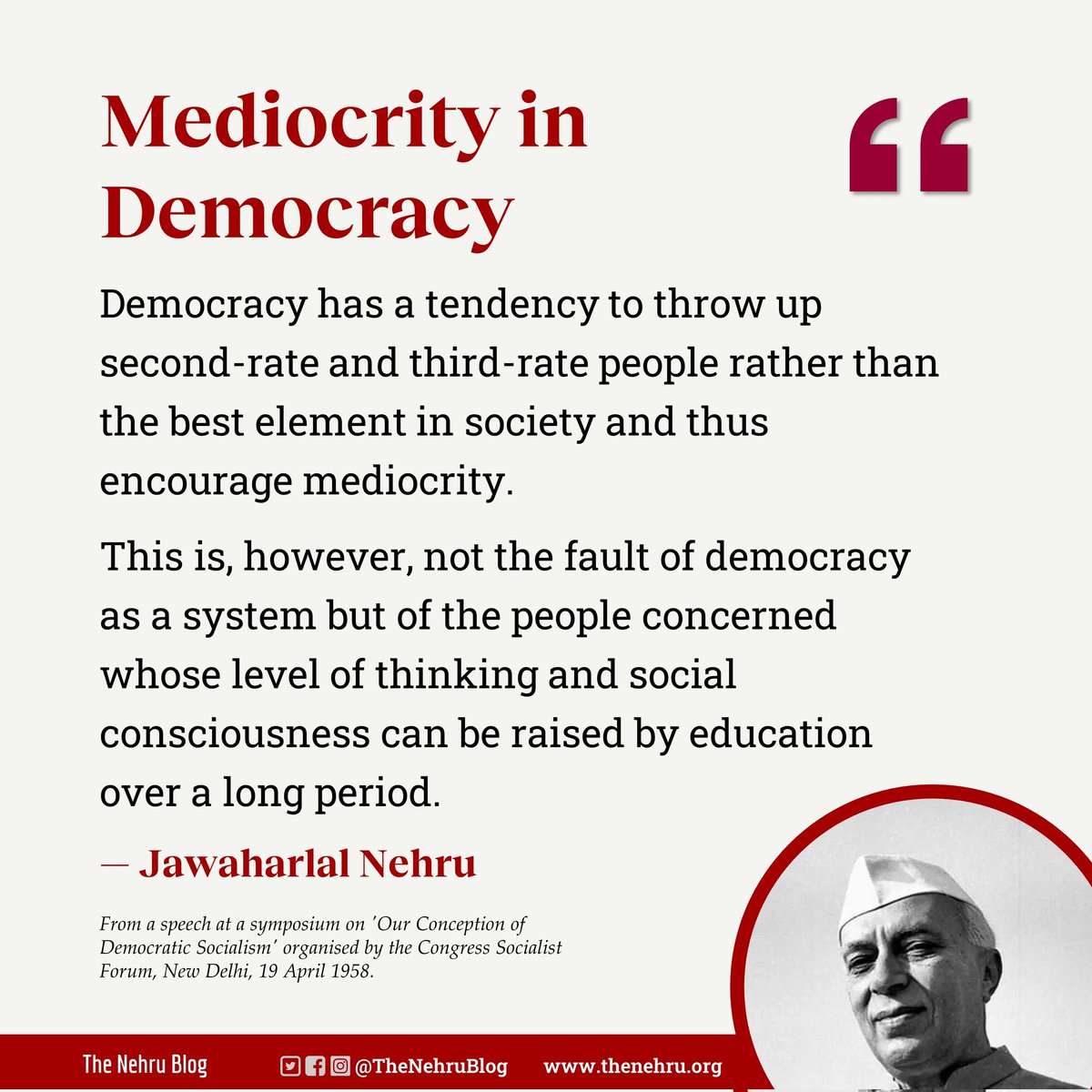
Mediocrity in any sphere of life is only due to lack of education [and of training].
Nehru held that democracy in itself is a the most appropriate system of governance but its functioning depends entirely on public participation. If masses are educated enough, they make an awakened electorate. But if masses are not educated, democracy can't survive in its truest spirit.
When Nehru talks about education with respect to the democracy, he essentially meant education about democratic behaviour, democratic culture, democratic obligation etc.
American philosopher and Nehru's contemporary John Dewey has put similar observations in his celebrated book 'Democracy and Education'.
In this book, Dewey argues that education is not merely preparation for life—it is life itself. He sees education as the process through which individuals grow, learn from experience, and become active participants in a democratic society.
Dewey believed that democracy is more than a political system; it is a way of living together based on communication, cooperation, and shared experiences. Schools should therefore function as miniature democratic communities where students learn how to think, solve problems, and work with others.
#education #democracy #nehru #jawaharlalnehru
1
8
16
376
The Nehru Blog 🇮🇳 retweeted

Jun 10
Same people who believe Sardar Patel should have been PM instead of Nehru in 1947 now believe Nehru became PM in 1952, two years after Patel died.
46
340
1,662
31,580
The Nehru Blog 🇮🇳 retweeted

जो लोग कहते हैं कि नेहरू 1952 के चुनाव के बाद प्रधानमंत्री बने, वे यह वीडियो पूरा देखें।
अगर ऐसा था, तो 1950 में निधन हो चुके सरदार पटेल किस सरकार में उपप्रधानमंत्री और गृह मंत्री थे?
पटेल नेहरू को अपना नेता मानते थे। कई मौकों पर उन्होंने नेहरू को इस्तीफा देने से भी रोका था।
पटेल को समझना है तो सिर्फ उनकी मूर्तियाँ मत देखिए, उन्हें पढ़िए। पटेल को पढ़ेंगे, तो नेहरू को भी नए सिरे से जान पाएंगे।
इतिहास से खिलवाड़ की एक समस्या है—वह खुद ही झूठ पकड़ लेता है।
#घोरकलजुग
#नेहरु #पटेल
14
409
1,113
18,063
Jun 11
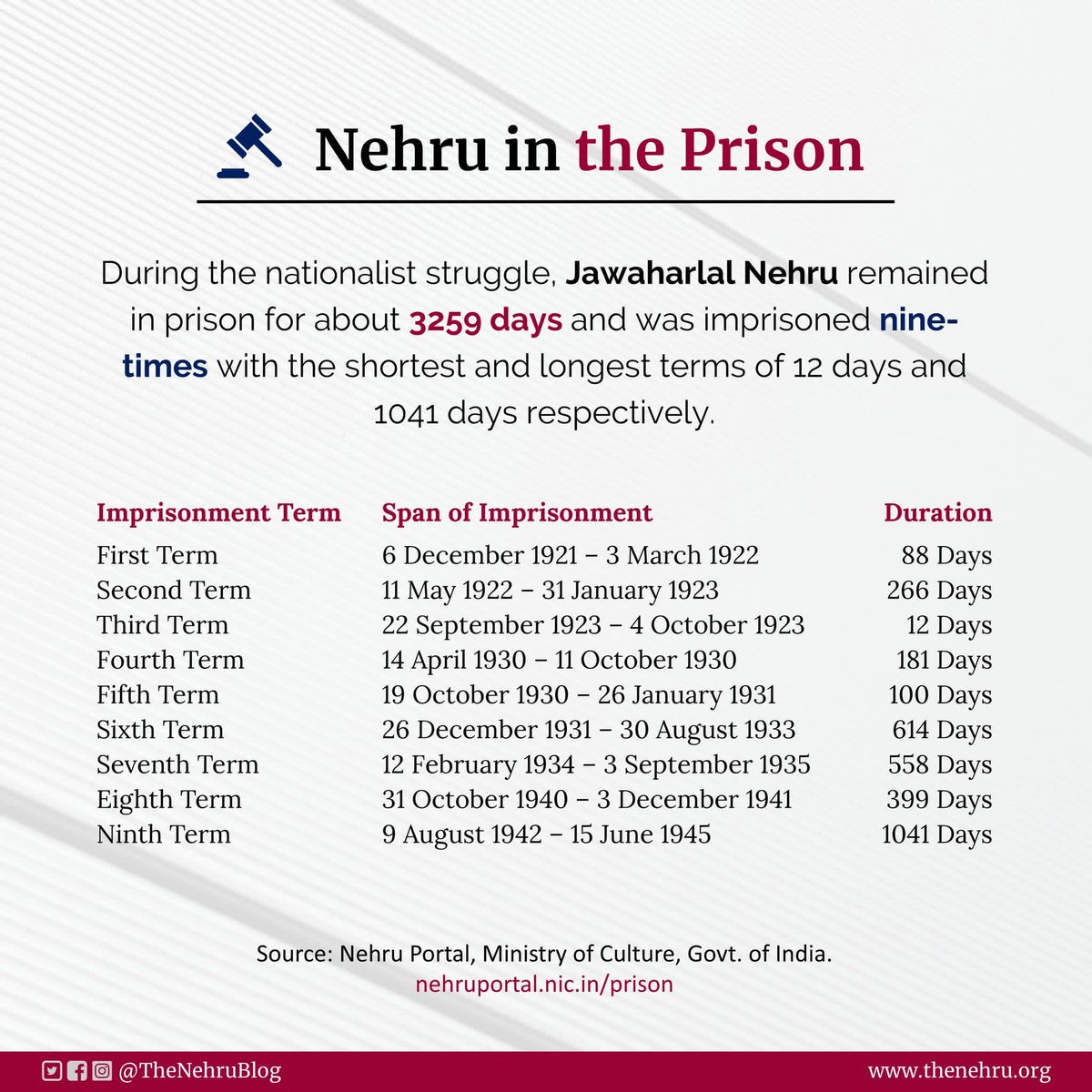
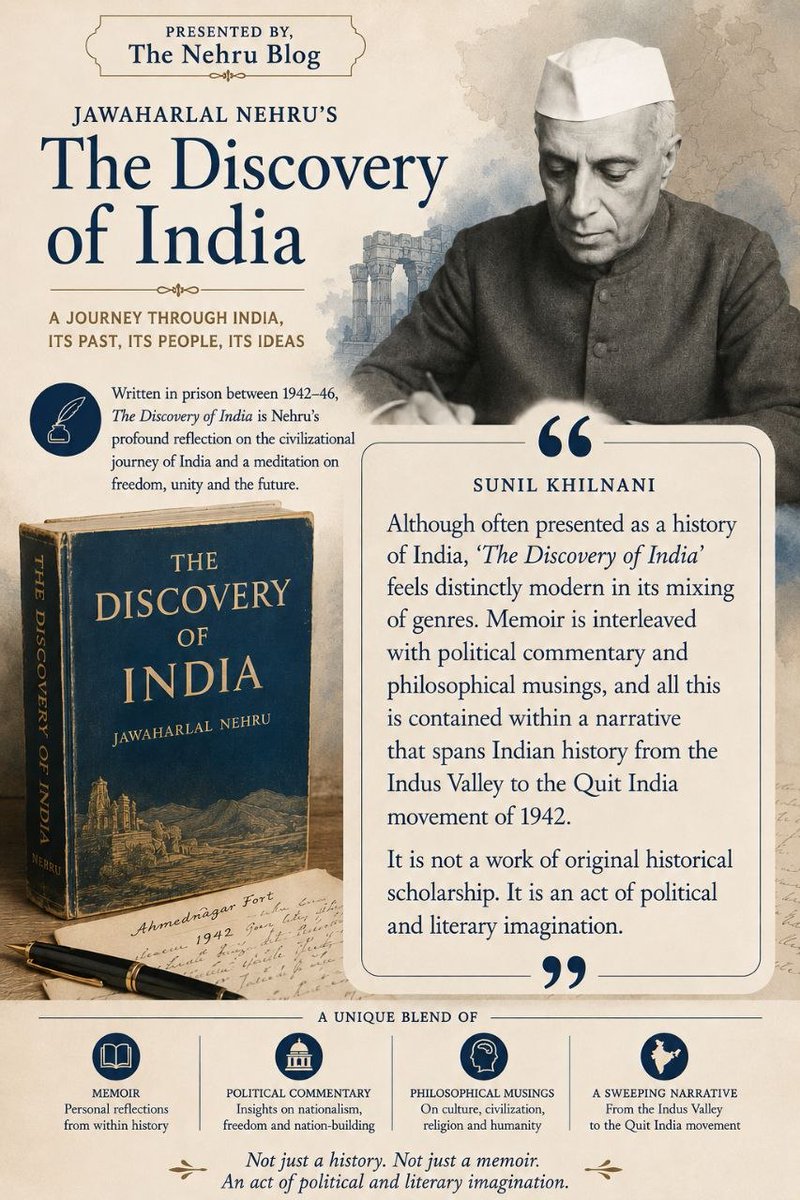
पंडित जवाहरलाल नेहरू ने भारत के स्वतंत्रता संग्राम के दौरान अपने जीवन के लगभग 9 साल (3,259 दिन) ब्रिटिश जेलों में बिताए थे। वे कुल 9 बार जेल गए। उनकी आत्मकथा, पत्रों और The Discovery of India में जेल की कठिनाइयों के अनेक उल्लेख मिलते हैं।
1. परिवार से लंबा बिछोह
नेहरू के लिए सबसे बड़ी पीड़ाओं में से एक थी अपने परिवार से दूर रहना। वे अपनी पत्नी Kamala Nehru की गंभीर बीमारी के दौरान लंबे समय तक उनके साथ नहीं रह सके। अपनी पुत्री Indira को बढ़ते हुए देखने का अवसर उनसे छिन गया। कई बार उन्हें परिवार के संकटपूर्ण समय में भी जेल से बाहर आने की अनुमति नहीं मिली। नेहरू ने लिखा कि परिवार से अलगाव कारावास की सबसे कठिन सज़ाओं में से एक था।
2. अकेलापन और मानसिक तनाव
लंबे समय तक एकांतवास जैसी परिस्थितियों में रहना अत्यंत कठिन था।
-राजनीतिक गतिविधियों से कट जाना
-मित्रों और सहयोगियों से दूर रहना
-बाहरी दुनिया की सीमित जानकारी
इन सबने मानसिक दबाव पैदा किया।
उन्होंने स्वीकार किया कि जेल मनुष्य को अपने विचारों के साथ अकेला छोड़ देती है, और यह कभी-कभी बहुत भारी पड़ सकता है।
3. अनिश्चितता
राजनीतिक कैदियों को अक्सर यह नहीं पता होता था कि उन्हें कब रिहा किया जाएगा।
-मुकदमों का भविष्य अनिश्चित था।
-स्वतंत्रता आंदोलन की दिशा की जानकारी सीमित थी।
-कई बार अचानक गिरफ्तारियाँ और लंबी सजाएँ सुनाई जाती थीं।
यह अनिश्चितता स्वयं में एक मानसिक यातना थी।
4. पत्नी की बीमारी और मृत्यु
नेहरू के जीवन की सबसे दुखद घटनाओं में से एक थी उनकी पत्नी कमला नेहरू की बीमारी।
जब कमला नेहरू तपेदिक (टीबी) से पीड़ित थीं, तब नेहरू कई बार जेल में थे। 1936 में कमला नेहरू का निधन हुआ। बीमारी के दौरान लंबे समय तक उनके साथ न रह पाने का दुख नेहरू को जीवन भर रहा।
5. माता-पिता के स्वास्थ्य की चिंता
अपने पिता Motilal Nehru के अंतिम वर्षों में भी नेहरू अक्सर जेल और राजनीतिक संघर्षों में व्यस्त रहे। जेल में रहते हुए उन्हें परिवार के स्वास्थ्य संबंधी समाचार देर से मिलते थे, जिससे चिंता और बढ़ जाती थी।
7. राष्ट्रीय संघर्ष से दूर रहने की पीड़ा
नेहरू के लिए सबसे बड़ी मानसिक कठिनाइयों में से एक थी:
-जब देश में आंदोलन चल रहा हो और वे उसमें प्रत्यक्ष भाग न ले सकें।
-वे जेल की कोठरी से स्वतंत्रता आंदोलन की खबरें सुनते थे, लेकिन घटनाओं को प्रभावित करने की स्थिति में नहीं होते थे।
नेहरू ने इन कठिनाइयों का सामना कैसे किया?
उन्होंने जेल के समय को निराशा में नहीं बिताया। वे:
-प्रतिदिन पढ़ते थे,
-लिखते थे,
-बागवानी करते थे,
-प्रकृति का अवलोकन करते थे,
-और इतिहास, विज्ञान तथा दर्शन का अध्ययन करते थे।
इसी कठिन काल में उन्होंने An Autobiography, Glimpses of World History और The Discovery of India जैसी कालजयी कृतियाँ लिखीं।
#nehru #NehruForEver #JawaharlalNehru
4
70
151
3,340
The Nehru Blog 🇮🇳 retweeted

Jun 10
Pandit Jawaharlal Nehru served as the first Prime Minister of India for a total of 16 years and 286 days. His tenure began on August 15, 1947, and ended with his death on May 27, 1964.
1
2
4
178
Jun 10
"प्रधानमंत्री मोदी ने प्रधानमंत्री नेहरु का रिकार्ड तोड़ा" के बीच...
-----------
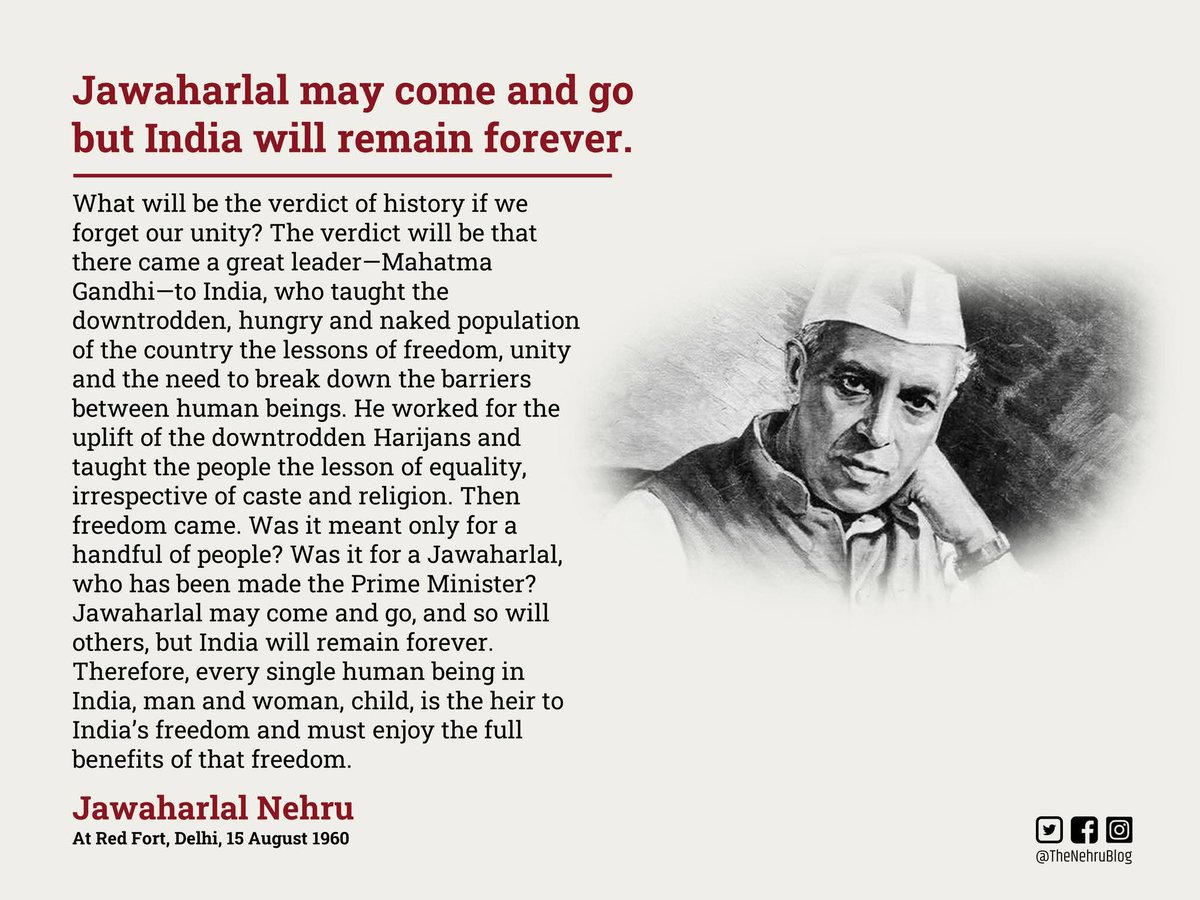
जवाहरलाल आएंगे और जाएंगे,
लेकिन भारत सदा बना रहेगा।
यदि हम अपनी एकता को भूल जाएँ, तो इतिहास का निर्णय क्या होगा? इतिहास का निर्णय यह होगा कि भारत में एक महान नेता—महात्मा गांधी—आए, जिन्होंने देश की पीड़ित, भूखी और वस्त्रहीन जनता को स्वतंत्रता, एकता तथा मनुष्यों के बीच खड़ी दीवारों को तोड़ने की आवश्यकता का पाठ पढ़ाया। उन्होंने दलितों और वंचितों के उत्थान के लिए कार्य किया तथा लोगों को जाति और धर्म से परे समानता का संदेश दिया।
फिर स्वतंत्रता प्राप्त हुई। क्या वह केवल कुछ गिने-चुने लोगों के लिए थी? क्या वह केवल किसी जवाहरलाल के लिए थी, जिसे प्रधानमंत्री बना दिया गया? जवाहरलाल आएगा और चला जाएगा, और अन्य लोग भी आएँगे-जाएँगे, लेकिन भारत सदा बना रहेगा।
इसलिए भारत का प्रत्येक व्यक्ति—पुरुष, महिला और बच्चा—भारत की स्वतंत्रता का उत्तराधिकारी है और उसे उस स्वतंत्रता के पूर्ण लाभ प्राप्त होने चाहिए।
— जवाहरलाल नेहरू
लाल किला, दिल्ली, 1960
6
32
74
1,150