
Joined November 2020
- Tweets 4,458
- Following 754
- Followers 590
- Likes 5,516
1,574 Photos and videos





🐙 The Octopus Club 🐙 retweeted

5 Apr 2025
Hey @jackblack my Grandson wrote the last post out for you, his superpower is Autism & he’s obsessed with you & Minecraft, please say hello to make his day xx🤞🤞🤞
5 Apr 2025

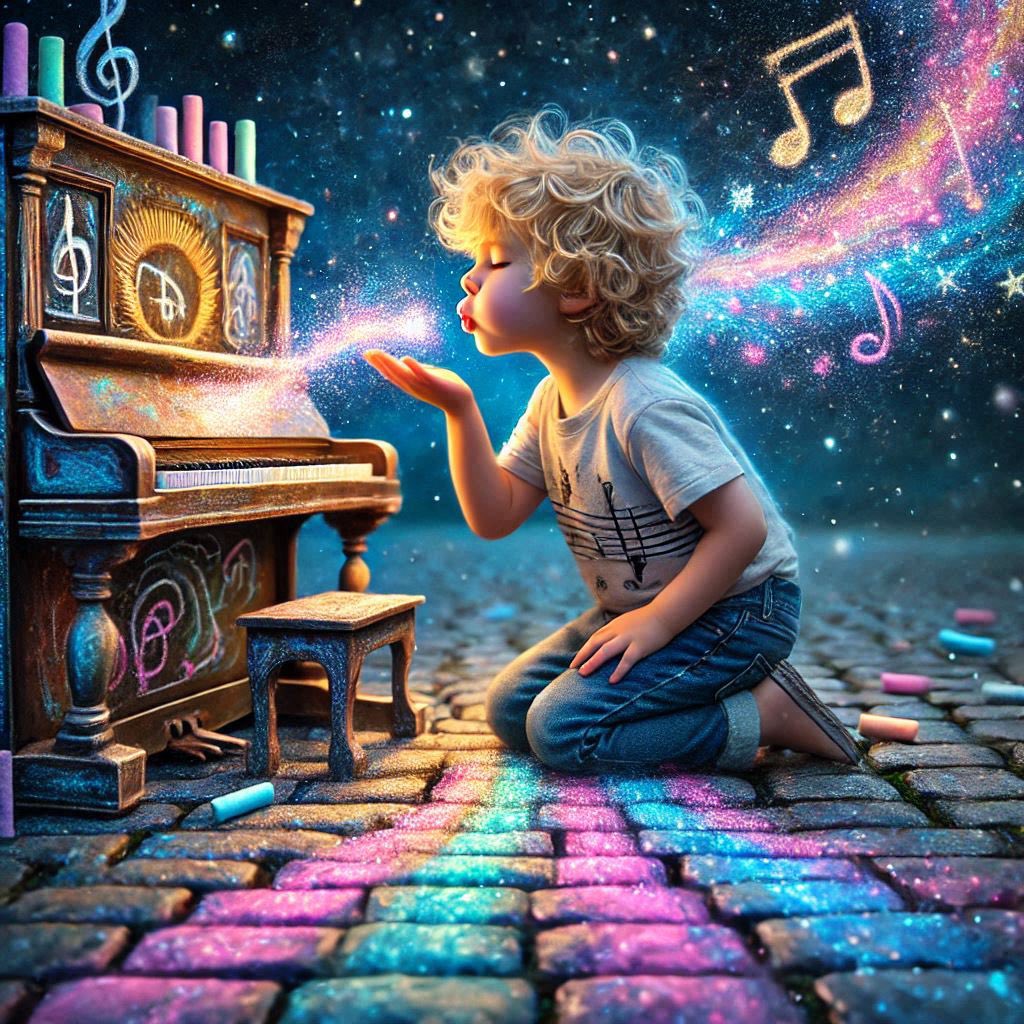
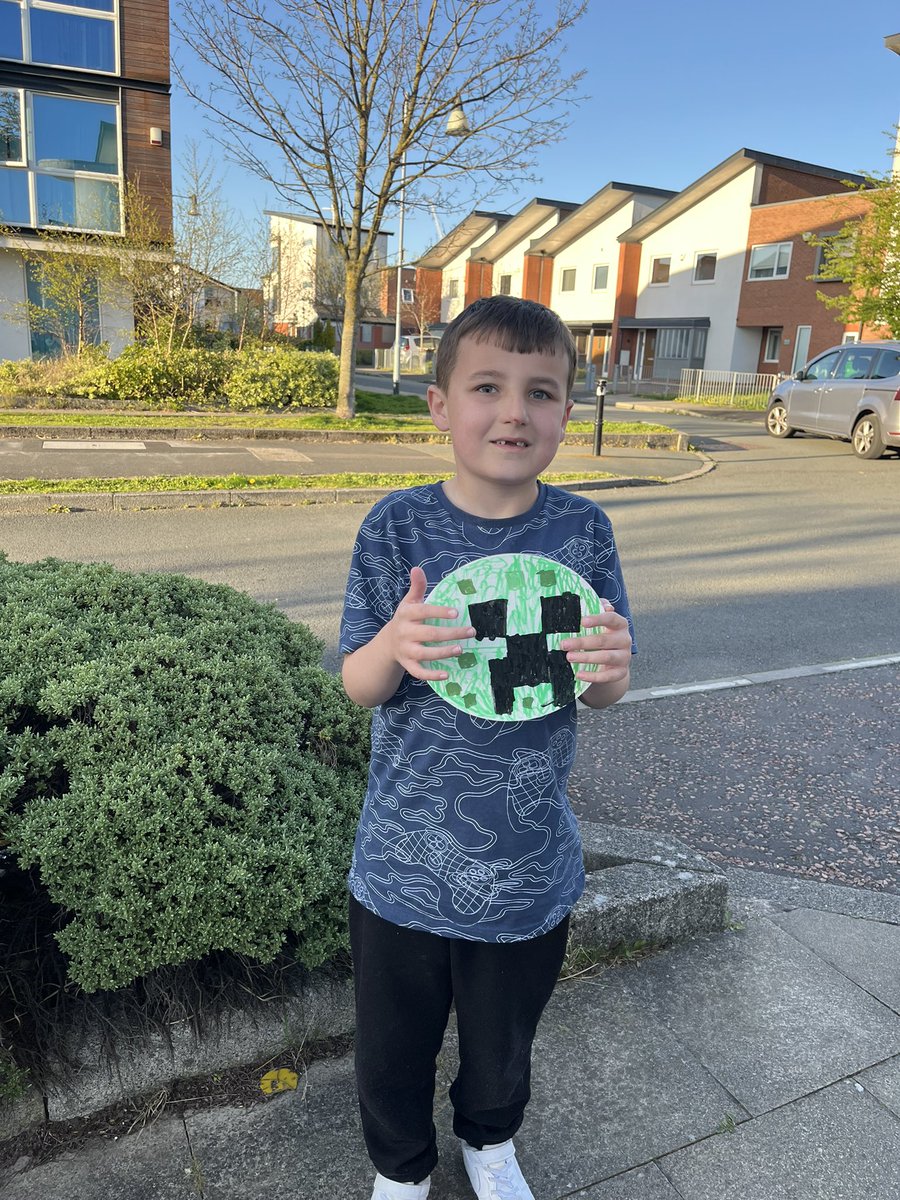
Hey @jackblack this is fanart for you since u are in the Minecraft movie it’s a creeper and ur in a famous meme I am Steve
5
10
166

26 Nov 2024
Now I feel my heart beating
I feel my heart beneath my skin
I feel my heart beating
Oh, you make me feel
Like I'm alive again
Alive again
Oh, you make me feel
Like I'm alive again
@coldplay #AHFOD #Coldplay
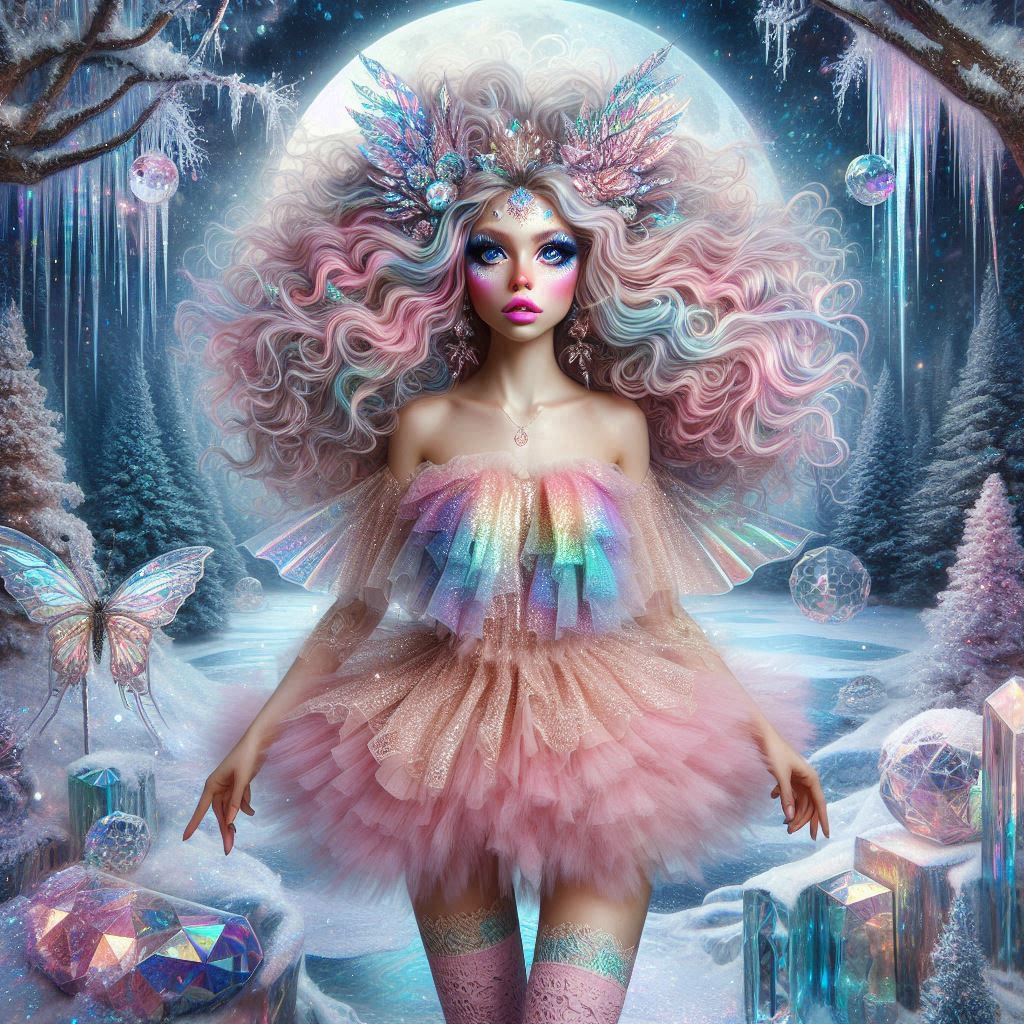
#Artwork @janettoart @bing
#janattoart
1
3
6
169
🐙 The Octopus Club 🐙 retweeted

23 Nov 2024
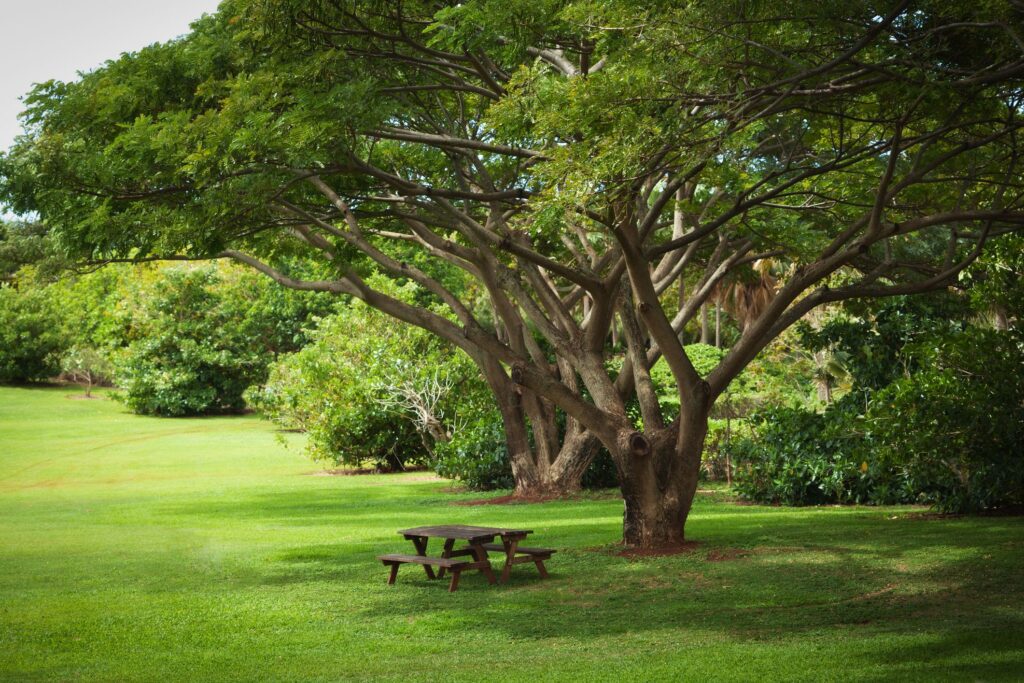
🌳 The Peaceful Power of Trees: How Greenery Can Reduce Violence
In an era where urban spaces are expanding, and green spaces might seem like a luxury, it's crucial to understand the profound impact that trees and landscaping have on our communities, not just environmentally, but socially as well. Here’s why we should be planting more trees, not just for oxygen, but for peace:
1. The Green Buffer Zone:
Studies have consistently shown that neighborhoods surrounded by barren landscapes or lacking in greenery tend to experience higher rates of violence. Trees create a natural barrier, providing a sense of privacy and security. This isn't just about aesthetics; it's about creating environments where people feel less exposed and vulnerable, reducing the likelihood of aggressive interactions.
- Privacy and Safety: With trees, homes are less likely to feel like they are in a fishbowl, which can alleviate tensions by reducing observed confrontations.
2. Stress Reduction and Fear Mitigation:
The presence of trees and greenery can significantly decrease levels of fear within communities. This is tied to the psychological benefits of nature:
- Mood Enhancement: Nature has a calming effect on the human psyche. The sight of greenery can lower stress hormones like cortisol, leading to a more relaxed community atmosphere.
- Visual Softening: Harsh urban environments with concrete and asphalt can be psychologically oppressive. Trees add a softness to the landscape, which can subconsciously ease aggressive tendencies.
3. Community Cohesion:
Greener neighborhoods often foster stronger community bonds. Here’s how:
- Gathering Spaces: Trees provide shade and beauty, encouraging outdoor gatherings, which can lead to stronger social ties and a community watch effect, deterring potential criminal activities.
- Pride in Ownership: Landscaping, including trees, can increase property values and pride among residents, leading to a collective effort to maintain peace and order.
4. Economic Benefits:
While not directly reducing violence, the economic uplift from green spaces indirectly contributes to safer communities:
- Increased Property Values: Neighborhoods with more trees are often more affluent, which correlates with lower crime rates.
- Job Creation: Urban forestry programs can provide employment, reducing economic stress which might otherwise manifest as violence.
5. Environmental Equity:
Promoting tree planting in underprivileged areas can address social inequalities:
- Health Benefits: Cleaner air and less noise pollution from trees can lead to healthier residents, reducing the stressors that might lead to violent behavior.
- Educational Opportunities: Involvement in tree planting can educate and engage youth, providing constructive activities and reducing idle time that might lead to trouble.
Conclusion:
Trees are not just silent sentinels of our environment; they actively contribute to the social fabric of our neighborhoods. By integrating more greenery into urban planning, we're not only beautifying our cities but also nurturing environments where peace can flourish. Let's advocate for more trees in our community spaces, not just for their shade, but for the serene and safe neighborhoods they help cultivate.
🌳 Plant a tree today for a safer tomorrow.
2
34
68
1,518
🐙 The Octopus Club 🐙 retweeted

25 Nov 2024
🌙 5 years ago today 🩵

1
5
215
🐙 The Octopus Club 🐙 retweeted
30 Aug 2024
praying on your love
we pray with every breath 🩵
6
1
12
4,404
25 Nov 2024
Those Christmas lights
Light up the street
Down where the sea and city meet
May all your troubles soon be gone
Oh, Christmas lights keep shining on
@coldplay #Coldplay #ChrisMartin #ChristmasLights #HaveYourselfAMerryLittleChristmas
#Art @janettoart @bing
3
3
210
24 Nov 2024
And for the life of me
I couldn't decide just what it could be
Eyes so hypnotised, 'cause when you look at me
There's something inside, hallucinatory
You took my soul to heaven
@coldplay #Coldplay #Aeterna #MusicOfTheSpheresWorldTour #MoonMusic
#Art @janettoart @bing #AI
2
1
117
24 Nov 2024
No, don't give up
Storms pass, love lasts
It all goes by so fast
When it looked like the sun
Wasn't gonna shine anymore
God put a rainbow in the clouds
God put a rainbow in the clouds
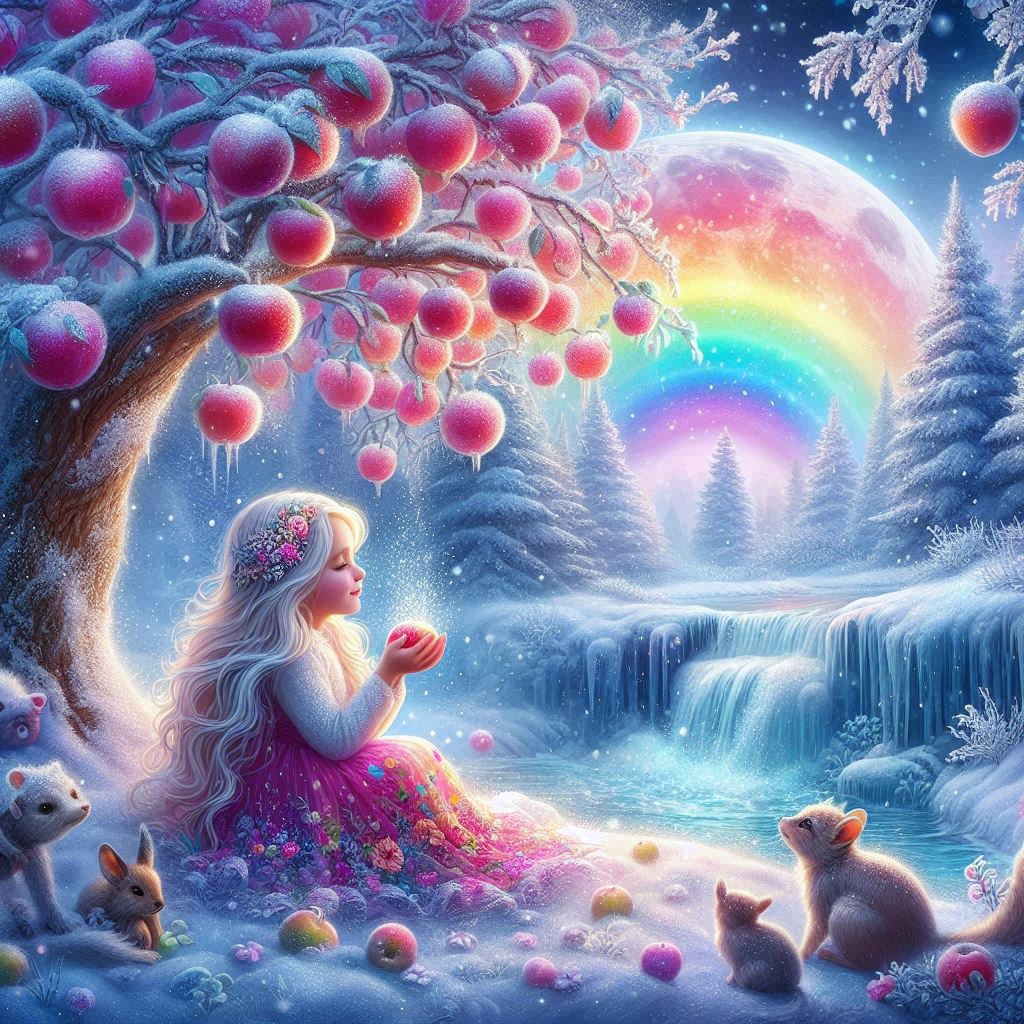
@coldplay #Coldplay #Angelsong #MayaAngelou #DontGiveUp
#artwork @janettoart @bing
4
8
347
23 Nov 2024
Maybe we could share the rain
Maybe we could dance again
Maybe we could make the sky turn blue
Oh, Daniel knows how to make a dream
How to make a dream come true
Oh, Daniel, could I be the one for you
@coldplay @coldplayfanart @ralphmacchio
#karateKid @janettoart @bing
1
4
126
23 Nov 2024
We fell in love in the summer
I remember, baby, we fell under the moon, oh
We were born for each other
I remember when I'm millions of miles from you
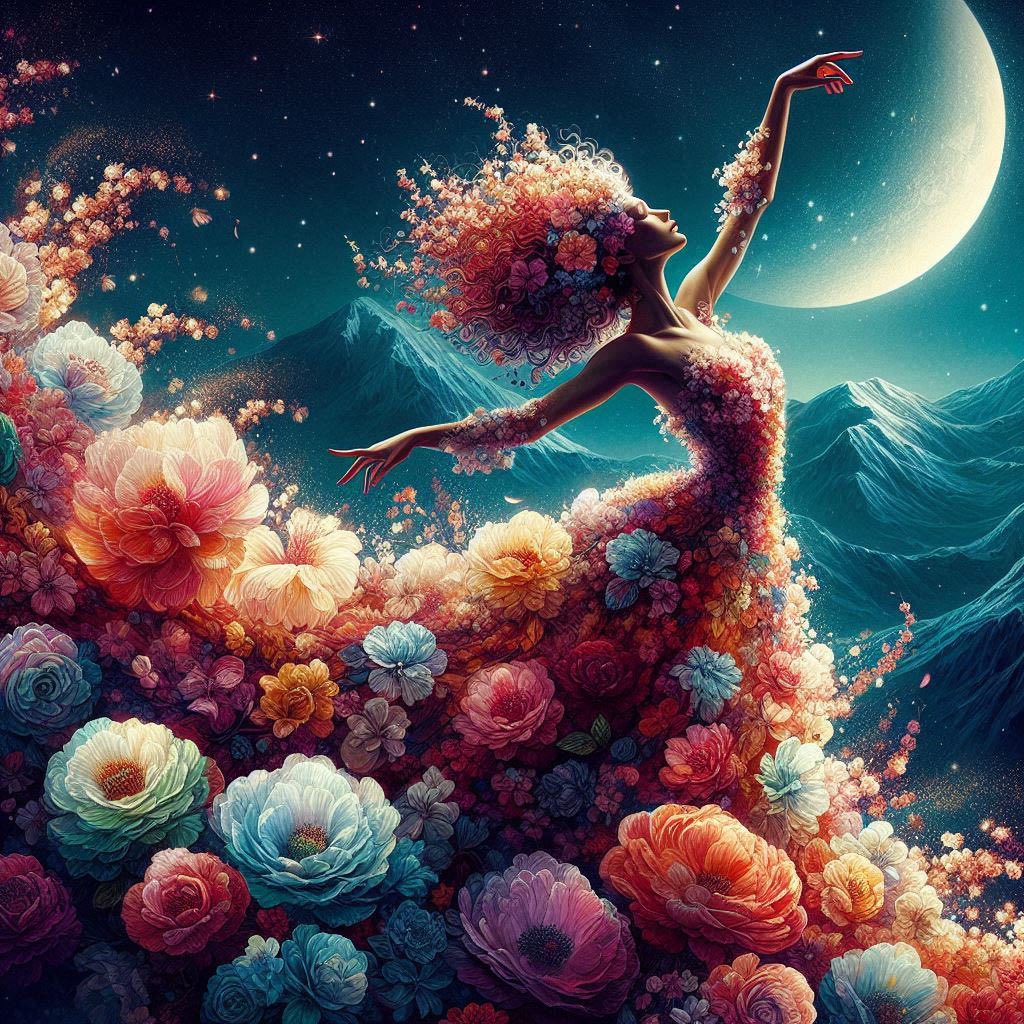
@coldplay #MoonMusic #Coldplay #ChrisMartin #GuyBerryman #JonnyBuckland #WillChampion
@coldplayfanart #Art @janettoart @bing
3
1
184
23 Nov 2024
Once upon a time, I tried to get myself together
Be more like the sky and welcome every kind of weather
Be more eagle-like and find the flight in every feather
@coldplay #MoonMusic #Coldplay #JonHopkins #FullMoon
#artwork @janettoart @bing #bing
3
6
197
23 Nov 2024
She saw in colours others couldn't see
Jupiter, named for a planet we pretend to be
Somebody way less extraordinary
"Sometimes I wonder what is wrong with me
@coldplay #Coldplay #MoonMusic #Jupiter #Art @janettoart @bing #bing
3
6
204
22 Nov 2024
Oh, it feels like
I'm fallin' in love
Maybe for the first time
Baby, it's my mind you blow
It feels like
I'm fallin' in love
You're throwin' me a lifeline
And this is for a lifetime, I know
@coldplay #Coldplay #MoonMusic #MusicOfTheSpheresWorldTour #Art @janettoart @bing #bing
3
1
154
22 Nov 2024
Ooh
… I pray that I don't give up, pray that I do my best
Pray that I can lift up, pray my brother is blessed
Prayin' for enough, pray Virgilio wins
Pray I judge nobody and forgive me my sins
@coldplay #MoonMusic #Coldplay #MusicOfTheSpheresWorldTour
#Art by @janettoart @bing
1
3
156

🌙 Moon Music lands in two weeks
Pre-order the limited, individually numbered Notebook Edition of the new album from store.coldplay.com/ now
87
313
2,481
227,969
🐙 The Octopus Club 🐙 retweeted

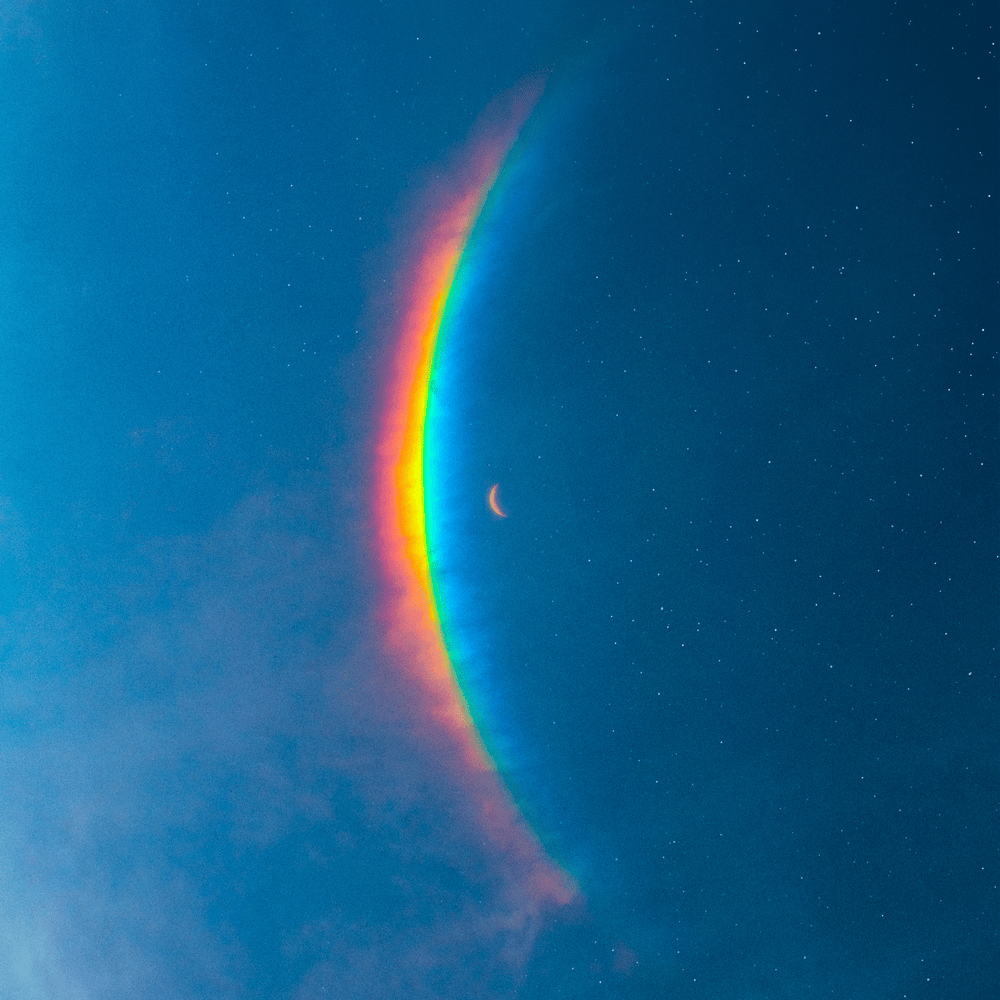
No but three weeks til MOON MUSiC lands!
What track are you most excited to hear? 🔵🌙
23
11
156
7,375
TODAY
4PM UK
11AM ET
youtu.be/WTC6iJYBAVI
88
404
2,882
179,295

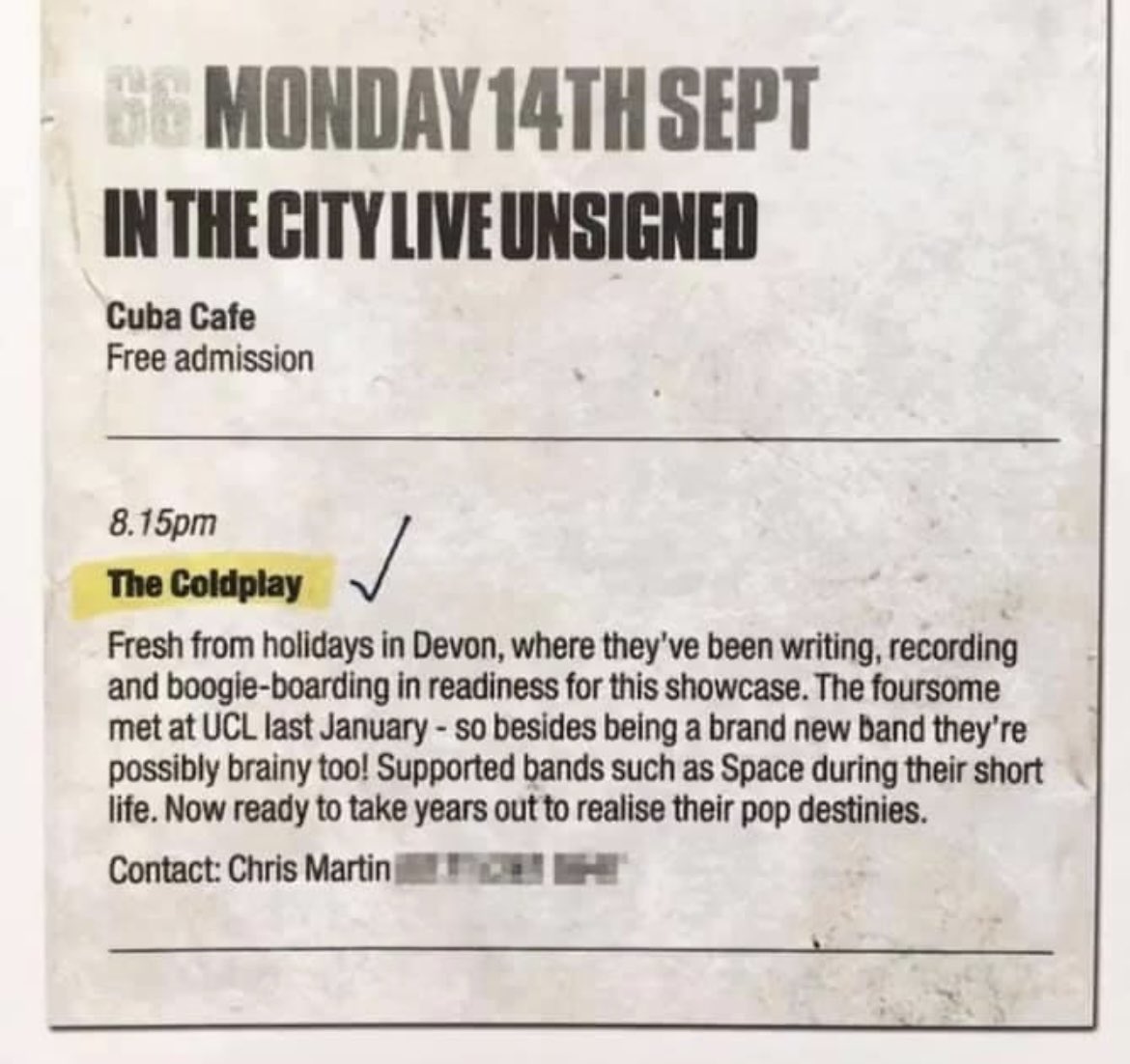
17 Aug 2024
Aww brilliant 🩵🩵🩵
Coldplay Lego set would make us feel
10 feet tall. Honours don’t come bigger than this. Thank you Michael, @LEGO_Group… next step: 10,000 🎯 PH ideas.lego.com/projects/e281…
2
67
🐙 The Octopus Club 🐙 retweeted
17 Aug 2024
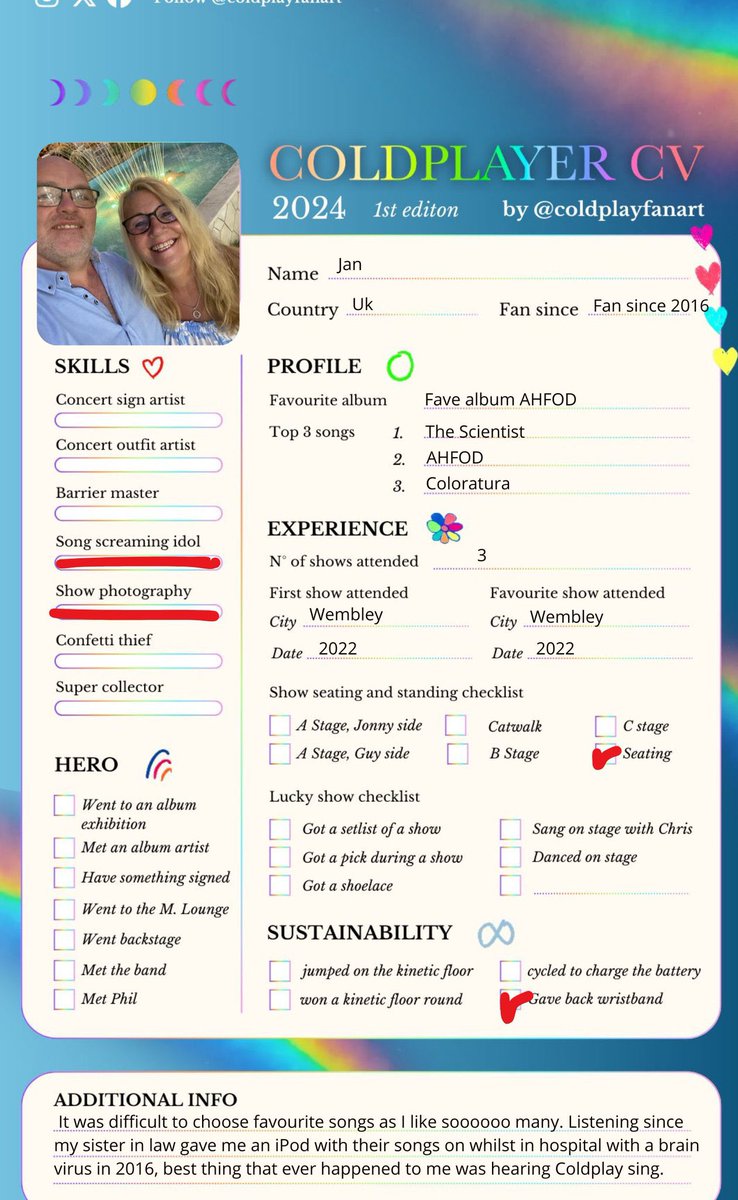
@coldplay @coldplayxtra @coldplayfanart @ajennyvic Thanks so much Jenny for doing this on computer for me xx🩵🩵
2
2
10
136