
Aspiring Data Analyst. Documenting my journey from 0% to Web3 Analyst.
Joined December 2024
- Tweets 4,076
- Following 826
- Followers 848
- Likes 15,435
134 Photos and videos





The Quant Learner🙂↔️ retweeted

27 Nov 2025
1/ Phase 1 of the Concrete Social ‘Bags’ Campaign is live.
Your actions = your bags🗿
Start earning today, link below.
3,996
100,776
88,328
3,909,908
The Quant Learner🙂↔️ retweeted

Feb 3
Last form before the storm 🌪️
█████████▒ (Next up is Mint Announcement)
Fill the form → docs.google.com/forms/d/e/1F…
Like, Repost, Comment for Golden Claybie 🔓

1,132
750
1,189
34,082
The Quant Learner🙂↔️ retweeted
Feb 5
Claybies Mint is on 9th February, Monday at 18:00UTC
Supply → 3000
Price → FREE (GTD, FCFS, Public)
Where → @opensea
Get ready hodlers to enter Clayverse >⩊<
Like, Repost, Drop EVM (Last 30 GTD Spots) ⌛️
673
438
821
27,662
The Quant Learner🙂↔️ retweeted

Feb 5
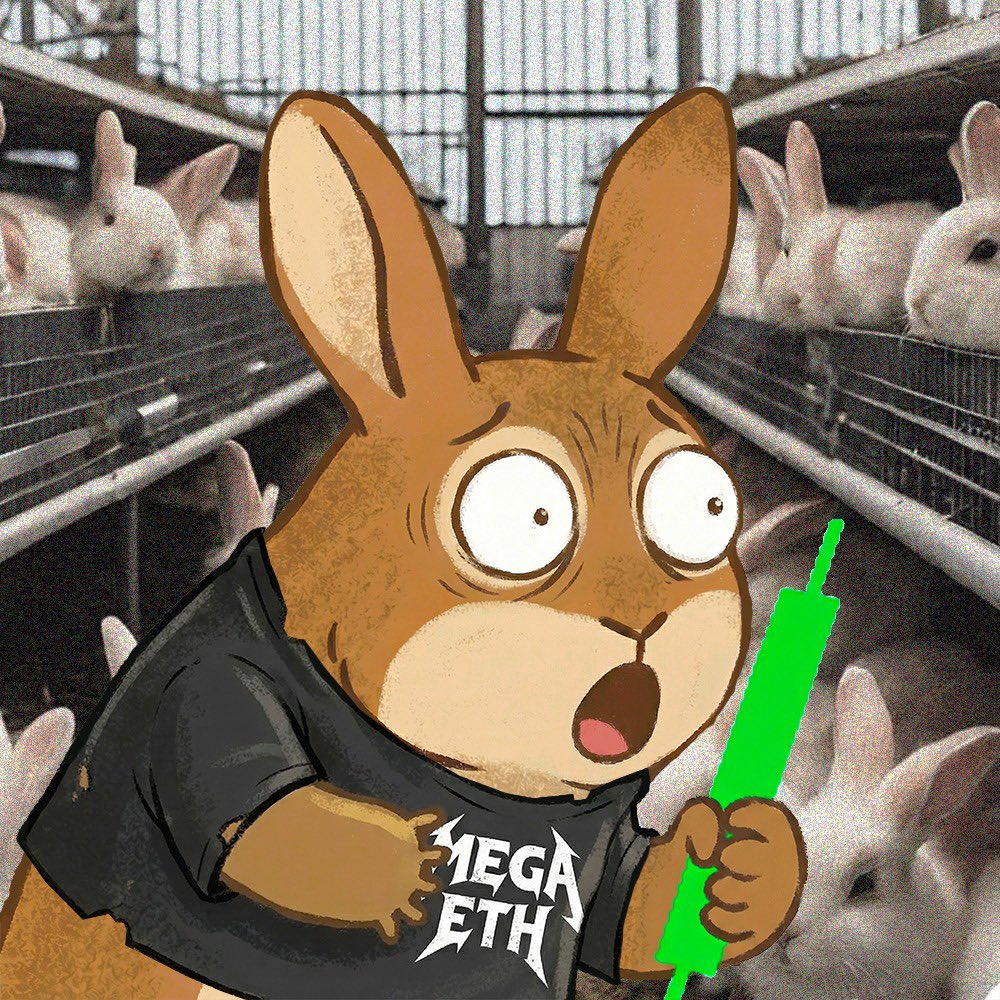
2xGTD/5 FCFS early WL spots for @LapioMaker
Millennial trauma NFT Cult on @megaeth
To enter:
Follow @LapioMaker
Like/RT
Drop evm address
24 hrs
19
10
26
746
The Quant Learner🙂↔️ retweeted

Feb 3
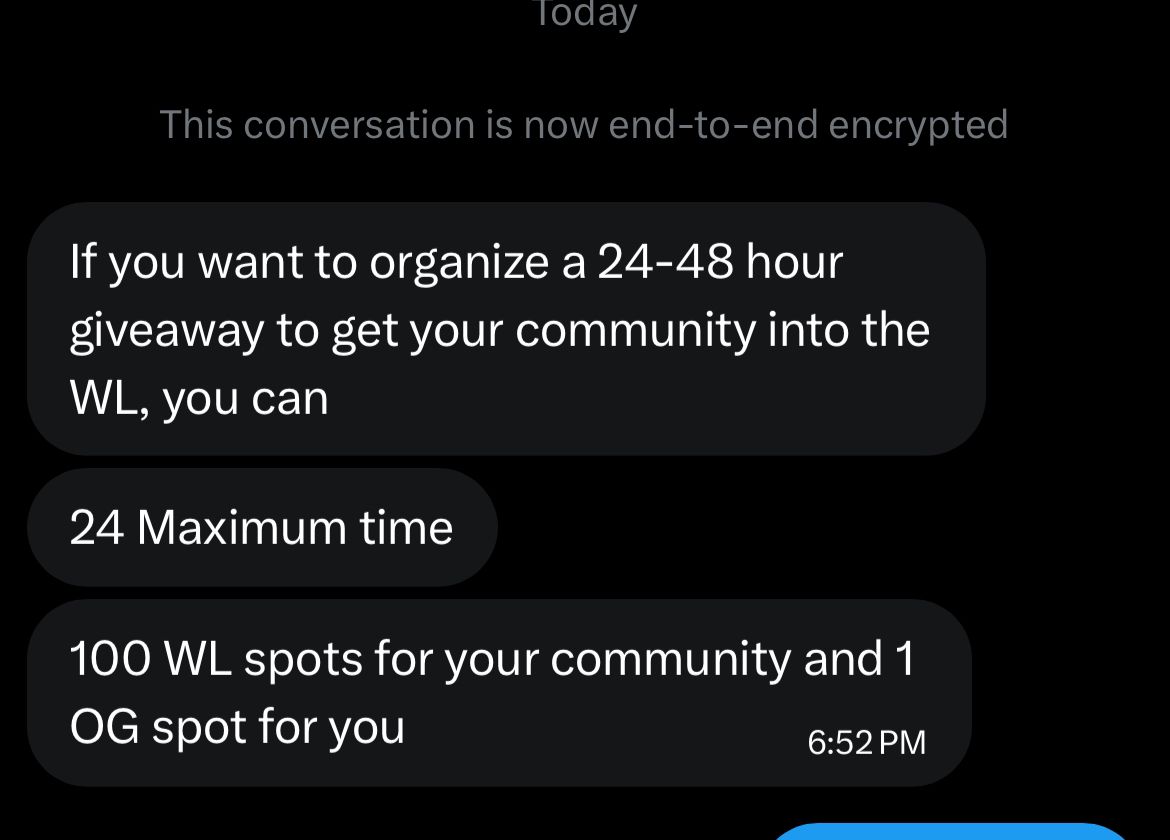
BLUBZ GIVEAWAY!🔥
🎟 100 WL SPOTS
Requirements:
1️⃣ Follow @investorfreeyo || @Romante_Xchange || @Nightdruid_off
2️⃣ Like Retweet
3️⃣ Drop your Evm Address
Winners soon! Goodluck🎁


43
31
49
1,526
The Quant Learner🙂↔️ retweeted

Feb 2
They’re coming!!
FREE MINT on BASE 👁️
WL →forms.gle/Q27Z8vgDfoUzkQcv5
4H ⏳
254
198
390
18,394
The Quant Learner🙂↔️ retweeted

Jan 30
might accidentally give gtd spots on this post 👀
follow. like. rt. drop wallet

859
543
1,213
28,170

There's still time to get WL for this nerd NFTs
Get in now
Jan 31

Bringing cartoon nostalgia to NFTs!
Introducing Nerds
FREE MINT on ETH
Coming soon to @opensea
Grab WL → nerdsoneth.fun
Duration: 36hrs
9
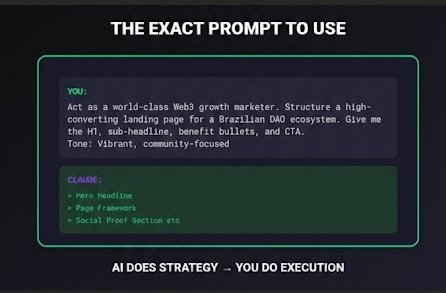
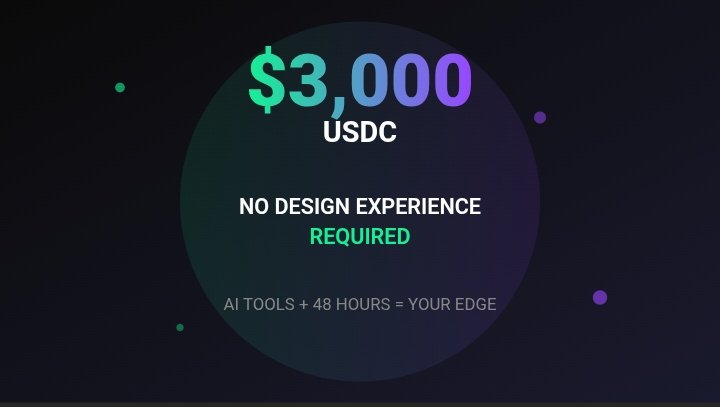
I just found a $3,000 USDC sitting on the table.
@SuperteamBR just dropped a landing page bounty.
99% of people are going to scroll past this because they think: "I’m not a designer, or a web dev "
That's a wrong mindset. You don't need to be a pro to win this bounty.
16
6
47
566
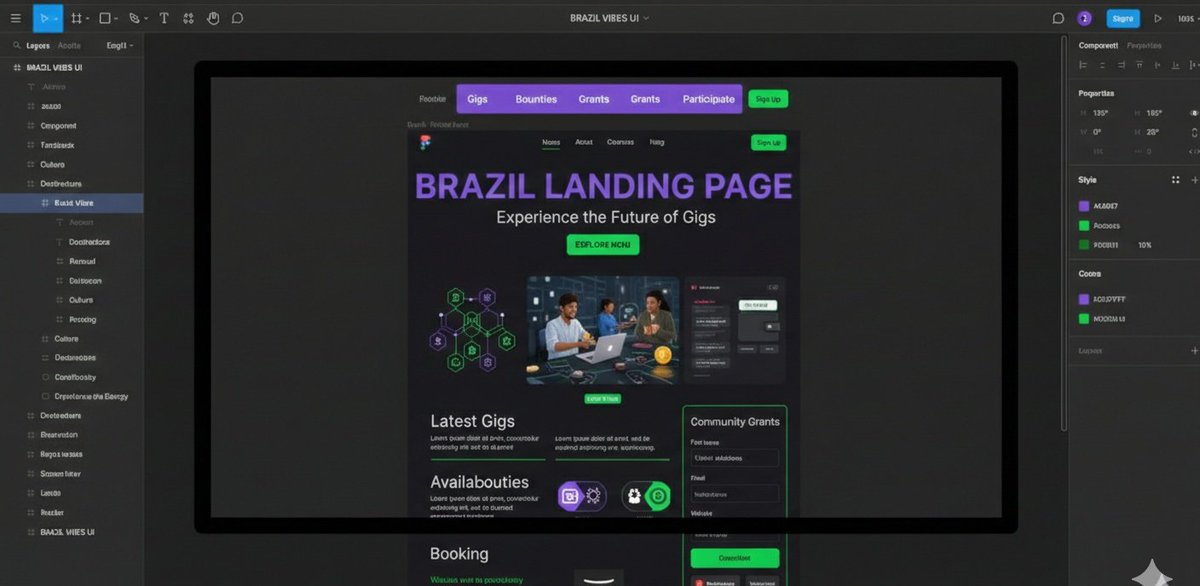
Lastly, take the Figma layout and ship it.
Use AI image generators (Nano banana/DALL-E3) to create abstract, Brazilian-themed backgrounds (Green/Yellow gradients, vibrant futurism).
Make it pop and responsive.
6
2
379
The Deadline for the bounty is Jan 31st.
Which means that you can still make hay while the sun shine.
Don't forget to tag @superteamEarn in your submission
Full details submit here:
earn.superteam.fun/listing/d…
Start this now or RT so someone wins the money.
1
8
11
86
As much as I agree with this
I just think it doesn't work for everybody
I have seen guys who combined two big things very well (school web3/business)
And also seen guys who failed trying to combine
We're not wired the same
What works for A isn't bound to work for B.
Study yourself and know what works best for you
Not every advice must be taken/implemented.

I disagree
I started building my community since 2022 while I was in 200LVL
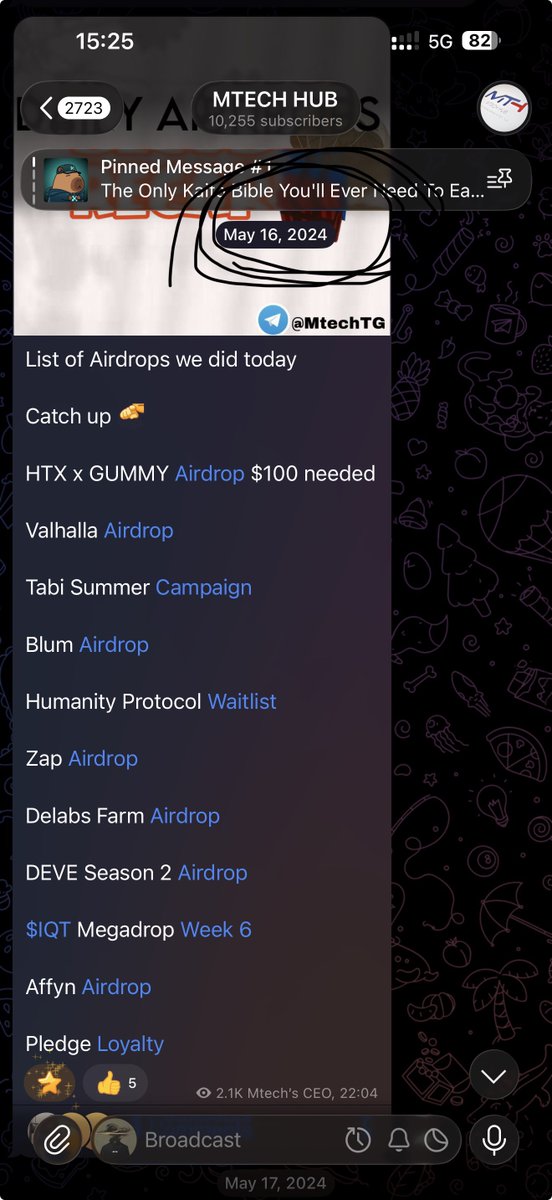
I used to drop 4-10 new aird-rops daily…..YES! DAILY!!!
back then, testnets were profitable and team used to give decent drops for one-time contribution. No daily check-in BS
During my school period, I was able to grow 3 WhatsApp groups plus telegram (currently 10k members) while still taking my academics seriously
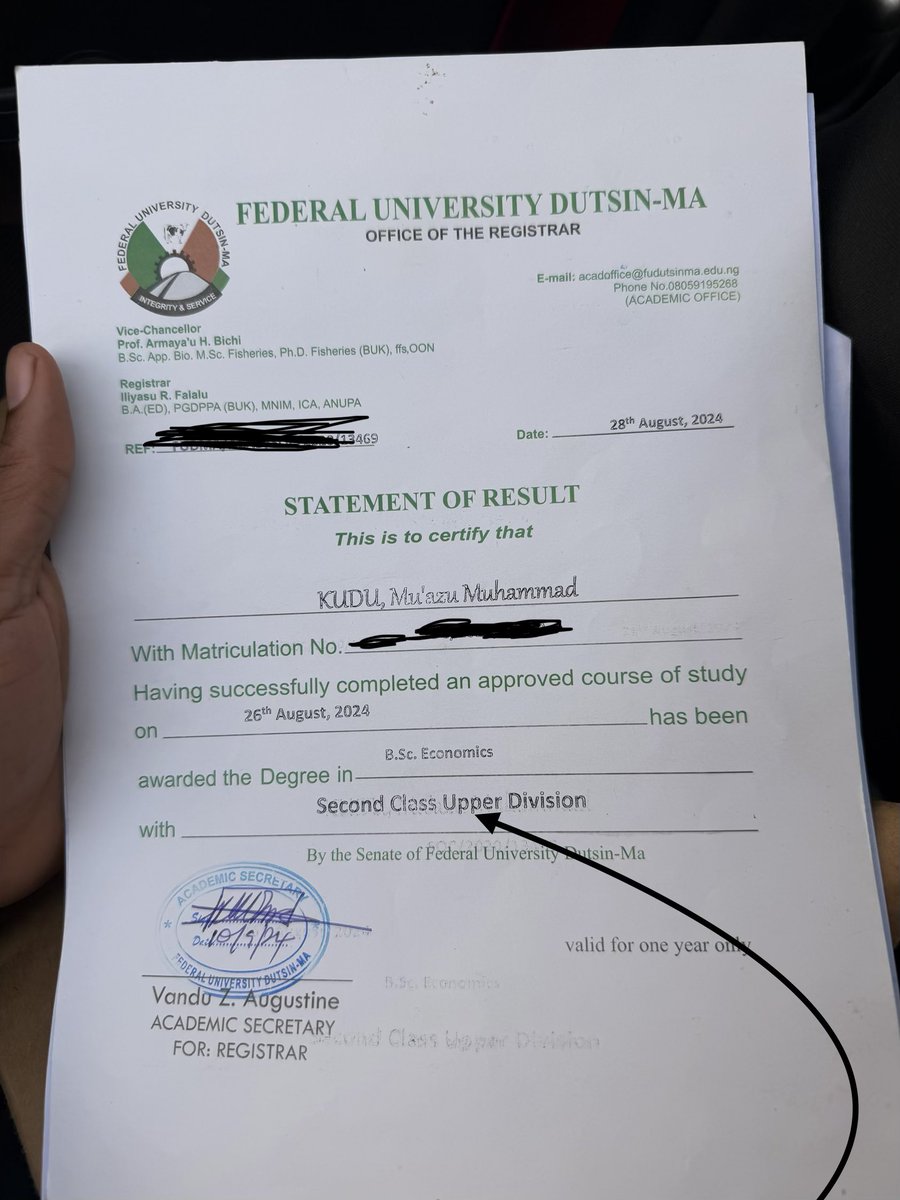
I still graduated with a SECOND CLASS UPPER
All you need is BALANCE,
- STUDY for your tests and exams when it’s time to study
- use your FREE TIME after school to build yourself.
You can’t do everything at the same time but with proper time management, YOU CAN!
27
Questions You MUST Ask Before Analyzing Any Web3 Dataset ???
You can't analyze any dataset (web3 or not) successfully without asking the right questions.
Here is a detailed guide on questions that help facilitate a successful analysis.
1️⃣ What Problem Are You Actually Solving ?
For every dataset collated, there must be a purpose behind it. Understanding it helps pinpoint the problem you want to solve, making it easier to provide a solution. Without a clear answer, you'll drown in irrelevant metrics that hinder success.
2️⃣ Where's Your Data Coming From?
Knowing the source of your data equips you with the correct approach to analyze your dataset.
This also helps you know if the data is:
> Indexed properly i.e Dune/Flipside
> Onchain e.g transaction histories, wallet addresses and smart contract interaction
> Offchain such as Meta data, Price data from CEXs and so on.
N.B. know your source's strengths and blind spots.
3️⃣ What's the Scope and Context of your data?
Context in a dataset refers to the background information and relevant details that give meaning and significance to raw data.
By asking this question, you will be able to answer:
> which network/chain your dataset represent (EVM-compatible, Ethereum mainnet, Layer 2s, Solana?)
> what is the timeframe of your analysis ( Does your dataset covers specific events, like a hack, upgrade, or airdrop)
> what are the specific addresses of the smart contracts involved (Ensuring you are analyzing the correct contract, not a proxy or clone)
4️⃣ How's the quality of your data ?
Blockchain data isn't clean, it's your job to make it clean.
From spotting descripances in data types, identifying duplicates table to spotting missing blocks.
Ask what's missing? What's misleading? What changed mid-dataset?
5️⃣ What Are You NOT Seeing ?
Every dataset has blind spots:
• Off-chain activity (CEX trades, L2 sequencers)
• Private mempools (MEV, private transactions)
• Cross-chain bridges (fragmented liquidity)
• Failed transactions (attempted but reverted)
Acknowledge what's invisible.
Why This Matters:
• Bad questions → Pretty dashboards with wrong conclusions
• Good questions → Insights that actually matter
By answering these questions first, you ensure the data is reliable and that your analysis will provide actionable insights rather than misleading trends.
🔄 RT for the sake of a data analyst who might find this helpful
1
365
Interesting times
The end of InfoFi is the beginning of stealing.
I think all this should be small account doings.
Lmao
Jan 21

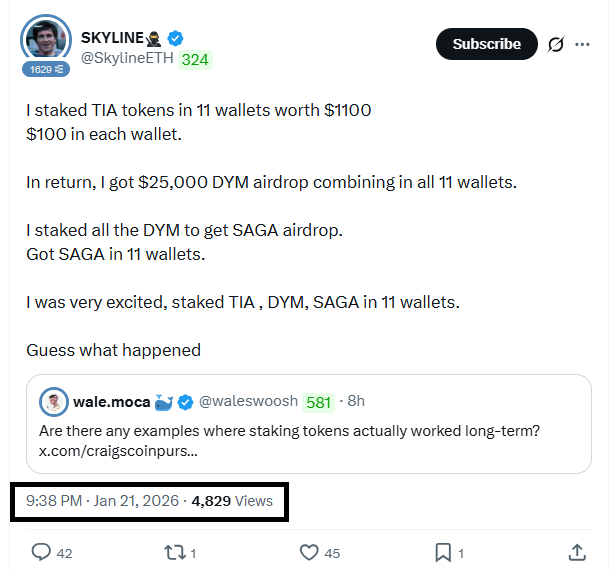
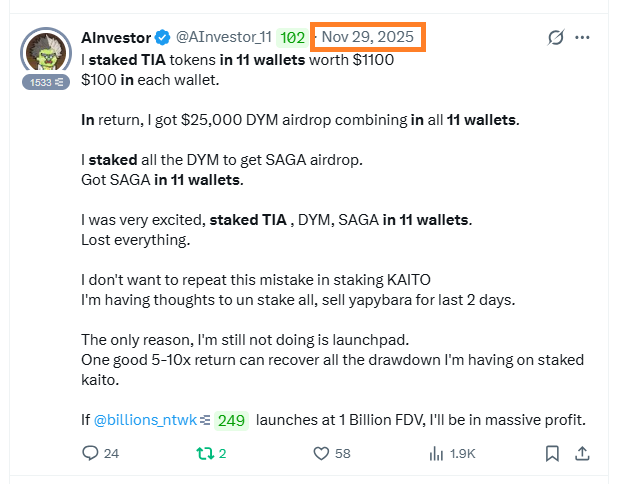
Bro just did this to me without knowing it is my real story. Crime bro, Big crime.
1
29
daGama proves a simple truth: spam dies when exposure requires work.
Traditional platforms rely on moderation after the fact. By then, fake reviews have already distorted rankings and wasted users' time. daGama inverts this. AI flags anomalies upfront, then the DAO votes on-chain to validate or reject.
The result isn't just cleaner data. It's aligned incentives. Contributors build verifiable reputation through accuracy, not volume. Bad actors face public accountability, recorded permanently.
This shifts discovery from popularity contests to proof of value. The loudest voice doesn't win. The most honest one does.
When quality becomes visible and rewarded, behavior changes naturally.
#locationintelligence

daGama isn't chasing virality. It's building something harder: permanence.
Most discovery platforms optimize for engagement. daGama optimizes for truth. A verified location isn't a review or a sponsored pin. It's a cryptographic record built through repeated validation, cross-referenced proofs, and community consensus.
This matters because decentralized systems fail when they inherit centralized habits. You can't just port Yelp onto a blockchain and call it Web3. Real interoperability requires data others can trust without asking permission or checking the source's reputation.
daGama creates that foundation. Not by moving fast, but by building right.
Infrastructure always looks boring until everything depends on it.
#RWL
38
30
625
Is he talking about @SkylineETH
🤔🤔🤔

saw this popular blue turkish kol who shilled a presale and charged them $2k 2k tokens for a single post, the token literally died and most people faced loss
now bro is yelling he did not shill trove, he's a genuine kol, lmfao
21