
I started Reds Daily and Cincy Daily for the city 🔥 #cincinnatireds #cincinnatibengals #atobttr
Joined August 2009
- Tweets 8,725
- Following 1,294
- Followers 1,390
- Likes 15,597
569 Photos and videos
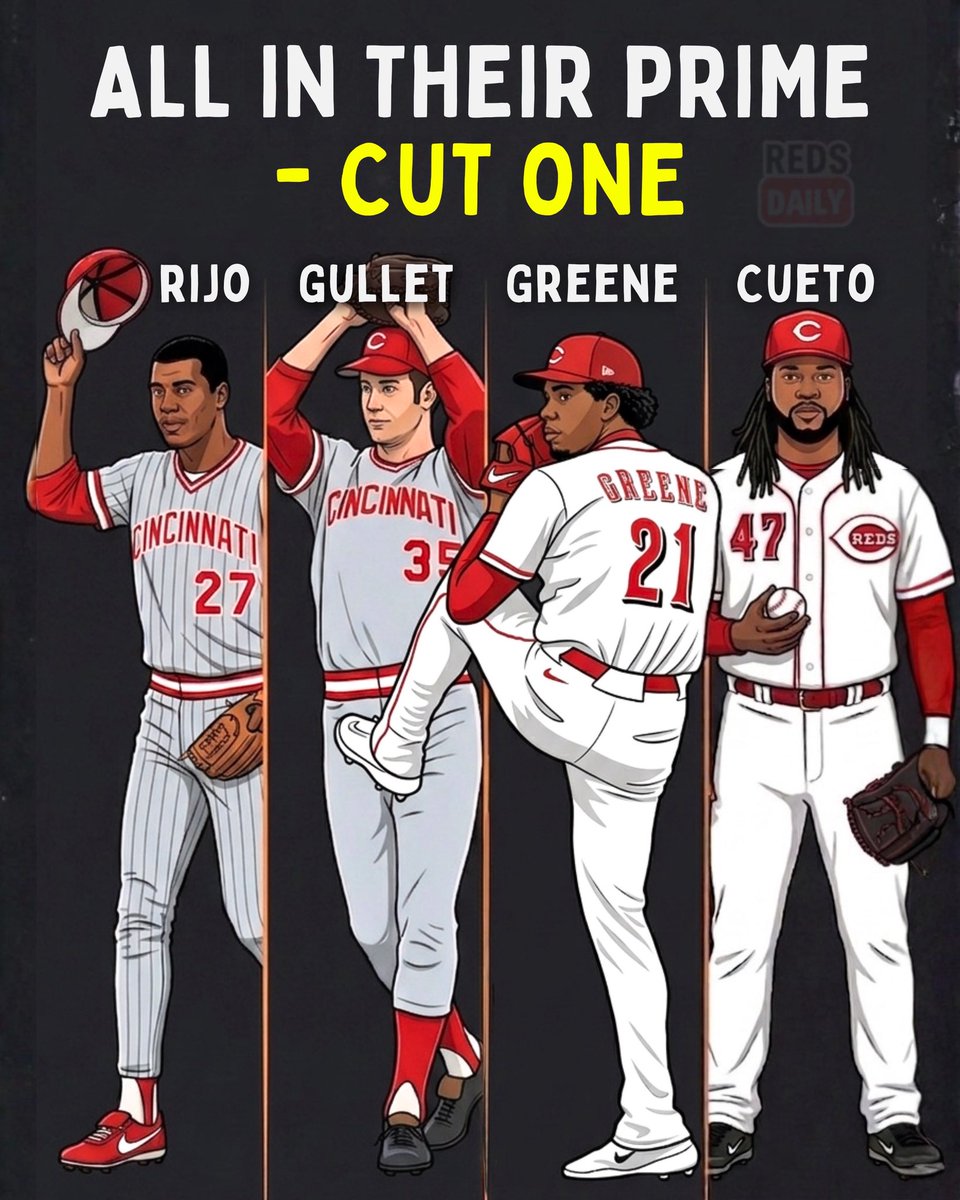
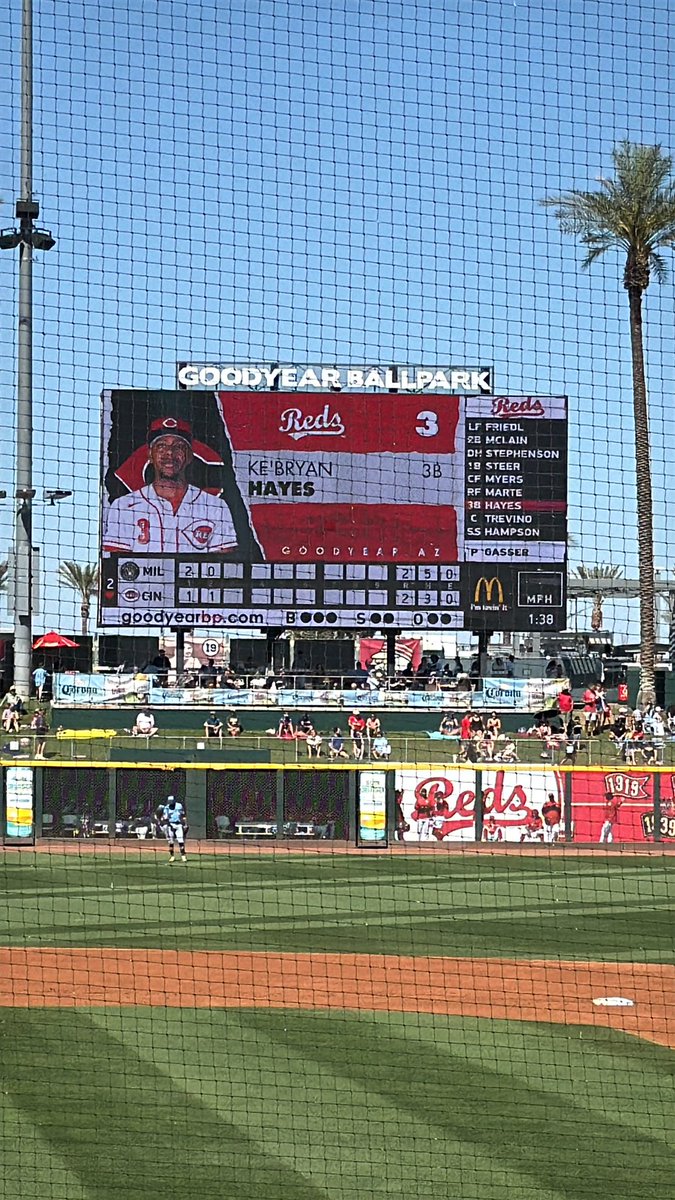
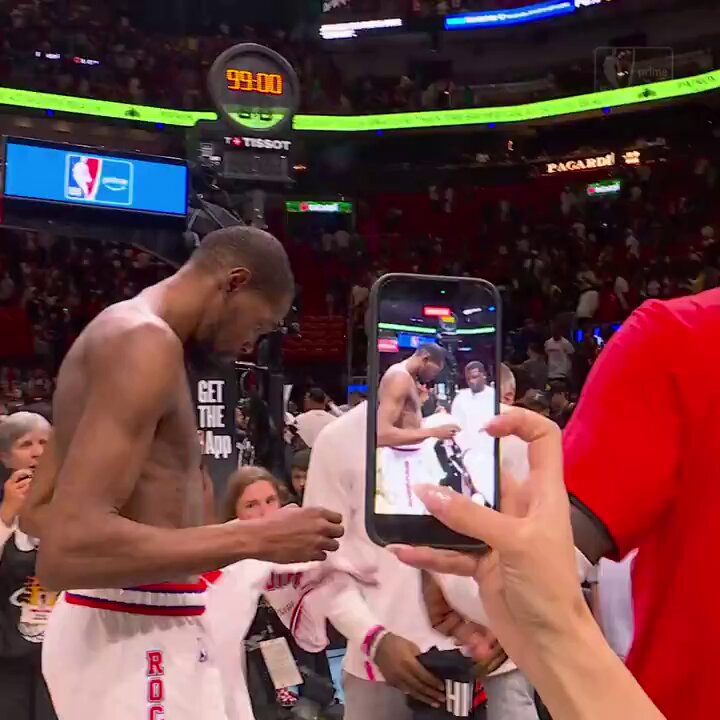

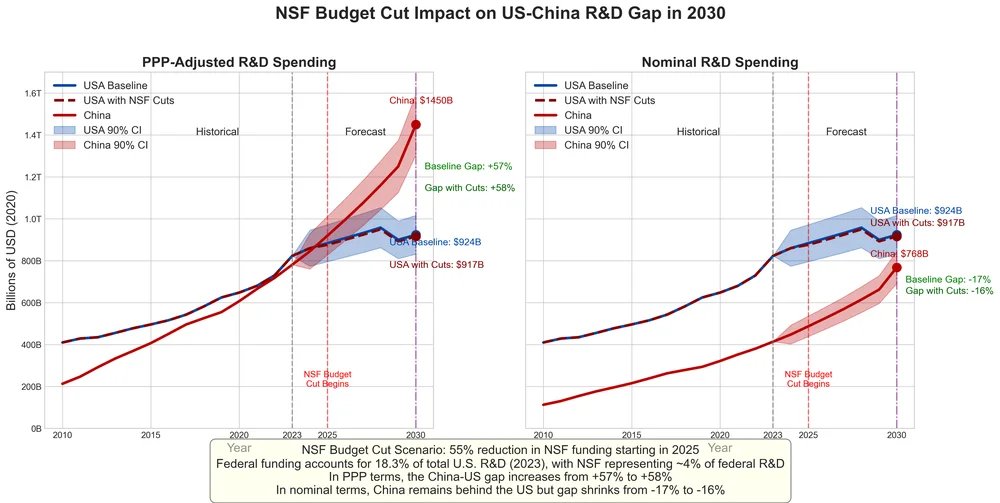






Jun 9
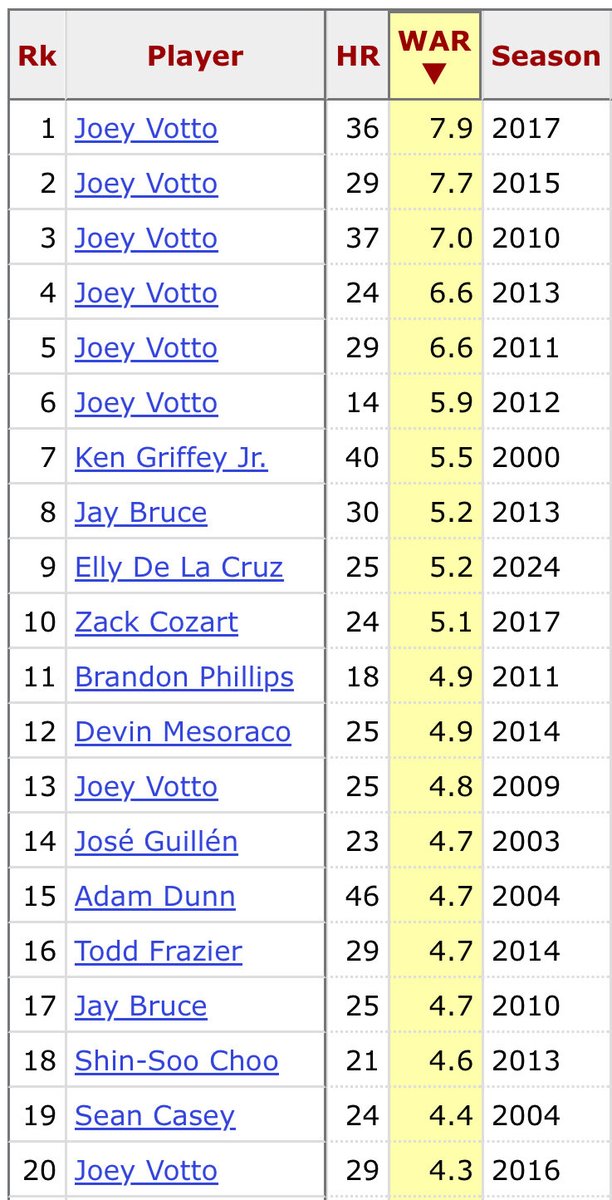
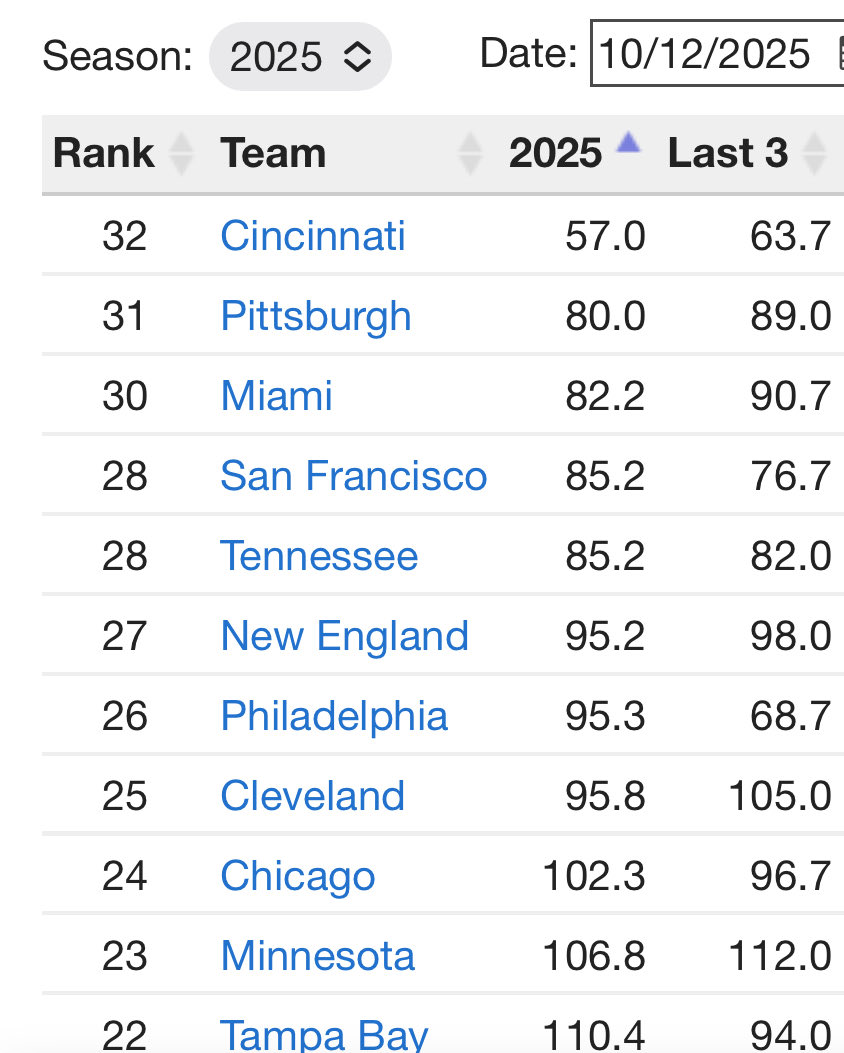
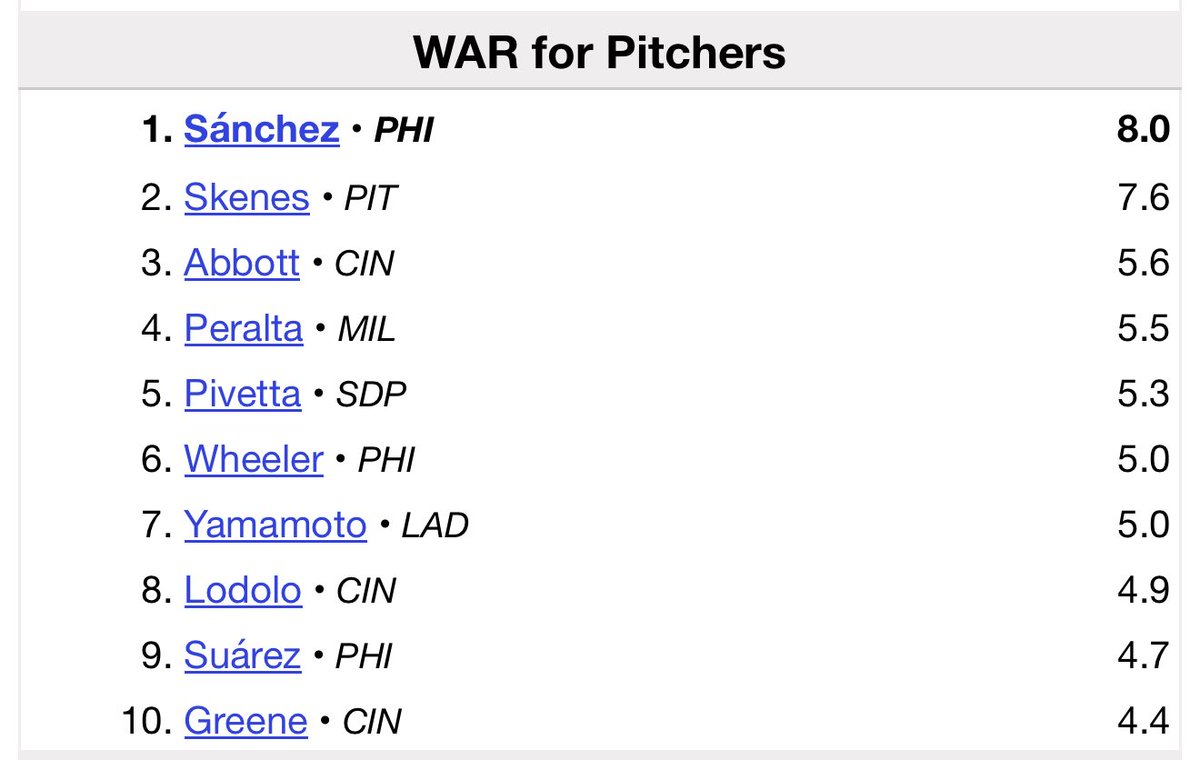
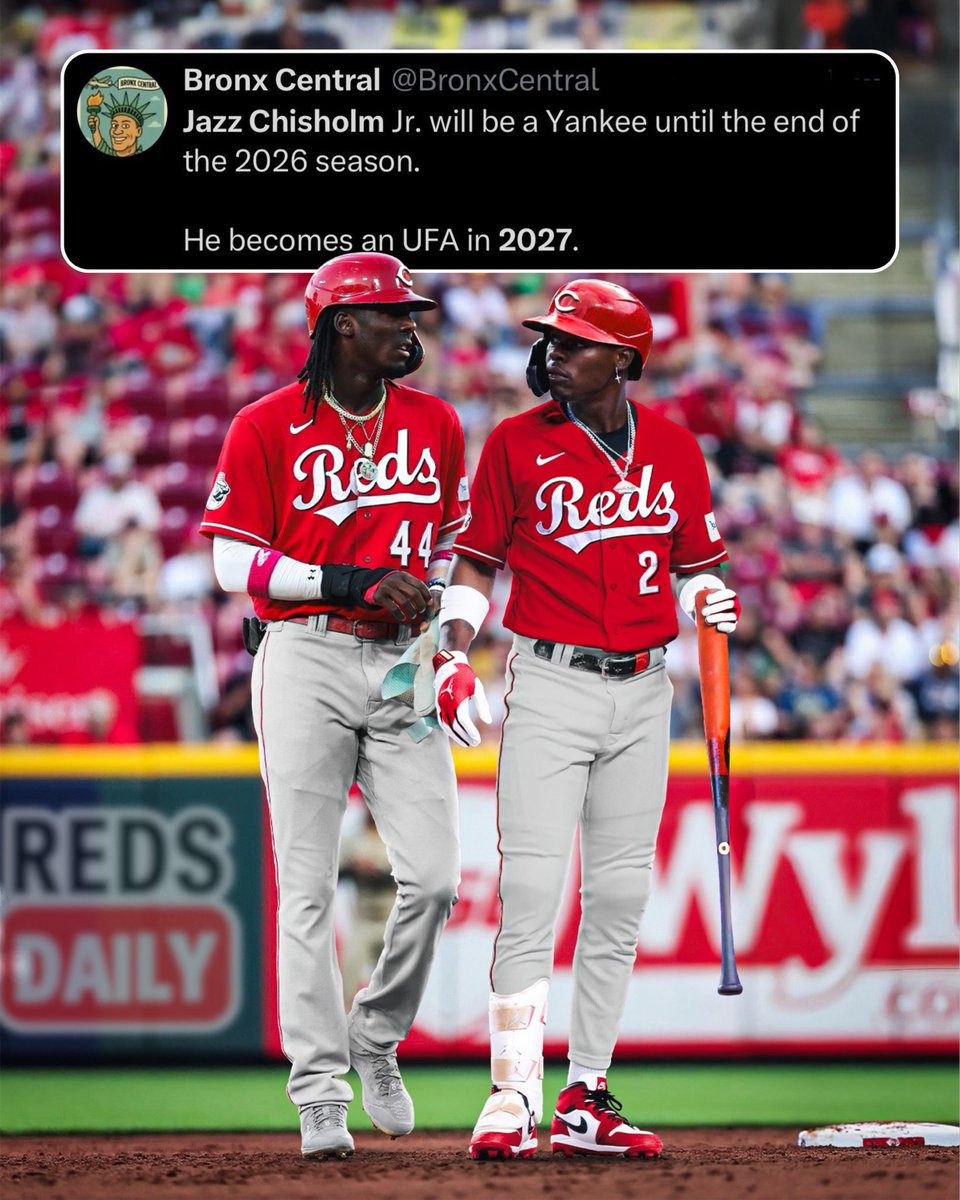
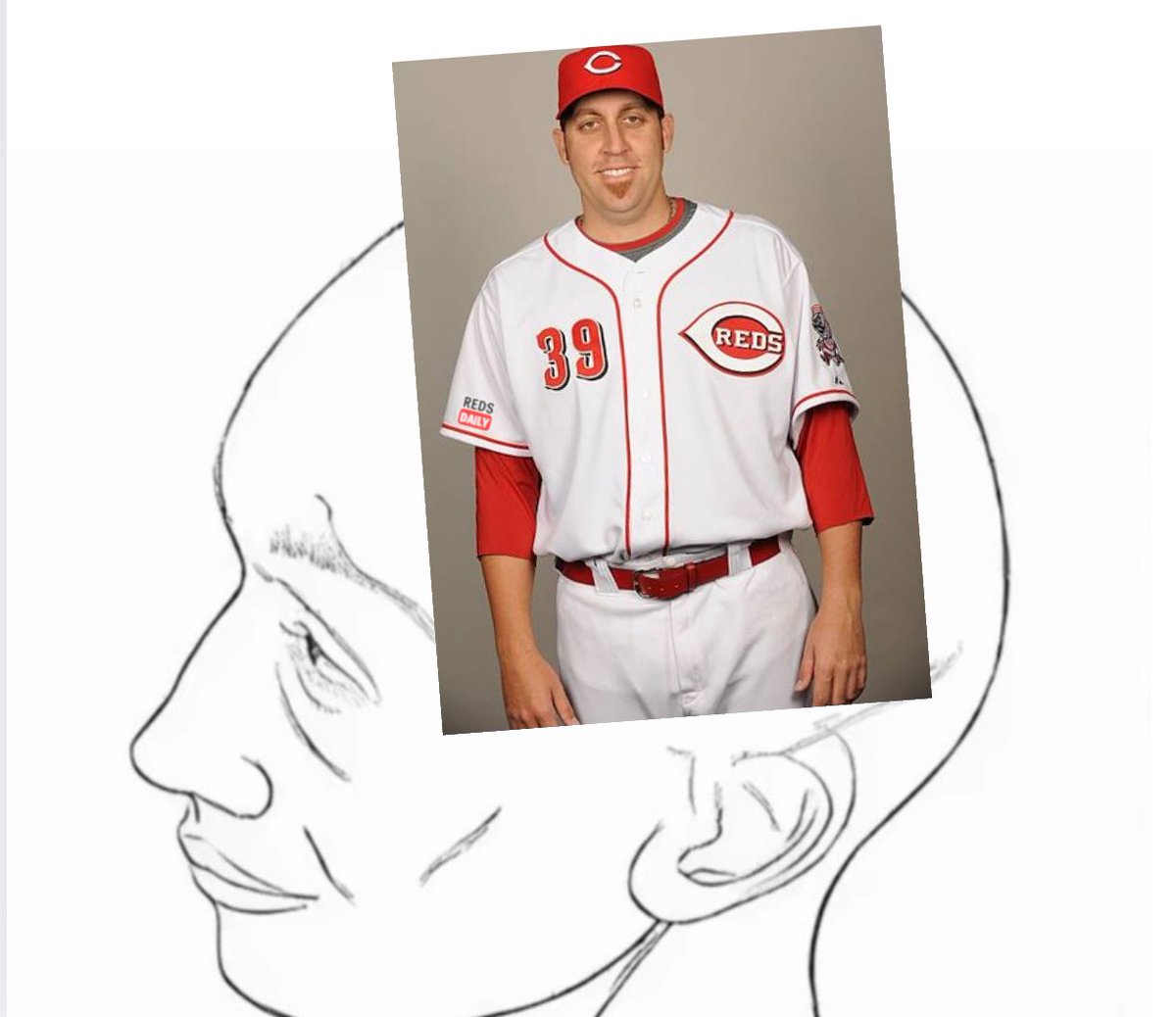
There’s really now more money on the Reds finishing under .500 than over 🥀
24
Mason Estep retweeted

“At this point, I don’t think anybody wants to throw to Elly De La Cruz."
@CTrent and @TheRealMagua say all they hear is crickets from the critics.
1
4
358
Mason Estep retweeted

May 19
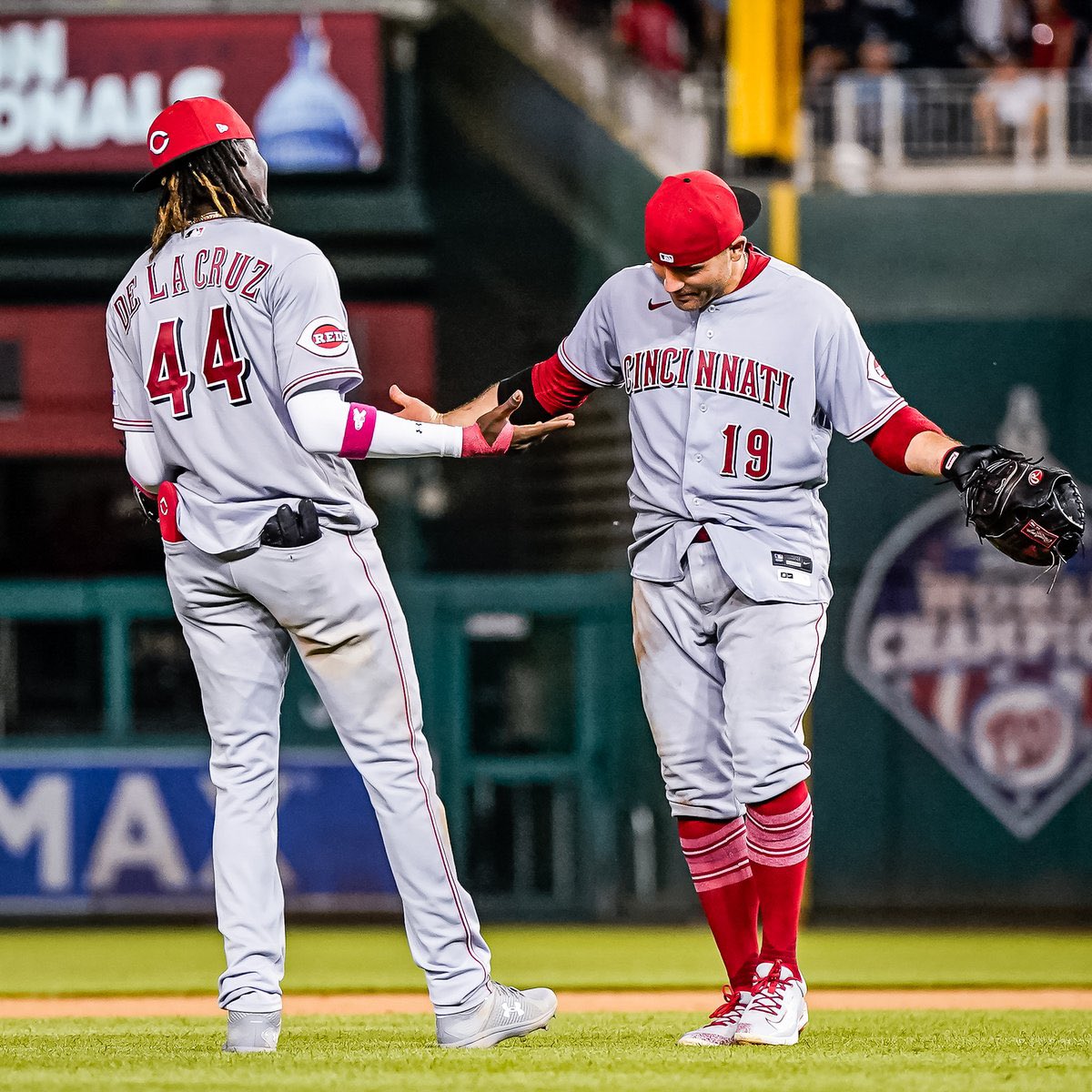
In 20 years, some may think this is photo shopped.
1
6
164
Mason Estep retweeted
"Triple-A is awful now."
@CTrent explains why recent Reds outfield call-up decisions have been complicated by the declining quality of Triple-A competition.
8
5
74
21,888
Mason Estep retweeted

May 13
Okay folks, this qualifies as BREAKING NEWS!
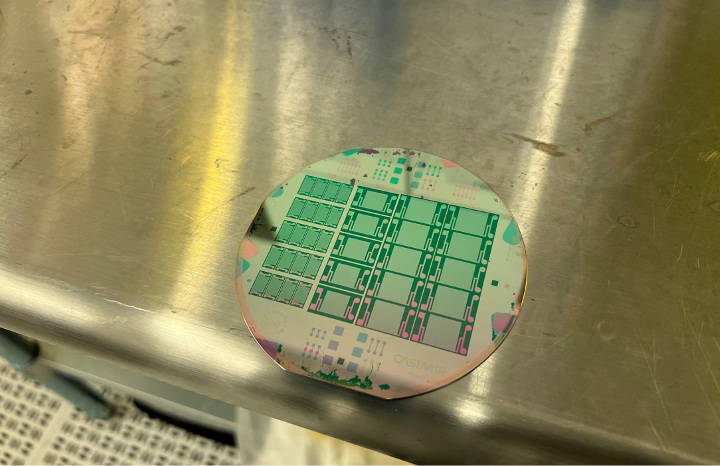
Harold “Sonny” White, the warp drive pioneer behind NASA’s EagleWorks Lab, just stepped out of stealth with Casimir Inc. to unveil MicroSPARC: the first battery free chip to harvest continuous electrical power straight from the quantum vacuum via the Casimir force.
The 5 mm × 5 mm device uses millions of custom microscale Casimir cavities fabricated on a substrate. Inside each cavity, two fixed conductive walls create a region of negative vacuum pressure (the well known Casimir effect). Stationary micropillars anchored in the middle act as antennas. Electrons from the cavity walls then quantum tunnel to the pillars because the interior is a lower energy “quieter” zone — and the probability of tunneling back is orders of magnitude lower. This one way “quantum ratchet” flow generates a measurable DC current with no external power source or moving parts.
Prototypes already fabricated at university nanofab facilities (Texas A&M AggieFab, MIT.nano) have been tested in RF-shielded, low noise chambers for weeks. The team reports outputs ranging from millivolts to volts at picoamp to microamp levels using precision electrometers and Kelvin Probe Force Microscopy. Target performance for the first commercial chip: ~1.5 V at 25 µA (≈40 µW continuous). Stacking and scaling could reach milliwatts or even watts per device.
Initial applications are ultra low power: always on IoT sensors, wearables, and medical implants. Longer term roadmap includes trickle charging phones, powering small electronics, and eventually grid independent homes or EVs. Commercialization is targeted for 2028, starting at ~$100/W before dropping toward $10/W.
White ties the work directly to his earlier theoretical paper on emergent quantization from a dynamic vacuum and sees it as a practical power source for the deep-space missions he’s long championed.
Extraordinary claims require extraordinary evidence, and independent scientists have so far declined public comment. But if the engineering scales as hoped, MicroSPARC would represent a genuine paradigm shift: continuous, maintenance free power drawn from the fabric of spacetime itself.
A bold leap from warp-drive theory into real hardware. Progress (and vacuum-powered chips) marches on.
Photo: MicroSPARC | Casimir Inc.
Source: thedebrief.org/free-energy-f…
May 12

“We already have functioning prototype devices fabricated and tested in research nanofabrication environments.” - @DrSonnyWhite, Founder and CEO of Casimir in @Debriefmedia today.
thedebrief.org/free-energy-f…
582
2,158
11,566
1,169,877
Mason Estep retweeted

New @riverfrontterritory — we actually did it pregame and looking to see if there's an audience if we do a live pregame (or even postgame) in the future. With @TheRealMagua of @GetRedsDaily. PLease subsrcribe and let us know if you're interested youtube.com/watch?v=6RT1VHn5…
2
8
5,705
Mason Estep retweeted
Come for the closer talk, stay for the poor lighting in my hotel room! Riverfront Territory on @FoulTerritoryTV with @dgravy32 & @TheRealMagua youtube.com/watch?v=OnwLEnxj…
1
2
11
8,897
Mason Estep retweeted
Yordan Alvarez? Jarren Duran? Jo Adell? Wilyer Abreu?
@CTrent, @DGravy32, and @TheRealMagua lay out some possible outfield trade targets for the Reds...
4
2
23
3,651
Mason Estep retweeted
May 3
imagine our great grandparents on twitter in 70’s Cincinnati 😂 #reds
3
7
571
Mason Estep retweeted
May 2
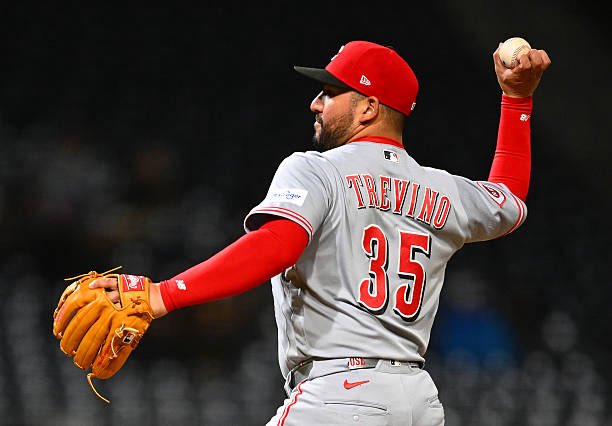
Reds catcher Jose Trevino has only 1 walk in 4 innings pitched in 3 appearances this season 👀🔥🔥 (leads all catchers)
4
44
1,784
Mason Estep retweeted
Apr 20
Sal Stewart leads MLB with 19 RBI’s among cleanup hitters (hitting 4th in the lineup)

5
58
1,014
Mason Estep retweeted
Apr 20
The Reds are HOT🔥
@ctrent and I discuss the start of the #reds season and what it will take to keep it going
youtu.be/zDX8KO092KY?si…
*Subscribe to Riverfront Territory on Youtube!*
1
4
235
Mason Estep retweeted
Apr 12
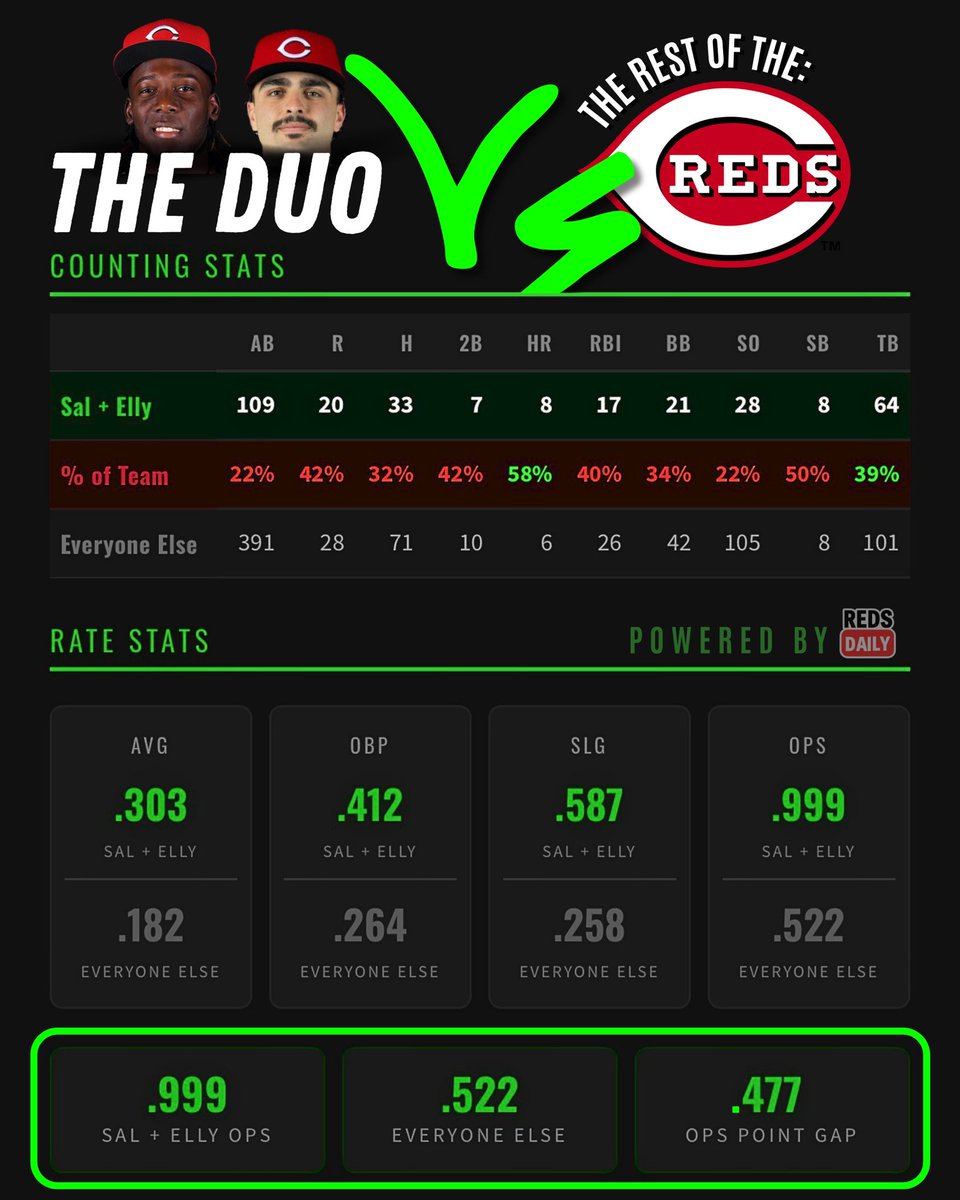
The Cincinnati Reds offense without Sal Stewart and Elly De La Cruz so far this season would be soul-crushing 😳
#reds #cincinnatireds #atobttr

4
4
33
3,073
Mason Estep retweeted
I'm joined by @GetRedsDaily for an Instant reaction to the Cincinnati Reds' new City Connect 2.0 uniforms |... youtu.be/vYExBNUp5zg?si=s5lN… via @YouTube
1
2
8
6,719
Mason Estep retweeted
Apr 7
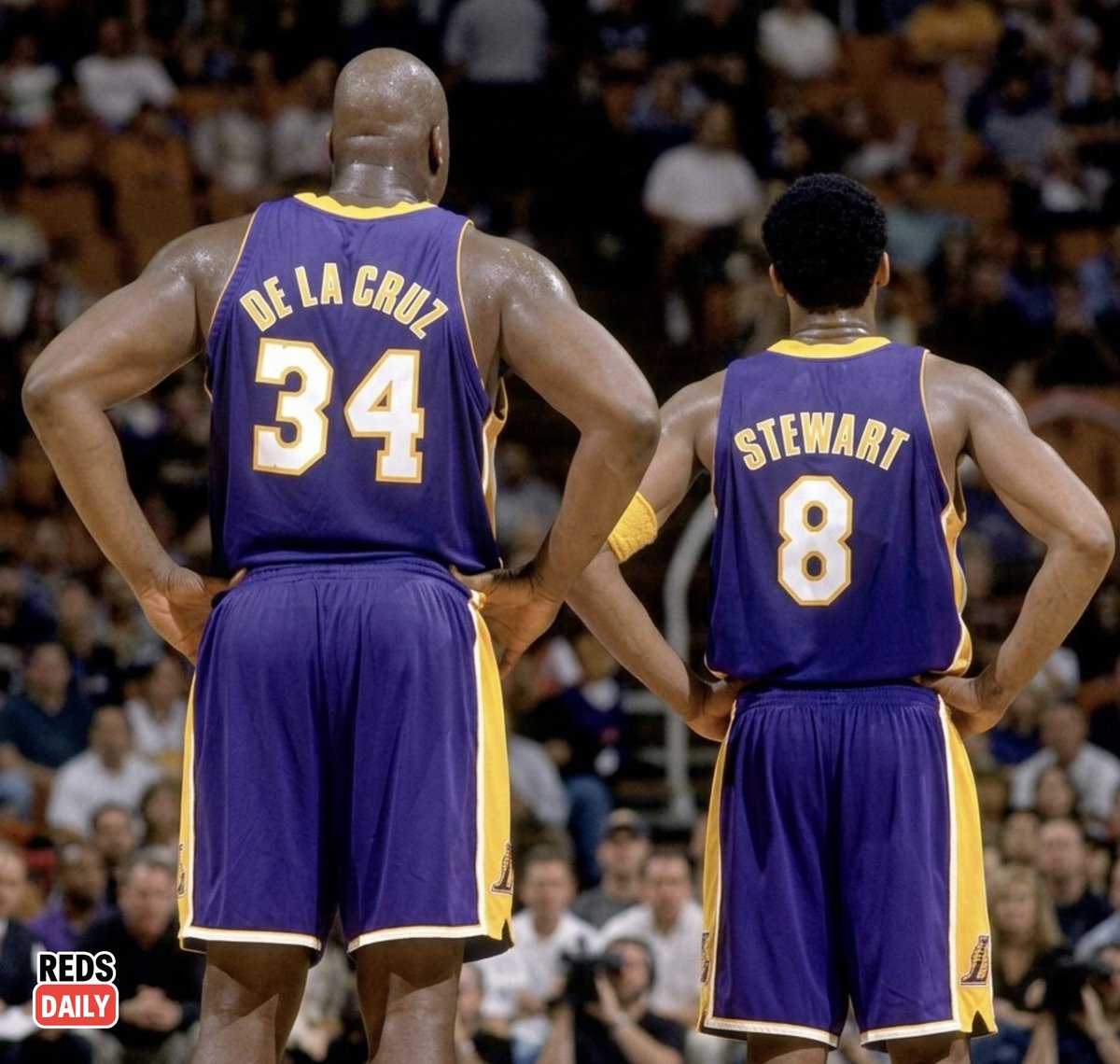
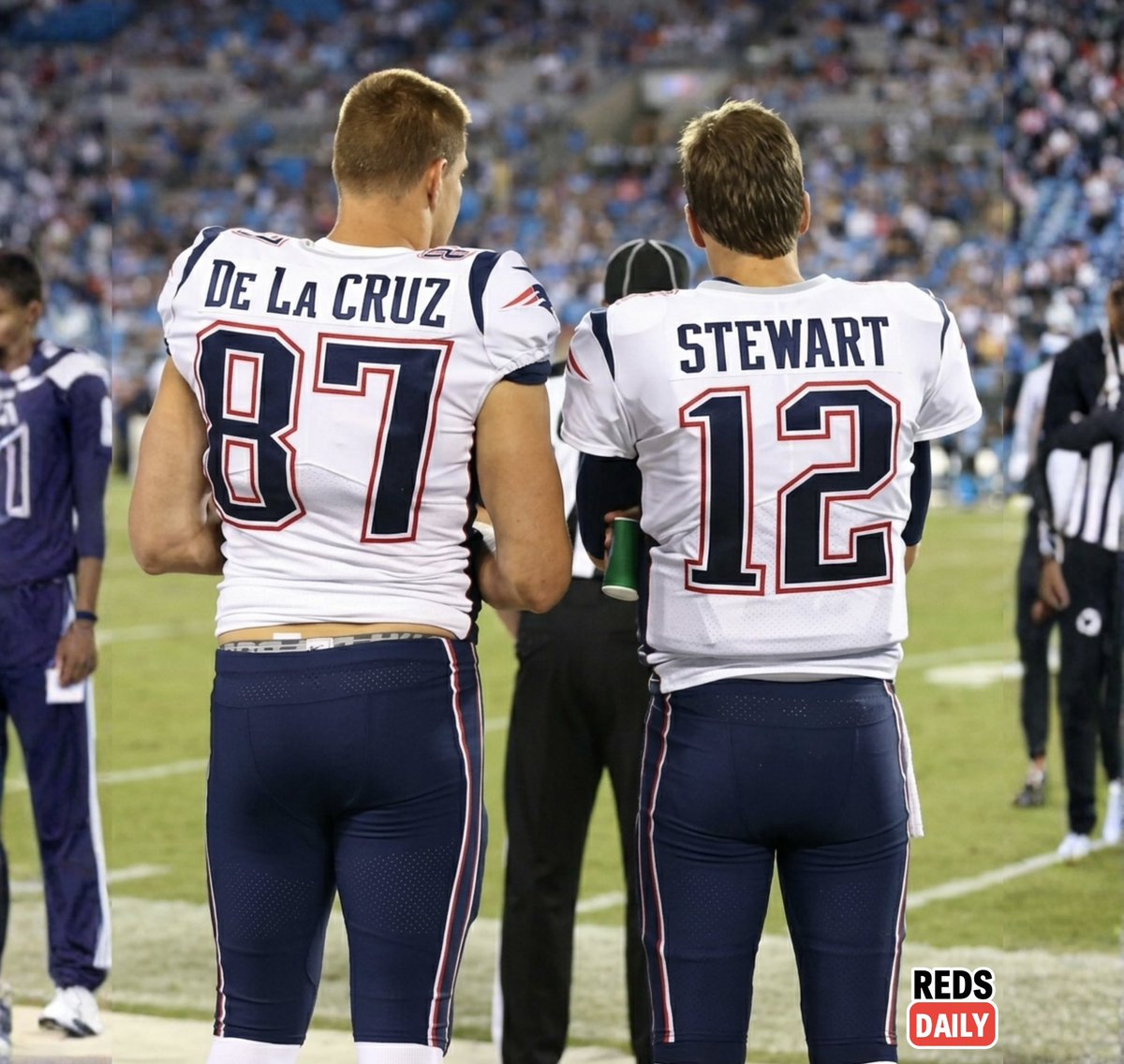
How Sal Stewart and Elly De La Cruz are moving:



1
49
1,959
Mason Estep retweeted
Apr 7
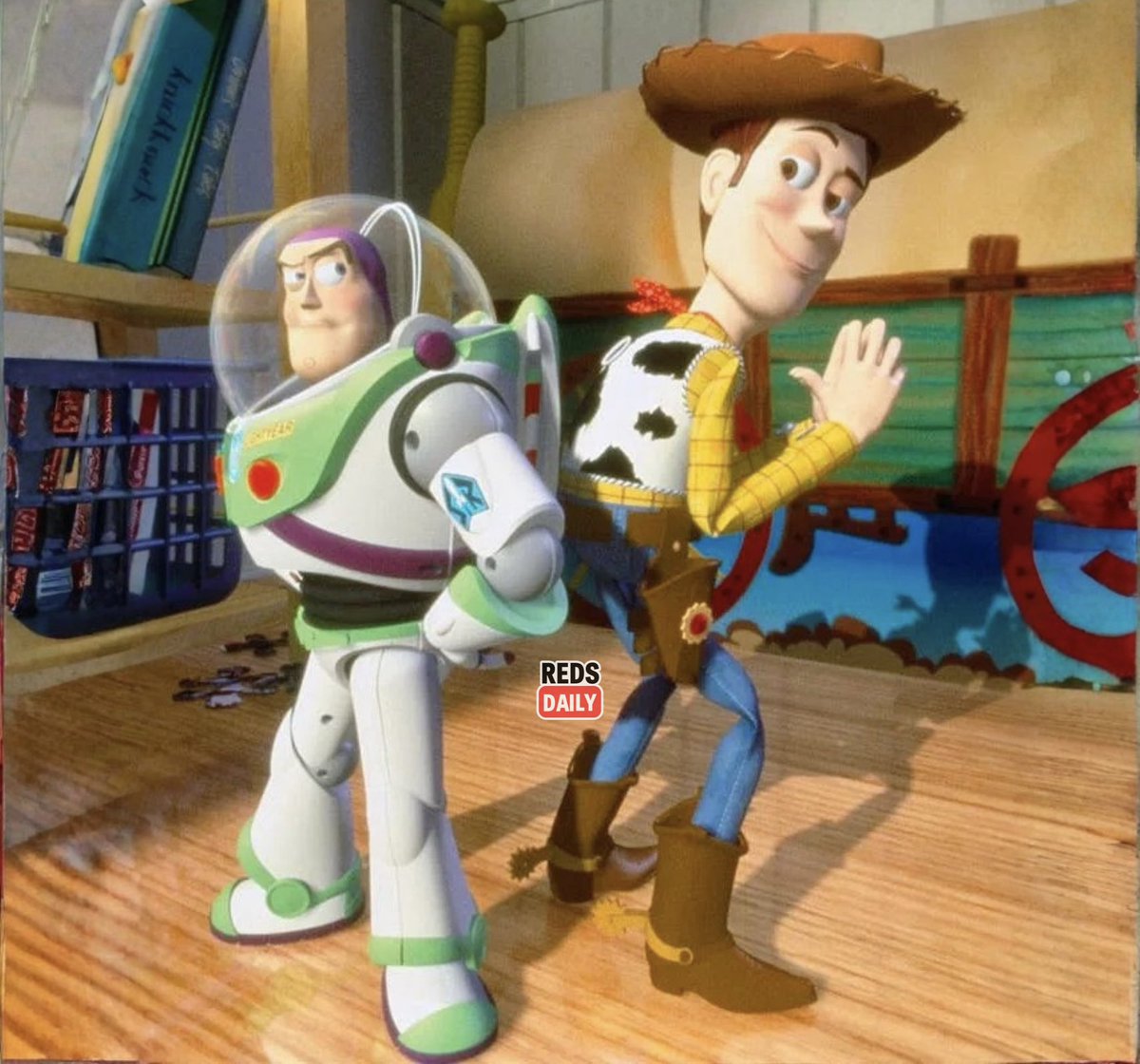
How Sal Stewart and Elly De La Cruz are moving:


25
522
18,889
Mason Estep retweeted
Apr 2
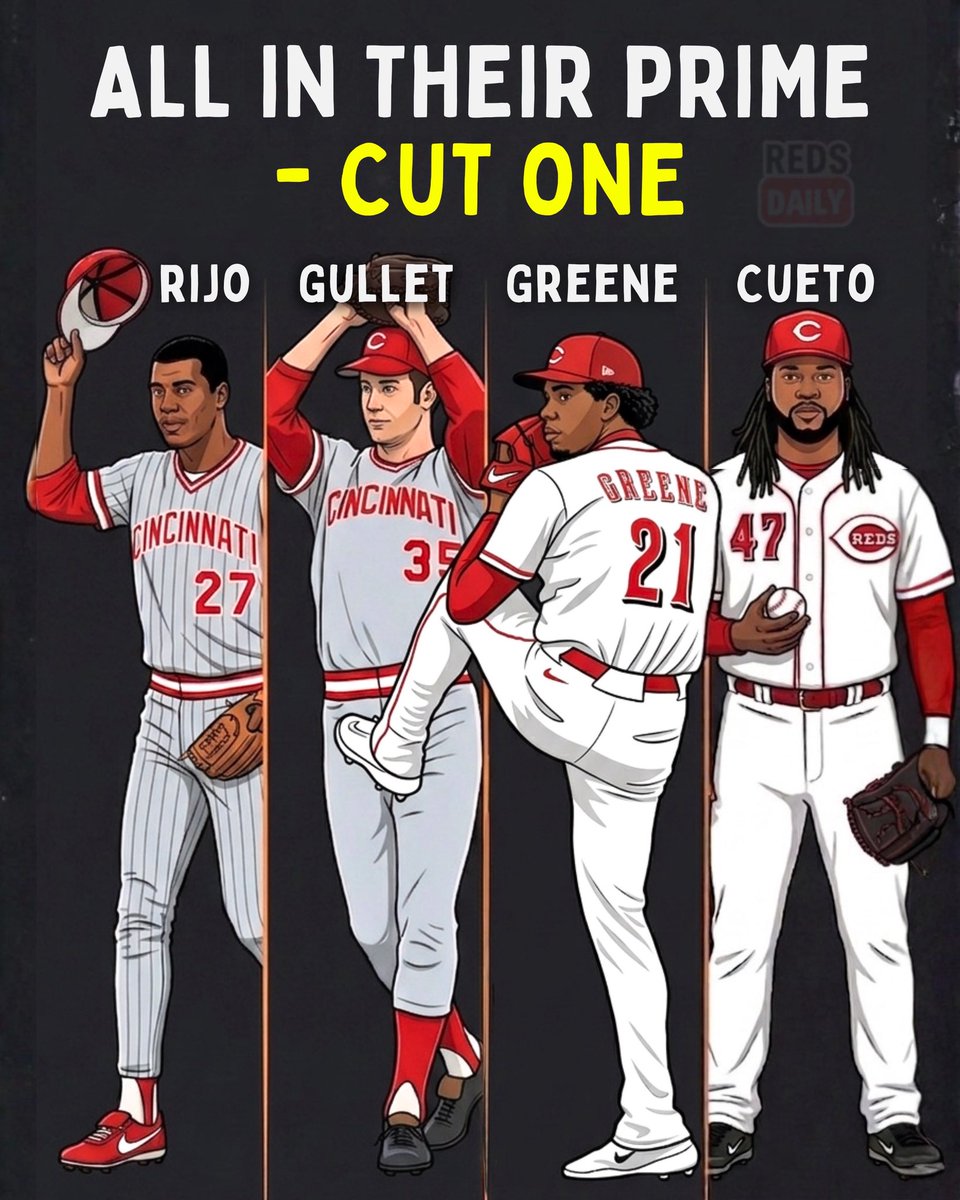
Who’s your pick?
(Greene vs Cueto first four seasons in 2nd image)

2
5
1,658
Apr 2
Who’s your pick? Second image show Greene and Cueto through their first four seasons

77
Mason Estep retweeted

Mar 28
FINAL: Reds 6, Red Sox 5
No scorigami. This score has happened 7,093 times in MLB history, most recently earlier today.
33
100
6,552
1,344,396
Mason Estep retweeted

Mar 28
The guy who helped build React, the most popular workaround for the browser's layout engine, just said the workaround isn't sufficient and built the replacement himself.
Cheng Lou's resume is the context that makes this announcement hit different. He worked on React at Facebook. Created ReasonML and ReScript. Built Messenger's frontend. Now runs Midjourney's entire UI stack on Bun. Every single role was a fight against the same enemy: the browser's rendering pipeline.
Here's why this matters beyond the engineering flex. The web was built to render documents. Static HTML, flowing text, pages you scroll through. CSS layout was designed for that world. Then we started building applications inside the document renderer: spreadsheets, design tools, messaging apps, AI chat interfaces. Every one of those applications has to ask the browser permission to know how big text is. That question triggers reflow. Reflow locks the main thread. At 60fps you get 16 milliseconds per frame. Spend those milliseconds on layout recalculation and the user sees jank.
The industry's answer for the last decade has been to work around the problem. Virtual DOM (React) batches the writes. CSS containment limits the blast radius. content-visibility skips offscreen layout. FastDOM separates reads from writes. Every solution accepts that the browser owns text measurement and tries to call it less often.
Cheng Lou's answer: stop calling it at all. Measure text in pure TypeScript. Skip the DOM. Skip CSS. Skip reflow entirely. Zero layout passes. The performance improvement, per his demo, is categorical. 0.05ms versus 30ms. Zero reflows versus five hundred.
The person who understands the browser rendering pipeline better than almost anyone alive just built the tool that makes part of it unnecessary. That tells you where application-grade UI is heading.
Mar 28

My dear front-end developers (and anyone who’s interested in the future of interfaces):
I have crawled through depths of hell to bring you, for the foreseeable years, one of the more important foundational pieces of UI engineering (if not in implementation then certainly at least in concept):
Fast, accurate and comprehensive userland text measurement algorithm in pure TypeScript, usable for laying out entire web pages without CSS, bypassing DOM measurements and reflow
53
349
3,720
947,242