
Joined December 2021
- Tweets 4,584
- Following 260
- Followers 3,588
- Likes 9,422
761 Photos and videos







Pinned Tweet

8 May 2024
🌴 Soltopia is bringing back all of Yogi's historic collections. If you hold, get them staked & earning Topia on soltopia.xyz
🐱 SolCats
🐻 SolBears
🐵 Hot Spring Apes
🐺 Wolves of SOL Street (soon...)
Secure a piece of Solana history now: soltopia.xyz/about




1
2
12
1,040
7 Aug 2024
Lookin at the SolCats you sold at the bottom, wen Sol was $10, for 0.1 Sol
Mathing... 🧮 dats $1


2
486

The future of the world will start in Solana-based communities.
The chain has unlocked a new paradigm, empowering light-speed collaboration that leaves the old world in the dust.
When organizing a group of people on the internet, whether its a DAO, a startup, or a memecoin community, the speed of your blockchain matters much more than you think.
Slow financial and expensive financial networks actively harm baseline human communication.
Be it banks, Ethereum, or Bitcoin, the layer in which we communicate value is often the most frictioned. When you introduce friction at the financial layer, you stunt innovation.
Metas that last years on chains like Ethereum, last merely months on Solana (memecoins, SocialFi, NFTs, staking, deflation).
Why is this?
Because innovation cycles on Solana happen at an infinitely faster pace than they do on other chains.
Many people tout technical measurements, such as TPS or finality, of the blockchain as "success."
However, these are only components of the true holy grail:
How fast and imperceptibly, can we communicate value across the world to a destination of my choosing?
When you speed up the transactional velocity (time-to-value-delivery) you speed up the iteration cycle for humans themselves.
As @ryanberckmans recently said:
"Ethereum people are super curious about the long-term evolution of the app layer, extremely attentive to the contemporary zeitgeist in the (Ethereum) app layer, and often deeply incurious and apathetic about what apps might end up being huge in 6 to 24 months...
At a high level, the risk here for Ethereum and ETH is that Solana's weaknesses might be overcome by outcompeting us in actual real world growth. Especially because if even one of these wacky ideas that they are willing to try turns out to be important, maybe they could on board hundreds of millions of daily actives within a year. Who knows?
We should be greatly concerned with this risk, but most Ethereum people scoff at it. It's not even on their radar."
Solana's iteration cycle is powered by the underlying transactional velocity.
Projects can test new ideas, gather feedback, and implement changes at a pace that would be otherwise impossible with fiat, Ethereum, or Bitcoin.
Its inexpensive and fast to deploy or interact with a program to a degree that no other chain can quite match, for example, the @RadiantsDAO model is impossible on Ethereum or any L2, without NFT compression it would simply be too expensive to be viable, and the bidding system is a non-starter.
Delays in transaction times drastically slow down decision-making and coordination, stifling growth a&nd evolution.
3-5 days for a bank transfer, the bureaucracy of credit card carriers, or even the 1-5 minutes it takes for an ETH transaction to land — all innovation inhibitors.
Furthermore, bridging and modularity as a scaling solution introduce yet another friction point:
They waste people's time — the most precious resource.
Whether working, voting, or paying someone, the value communication layer should be as invisible as possible: never noticed.
Good design is invisible.
When you speed up value transfer, you affect social dynamics.
Communities can adapt to events in real time, creating a responsive culture which then leads to a faster pace of underlying cultural evolution.
As blockchains continue to evolve, we find ourselves, our projects, and our communities only limited by the speed of thought and effective communication, not by technological constraints and bureaucracy.
7
9
49
3,575
14 Jul 2024
We have an airtight alibi, also he was a supporter.
- Bears Reloaded
3
194
4 Jul 2024
Happy Murica Day from Bears Reloaded. 🇺🇲 Celebrating that Red, white and blue.
1
5
183
30 Jun 2024
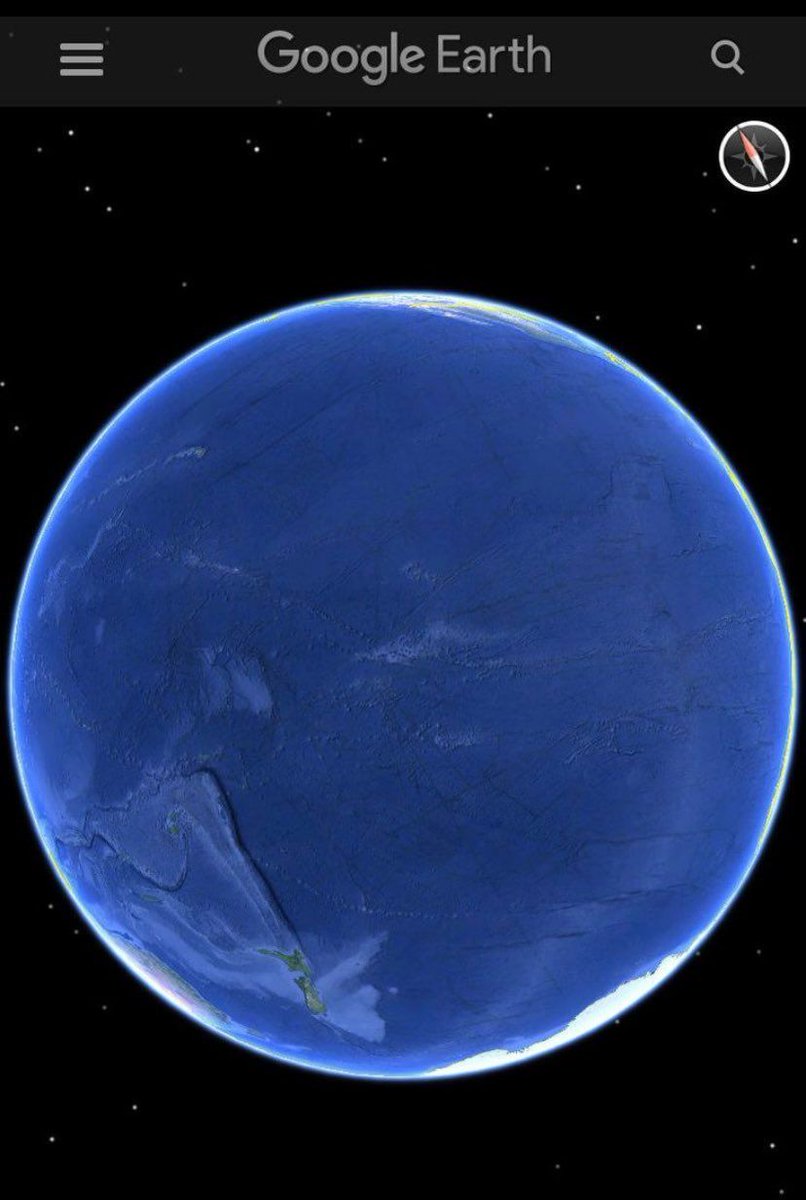
FYI: Soltopia is flat

1
217
25 Jun 2024
1
120
18 Jun 2024
meow meow

2
204
14 Jun 2024
Feline Friday, share the best Cat coins you're holding long term???
1
121

8 Jun 2024
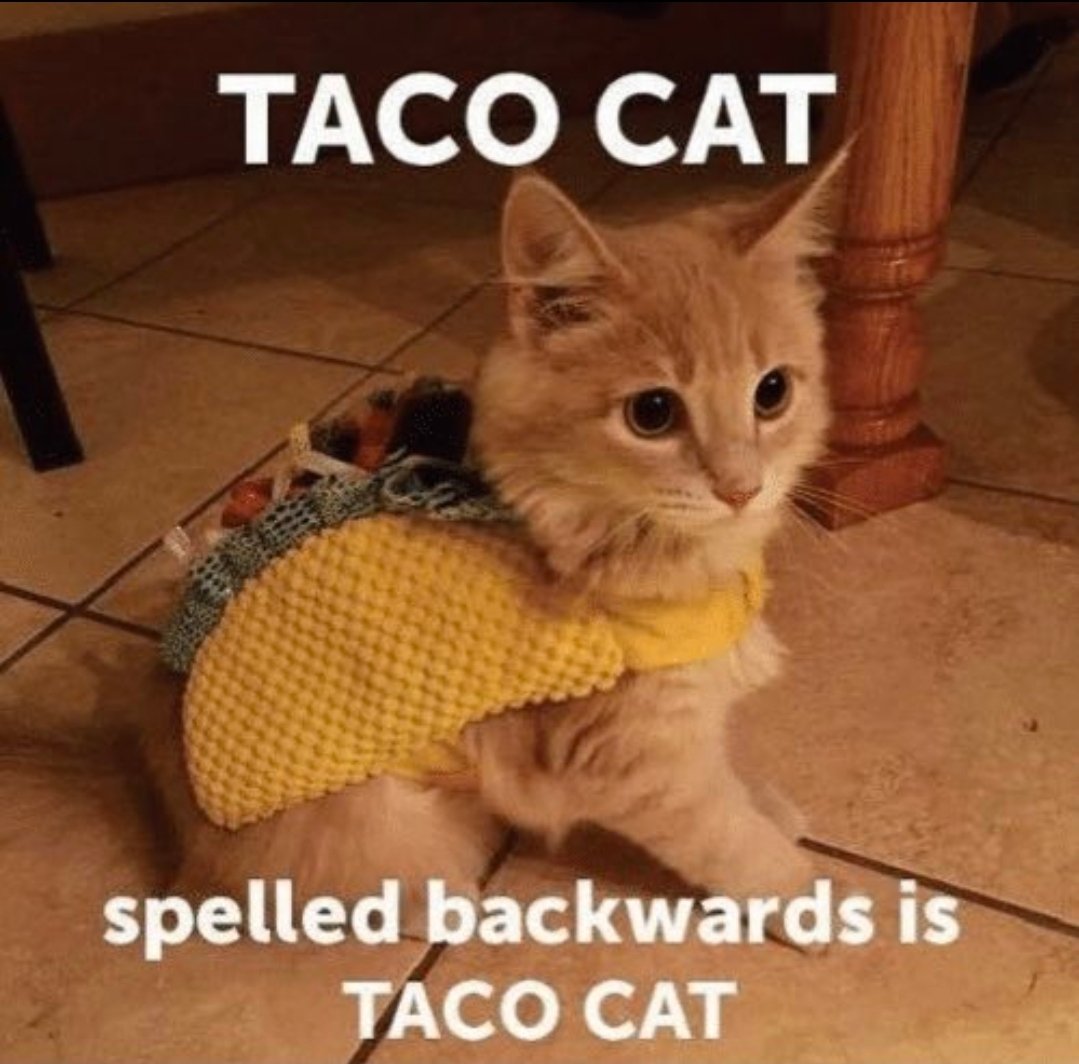
If you were lost in Soltopia and had to choose between a Cat, Bear, Ape or a Wolf, which would you choose?



6
12
551
30 May 2024
Im telling you, cats will lead the market this bull run
2
192