
Joined May 2023
- Tweets 411
- Following 222
- Followers 154
- Likes 196
46 Photos and videos
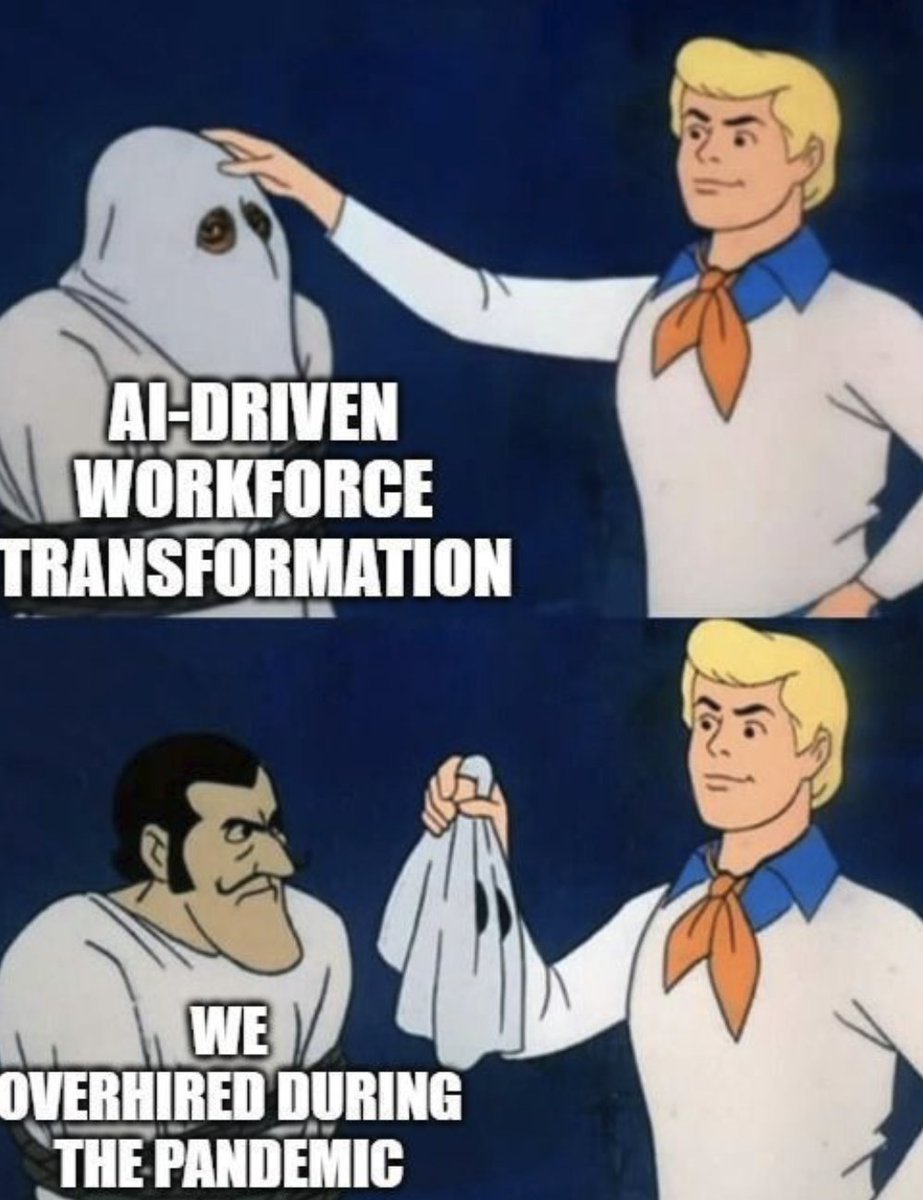
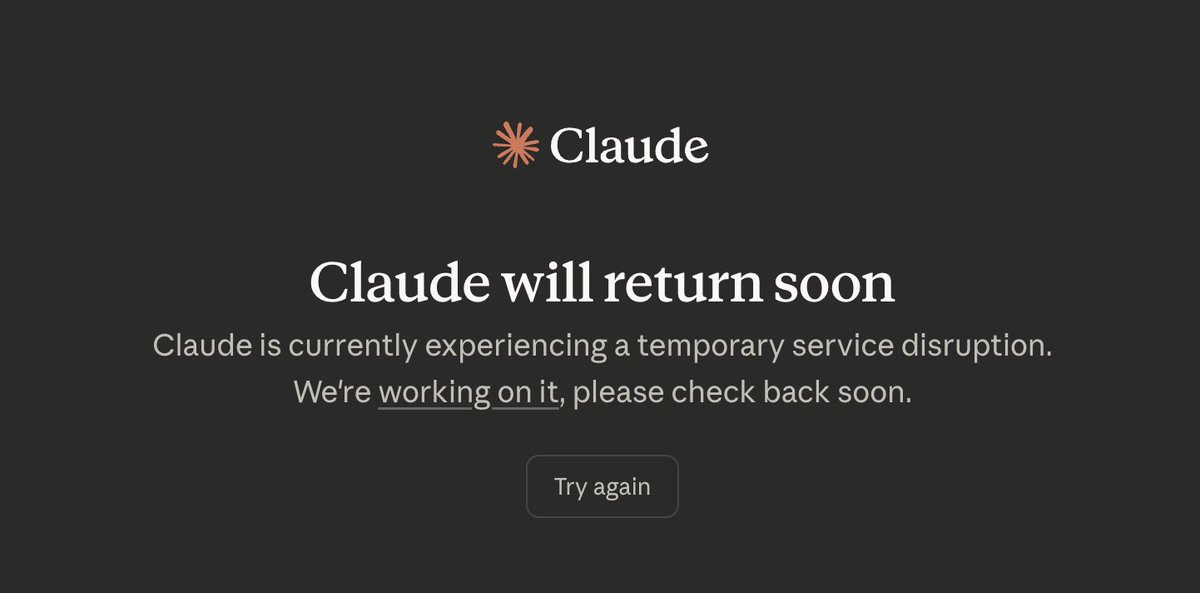
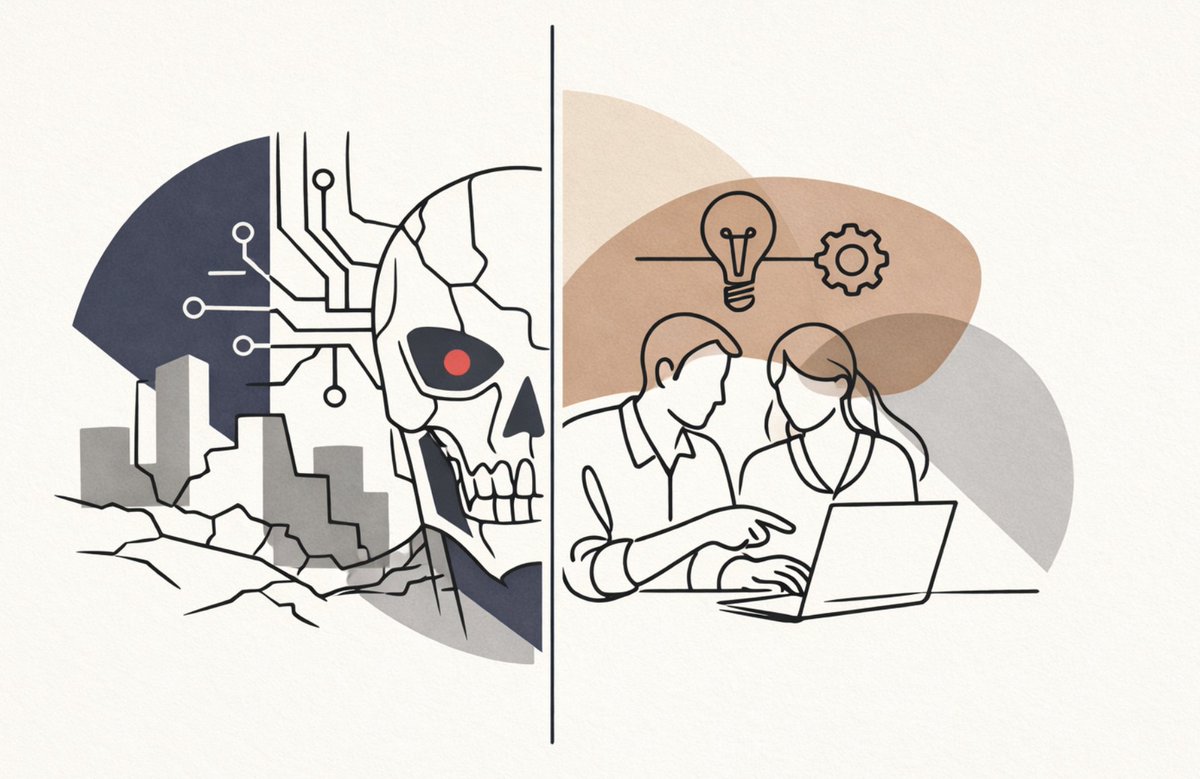



Jun 13
Well, it was fun while it lasted
Jun 13

The US government, citing national security authorities, has issued an export control directive to suspend all access to Fable 5 and Mythos 5 by any foreign national, whether inside or outside the United States, including foreign national Anthropic employees.
The net effect of this order is that we must abruptly disable Fable 5 and Mythos 5 for all our customers to ensure compliance.
Access to all other Claude models is not affected.
We apologize for this disruption to our customers. We believe this is a misunderstanding and are working to restore access as soon as possible.
Read our full statement: anthropic.com/news/fable-myt…
6
Jun 10
What are your experiences so far with Fable 5 from Anthropic?
Any interesting new use cases, maybe in the cybersecurity space?
#anthropic #claude #artificialintelligence #buildinpublic
1
1
24
Jun 9
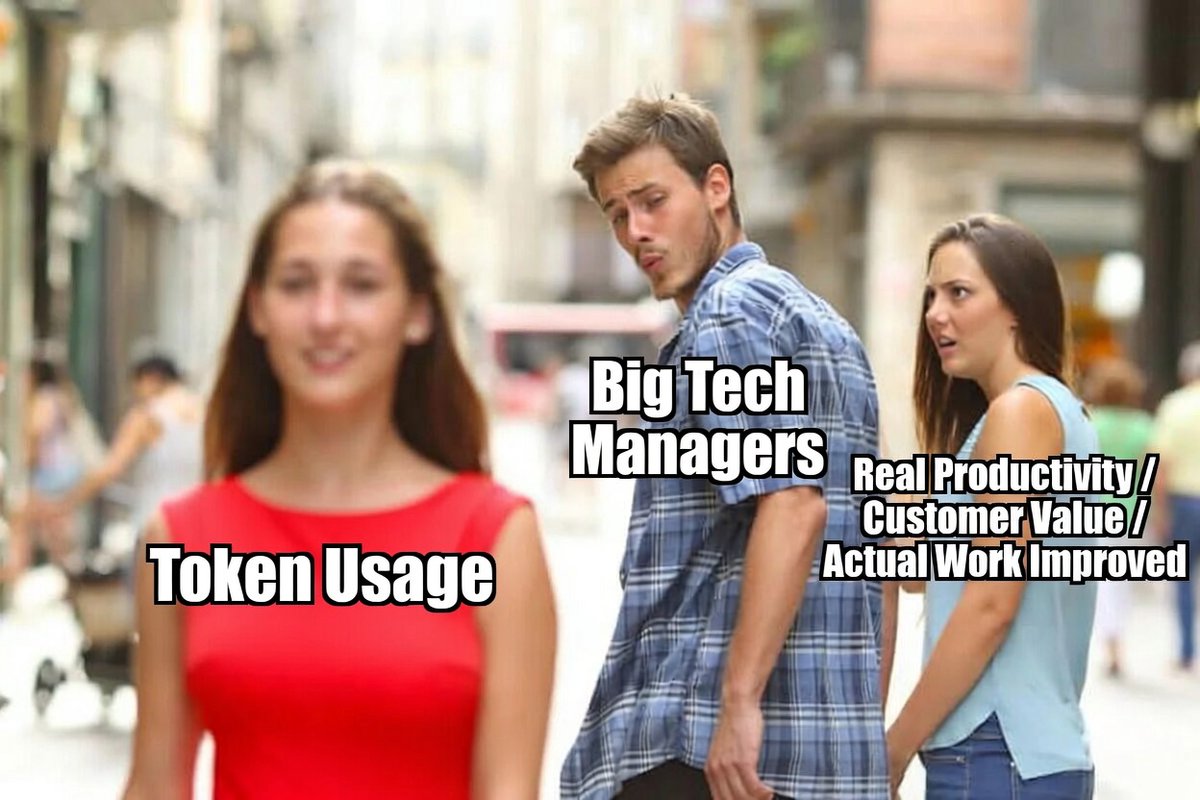
Just because you can measure something doesn’t mean it matters
Big Tech may be learning this lesson the hard way with AI.
Amazon mandated that 80% of developers use AI weekly and built dashboards tracking token consumption.
So employees adapted.
They're running AI agents on personal tasks, auto-drafting emails nobody reads, using sub-agents to analyze Slack threads for fun. One Amazonian openly bragged about burning tokens to roast his PM. Other Big Tech companies also have these dashboards in place. Everyone is measuring token usage, as if the tokens are the productivity.
Once a metric becomes a target, people start optimizing for the metric rather than the outcome.
This is the McNamara Fallacy in the digital age.
In the Vietnam War, U.S. Secretary of Defense Robert McNamara counted dead bodies as a metric for whether the U.S. was winning the war, because bodies were easily countable. Morale, legitimacy, the will of the enemy were ignored because they were harder to measure.
In the end America won every metric and lost the war.
Sociologist Daniel Yankelovich summarized the trap:
"Measure what's easy, dismiss what isn't, then pretend the unmeasurable doesn't exist."
The tech industry has been falling into the same trap for decades. We count the effort, not the result:
→ Lines of code written, not problems actually solved. → Tests run, not real risks caught.
→ Tasks automated, not reliability gained.
→ Tokens burned, not increased quality of work.
A metric that exists just to show a number isn't measuring anything.
So before you roll out a dashboard, ask yourself:
Will this metric just measure output, or will it actually drive a better outcome?
29
May 19
Maybe it’s just me, but I get the feeling that the audience isn’t that into AI like he is…
May 18

Google CEO tries to tell University students to love AI.
They tell him to BOO off.
This is what most people think of the hated AI, we don't want it.
23
May 18
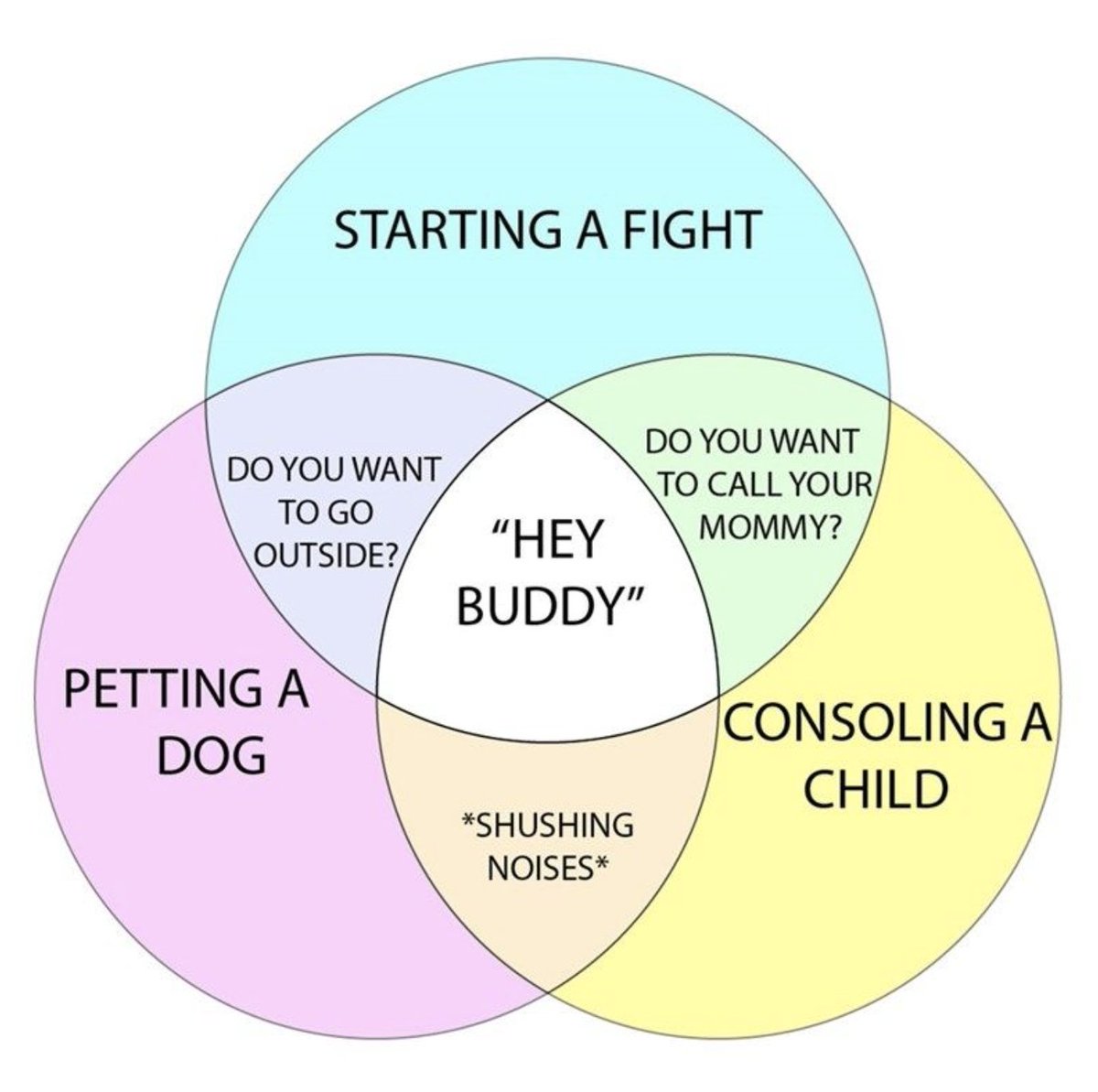
💡 Communication lesson 101:
The message isn't what's sent.
It's what's received.
Same words. Different context. Completely different outcome.
Before you say "Hey buddy"...know which circle you're standing in.
1
23
Apr 30
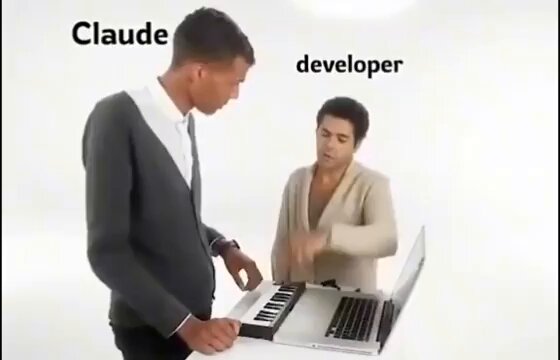
That feeling when the Claude ecosystem
(Code, Cowork, Dispatch, Chrome Extension)
finally works and you're finally making progress
1
2
44
Mar 9
Nuclear power is an incredible technology.
But once trust was lost, adoption slowed for decades.
AI could face the same fate.
The real bottleneck isn’t necessarily capability.
It’s whether people trust the technology enough.
Will people trust AI fully?
Should they trust AI fully?
25
Mar 6
Don’t think in terms of white-collar vs blue-collar jobs being replaced by AI
Think in terms of repetitive tasks.
AI will automate tasks that are predictable and repeatable, no matter the profession.
Stop doing on repetitive work and start focusing on harder, more interesting problems.
25
Mar 6
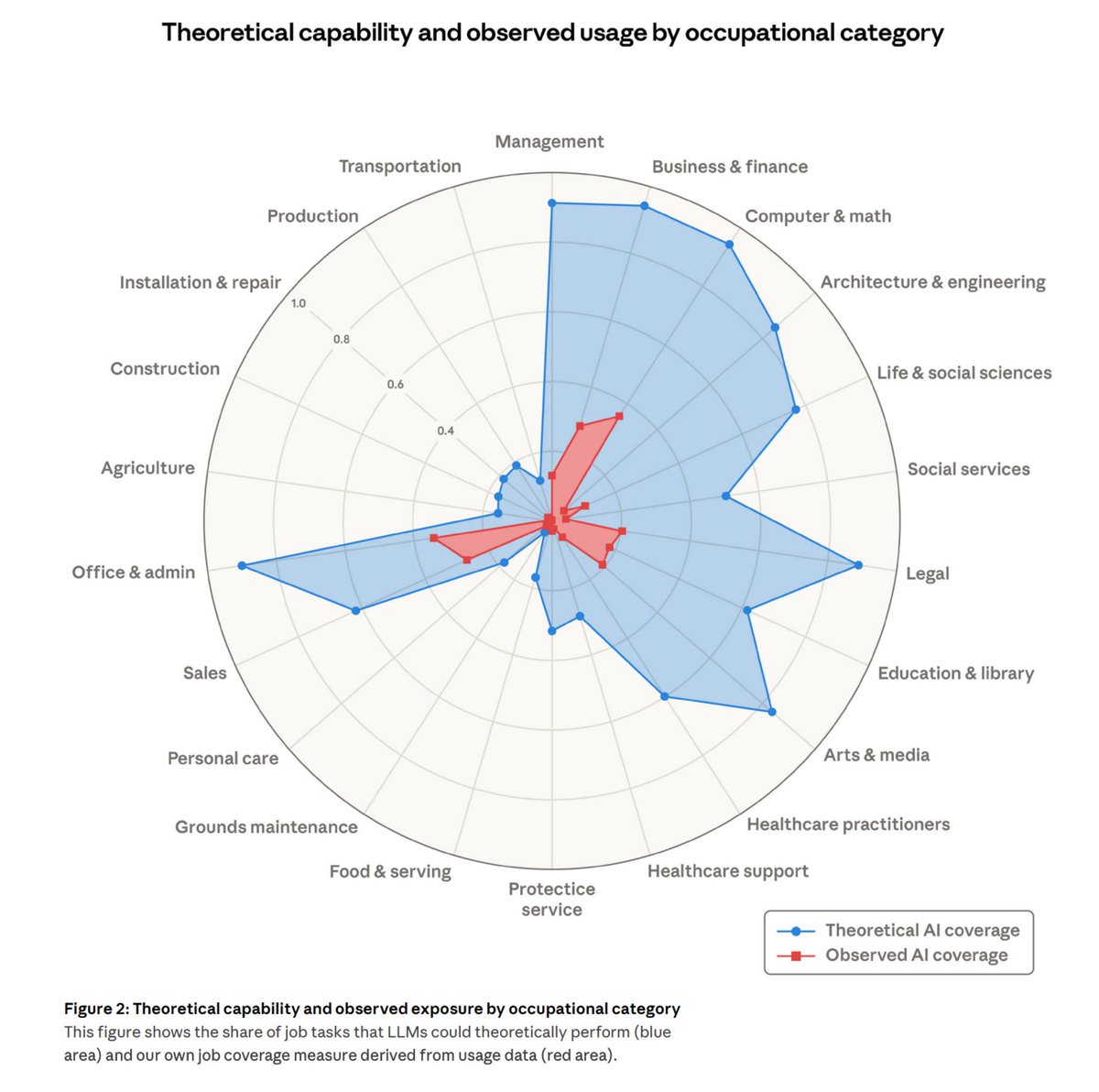
You’ve probably seen this chart everywhere on social media.
Before taking it at face value, ask a few simple questions:
• What does the company that published it actually sell? In this case: technology that should replace human work. Therefore they will only publish something that helps them sell this idea
• Can you really reduce someone’s job to a list of isolated tasks? If some tasks get automated, that often frees time for others...innovation, research, problem solving.
• And remember: theory and practice are very different. Just because something is theoretically possible doesn’t mean it’s practical at scale. Real adoption is usually far messier than the charts suggest.
AI will absolutely change how we work.
But it’s still worth thinking critically and applying a bit of logic before accepting every viral graph.
16
Mar 3
Daily reminder
Especially with all the “AI layoffs” headlines
14
Mar 2
If writing code was enough, every developer would ship great software.
If writing words was enough, everyone would be a great author.
12
Mar 2
Claude is down.
And suddenly productivity drops everywhere.
Dependence on AI is becoming a real risk.
2
2
6
356
Mar 2
AI doom is everywhere on X lately.
So I decided to write more about AI safety and alignment.
AI is coming into the workforce. The real question is how we introduce it in a way that makes sense and actually benefits humans.
The future of AI is not fixed (even though people think it is). We can still influence how it is built and how we live and work with it.
Follow if you're interested in these topics, and let me know which questions and areas you want me to explore most.
33
Feb 24
Breaking:
AI companies upset that other AI companies are scraping data that was scraped from scraped data.
#anthropic #deepseek #ai #artificialintelligence
65
Feb 24
After using AI quite a lot, here’s the most useful skill for navigating AI no one talks about:
Patience!!!
I’m always one prompt away from just doing it myself
1
1
34
Feb 18
Right now, “built with AI” seems to sell better than the product itself…
1
26
Feb 16
The current recipe for X/Twitter posts seems to be:
• “AI will take all jobs” (posted by an AI company CEO)
• “AI killed …”
• Future fearmongering
Feels like positive takes have become rare on this platform lately.
1
29
Feb 14
In an AI world, knowing less is acceptable.
Understanding less is not.
23
Feb 14
If there’s one thing this vibe coding era will teach us:
Building good, reliable software is way harder than most people think
1
2
33
Feb 13
Wild how being optimistic about the future is starting to feel like a controversial opinion
1
1
2
24