Your daily source for regulatory news, analysis & commentary. From the Penn Program on Regulation at @Penn. RTs & links ≠ endorsements.
Joined February 2011
- Tweets 49,959
- Following 2,743
- Followers 5,638
- Likes 12,880
5,658 Photos and videos
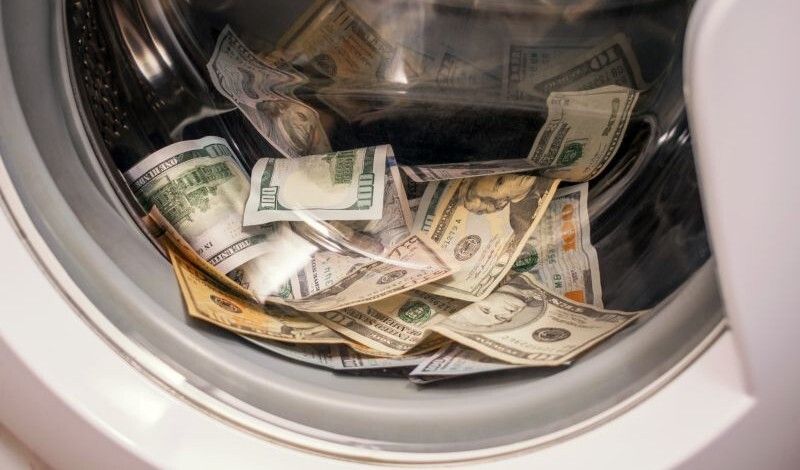






In this week’s Saturday Seminar, scholars and regulators debate whether anti-money laundering rules meaningfully deter illicit finance or impose costly compliance burdens better addressed through risk-based reform. buff.ly/6l23bVz
1
78
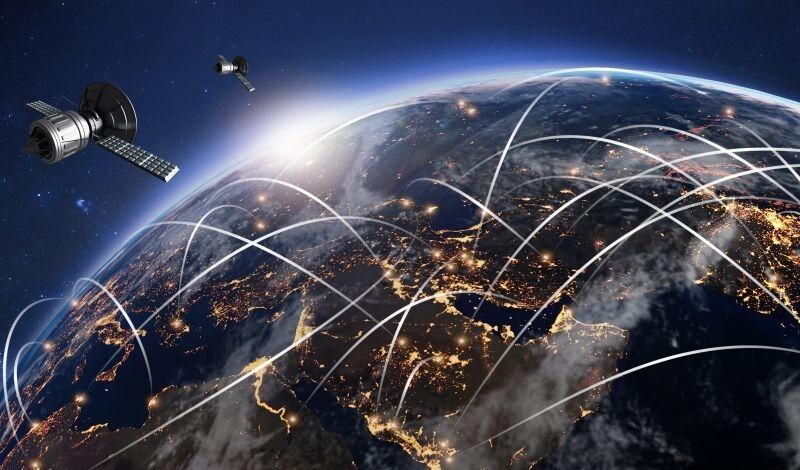
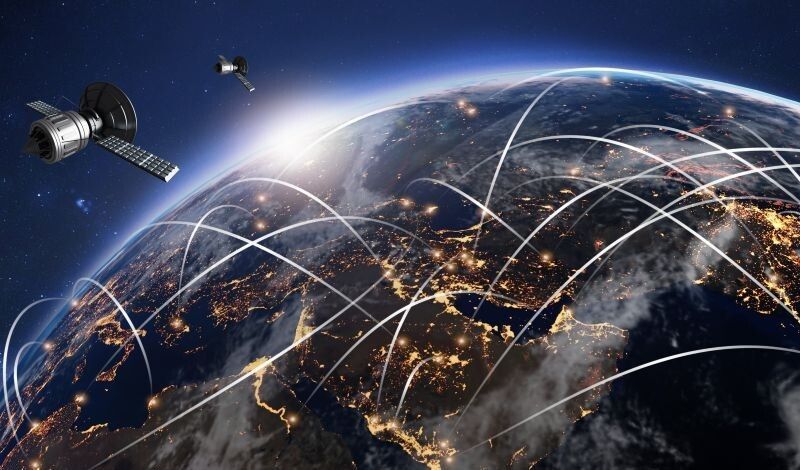
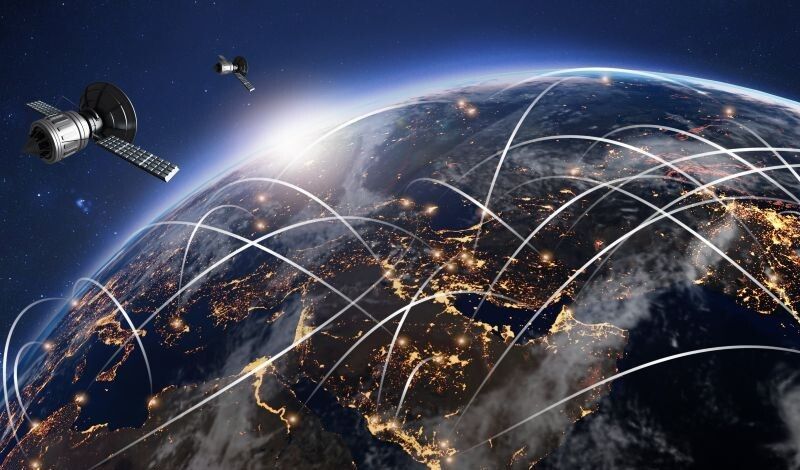
Federal broadband funding can support multiple technologies, but closing the digital divide requires balancing fiber’s reliability with satellites’ reach. buff.ly/qbPPKat
67
LEO satellite internet can reach remote communities, but reliability, cost, and mapping problems complicate broadband expansion. buff.ly/qbPPKat
53
In a recent essay, @RangitadeSilva of @pennlaw argues that reparations for enforced disappearances must recognize women’s harms and calls for gender-sensitive justice. buff.ly/OpD49fo
1
1
66
A recent article argues that LEO satellites may help close the rural digital divide, but technical limits and implementation challenges remain. buff.ly/qbPPKat
54
Chronic absenteeism reflects systemic failures more than parental noncompliance, so states should replace punishment with supports for transportation, mental health, and stability, argues Rhodesia McMillian of The Ohio State University College of Education and Human Ecology. buff.ly/q4NuQeL
1
57
Courts must respect delegated agency discretion without treating it as boundless, so they should fix its limits before applying State Farm review, argues Jack Jones of @PolicyIntegrity at @nyulaw. buff.ly/nrOS2D8
73
Compulsory attendance laws punish families for absenteeism while ignoring transportation, housing, and mental health barriers, so states should regulate the conditions that make attendance possible, argues Rhodesia McMillian of The Ohio State University College of Education and Human Ecology. buff.ly/q4NuQeL
62
Loper Bright ended Chevron deference but left agency discretion unresolved, so courts should use purpose, structure, history, and past practice to set its limits, argues Jack Jones of @PolicyIntegrity at @nyulaw. buff.ly/nrOS2D8
1
117
In a recent essay, Rhodesia McMillian of The Ohio State University College of Education and Human Ecology argues that attendance laws blame parents while ignoring systemic barriers and calls for making school attendance feasible. buff.ly/q4NuQeL
58
In a recent article, Jack Jones of @NYULaw's @PolicyIntegrity argues that Loper Bright leaves courts unsure how to bound agency discretion and calls for a structured inquiry. buff.ly/nrOS2D8
65
In this week’s Saturday Seminar, scholars debate whether right-to-repair laws improve consumer welfare and competition or risk undermining safety, innovation, and environmental goals. buff.ly/zQGXdEe
57
Shadow banking threatens financial stability outside traditional bank rules, so securities regulators should step in where banking law has not, argue Gabriel V. Rauterberg and Jeffery Y. Zhang of @UMichLaw. buff.ly/DQkfpj6
1
108
Shadow banks can trigger bank-like runs while avoiding bank regulation, so the SEC should use securities law to reduce those risks, argue Gabriel V. Rauterberg and Jeffery Y. Zhang of @UMichLaw. buff.ly/DQkfpj6
2
91
Climate-driven drought may force localities to restrict new construction, so courts should give water-stressed communities room to manage growth, argues Robin Kundis Craig of @kulawschool. buff.ly/hrDcguq
1
59
Corporate enforcement policy now shapes how firms investigate, disclose, and reform, so DOJ’s approach should be seen as front-end governance, argues @Duncan_Levin of @Harvard_Law. buff.ly/qpmX5wW
1
111
In a recent article, Gabriel V. Rauterberg and Jeffery Y. Zhang of @UMichLaw argue that shadow banks remain under-regulated and call for the SEC to use securities law to mitigate systemic risk. buff.ly/DQkfpj6
74
Water-scarce communities may need to limit growth without violating the right to travel, so courts should avoid one-size-fits-all scrutiny, argues Robin Kundis Craig of @kulawschool. buff.ly/hrDcguq

77
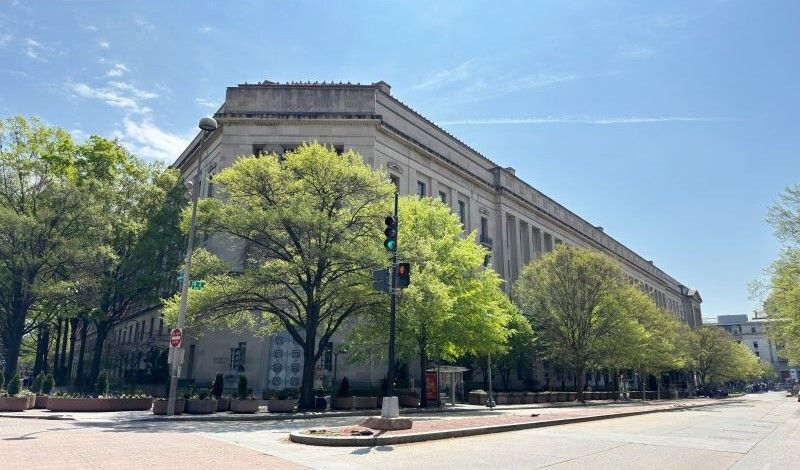
DOJ’s corporate enforcement policy uses leniency to steer business conduct, so observers should treat it as regulation by incentive, argues @Duncan_Levin of @Harvard_Law. buff.ly/qpmX5wW
112
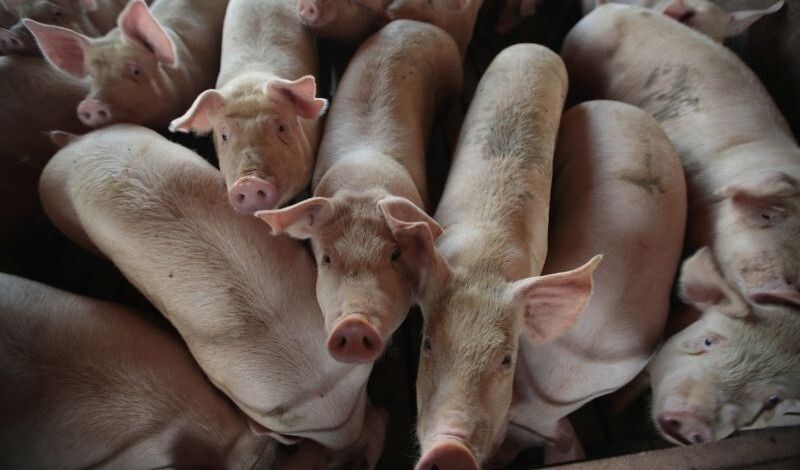
Faster slaughterhouse line speeds can endanger workers and animals, so FSIS should count those harms in its regulatory analysis, argues Andrew Stawasz of @UMichLaw. buff.ly/32Te6MK
58