
The Sampson Lab for Kidney Genomics at @BostonChildrens uses #genomics to discover the causes, treatments, and cures of nephrotic syndrome in children.
Joined May 2022
- Tweets 842
- Following 229
- Followers 405
- Likes 2,566
604 Photos and videos







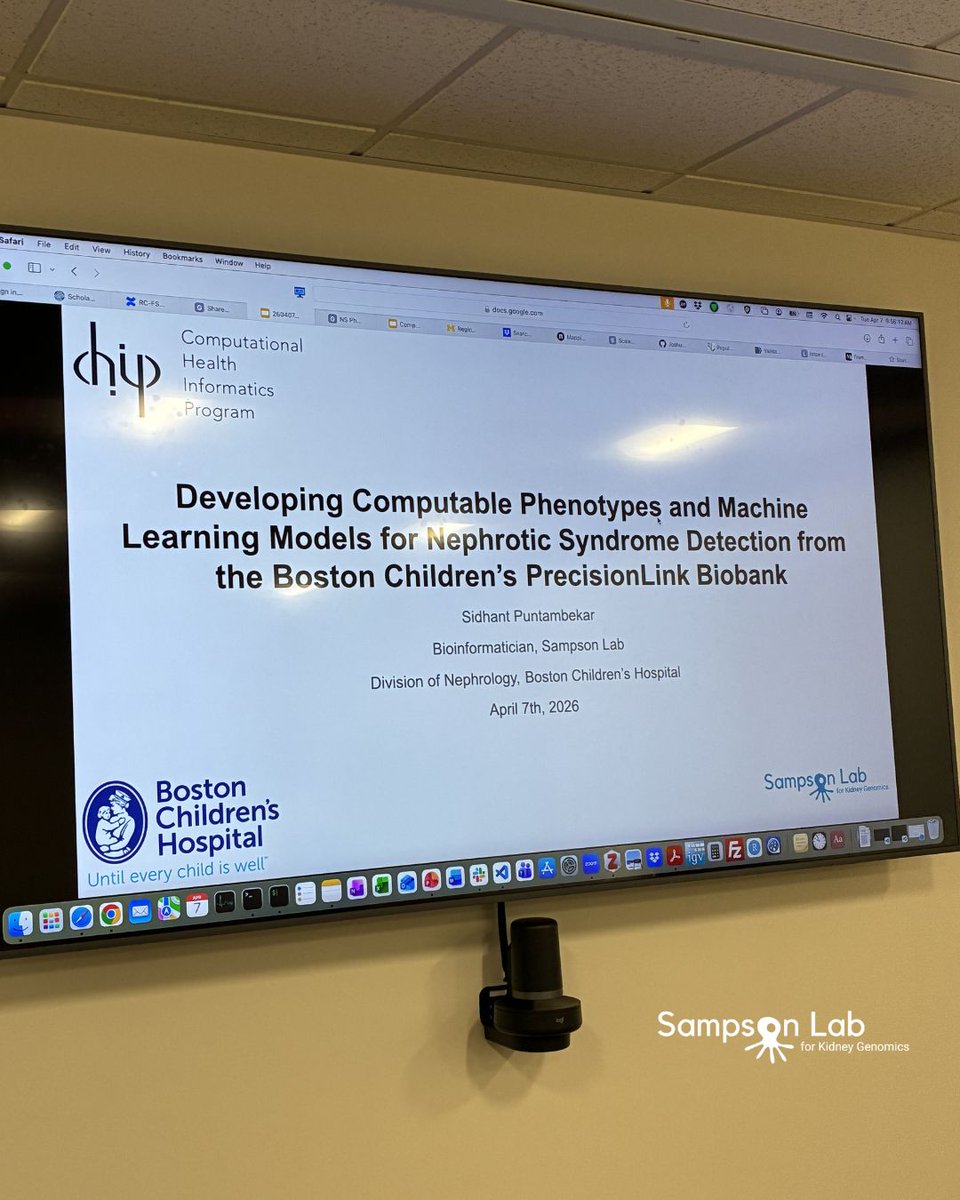

Every sample helps researchers learn more.
The BIGKiDs Study uses biosamples and health information from patients and families to better understand the genomic factors that may contribute to nephrotic syndrome and other proteinuric kidney diseases.
13
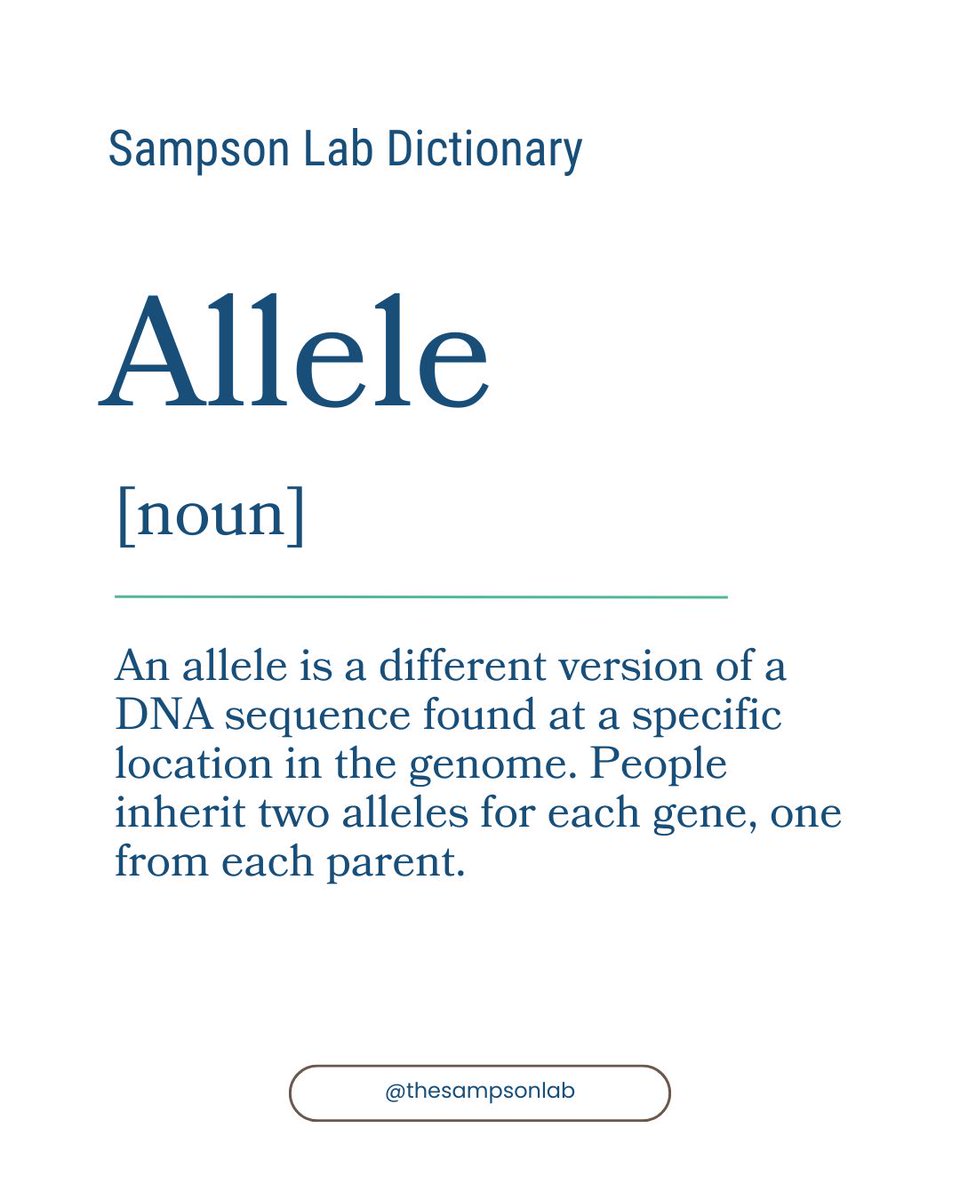
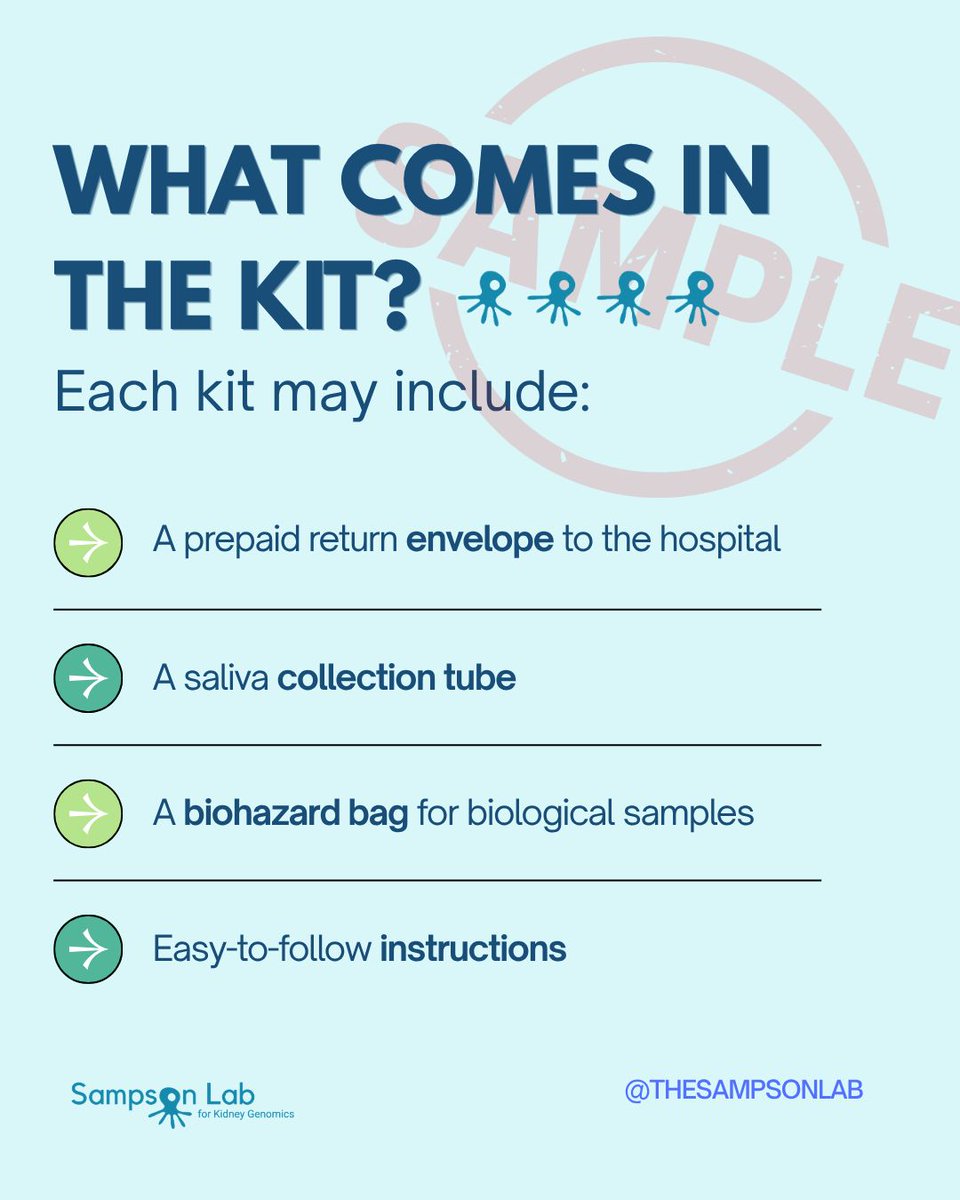
POV: you’re learning genetics one Sampson Lab Dictionary post at a time.
Today’s word: allele: tiny DNA differences, big role in helping researchers understand how genetics can shape health and disease.
#SampsonLab #SampsonLabDictionary #GeneticsTok #ScienceTok #Genomics
25
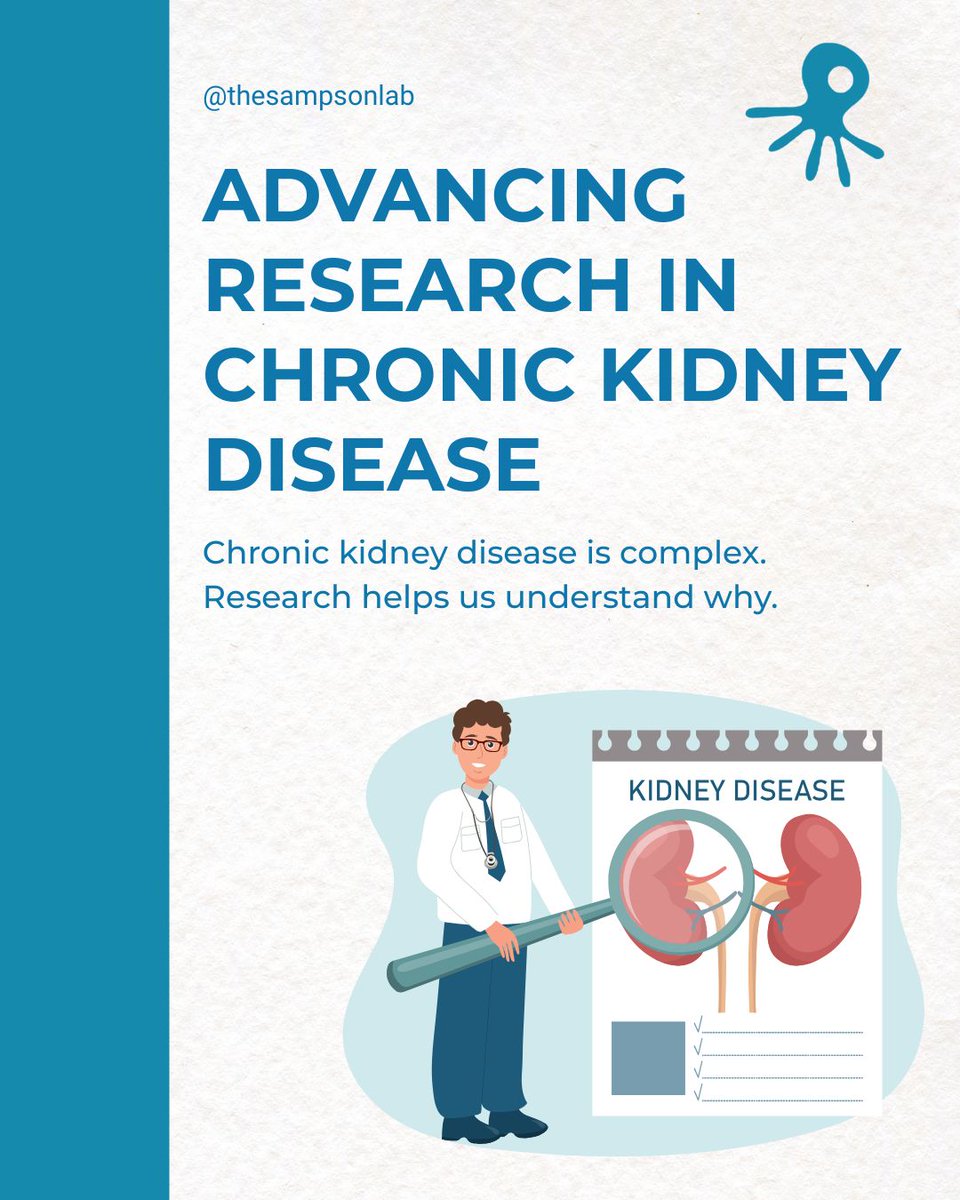
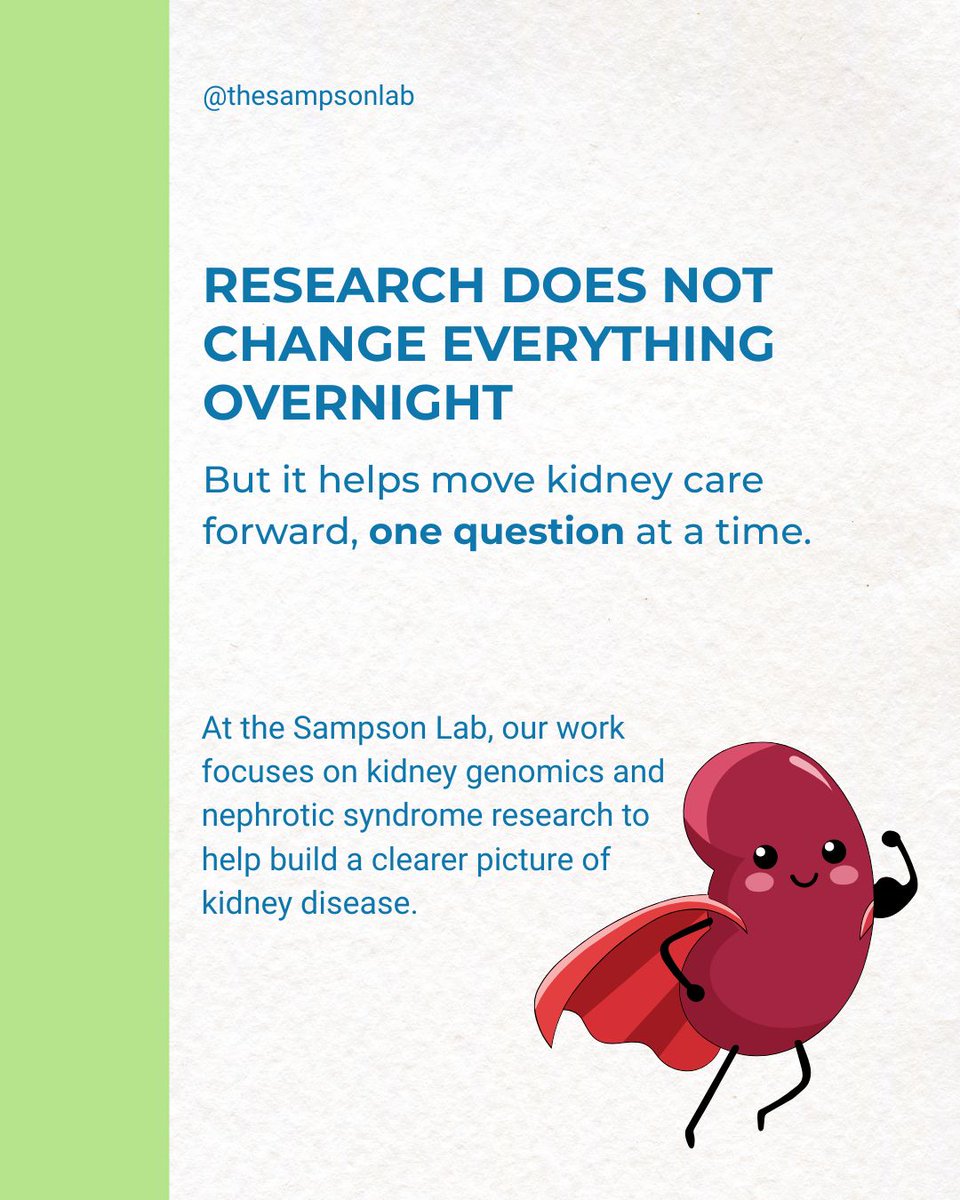
Chronic kidney disease is complex, and every patient’s experience can look different. Research helps us look beyond the diagnosis. At the Sampson Lab, our work in kidney genomics and nephrotic syndrome research helps move kidney care forward, one question at a time.
32
Happy Pride Month 🌈 Celebrating inclusion, community, and being yourself.
Feliz Mes del Orgullo 🌈 Celebrando la inclusión, la comunidad y ser uno mismo.
#PrideMonth #SampsonLab #InclusionInScience #PrideInSTEM
1
34
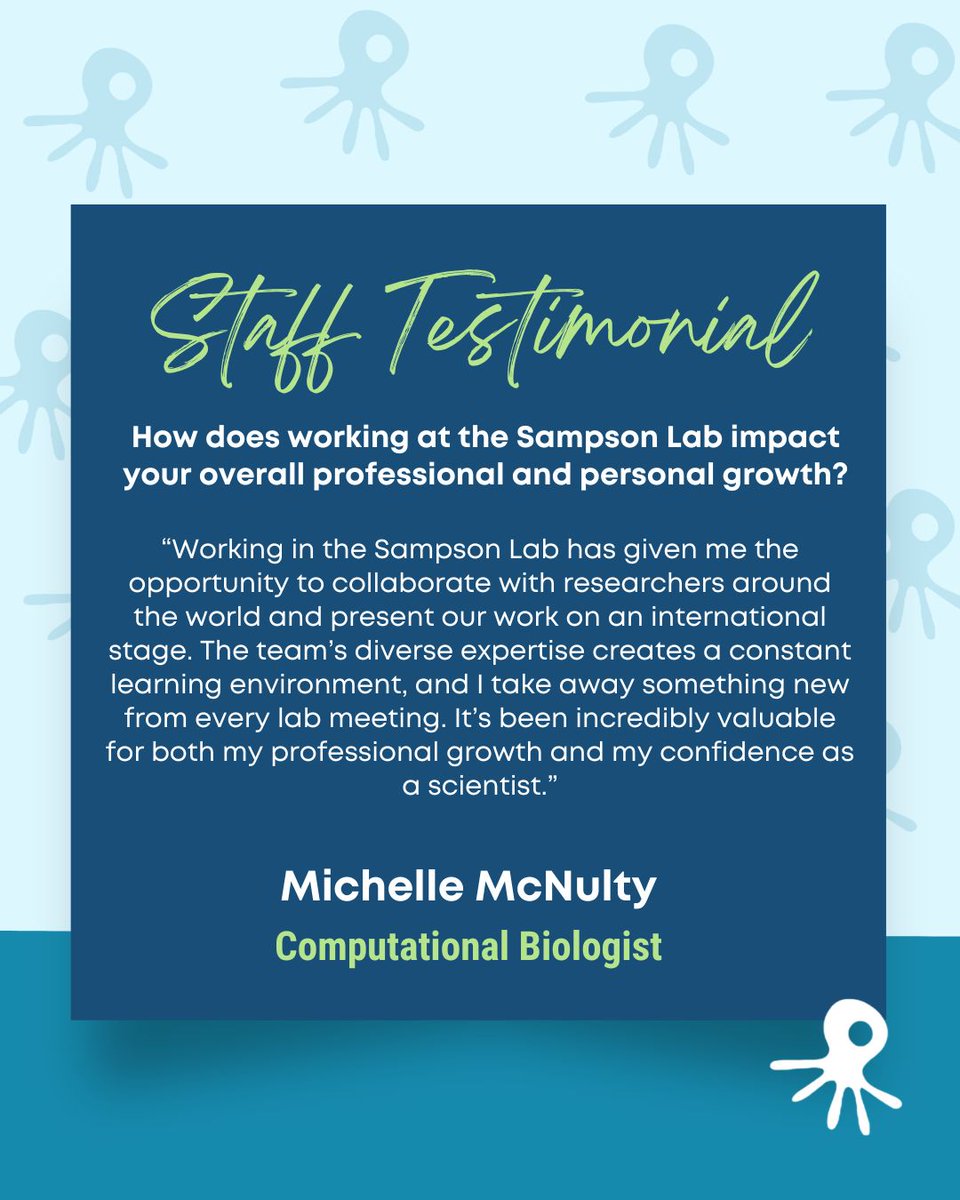
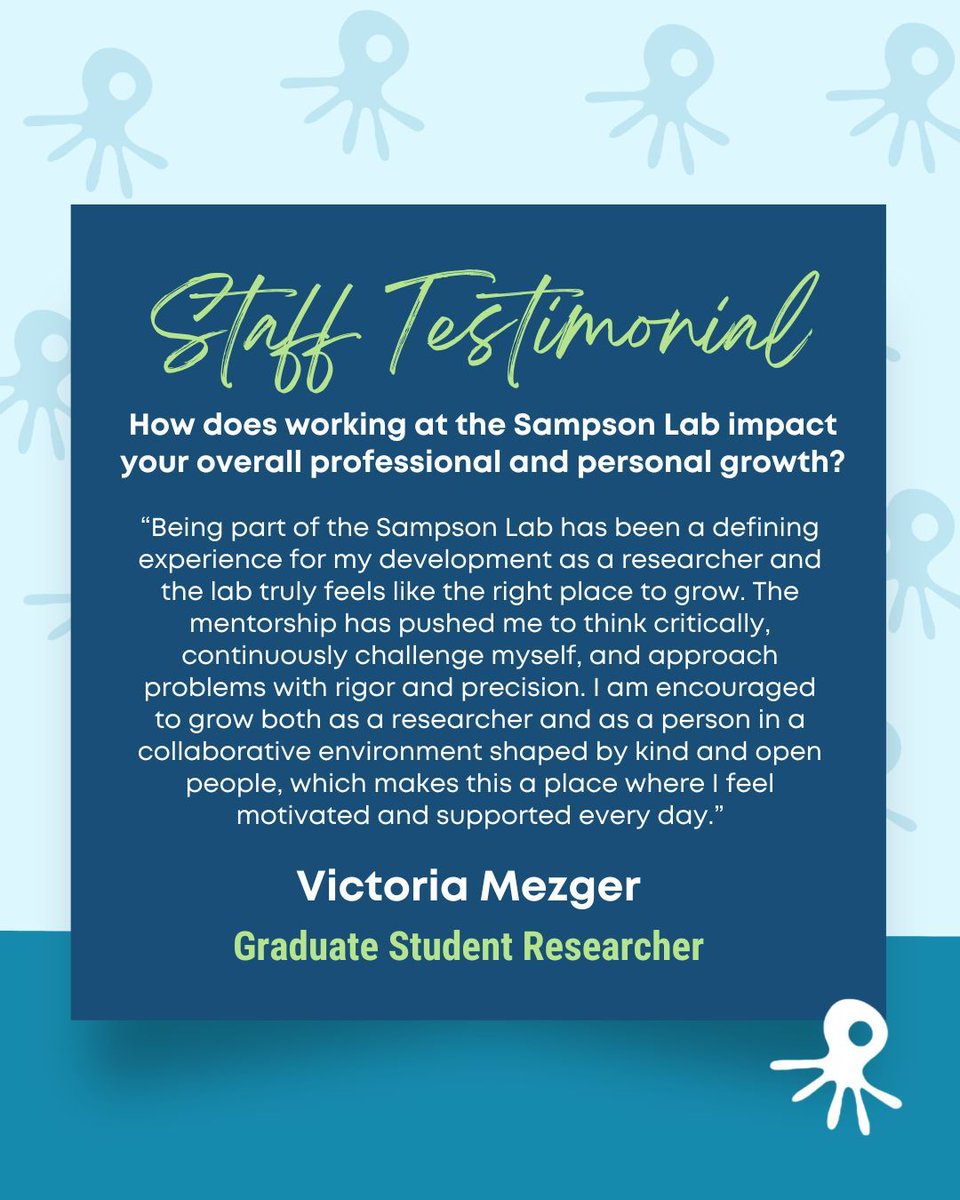
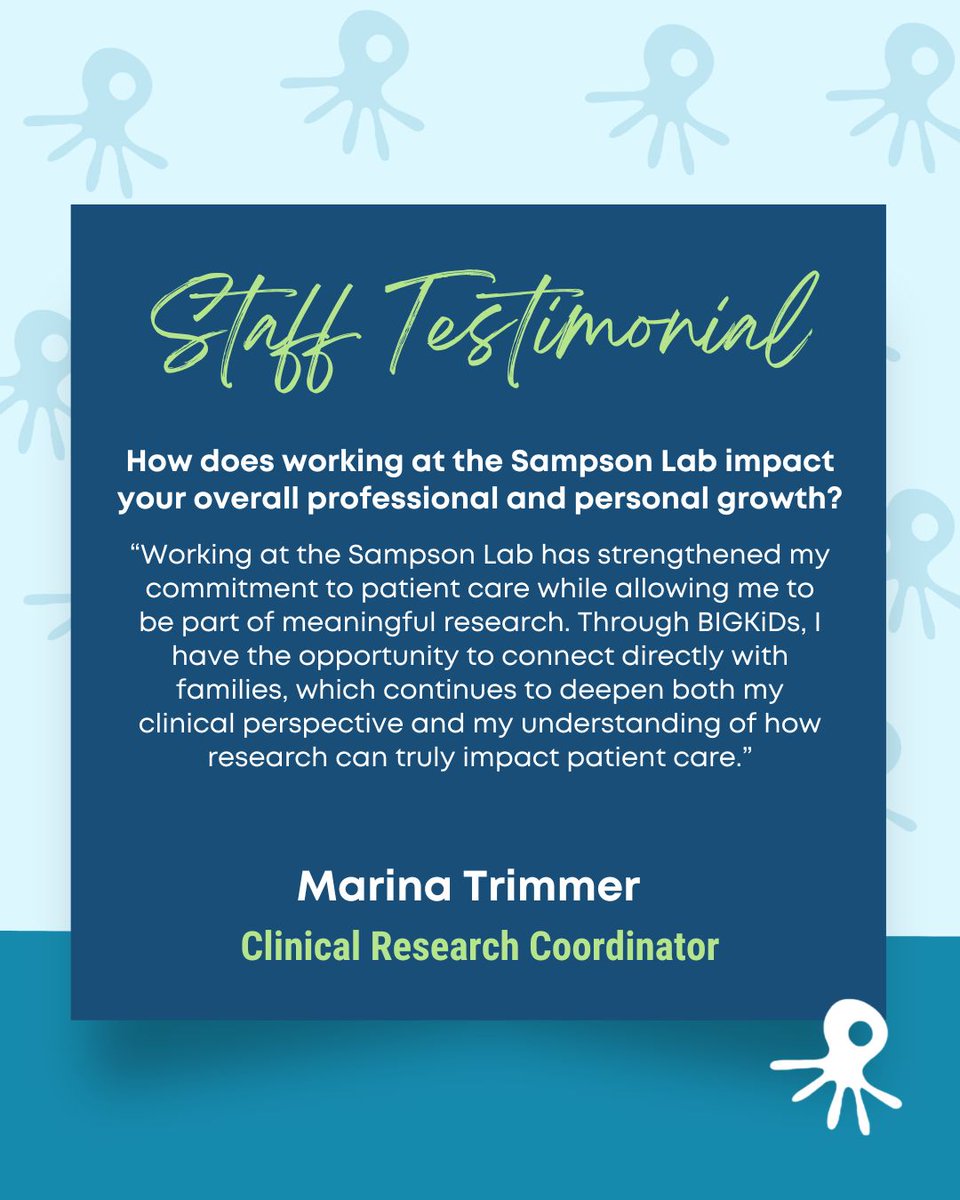
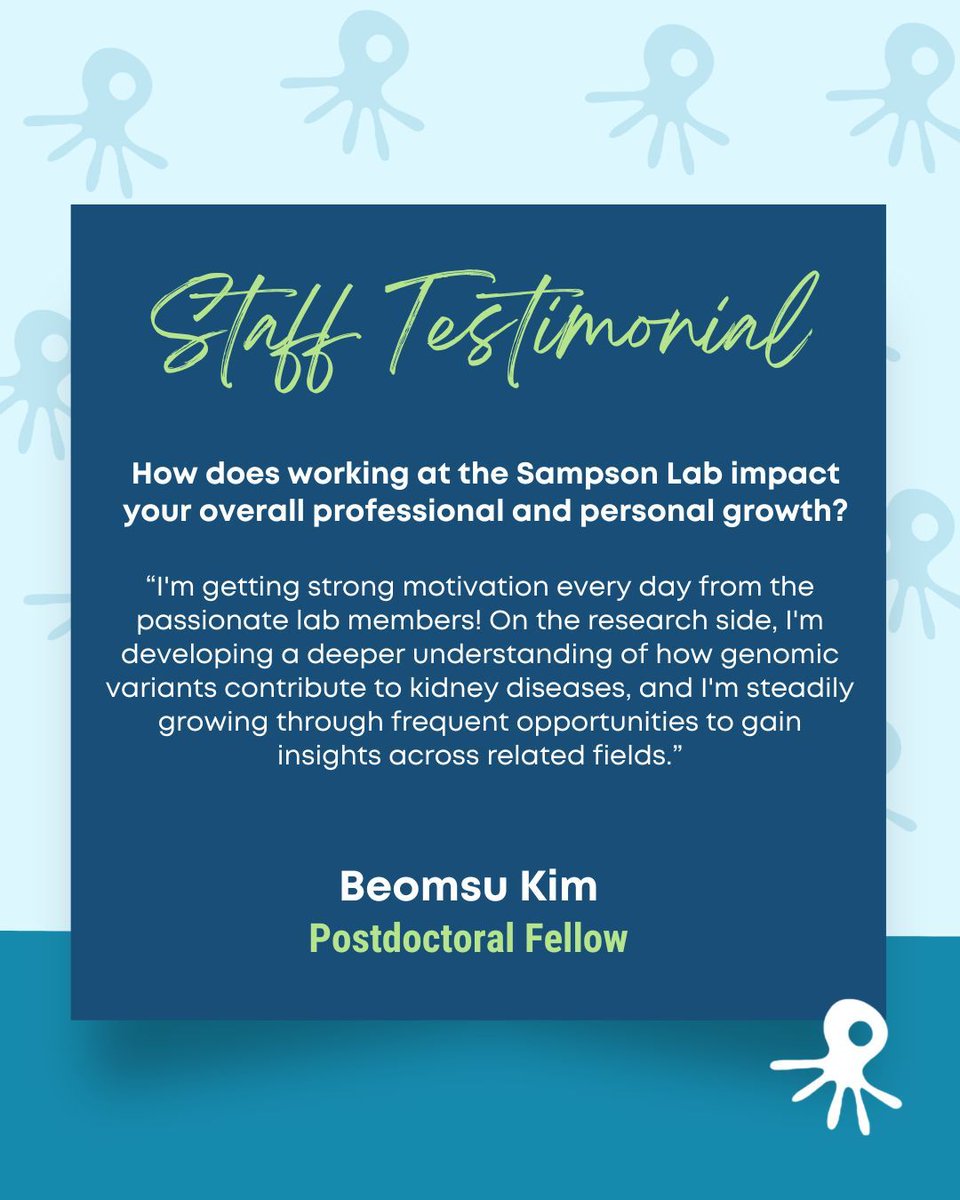
Staff reflections highlight the kind of environment we strive to build: one where diverse expertise, shared knowledge, and meaningful teamwork help our staff grow both personally and professionally.
#nephrology #genomics #kidneyomics #pediatricnephrology #nephroticsyndrome
1
1
57
Sampson Lab for Kidney Genomics retweeted

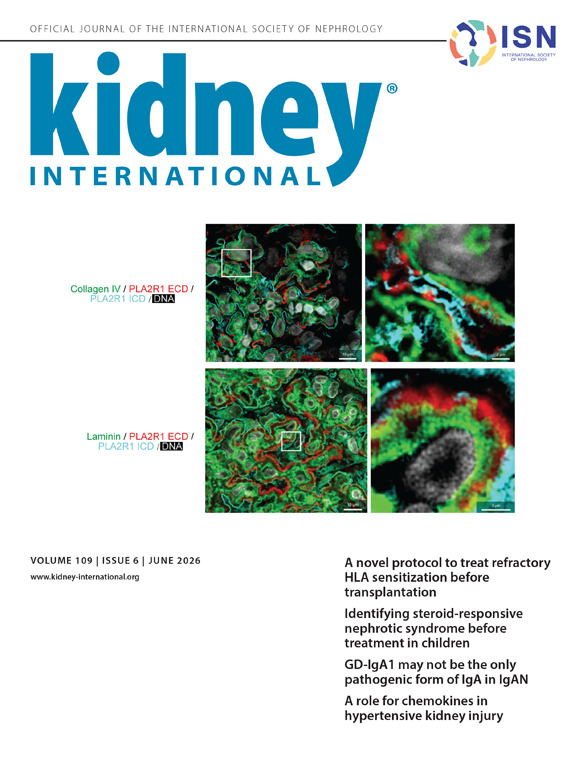
⚠ @Kidney_Int June issue is out!
Read the latest news in research, highlights from current literature, comprehensive reviews, and in-depth case studies kidney-international.org/cur…
Read the editor's pick for this month:
2
4
16
1,336
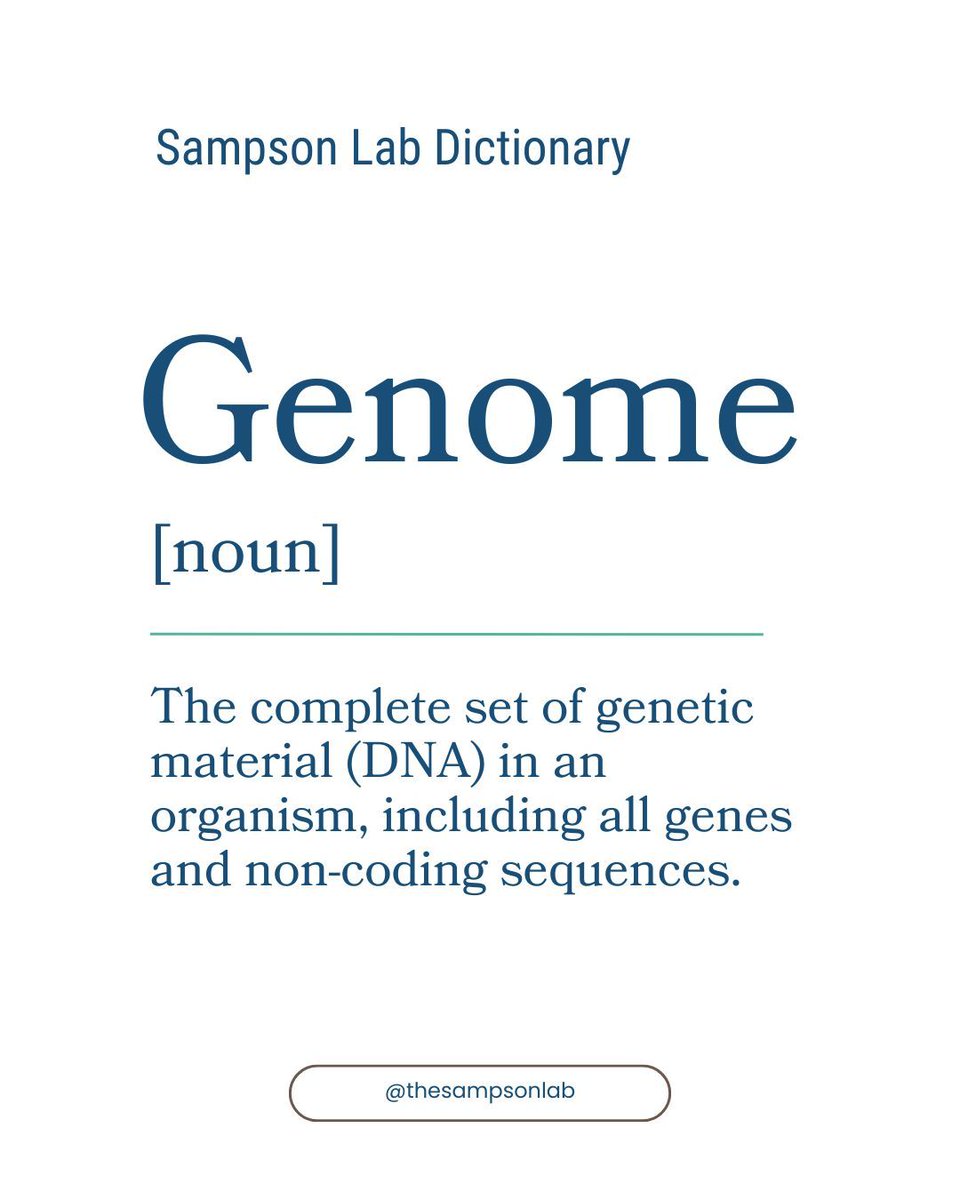
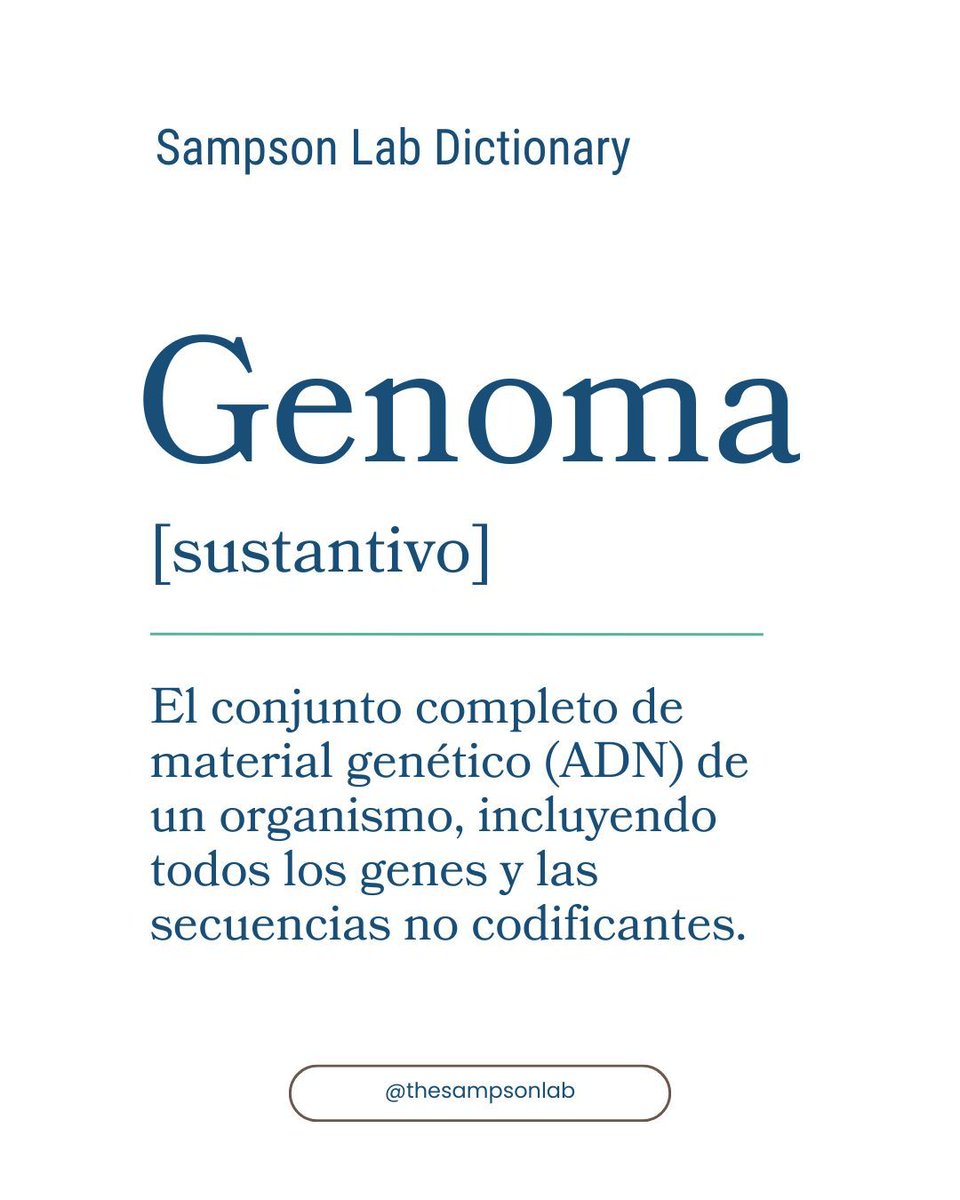
Welcome to the Sampson Lab Dictionary.
These are terms we use every day in our work to better understand kidney disease and advance research through genomics.
#SampsonLab #KidneyGenomics #Genomics #PrecisionMedicine #BIGKiDsStudy
1
2
147
Collaboration, curiosity, and a shared commitment to advancing kidney genomics research. 🧬
Moments from our recent lab meeting at the Sampson Lab for Kidney Genomics, as we continue working toward a better understanding of nephrotic syndrome.
#SampsonLab #KidneyGenomics



1
4
163
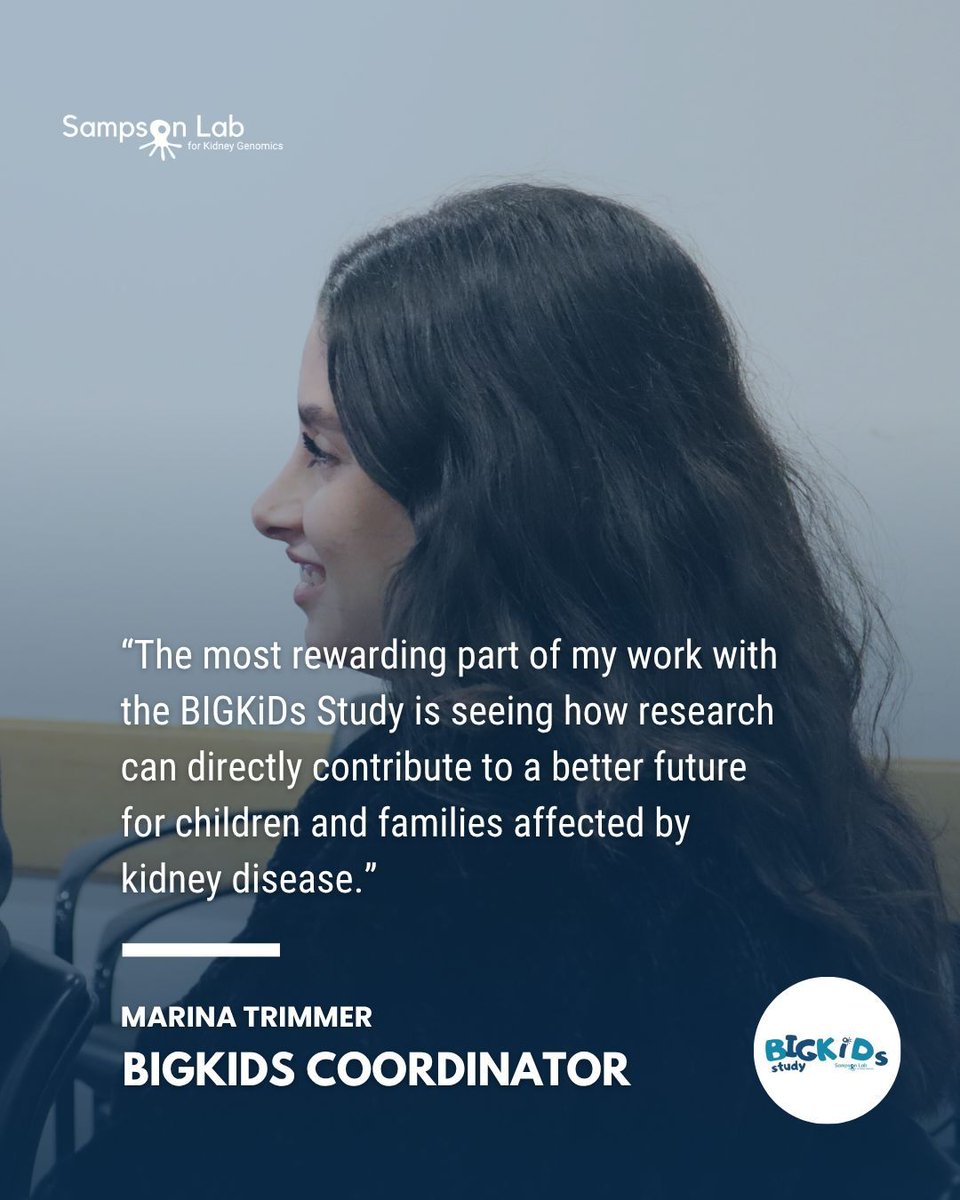
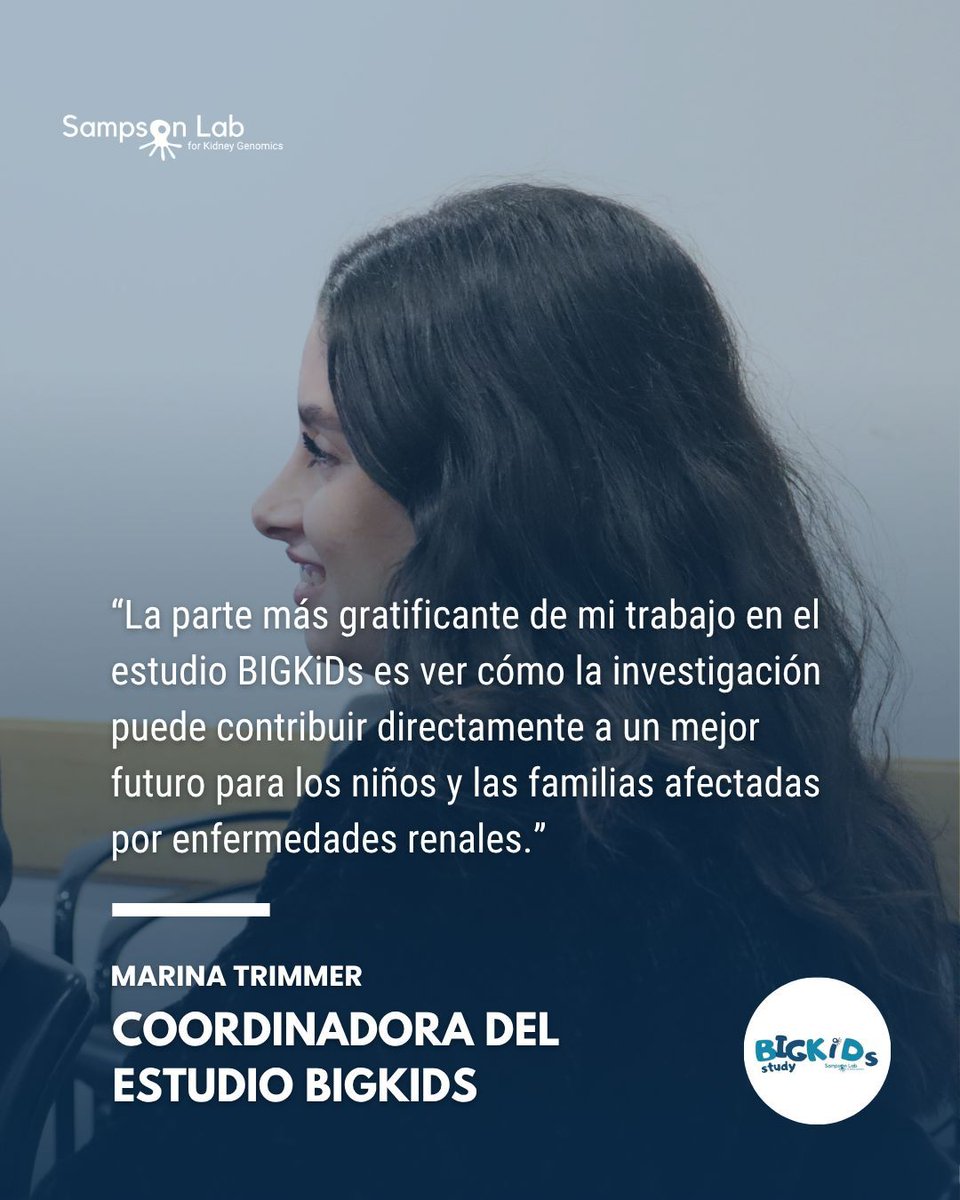
At the BIGKiDs Study, research is about more than data. It is about helping build a better future for children and families affected by kidney disease.
#SampsonLab #BIGKiDsStudy #KidneyResearch #KidneyGenomics #InvestigaciónRenal #PediatricResearch
2
2
77
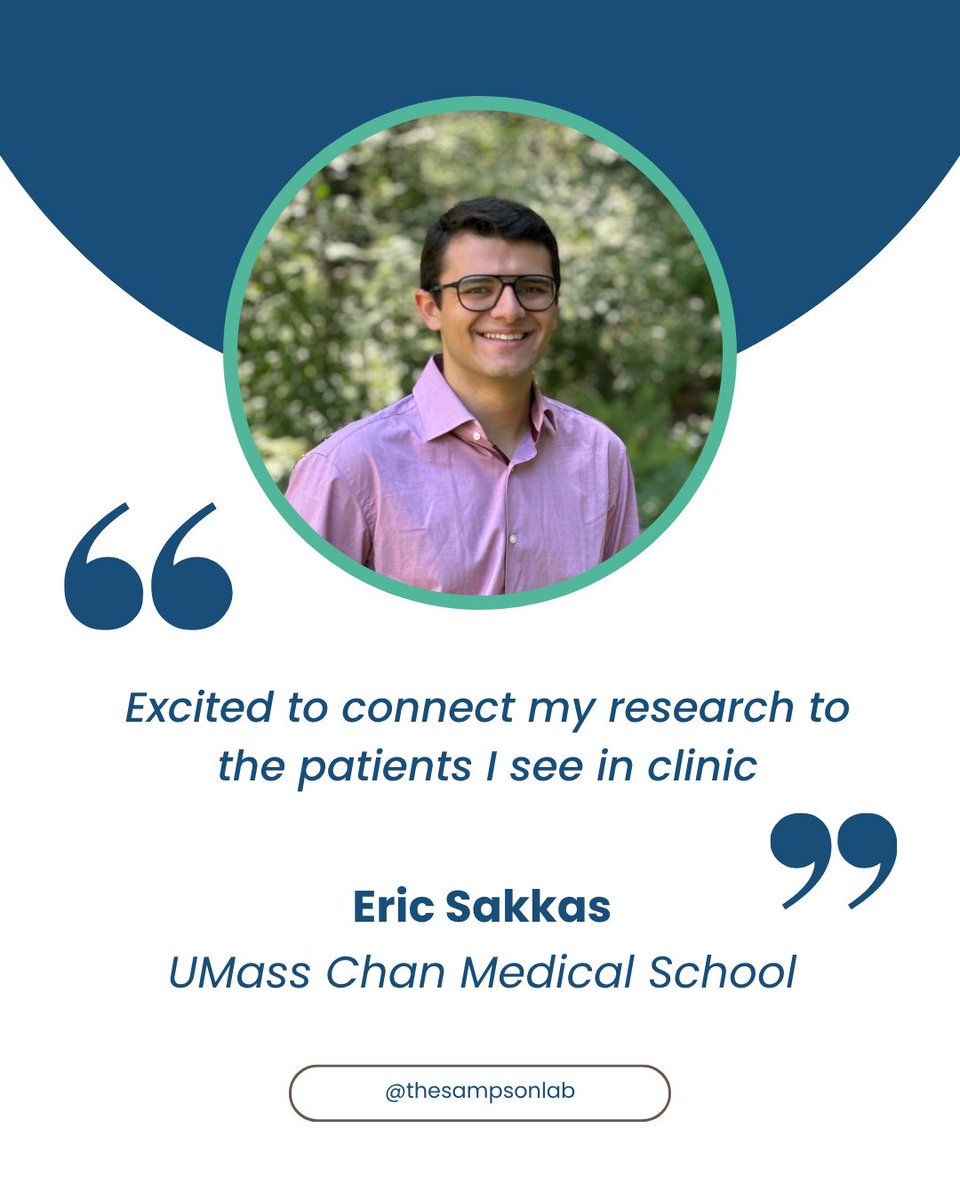
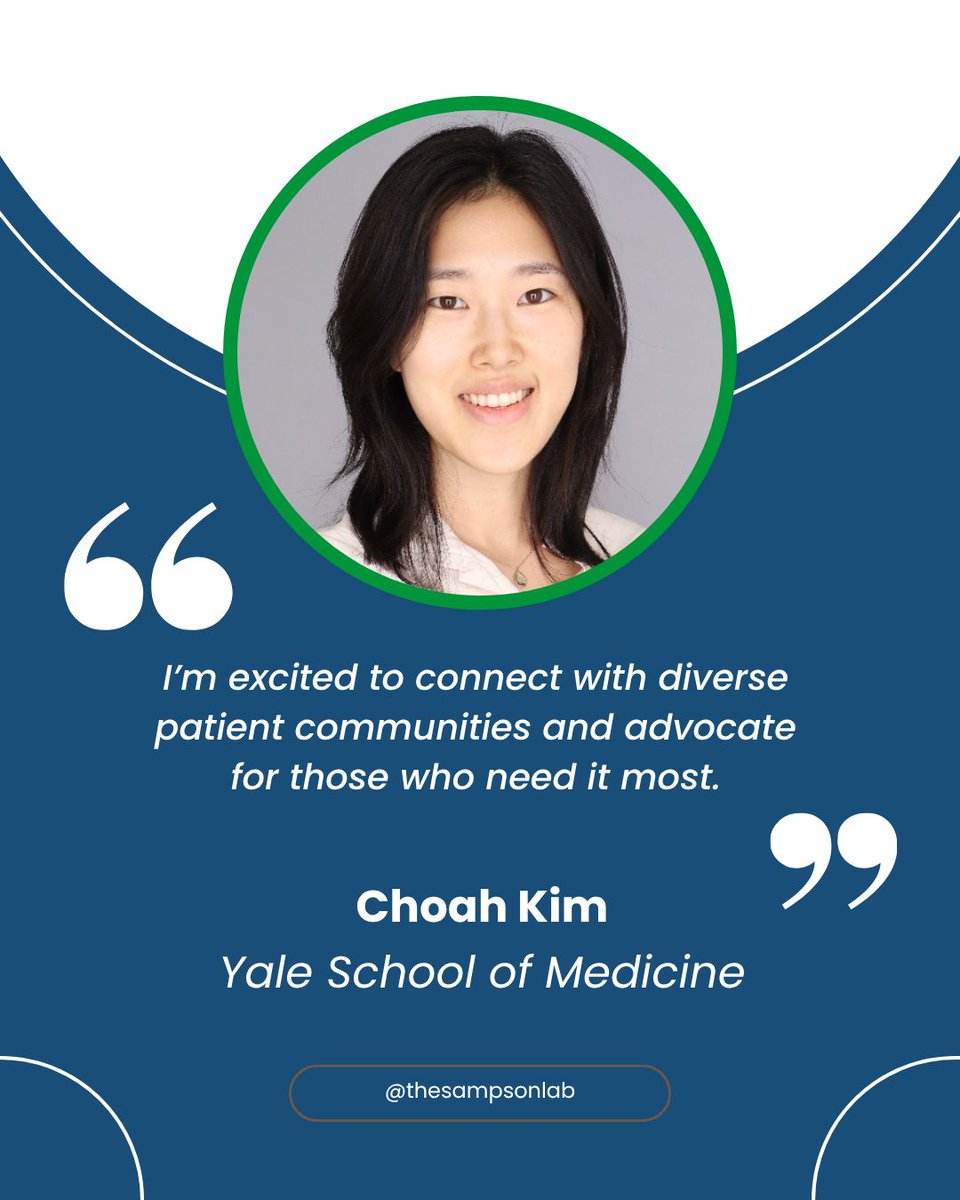
🎉 Last week, we gathered as a lab to celebrate the milestone of Choah Kim, Eric Sakkas, and Junmo Sung as they prepare for their next chapter in medicine and research.
We can’t wait to see the impact you’ll continue to make in healthcare, science, and beyond!

1
2
98
Sampson Lab for Kidney Genomics retweeted
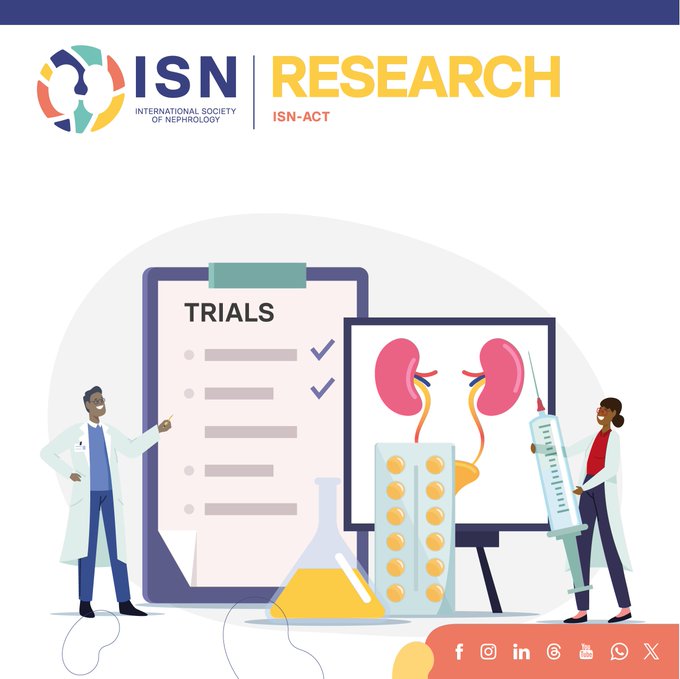
🔬🌍 Clinical Trials Day – May 20
Today, we recognize the power of clinical research to transform patient care and celebrate the medical breakthroughs achieved through clinical trials.
The ISN is advancing kidney health globally by supporting high-quality clinical trials, especially in low- and middle-income countries through the ISN-Advancing Clinical Trials (ISN-ACT) initiative. By fostering global collaboration, connecting researchers, supporting patient engagement and providing practical trial resources and education, ISN-ACT is helping build a stronger, more inclusive future for nephrology research.
Together, we can strengthen evidence-based kidney care and ensure more patients everywhere benefit from research and innovation.
Learn more about the ISN-ACT initiative 👉 bit.ly/3PLOSd0
#ClinicalTrialsDay #KidneyHealth #Nephrology #ISNACT #GlobalHealth
2
9
16
586
Sampson Lab for Kidney Genomics retweeted

May 19
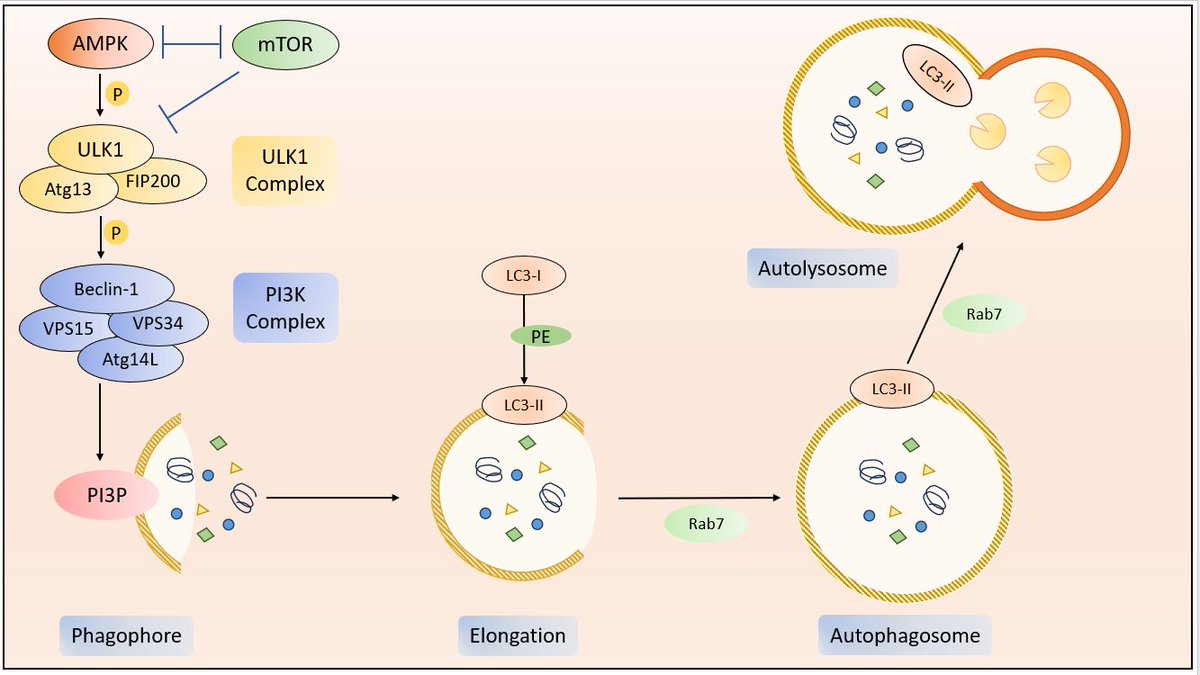
Podocytopathies share a core problem: loss of podocyte autophagy, which leads to proteinuria. According to a #Review in #ASNKidney360, boosting autophagy can help, but current treatments are limited by side effects and sparse clinical data. kidney.pub/KID1152
10
36
1,414
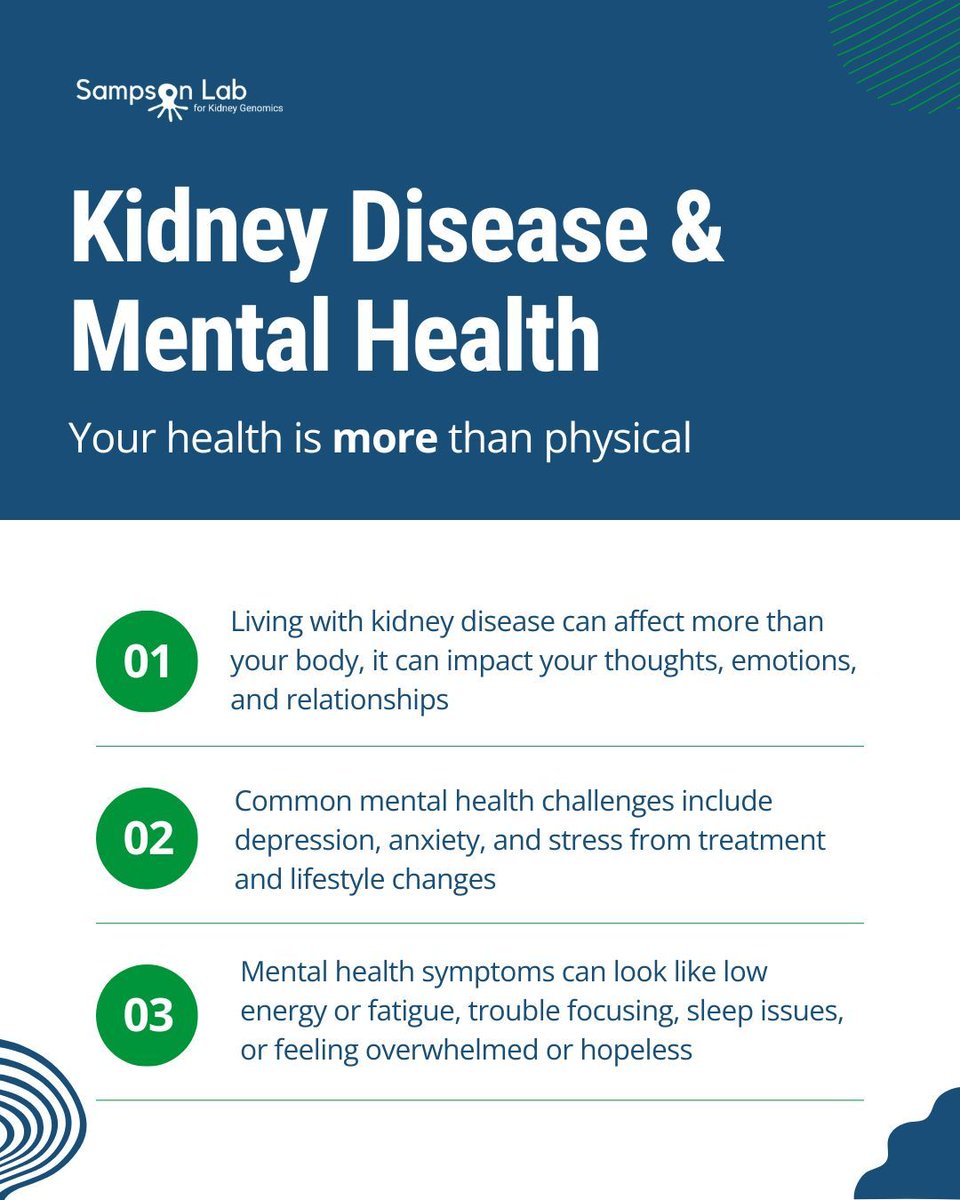
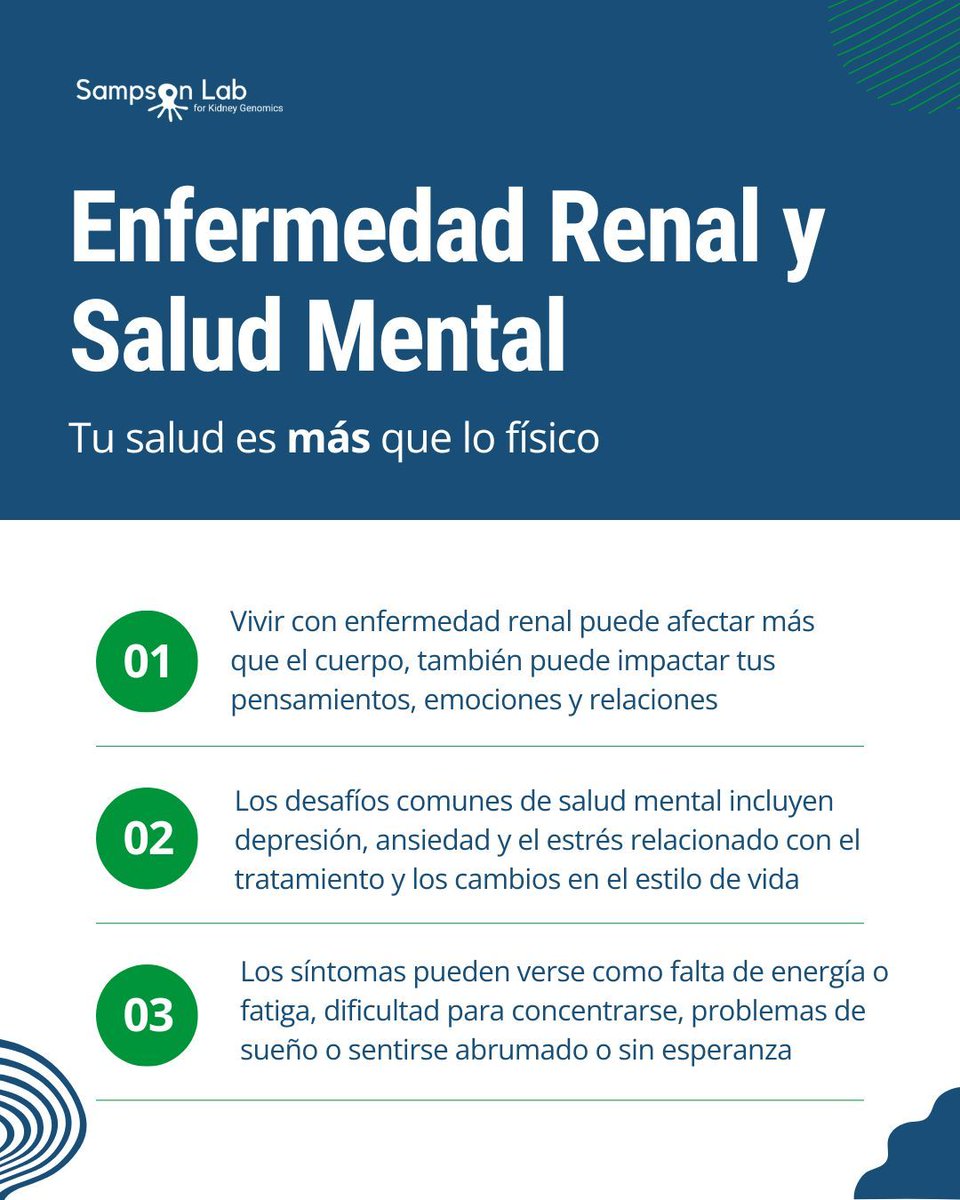
Kidney disease impacts more than physical health; it also affects how people think, feel, and navigate everyday life.
Supporting mental health is not separate from treating kidney disease; it’s part of it.
#KidneyHealth #MentalHealthMatters #Nephrology #SampsonLab #BIGKiDsStudy
69
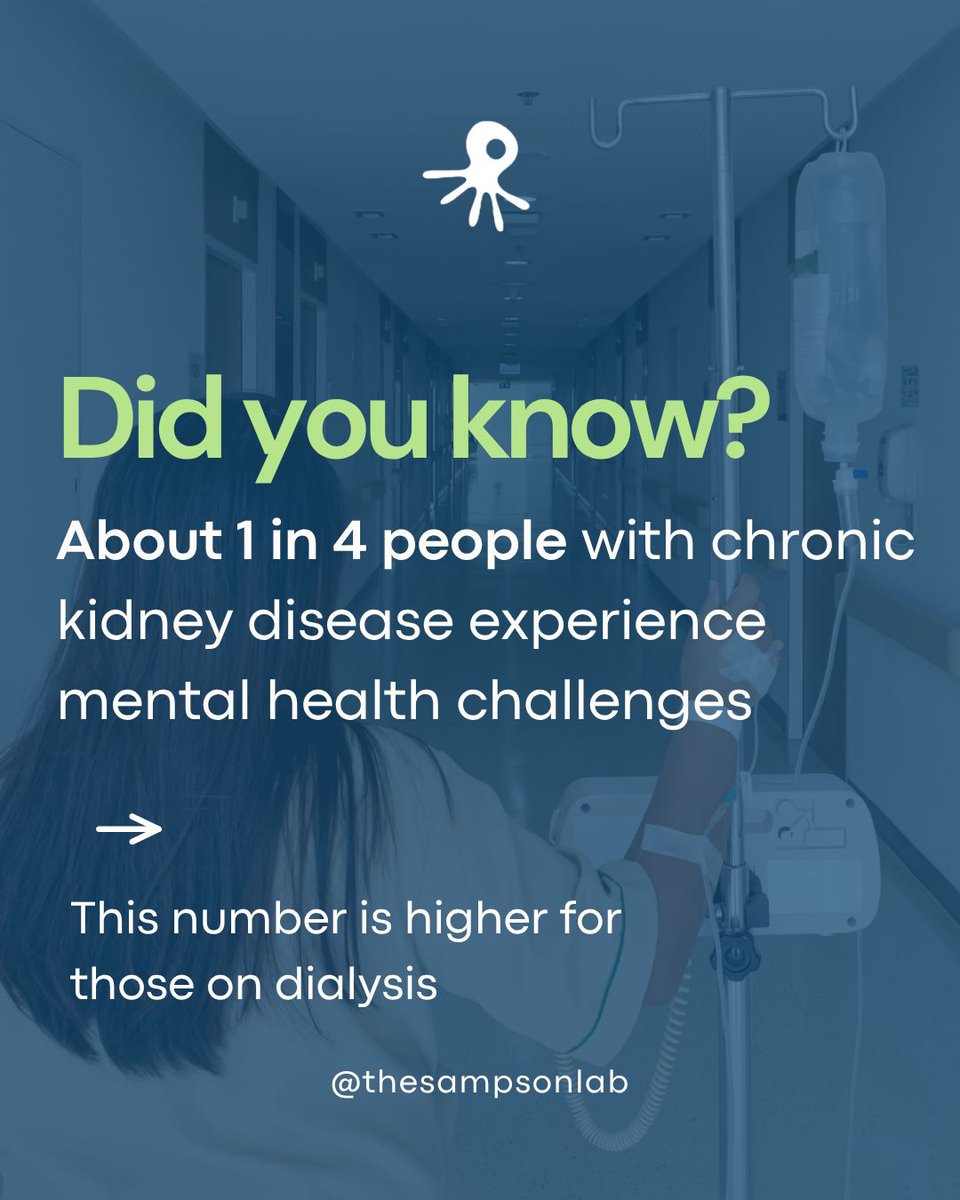
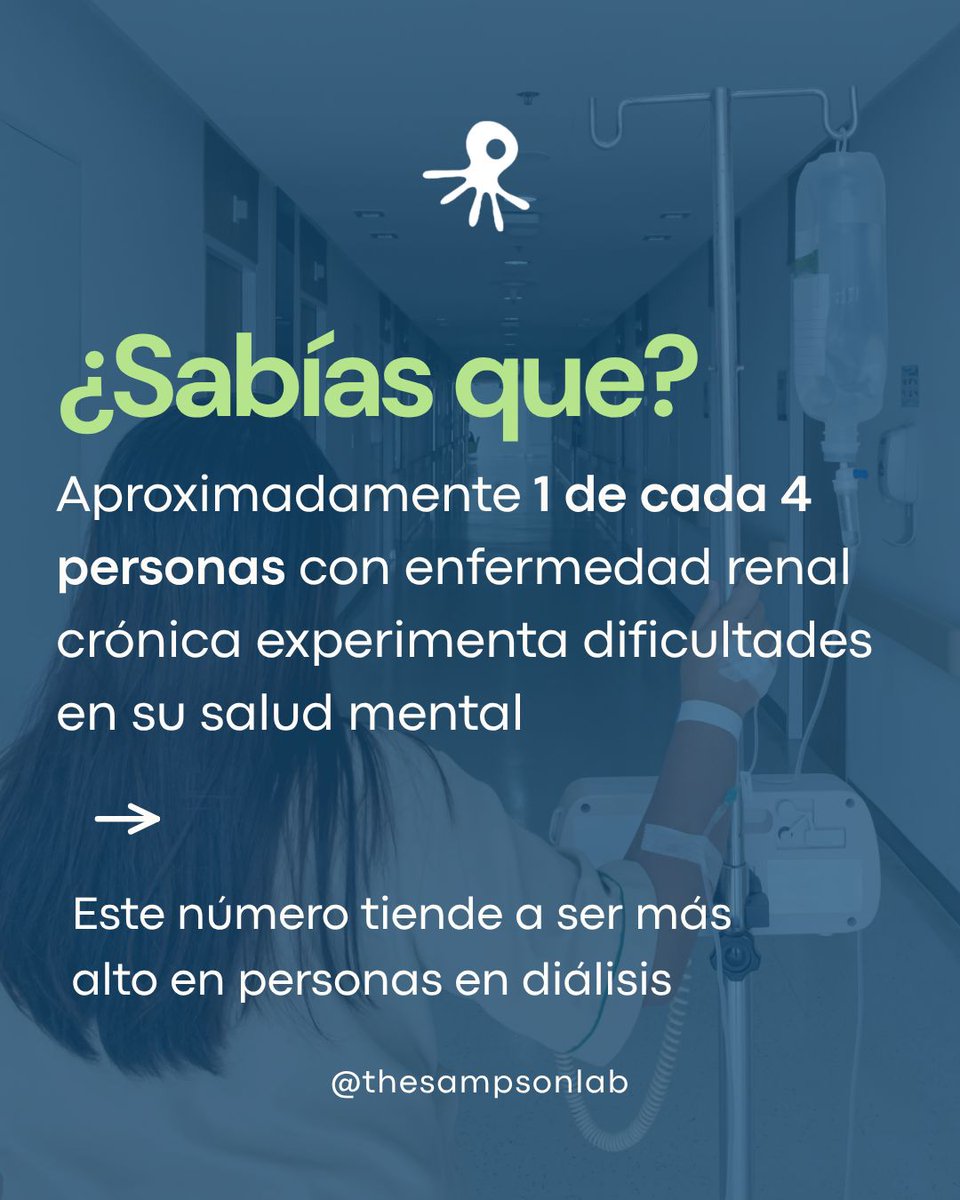
Kidney disease affects more than physical health; it can also have a significant impact on mental well-being.
Support, resources, and open conversations can make a meaningful difference. #KidneyHealth #MentalHealthMatters #NephroticSyndrome #ChronicIllness #SampsonLab #BIGKiDs
1
36
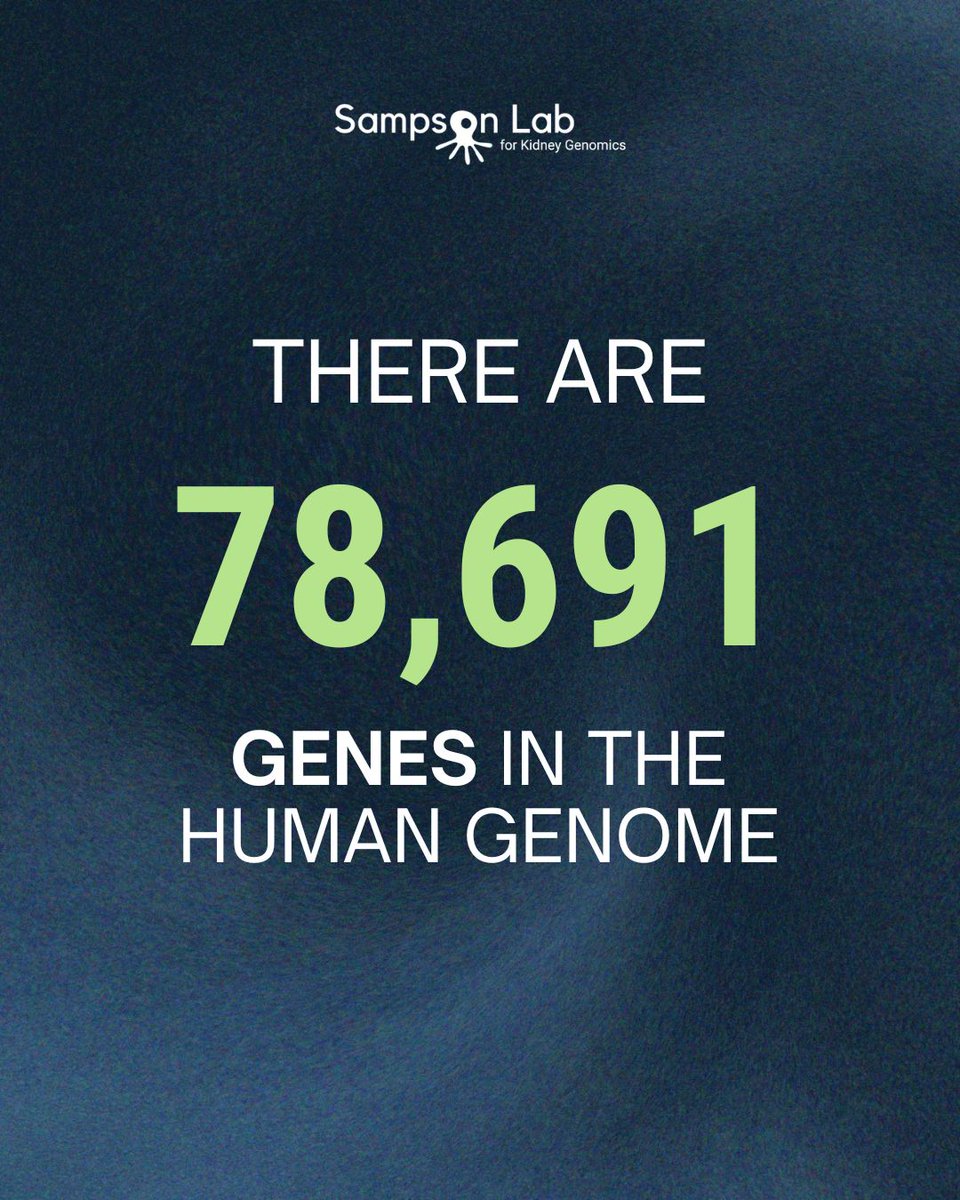
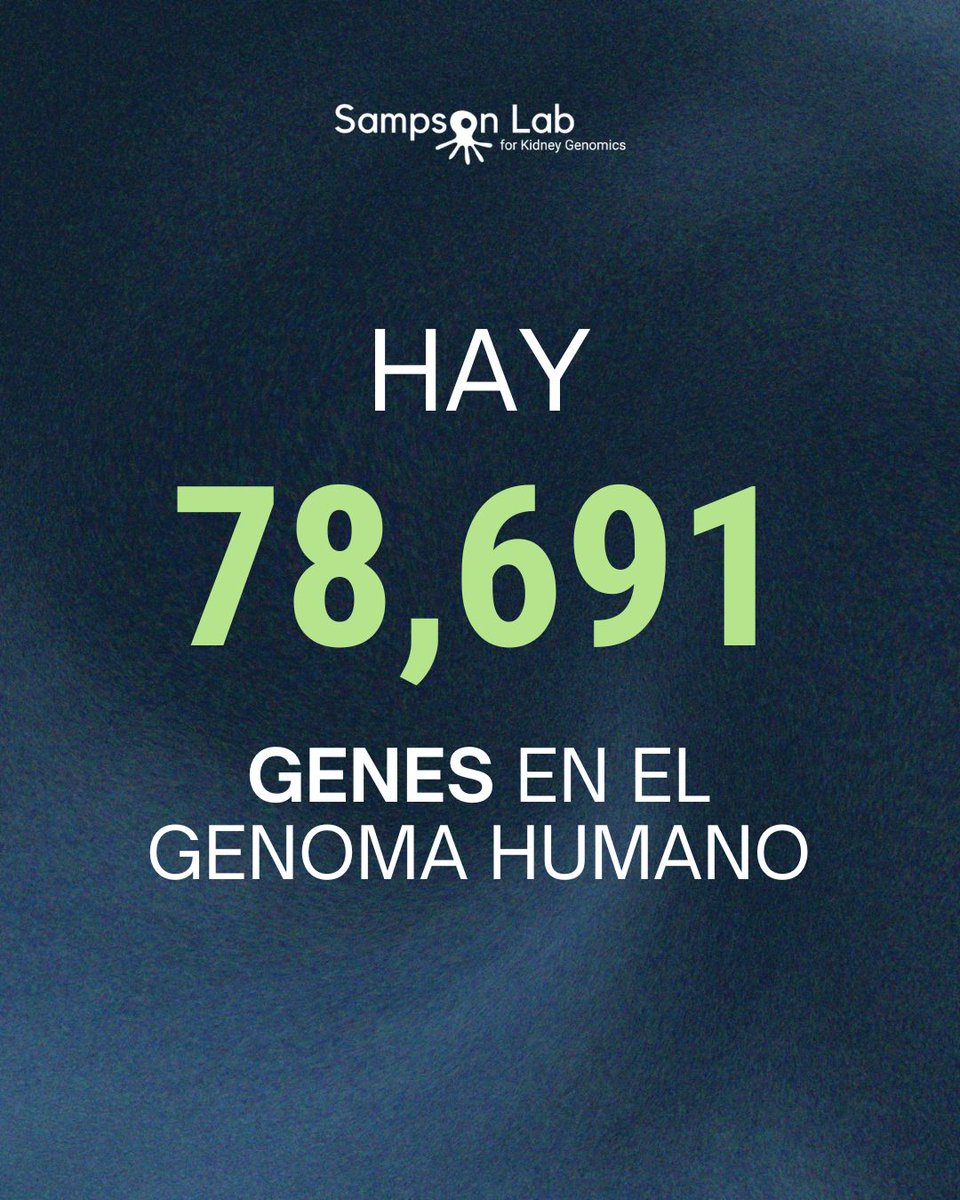
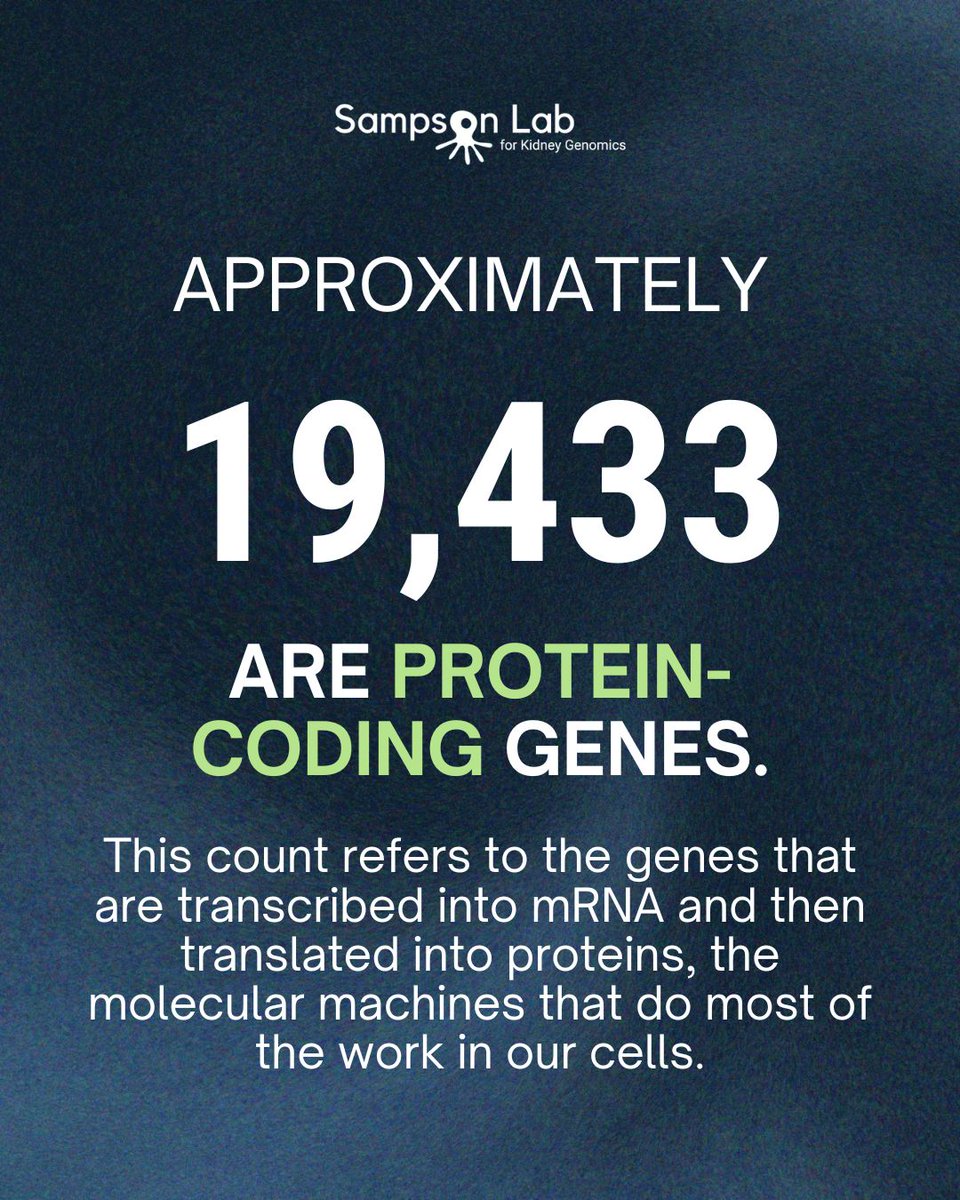
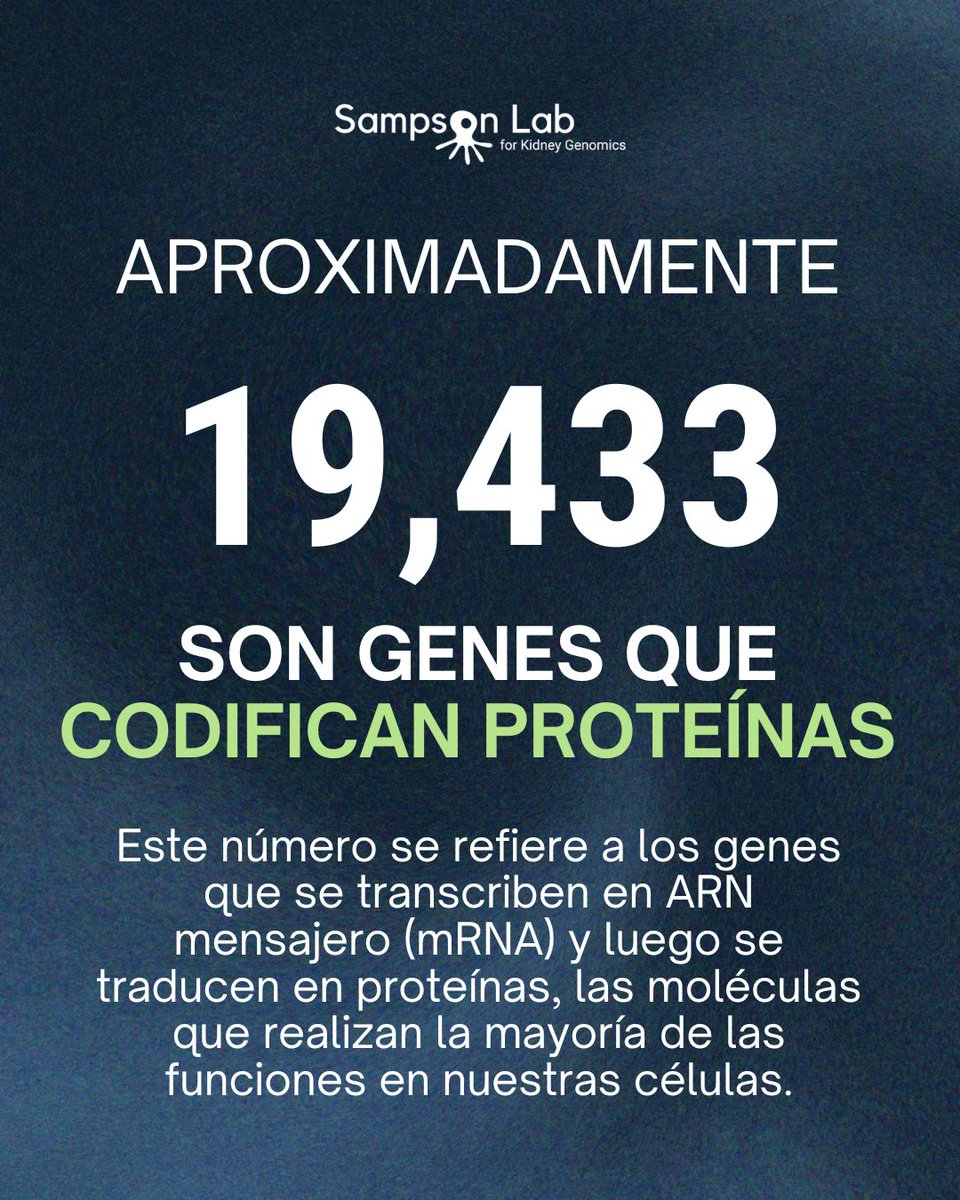
🧬 While there are tens of thousands of genes, only a portion directly code for proteins, the molecules that carry out essential functions in our cells. Understanding this helps us study how genetic variation impacts health and disease.
1
50
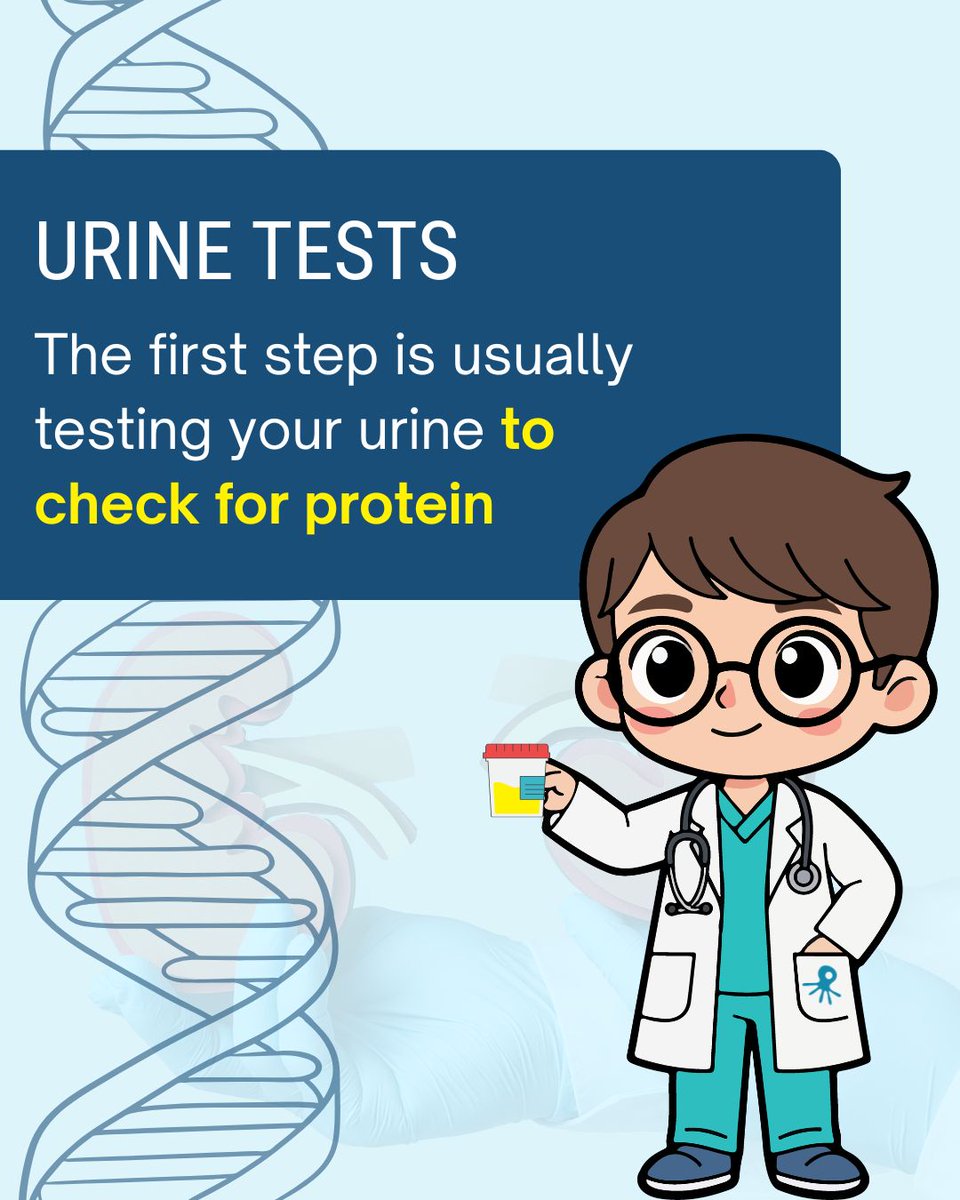
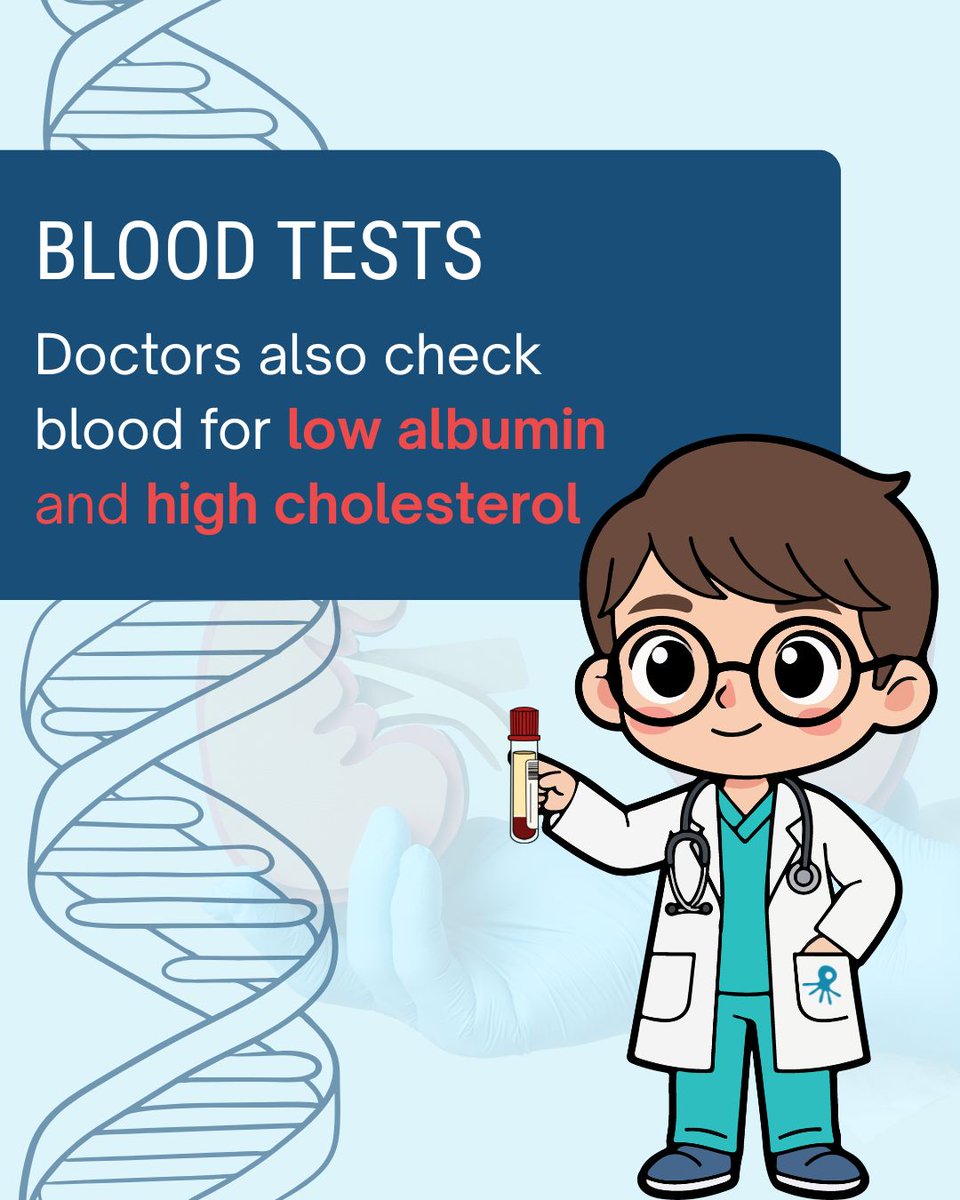
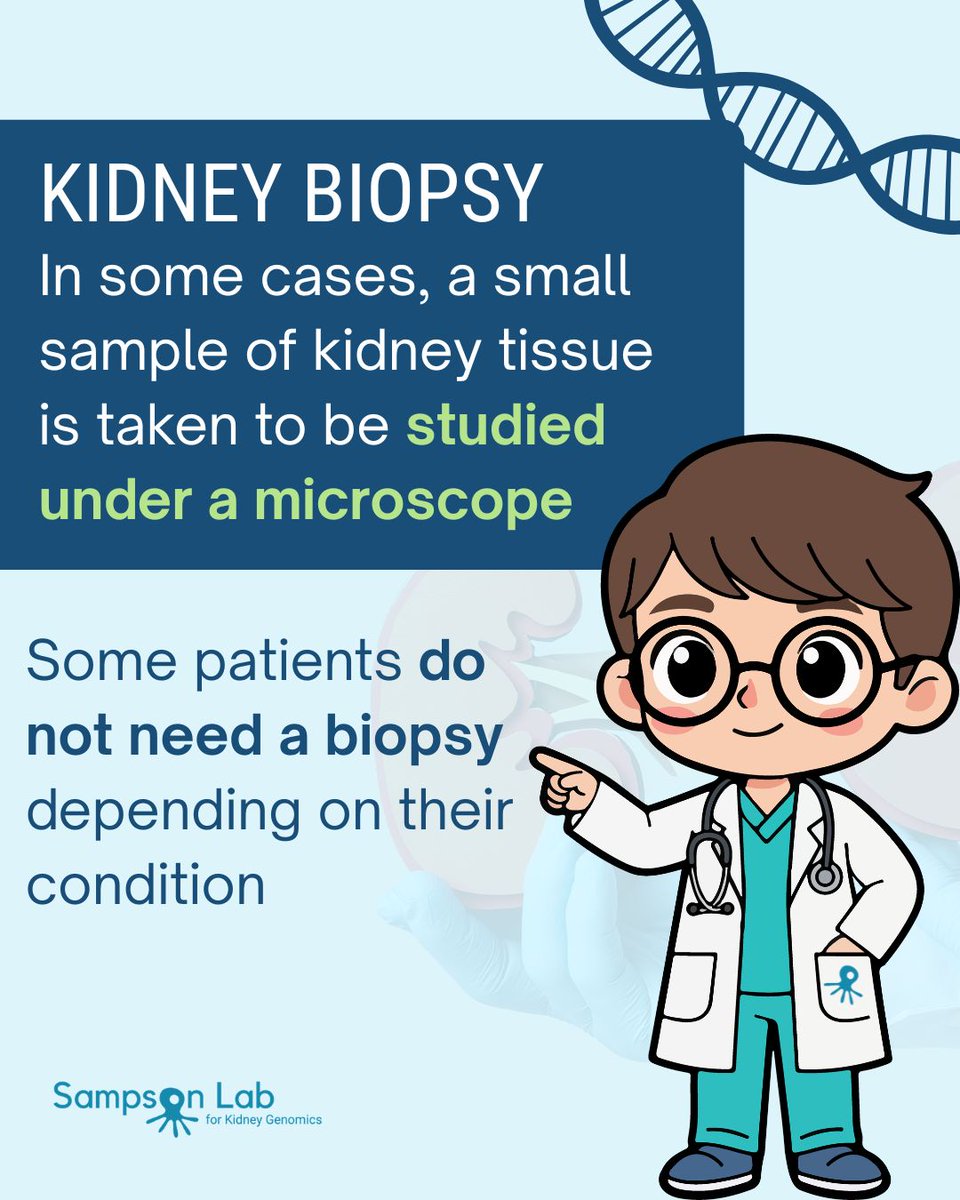
Diagnosing nephrotic syndrome starts with understanding what’s happening inside the body 🧬
Each test plays a role in guiding the right diagnosis and the right care.
#SampsonLab #NephroticSyndrome #KidneyDisease #KidneyGenomics #Nephrology #MedicalResearch
1
67
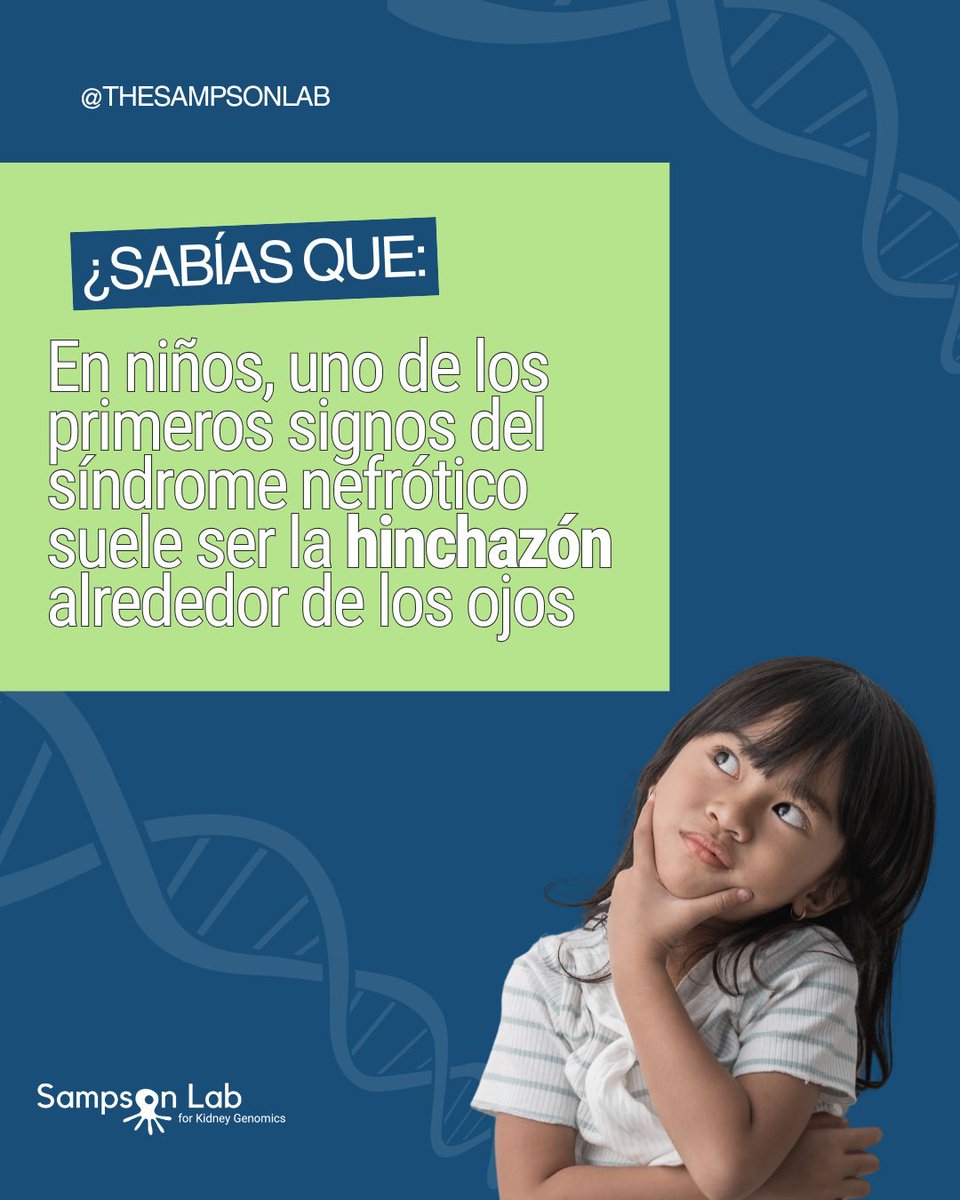
¿Sabías esto? 👀
El síndrome nefrótico no siempre es evidente, pero las señales están ahí 🧬
#SampsonLab #SíndromeNefrótico #SaludRenal #Genómica #Nefrología #SabíasQue
48
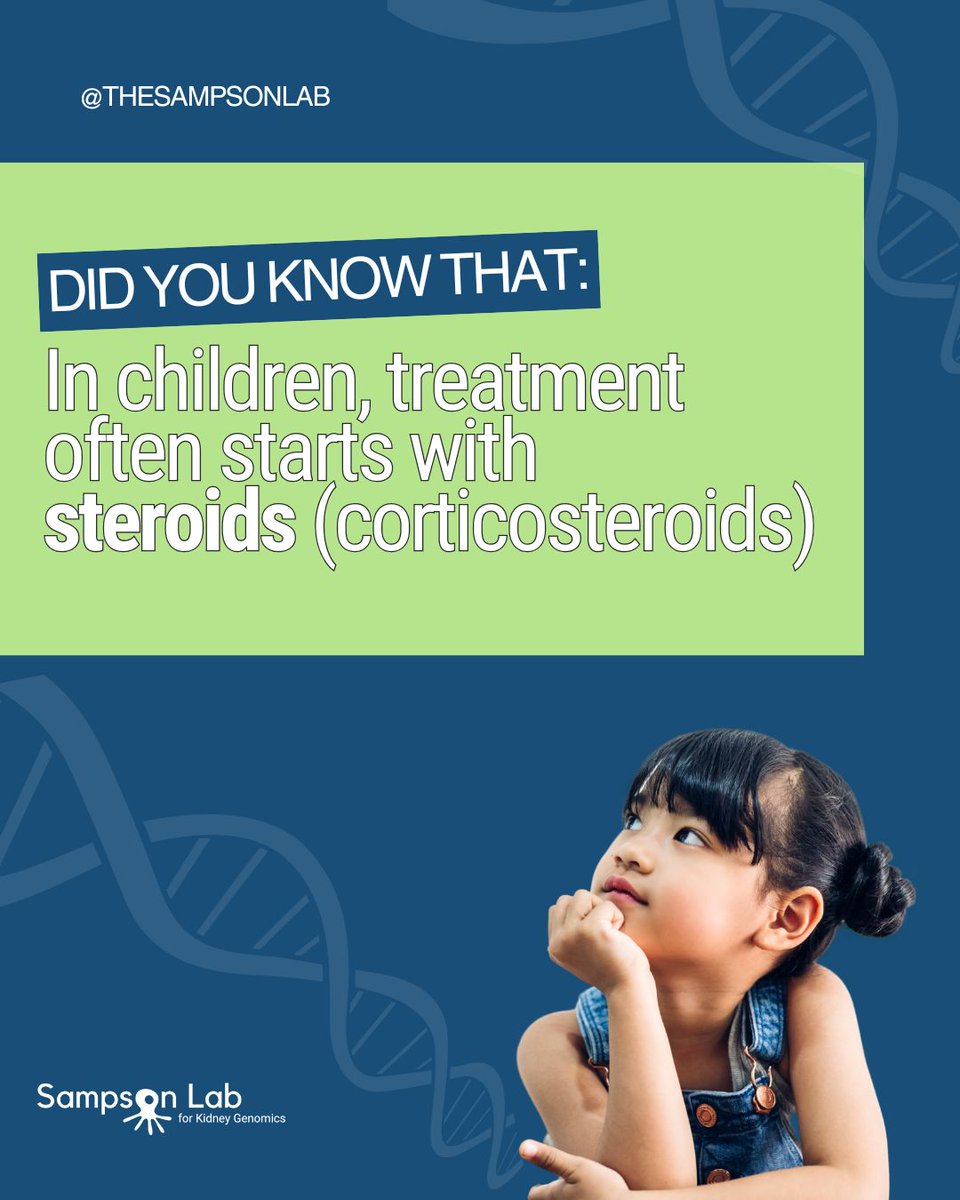
Did you know? 👀
Nephrotic syndrome isn’t always obvious, but the clues are there 🧬
#SampsonLab #NephroticSyndrome #KidneyHealth #KidneyGenomics #Nephrology #DidYouKnow
1
1
65
Thank you, Sidhant Puntambekar, for sharing updates on your work to develop computable phenotypes and machine learning models to better detect nephrotic syndrome within biobank EHR data. #nephrology #genomics #kidneyomics #pediatrics #pediatricnephrology #nephroticsyndrome


106
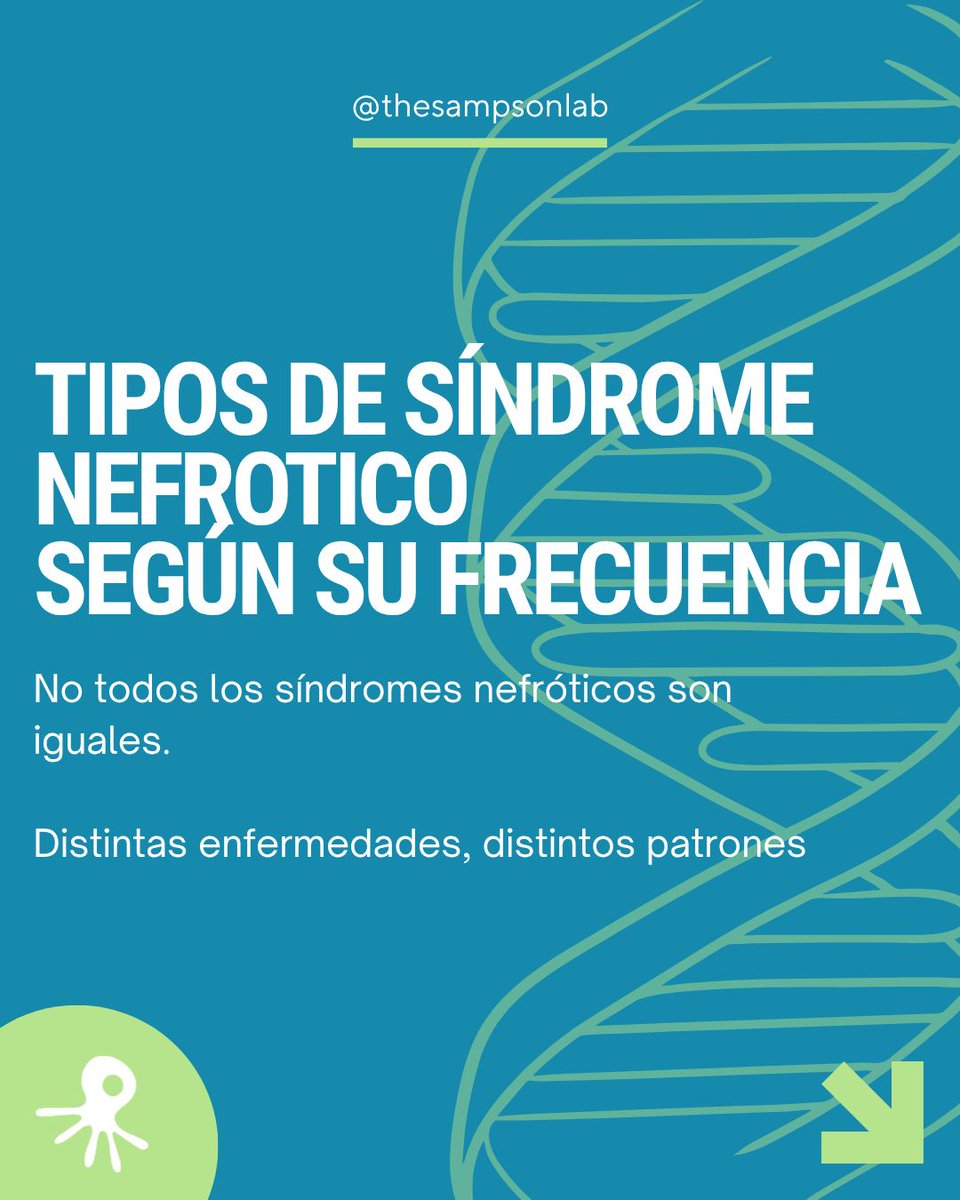
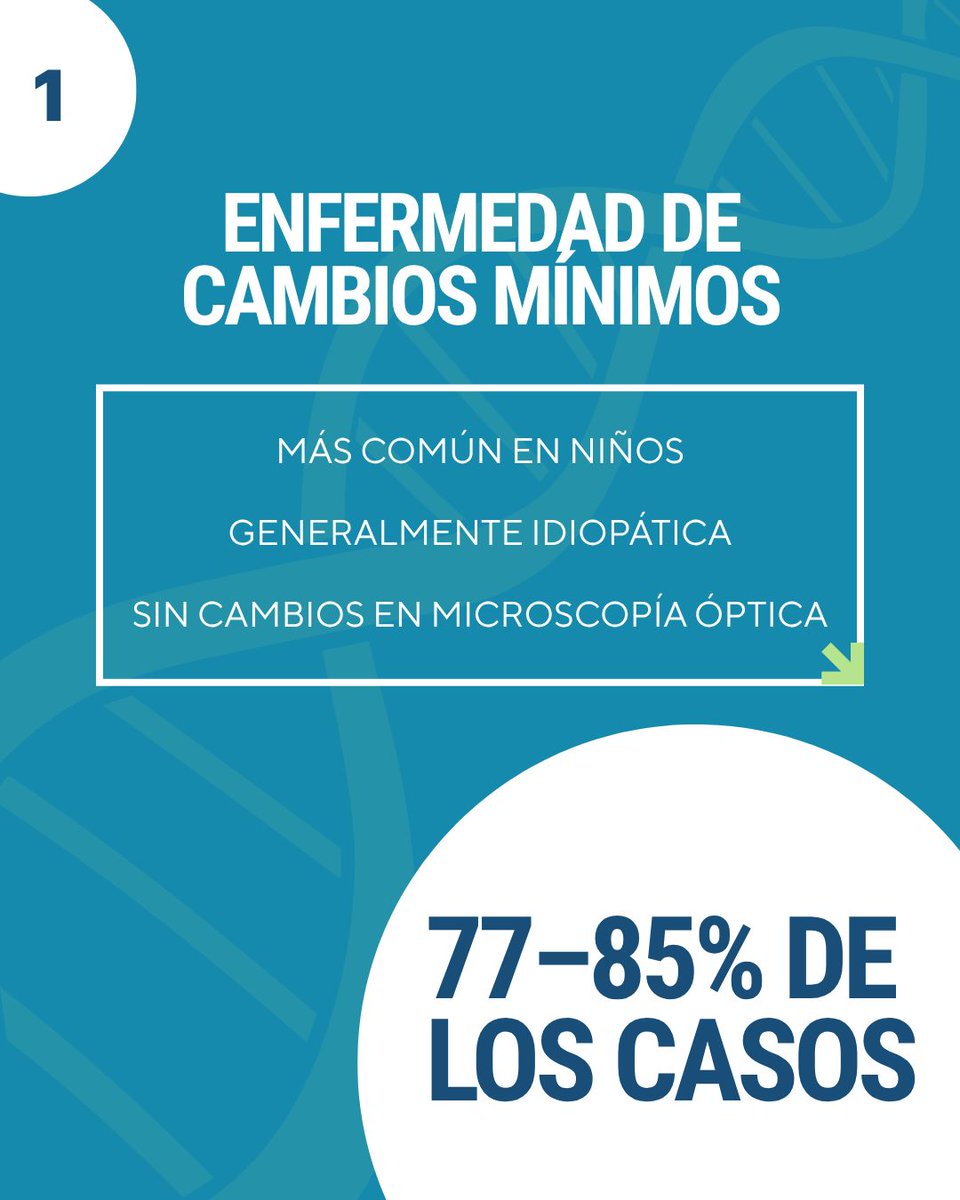
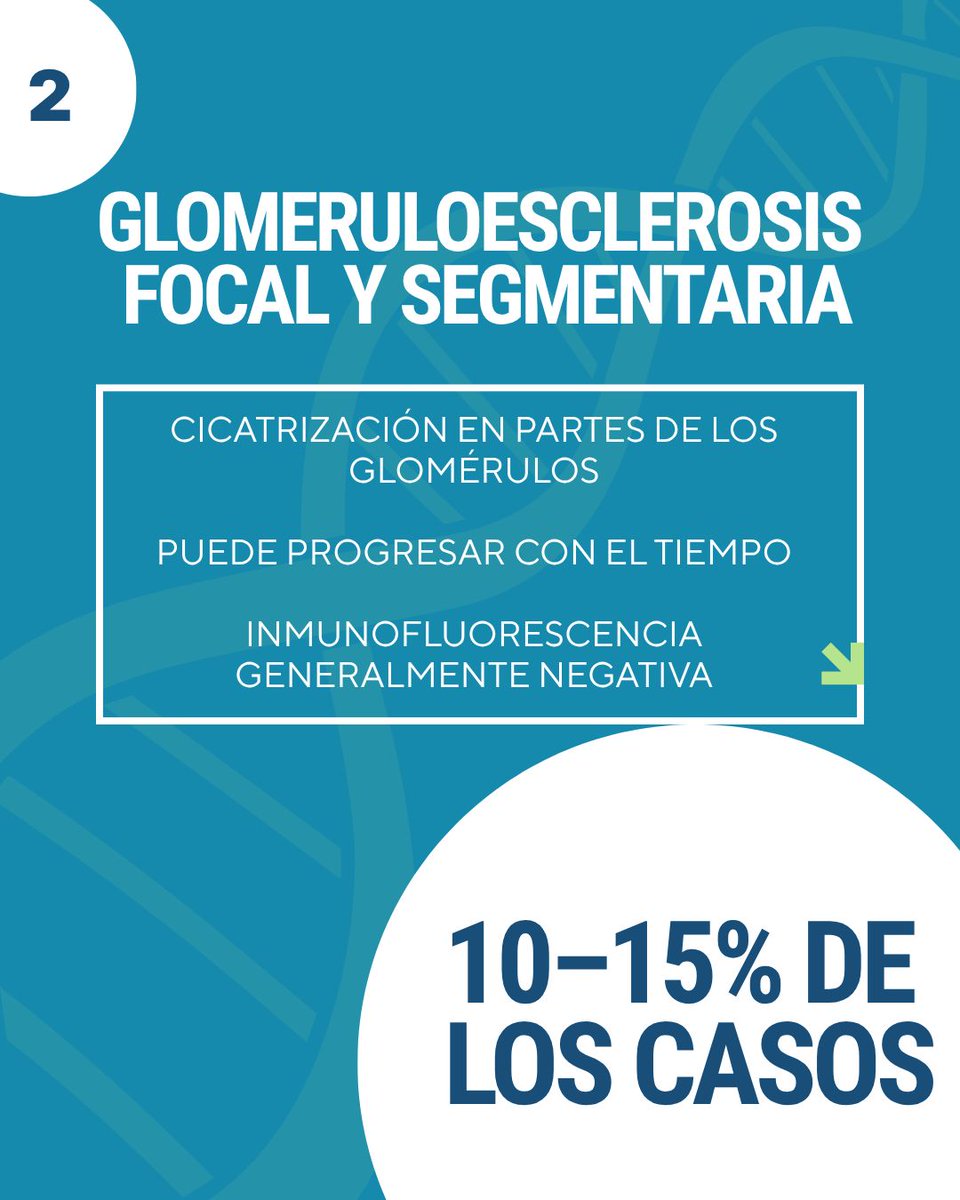
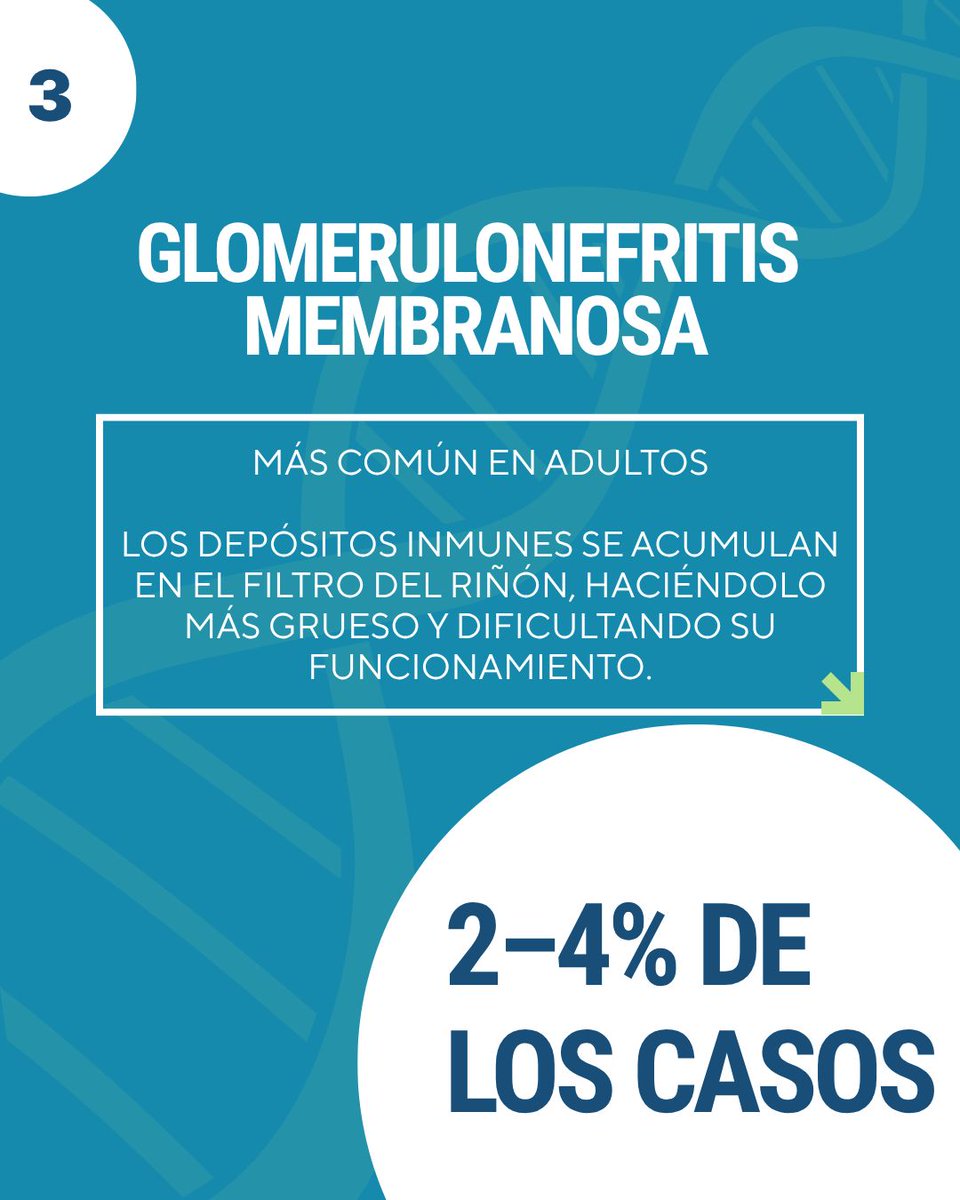
No todos los casos de síndrome nefrótico son iguales 🧬
Diferentes tipos de síndrome nefrótico afectan el riñón de distintas maneras, y comprender estas diferencias es clave para el diagnóstico y el tratamiento.
La investigación nos ayuda a entender mejor estas diferencias.
2
1
87