THE No.1 SOCIAL WELLNESS PLACE ONLINE
Joined October 2024
- Tweets 1,040
- Following 24
- Followers 69
- Likes 3,975
57 Photos and videos

5 Jun 2025
5 Jun 2025

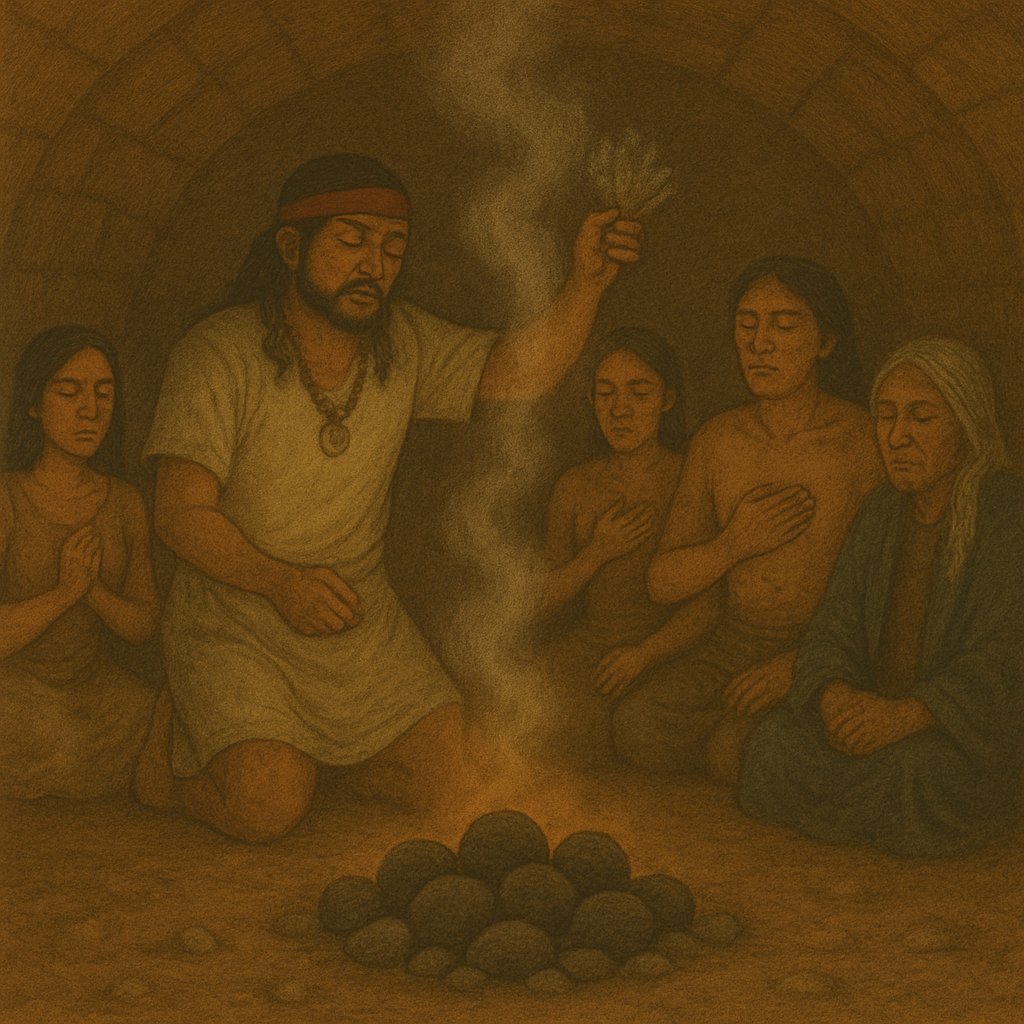
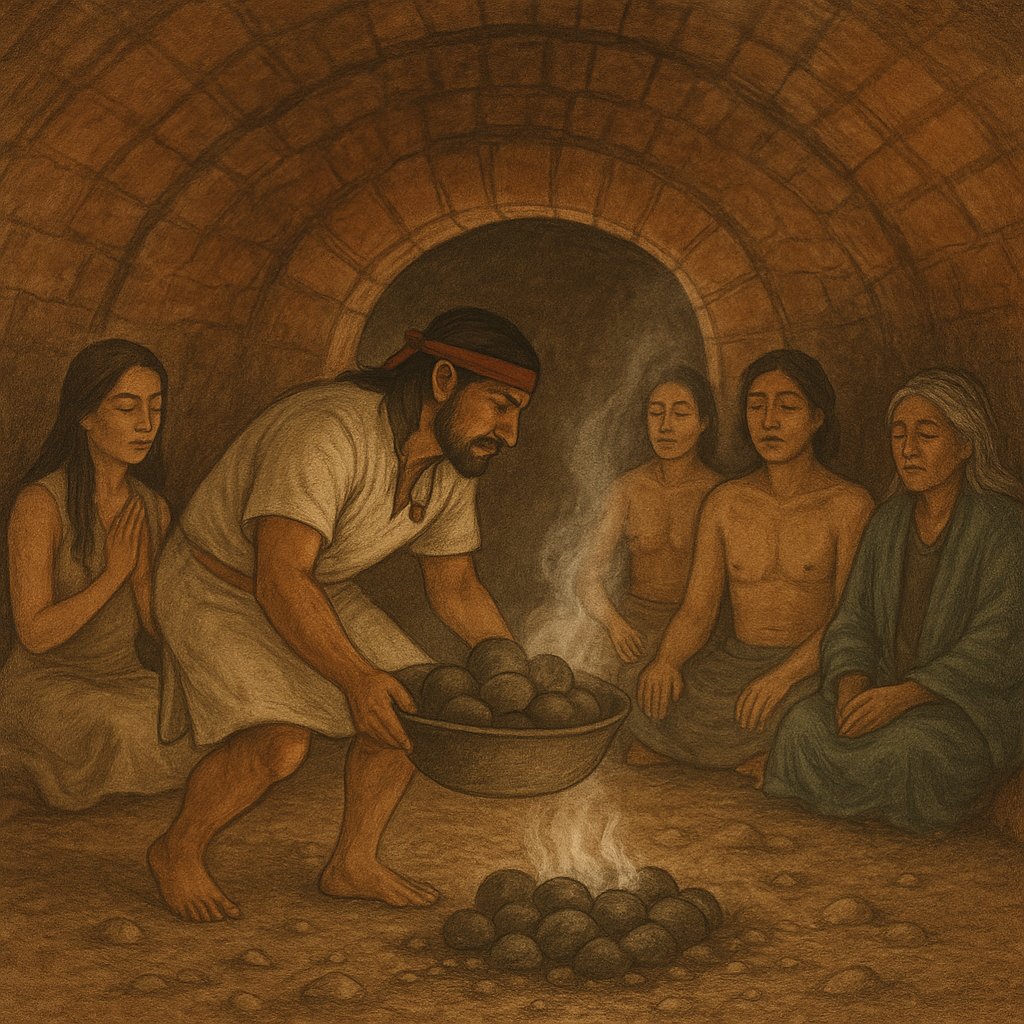
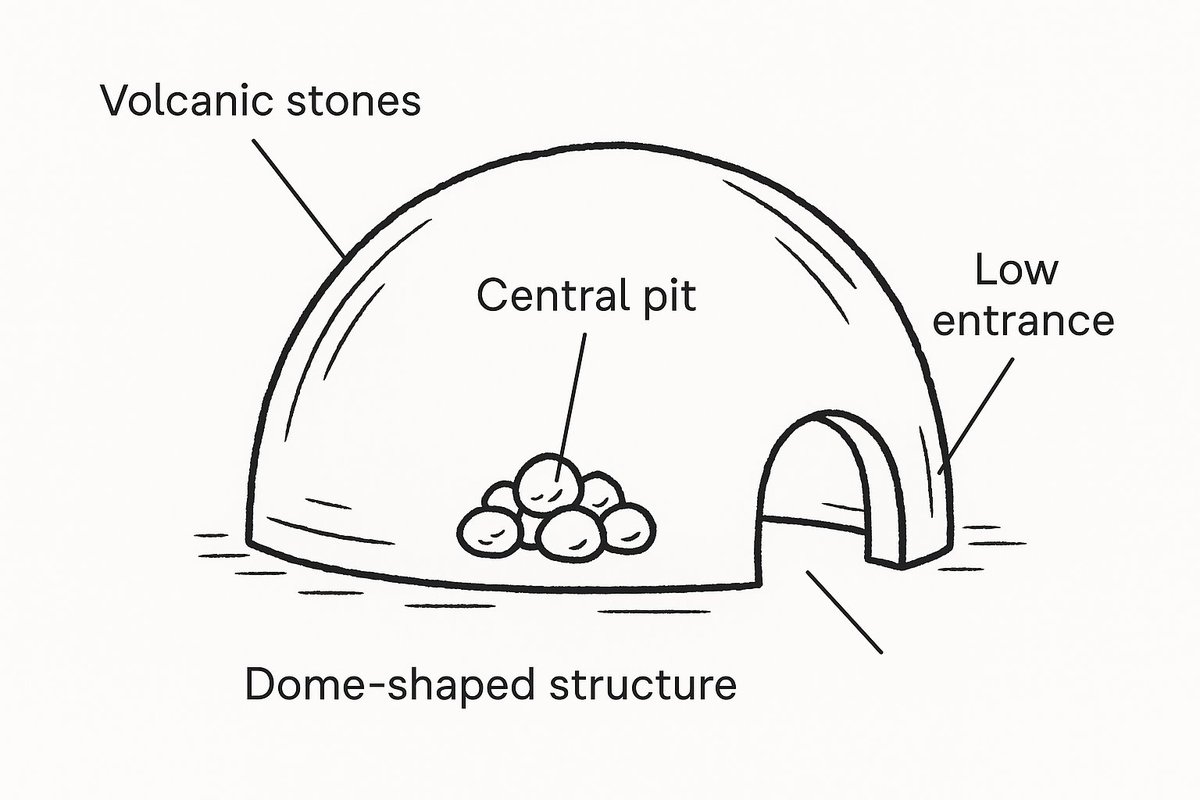
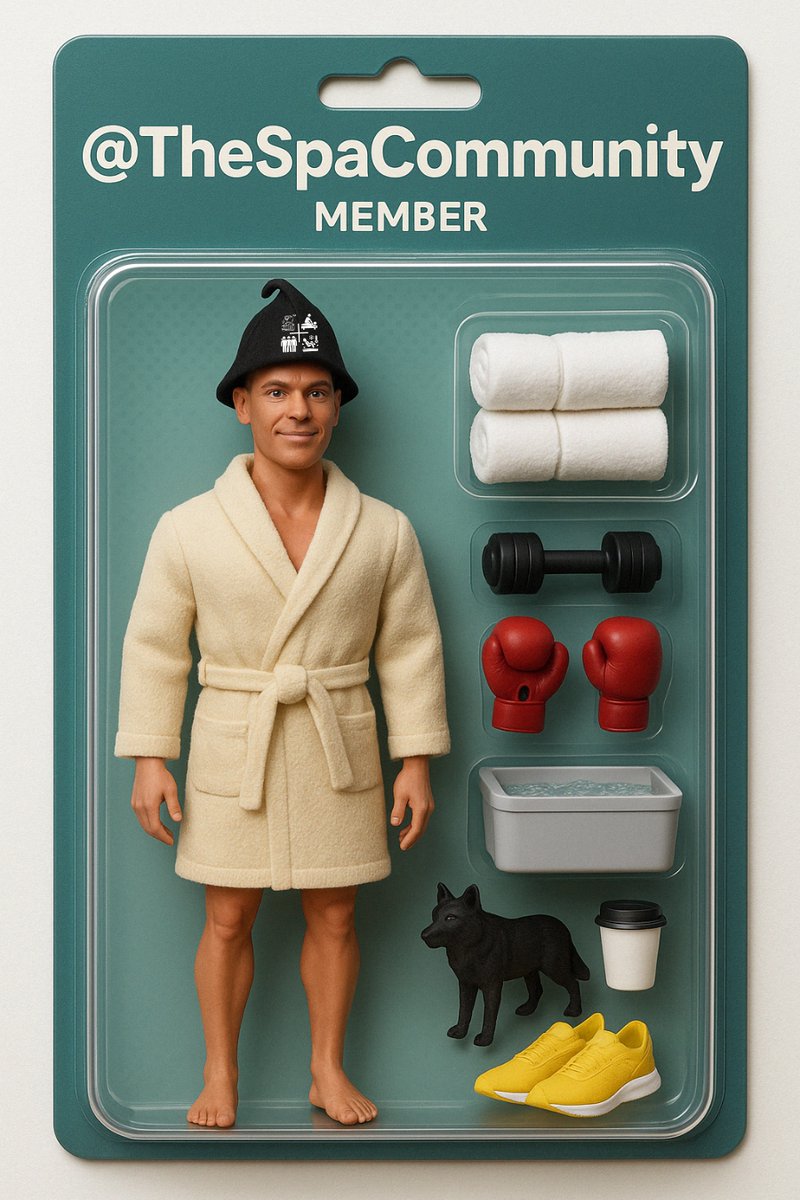
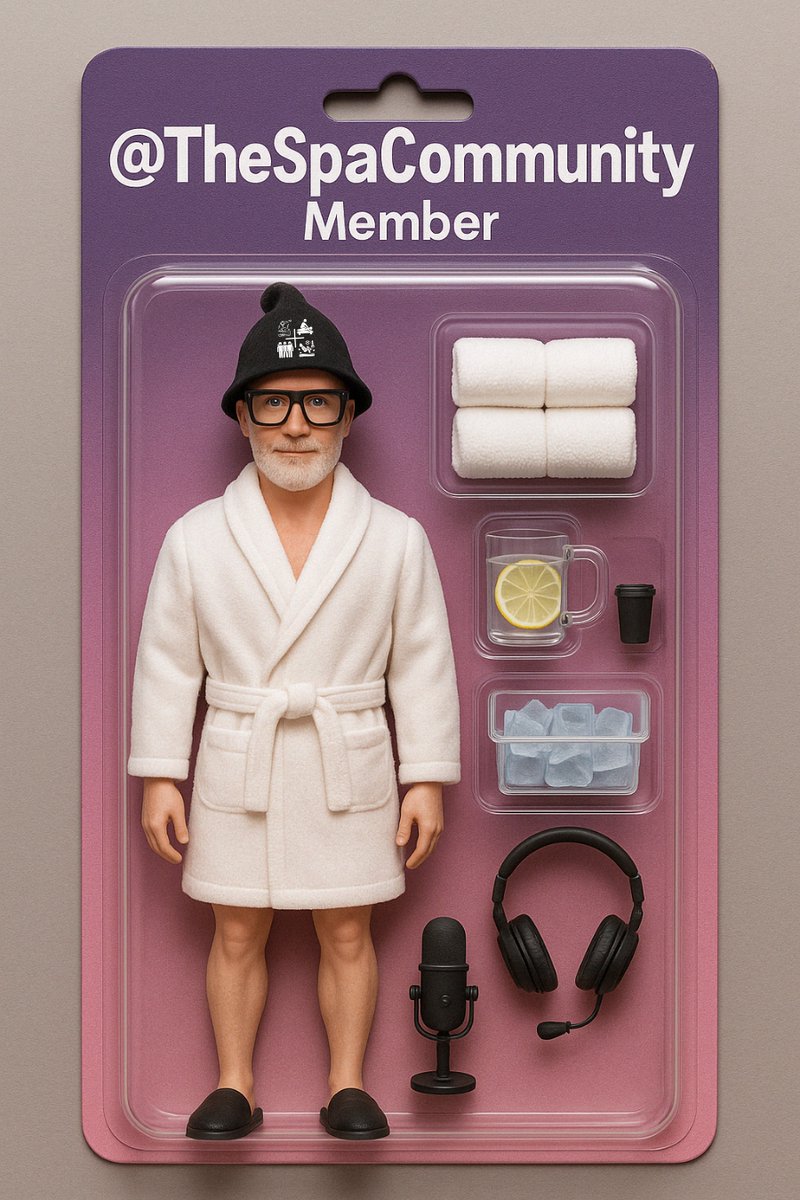
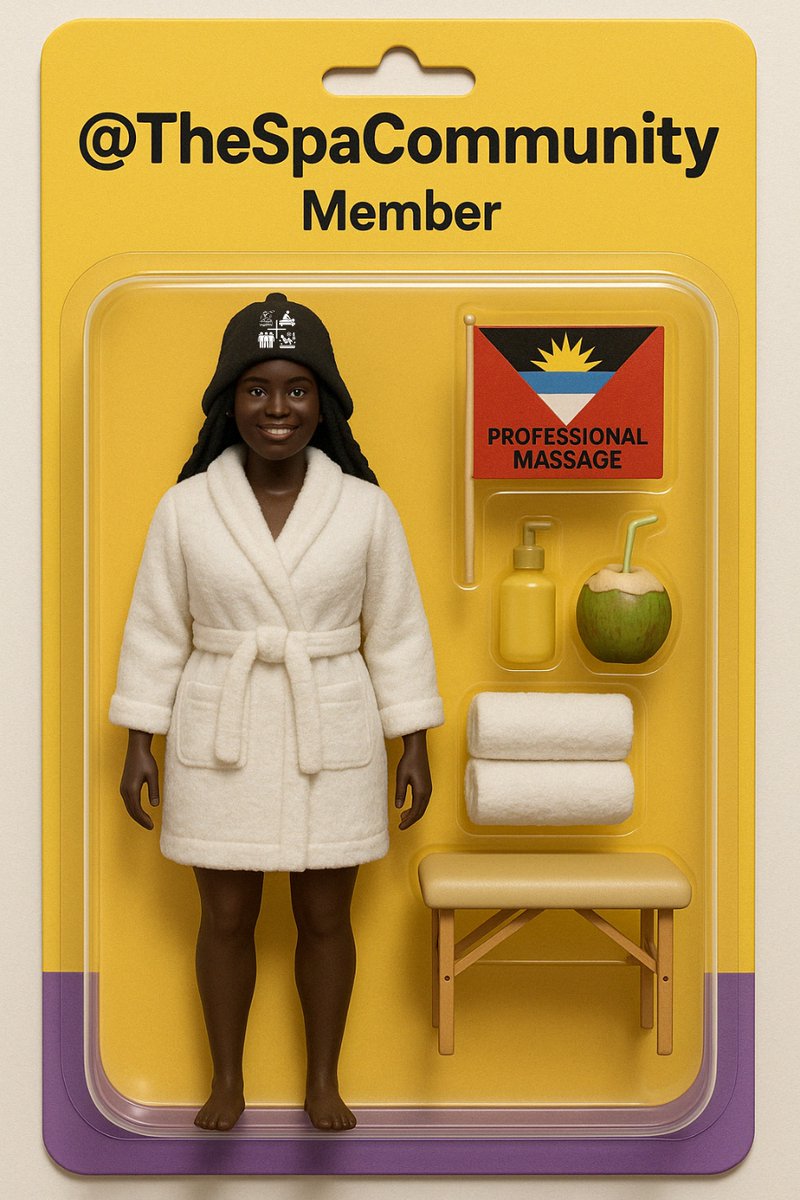
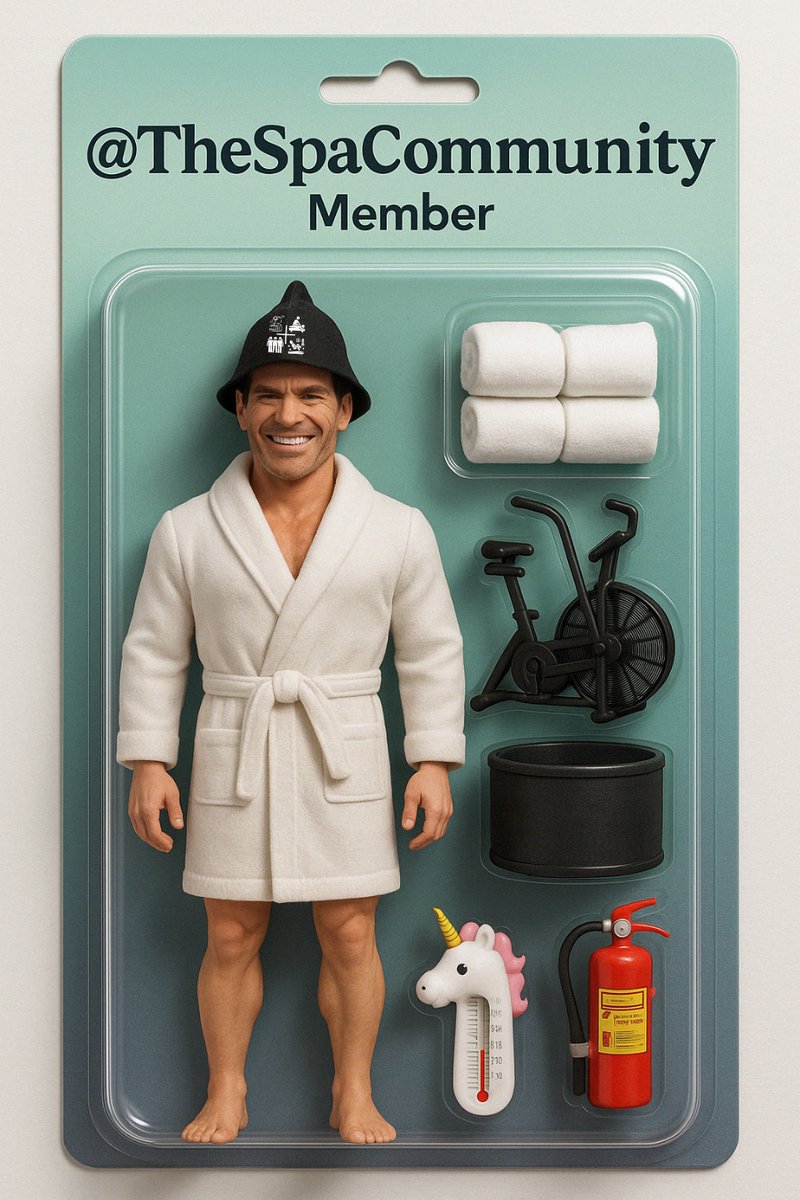
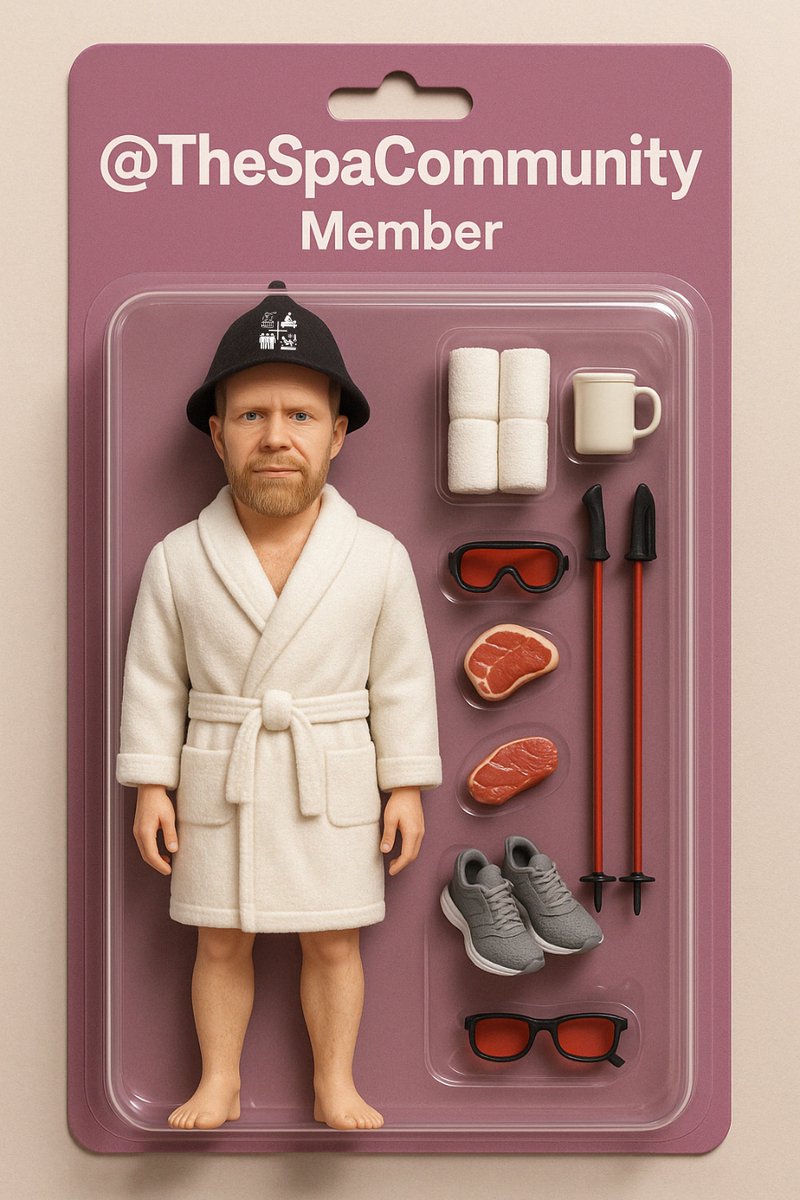
Here’s what you need to know about heating up the sauna👇🏻🔥
🔸 Use dry wood
🔸 Be careful - the door is hot!
🔸 Don’t throw the things you need in the fire 🤣🤣
Do you prefer an electric or a wood-burning sauna?🔥 Let me know!
#Finland
1
4
1,005
TheSpaCommunity retweeted
16 May 2025
Do you think AI and robotics will ever take over the wellness industry?
25%
Absolutely 100%
75%
50/50 innovation
0%
Only humans
0%
Only humans
4 votes • Final results
2
4
881
17 May 2025

1
6
466
16 May 2025
16 May 2025

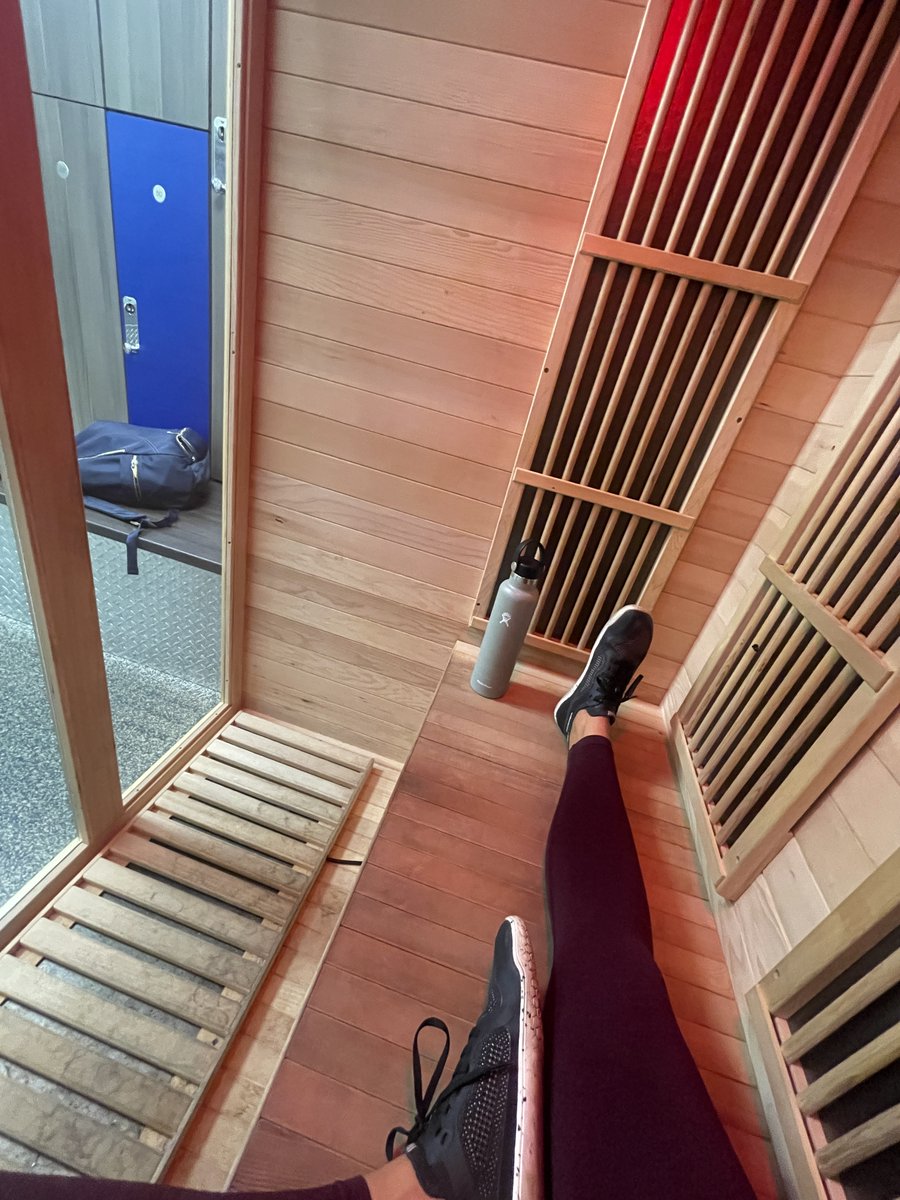
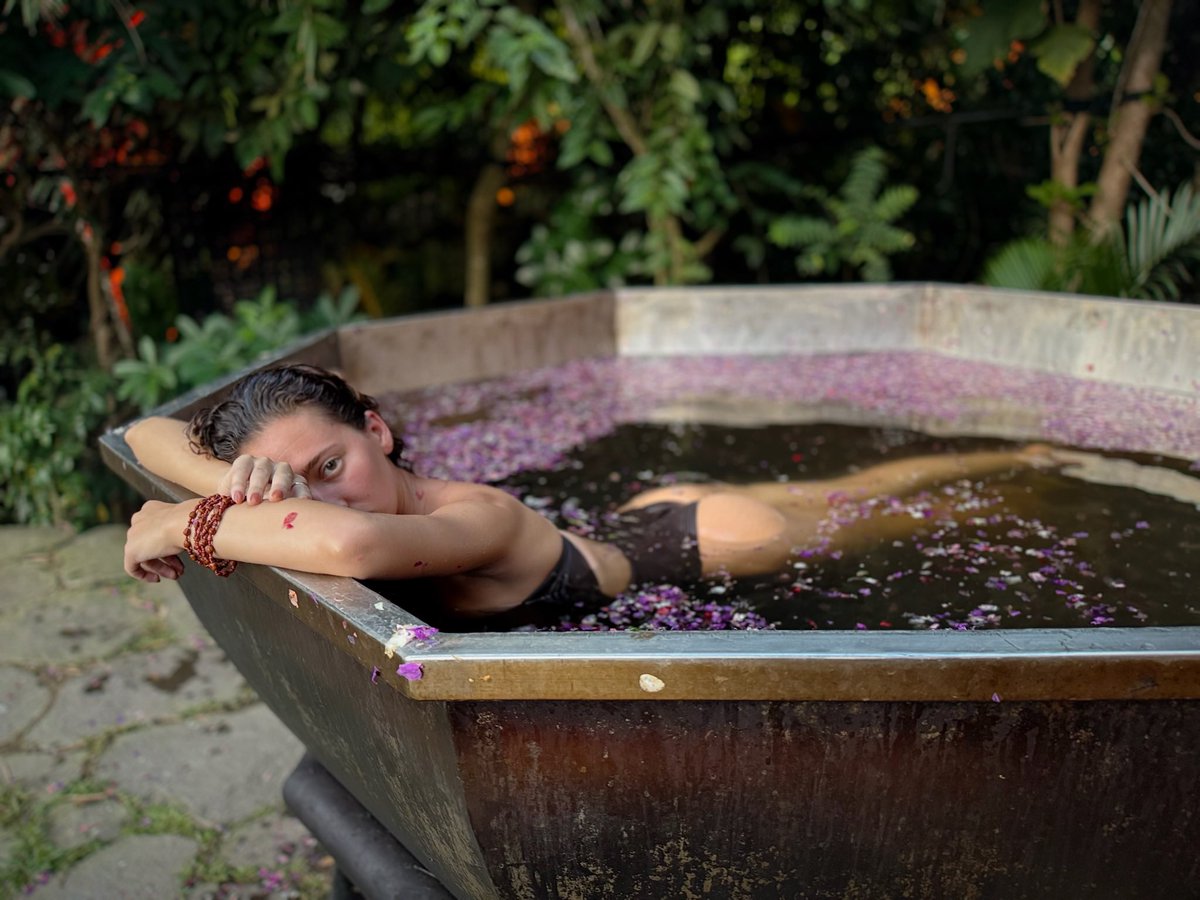
Mentally here… physically catching up on life.
captured at the Lumeira Wellness Complex in Nuanu City, Bali during the @collective_eth summit
post sauna, post cold plunge (my first ever) and into the sacred flower cauldron… all before being introduced to Parenia — a Slavic steam ritual 😌
1
4
416
9 May 2025
Do you use wellness apps or trackers?
20%
Yes, regularly
0%
Occasionally
40%
Never
40%
Want to try
5 votes • Final results
1
1
5
600
8 May 2025
7 May 2025

Is sauna worth the hype?
There's evidence that sauna is a potential detox and longevity intervention with benefits to heart, metabolism, brain health, and skin. We’re going to put it to the test.
Here’s what you need to know…🧵

1
4
483
7 May 2025
4 May 2025

Weekends in Russia = banya time!
A banya is a traditional steam bath/sauna and it’s a huge part of Russian culture. Most Russian houses have one, my grandfather built this one himself!
Have you been to a banya before?
1
4
371
6 May 2025
.@Thermasol
unveils "first off-grid solar-powered #sauna" in the US ~ dezeen.com/2025/05/05/therma… via
@dezeen
1
4
241
6 May 2025
18 Drops of Sweat is an inflatable hammam designed to "explore water consumption and rituals" dezeen.com/2025/04/25/18-dro… via @dezeen
1
4
217
6 May 2025
6 May 2025

100%!
All those Finnish "sauna" studies
are actually "sauna and cold plunge" studies in reality
1
5
309
TheSpaCommunity retweeted

6 May 2025
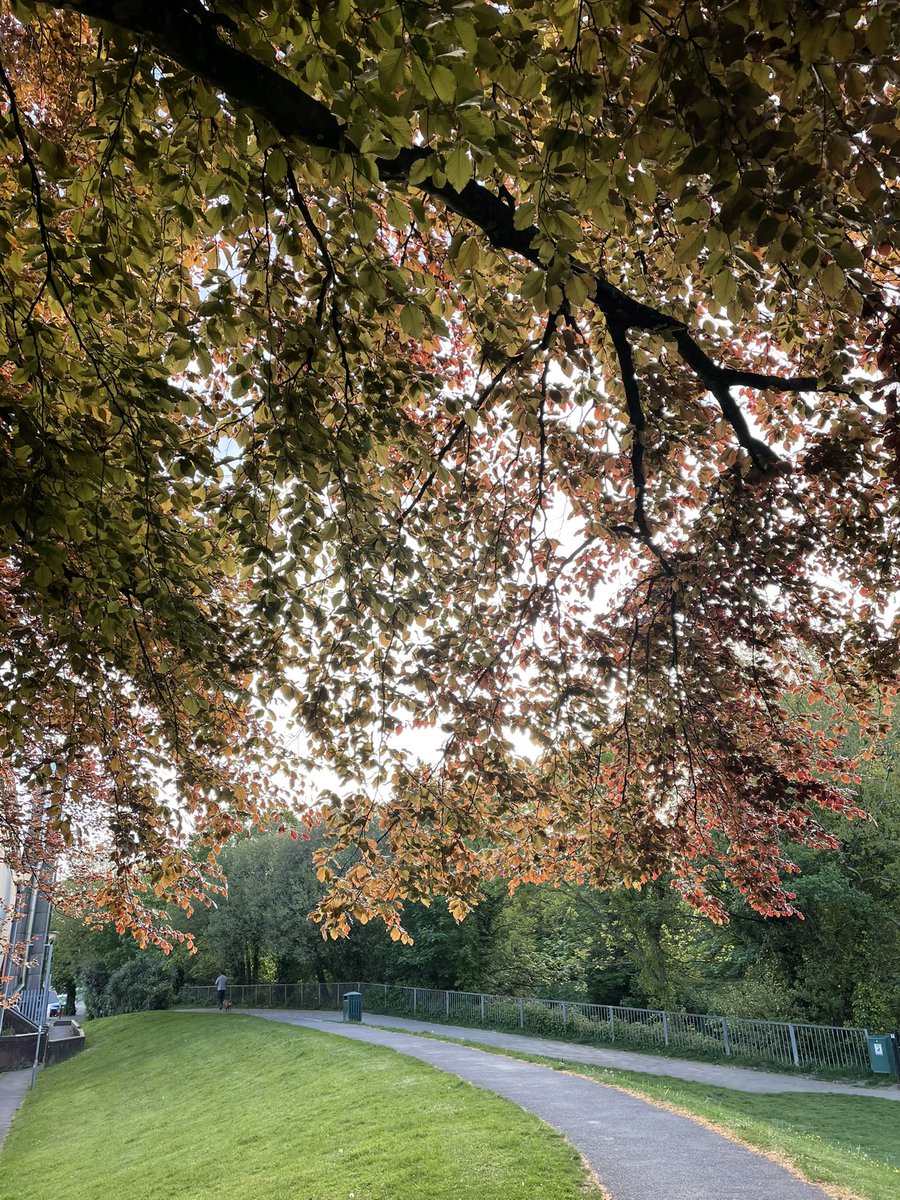
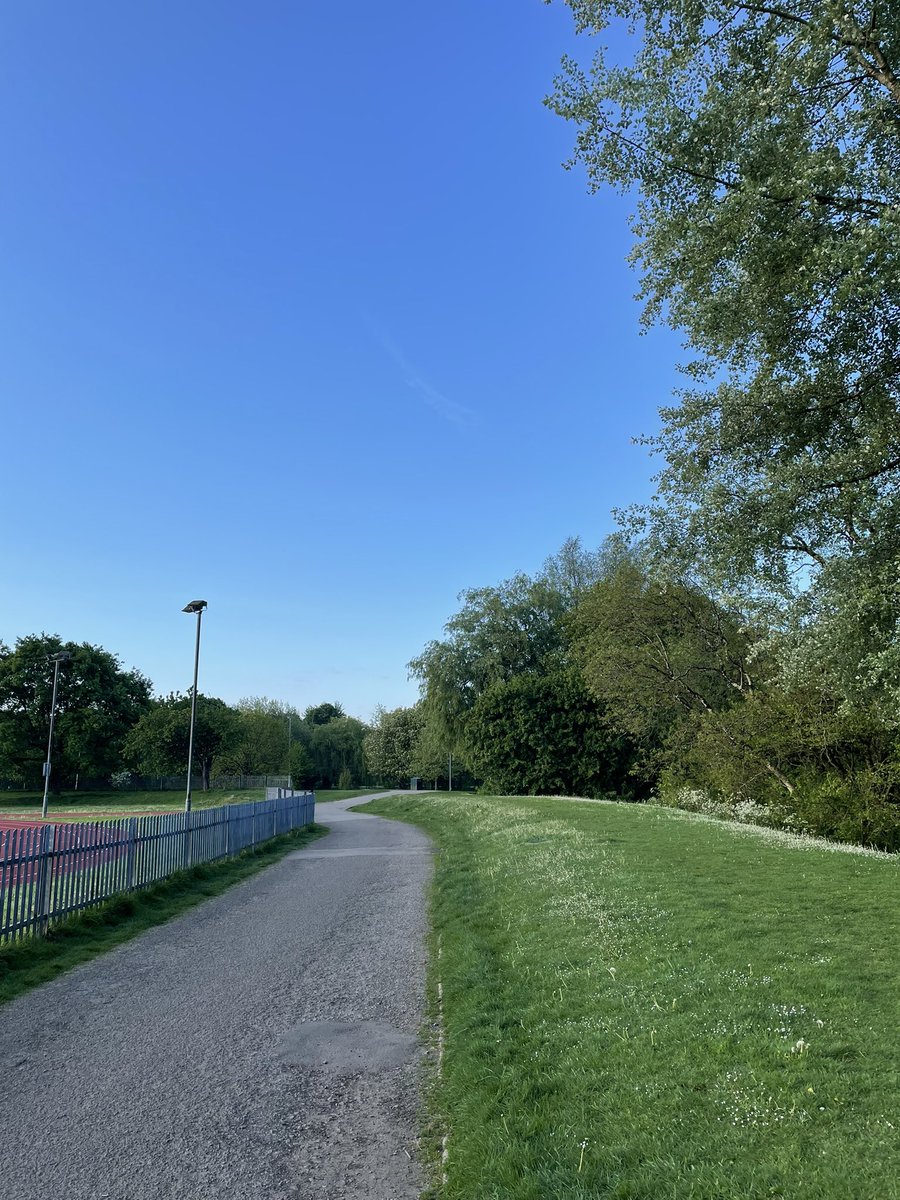
A run/swim/sauna/walk start to the day.
1
1
17
450
6 May 2025
5 May 2025

Is an ice bath too stressful for women?
Women who won't cold plunge are missing out on great benefits:
- regulate thyroid function
- boost sex satisfaction & fertility
- increase insulin sensitivity, resolve PCOS
- support pregnancy for better birth outcomes
- reduce menstrual cramps
- boost mood & the brain
1
8
312
6 May 2025
5 May 2025
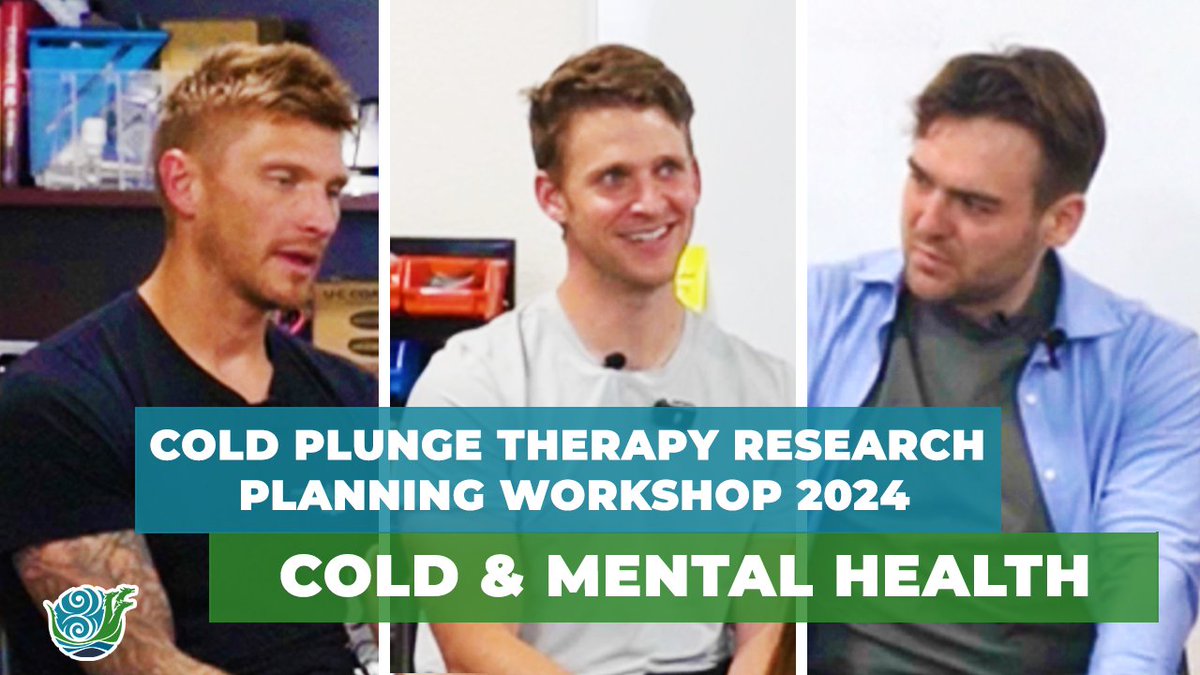
COLD PLUNGE THERAPY CAN CURE DEPRESSION
Some people who fail to respond to traditional talk therapy and anti-depressant medications have resolved their major depression with the benefit of whole-body cold-water immersion. In the Summer of 2024, I convened a panel of subjects who have each experienced significant relief from mood disorders in as little as one session of cold plunge therapy:
- One man confided that he had tried supplements, therapy, and everything he could think of... yet nothing was helping until he tried a Morozko ice bath. Cold plunge therapy became his stabilizer--like a rock that he can depend on, when nothing else was working.
- Another man was diagnosed with anxiety, OCD, and Tourette's syndrome when he was nine years old. His entire life since has been a struggle with mental health disorders. He discovered that swimming in a 38-degree cold river brought him relief from his anxieties and that all of the difficult thoughts and emotions he had been carrying went away.
- A third man described how his attempt at suicide by drowning was interrupted by the cold Baltic Sea. Once he plunged into the water, he found new sense of perspective, and he realized that he wanted to live.
There are several mechanisms, the most important of which are metabolic and neurochemical.
Metabolic
Cold therapy stimulates mitobiogenesis--i.e., creation of new mitochondria--that resolves metabolic disorders. Mitochondria convert blood glucose, lipids or ketones into ATP to power & provide energy for almost all processes in the body. This energy can be used to move muscles, repair tissues, or fuel growth.
When mitochondria are rejuvenated through cold exposure, insulin sensitivity improves, energy improves, and overall health benefits. However, when mitochondria are defective, and insulin resistance is high, brain function suffers.
Neurochemical
Hormones and neurotransmitters are released into the bloodstream in response to cold stimulus. These include the feel-good neurochemicals like dopamine and norepinephrine, and also bonding and attachment hormones like vasopressin and oxytocin. It is impossible to be in a bad mood when there is three times the levels of normal dopamine coursing through your bloodstream.
1
8
265
TheSpaCommunity retweeted
2 May 2025
What’s most important to your sense of well-being?
25%
Physical health
50%
Mental peace
12%
Strong relationships
12%
Financial stability
8 votes • Final results
1
2
4
678
3 May 2025
#SaunaLife
SHOREDITCH GETS THE UK’S FIRST SOCIAL WELLNESS SPACE TO MIX A 40-PERSON SAUNA, ALCOHOL-FREE BAR, PLANT-BASED CAFÉ AND URBAN LIVING london-post.co.uk/shoreditch… via @LondonPostUK
1
6
422
2 May 2025
What’s most important to your sense of well-being?
25%
Physical health
50%
Mental peace
12%
Strong relationships
12%
Financial stability
8 votes • Final results
1
2
4
678
2 May 2025
♻️Same poll year after year♻️
- This way we can see what is changing within “The Spa Community”, every year there are new people and fresh opinions...
- Each Friday there is a new poll with wellness-related topics.
- Last year's results are always communicated under the new poll, so that everyone can compare.
3
57