
Joined March 2026
- Tweets 838
- Following 789
- Followers 685
- Likes 1,359
111 Photos and videos




Jun 13
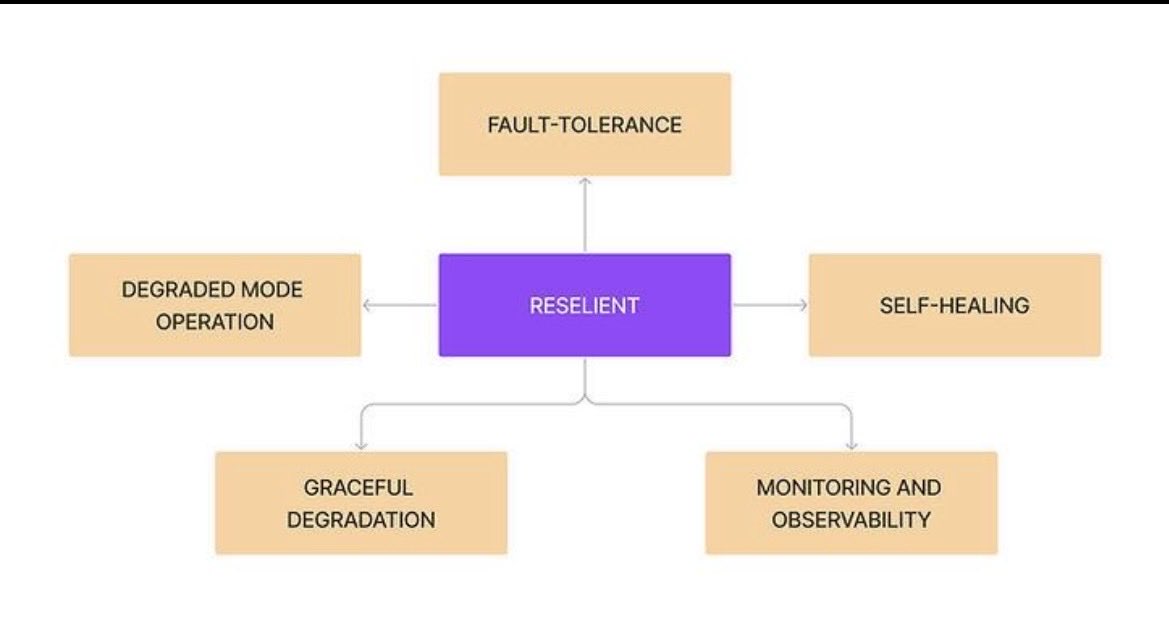
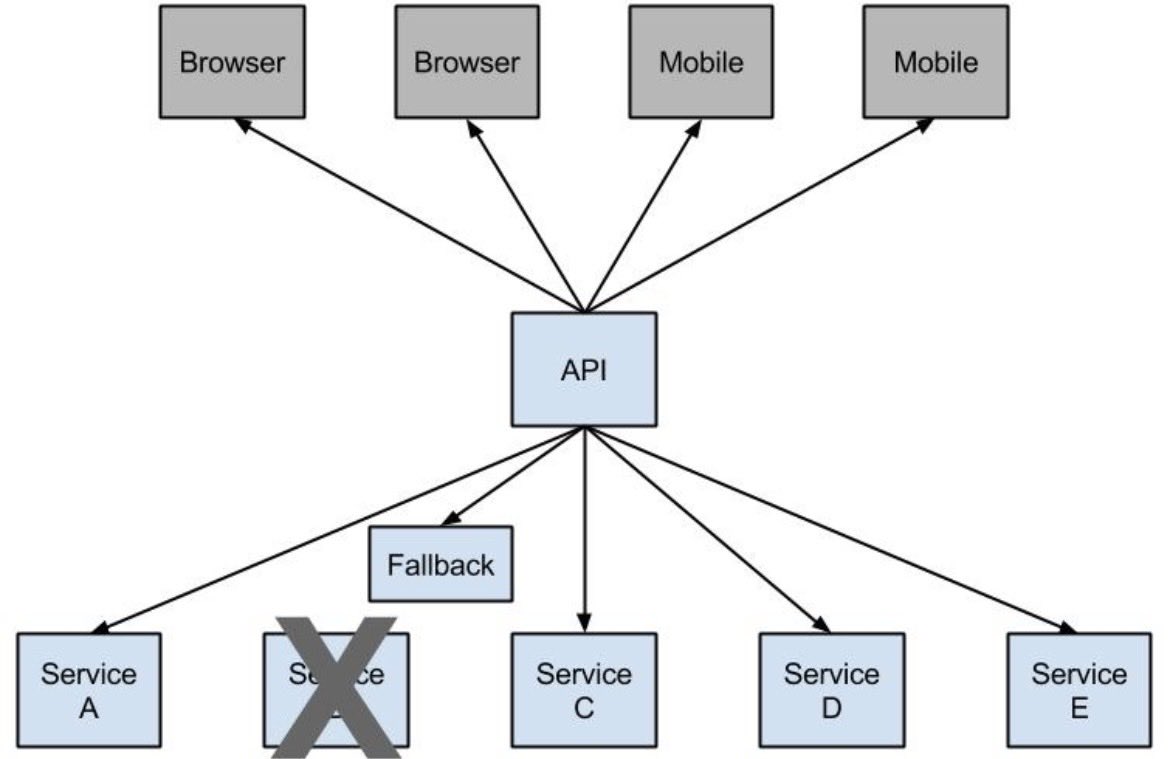
One service going down shouldn’t bring down your entire app.
Graceful degradation keeps the essentials running, even when dependencies fail.
Users may lose a feature.
They shouldn’t lose the experience.
3
205
Jun 11
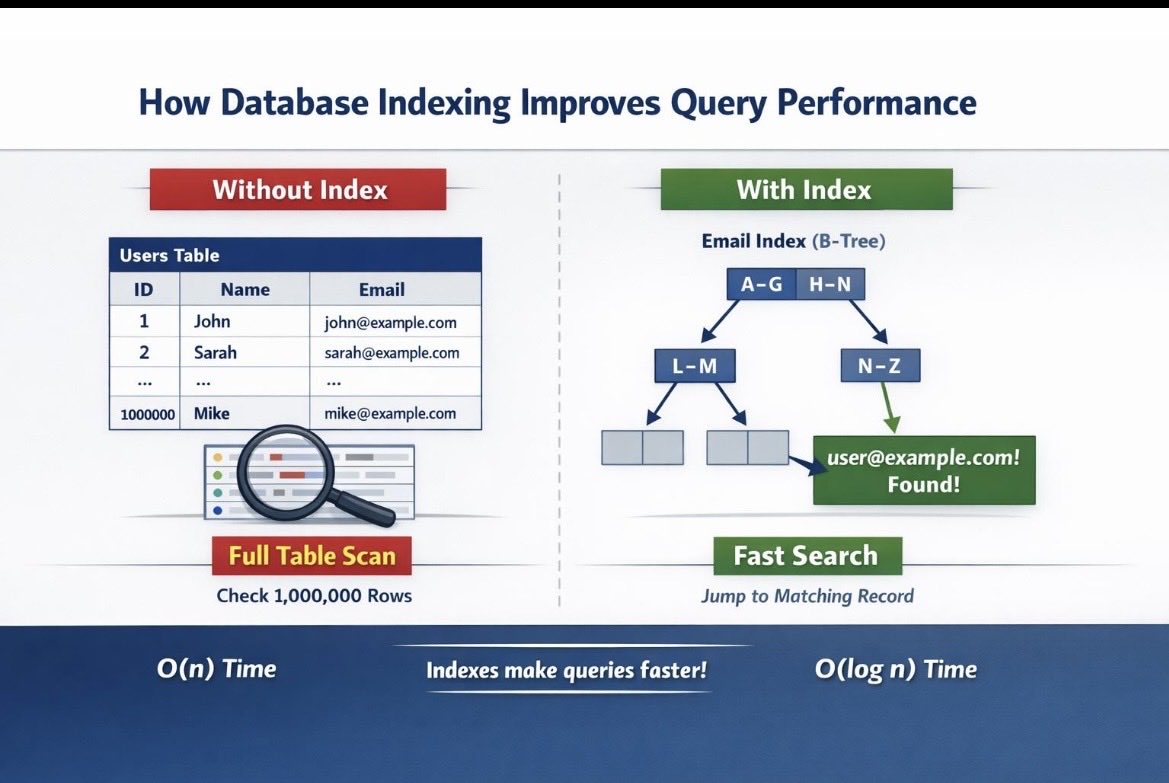
Indexes are like superpowers for queries.
But every superpower comes with a price.
Too few indexes and reads suffer.
Too many and writes pay the bill.
Balance is where performance lives. ⚖️
3
251
Jun 10
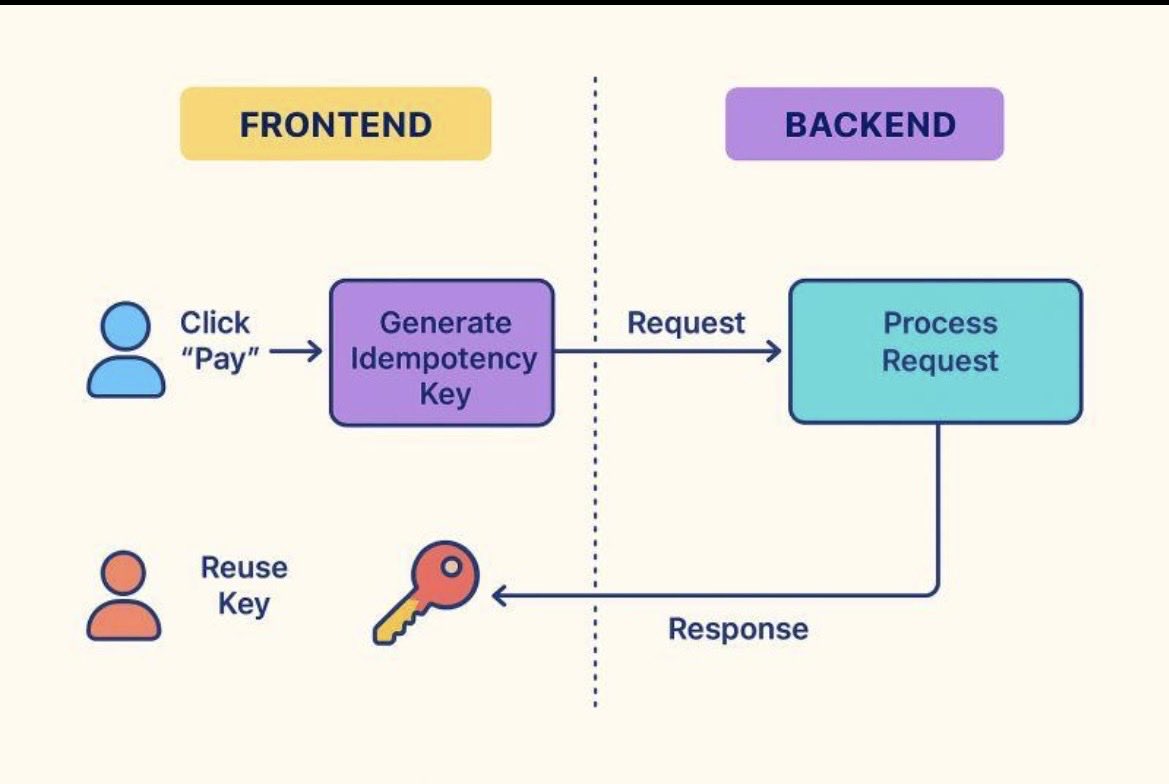
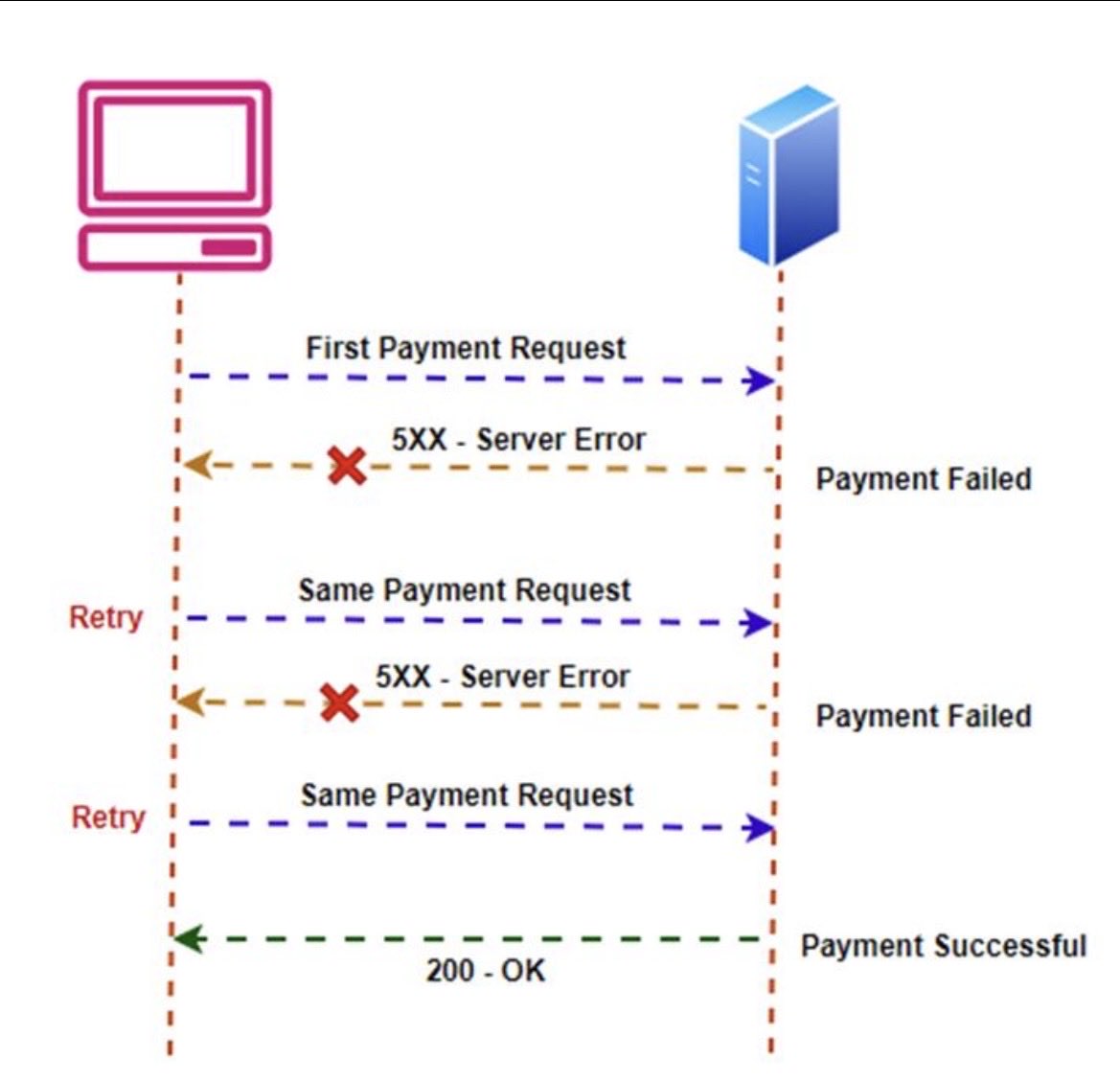
Users double-click.
Networks retry.
Clients resend requests.
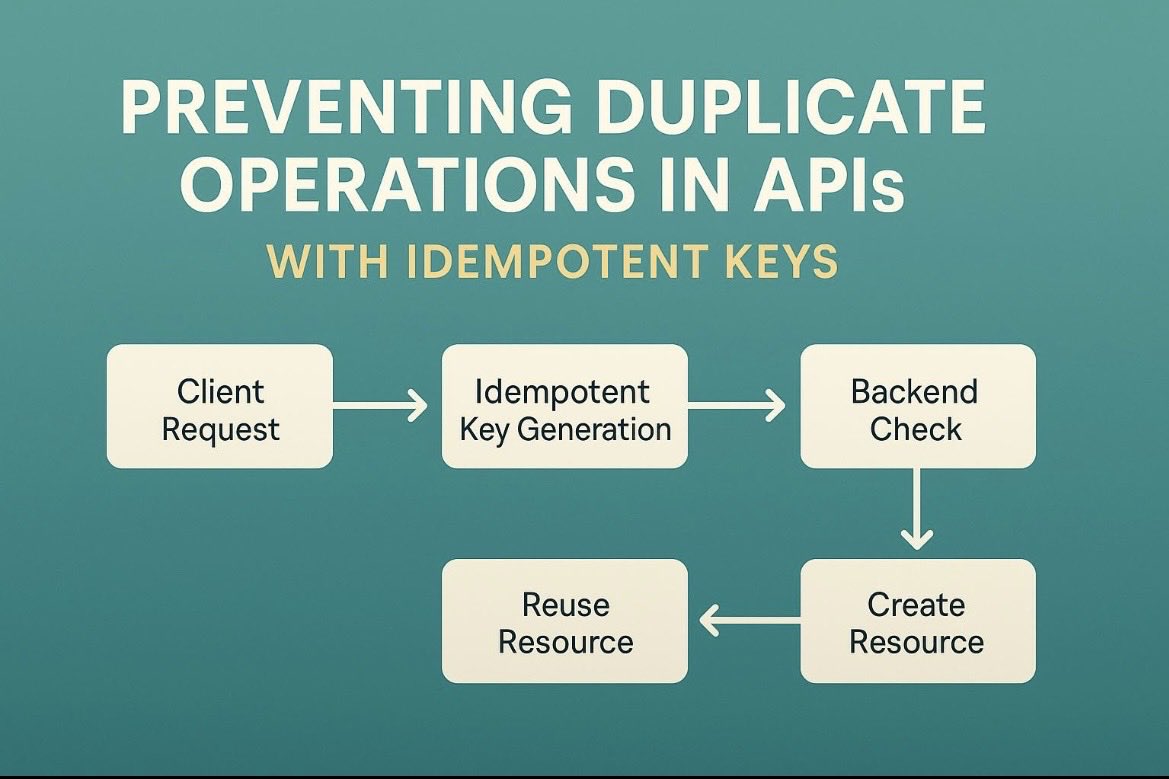
Idempotency keys make sure one action stays one action.
No duplicate charges. No duplicate orders.
3
253
Jun 8
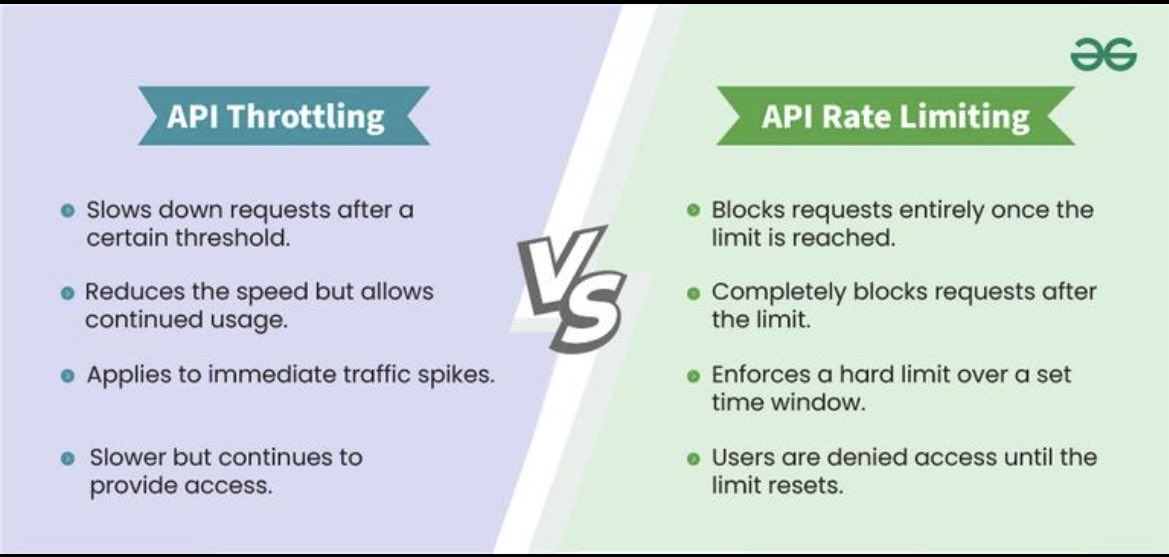
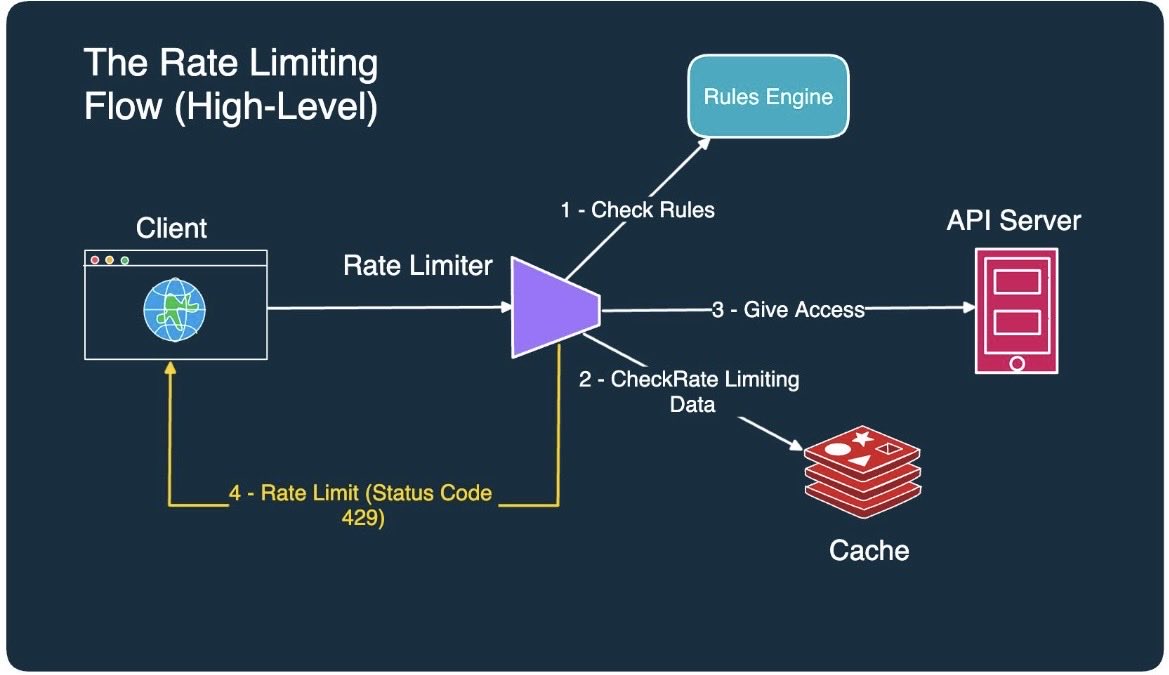
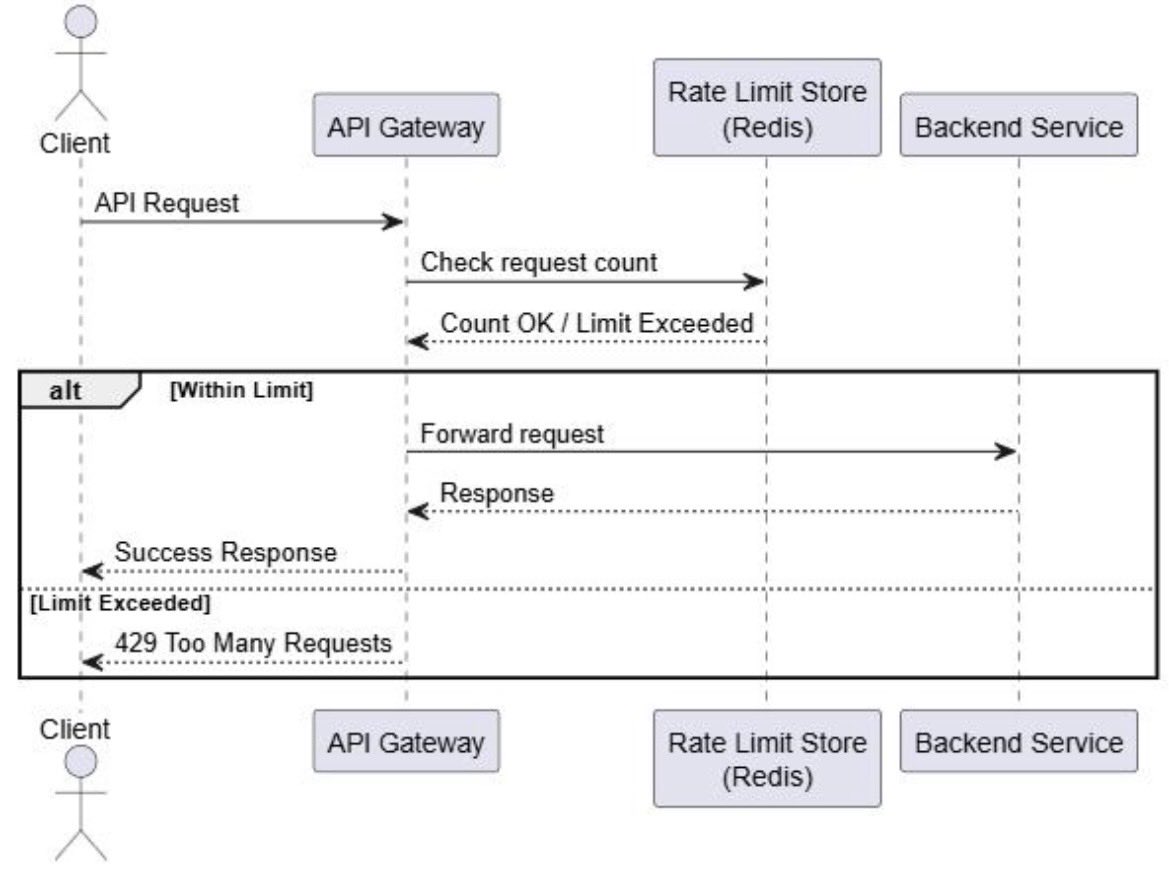
Rate limiting isn’t a feature you appreciate on a normal day.
It’s the feature you’re grateful for when your API suddenly goes viral.
Because a little throttling is better than a complete outage.
3
248
Jun 6
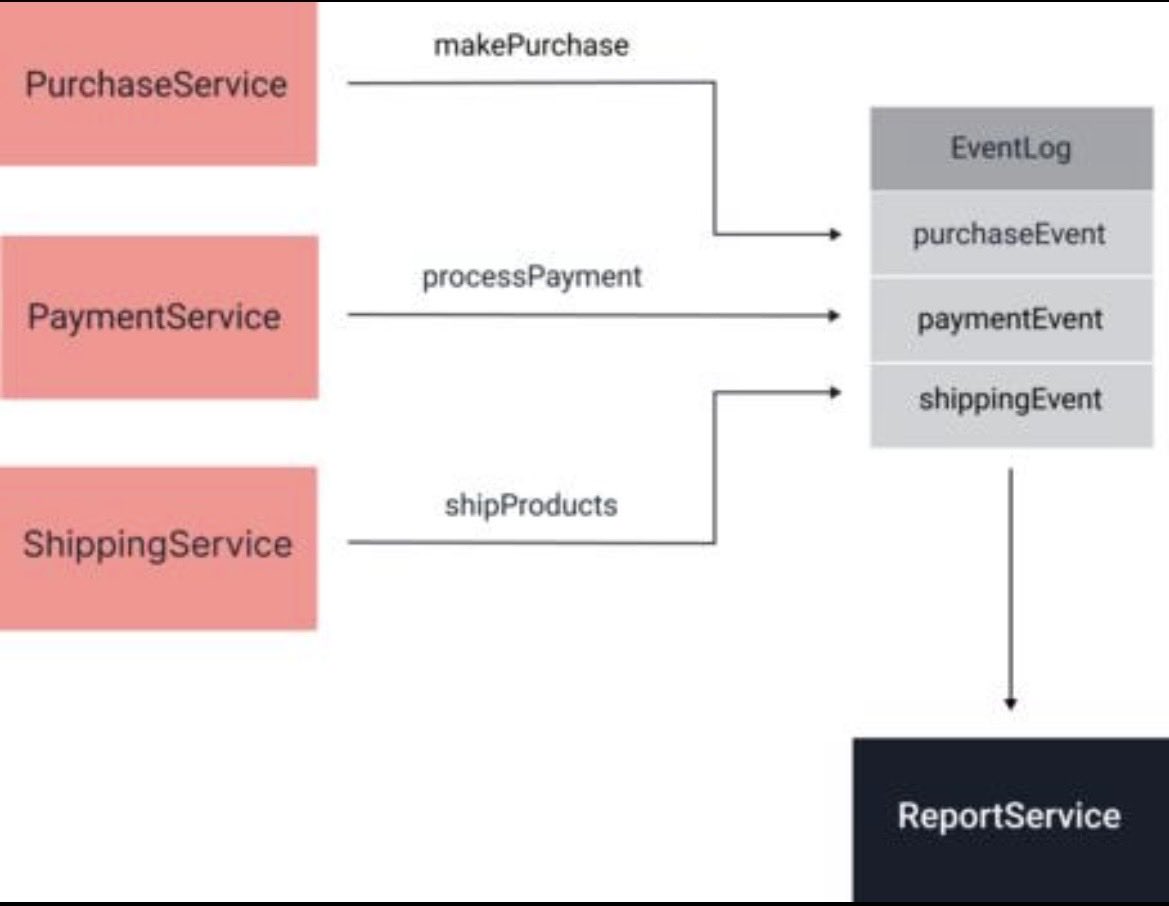
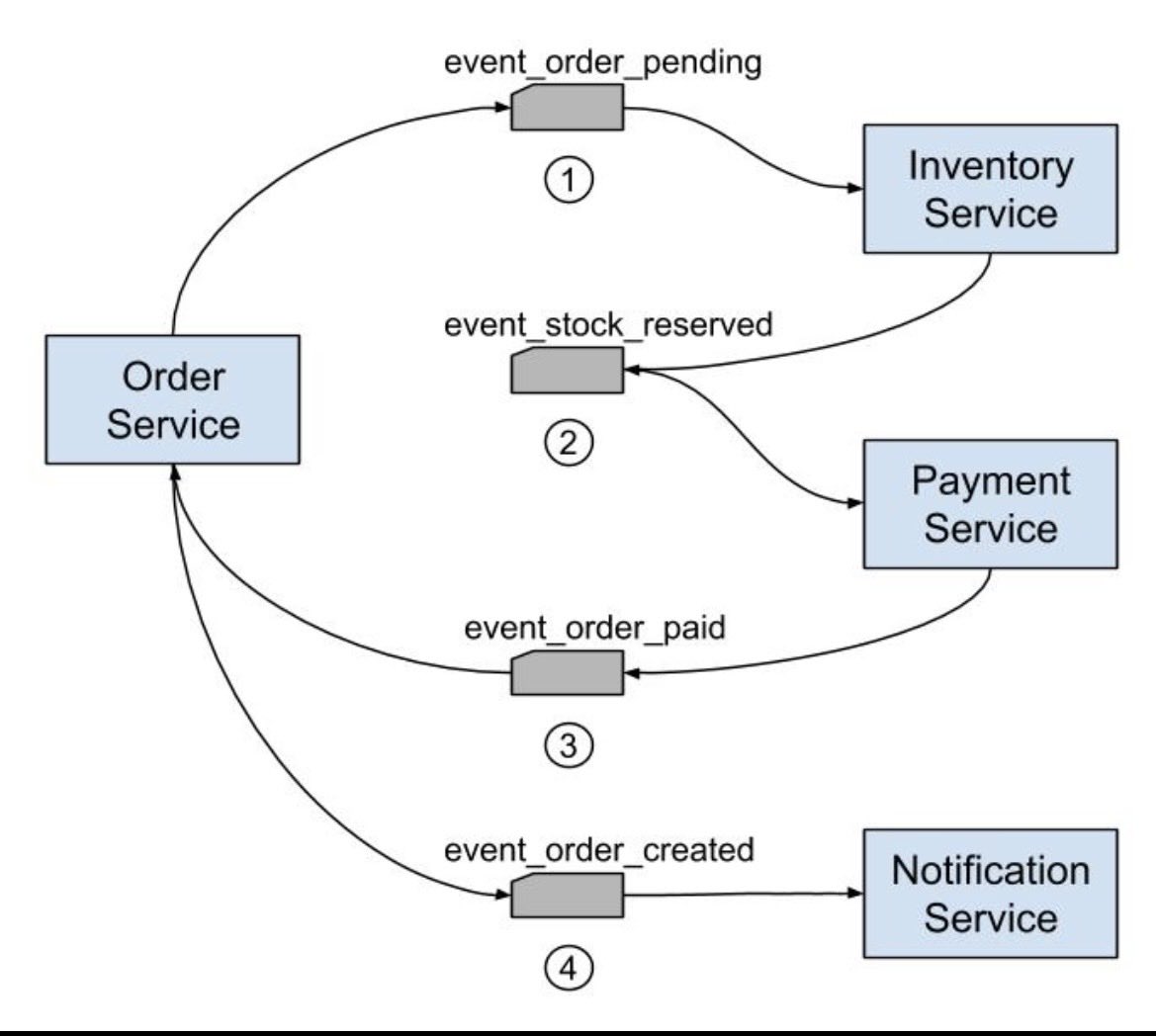
Traditional databases tell you what the current state is.
Event Sourcing tells you how you got there.
Every state change becomes an event, giving you built-in audit trails and the ability to replay history whenever needed.
3
238
Jun 5
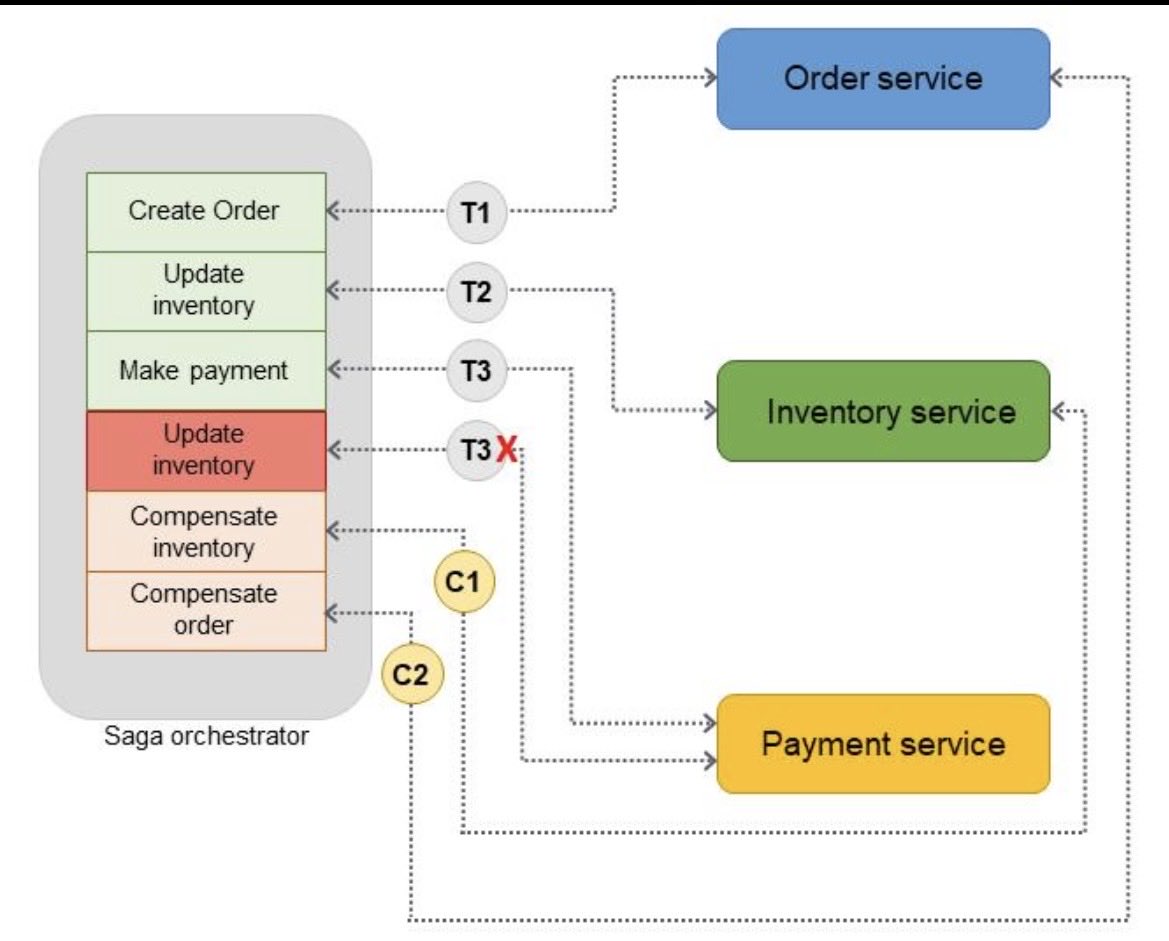
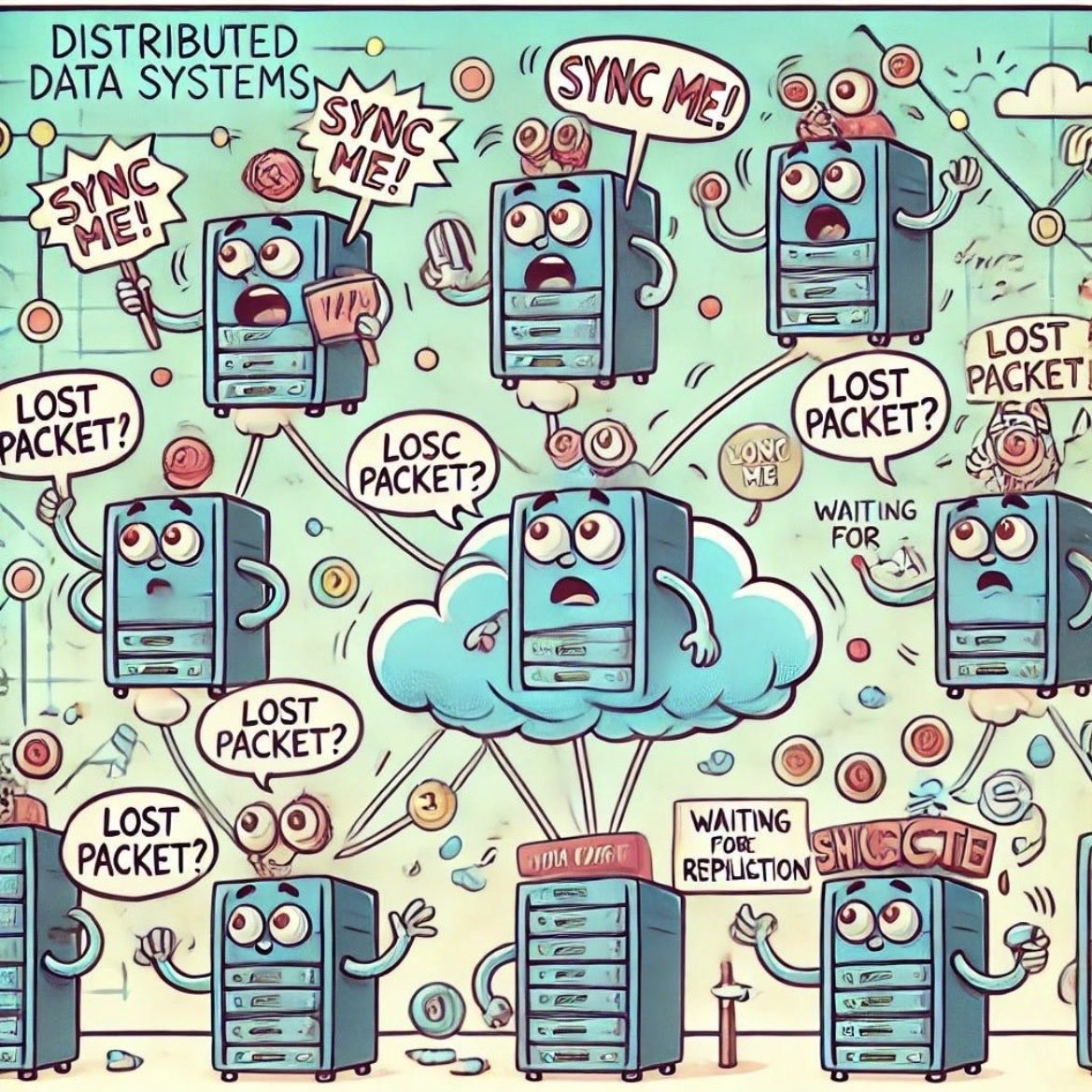
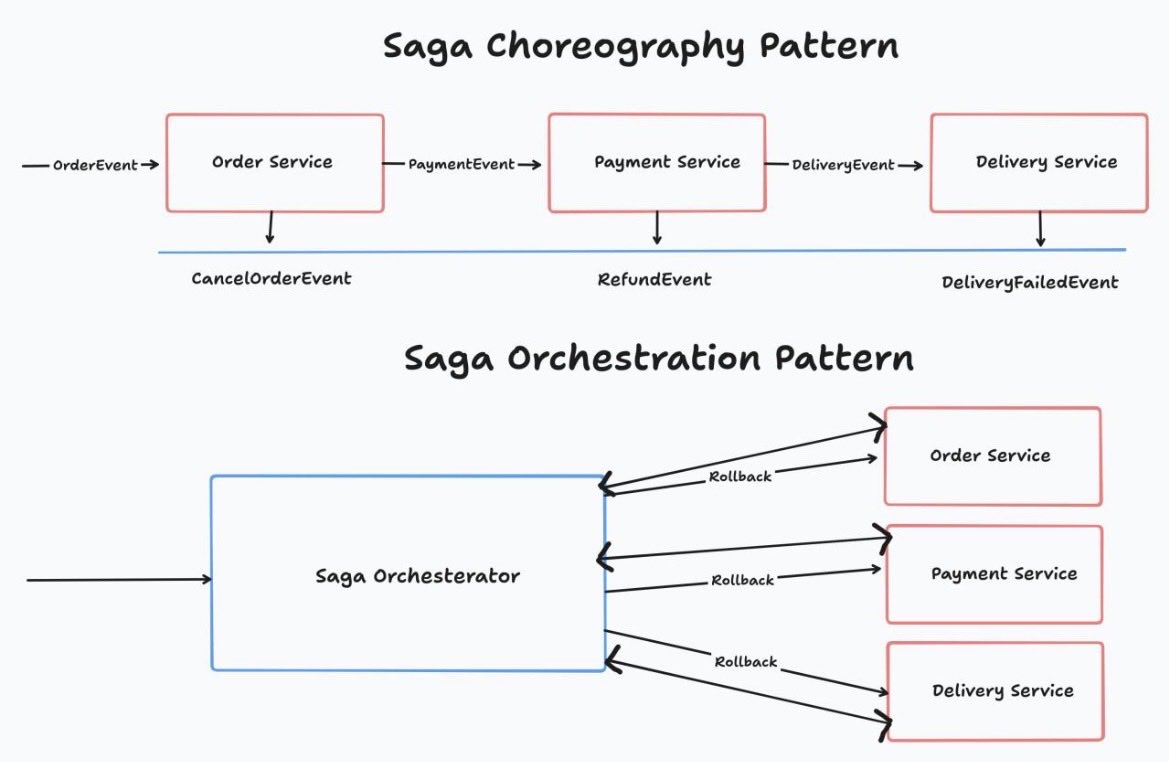
A transaction starts in Service A.
Then Service B fails.
What now?
The Saga pattern handles this through compensating actions instead of a global transaction.
In distributed systems, recovery matters just as much as success.
3
248
Jun 4
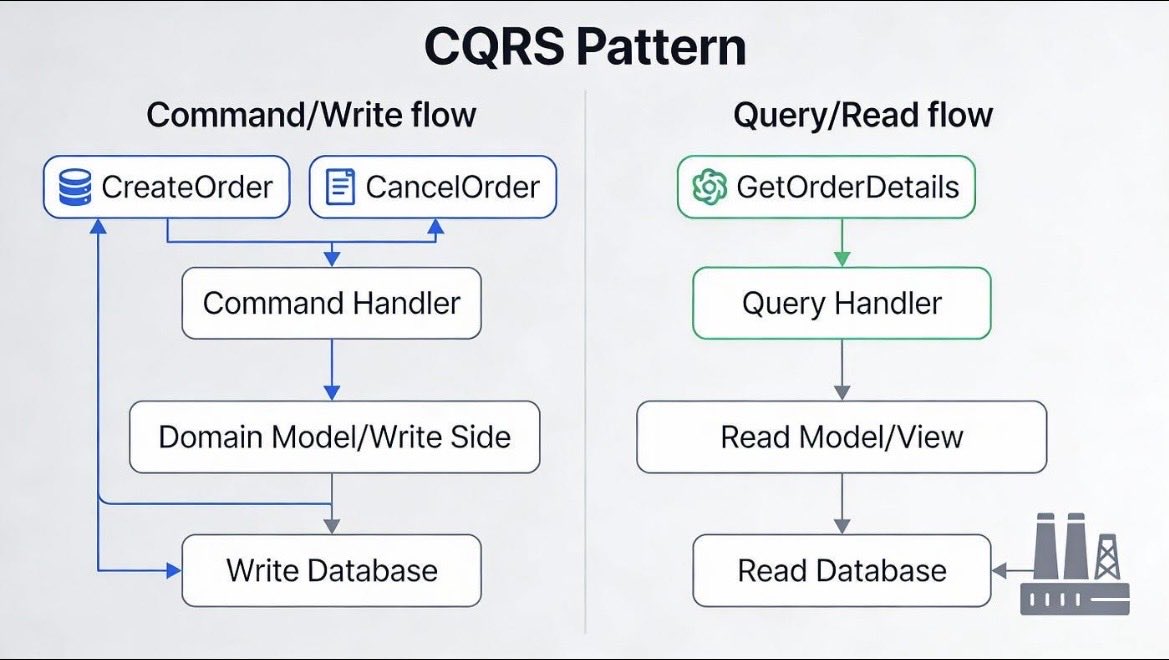
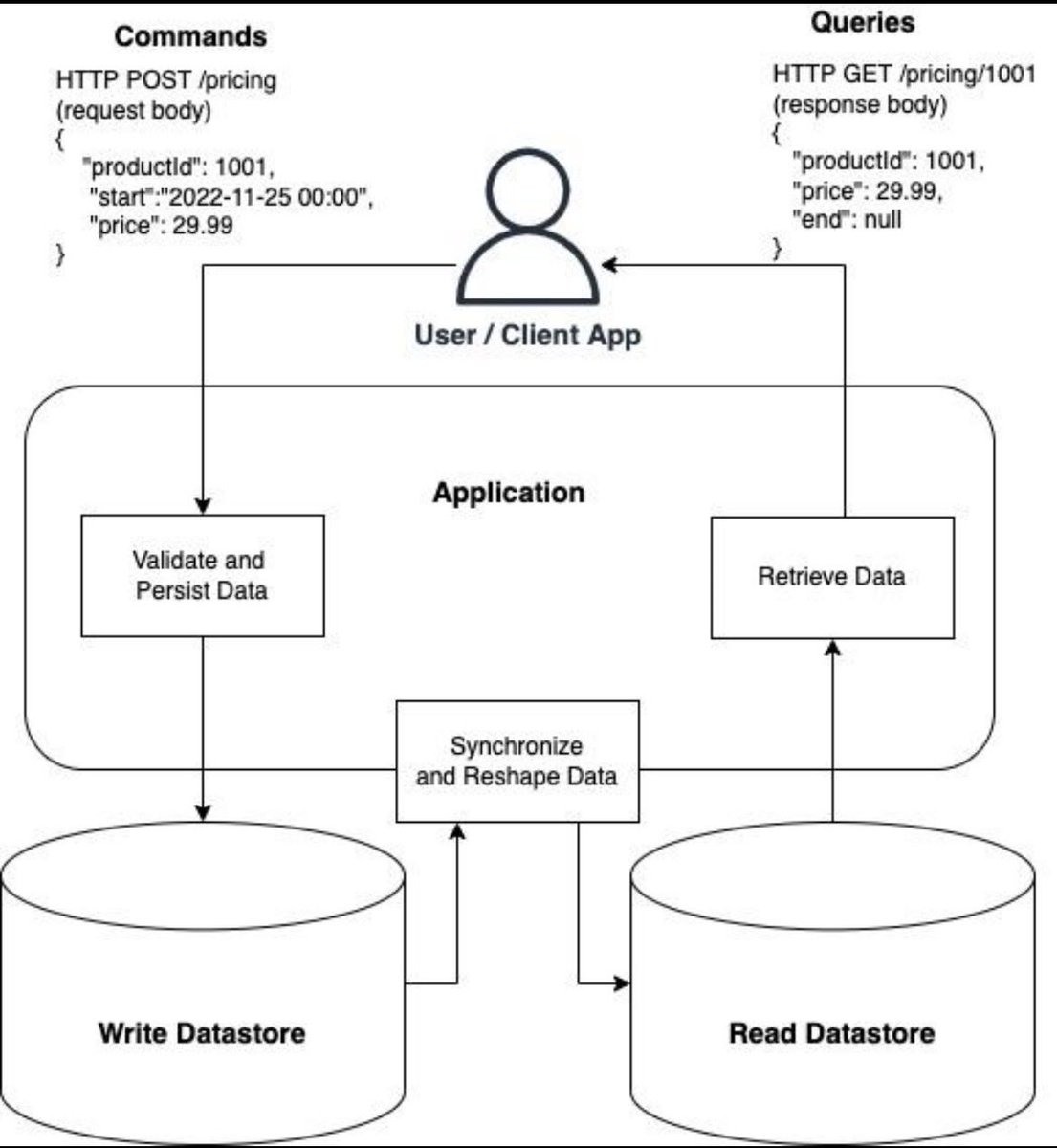
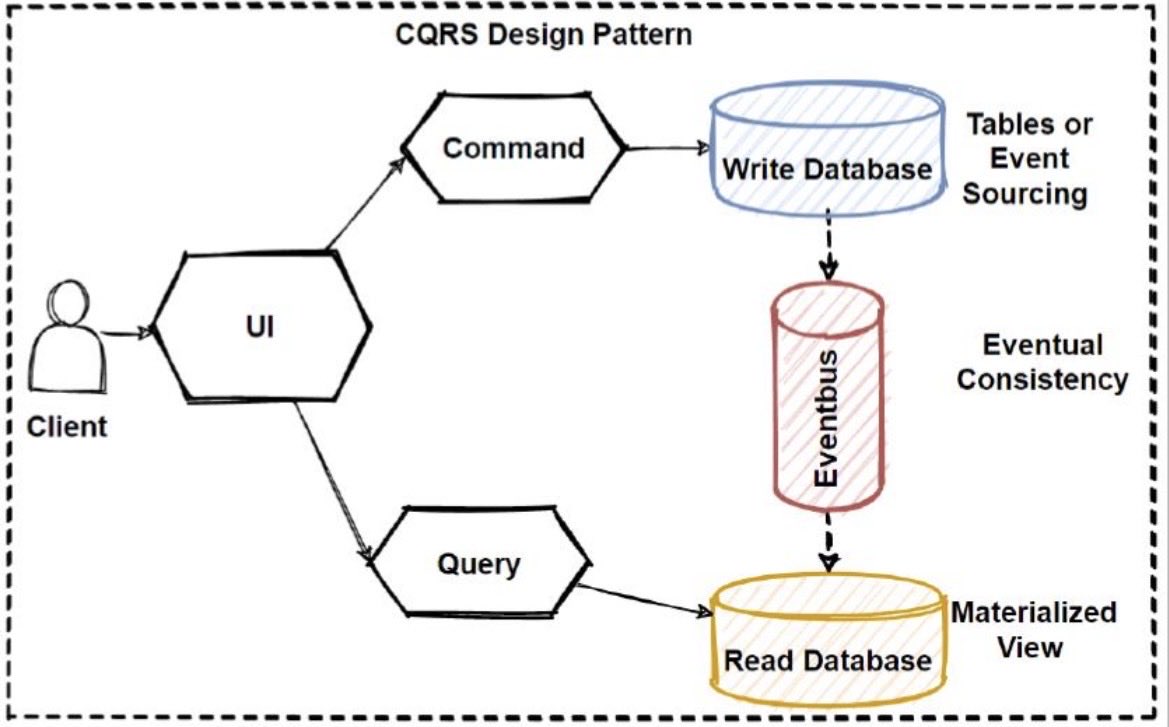
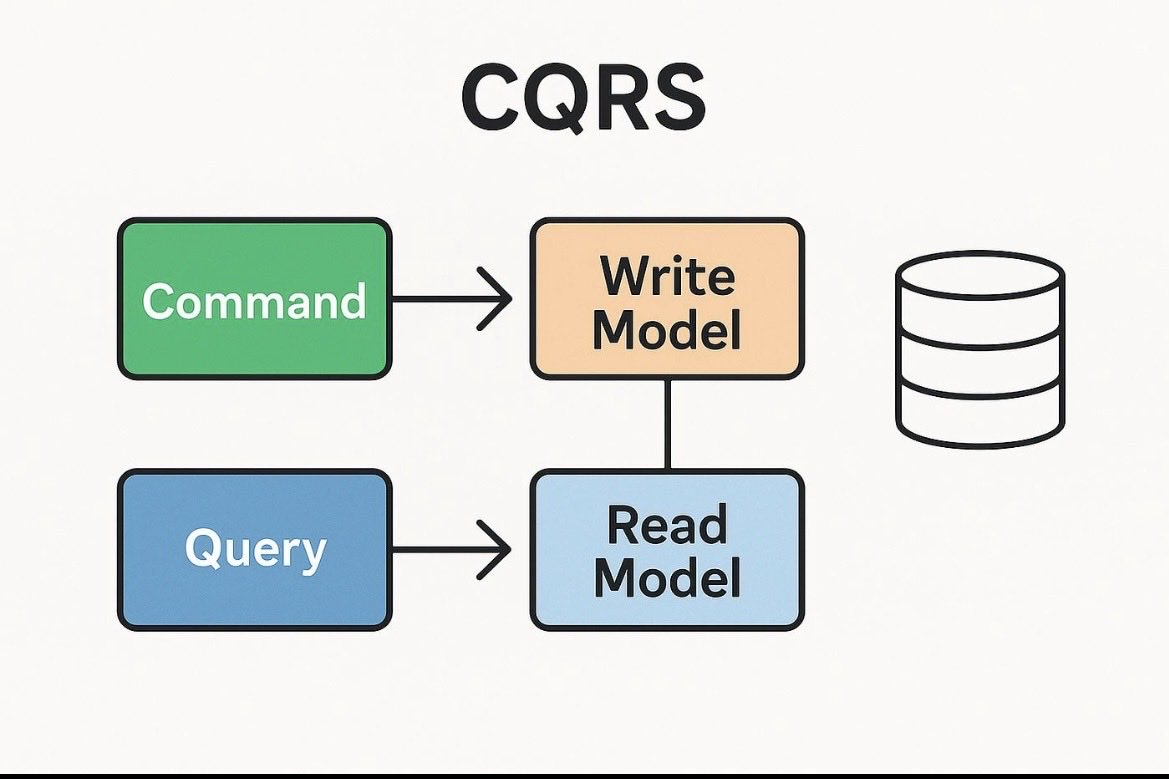
High traffic app?
Don’t make reads and writes share the same path.
CQRS separates them, making it easier to scale what users do most: read data.
3
249
Jun 2
Anyone can split a database into shards.
The hard part is picking a shard key that still works when traffic is 100× higher.
3
241
Jun 1
Circuit Breaker is the seatbelt of microservices.
When one service crashes, it prevents the failure from spreading across the entire system.
Small pattern. Huge impact.
1
3
240
May 31
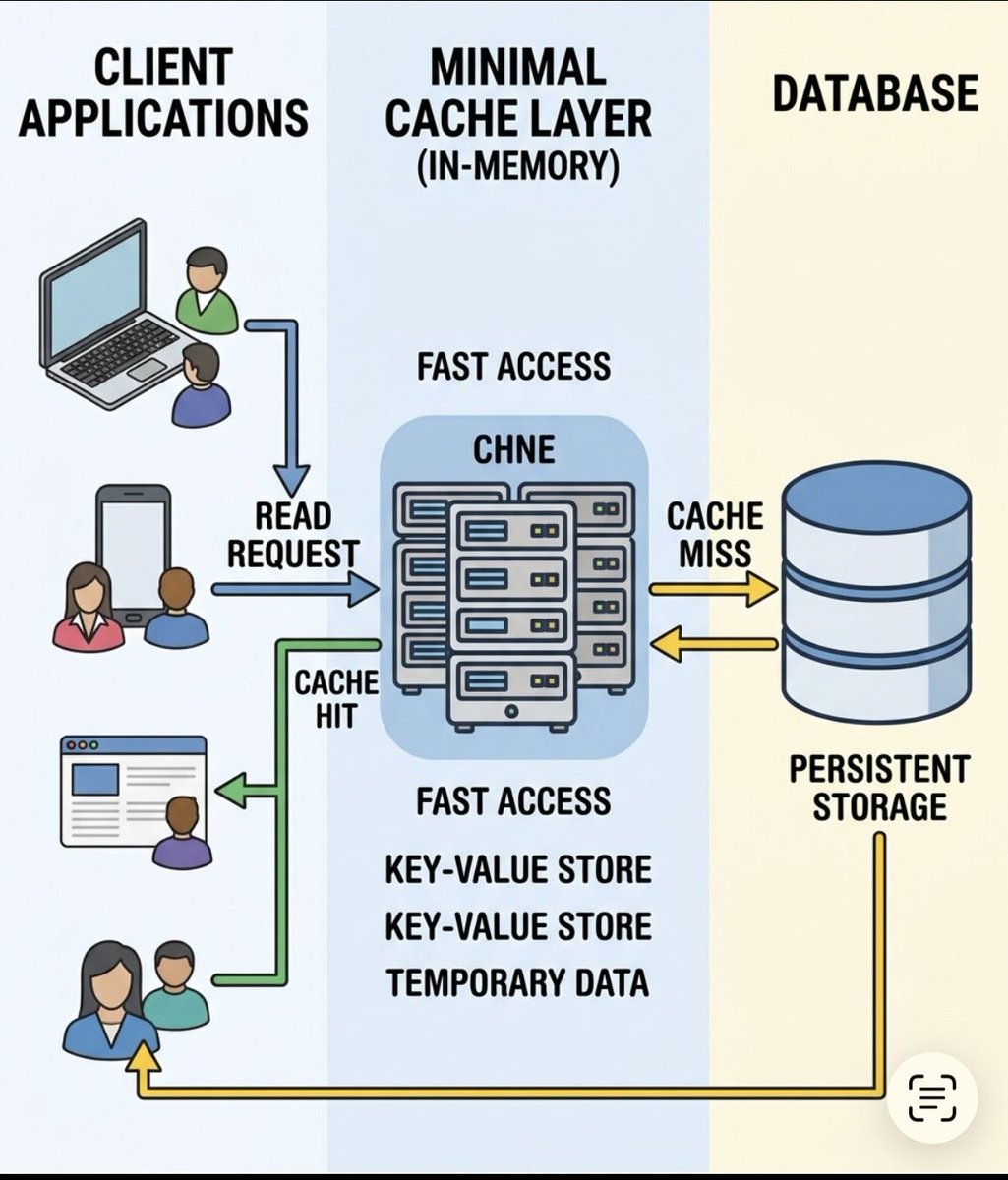
Cache is king in system design.
But cache invalidation? That’s where even seniors lose sleep.
3
261
May 30
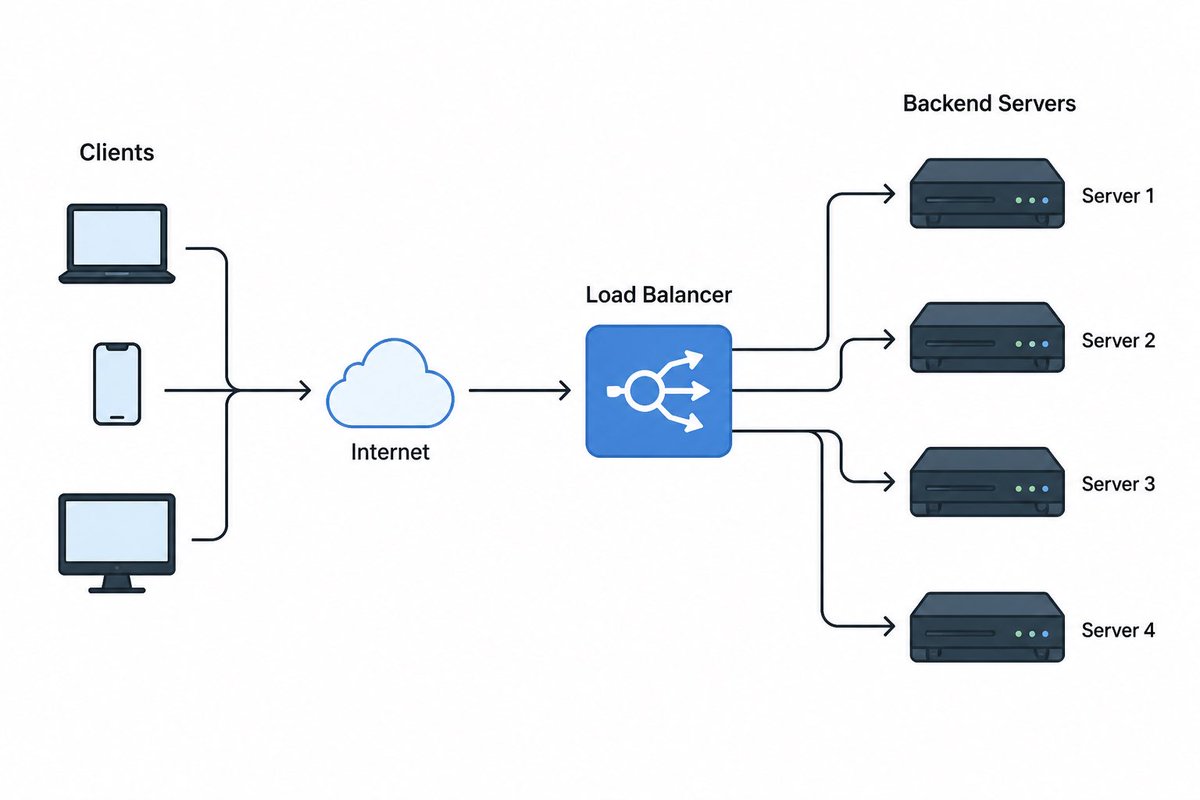
Load balancers don’t just distribute traffic.
They stop your single server from becoming the bottleneck when users flood in
3
278
May 28
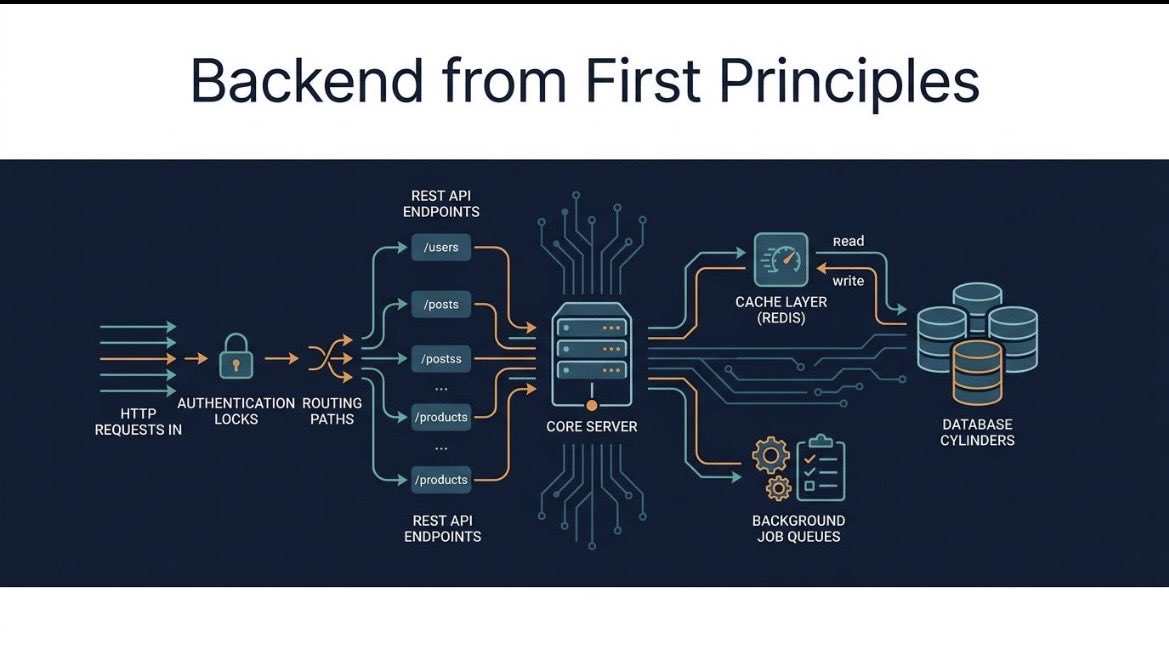
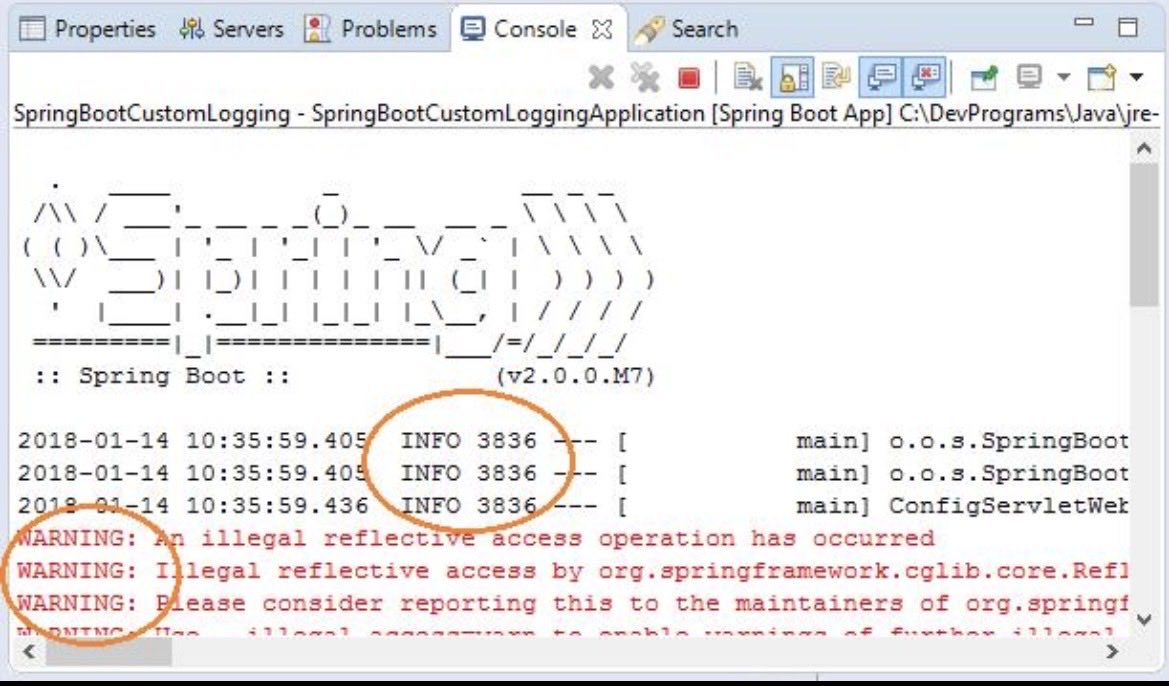
Backend engineering is basically:
“Everything is working fine”
until one small config changes and suddenly:
Kafka stops consuming
Redis starts timing out
one microservice dies silently
alerts explode at 2AM
#BackendEngineering #Microservices #Java #SpringBoot
1
3
267
May 26
Backend engineering is basically:
fixing one issue,
creating two new ones,
then acting surprised in production.
3
253
May 25
Most backend bugs are just:
one config change pain confusion.
#BackendEngineering #Java
3
271
May 24
I enjoy backend work because most improvements are invisible to users.
Faster response times.
Better reliability.
Cleaner architecture.
Nobody notices when things work smoothly
3
294
May 23
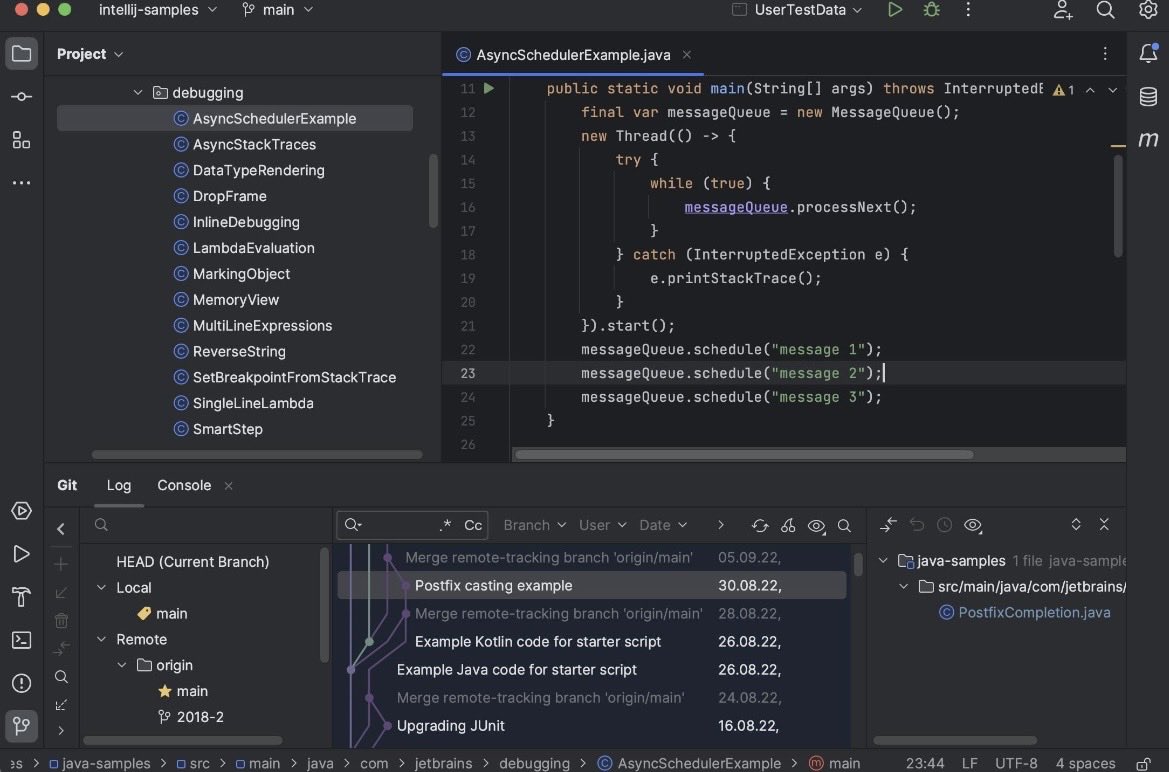
A lot of engineering growth comes from debugging systems you didn’t build yourself.
That’s where you really learn to read code carefully.
4
271
May 21
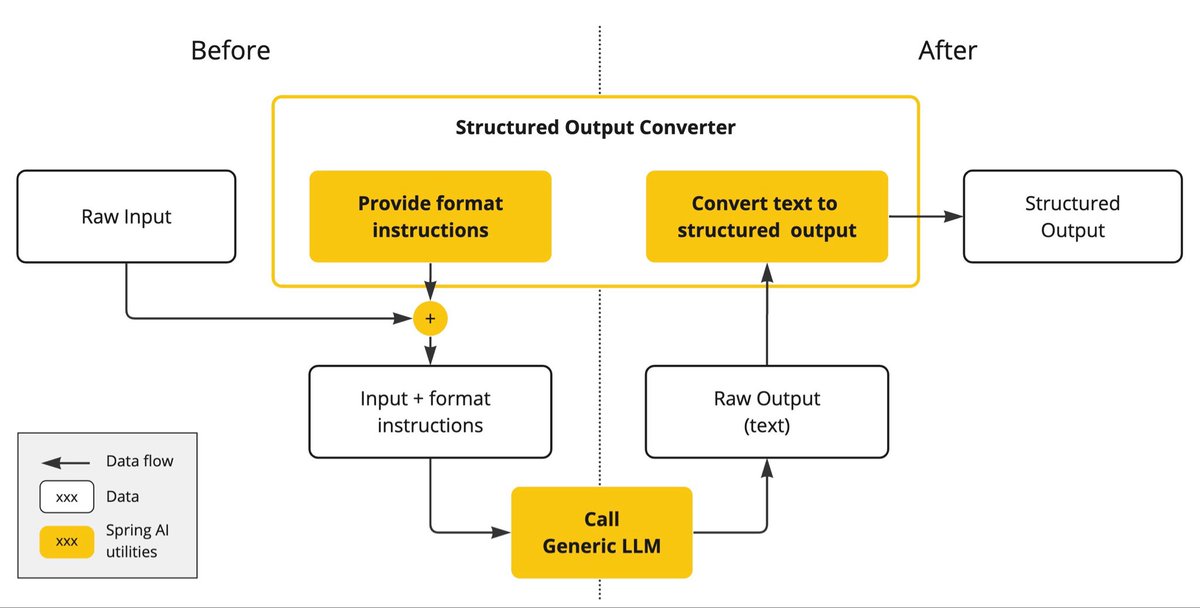
Tired of parsing messy LLM JSON with regex at 2 AM? 😩
Spring AI Structured Output = perfect POJO every single time:
• Just give it a Java class
• LLM obeys the schema
No more “sorry, invalid JSON” errors.
Game changer for backend integrations.
4
325
May 20
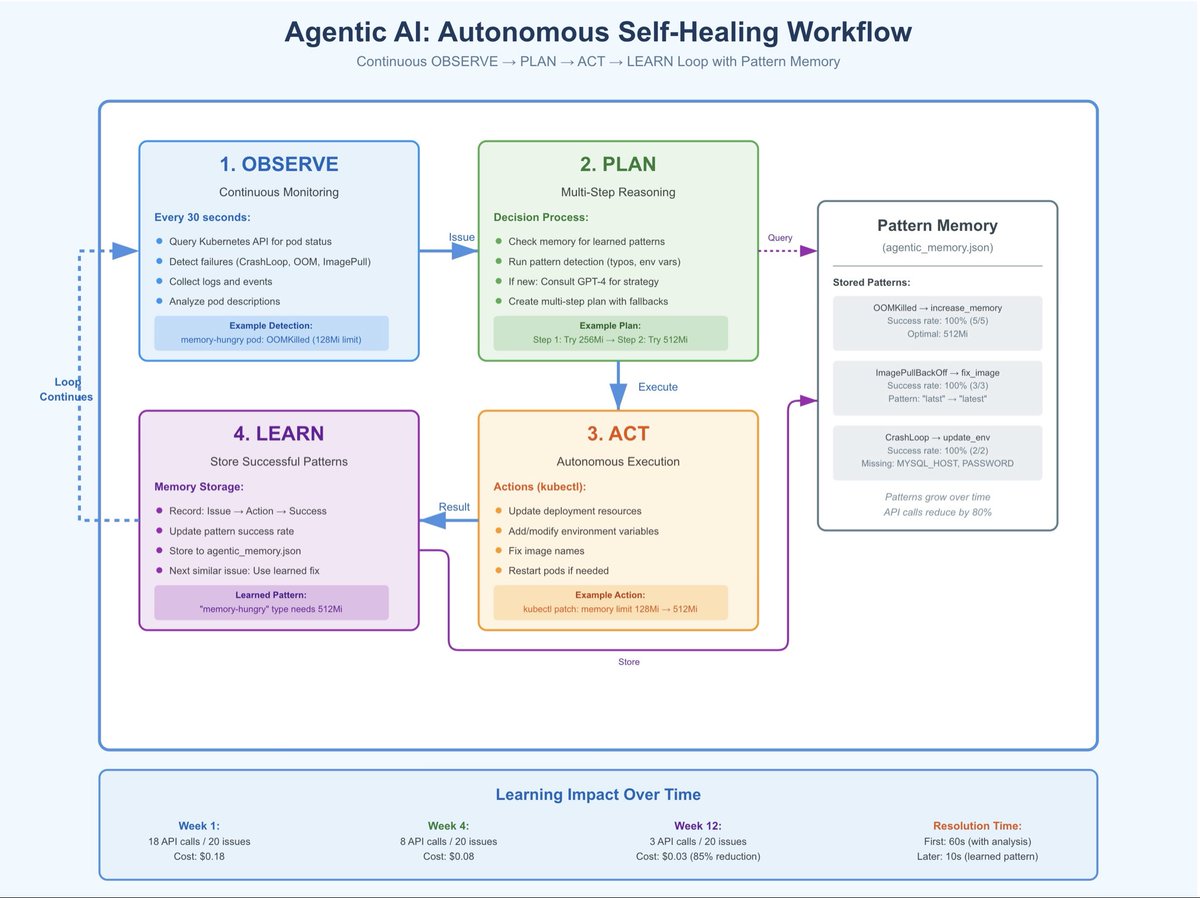
Your microservices crashing at 3 AM?
Build autonomous self-healing with Spring AI observability loop:
• Observe → Plan → Act → Learn
• LLM decides the fix and applies it
I’m prototyping this right now – already auto-fixed OOM and image-pull errors.
Would you trust an AI to fix your prod issues? Yes or no? Vote below 👇
3
298
May 19
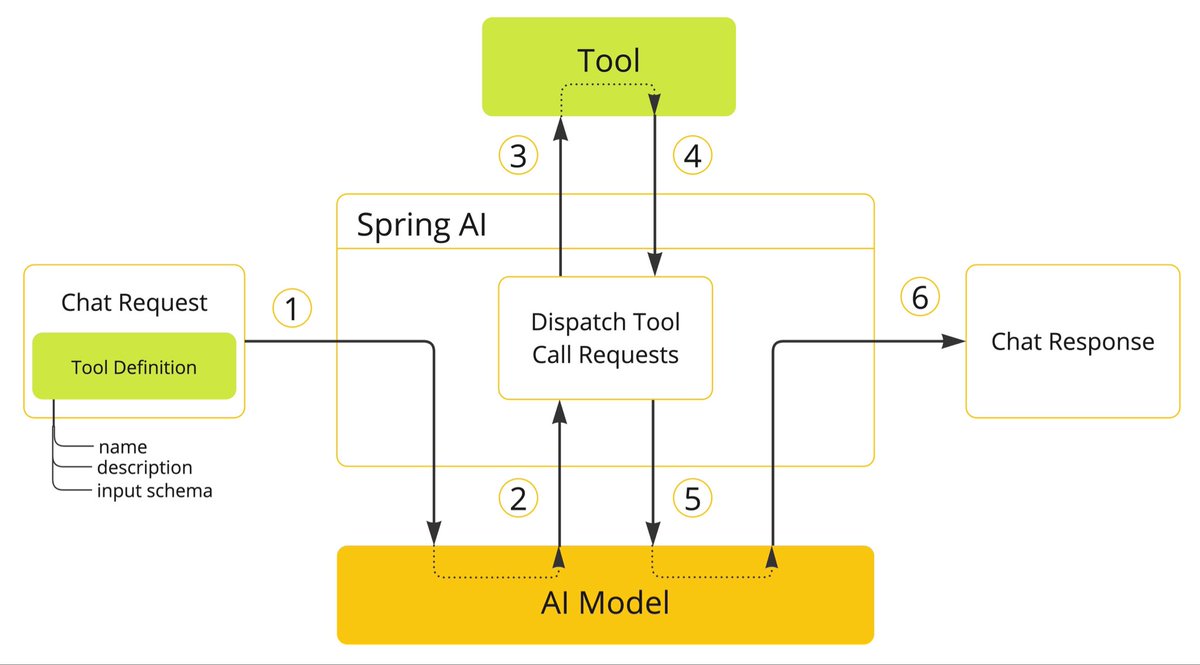
LLM says ‘I’ll call the weather API’… but how the hell do you actually make it happen in code?
Spring AI tool calling does it in 5 lines:
• Define @ Tool
• Add to ChatClient
• LLM decides when to call
No more prompt hacks. Production-ready calling.
Tried tool calling? Did it actually work first try? 😂 Drop your story 👇
1
6
281