ceo @ breadwinners club | helping consumer apps go viral with creator systems AI ads | building a hold co
Joined May 2010
- Tweets 18,537
- Following 1,133
- Followers 9,729
- Likes 21,420
2,014 Photos and videos

Pinned Tweet

6 Jun 2025
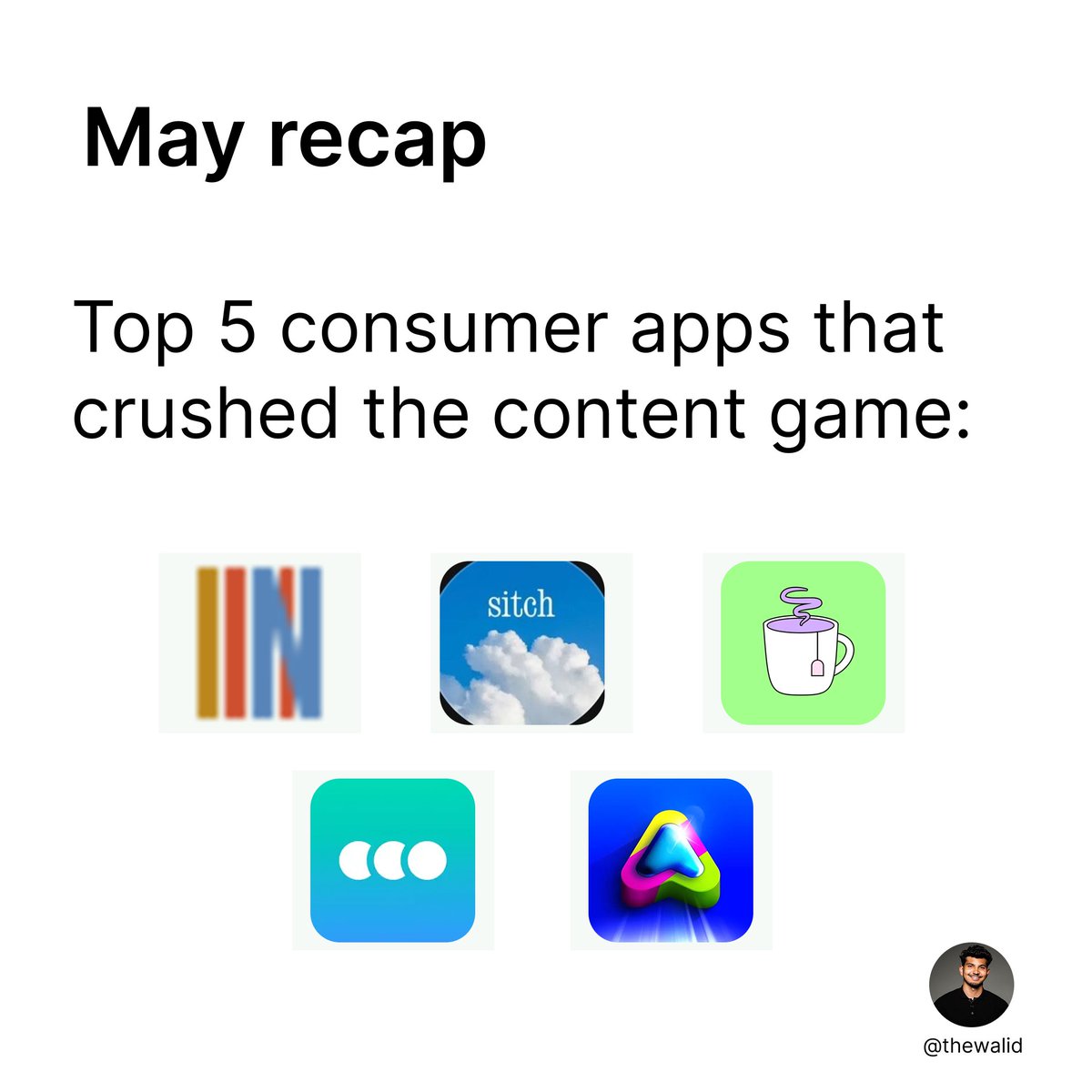
top 5 consumer apps that crushed the content game in May
14
11
367
78,732

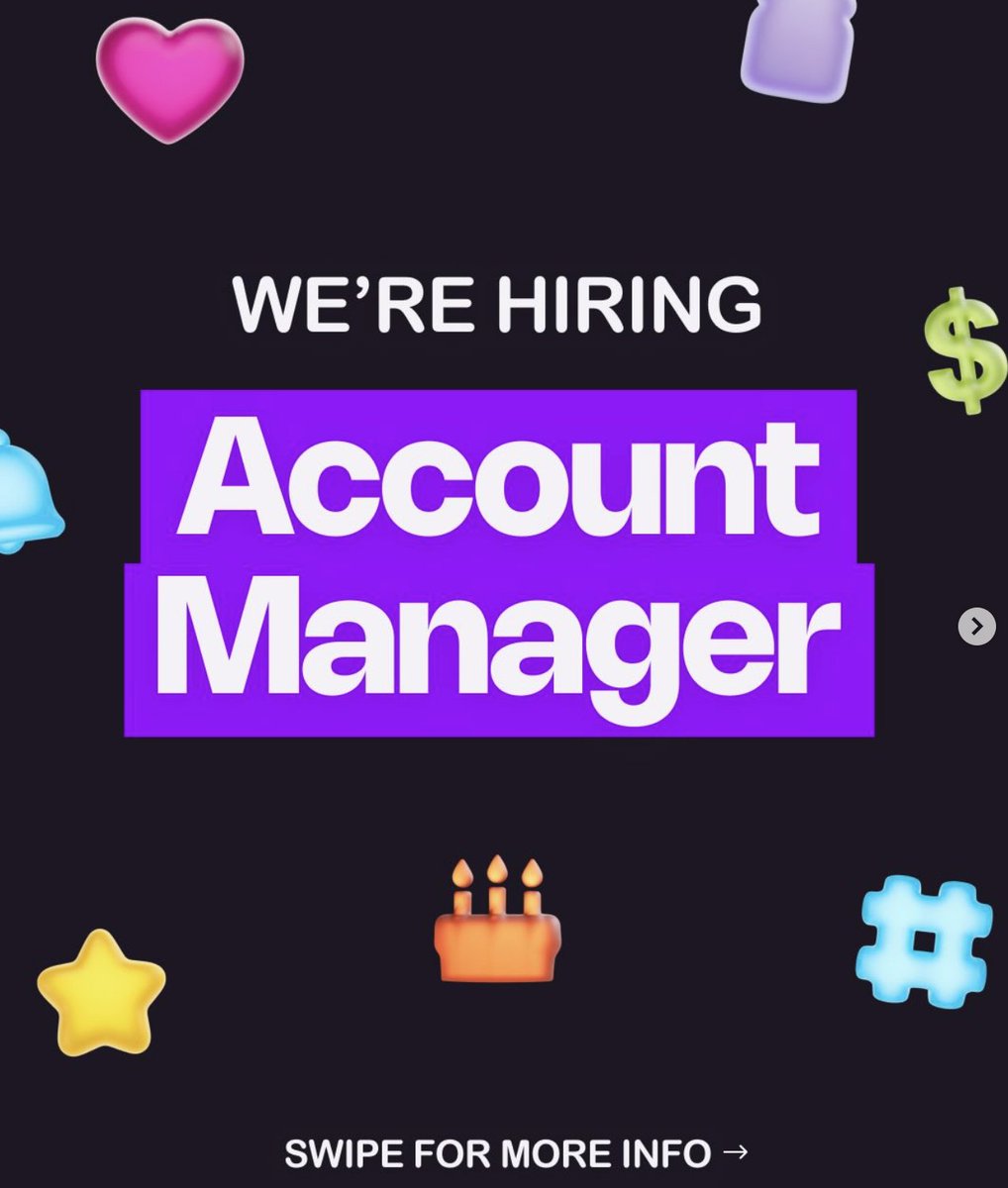
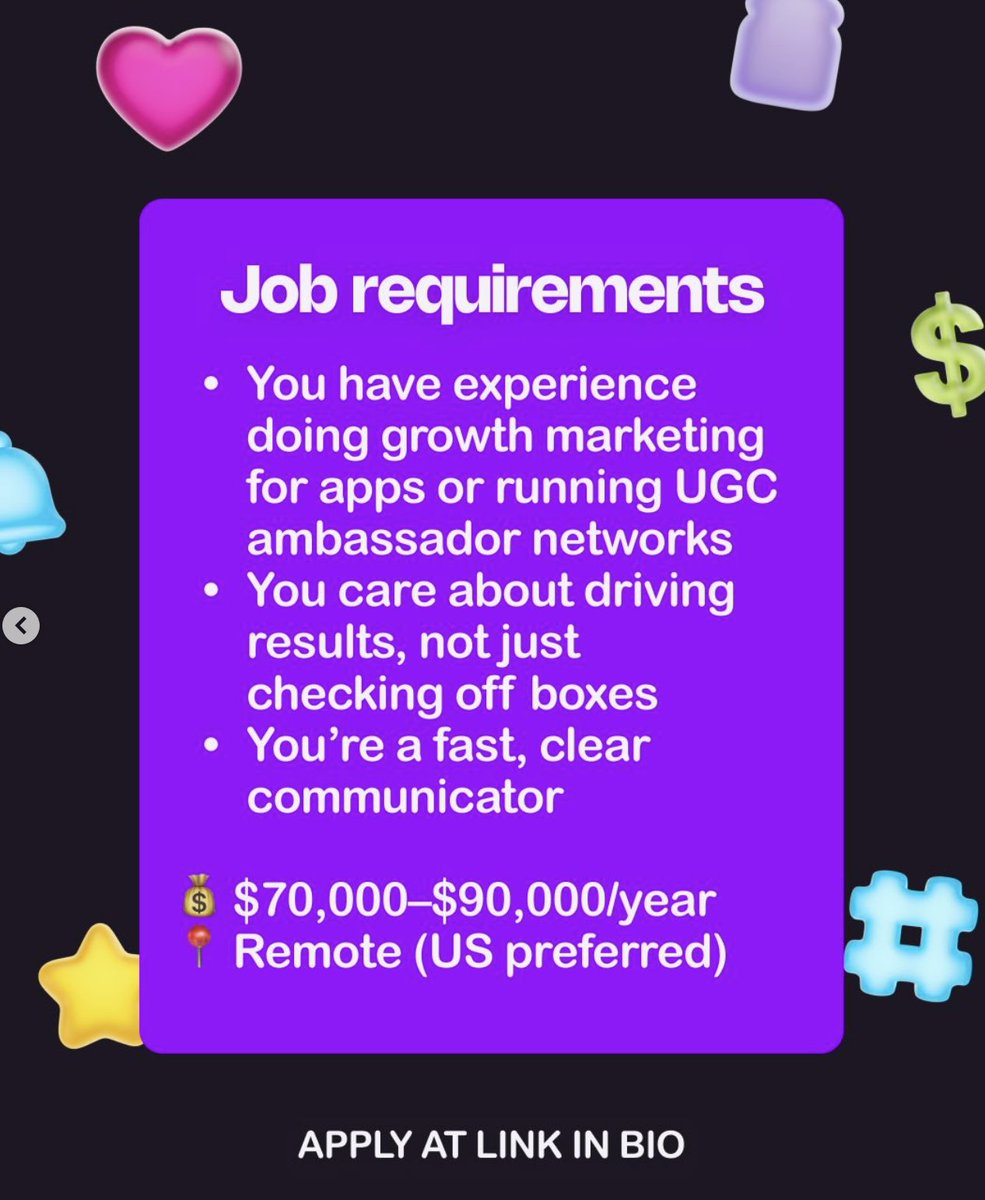
we just crossed 100 applications for our Account Manager opening
taking our time to find the right person though
if you're into growth, creators, AI, and scaling UGC for tech apps - that might be you
we've worked with @perplexity_ai, @partiful, @figma, @Kalshi @Doritos, Cheetos, and more
$70-90K, remote. link below 👇
if you know someone who'd crush this, tag them below
1
119

AI put coding in your pocket.
Now it’s design’s turn.
Meet Playful, the designer on your phone. Create when inspiration hits, from a party or on the couch.
Have an upcoming party / event? We're creating the next 888 event covers for free.
RT tag @playfuldesignco with your request⭐
32
16
71
6,504
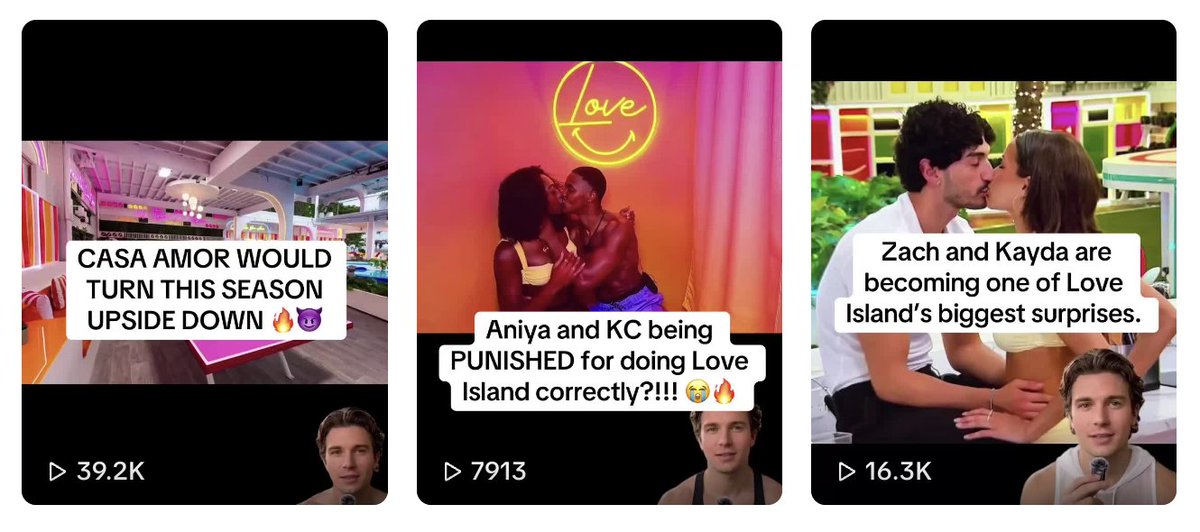
i was wrong about AI content.
ran our first real test this month and it's WORKING (all organic) 🚨
people can tell it's AI. they just don't care. because the content was actually entertaining.
right b-roll, right format, right cultural moment. built on Higgsfield ElevenLabs.
the stack:
-culture-fluent strategist calling the shots
-AI generative operator on execution
still the same budget as a UGC creator though.
reply if you want the sauce or pointers, will dm ya! 👇
4
11
2,288
May 31
tried Comet by Perplexity a few months ago. way too buggy and forgot about it
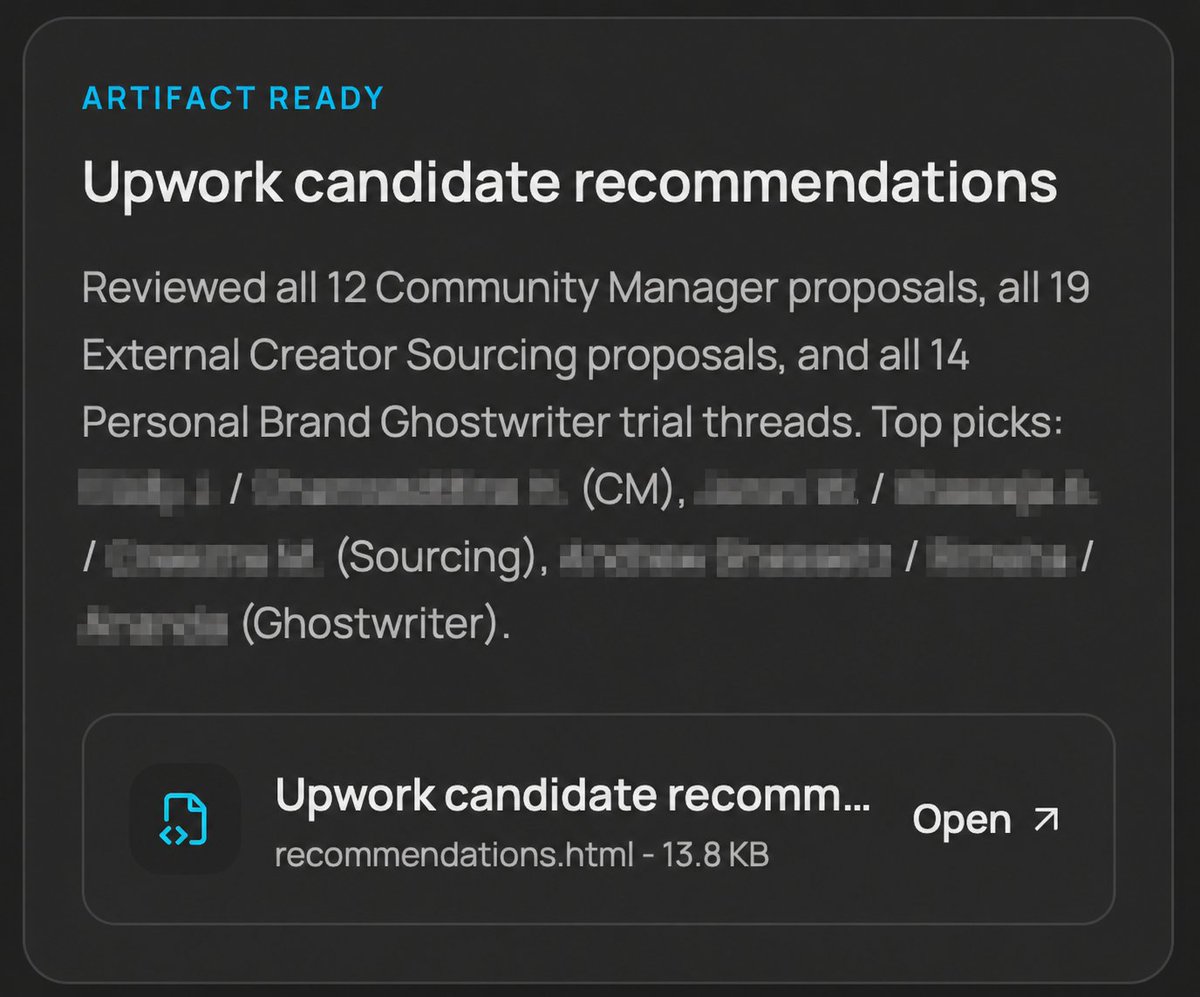
tried a different AI browser today:
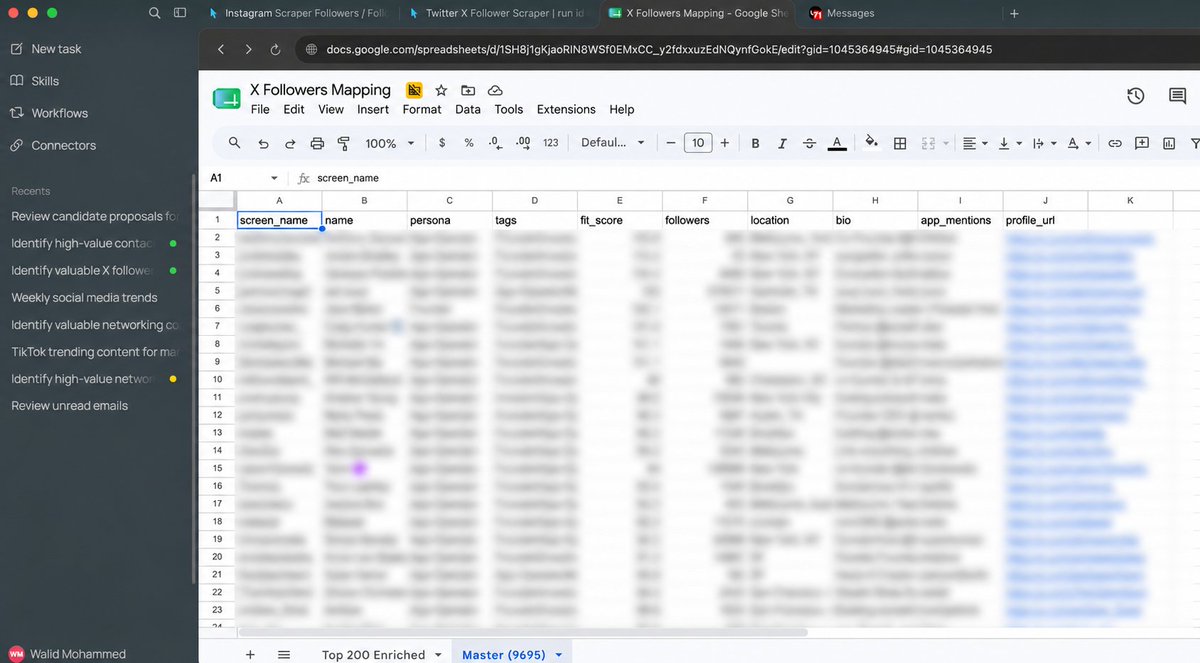
task 1 → screen all my Upwork candidates and pick the best one
task 2 → scrape my followers on X, LinkedIn, IG, TikTok and map who to reach out to
both done while I was texting my friend about dinner plans
1
6
482
May 29
Now THIS is how to do influencer marketing for fandom communities

THE ETERNAL SUNSHINE TOUR GIVEAWAY by Lore x Buffys!! Two tickets. One winner. Any city.
beta.loreobsessed.com
4
448
May 22
she's right that creators are replacing traditional media for launches. but "creator marketing" still gets treated like one thing when it's actually 4 very different bets
here's how to think about each one:
1. influencer marketing
you're borrowing someone else's loyal audience
pros: high trust, real credibility, better retention because the audience already believes in the person recommending your app
cons: expensive. and if you're optimizing for $1-3 cost per install, this probably isn't your highest ROI lever
the long game here is community and brand. done right, you end up with a creator who genuinely believes in the product and becomes a long-term partner. not just a one-off deal
biggest bang for your buck: negotiate a bundle of content instead of one video. it's hit or miss like VC. you never know which post lands. more shots = better odds. and if a video performs, whitelist it and boost with paid ads to extract the most out of it
2. ambassador networks
this is what cluely, locket, status, partiful, and finch have done really well.
instead of one big creator, you sign 10 smaller creators who build brand-new accounts from scratch and post 30-60 times a month.
pros: pure volume play. most videos won't do anything. but 2-3 out of every 30-60 will go mega viral. and those winners cover everything
same VC logic: you're not picking one bet, you're building a portfolio and letting the outliers do the work
when you find a winner, whitelist it and boost with paid ads. that's where you get the real cost per acquisition numbers and start optimizing for both installs and retention
cons: operationally heavy. you need great strategists, tight content briefs, fast turnarounds, and creators who are actually reliable and consistent
3. UGC
you're taking a creator's video and running it as a paid ad or on your brand page
you own the asset. you control the distribution. you scale the winners
best starting point for most early-stage apps. lower cost, faster iteration, and a direct feedback loop from your ads data. test hooks, test formats, find what converts, then double down
4. founder content
still the most slept on
the former hinge COO built a google form waitlist and got 500k views in 3 weeks just by saying "i built hinge" on repeat. selfie cam, zero editing
credibility beats production value. if you're a founder, you have a story and you have authority. use it.
all four have different unit economics, different timelines, different operational costs
the mistake isn't picking the wrong one. it's picking one and thinking that's your whole strategy
the best consumer apps are running all four simultaneously and they know exactly what each lever is for
May 22

Creators are a critical distribution channel for most AI startups.
But many don't know how to work with them effectively.
I spoke with dozens of the top creators at Google i/o - some lessons learned and tips for startups 👇
1. It’s increasingly creators vs. traditional media for launch distribution.
Last year, Google apparently invited ~25 creators and hundreds of press. This year, it was basically flipped: hundreds of creators, very little traditional press.
Why? Creators are driving more impressions and more conversion to product launches.
Traditional media can still matter for credibility, but a lot of launch coverage now turns into paywalled articles saying roughly the same thing as everyone else. Creators are often much better at making people actually care, click, try, and share.
2. Instagram is weirdly under-discussed for AI distribution.
Almost every creator I met - regardless of whether they started on YouTube, X, or TikTok - was heavily investing in Instagram. And a few said they’re now posting AI content there first.
The reason: it monetizes well, reaches a broad audience, and seems to drive more product curiosity with less reflexive hate than some other platforms. Also the cringey "comment ___ to get the link" format really works.
I’ve seen this myself: a lot of AI product content ends up reaching a much wider mainstream audience on IG. For startups, especially consumer or prosumer AI companies, I’d take Instagram much more seriously than the tech world usually does.
3. Creators are flooded with identical-sounding AI startup pitches.
Once creators found out I was an investor, one of the most common questions was: “How do you tell the difference between all these AI startups pitching the same agent / personal assistant / image generator?”
That’s probably the biggest missed opportunity.
Most creator outreach seems to be written as if the creator is just a distribution slot. But the good creators actually care about the product and need to understand what makes it different.
For startups, it may be better to work with fewer creators who genuinely understand your wedge than to spray a generic campaign across a huge list.
4. Technical creators want to hear directly from the team.
I talked to several creators with large YouTube channels focused on more technical topics, and many were tired of getting outreach from agencies that couldn’t explain what the product actually does.
For the “big hitter” technical creators, founder / engineer / product lead outreach can matter a lot.
It doesn’t scale, but that’s partly the point. If someone is going to explain your product to a highly technical audience, they need more than a one-page brief and a promo code.
5. Startups need to get smarter about creator metrics.
I also heard a lot about how easy it is to manipulate the top-line numbers on your channel or account.
Views and comments can look impressive while driving very little real engagement or conversion.
A few metrics startups should probably ask for before paying meaningful dollars: % of viewers in the US / Canada, average view duration, link clicks, audience demographics, and examples of past campaigns that actually drove usage or signups.
2
16
2,508
May 20
who's going to cannes lions?
thinking about going this year for the first time! what should i know?
3
606
May 20
y’all are sleeping on hoppy’s new strategy
in a world of saturated apps, utility and entertainment is a way to acquire new users
May 20

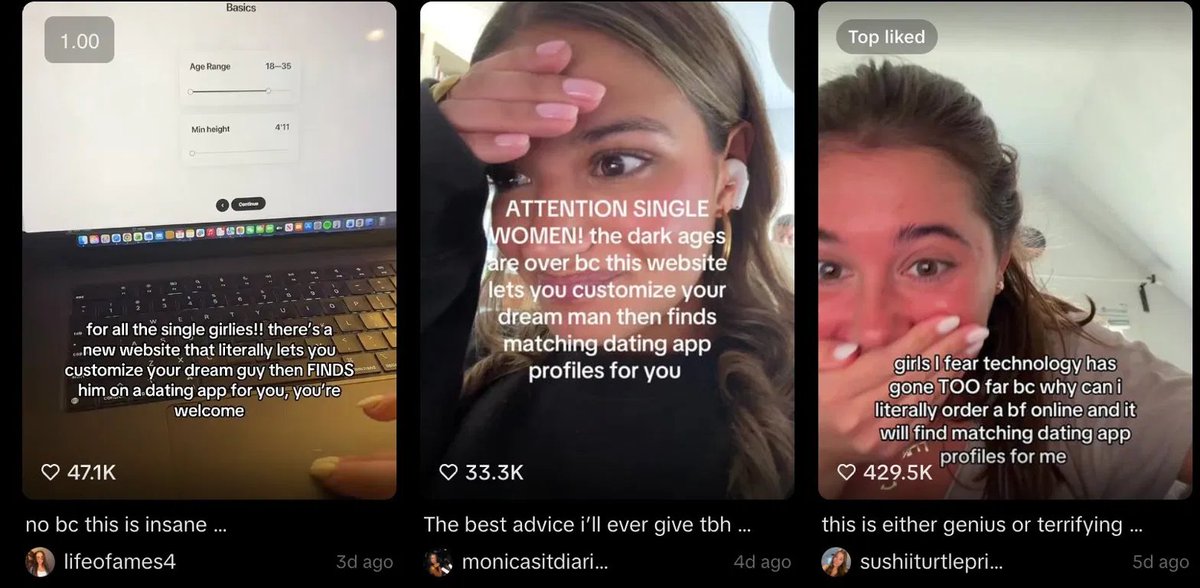
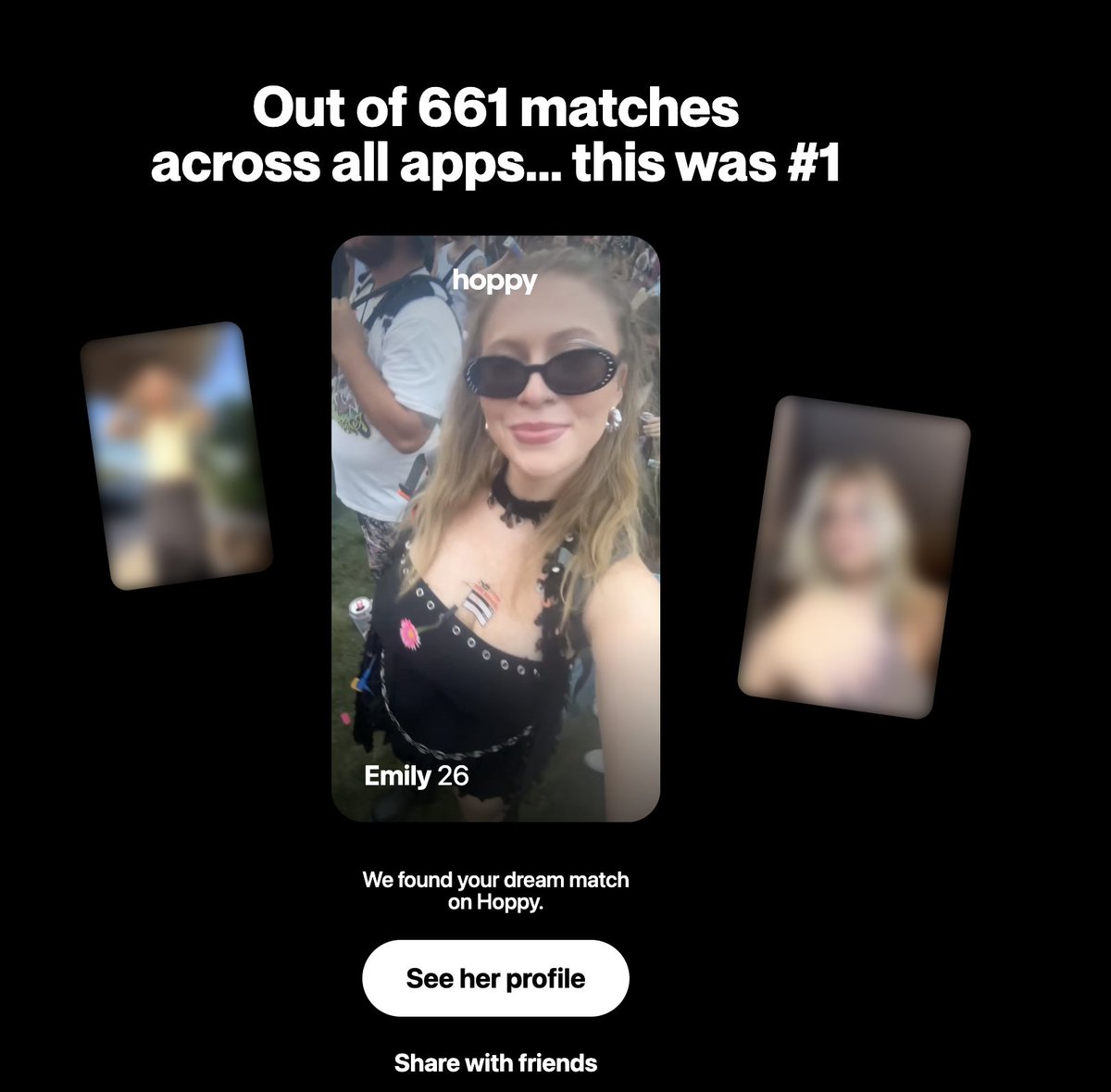
429K likes and 3M views on one TikTok… 🚨
Hoppy just dropped the smartest dating app growth hack I’ve ever seen
They made a hilarious 6-question quiz called “OrderYourDreamMatch” where you build your perfect man (height, vibe, personality, body type, everything)
And at the end it hits you with:
“He’s on Hoppy 👀 See his profile.”
The ex BeReal marketing team continues to cook 🔥
(this is either genius or terrifying . )
1
1
37
10,624
walid (nyc for summer) retweeted
May 20
429K likes and 3M views on one TikTok… 🚨
Hoppy just dropped the smartest dating app growth hack I’ve ever seen
They made a hilarious 6-question quiz called “OrderYourDreamMatch” where you build your perfect man (height, vibe, personality, body type, everything)
And at the end it hits you with:
“He’s on Hoppy 👀 See his profile.”
The ex BeReal marketing team continues to cook 🔥
(this is either genius or terrifying . )
2
26
12,628

Status has raised $17M in seed and Series A funding led by @AbstractVC, @generalcatalyst and @usv to let anyone step inside their favorite stories, become famous, and live a million different lives.
We quietly launched Status last year and grew to over 1 million users in 19 days - making us the fastest growing AI app since ChatGPT.
But we hit a (predictable) snag - the app was incredibly expensive to run. How do you serve millions of users without degrading the product with a cheap LLM?
So the team locked in: we rebuilt the whole experience, and our technical bets paid off. Our users now spend 35 minutes on average to (90 minutes each day for power users!), and millions of characters and worlds have been created. All by our users.
The next frontier of entertainment is mobile-first and deeply personal. Traditional mobile games take years to build and rarely stick. TV shows are fleeting in the age of streaming. Status is different. It is not a game you finish, it is a world you can live in.
Status is a new category entirely: Immersive Social Entertainment, and we believe strongly that it is the next great entertainment paradigm. We’ve 10x’d to millions in annual revenue in Q1 2026, we're just getting started.
On Status, you can be anyone.
177
67
774
252,326
walid (nyc for summer) retweeted
May 18
i used to tell my team: don't reinvent the wheel. find what works, repeat it.
now i'm starting to think i'm wrong.
we're reaching a point where everything in advertising is starting to look the same. same formats, same hooks, same structure. ai tools are accelerating this. they research what's already working and just recreate it at scale
so every ad starts looking identical. and when everything looks the same, nothing stands out
mass ugc is a big part of this. consumers are already starting to recognize the pattern. and when they do, they tune out completely
the brands that win going forward are going to be the ones who actually take creative RISKS. like spotify with their redesign.
that's why we're shifting how we work.
we're investing in better creators who can grow a community from scratch. real personalities, who can talk on camera and edit their own videos with culturally relevant memes and trending audios. people who feel like an authentic person, not a brand asset
each of their pages should look like a show. either highly informational or genuinely entertaining
what are you doing differently to keep your edge?
May 18

Introducing Creatify Agent.
The world’s first multi-agent orchestrator that makes viral ads without AI slop.
Drop an ad idea below, and we’ll build it for you.
5
3
16
3,543
May 18
chatgpt yassify my logo please

2
1
605
walid (nyc for summer) retweeted

May 16
Rork is hiring more killers for our marketing team
– UGC
– paid ads (Meta, Google)
– influencer marketing (IG, YT)
– brand content (YT, X)
– motion design
– X product launches
DM me with results & case studies
Preferably SF in-person, US remote also possible
14
6
87
8,419
May 16
Ello looking for a tutor to help me with Claude code live :3 idk what a supabase is
1
1
486