
Joined April 2025
- Tweets 211
- Following 8
- Followers 174
- Likes 7
185 Photos and videos
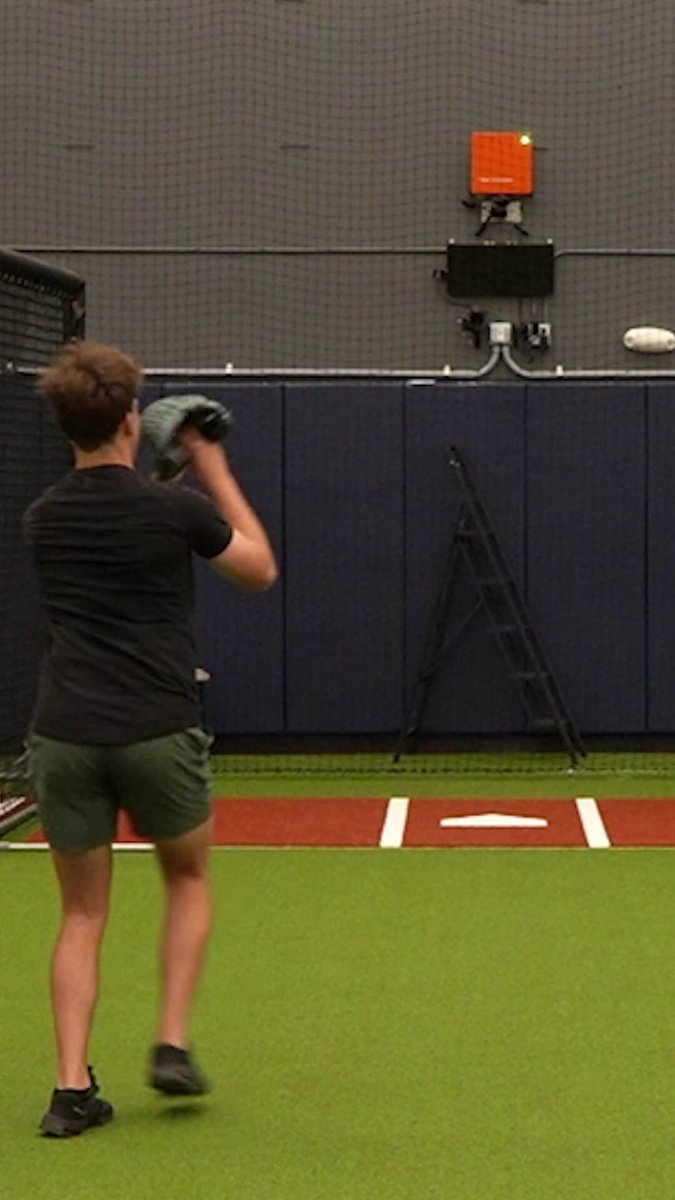
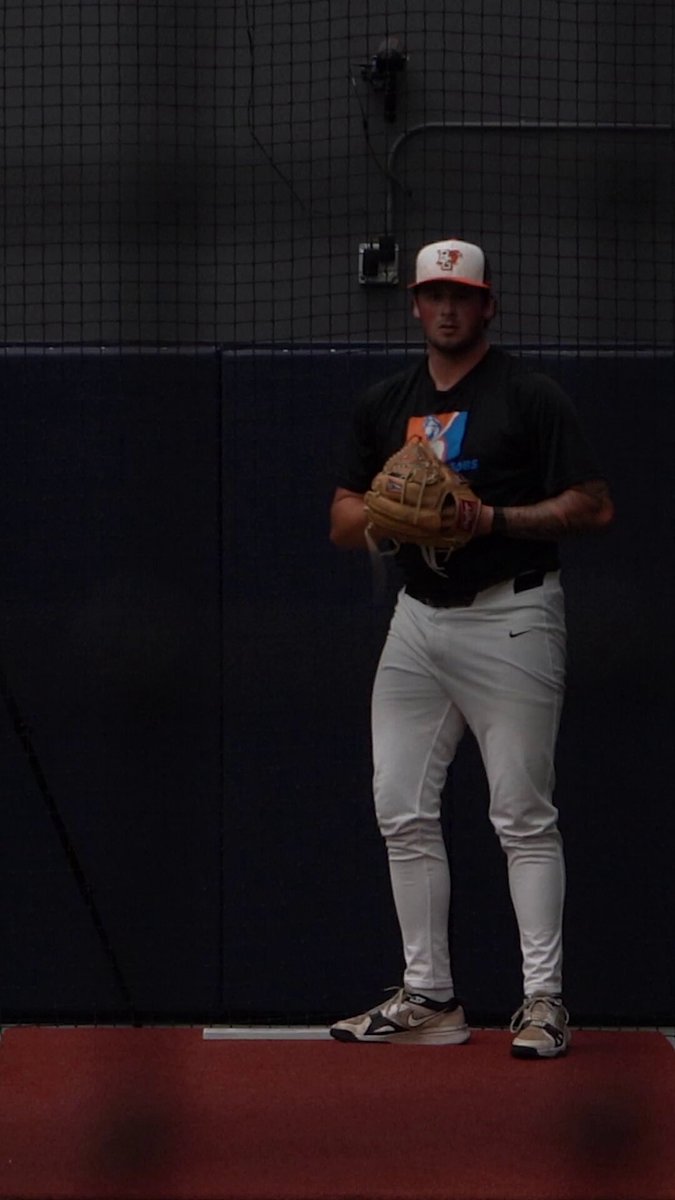
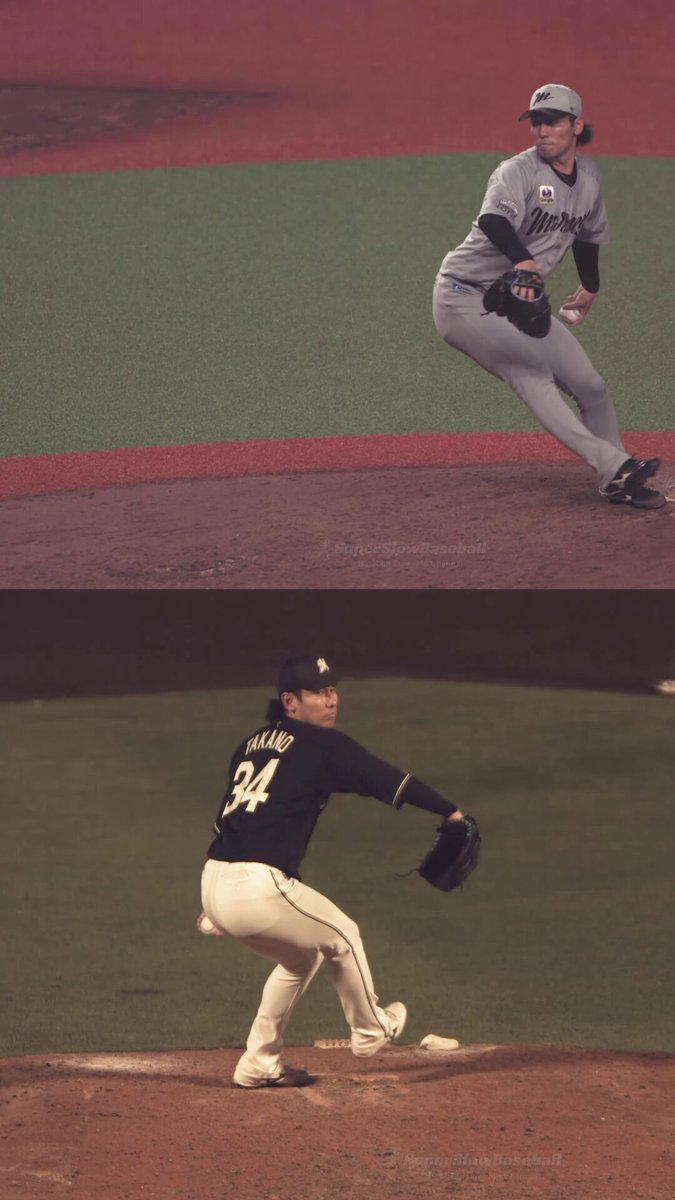
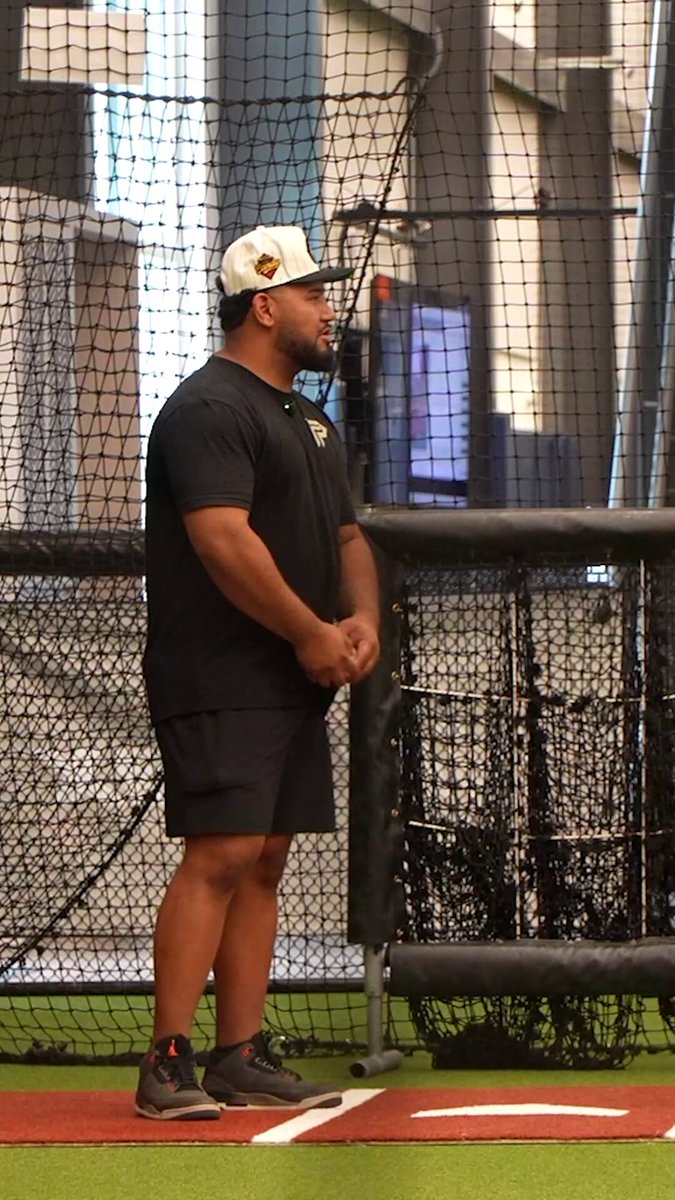
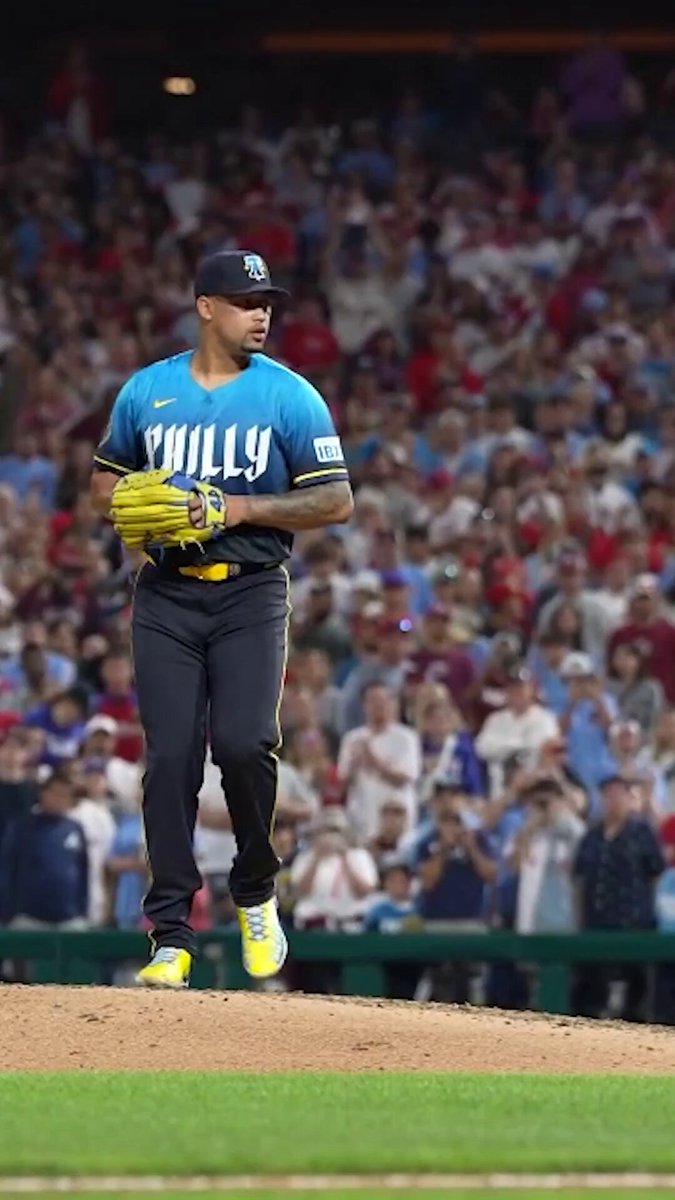
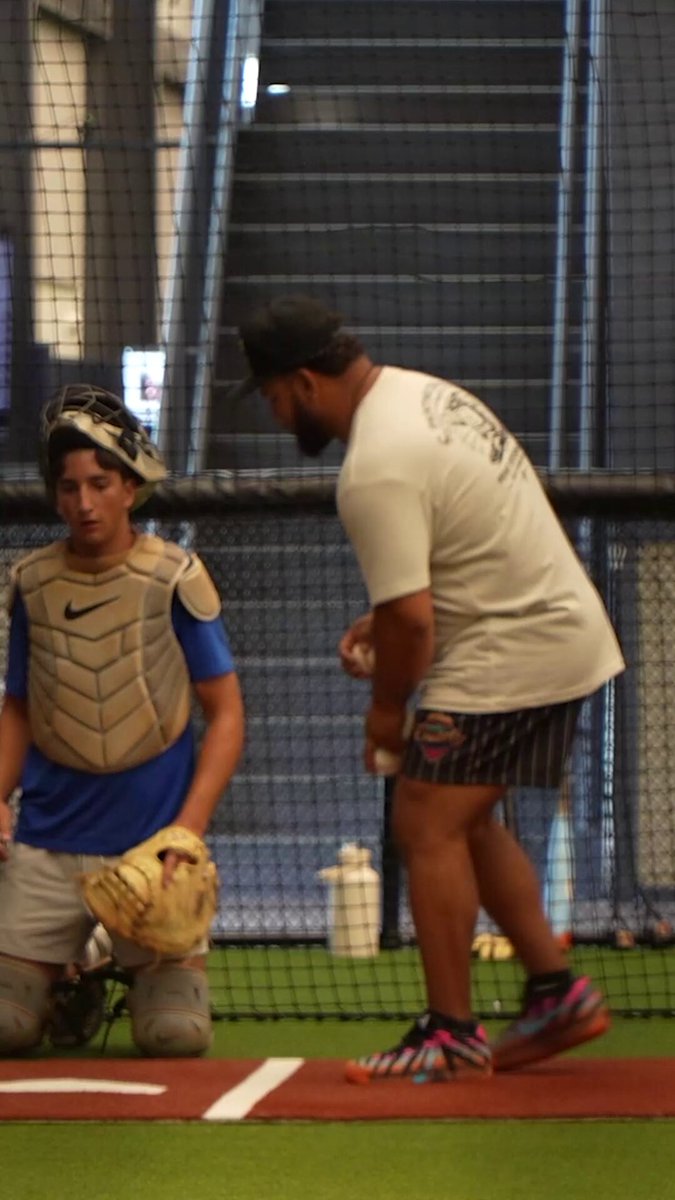
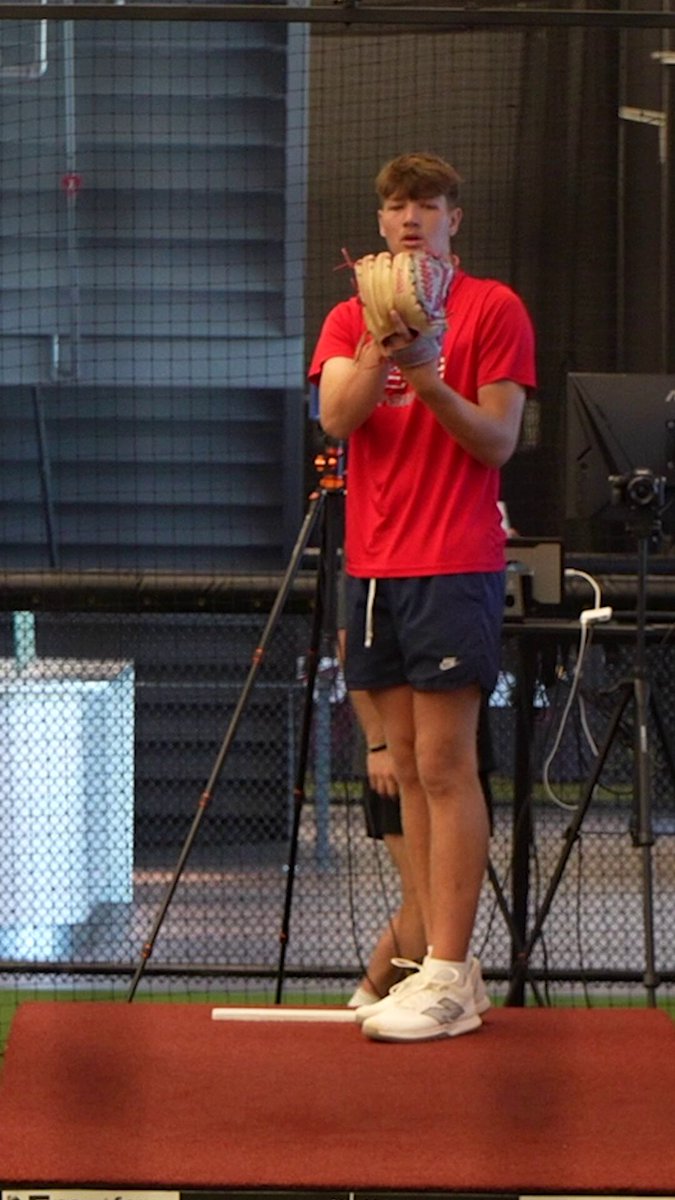
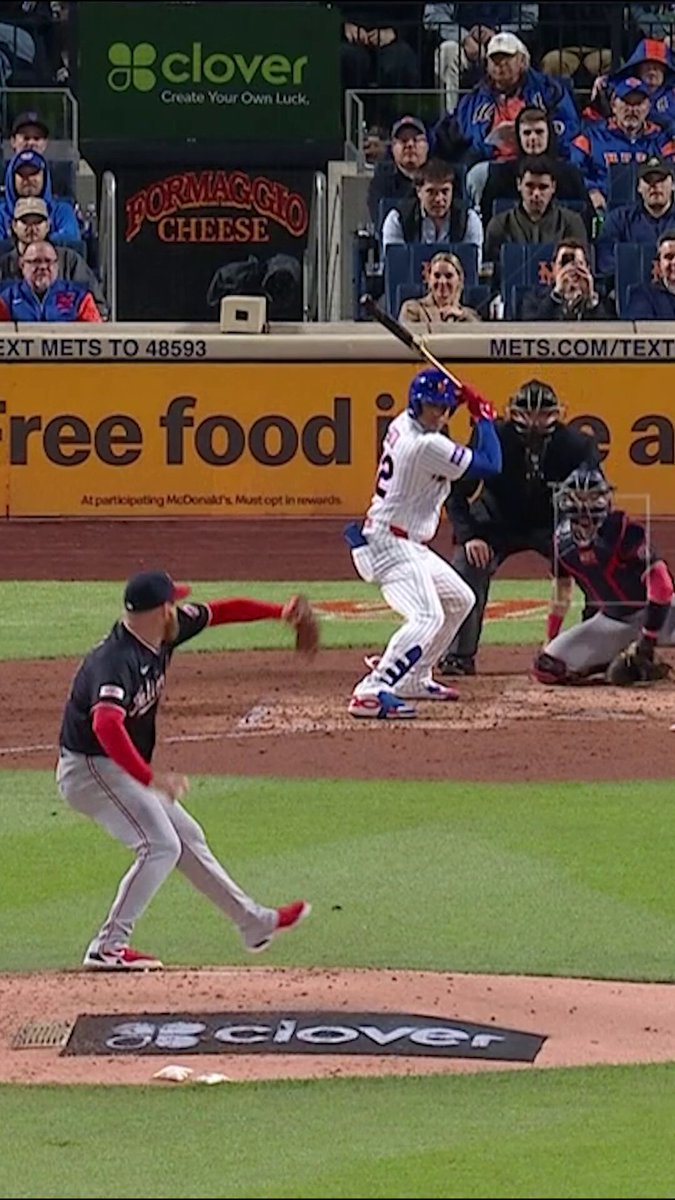
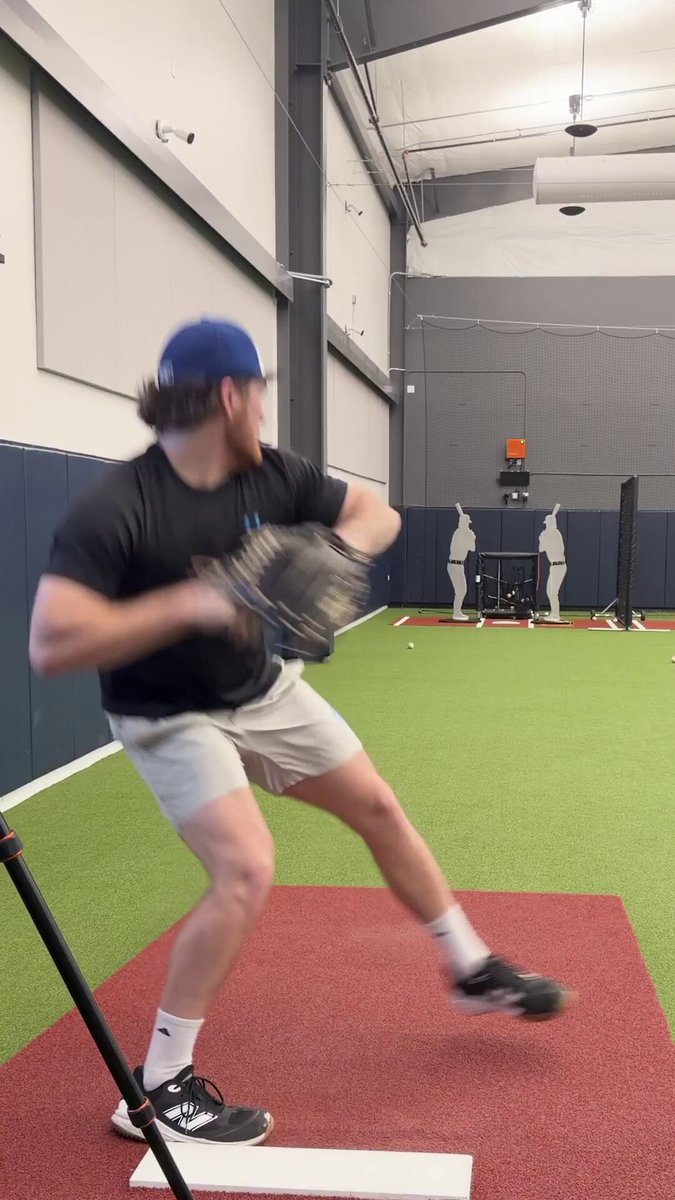
An overlooked aspect of the throw is the ability to side bend on the gloveside.
With Mike being a lower slot guy, he tends to find himself being overly spinny. This poor direction of rotation causes him problems with bracing and timing. We have spent pretty much all of the early offseason creating the capacity and ability to turn into his gloveside.
We have seen ample velocity gains, better ball flight, and a more consistent throw.
9
2,408
Prime Performance retweeted

Transfer portal RHP 6’3/195
Medical Redshirt Senior TJ surgery April 2025
Previous school UMBC
1Year Eligibility remaining
FB90-93
SNK89-92(22’Hb)
SL80-84
CH82-85
586-690-3183
Currently playing in the SFCBL
Summer stats:
2App 6.0inn 2H 6K 0ER
@ShotgunSanchez @ThrowPrime @FlatgroundApp
8
8
1,534
Prime Performance retweeted

Transfer Portal LHP 2 years of eligibility left
Bullpen numbers
FB: 88-90 T91
SI: 87-89
CT: 81-82
SW: 76-79
CH: 79-80
@FlatgroundApp @ThrowPrime @ShotgunSanchez
8
11
1,732

Jun 13
What works for one athlete may not work for another because every athlete presents different movement restrictions, compensations, injury history, and sensory needs.
The best warm up is the one that helps THAT athlete move and perform better.
And if an athlete continues to feel bad, move poorly, or underperform after a warm up, it should be modified, not blindly repeated.
2
549
Jun 12
Available RHP: Logan Bell
Bell spent 5 years at Bowling Green and is looking for his first professional opportunity.
In his first live AB setting, he sat 89-90 mph and ran the fastball up to 90.7 with 20 inches of ivb.
He filled up the zone, showed multiple breaking ball shapes, and mixed in an effective changeup. With more competitive reps, there’s no doubt the stuff can continue trending up.
3
2,102
Jun 11
When it comes to throwing, the goal is to create a directional turn that sends energy and force through the ball towards home plate. This is done via flexion, extension, and side bend.
Takano accomplishes all of those things, but with a significant extension compensation.
Why?
Because the body will always find a way to create the space it needs to rotate.
When an athlete lacks the ability to create that space through the pelvis, ribcage, or frontal plane movement, they'll often borrow it from somewhere else. In this case, excessive extension becomes the strategy. By extending through the spine, he creates the room necessary for the torso and arm to continue rotating and delivering the ball toward the target.
The important thing to understand is that compensation isn't always the problem, it's often the solution. The body is solving a movement challenge the best way it knows how.
Our job as coaches isn't to eliminate movement. It's to understand why the movement exists and determine whether we can create a more efficient option for the athlete.
1
86
Jun 10
Good extension does not mean trying to push the barrel away from the body early.
The goal is to make contact in a strong position first, then let the barrel continue working through the baseball.
In this drill, the first ball gives the hitter a contact point. The second ball gives them a direction to extend through after contact.
That helps create the feel of staying connected into the baseball, using the top hand to stay strong through contact, and finishing through the ball instead of rolling around it too early.
For hitters, “getting extension” is not just about reaching farther out front.
It is about delivering the barrel on time, making contact in a position where you can do damage, and then continuing to work through the baseball with intent.
1
328
Jun 9
For some guys, separation is less about pure velocity gap and more about how different the pitch moves compared to the fastball.
The old idea that an off-speed pitch has to be 15 mph slower is not always how it plays out.
If the pitch creates enough of a different movement profile, the hitter still has to make a decision late.
1
68
Jun 8
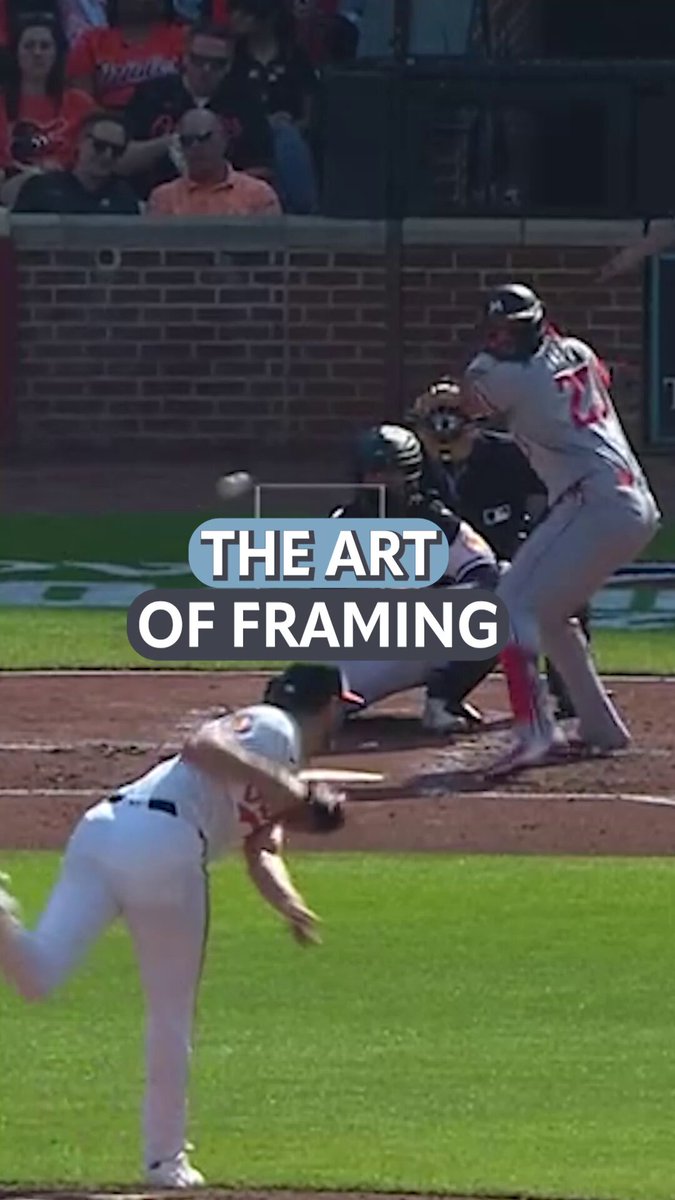
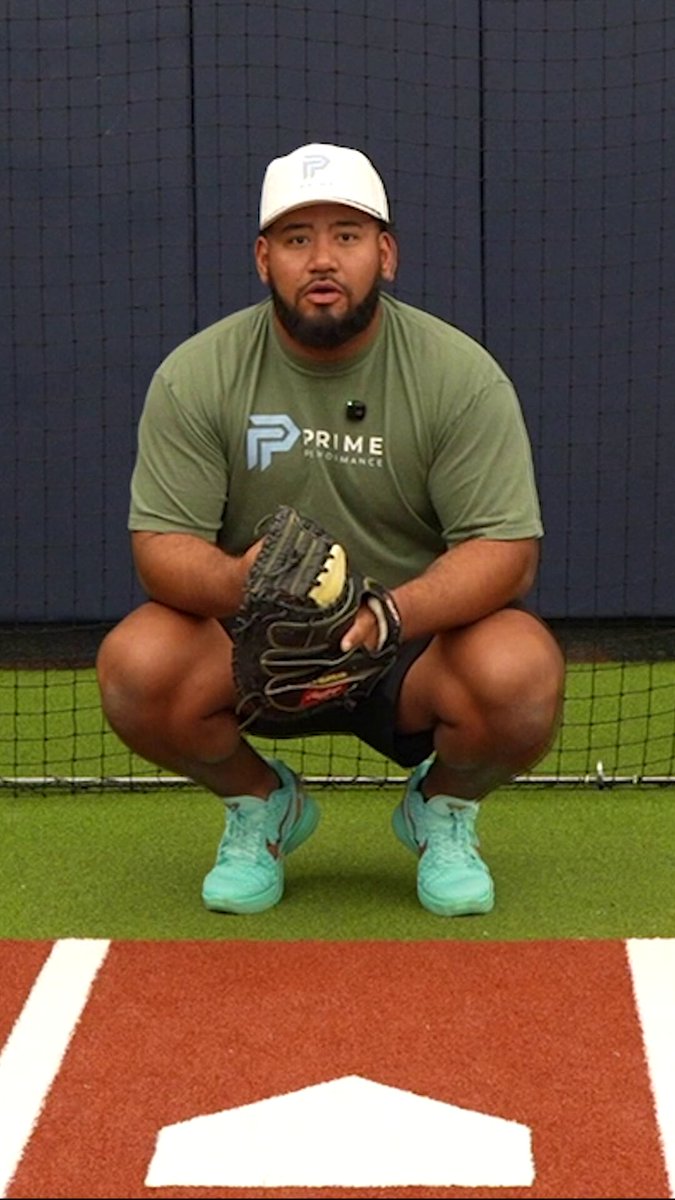
When it comes to a high-level glove move, the first step is understanding the sequence and role of each part of the arm.
The shoulder, elbow, and wrist all have a job in helping bring the baseball back into the strike zone. The shoulder helps create the initial move, the elbow helps finish the direction, and the wrist helps turn the baseball as the catcher receives it.
When those pieces work together, the catcher can present the pitch without making the receive look forced or exaggerated. The goal isn’t to yank pitches back into the zone, it’s to control the baseball, beat it to the spot, and make the catch look clean.
Good receiving is subtle.
The best catchers steal strikes without making it look like they’re trying to steal them.
67
Jun 8
Keep an eye on 2028 RHP @CalebRPaul 👀
Projectable young right-hander with an athletic foundation, clean arm action, and steady development across the board. Continues to make strides each time out and has all the ingredients to be a very intriguing follow as he progresses through the summer circuit.

High speed look at the FF-SL from '28 RHP Caleb Paul (FL)... @PG_Uncommitted #BeastoftheEast @Florida_PG
2
122
Jun 7
With this progression, we’re working on getting the glove to the ground earlier and creating a better feel for how the body needs to organize into the block.
We start already in the blocking position so the athlete can feel the hands work down, the chest work down, and the chin tuck to help keep everything in front.
From there, we move into the same pattern from a knee-down stance, then finish by putting it all together with a block and recover.
The recover piece matters too. It’s not just about blocking the baseball. It’s about getting back up with intent, finding the ball, and getting into a position to throw.
Simple progression, but a really good one for catchers who struggle getting the glove down cleanly or lose time after the block.
5
442
Jun 6
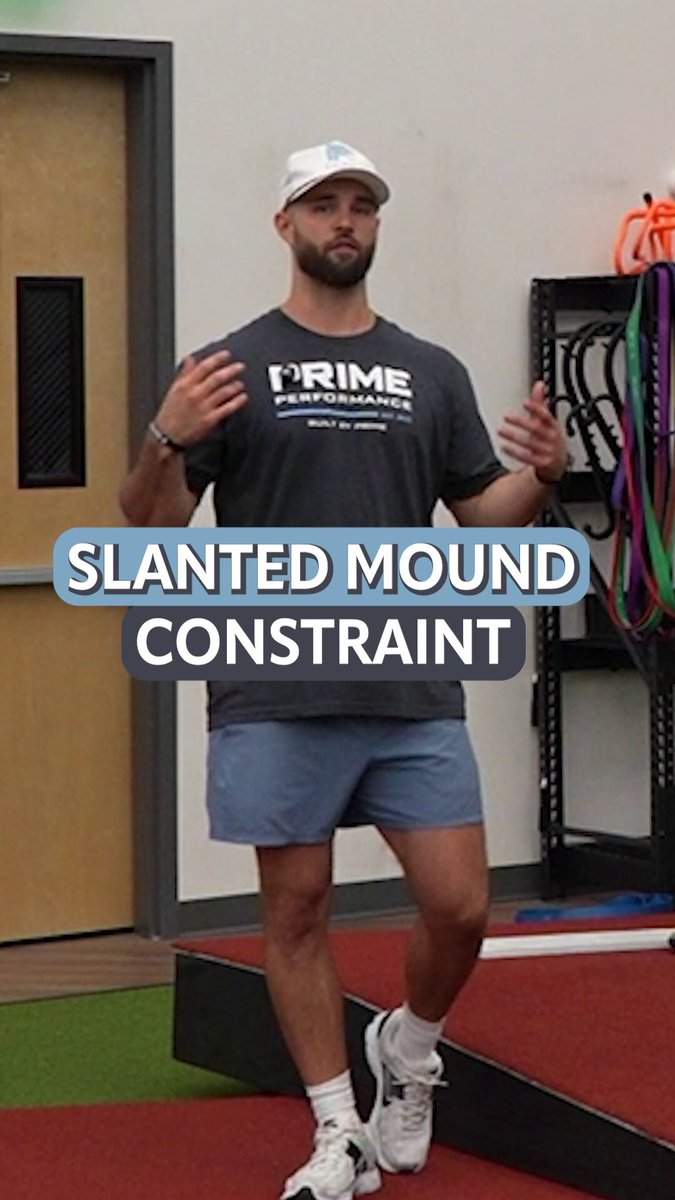
The slanted mound is a constraint we’ll use on the plyo wall for certain throwers who struggle with early torso rotation, early extension, or bailing off to the glove side too soon.
The idea is to change the demand of the throw enough that the athlete has to organize differently.
For some guys, the delivery already wants to leak into extension early or pull off line too soon. By putting them on the slanted mound, we are basically feeding that flaw and making the miss louder.
This amplifies the feedback for the athlete.
If they keep moving the same way, it becomes much harder to throw the plyo ball accurately. They can feel when they are losing posture, when they are getting pulled off line, and when they are extending before the rest of the delivery is ready for it.
From there, we’ll usually run the same plyo routine they already know, then move them back to a normal mound and let the adjustment show up in a more game-like environment.
The goal is not to live on the constraint forever.
The goal is to give the athlete a clearer problem to solve, let the body make the adjustment, and then transfer that cleaner posture and timing back into the throw.
1
7
3,055
Jun 5
Cooper Jenke is getting right back to work as he heads into summer ball and continues building toward his junior season.
In a recent in-house bullpen, he ran the fastball up to 94 mph and sat in the low 90s with some really encouraging signs on the mound.
He’s a young Florida arm we’re excited to keep working with, and one that should continue to draw more attention as he keeps developing.
Plenty more ahead.
1
5
1,694
Jun 4
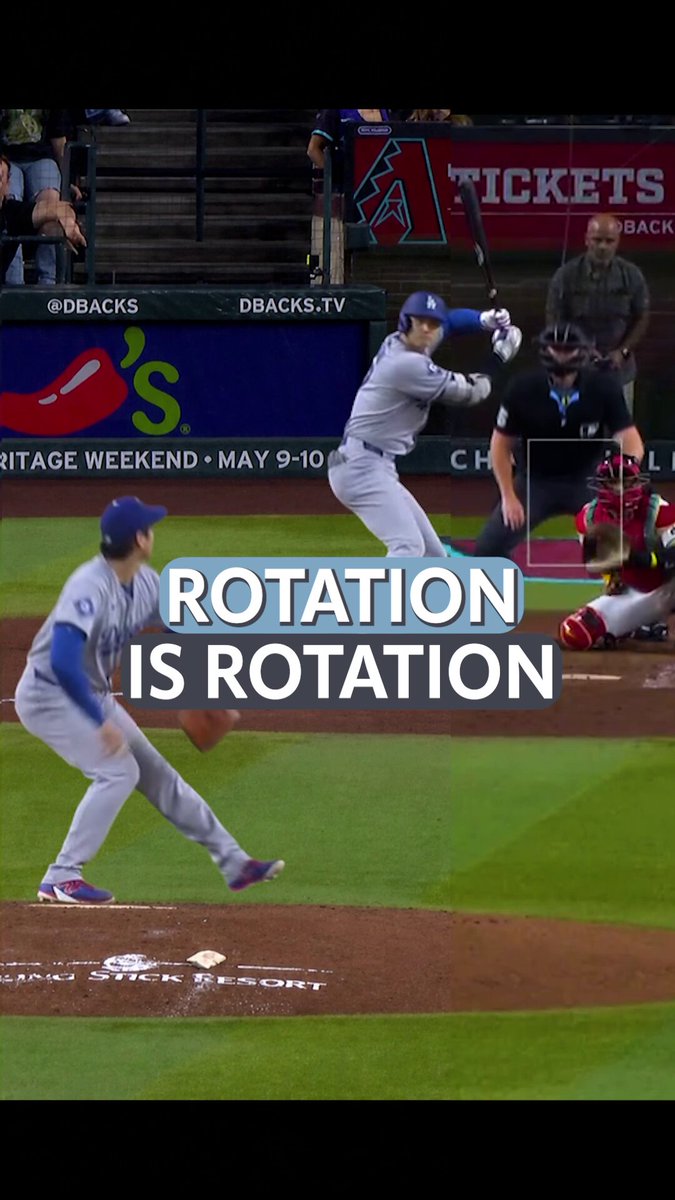
“Rotation is rotation” is one of those baseball phrases that is true enough to make sense, but not complete enough to explain what is actually happening.
You see it a lot with two-way players.
A guy can swing it, produce high exit velo numbers, and rotate with a lot of force in the cage, so the assumption becomes that he should be able to get on the mound and throw hard too.
Sometimes that is true.
Other times, the same guy can hit balls 105 and then get on the mound and throw 82.
That does not mean rotation does not matter. It means rotation is only one piece of the transfer problem.
Hitting and pitching both require the athlete to rotate, but they are not asking the body to express rotation the same way.
In hitting, the athlete is transferring energy into a bat with two hands on the implement, a more stable base of support, and a collision happening out front. Exit velocity can be influenced by bat speed, strength, mass, barrel accuracy, contact point, and the ability to turn behind the baseball.
On the mound, the athlete has to transfer energy into a 5-ounce ball through one arm while moving down a slope, accepting force into the front leg, timing pelvis and trunk rotation, creating layback, and converting all of that into hand speed at release.
That is a much different task.
A hitter can have enough rotational power to create loud contact and still struggle to organize that same power into a throw if the arm action, trunk timing, front-leg block, scapular movement, layback, or distal sequencing are not there.
This is why “rotation is rotation” is not wrong, but it is incomplete.
The better question is not whether the athlete can rotate.
The better question is whether they can rotate in a way that transfers to the specific skill.
High exit velo tells us something about the engine.
It does not automatically tell us how well that engine connects to the arm on the mound.
135
Jun 3
Dividing the plate into thirds can help redefine how a pitcher looks at the strike zone. An older FanGraphs piece referencing COMMANDf/x said the average MLB pitcher missed his intended spot by 13 inches. If that is the reality, the goal should not be to make pitchers feel like they have to be perfect on the edge. It gives them a clearer target to work to, helps keep the ball out of the heart of the plate, and can lead to more competitive misses and more strikes over time.
75
Jun 2
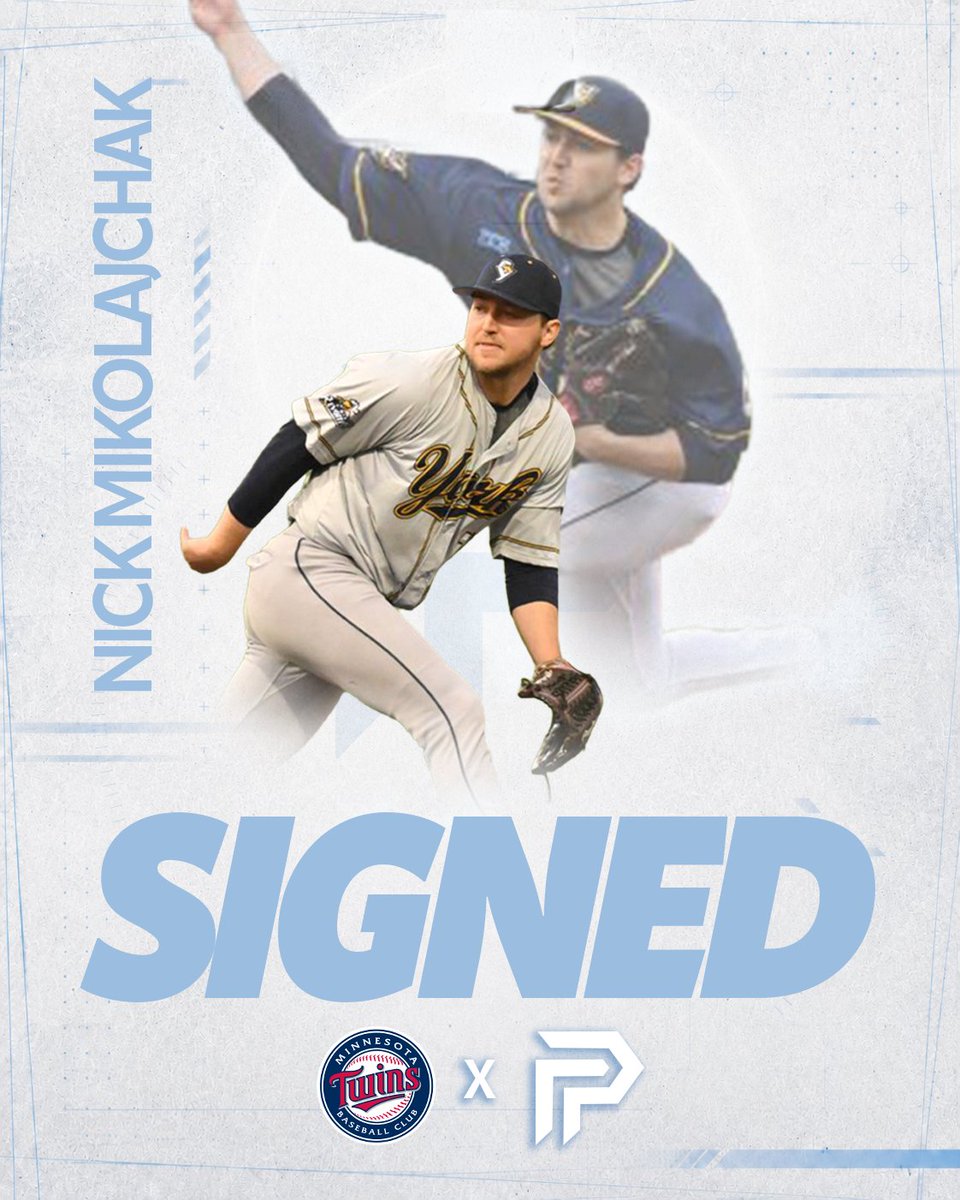
Congrats to Nick Mikolajchak on signing with the Minnesota Twins organization! ✍️
After finishing 2025 as an Atlantic League Champion with York, Nick came back this year and made the transition to starting pitcher for the first time in his pro career.
The results spoke for themselves.
York, 2026:
6 starts
3-1 record
35.1 IP
31 K, 10 BB
2.80 ERA
2.55 BB/9
At the time of his transfer, his 2.80 ERA ranked second-lowest in the Atlantic League.
At Pro Day this winter, Nick showcased a five-pitch mix with five distinct shapes, all competitive in the zone, while averaging 95 mph on the fastball.
Since being released last summer, he’s continued to bet on himself, make adjustments, throw more strikes, and show clubs that his stuff can play in multiple roles.
Excited to see him get this opportunity with Minnesota.
2
115
Jun 1
When it comes to doing damage to the opposite side of the field, the answer usually isn’t trying to guide the ball that way with your hands.
The hands don’t need to do something completely different. The body has to stay in a position that allows the barrel to work on the right path.
This is where over-focusing on “hitting the inside part of the ball” can start to get tricky. For some hitters, that cue can turn into poor posture, poor timing of rotation, and an inefficient bat path.
If posture leaks as the hitter rotates, the barrel is more likely to cut across the ball or leave the zone early.
But when posture holds, the hitter can keep the barrel through the outside pitch longer and actually drive it, not just push it the other way.
That’s the difference between opposite-field contact and real backside power.
1
2
498
May 31
If your train environment is so comfortable that the game becomes the first time you actually problem solve, you have a huge problem
If there is no real challenge, no consequence, and no stress in training, it is hard to expect adaption and execution once the game speeds up.
Different constraints, different environments, different demands forces the athlete to problem solve and ultimately adapt overtime
Once training gets harder in the right ways, the game usually gets easier to handle.
1
73
May 30
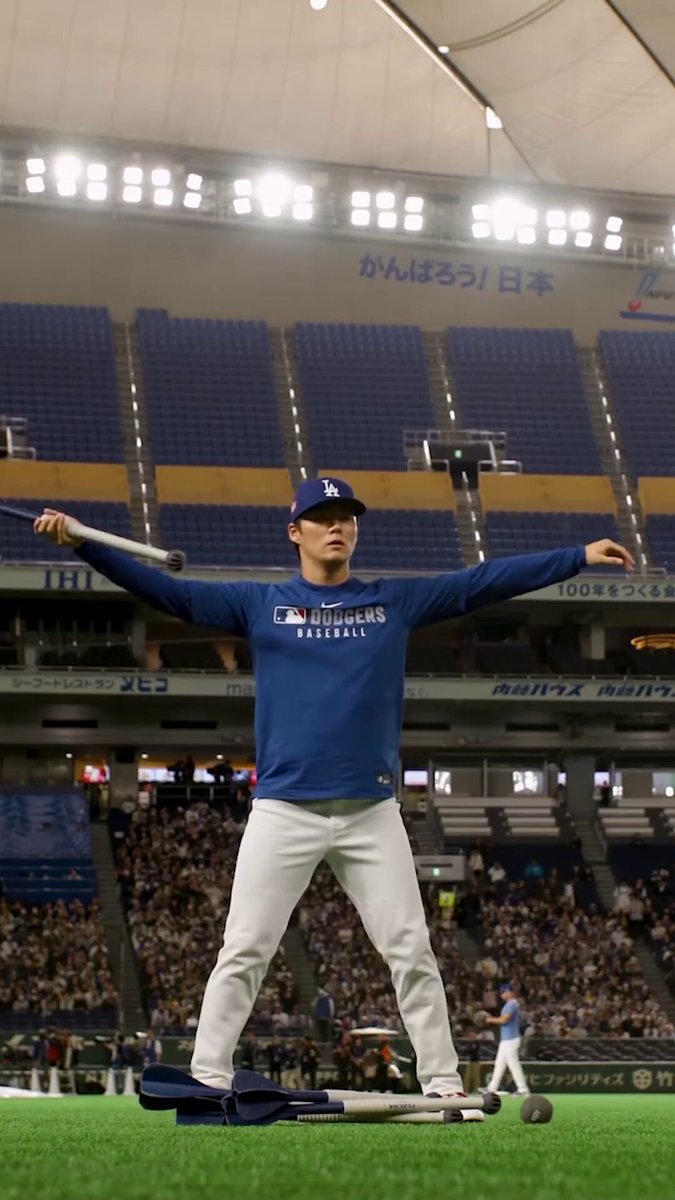
There’s been a lot of attention on Yamamoto’s warm-up and mobility work in the last two years, especially some of the more extreme spinal extension movements.
And rightfully so. It’s impressive to have that kind of capacity.
But it’s important to remember that usable extension is the difference maker.
It’s one thing to be able to create more range of motion in the spine. It’s another thing to actually segment into extension well, control it, and use it at the right time in the delivery.
Not just having extension, but being able to access it without dumping into it too early, losing shape, or turning it into compensation.
The best throwers are not just mobile. They can actually organize the spine and pelvis well enough to use that movement as part of the delivery.
More range is useful, but only if it shows up in a way that can actually transfer to the throw.
2
100
May 29
Free Agent Merandy Gonzalez showcasing a distinct arsenal and above-average ability to command both sides of the plate
67