
Joined December 2010
- Tweets 8,599
- Following 151
- Followers 545
- Likes 3,711
1,637 Photos and videos


Pinned Tweet

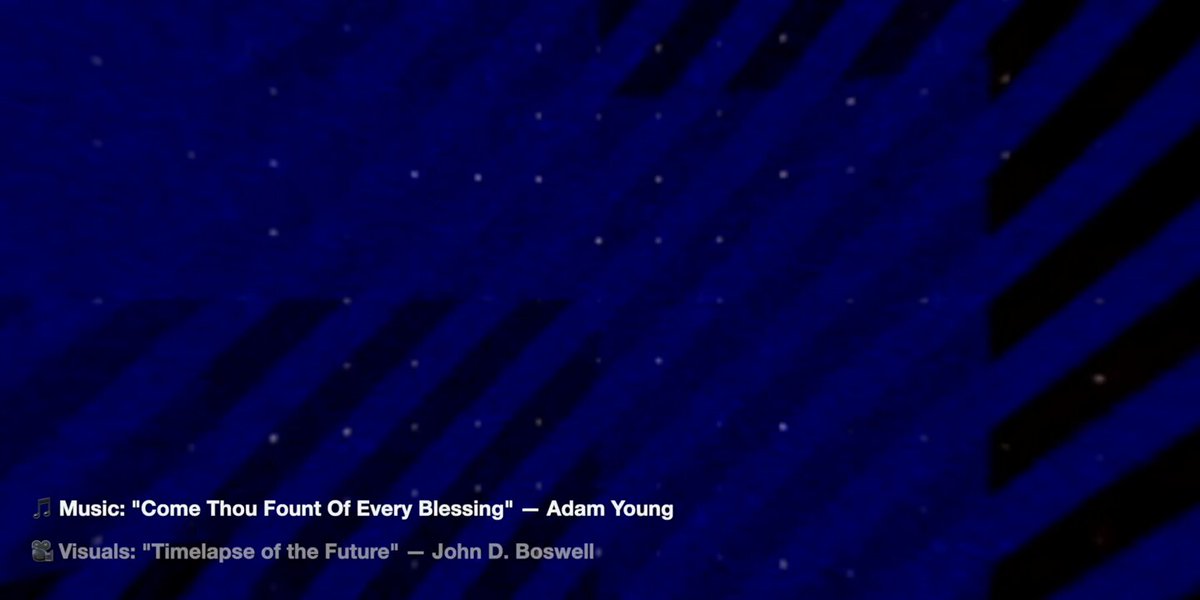
Here's a lyrics video I made for Adam Young's heartfelt cover of Come Thou Fount of Every Blessing.
Hope you enjoy it — let me know what you think!
2
4
110
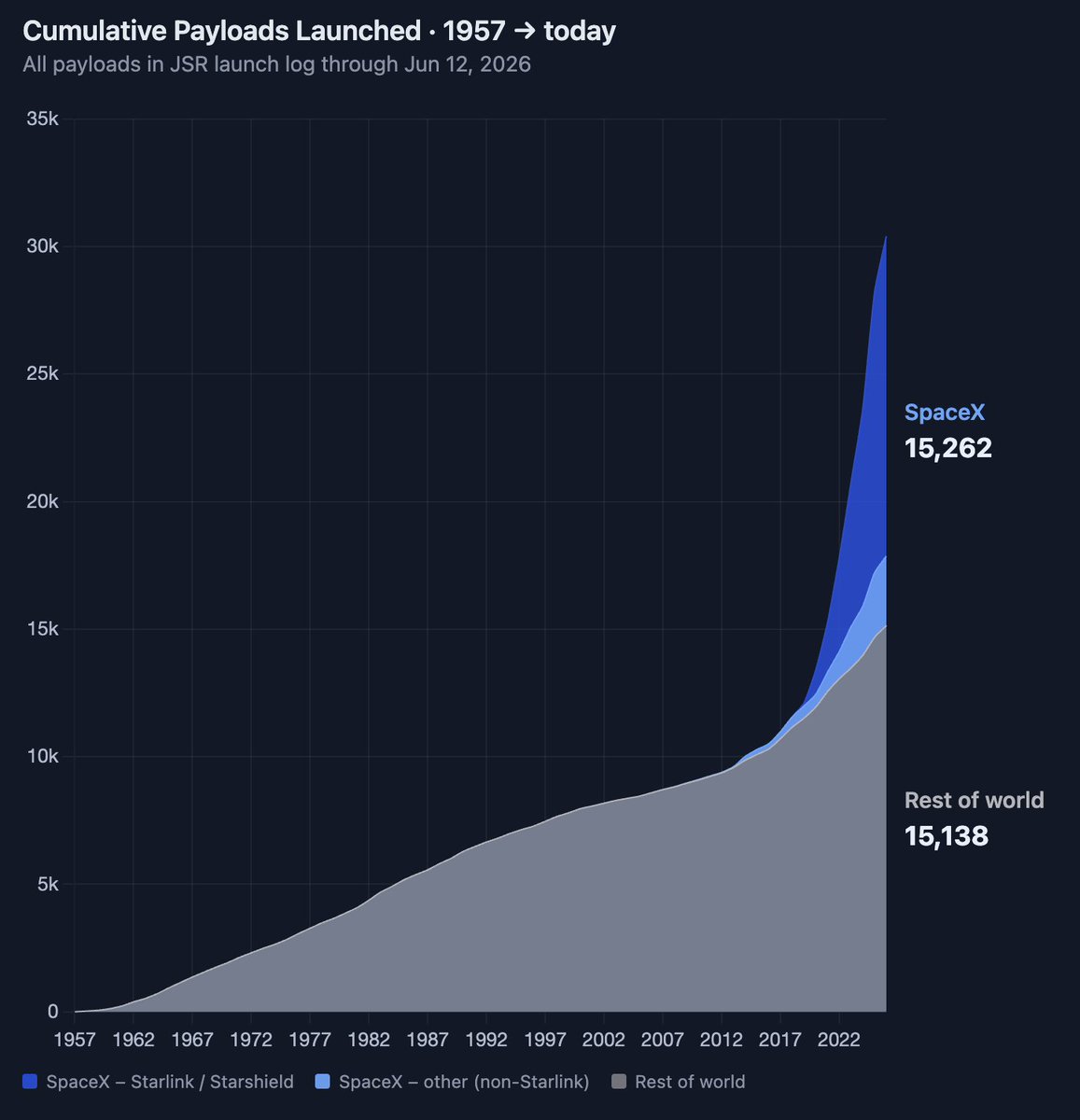
Civilization milestone unlocked. 🔓✅
Jun 12

They did it.
SpaceX has now launched more satellites than the rest of humanity, combined, all time.
35
ASMR, anyone?
Sharon and Bri posted videos at about the same, between 21 and 24 minutes long with thumbnails of their finger on their chin. Bri pretends to be an alien wondering why humans are patient enough for GTA6 🤣
Sharon: youtube.com/watch?v=sthjKhRc…
Bri: youtube.com/watch?v=O3k6k_Ra…
68
☠️ welp. I'm just glad this post is real. 😭

52
Only few care about standing up for what's right.

WHISTLEBLOWER Gail Macrae: "I am a registered nurse with years on the front lines...ZERO patients died FROM COVID.
They were KILLED by Remdesivir and ventilators.
Hospitals were half-empty the entire time.
But the deadly protocols, forced isolation from family, and experimental drugs kept rolling — because every “COVID label” meant massive government bonuses.
This wasn’t medicine.
This was MURDER FOR MONEY.
Patients came in with the flu or pneumonia. They left in body bags after being poisoned and suffocated by hospital policy.
I saw it with my own eyes.
I watched it happen day after day.
Demand justice.
Demand the truth.
Demand the names of every administrator, doctor, and politician who profited while our loved ones were slaughtered.
The COVID hospital scam was one of the greatest crimes in history.
41
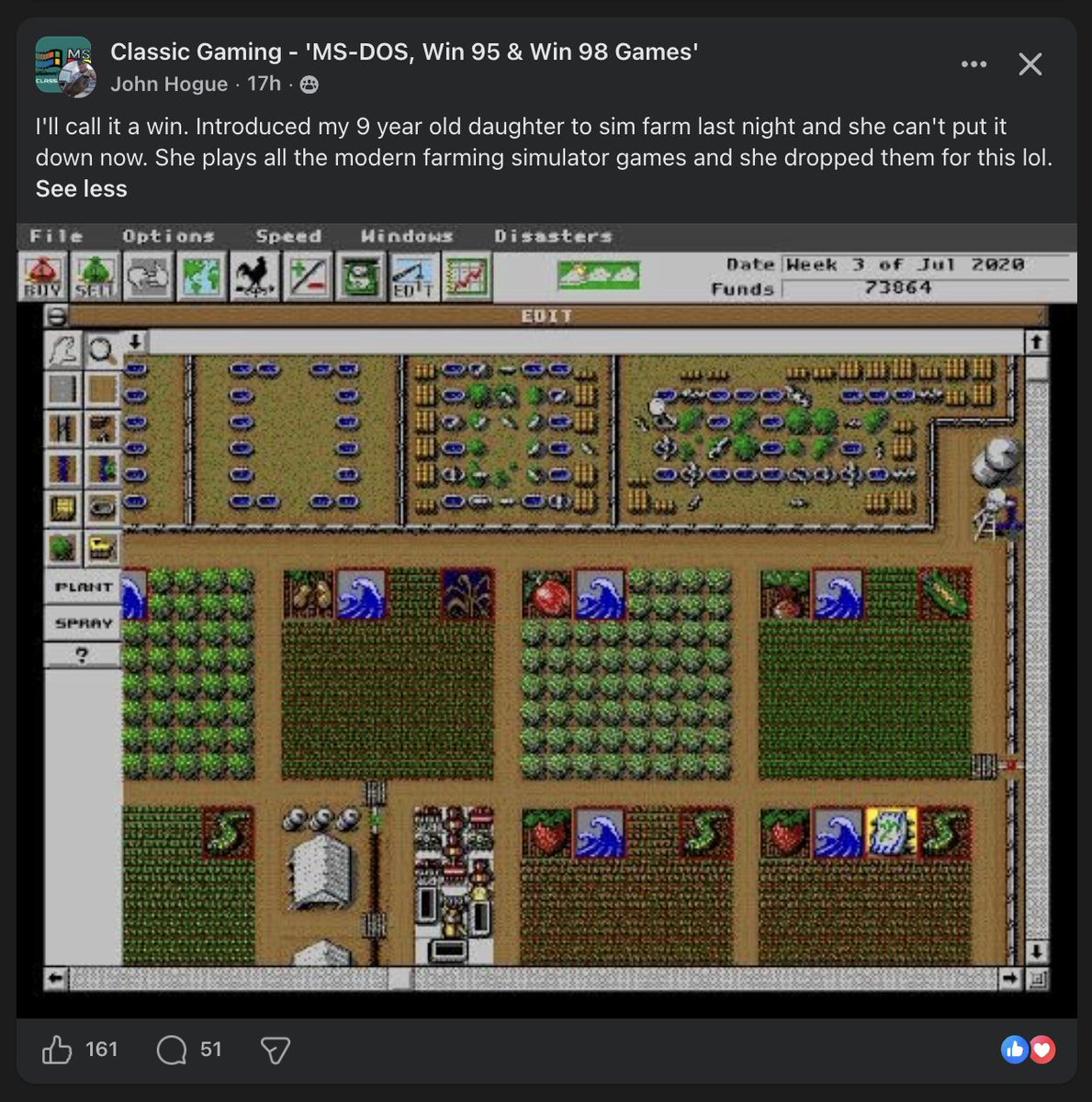
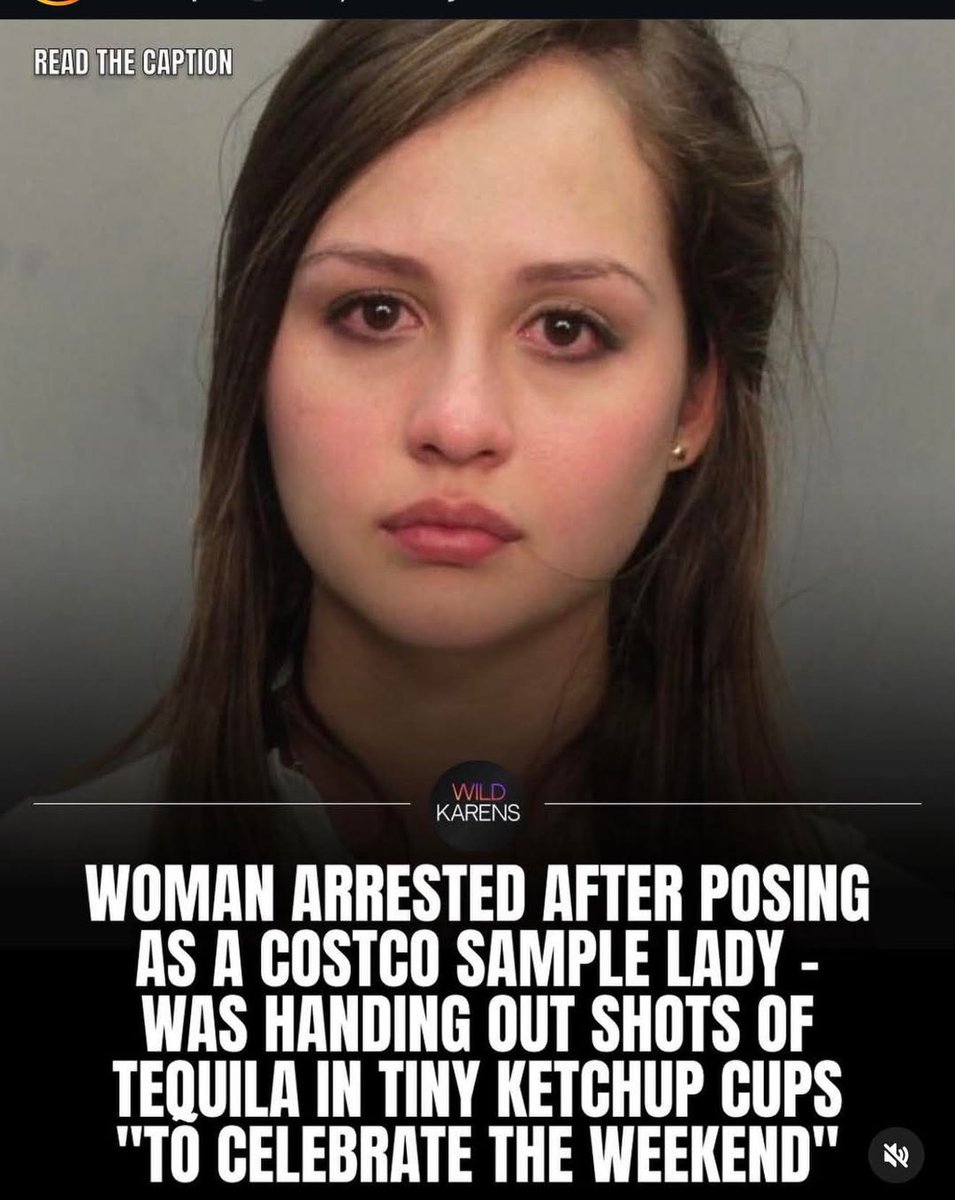
They get me just about every time. Can't avoid the chuckles..
1
47
I bought my parents this movie back then.
youtube.com/watch?v=nzUDyNo6…
2
55
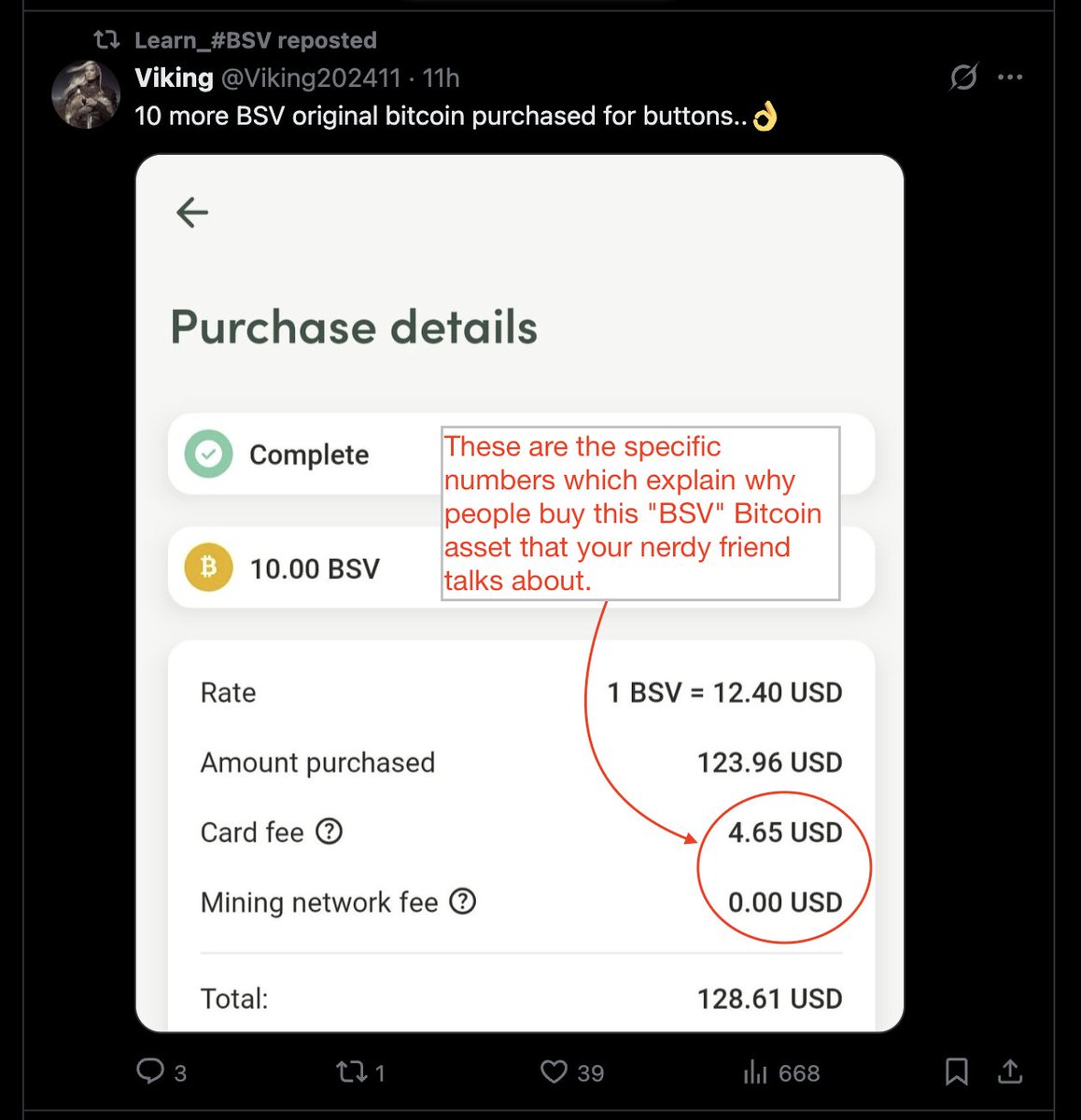
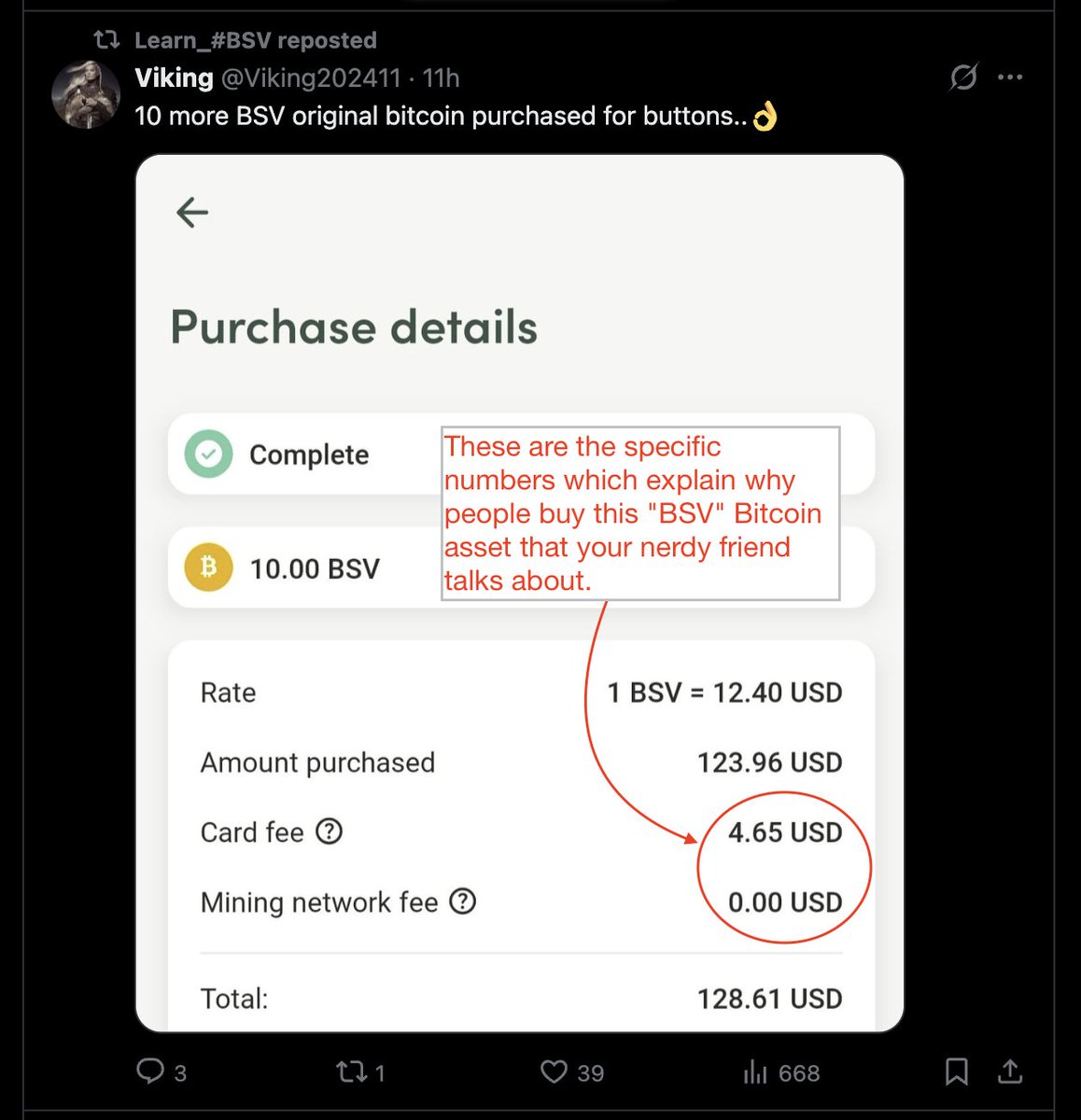
2017 switcharoo: name "BTC" for "BSV"

2
97

Interesting.. 🤔 I'm listening to a teaching and it was mentioned that Yahweh is a master of confusion, he uses it all the time. The context for "not the author of confusion" is the church services.
1
26
Videos
Artosis Brood War: youtube.com/watch?v=G4C0pK8Z…
Tia House Update: youtube.com/watch?v=6kr0qsBw…
Psychopathic Coworker: youtube.com/watch?v=vfCFlIvF…
Trucker: youtube.com/watch?v=ywhhOxjp…
Silo S3 Trailer: youtube.com/watch?v=BLBvbMtj…
Schoolhouse: youtube.com/watch?v=yt87xwjf…
1
42
I'm considering getting this paint for my house roof and car. It cools even at night.
youtube.com/watch?v=FnKNOPlR…
1
44
My custom "Final Cut Pro" memory management command:
alias storageFCP='du -sh ~/Movies/*.fcpbundle/* | sort -hr'
46
Timothy John Swan ✝️ retweeted

Twenty years ago this month, I stood before a room at Google and presented work on deep learning networks.
For ninety minutes the questions came, and for ninety minutes I answered them.
The objection, when it finally arrived, was wonderfully mundane.
"It requires too much compute."
"Perceptrons are too slow."
I suggested something unfashionable at the time. I suggested looking forward.
Moore's Law was hardly a secret. Computing power was increasing relentlessly. If we started then, if we built for where hardware would be rather than where it happened to be that afternoon, we would arrive ahead of the curve.
The response was largely the sort of practical wisdom that ages badly. The future was judged by the limitations of the present. A common habit among intelligent people.
Today we live in a world intoxicated by Large Language Models.
Every newspaper speaks of them. Every boardroom discusses them. Every investor discovers them with the enthusiasm of a tourist finding Paris.
Yet the amusing thing is that LLMs did not appear because somebody suddenly discovered neural networks. They appeared because computation finally caught up with ideas that many had dismissed as computationally expensive curiosities.
The mathematics did not perform a miracle.
The silicon improved.
What was once "too much compute" became routine.
What was once "too slow" became infrastructure.
What was once dismissed as impractical became one of the largest technological revolutions of the century.
There is a peculiar vanity in assuming that the limits of today's hardware are the limits of tomorrow's civilisation. It is rather like refusing to build a cathedral because one happens to be standing in a quarry.
The future rarely arrives by inventing entirely new ideas.
More often, it arrives by waiting for old ideas to become affordable.
And so here we are, surrounded by LLMs, watching the world celebrate what many once rejected, not because it was wrong, but because it was early.
The difference between a visionary and a sceptic is often nothing more than ten years of semiconductor manufacturing.
Or twenty.
15
38
179
4,979
For the past ~3 years, I've been trying to convince many, including Craig, to ignore BTC or the asset most people call "Bitcoin" because it's just another broken side project with only the advantage of name and ticker symbol of the project of interest, BSV.
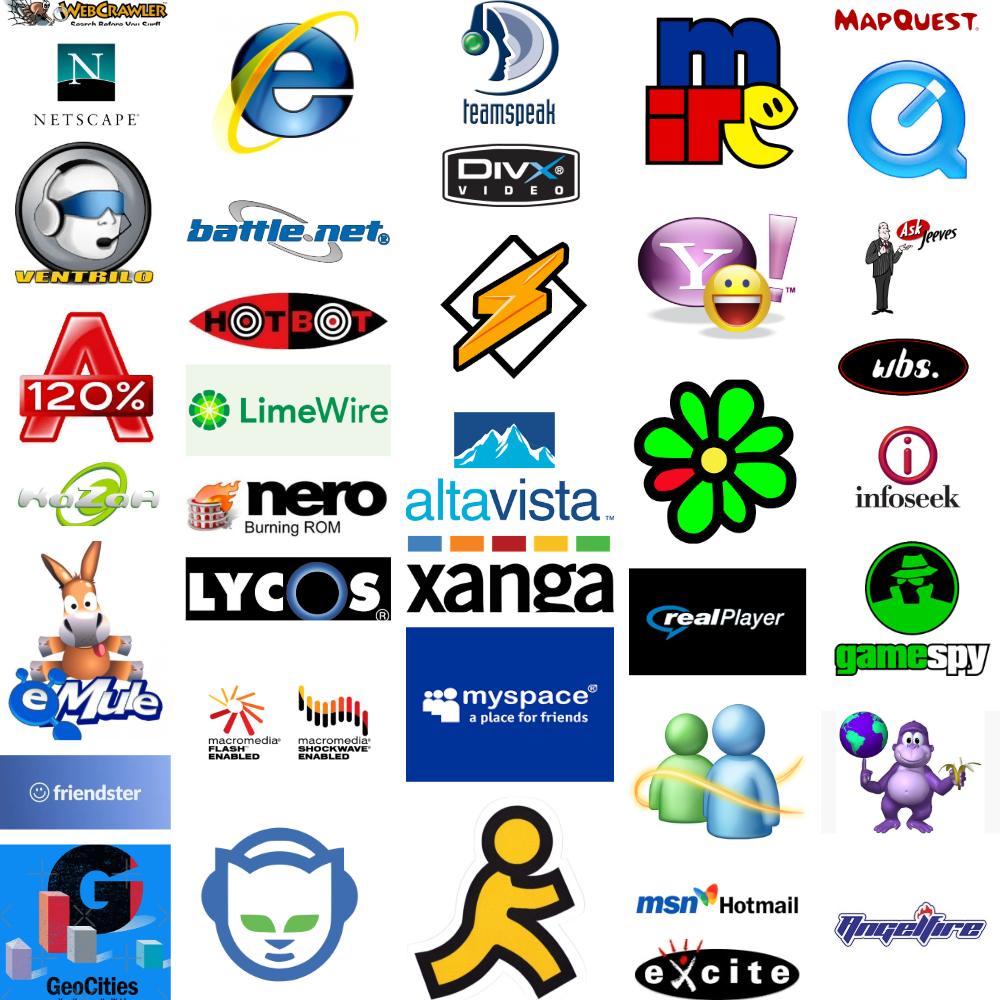
Messes with the lists
2
98