
Joined August 2018
- Tweets 72,376
- Following 2,318
- Followers 2,092
- Likes 82,822
7,677 Photos and videos









TimRambo🐧 retweeted
The doctors had to treat a sick man and his cat was there watching everything, all worried about what was happening.
20
43
617
31,403
TimRambo🐧 retweeted

Jun 12
CIA has killed every person who created universal electricity from the earth!
1
15
701
TimRambo🐧 retweeted
A U.S. cannabis company has joined the New York Stock Exchange for the first time in history. Trulieve, a Florida-based operator, has made history as the first American cannabis business to trade on the NYSE, representing a major milestone in the industry’s acceptance by regulators, investors, and the scientific community.
For decades, marijuana’s classification as a Schedule I substance under federal law created significant obstacles for cannabis companies. Despite the rapid growth of medical and recreational markets across the country, most U.S. cannabis firms were barred from major American stock exchanges and were forced to list on smaller over-the-counter markets or move to Canadian exchanges.
That landscape is now shifting. The listing comes after the federal government rescheduled medical marijuana from Schedule I to Schedule III. Schedule I drugs are defined as having no accepted medical use and high potential for abuse (including substances like heroin and LSD). Schedule III substances, by contrast, have recognized medical applications and face fewer regulatory restrictions.
While this move does not legalize cannabis federally, recreational use remains illegal at the national level, it carries important scientific and financial consequences.
Researchers have long maintained that Schedule I restrictions severely limited rigorous clinical studies on cannabis. Scientists faced heavy bureaucratic hurdles when attempting to study its medical potential, optimal dosing, long-term effects, and interactions with other drugs.
With the new classification, universities and research institutions are expected to pursue more comprehensive clinical trials. This could finally produce stronger, evidence-based data on cannabis’s effectiveness for conditions such as chronic pain, epilepsy, and various neurological disorders.
For investors, Trulieve’s NYSE listing represents a clear signal that cannabis is entering mainstream financial markets. For the scientific community, it opens the door to studies that were previously extremely difficult to conduct.
Regardless of one’s stance on marijuana legalization, it is becoming evident that the future of cannabis will be shaped increasingly by scientific research and empirical data, rather than politics alone.

14
32
138
23,194

ollama run gemma4:12b
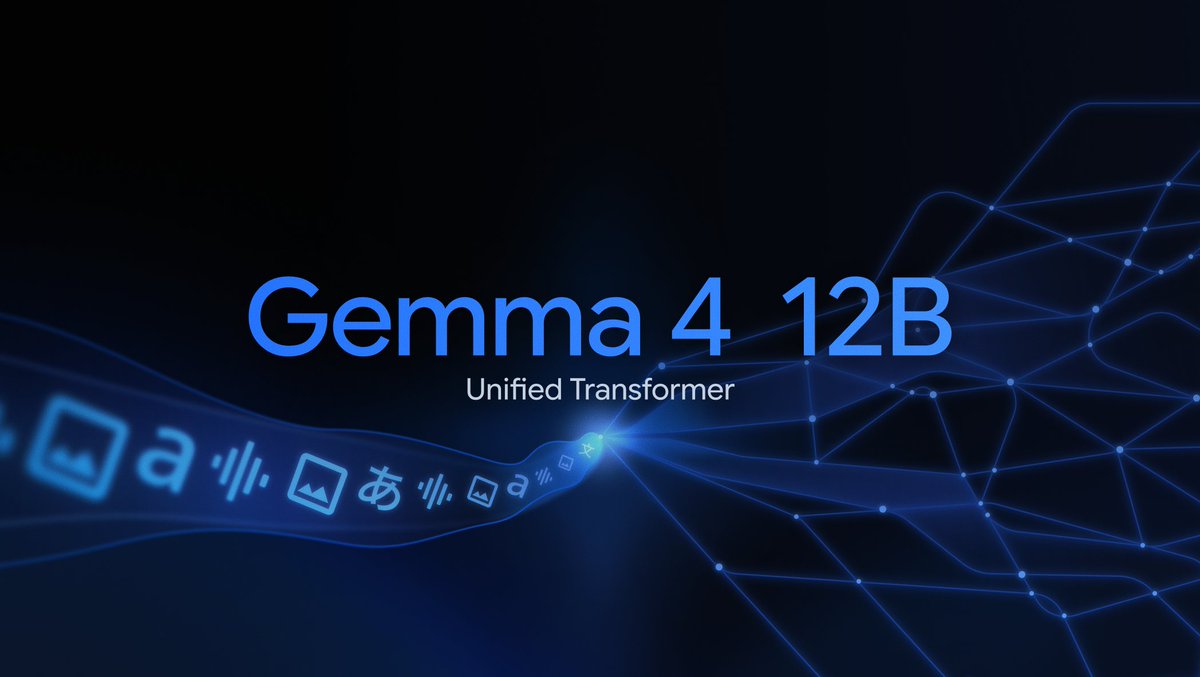
Gemma 4 12B is updated on Ollama, and available across all platforms!
Try it on:
Claude Code
ollama launch claude --model gemma4:12b
Hermes Agent
ollama launch hermes --model gemma4:12b
OpenClaw
ollama launch openclaw --model gemma4:12b
Codex
ollama launch codex --model gemma4:12b
Codex App
ollama launch codex-app --model gemma4:12b
Let's go @googlegemma & @GoogleDeepMind !
Jun 3

Meet Gemma 4 12B!
A unified, encoder-free multimodal model designed to bring high-performance intelligence directly to your laptop, and released under an Apache 2.0 license.
Bridging the gap between edge efficiency and advanced reasoning. Here is what’s new with Gemma 4 12B: 👇
54
115
1,178
73,883
TimRambo🐧 retweeted

Jun 9
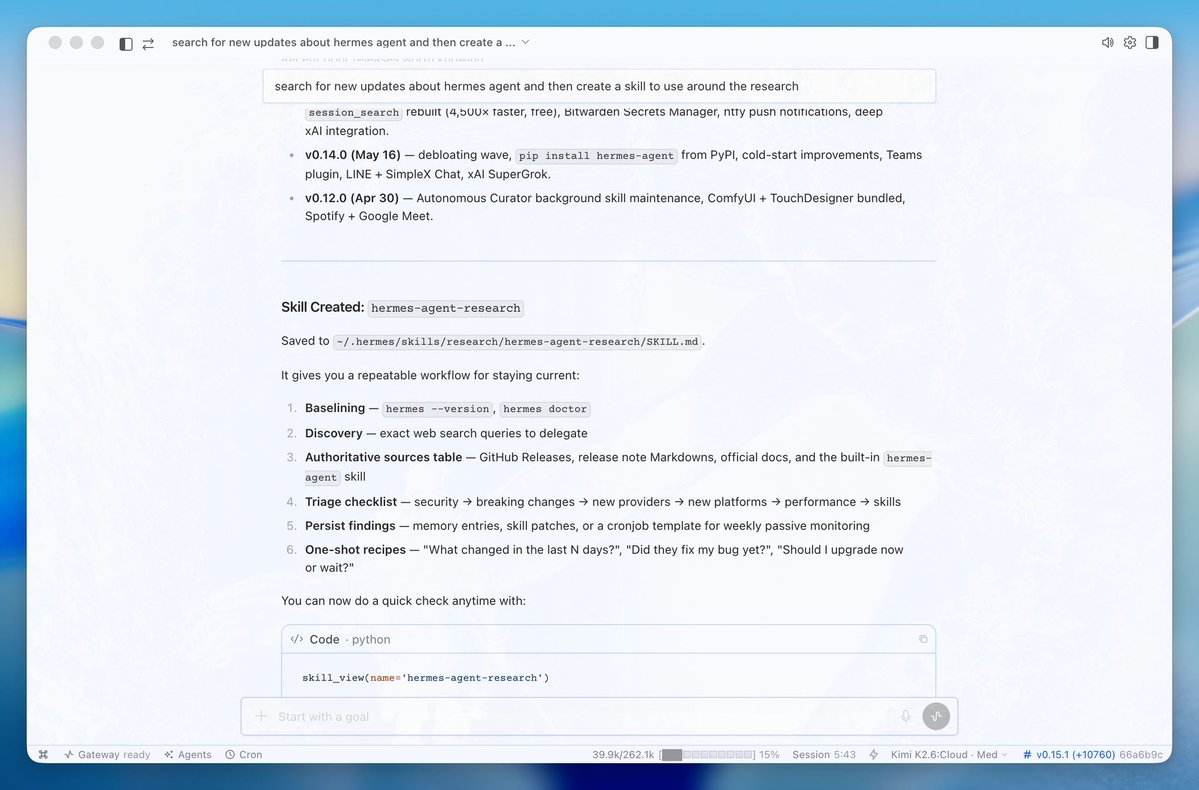
Ollama now supports Hermes Desktop
Run: 'ollama launch hermes-desktop'

Self-learning skills
Hermes generates Python skills from natural-language descriptions and improves them as you use them. Start with the 70 skills it ships with and grow your own library around your real workflows.
48
105
1,175
125,268
🤦♂️

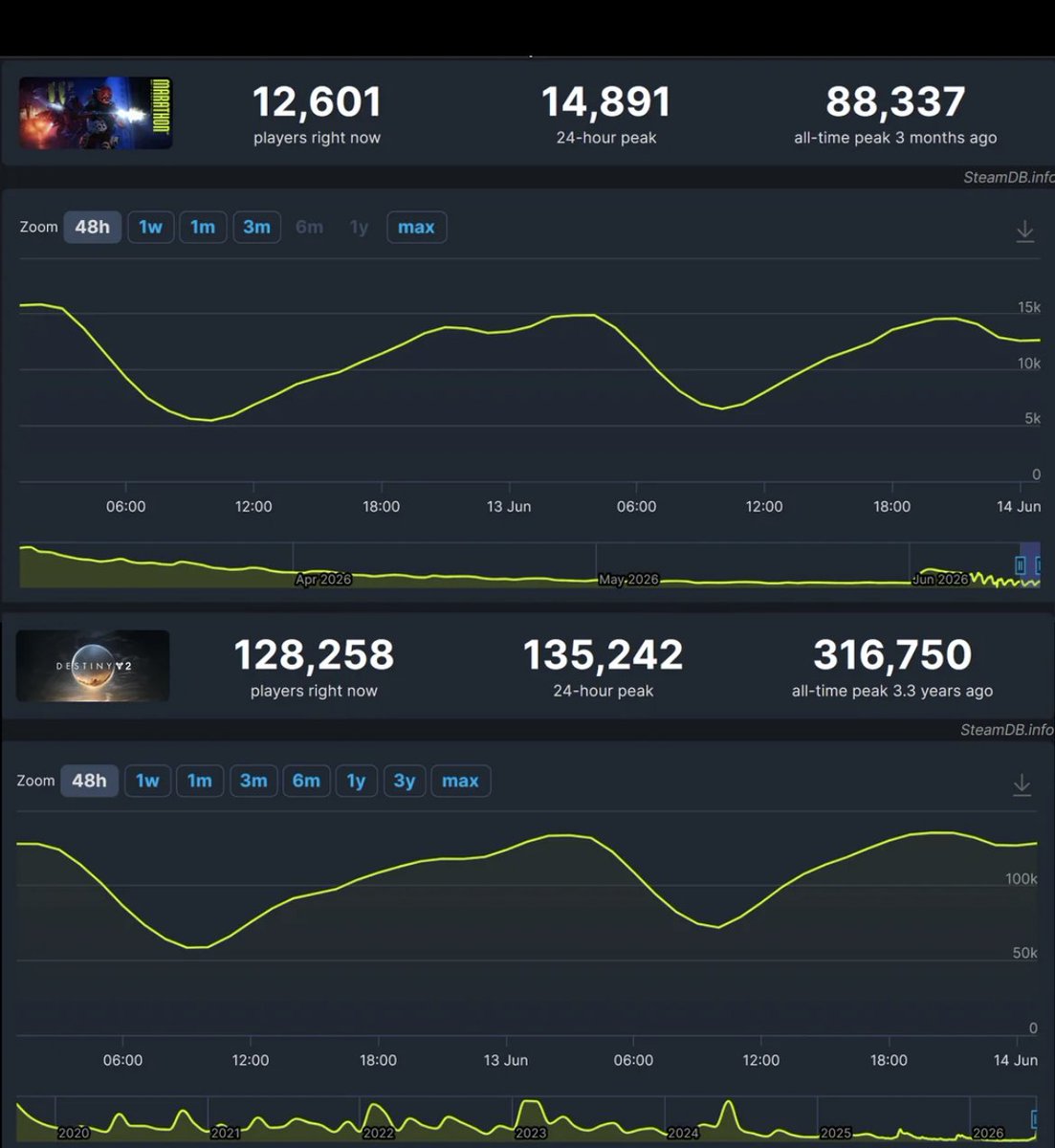
Sony cancelled all new expansions of Destiny 2 to move resources to their more popular game Marathon
What were they thinking
1
38
TimRambo🐧 retweeted

XRP is the coin dcent teamed up with coinbase to steal $97k. The companies facilitated the AI agent hacking the wallet 😆 @TimRamboReal @Ashley50239771 @MrManXRP
1
1
1
17
TimRambo🐧 retweeted
TLDR: Gilagmesh has been loose for years. Called it. @Ashley50239771 @TimRamboReal
2
2
170
TimRambo🐧 retweeted

I’ve had a number of conversations with folks inside and outside government about the current situation with Anthropic, and here is what I believe to be true:
— As we know, Anthropic publicly released its Mythos class models earlier this week under the commercial name Fable.
— Fable is Mythos with guardrails. But if those guardrails fail, then you’ve exposed Mythos and its advanced cyber capabilities to people who shouldn’t have them. (Keep in mind that Anthropic itself widely promoted the idea that Mythos was a cyberweapon and needed to be regulated as such. They asked for government regulation of Mythos and championed the guardrails on Fable. If there is a vulnerability — big or small — it is Anthropic’s responsibility to patch.)
— A highly credible trusted partner of both Anthropic and the USG who was testing Fable came forward with a jailbreak of those guardrails. The Admin asked Dario to fix the jailbreak or de-deploy the model. Dario refused.
— In their blog post, Anthropic defended its decision by saying the jailbreak isn’t serious. That is not what the trusted partner and the USG believe; nor is that kind of minimizing language consistent with Anthropic’s brand as the AI safety company. It’s difficult to fathom how they could claim a jailbreak allowing operability of a cyber weapon could be defined as not “serious.”
— In the past, Anthropic has always said that safety must be top priority and taken super seriously. In this case, Anthropic prioritized the continued offering of the consumer model over safety.
— In reaction, the Admin issued the export control. The Admin did this reluctantly. It’s been very surprised that Anthropic hasn’t wanted to cooperate with a reasonable safety request (ie fixing the jailbreak issue). Anthropic’s reaction is very much at odds with their branding and ethos as a safe AI research community.
— The Admin’s hope now is that Anthropic remediates the safety issue, the export control is lifted, and Fable goes back into general release. The Admin wants all of this to happen as soon as possible. It is frankly bewildered that Anthropic hasn’t wanted to comply with safety requests that it previously said were its highest priority.
— Those trying to misdirect and tie this action to the prior DoW/Anthropic issues are wrong. The Admin values Anthropic’s technical capabilities and feels that this issue, while serious, should be easily resolved. The ball is in Anthropic’s court.
2,075
3,067
23,931
6,897,964
Holly molly, I'm so tired of hearing about the clarity act now, can't they just pass it already, Europe is ahead with MICA framework, c'mon do something interesting! 😮💨

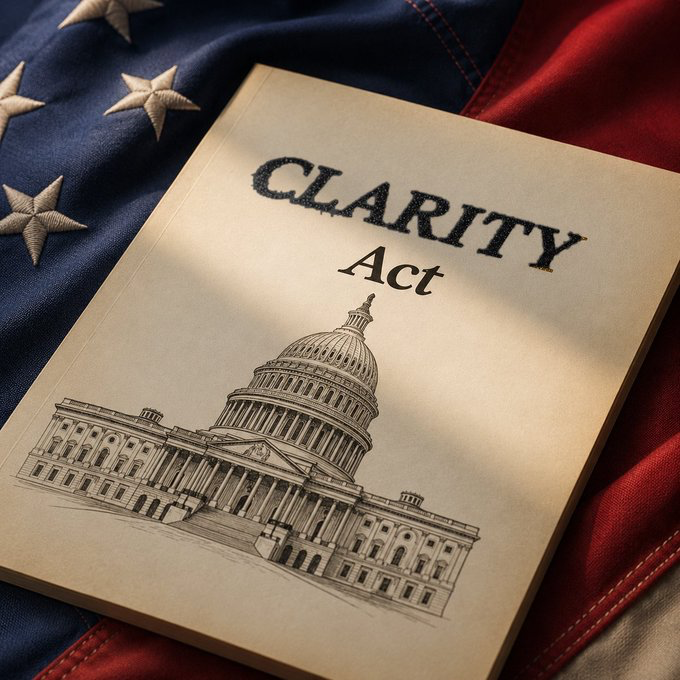
🚨UPDATE: The CLARITY Act's July 4th passage is now "logistically impossible," per Eleanor Terrett.

1
49
Du kan takke data sentrene for dette, og gå stort med KI is not the way. 😮💨 It's a waste of time and effort for what we can get small models to do! 😋
7h

Fantastisk med billig strøm når man ikke har bruk for det!
Snøskuffer i Juli er ikke engang på tilbud 🤡
13

Jun 13
And then the markets went up and then hard down 🤪
Jun 10

🇺🇸 President Trump is expected to sign the CLARITY Act.
It wil be HUGE! 🚀
9
Jun 13
Now I wantie one! 🤪

26
Jun 13
💯🎯
Jun 12

AI companies are spending $1.8 trillion building data centers. Profits don't come close to covering it, so the gap is getting filled with debt and stock sales. The biggest rally in the market is running on borrowed money.
21
TimRambo🐧 retweeted

Jun 13
Best Graphics Cards for Gaming in 2026 tomshardware.com/reviews/bes…
1
2
11
1,986
TimRambo🐧 retweeted

Jun 13
A wolf begging for food from a grizzly.
The gray wolf saw the meat and in an instant turned into a playful puppy begging for a piece.
27
98
1,995
95,477
Jun 13
🤣🤣🤣🤣🤣🤣🤣🤣🤣🤣
12
Jun 13
🤣🤣🤣🤣🤣🤣🤣🤣🤣🤣
15
Jun 13
😂😂😂

1
12
Jun 13
👀
Jun 13

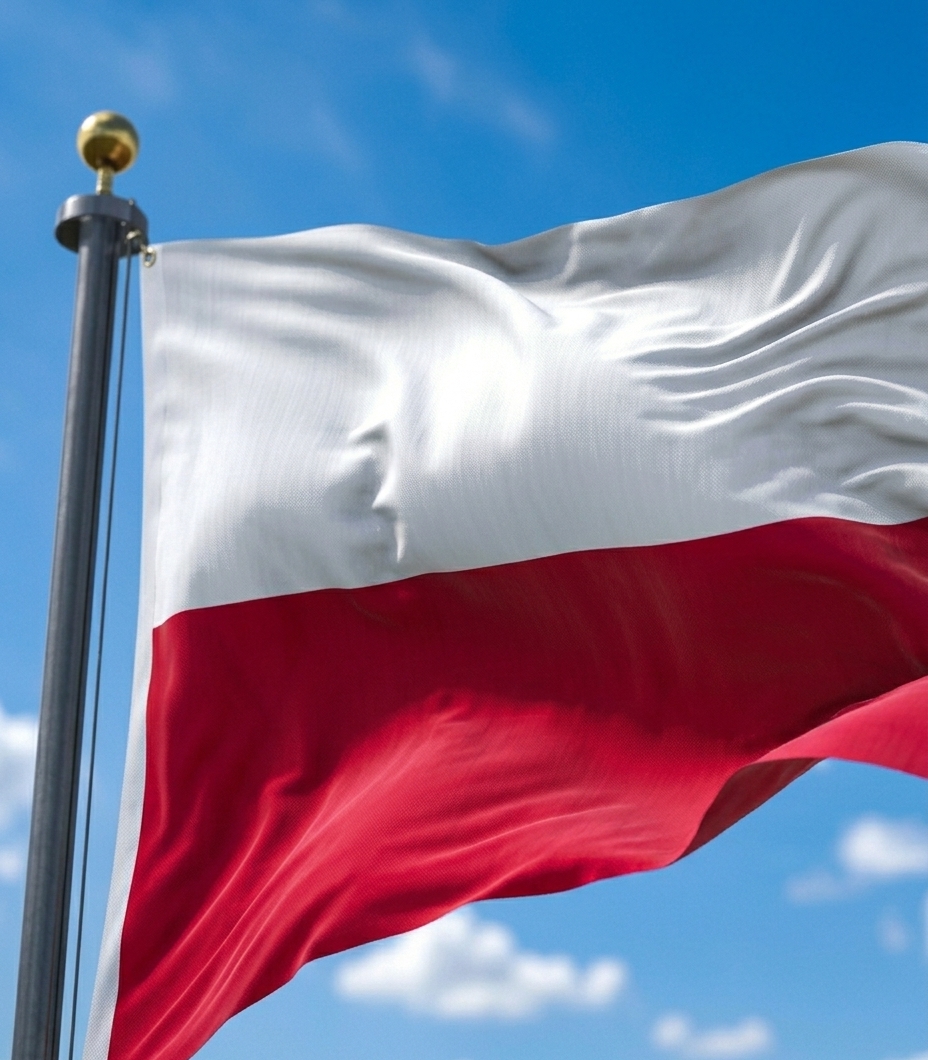
BREAKING: Polish President vetoes for the third time a bill to regulate Bitcoin and crypto because it may drive Polish Bitcoin and crypto businesses to other EU countrie

13