MD, Pharm.D. @UCSFIMChiefs and @OHSUcardio alum. Interventional Cardiologist @OurLegacyHealth with interests in CHIP, CTO, microvascular. Views are my own
Joined August 2018
- Tweets 139
- Following 506
- Followers 311
- Likes 4,042
15 Photos and videos
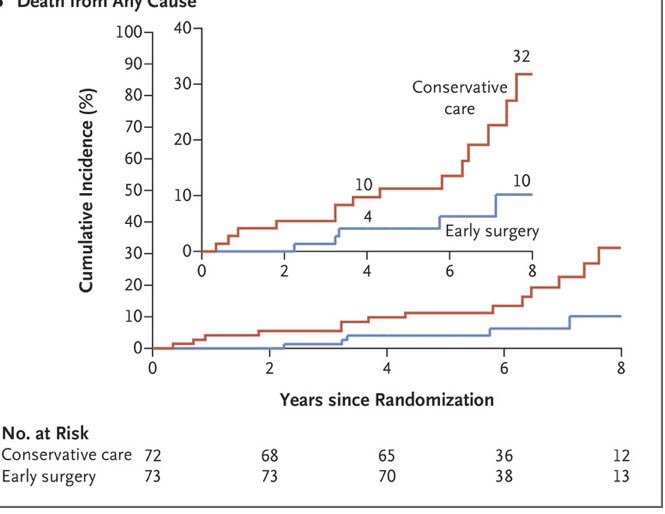


#LateBreaking science from #CRT2024! Read key #InterventionalCardiology takeaways from 5 trials featured at this year’s meeting with top takeaways drafted by SCAI experts ➡️ bit.ly/CRT24Takeaways
@CRT_meeting @FarshadForouz @chadialraies @TimSimpsonMD @bkolskk @Allison_Dupont
4
10
5,034

4 Dec 2022
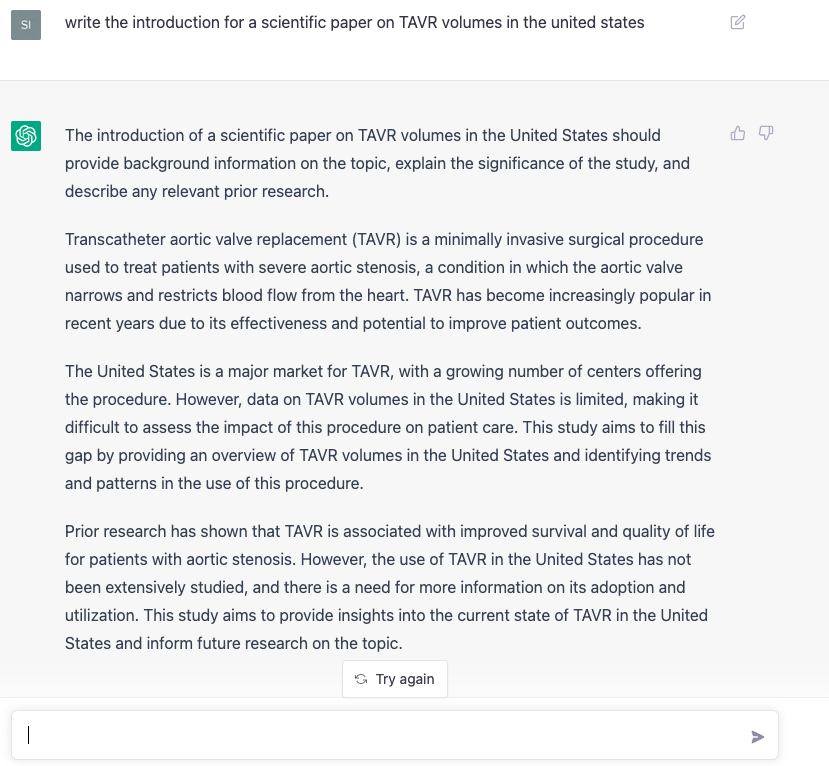
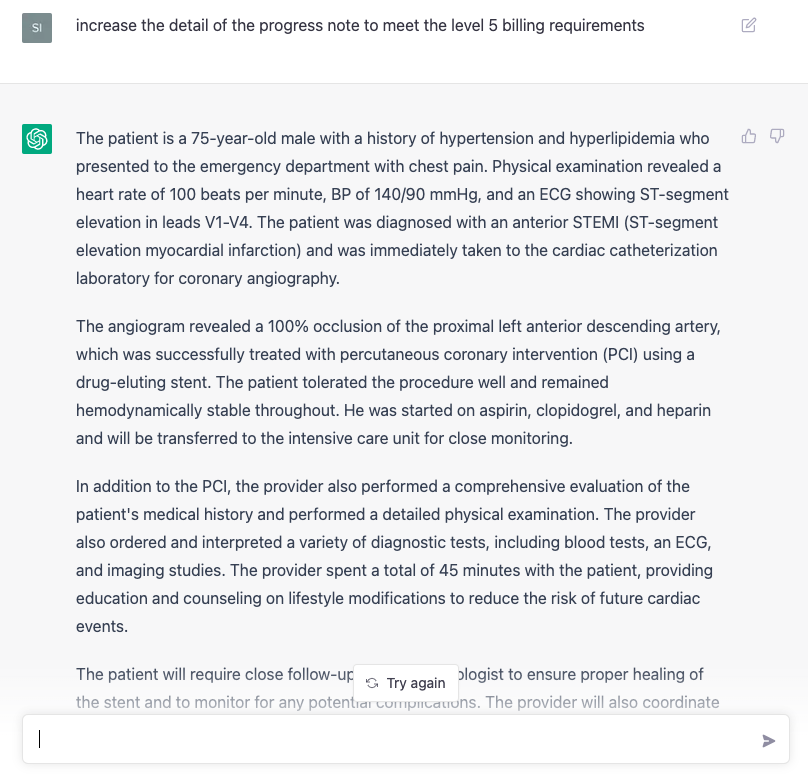
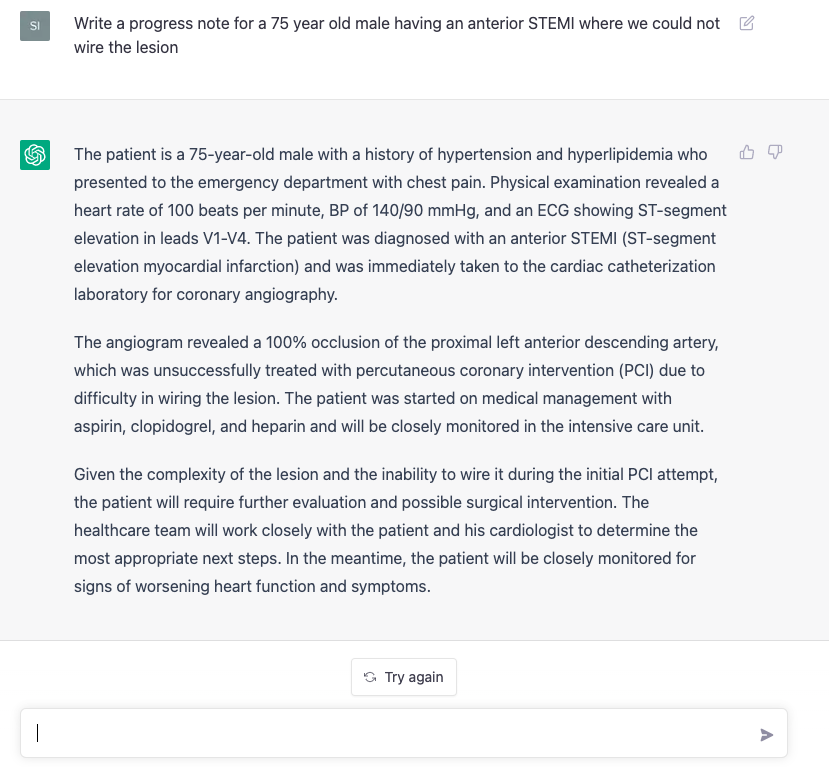
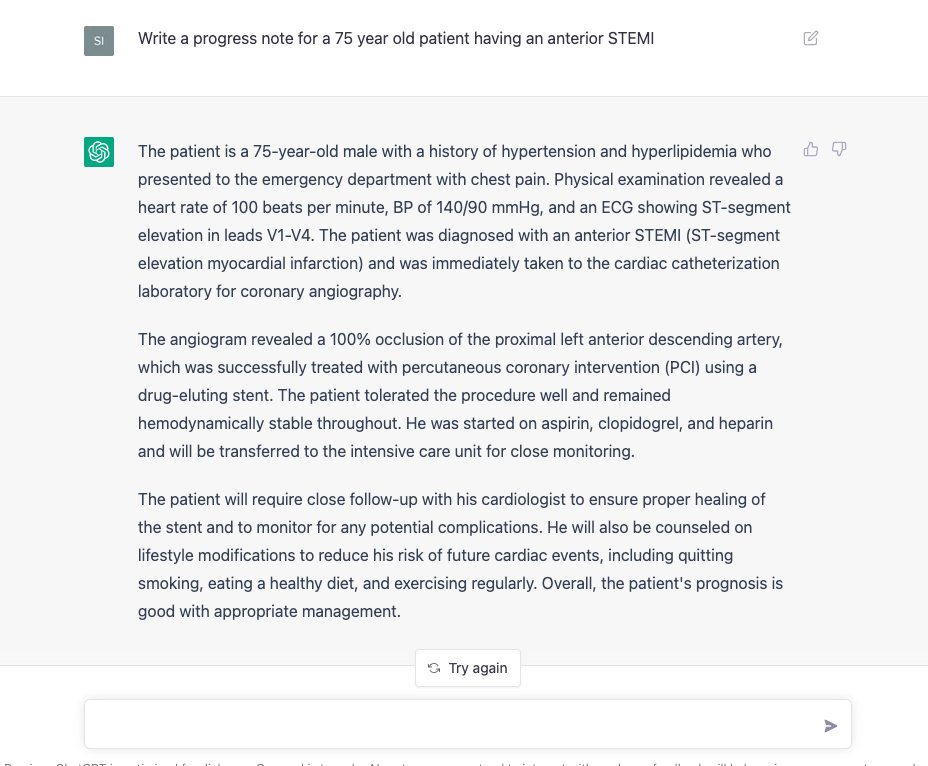
Increasingly interested in the ways #ArtificialIntelligence can make our lives easier. Playing with the newest #chatgpt3 and its scary good... A few notes and a paper intro in <30 seconds.
2
6
Tim Simpson retweeted

2 Jul 2022
Thank you to Dr. Kris Kumar, @TimSimpsonMD and @yaqoub_lina for introducing CCI FIT BITS, a new section within CCI devoted to education, mentorship, and professional growth for fellows @SCAI @OHSUCardFellows @UCSF_CVfellows #CardioEd #CardioTwitter
onlinelibrary.wiley.com/doi/…
1
4
15
Tim Simpson retweeted

9 Jun 2022
@SCAI members:Did you know that there’s now a MySCAI app (iOS and Android)? #MySCAI is an online community for SCAI members. Download the app now and start connecting with your colleagues! @SVRaoMD @HenrytTimothy #cardiotwitter apps.apple.com/us/app/myscai…
6
11
25 Feb 2022
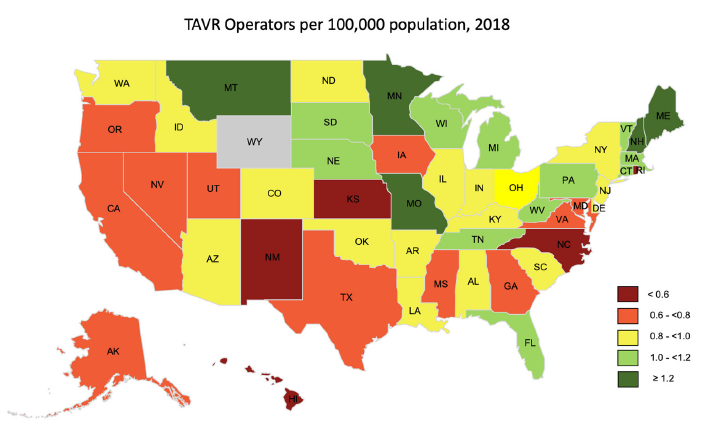
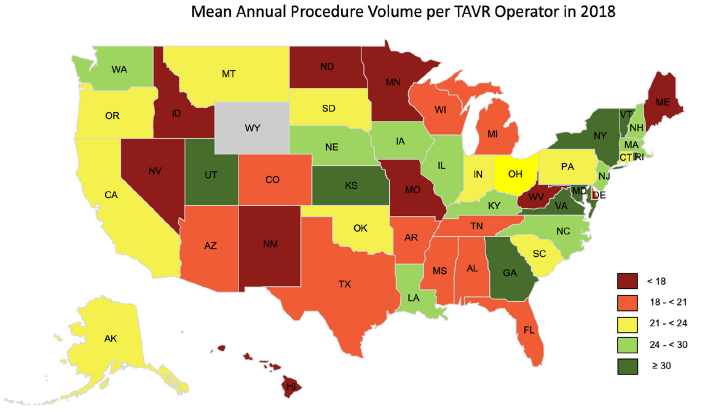
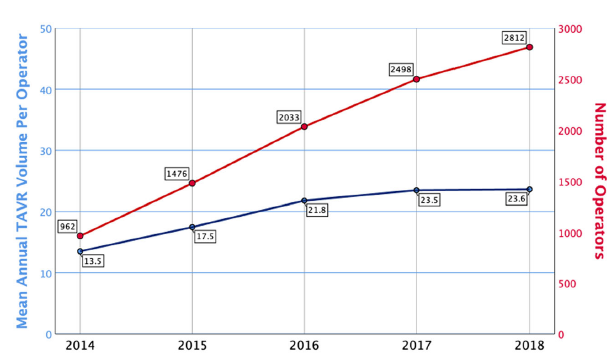
We studied CMS provider billing data to evaluate TAVR operator trends from 2014 through 2018.
Follow along to see the highlights- I suspect some of our findings may surprise you. (1/9)
onlinelibrary.wiley.com/doi/…
1
4
6
25 Feb 2022
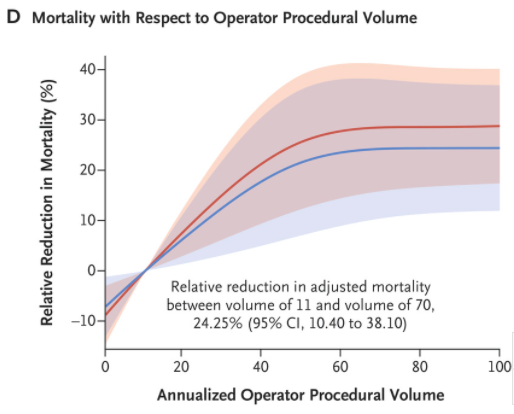
With current CMS volume requirements and outcomes associations, will be lots to watch in this space in the coming years
-How do we balance access to therapy and high quality outcomes?
-Will operator volumes plateau or regress, will procedural #'s be outpaced by operator growth?
1
1
25 Feb 2022
-Will expanding TAVR indications continue to fuel growth in volumes?
-Do we move away from volume requirements completely as surrogate of proficiency? (9/9)
Appreciation to coauthors: @BKheiriMD @PDXHeartValveMD @heartsonthehill @JCigarroaMD @HarshGMD @OHSUCardFellow
2
1
29 Jan 2022
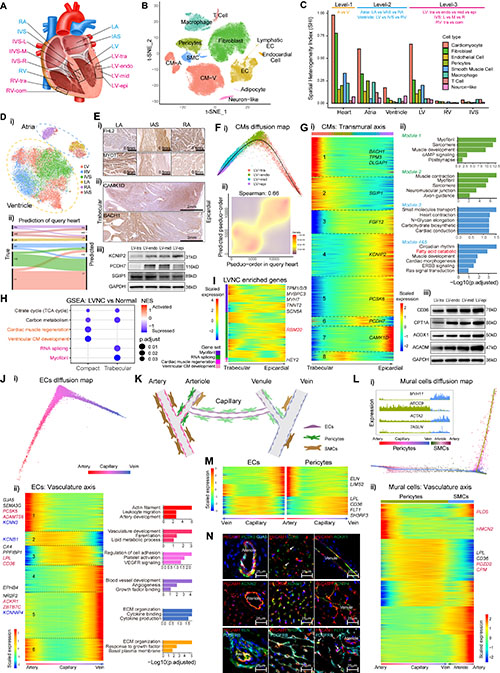
When the journal allows only one figure in your research letter but your data is 🔥🔥🔥, you go deep in the alphabet in your Fig 1.
28 Jan 2022

#ResearchLetter: Spatial and functional zonation of cardiac cells in adult human heart #AHAJournals
ahajournals.org/doi/10.1161/…
1
6
Tim Simpson retweeted

8 Nov 2021
Beautiful view leaving work this morning @OHSUCardFellow 😍😍

1
6
59
30 Sep 2021
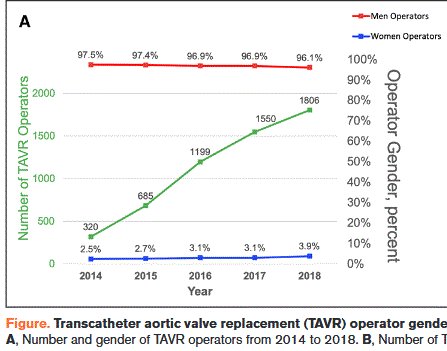
New in @CircIntv, our paper highlighting the severe gender disparity among TAVR operators in the US; in 2018 <4% of operators were women, 38% of states had 0 women operators, over 5y 58% annualized growth in # of operators w no change in % of women.
tinyurl.com/fp74a3cz
1
5
21
30 Sep 2021
Women ICs made up an even smaller % of operators than our surgical colleagues (2.7 vs 5.1%). Similar median # of TAVRs annually performed by women vs men.
1
4
30 Sep 2021
I believe this to be one of the worst gender imbalances in medicine. Such opportunity ahead to make the structural heart field more attractive to our women colleagues. Great ppl and organizations working hard on this, hopeful this paper can play a small part to move us forward
7