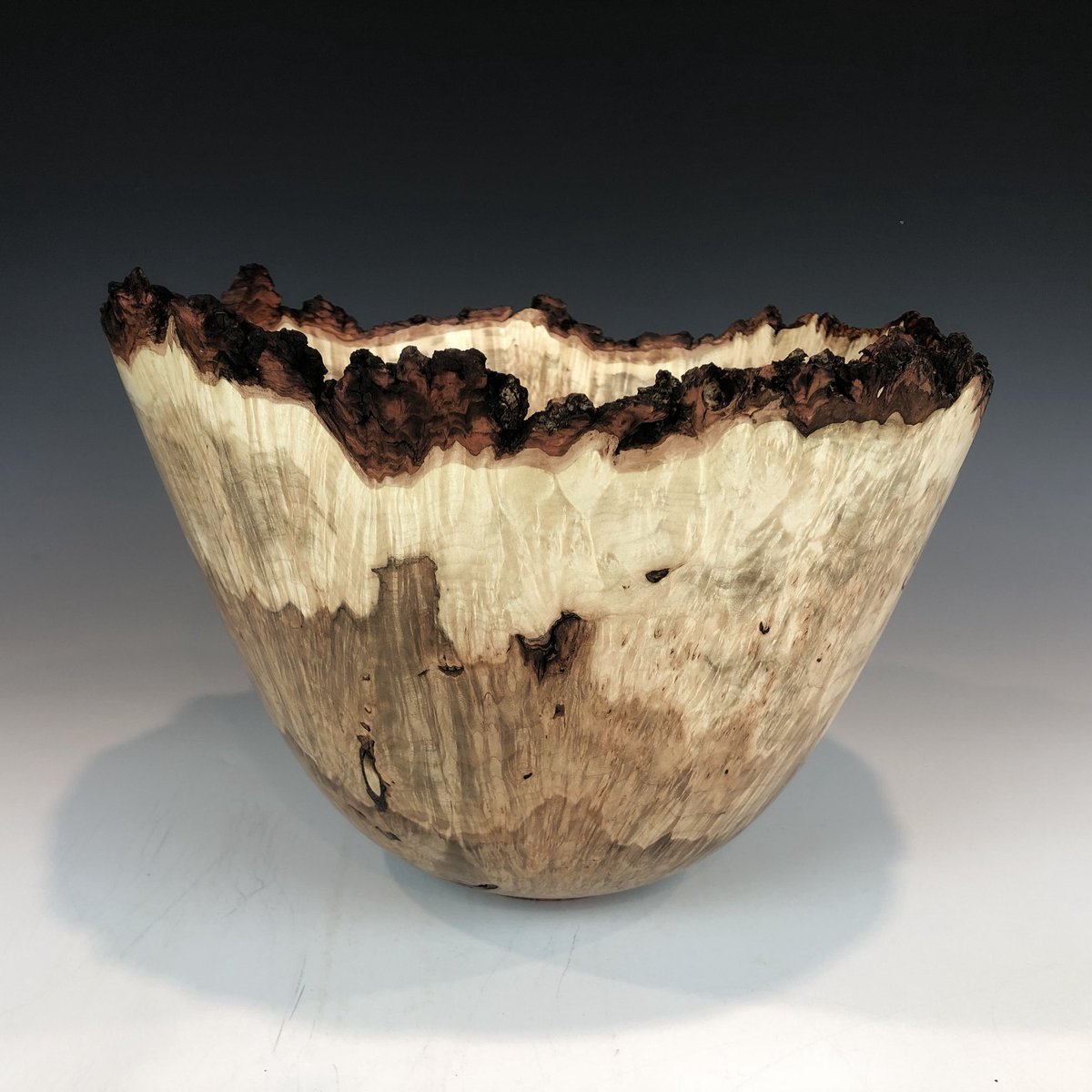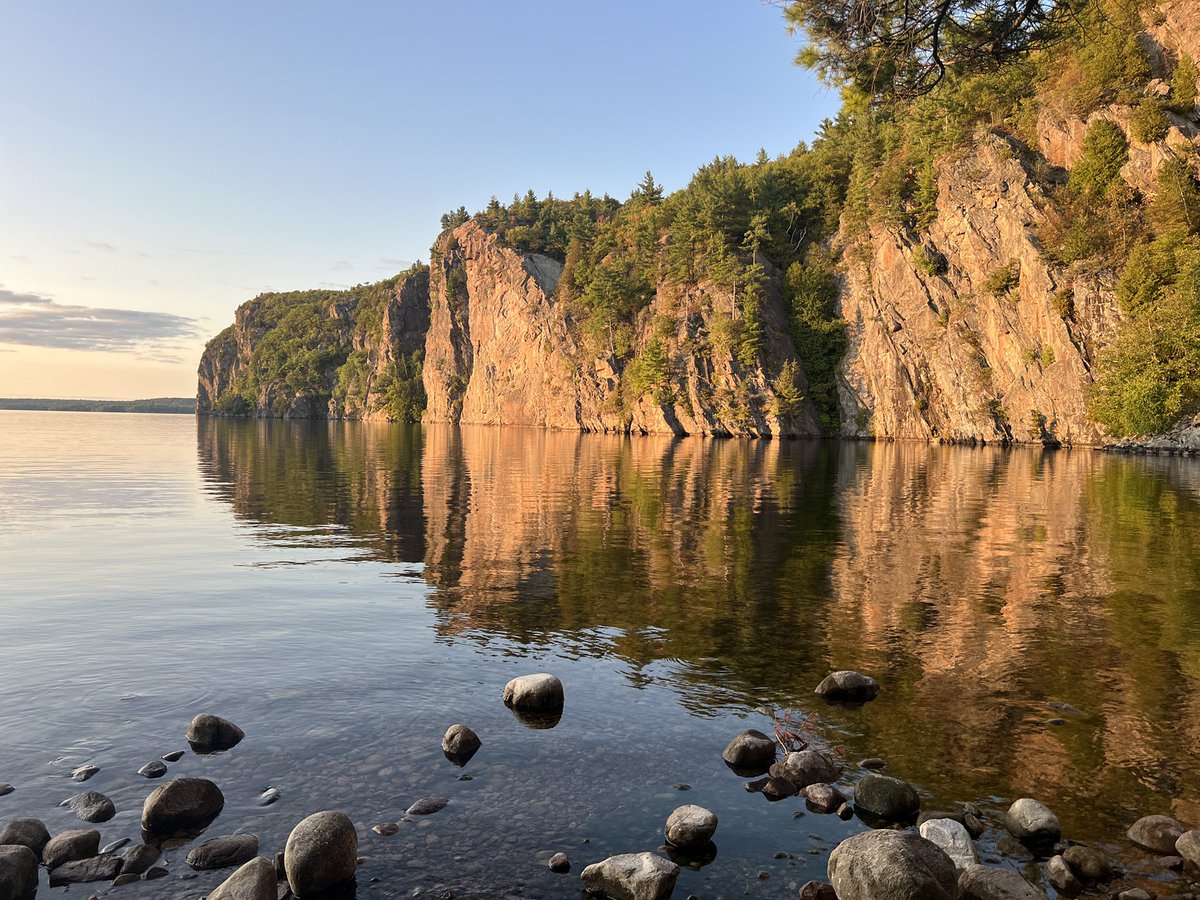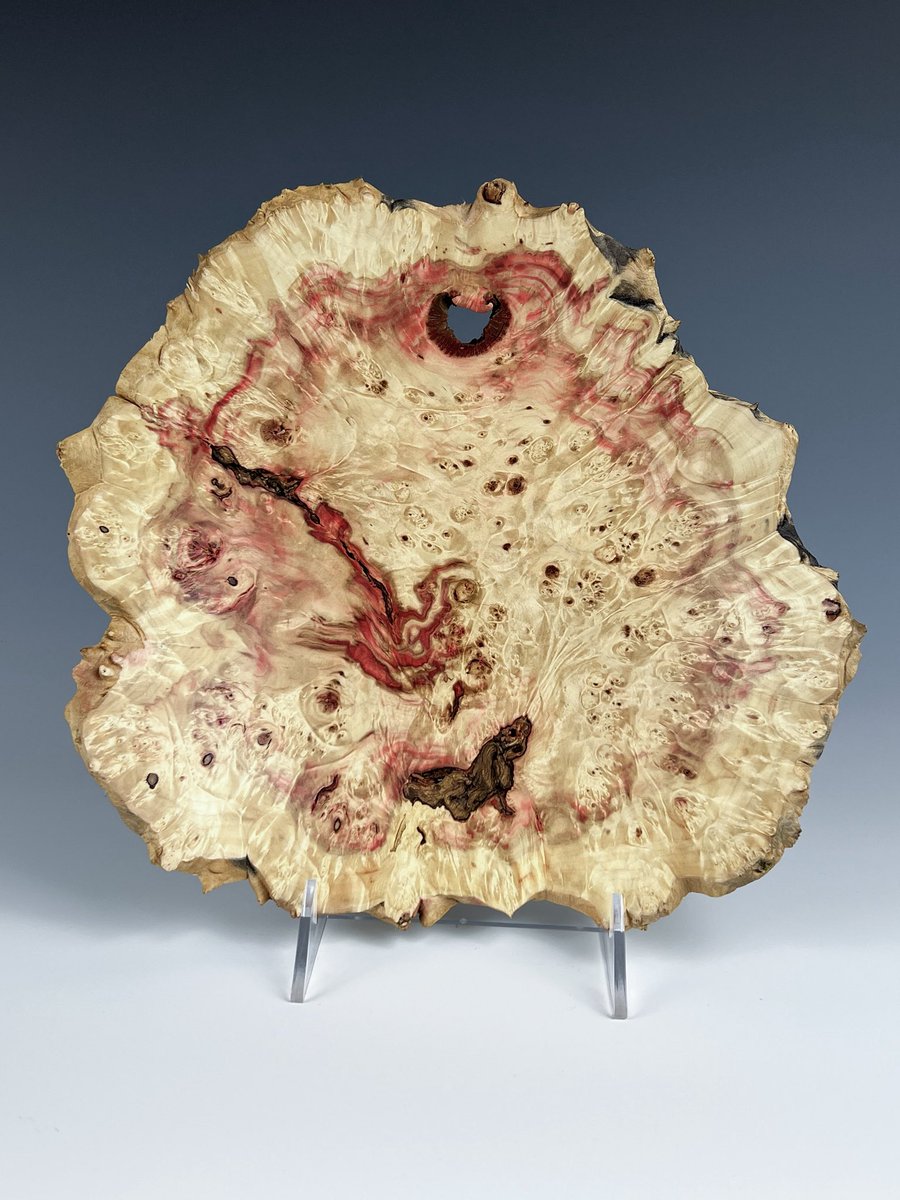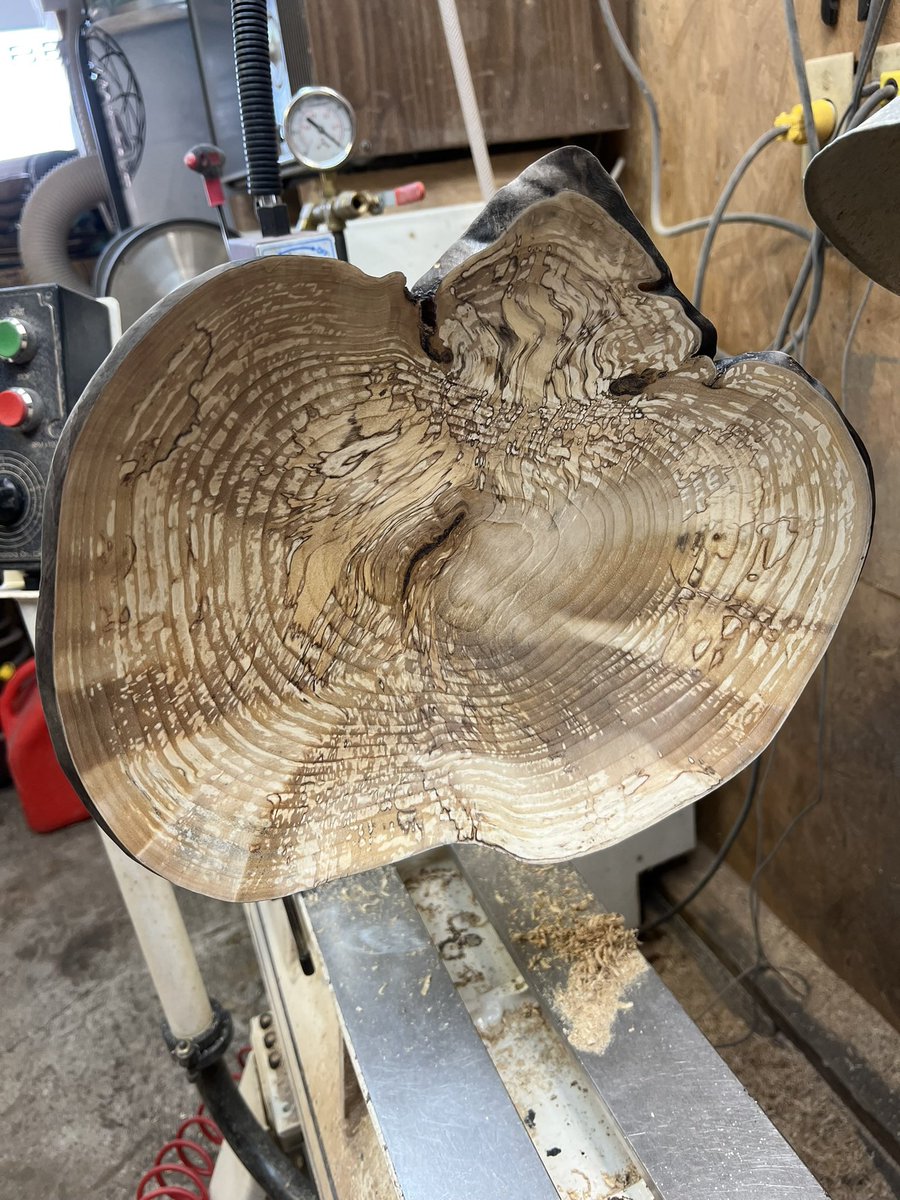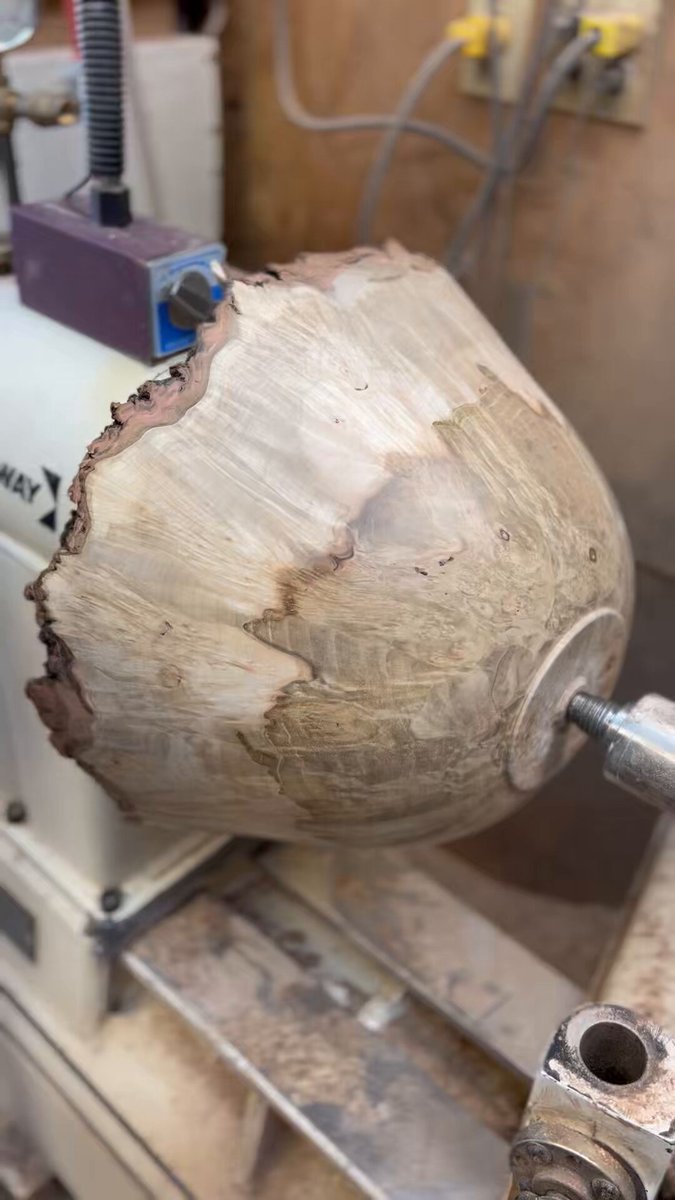
Creating one-of-a-kind wood turned bowls with refined or natural edge.

Joined April 2013
3,414 Photos and videos
Pinned Tweet
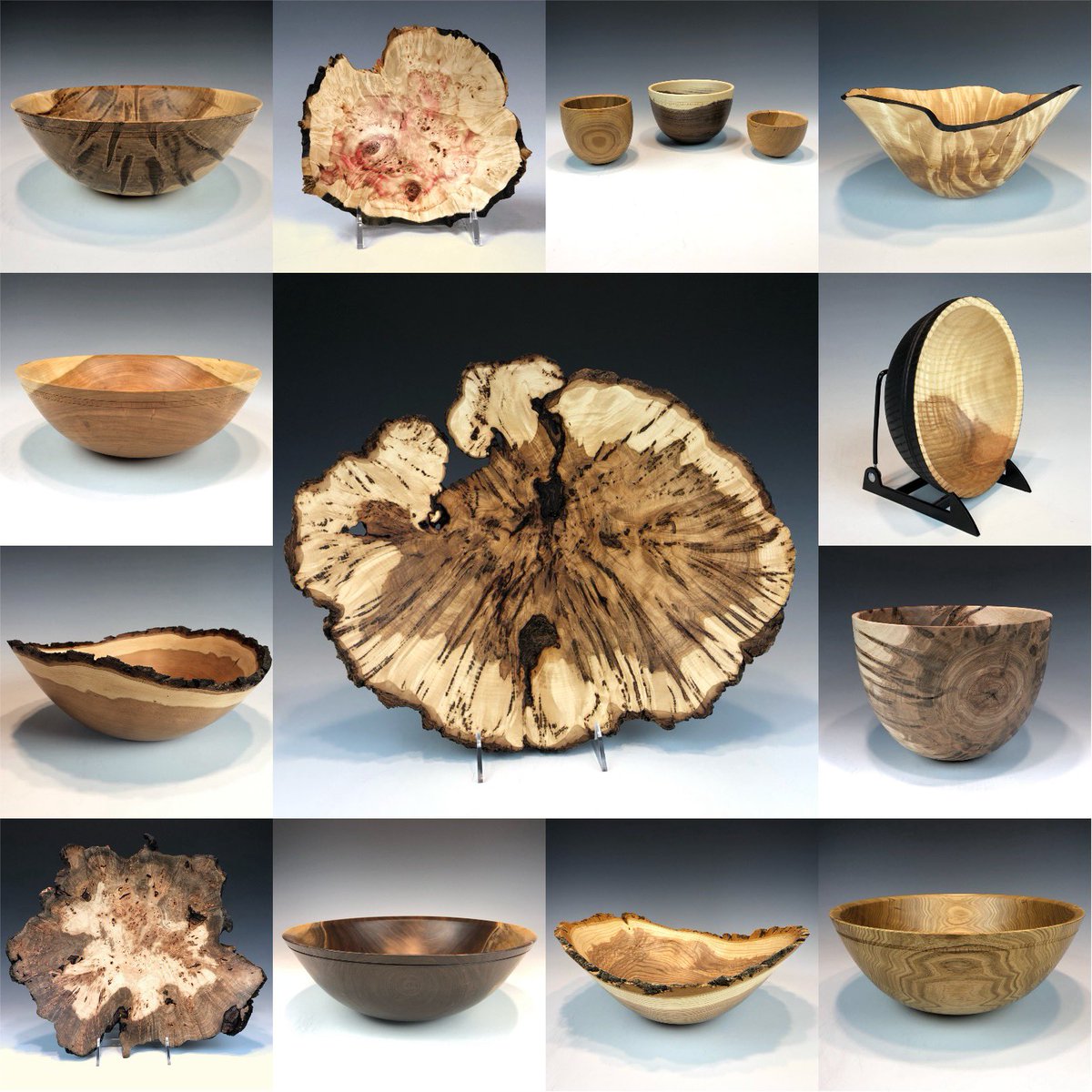
A small sampling of my (Timberworks) past works. All have been made from local Ontario wood species.
1
4
126
Remembering on this day, our daughter Danielle, who suddenly passed away from a brain aneurysm. A Special Olympian who had a heart filled with joy. I can still hear her behind me on the double bike urging me to go faster, faster!
1
8
186
Priceless!
2
3
121
Trees aren’t competing with each other, rather they’re supporting and sharing with each other.
In the 1990s, Canadian ecologist Suzanne Simard made a groundbreaking discovery that challenged everything we thought we knew about how forests work. While studying managed forests in British Columbia, she noticed something puzzling: when birch trees were removed to promote the growth of valuable Douglas firs, the firs did not flourish as expected, they actually struggled and grew more slowly. Determined to understand why, Simard traced the movement of nutrients using radioactive carbon isotopes. What she found was astonishing. Trees were actively sharing resources through vast underground fungal networks known as mycorrhizae. These delicate, thread-like fungi connect the roots of different trees across the forest floor, forming a complex web that allows the exchange of carbon, water, nutrients, and even chemical signals, sometimes between entirely different species. She discovered that older, larger trees often serve as central "hubs" or "mother trees," supporting younger saplings by redistributing vital resources and helping the entire ecosystem remain resilient. When these key trees are removed, the underground network weakens, and the health of the remaining forest declines. Simard’s research overturned the traditional Darwinian view of forests as battlegrounds of ruthless competition. Instead, she revealed a far more sophisticated reality: forests operate as highly cooperative systems where trees communicate, support one another, and even warn neighboring trees about threats like drought, disease, or insect attacks. What appears to the human eye as a silent, still forest is, in truth, a vibrant, interconnected living network, built not on isolation and rivalry, but on deep connection and mutual aid.
1
1
76
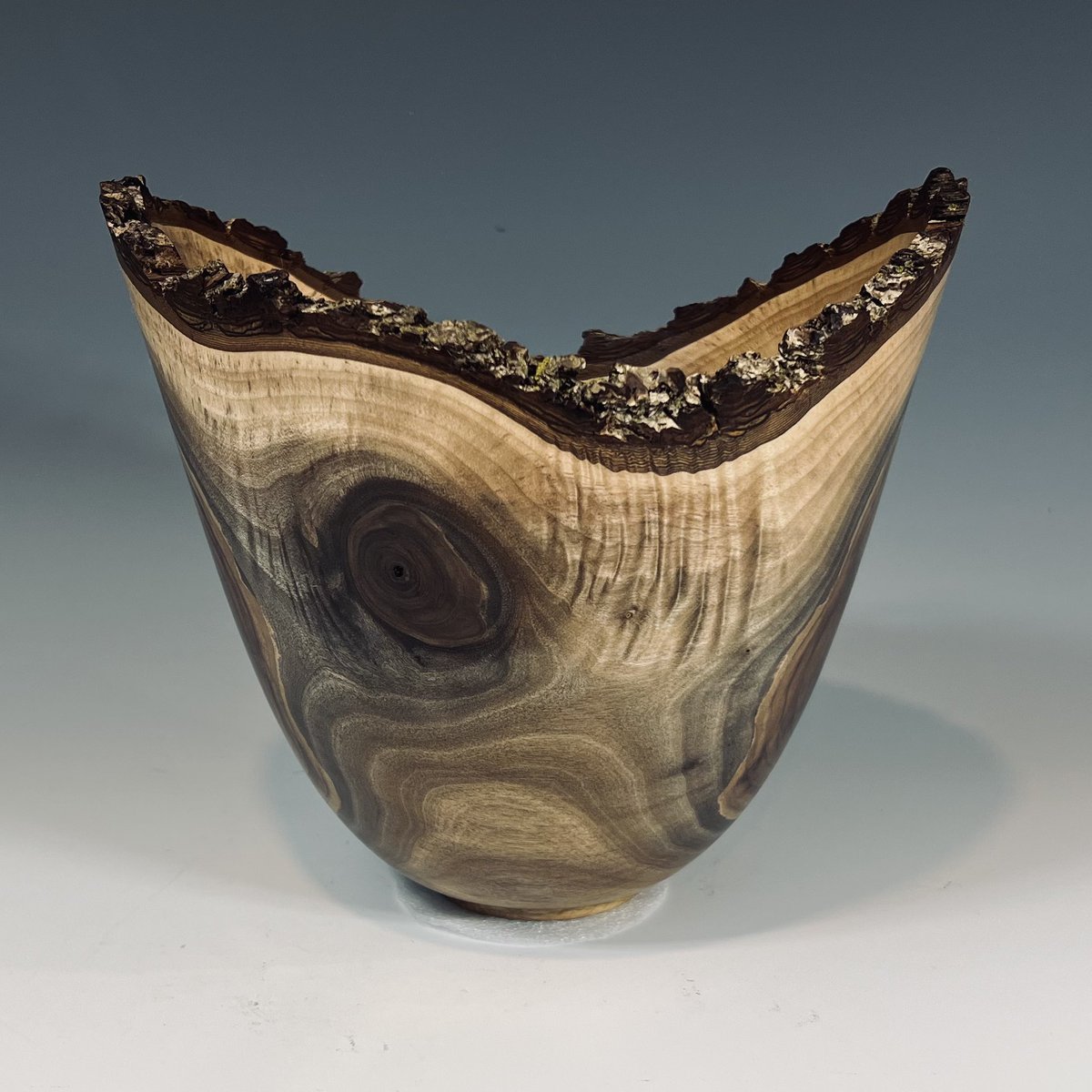
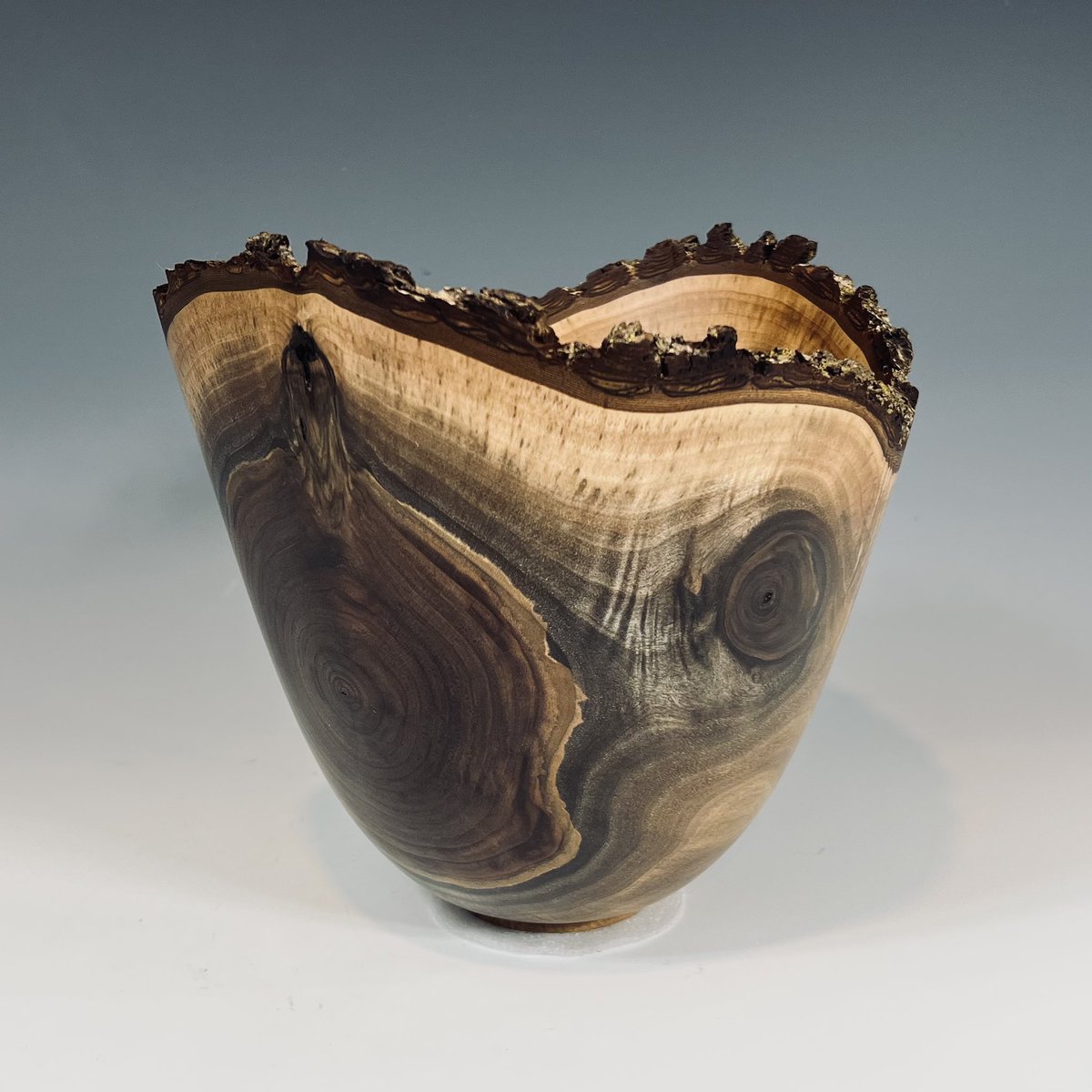
I love making black walnut bowls. Every once in a while I’ll throw on the whole crotch to see the end result. This one measures 9.5” wide x 8.5” high. Approximately 27 years of growth in this one.
8
3
50
1,316
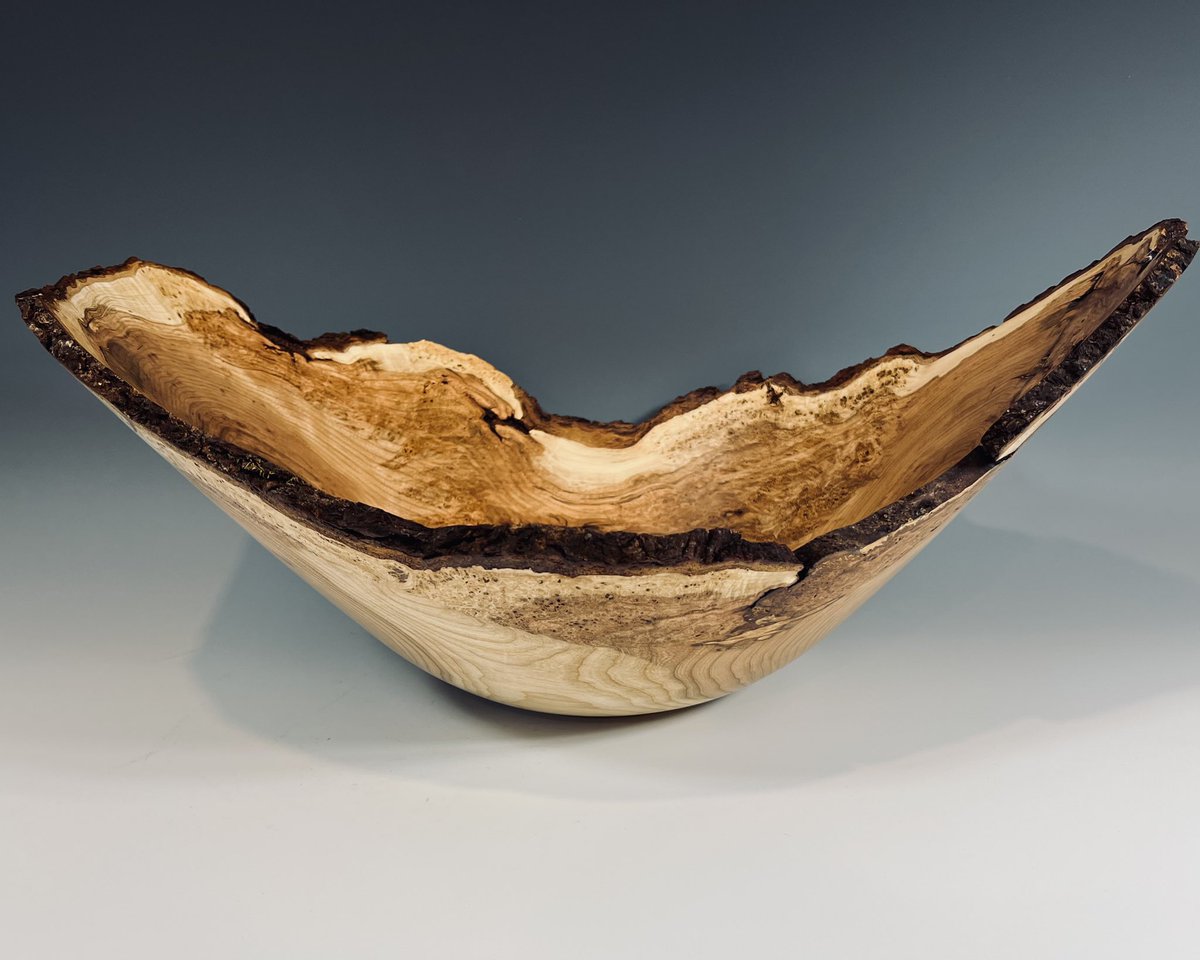
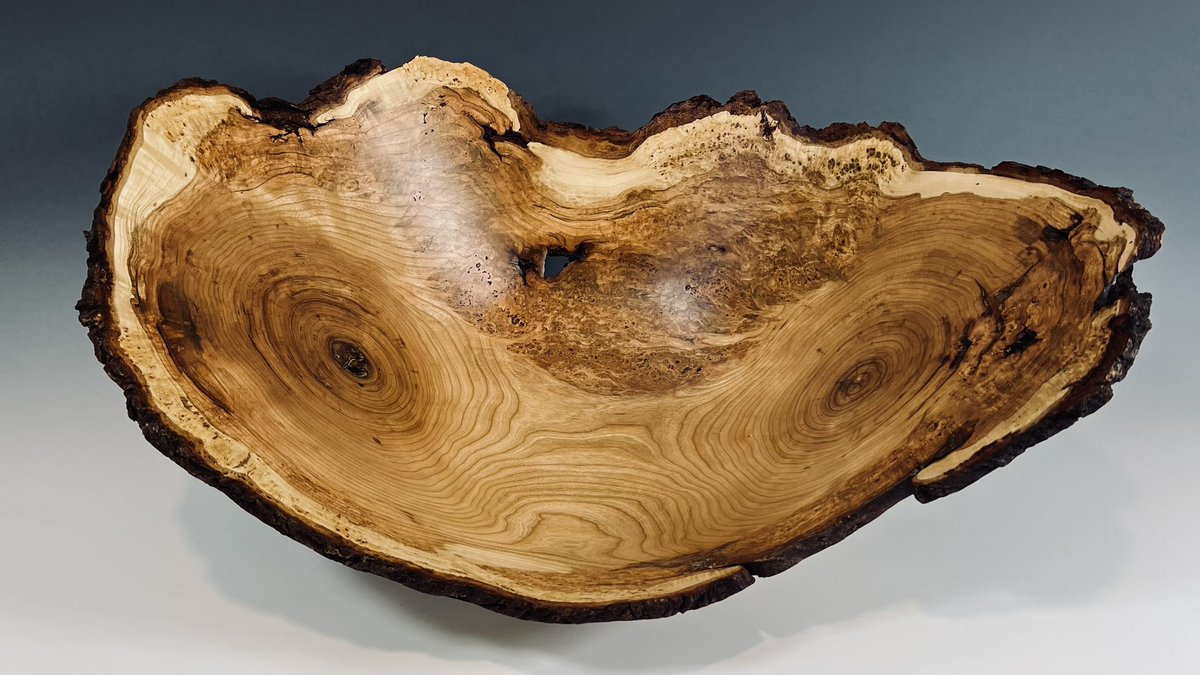
My apologies for not posting too much work lately. I haven’t stopped woodturning, I’ve just neglected the social media aspect. Here is a recent piece, a black cherry log that had burl on the exterior. Finished size - 21” wide by 9” high. Approximately 53 years of growth.
1
7
146
Working for 29.5 days must’ve been quite exhausting for Doug Ford. He will be taking a well deserved break till October 27 when his gruelling schedule resumes 🤦‍♂️🙄
And thus marks the end of the legislative session. Premier Doug Ford is asking the Lt Gov to come to the Ontario Legislature to give Royal Assent. The legislature has only sat for 29.5 days and is wrapping up two days early. #onpoli
1
1
99
Timberworks retweeted
Canada will forever be united. East and West. North and Center. Every inch of it. One country. One destiny. #StrongerTogether 🇨🇦
449
175
1,121
24,106
If sometime in the future, we had the technology to harvest a mineral rich asteroid such as this, wouldn’t the sudden abundance of those minerals make them less valuable?
Psyche-16 is metal-rich asteroid and might contain gold and rare metals worth over 700 quintillion dollars — enough to make every human on Earth a billionaire (mathematically). A NASA spacecraft is currently speeding towards this rare metal-rich asteroid.
1
2
133
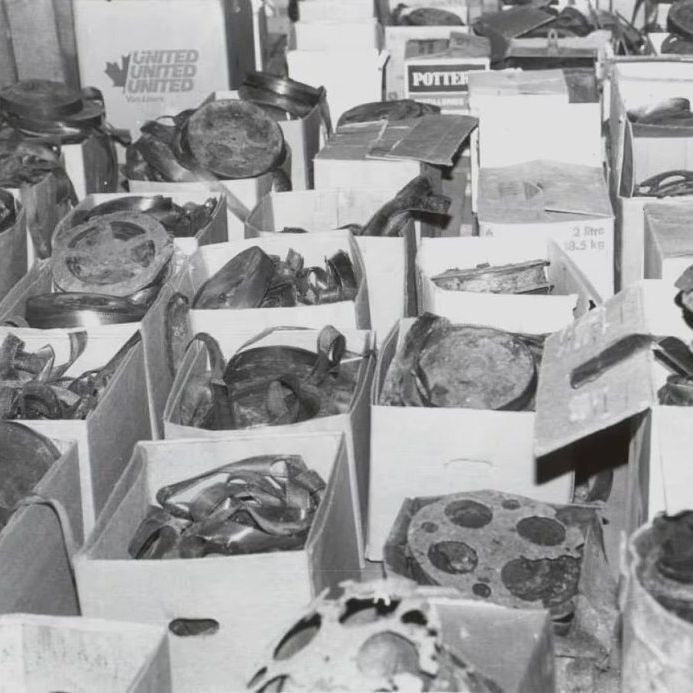
Have you heard of “Dawson Flutter”? Now you have.
In 1978, a Dawson City construction crew made an incredible discovery. While excavating the site of a swimming pool, they found 533 reels of silent films and newsreels from 1908 to 1929. Many were thought lost for years. This is the story. 📸 Kathy Jones-Gates 🧵 1/8
2
67
I couldn’t get enough Monty Python when it was on. Might have to revisit those episodes again.
A moments magic from Monty Python (The Milkman Sketch)
1
104
I think Trump meant “space cadet”
Captain Bonespurs, the only president in history who refuses to release his academic records and confuses cognitive impairment tests with IQ tests, stood in front of Christina Koch and boasted that he could have been an astronaut because “it’s easy” and he’s “the smartest.” Koch has dual degrees in Electrical Engineering and Physics, a Master’s in Electrical Engineering, 328 consecutive days in space, and 6 spacewalks. He’s not a genius. He’s a fucking moron.
1
3
76
I was 7 years old when Canada celebrated its 100th birthday. Immense hype, commemorative coins and celebratory music everywhere. It really made me feel patriotic. That ebbed over the years but has been re-awakened and eclipsed due to Trumps rhetoric. #LoveCanada
Be honest: If you had the choice, would you rather wake up in Canada or the U.S. right now? 🇨🇦🤯
86
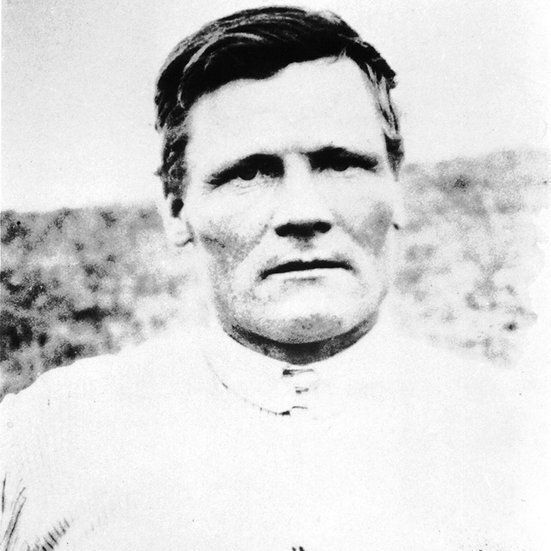
Imagine… Building a “ship” on the Saskatchewan prairie and intending to sail it Finland.
One day, after years of heartache, Tom Sukanen decided to build a ship by hand on his Saskatchewan homestead. His goal was to finish it, drag it across the prairie and sail it home to Finland. This is the tragic story of Tom Sukanen. 🧵1/12
75
Timberworks retweeted
67
1,131
3,878
41,545
Timberworks retweeted
11
351
1,141
15,612
My first computer was the Commodore Vic 20 (with a whopping 5KB of RAM) but the Commodore 64 initiated my love for programming and computing. We bought magazines with games that could be typed into memory. One errant number would kill the code.
This is what peak technology looked like in 1982... The Commodore 64, released in 1982, became the best-selling single computer model in history, with estimates exceeding 12–17 million units. It ran on the MOS Technology 6510 processor at roughly 1 MHz and shipped with 64 KB of RAM, significant for a home machine at the time. Its custom chips defined its appeal: the VIC-II handled graphics (up to 16 colors, hardware sprites), while the SID sound chip, designed by Bob Yannes, delivered three-channel synthesizer audio that remains influential in music production and game sound design. Storage was typically via cassette tapes or 5.25-inch floppy disks using the 1541 drive, and programs were loaded through BASIC or from external media. The system connected to a standard television, lowering the barrier to entry compared to more expensive business computers. The C64’s software ecosystem included thousands of games, educational titles, and productivity programs, making it a cornerstone of early home computing culture and programming literacy. At its peak, Commodore’s vertical integration, designing its own chips and manufacturing components, allowed aggressive pricing that undercut competitors like Apple and IBM PC compatibles. © History Pictures #archaeohistories
1
2
93
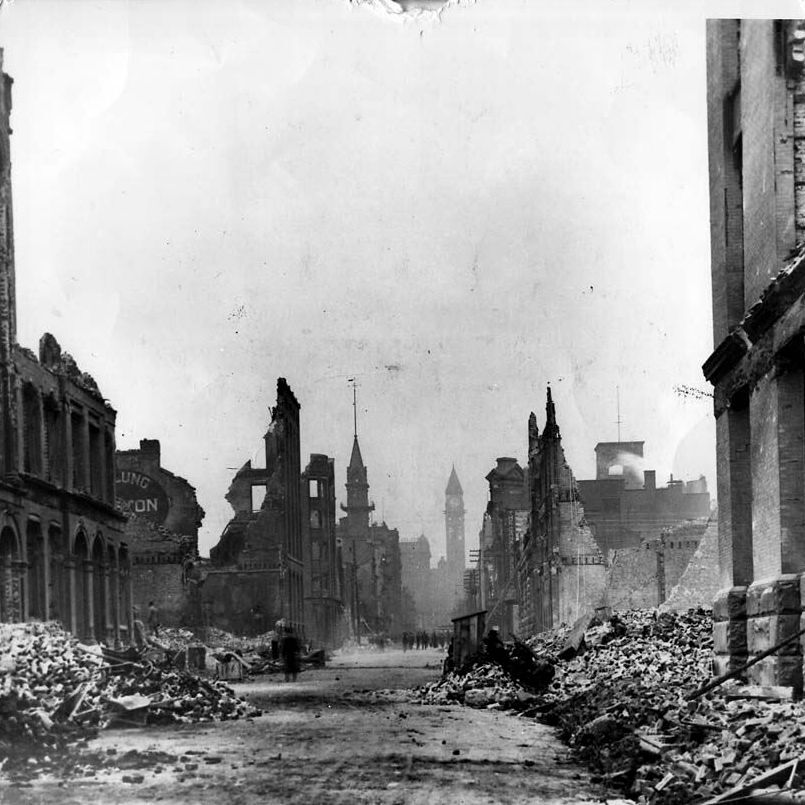
The great Toronto fire of 1904
On April 19, 1904, a night watchman spotted a fire coming from Toronto's E&S Currie Neck Wear Factory while out on a night patrol. Fueled by high winds, the fire destroyed over 100 buildings by the time it was out. This is the story of The Great Toronto Fire. 🧵 1/8
1
54
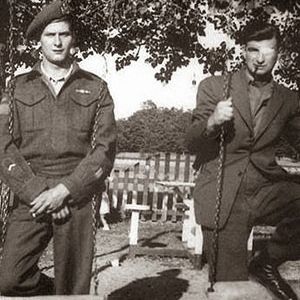
Rambo was real, and he was Canadian.
On April 12, 1945, Canadian soldiers Léo Major and Wilfrid Arsenault entered Zwolle to scout German defenses. By the next day, the Germans were gone and the Régiment de la Chaudière liberated the city without firing a shot. This is the story of the Rambo of Quebec. 🧵 1/10
91