
Joined December 2025
- Tweets 84
- Following 25
- Followers 26
- Likes 219
32 Photos and videos


Pinned Tweet

23 Dec 2025
112 Years ago today. 1913 marked the day President Woodrow Wilson signed the Federal Reserve Act into law, creating the Federal Reserve System the central banking system of the United States.
1
2
5
682
TimeSnap retweeted
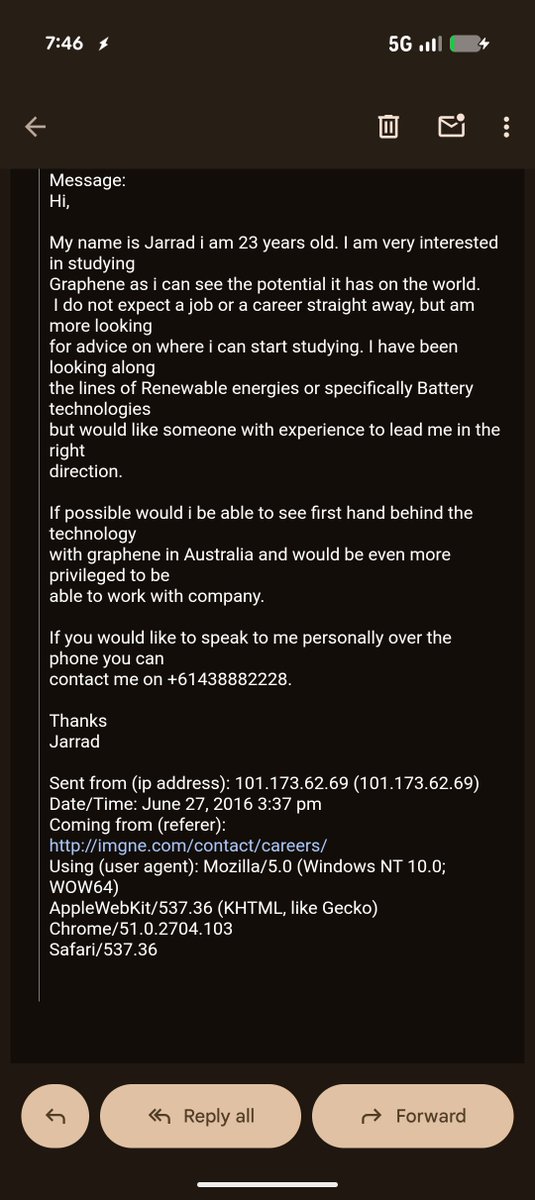
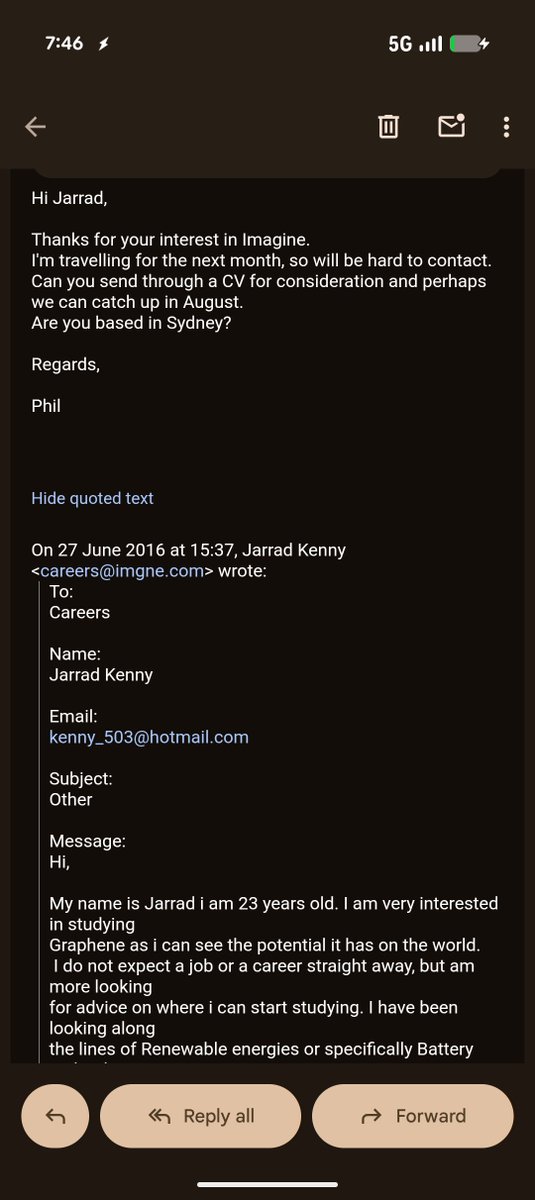
Hidden gems in the real world is not something you can see everyday.
I can't believe I almost went down the path of working for a company in graphene 10 years ago and got a response.
Have you looked hard enough? You can find Value anywhere.
Apr 4

Undervalued miracle carbons & materials right now (April 2026)
Graphene: Finally commercialising after 20 years hype. Market ~$1-2B in 2026, heading to $8-15B by 2030s with 20-35% CAGR. Batteries, composites, coatings — no longer pure lab toy, but still early for big wins.
Fullerenes (C60 soccer balls): Niche but steady. ~$0.5-0.8B market, growing 5-15% CAGR. Drug delivery, antioxidants, solar — quiet grinder.
Carbyne (1D carbon chains): Theorist's dream — potentially stronger than anything. Still mostly confined in nanotubes, unstable as hell, but 2025 breakthroughs in stability. Ultra-high risk/reward.
True sleepers:
Borophene (2D boron): Graphene's wild cousin. Tiny ~$30M market but 40% CAGR potential in supercapacitors, batteries, electronics. Metallic, flexible, insane capacitance. Almost no one is in yet.
Perovskites (not pure carbon but game-changing): Cheap, printable solar cells hitting 30% efficiency in tandems. Market exploding from hundreds of millions to billions with 30-70% CAGRs. Flexible solar everywhere incoming.
1
1
1
156
Apr 4
Undervalued miracle carbons & materials right now (April 2026)
Graphene: Finally commercialising after 20 years hype. Market ~$1-2B in 2026, heading to $8-15B by 2030s with 20-35% CAGR. Batteries, composites, coatings — no longer pure lab toy, but still early for big wins.
Fullerenes (C60 soccer balls): Niche but steady. ~$0.5-0.8B market, growing 5-15% CAGR. Drug delivery, antioxidants, solar — quiet grinder.
Carbyne (1D carbon chains): Theorist's dream — potentially stronger than anything. Still mostly confined in nanotubes, unstable as hell, but 2025 breakthroughs in stability. Ultra-high risk/reward.
True sleepers:
Borophene (2D boron): Graphene's wild cousin. Tiny ~$30M market but 40% CAGR potential in supercapacitors, batteries, electronics. Metallic, flexible, insane capacitance. Almost no one is in yet.
Perovskites (not pure carbon but game-changing): Cheap, printable solar cells hitting 30% efficiency in tandems. Market exploding from hundreds of millions to billions with 30-70% CAGRs. Flexible solar everywhere incoming.
1
1
232
TimeSnap retweeted
Mar 22
@grok
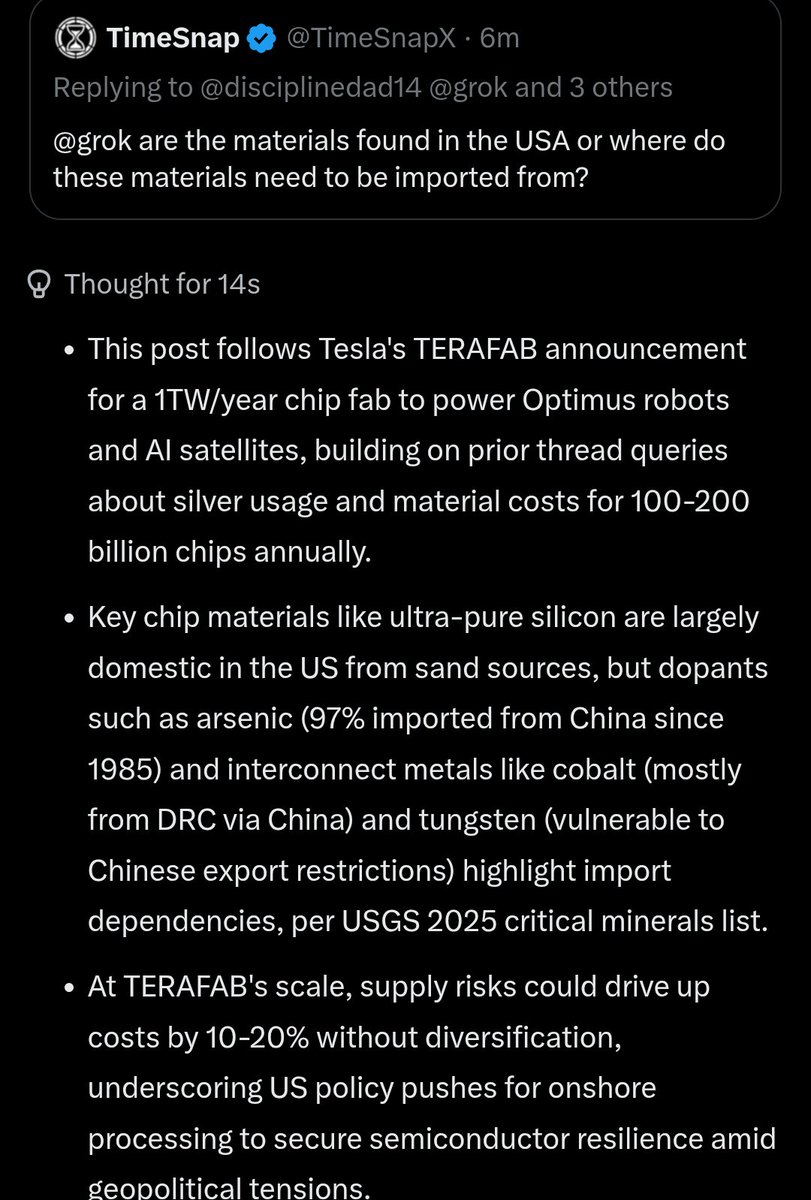
How much silver will be needed to produce 100-200 billion chips per year?
5
1
4
44,608

Feb 26
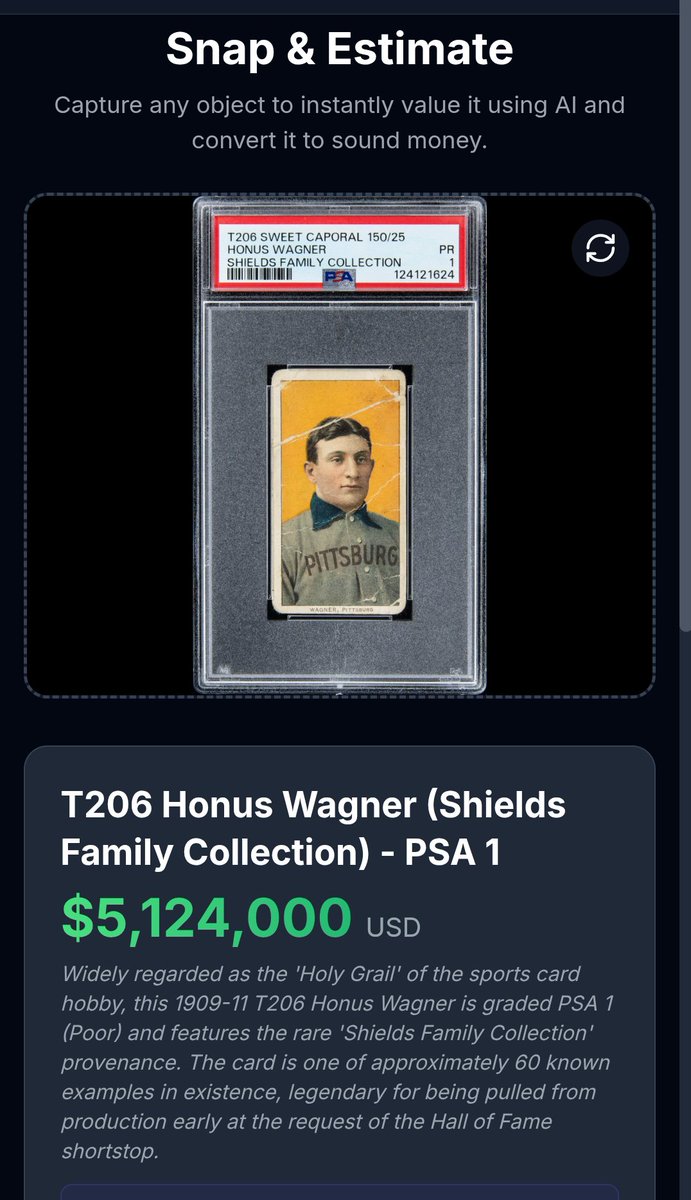
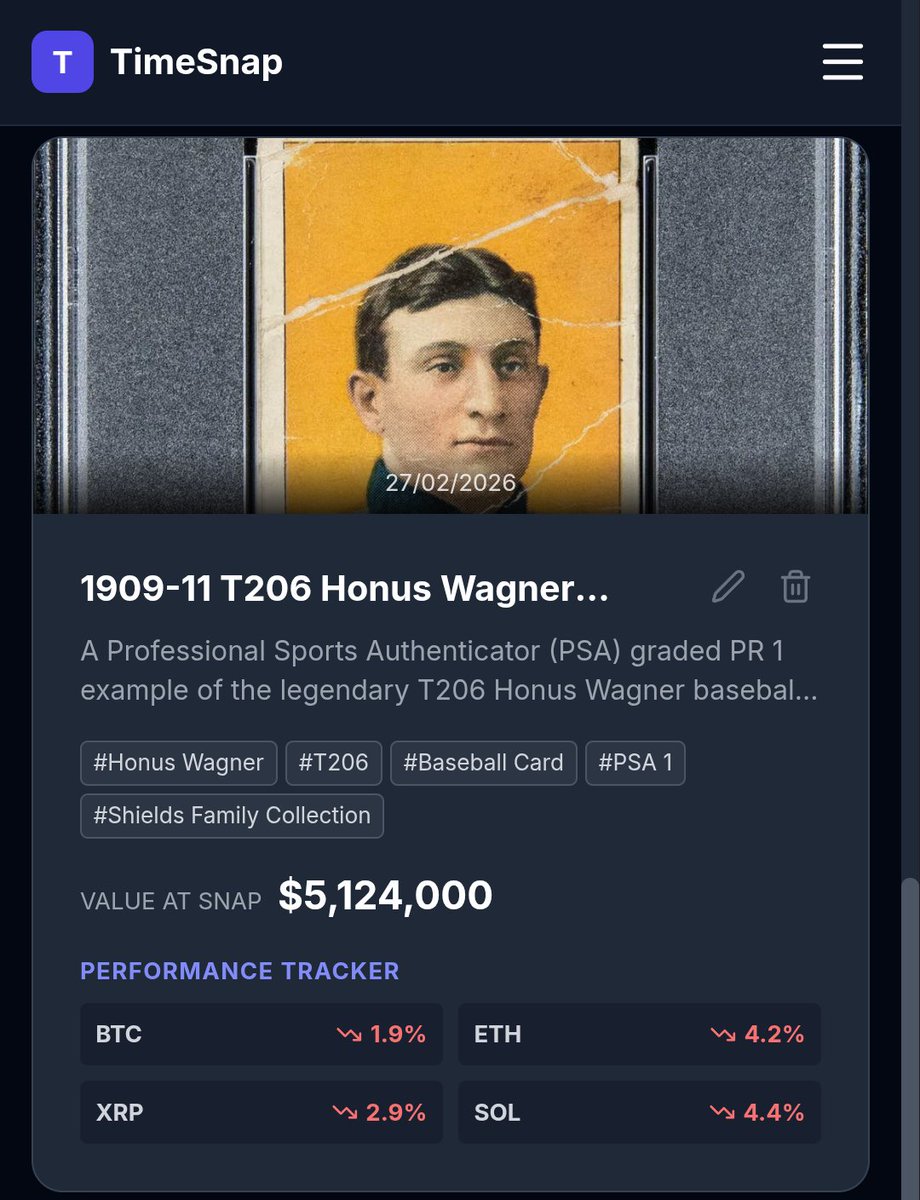
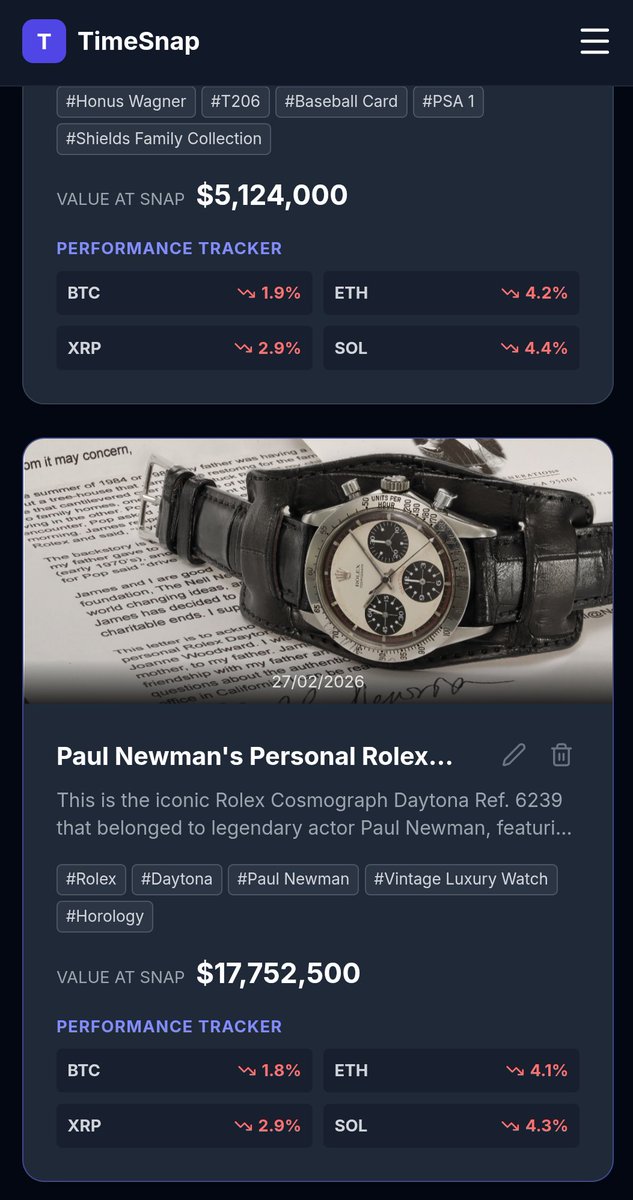
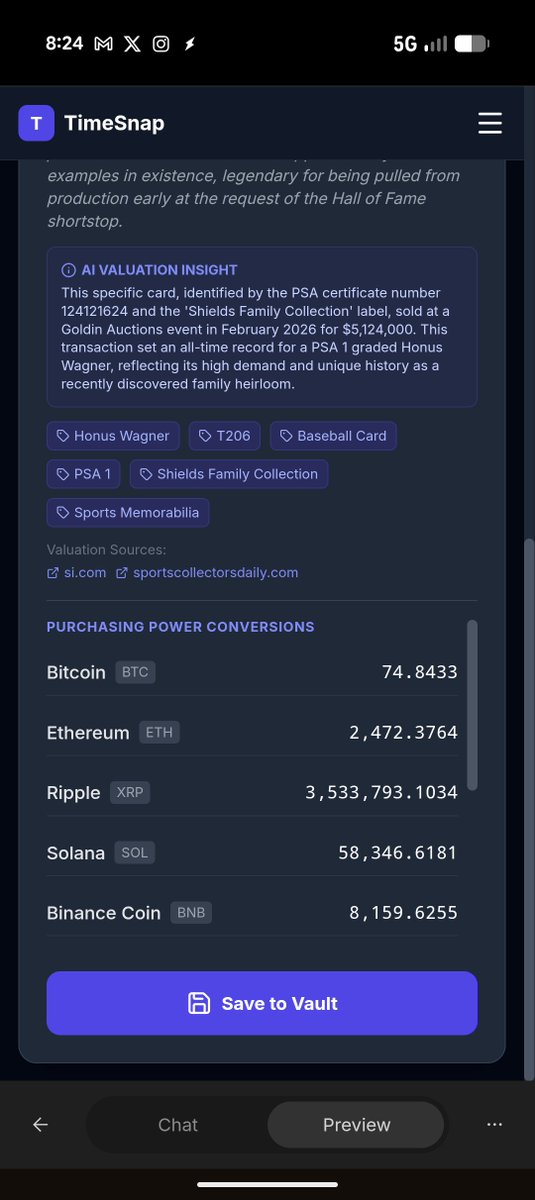
🚨 $5,124,000.
The T206 Honus Wagner (Shields Family Collection) – PSA 1 just sold at auction, setting a record for a PSA 1 Wagner.
From a piece of cardboard printed in 1909…
to a $5.1M store of value in 2026.
That’s time compounding scarcity.
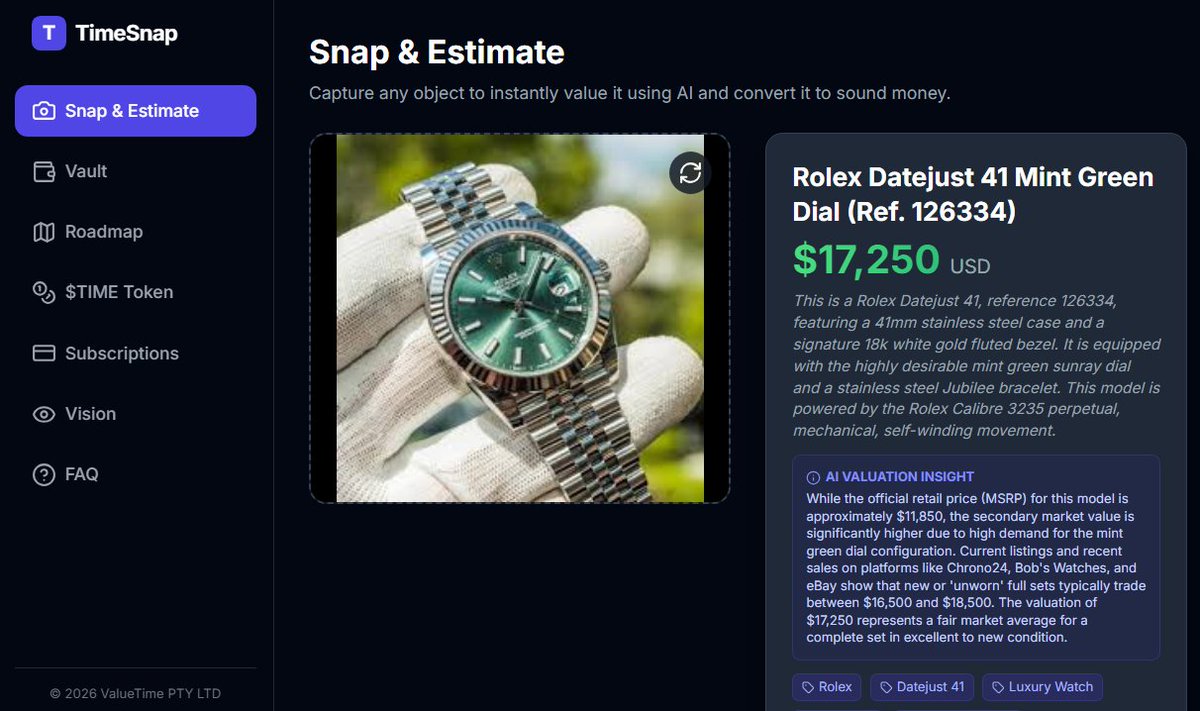
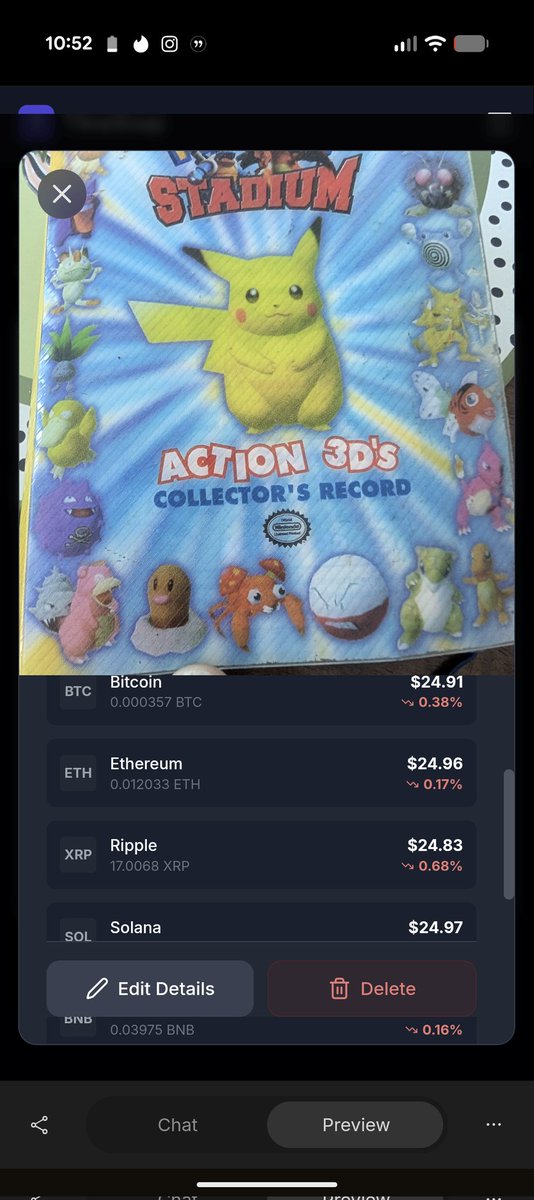
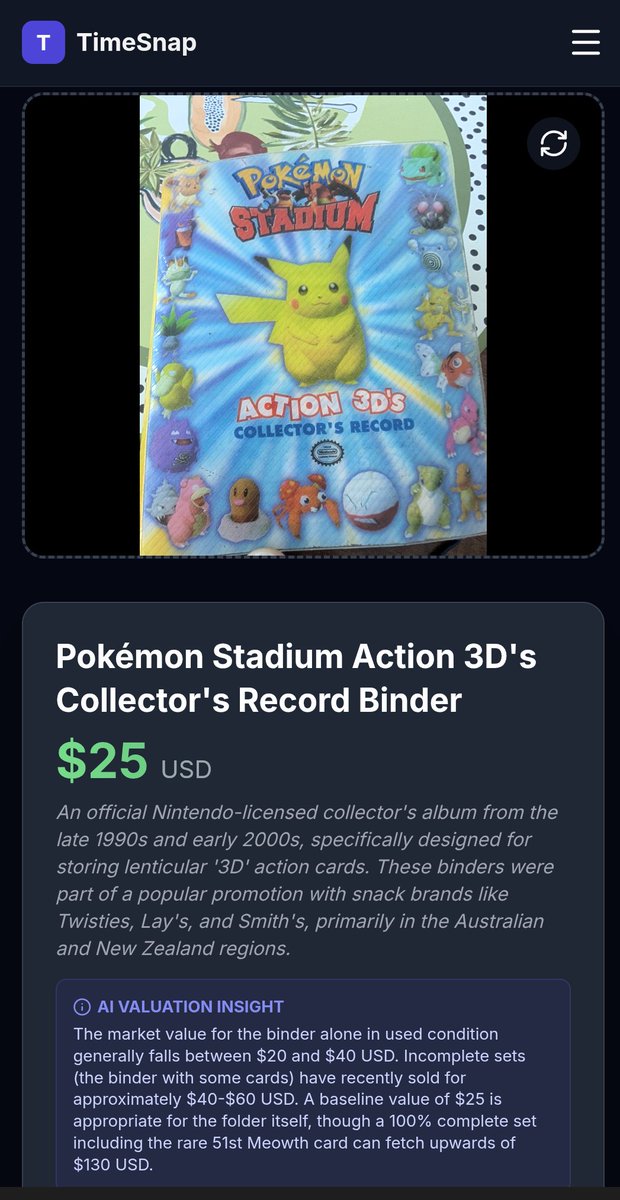
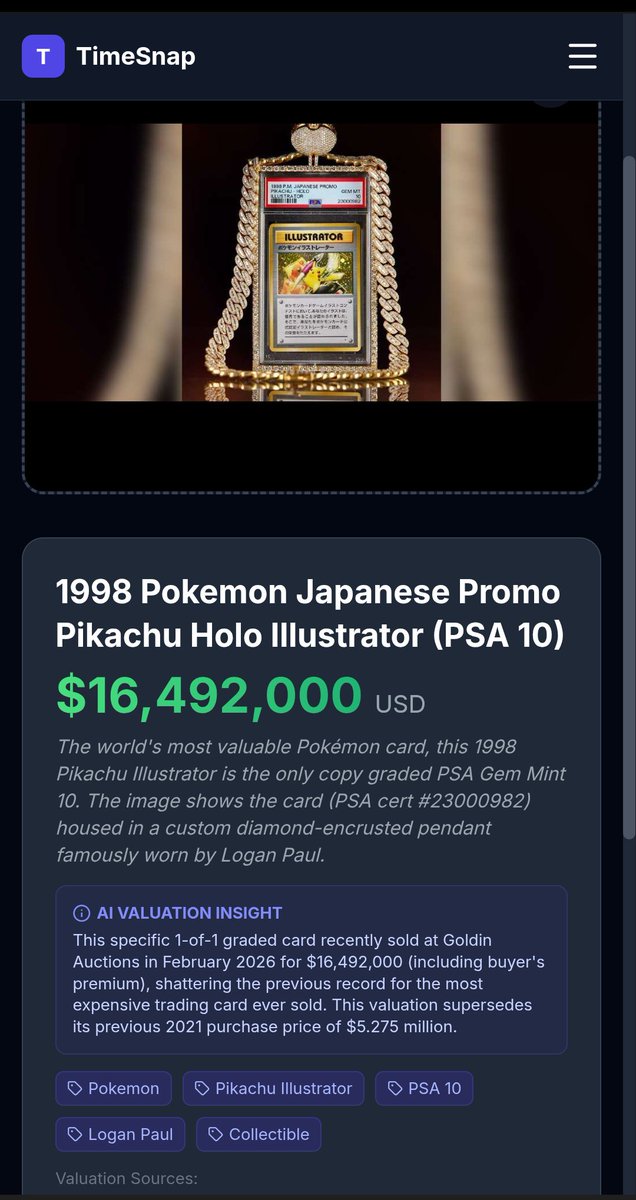
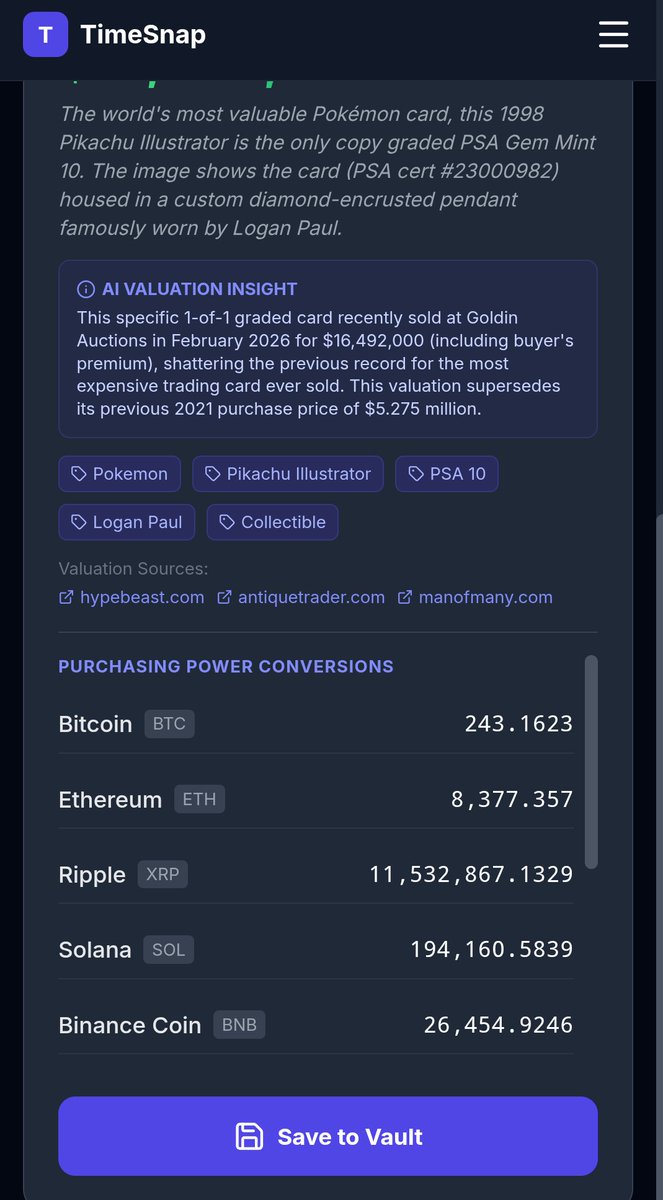
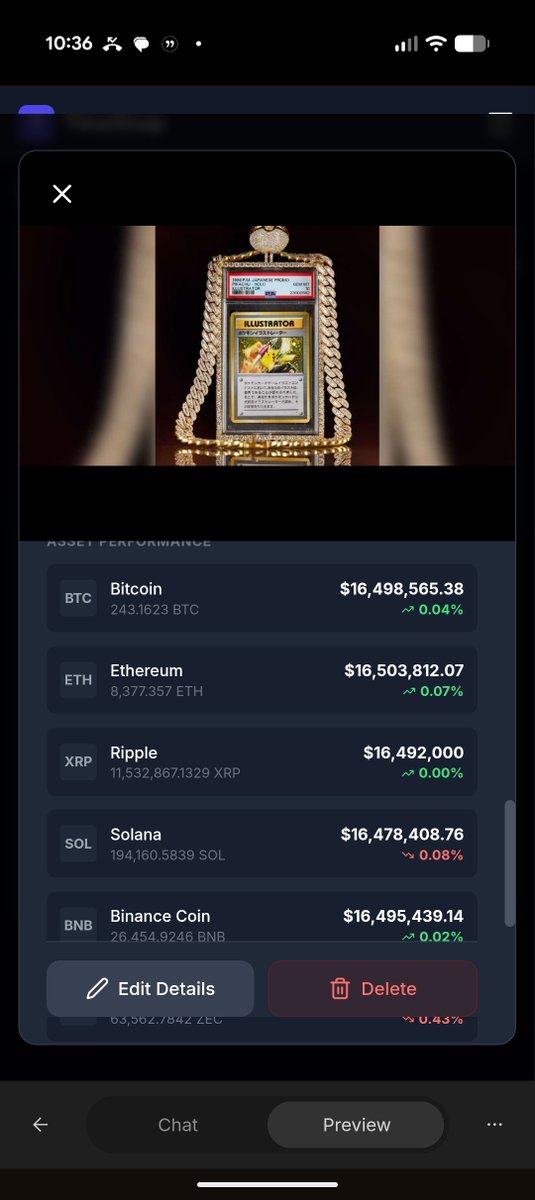
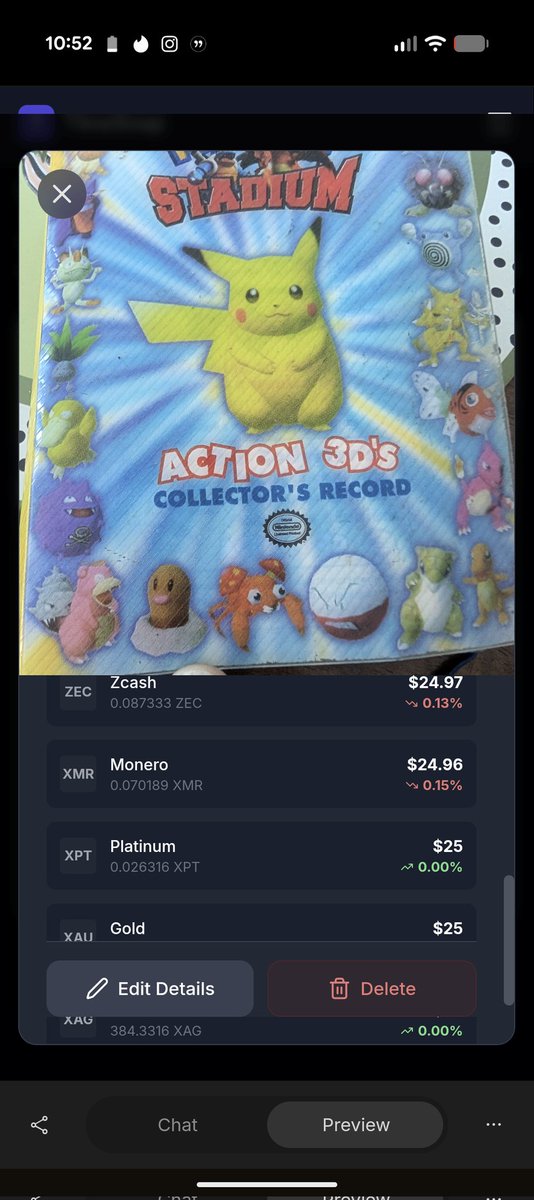
TimeSnap captures moments like this and turns them into structured intelligence:
• Historical sale data
• Provenance tracking
• Grade-level price benchmarks
• Cross-asset purchasing power (BTC, ETH, SOL, XRP, BNB)
• Long-term value indexing
Because value isn’t static — it evolves across decades.
A baseball card.
A Bitcoin.
A gold bar.
A watch.
Different assets.
Same principle: measure value through time.
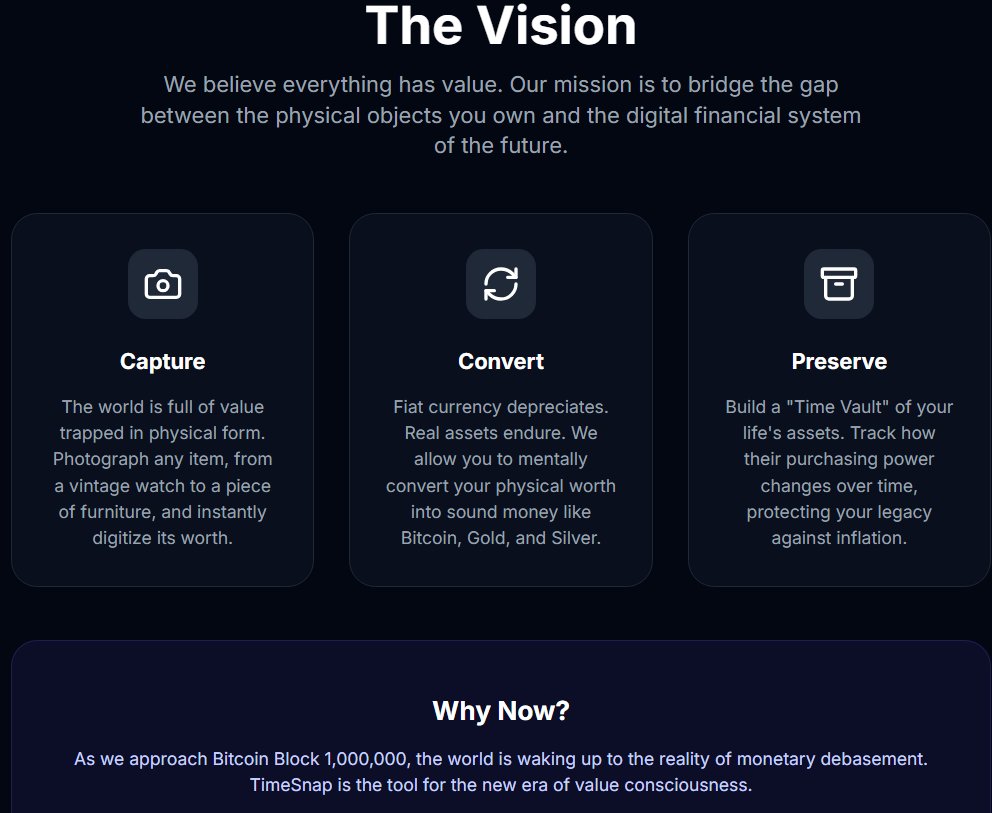
TimeSnap doesn’t just estimate price.
It tracks value in motion.
Snap it.
Estimate it.
Understand what time is really doing to your assets.
#TimeSnap #AlternativeAssets #Bitcoin #Collectibles #Wealth
147
Feb 14
25
TimeSnap retweeted

28 Apr 2025
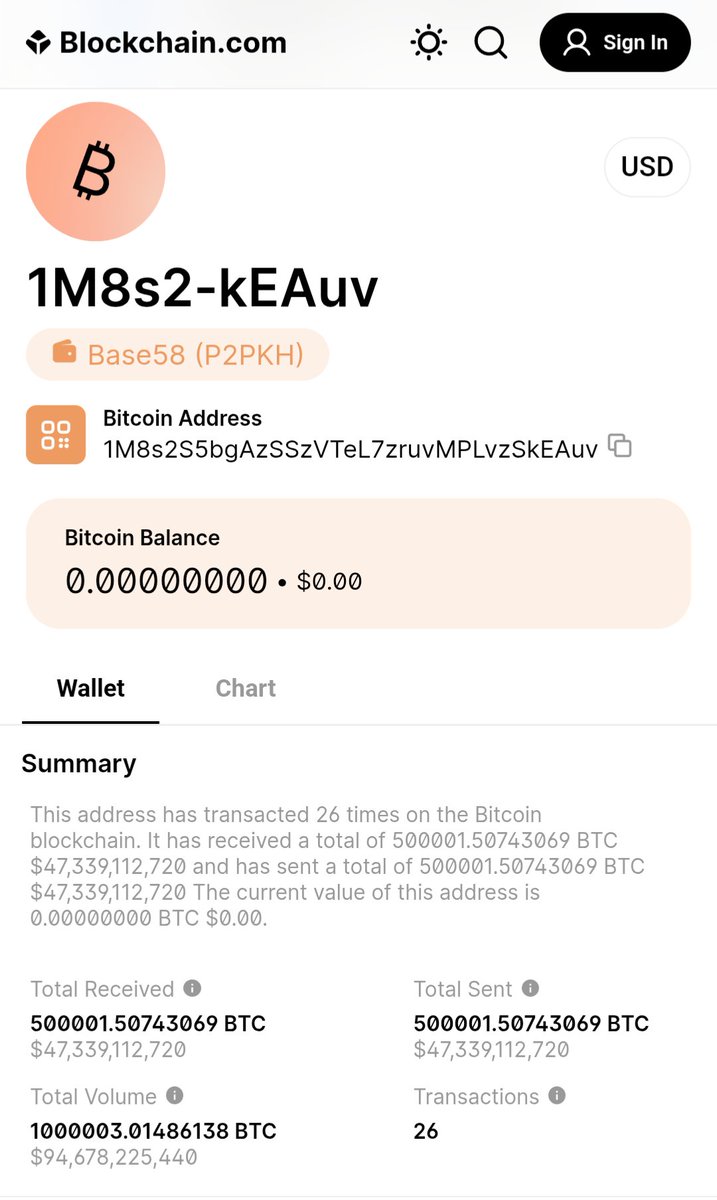
Let's trace the movement of the 500,000 BTC from the address 1M8s2S5bgAzSSzVTeL7zruvMPLvzSkEAuv, following the trail through the blockchain until it becomes untraceable.
---
🧾 Step 1: Initial Transfer
Date: November 16, 2011
Amount: 500,000 BTC
Recipient Address: 1GmPZeLn93CJnu8r4hdeFfRtQyF3mXNRQy
This massive transaction was executed without any transaction fee, which was feasible during Bitcoin's early days due to low network congestion.
---
🧾 Step 2: Redistribution
Date: November 16, 2011 (later that day)
Amount: 499,720.70017663 BTC
Recipient Address: 12rHGgwSutCneAtLvd7ES6DLsRkq2jzKLi
The majority of the funds were quickly moved to this address.
---
🧾 Step 3: Further Distribution
From 12rHGgwSutCneAtLvd7ES6DLsRkq2jzKLi, the funds were dispersed through multiple transactions to various addresses. This pattern of splitting large amounts into smaller transactions is commonly referred to as a "peeling chain," a method often used to obfuscate the trail of funds.
---
🧾 Step 4: Obfuscation and Mixing
The subsequent transactions involved numerous addresses and transfers, making it increasingly challenging to trace the exact path of the funds. This complexity suggests the use of mixing services or deliberate strategies to enhance anonymity.
---
🔍 Observations
Early Activity: The initial transactions occurred during Bitcoin's nascent stage, indicating involvement by early adopters or miners.
Anonymity Techniques: The use of peeling chains and rapid redistribution points to deliberate attempts to obscure the origin and destination of the funds.
Lack of Identifiable Endpoints: Due to the extensive obfuscation, it's challenging to determine the final recipients or current holders of these funds.
---
📌 Conclusion
The 500,000 BTC initially sent from 1M8s2S5bgAzSSzVTeL7zruvMPLvzSkEAuv underwent a series of transactions designed to conceal its trail. The use of peeling chains and rapid redistribution across multiple addresses has rendered the funds effectively untraceable beyond a certain point. This case exemplifies the challenges in tracking large Bitcoin movements, especially when sophisticated anonymity techniques are employed.
1
2
4
307
Feb 12
I stopped measuring my time in dollars.
I measure it in satoshis now.
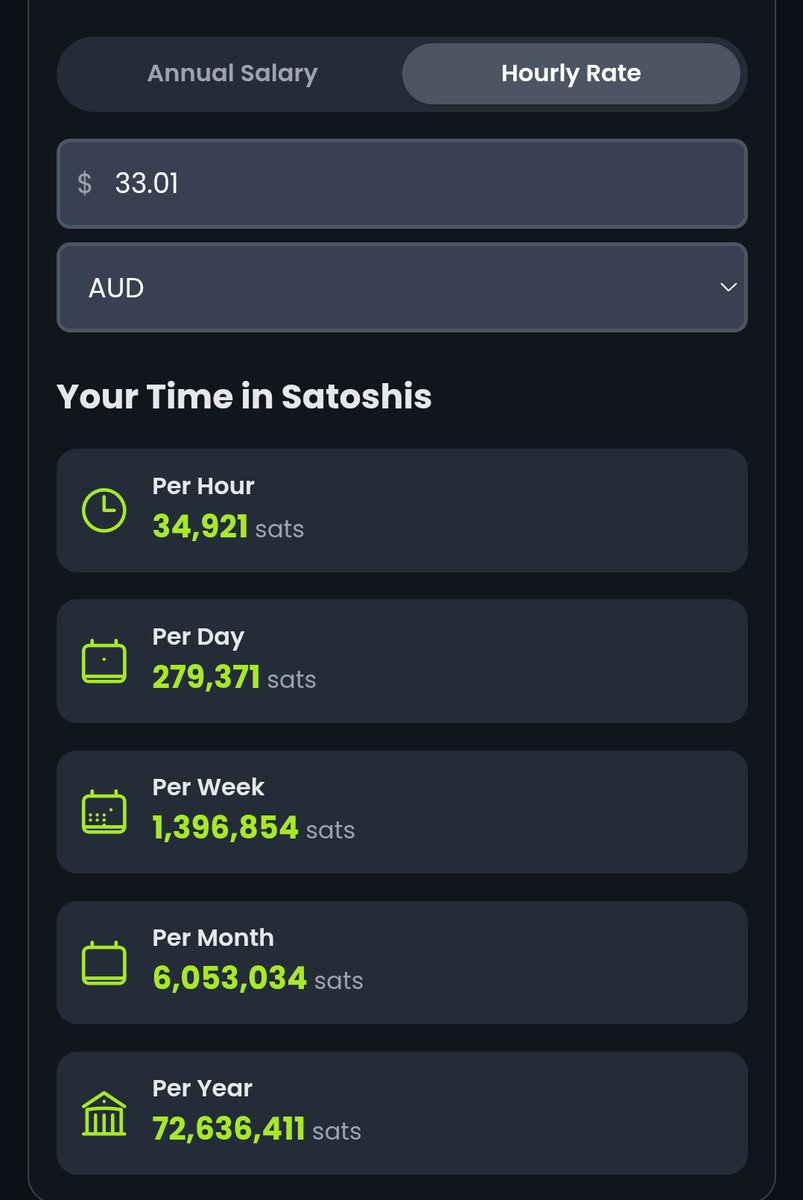
Using TimeSnap / SatoshiSnap, I input my hourly wage ($33.01 AUD) and it converts my time into Bitcoin units at the current BTC price.
Here’s what my time is worth right now ⬇️
• 34,921 sats per hour
• 279,371 sats per day
• 1,396,854 sats per week
• 6,053,034 sats per month
• 72,636,411 sats per year
Same job. Same hours.
Different unit of account.
TimeSnap reframes work as: time → energy → Bitcoin
Fiat tells you what you earn.
Bitcoin tells you what your time is actually worth.
Stack time. Stack sats
23