
Joined October 2024
- Tweets 11,948
- Following 205
- Followers 4,084
- Likes 17,787
834 Photos and videos



Pinned Tweet

13 Apr 2025
Bali is paradise.
Until you realize who's pulling the strings.
- Police have no power
- Politicians are just puppets
- The real force? Not the Hindu gods
Here’s the full story behind the real boss of Bali:

492
7,553
42,750
5,753,032
14 Nov 2025
A few months ago, I swore I’d keep my AI stack simple.
Just ChatGPT.
No extras.
Then I found Claude.
Now I’m rebuilding the way I work.
And it feels like the start of something big again.
3
3
676
14 Nov 2025
In the last 5 months I reached 4 million people on 𝕏 with AI-powered content.
Want the same results?
I packed all my knowledge into the AI-Powered 𝕏 Kickstart:
Get the free 5-day course here👇
timo-mason.kit.com/x
491
13 Nov 2025
Unpopular opinion: Your imperfections are more valuable than perfect grammar.
AI writes clean and boring af.
Readers don't follow you for flawless syntax.
They follow you because you say what they're thinking but won't admit.
Stop polishing and start sounding like yourself.
1
2
399
13 Nov 2025
In the last 5 months I reached 4 million people on 𝕏 with AI-powered content.
Want the same results?
I packed all my knowledge into the AI-Powered 𝕏 Kickstart:
Get the free 5-day course here👇
timo-mason.kit.com/x
287
10 Nov 2025
After months of AI-polished posts, readers are tuning them out.
Perfect syntax now reads like spam.
The posts that spread are the ones that sound unfiltered, conversational,
maybe even slightly awkward.
-> Your quirks are the differentiator <-
AI follows rules.
Writers bend them.
If your humor's dark, your tone unpredictable, or your grammar
occasionally unhinged, that's a win.
The most memorable creators write how they think, not how their teachers taught them.
- Start sentences with and
- Skip transitions
- Use slang
Say what you're not supposed to say.
That's exactly why readers stay.
Being grammatically correct or politically safe guarantees you'll sound like everyone else.
Refusing to put commas where they're supposed to be reminds people it's you.
So stop sanding down your edges.
In an algorithmic world, your imperfections are proof of life.
You can feel it online already.
An article about failing a launch gets more replies than a perfectly
structured guide.
A clumsy but heartfelt message builds more trust than a slick newsletter full of buzzwords.
It's about the moment when someone reads your words and thinks, yeah, me too.
About 10% of readers follow you for your insights and advice.
The other 90% are there because they relate to you.
You've failed like they did.
You spoke publicly the truth they carry in their hearts.
This connection flows only from human to human.
No AI can get between that.
For all the power AI brings, it still can't fake human desire.
That's the gap no machine can cross.
AI can imitate voice, but it can't create belonging.
That's your job.
So yes, use the tools.
Use them fast, use them well.
Let them draft, ideate, summarize.
Then step in and make it human again.
Feed them your stories and edit like there are no rules.
Keep the scars, the slang, the contradictions.
And you end up with content that's you and still built for real-world results.
1
1
278
13 Nov 2025
In the last 5 months I reached 4 million people on 𝕏 with AI-powered content.
Want the same results?
I packed all my knowledge into the AI-Powered 𝕏 Kickstart:
Get the free 5-day course here👇
timo-mason.kit.com/x
1
183
12 Nov 2025
Dumb creators let AI write for them.
Smart creators let AI draft, then inject their personality.
The difference?
One sounds like a template.
The other sounds like a person.
1. Feed AI your stories
2. Edit with your quirks
3. Ship with your voice
That's how you win in 2025.
1
2
238
12 Nov 2025
In the last 5 months I reached 4 million people on 𝕏 with AI-powered content.
Want the same results?
I packed all my knowledge into the AI-Powered 𝕏 Kickstart:
Get the free 5-day course here👇
timo-mason.kit.com/x
1
128
12 Nov 2025
Everyone says “stick with one tool.”
I used to believe that too.
But growth doesn’t come from loyalty but from curiosity.
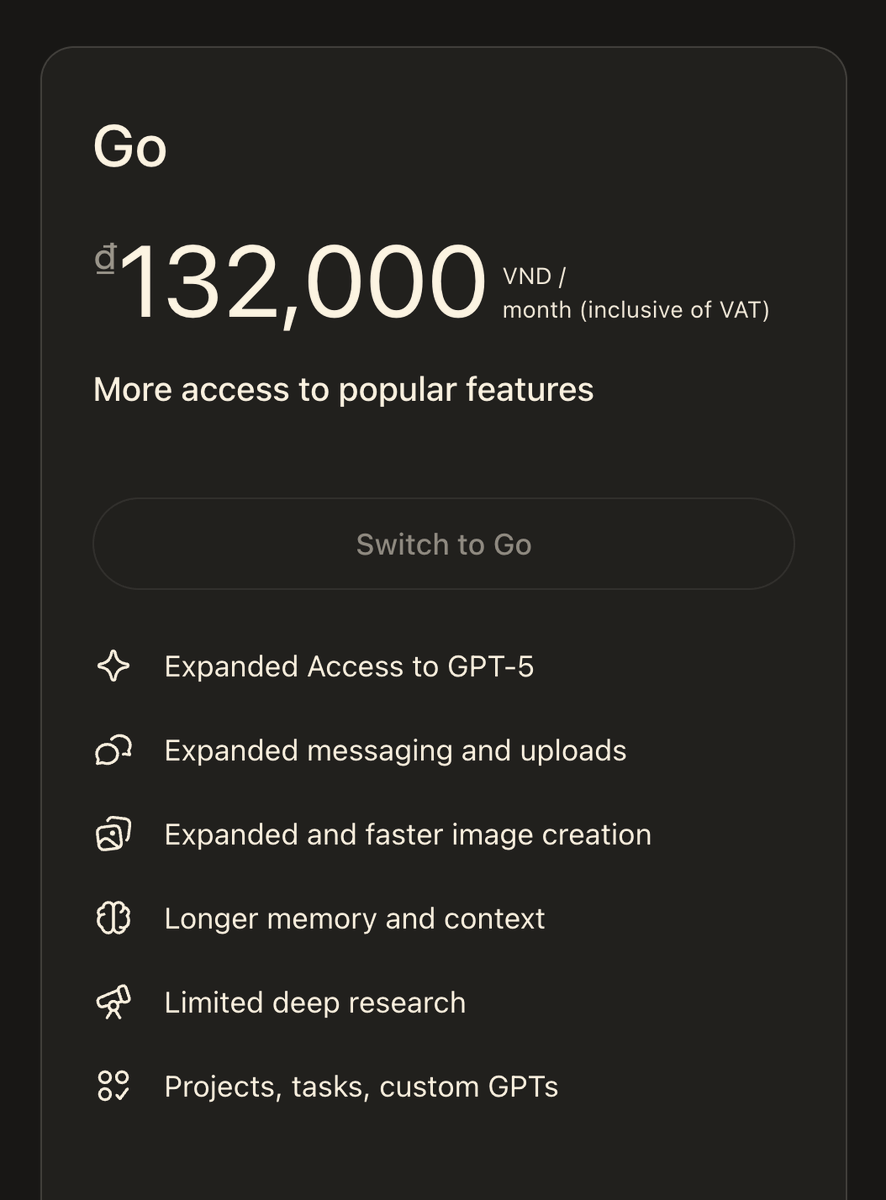
When I switched from ChatGPT Plus to Go, it was just a pricing change.
Then I tested Claude.
And suddenly, I realized something:
The tools don’t define the creator.
The systems do.
GPTs I built still work great.
They keep helping creators write smarter, faster, more human.
But stacking tools?
That’s where the real power lies.
Because progress isn’t about abandoning what works.
It’s about experimenting with what could work better.
The game changes fast.
Stay rigid, you fall behind.
Stay curious, you evolve.
2
2
223
12 Nov 2025
In the last 5 months I reached 4 million people on 𝕏 with AI-powered content.
Want the same results?
I packed all my knowledge into the AI-Powered 𝕏 Kickstart:
Get the free 5-day course here👇
timo-mason.kit.com/x
1
97
11 Nov 2025
How to use AI without sounding like everyone else:
1. Feed it your real stories and results
2. Let it generate the structure
3. Edit with your tone and opinions
4. Keep the awkward parts that feel human
AI is the first draft, you're the personality.
Stop overcomplicating it.
1
4
188
11 Nov 2025
In the last 5 months I reached 4 million people on 𝕏 with AI-powered content.
Want the same results?
I packed all my knowledge into the AI-Powered 𝕏 Kickstart:
Get the free 5-day course here👇
timo-mason.kit.com/x
1
111
11 Nov 2025
You don’t need more motivation.
You need fewer reasons to quit.
That’s what a good AI system does.
It builds a safety net around your consistency:
- You never start from zero
- You always have ideas ready
- You can post while living your life
AI isn’t about replacing your creativity.
It multiplies it.
Because the real dream isn’t “automated content.”
It’s freedom.
Freedom to step away from the laptop, go live your life
and know your brand still runs while you do.
2
114
10 Nov 2025
The old way of writing online:
- Write everything from scratch
- Fall behind faster creators
- - Spend hours on one post
The new way of writing online:
- Use AI for structure and speed
- Edit with your voice and experiences
- Ship before your competitors
Speed wins. But only if it still sounds like you.
1
123
9 Nov 2025
Most personal brands publish daily on Substack without ever turning it into scalable income.
So here’s a full beginner's guide by Learn Grow Monetize on how to start monetizing.👇
substack.com/home/post/p-178…
1
2
116
10 Nov 2025
In the last 5 months I reached 4 million people on 𝕏 with AI-powered content.
Want the same results?
I packed all my knowledge into the AI-Powered 𝕏 Kickstart:
Get the free 5-day course here👇
timo-mason.kit.com/x
1
82
9 Nov 2025
90% of creators are using AI, but their content feels robotic.
If you're not feeding AI your personal stories, you're just another template.
Here's what changed for me:
I stopped asking AI to "write a post about X."
I started saying "write about the time I realized most thought leaders sound identical."
Now my content actually sounds like me.
1
2
119
9 Nov 2025
In the last 5 months I reached 4 million people on 𝕏 with AI-powered content.
Want the same results?
I packed all my knowledge into the AI-Powered 𝕏 Kickstart:
Get the free 5-day course here👇
timo-mason.kit.com/x
1
67
9 Nov 2025
AI hooks you like a drug because it's fast.
You type a headline and tools hand you a full post, formatted and fluent.
For personal brands trying to keep up with algorithms, that's gold.
You can ship three posts before breakfast.
But that speed turns into a double-edged sword.
When everything you publish comes from a prompt, you stop wrestling with ideas.
You skip the messy part of actually thinking.
It's seen all over social media.
Every personal brand post starts with the same hook formula, the same three-line structure, the same tone of pseudo-wisdom.
Scroll for five minutes and you'll see twenty people sharing lessons from failure, all written like they attended the same AI bootcamp.
The more we chase speed, the more our voices start to sound like templates.
And underneath it all sits the quiet fear nobody wants to name:
If AI can write well enough, will anyone notice when it's not really you anymore?
That's the psychological toll.
A creeping sense that your own relevance depends on how human you can still sound in a machine-made world.
The impostor syndrome amplifies when you write something you believe in, then use Claude on a rough idea.
You pause and think: Was I ever actually good at this?
Why did Claude do in seconds what took me hours to figure out?
The doubt gets worse when you see creators with way less experience outpacing you because they're using all the tools.
The algorithm rewards speed, so speed starts to feel like talent.
But here's the truth:
If your audience doesn't know whether you wrote it or a machine did, what's the point of you?
That's what you need to work on.
Most people type lazy prompts and wonder why it sounds robotic.
Of course it does.
You gave it nothing to care about.
The magic starts when you give it specifics no one else could fake.
Your stories, results, emotions.
Write a post about how I grew my client list after getting rejected 20 times.
Explain how I rebuilt my schedule after burnout last winter.
Now the AI gains context, texture that breathes life into the writing.
That's the only way to ensure the output deserves to be called personal brand content.
1
81
8 Nov 2025
The idea of pure originality is a fairy tale we love to tell ourselves.
Every writer who's ever mattered has borrowed at some point.
- T.S. Eliot stole from Dante
- Hip-hop was built on sampling
- Shakespeare rewrote Greek tragedies, and nobody gave him trouble
Because what they created was so distinctly him that originality stopped mattering.
AI now makes that visible.
It's theft in real time.
LLMs pull from thousands of sources and spit out stuff that resembles writing.
It feels like cheating because you can see the machinery.
But writers always had that machinery.
We just called it reading and studying instead of training data.
Here's what actually separates you:
-> Originality is remix plus intention <-
It's taking what exists and running it through your particular lens.
And that's something AI still can't do.
Out-of-the-box AI content sounds the same because it misses the worldview behind it.
An AI doesn't care if you believe it.
It has no reputation to protect.
No weird opinion that might cost it followers.
It's playing the game optimally, which means it plays it safely.
And safety kills voice.
Your voice is your identity.
Figuring out what you actually think, then having the guts to say it.
That's the slow, uncomfortable work.
But readers feel the difference and that's where your advantage lies.
The new definition of originality looks different:
Authentic synthesis.
You pull from multiple places and run everything through your particular filter.
AI acts as your first draft machine.
You're the one making actual decisions.
What stays because it sounds like you?
What gets deleted because it sounds like everyone else?
Never aim for perfect.
It's imperfection that separates you from the templates.
1
3
94