
An open-source cross-platform USB Host/Device stack for embedded system
Joined March 2009
- Tweets 388
- Following 204
- Followers 1,041
- Likes 1,019
55 Photos and videos
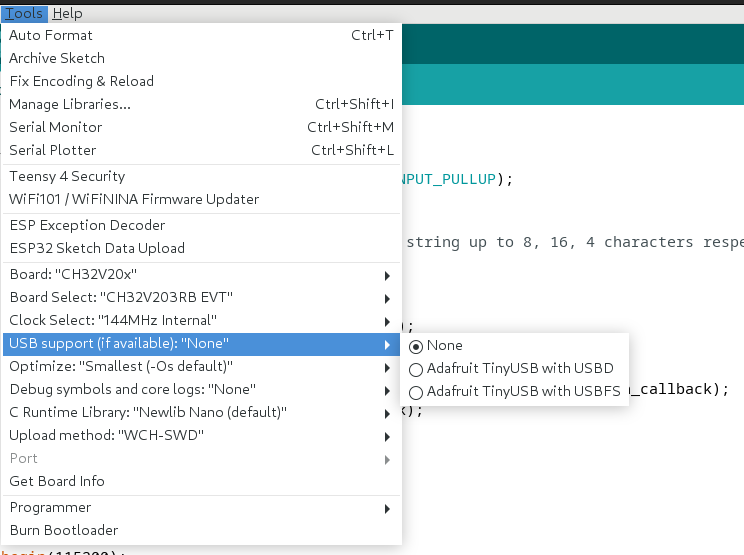
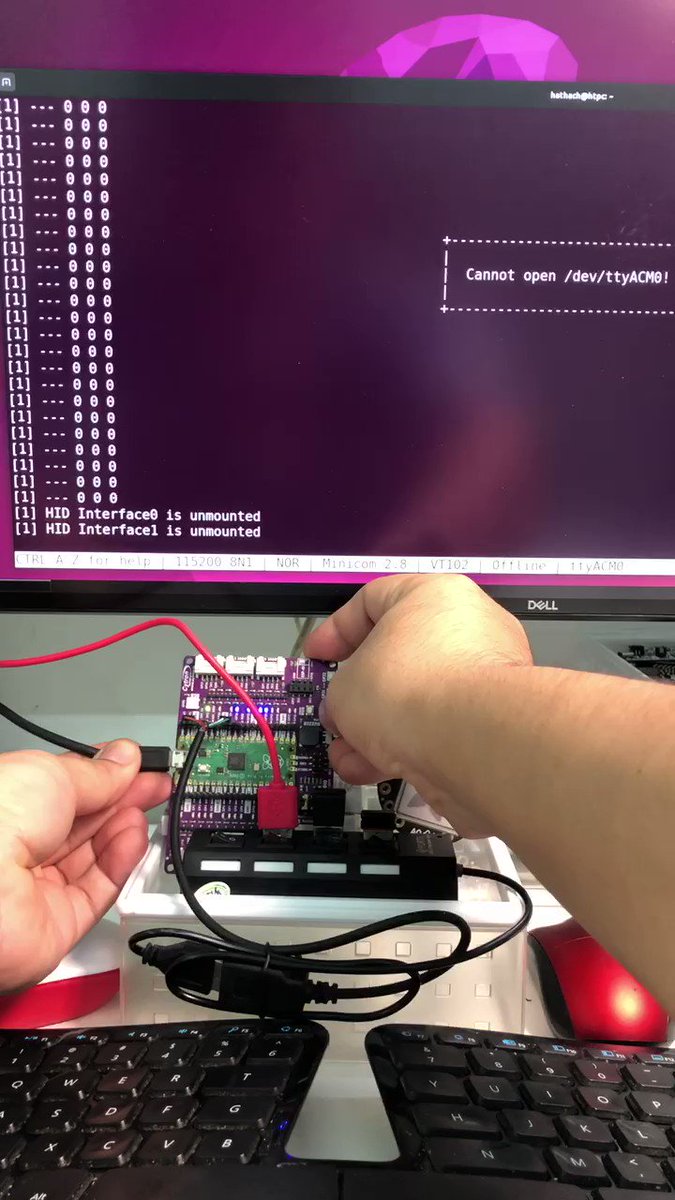
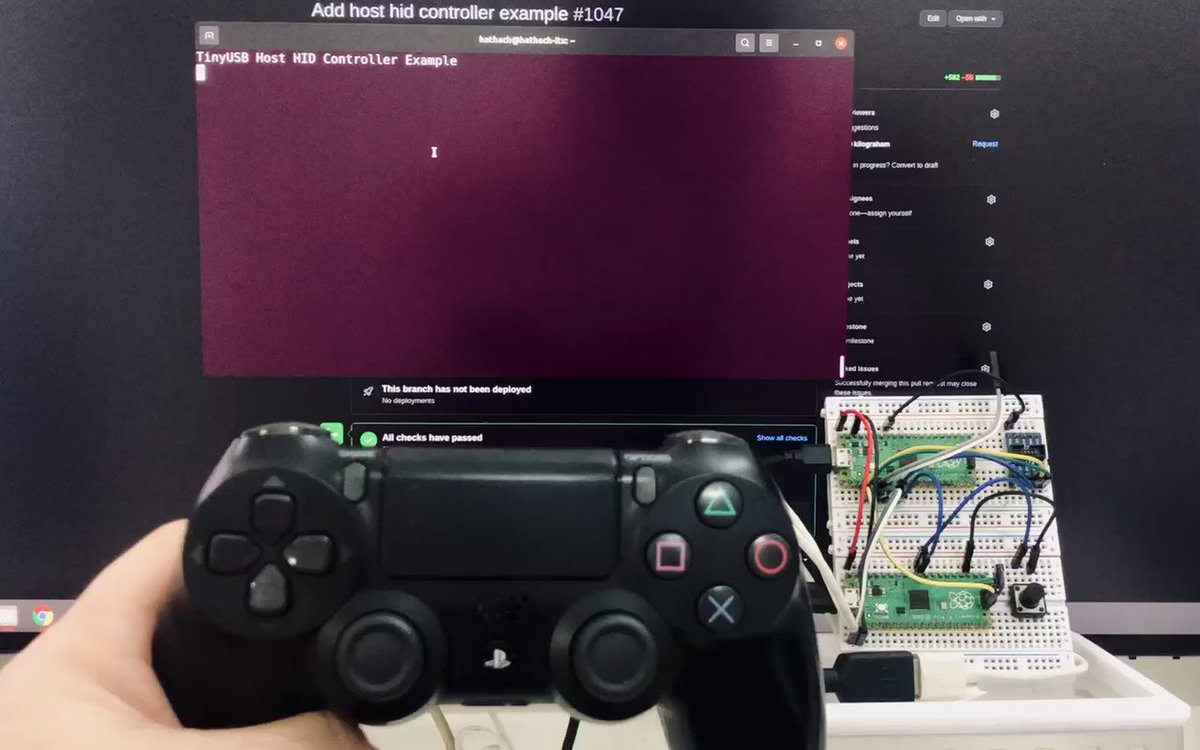


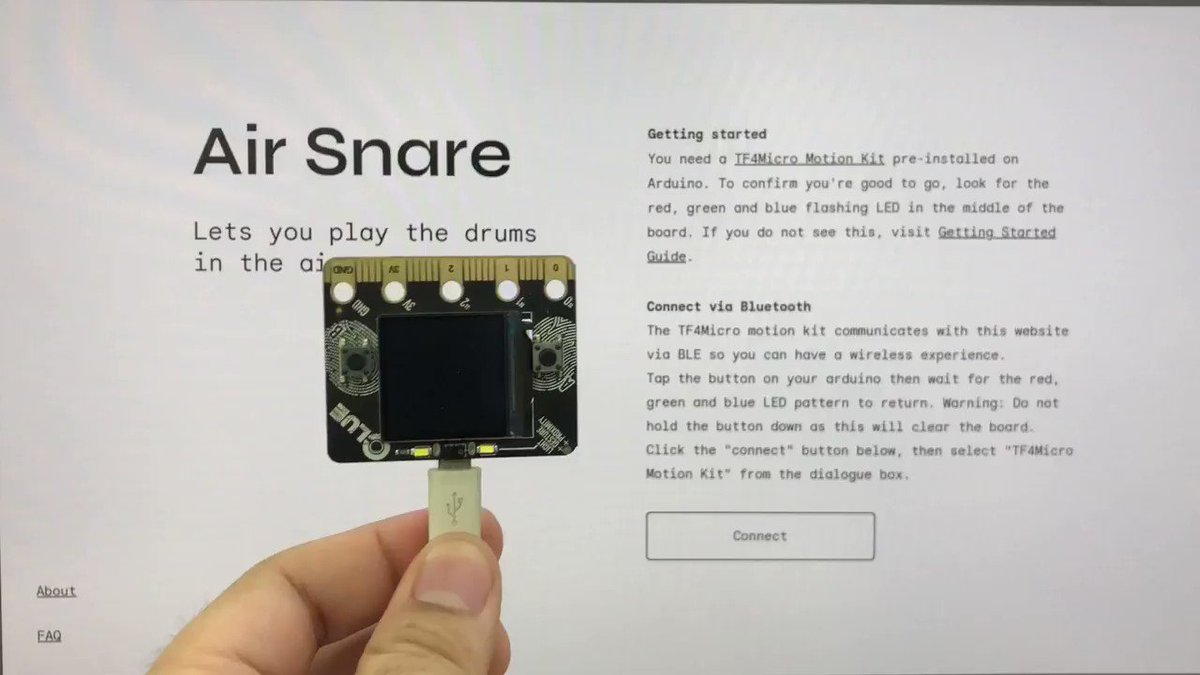
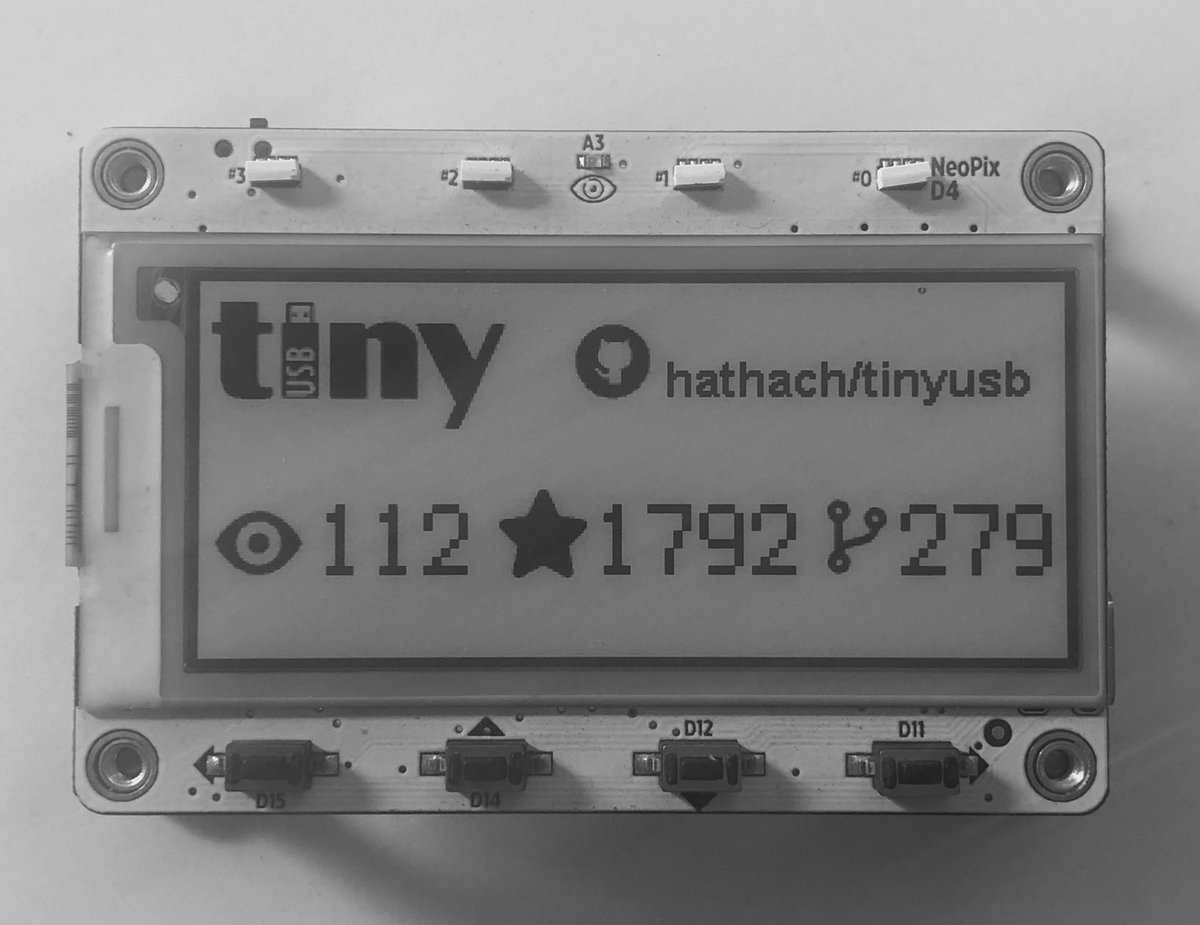
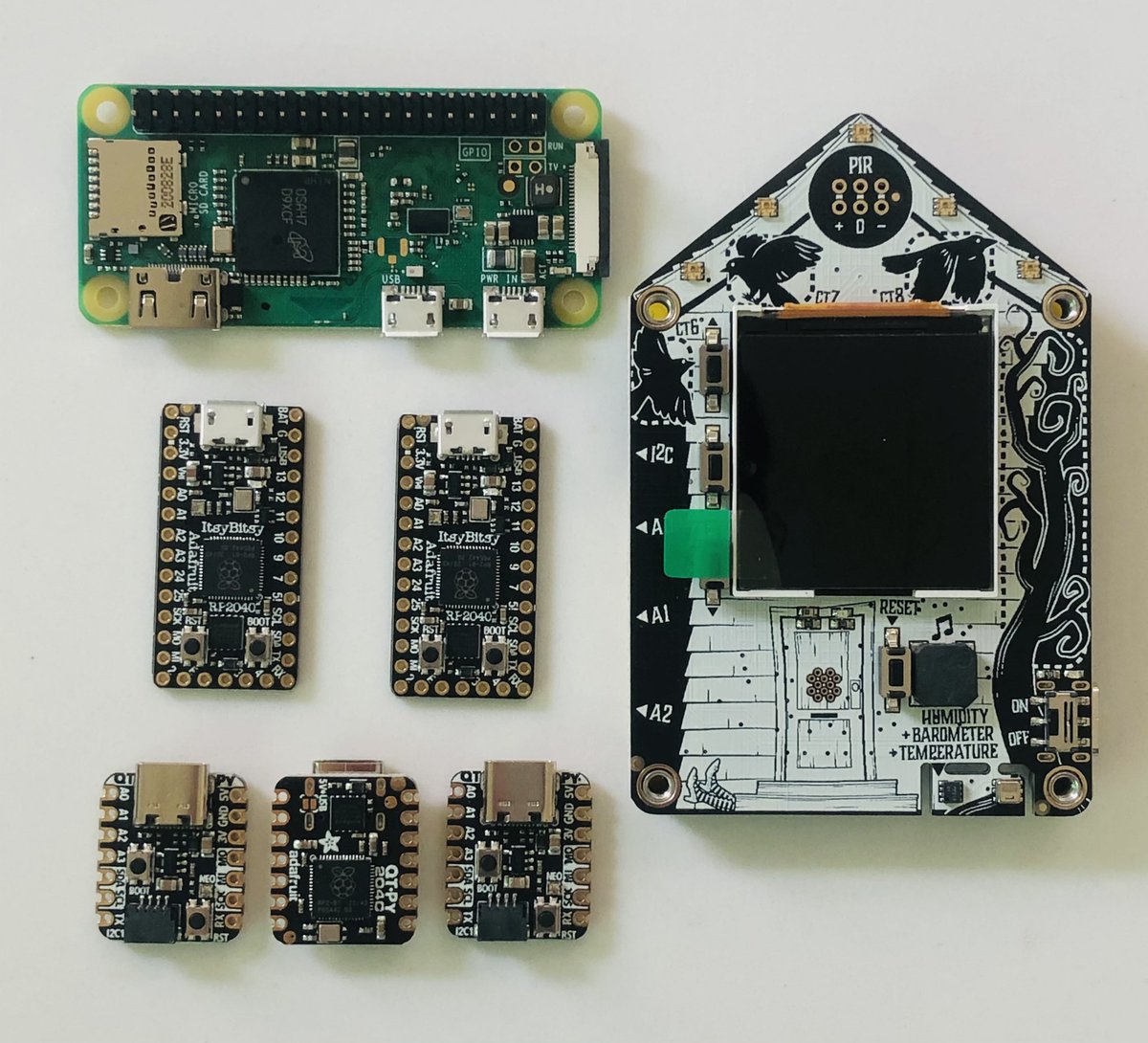
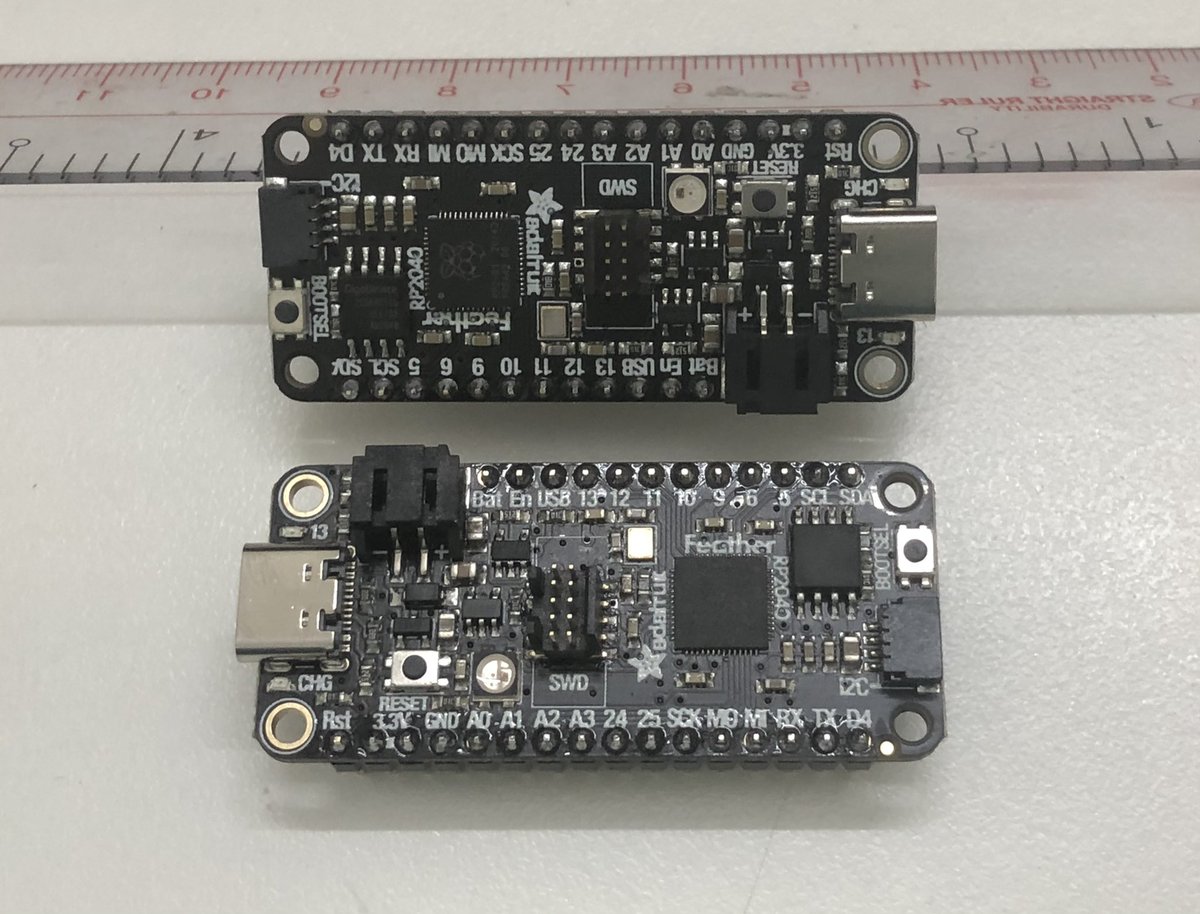
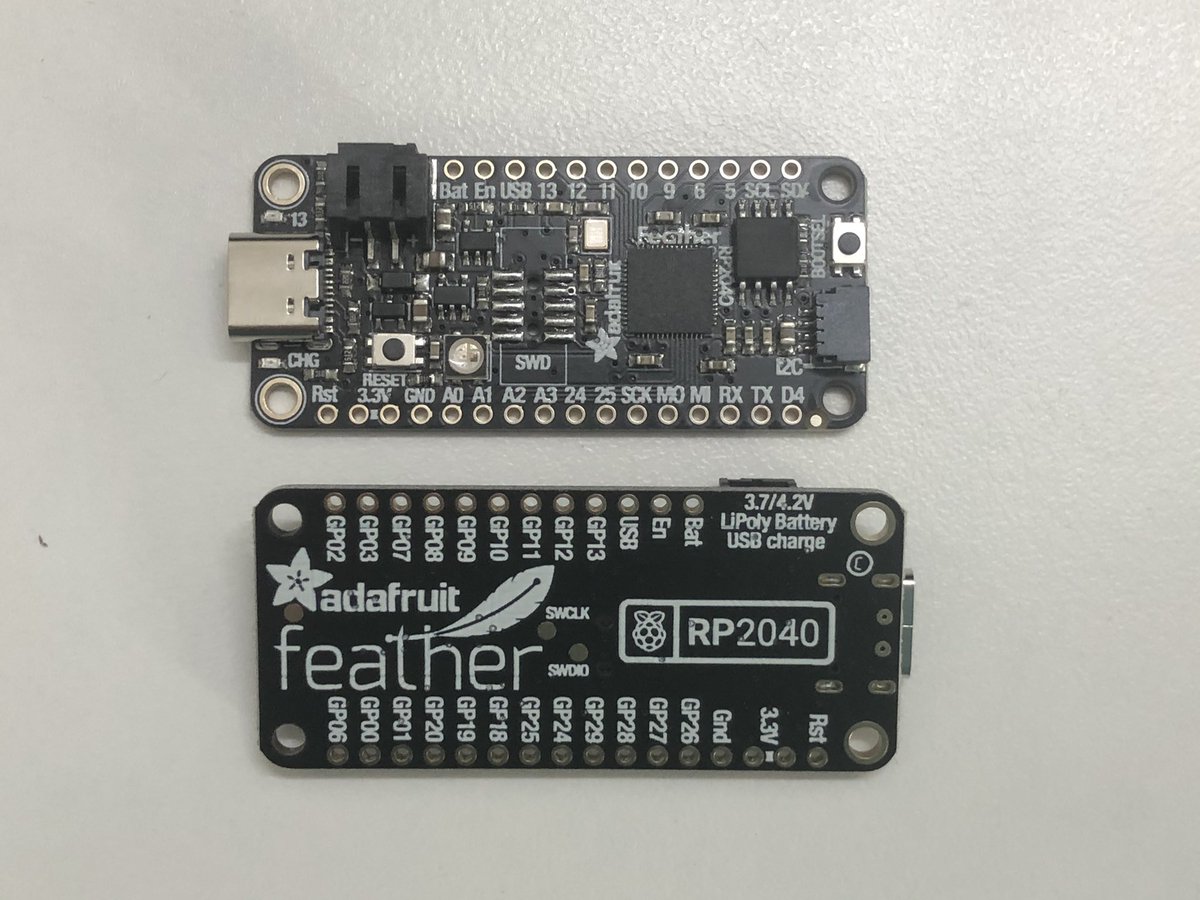
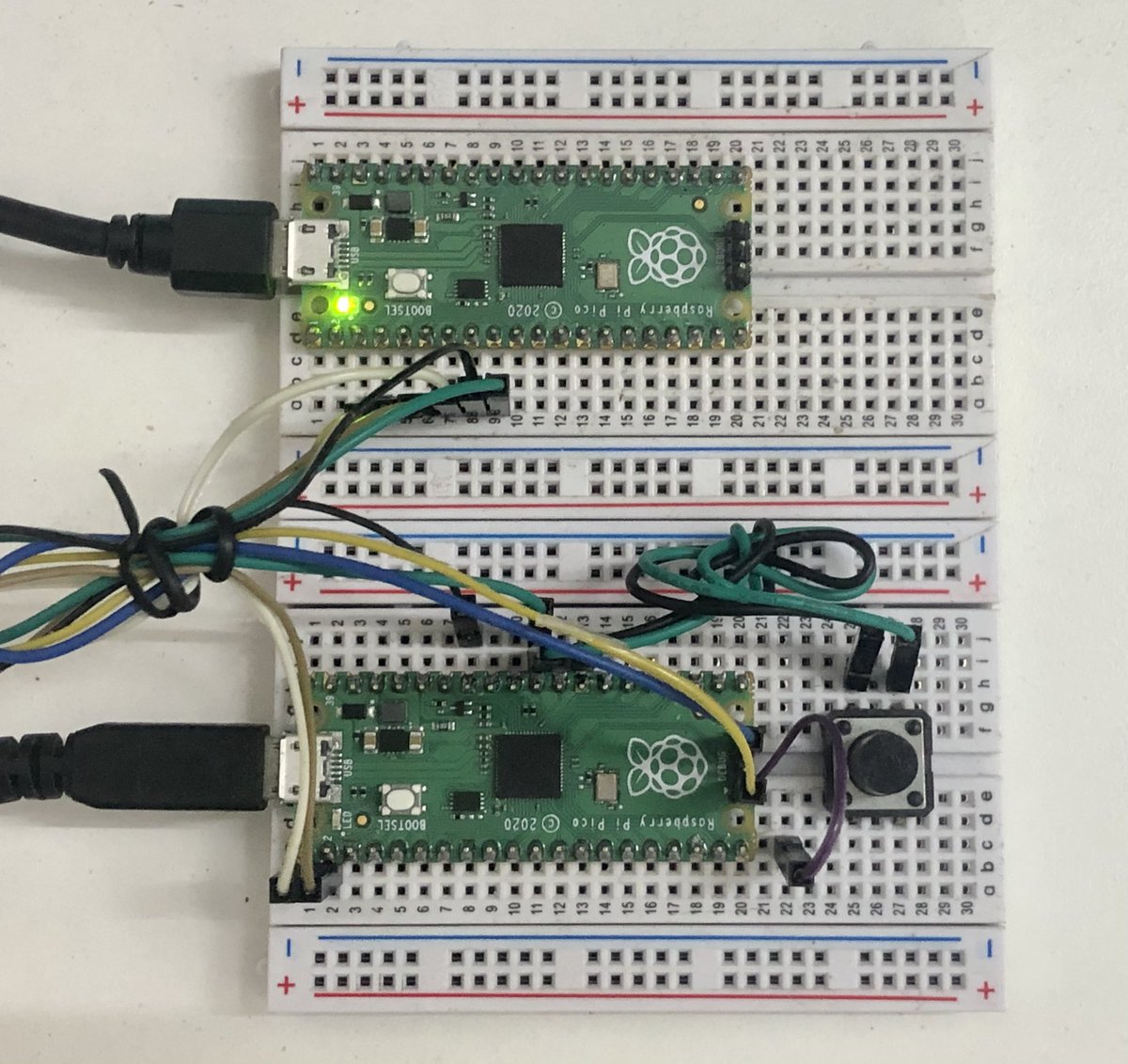

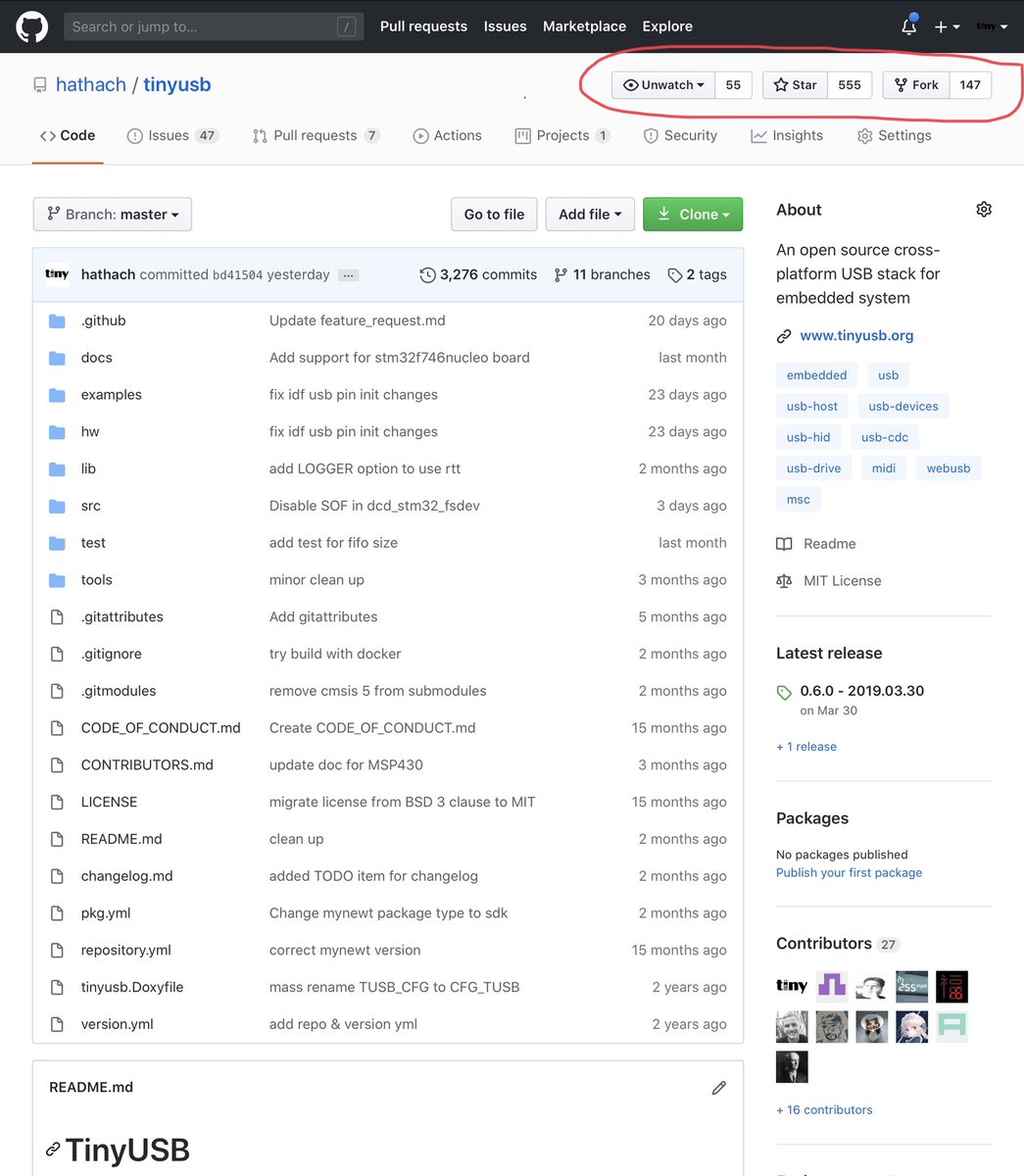
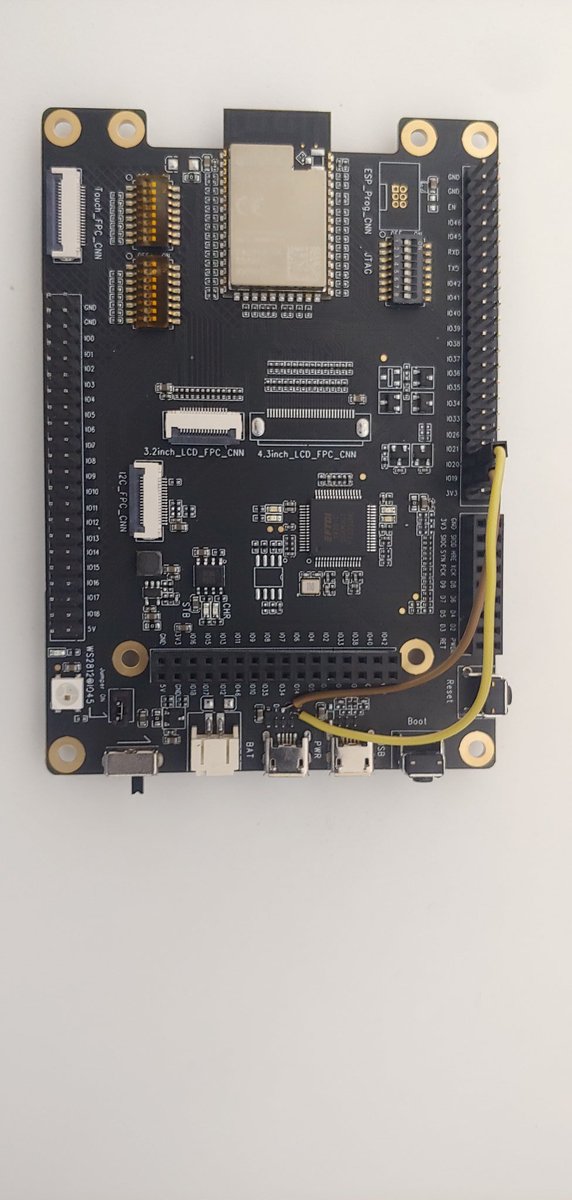

just release 0l19.0 with lots of improvement for host and device API, added MCUs (esp32-h4, at32, ch32) and new MTP device driver github.com/hathach/tinyusb/r…
1
5
283
Just release an new release 0.17.0 for TinyUSB with lots of new ports, features and fixes github.com/hathach/tinyusb/r…
12
41
3,230
TinyUSB now supports most @WCH_TECH ch32 device (fsdev, usbfs, usbhs). Ch32 arduino also merged built-in tinyusb support PR github.com/openwch/arduino_c…
1
13
68
4,972
just released TinyUSB version 0.16.0 github.com/hathach/tinyusb/r…. Notable changes are:
- Lots of bugs fix
- Support MAX3421E aka usb host shield
- Initial USB PD stack with stm32g4
- More MCUs support: g0, g4, u5, mcxn9, ra6m5 etc..
3
14
99
14,651


As we continue celebrating #MaintainerMonth, this week we spotlight @ladyada, lead engineer and owner of @adafruit. Learn more about how Limor believes open source is key to staying competitive. github.com/readme/stories/li…
3
24
122
77,549

RP2040 Gets Intellikeys Keyboard Up And Running hackaday.com/2023/04/29/rp20…
1
3
19
14,387

TinyUSB retweeted

25 Apr 2023
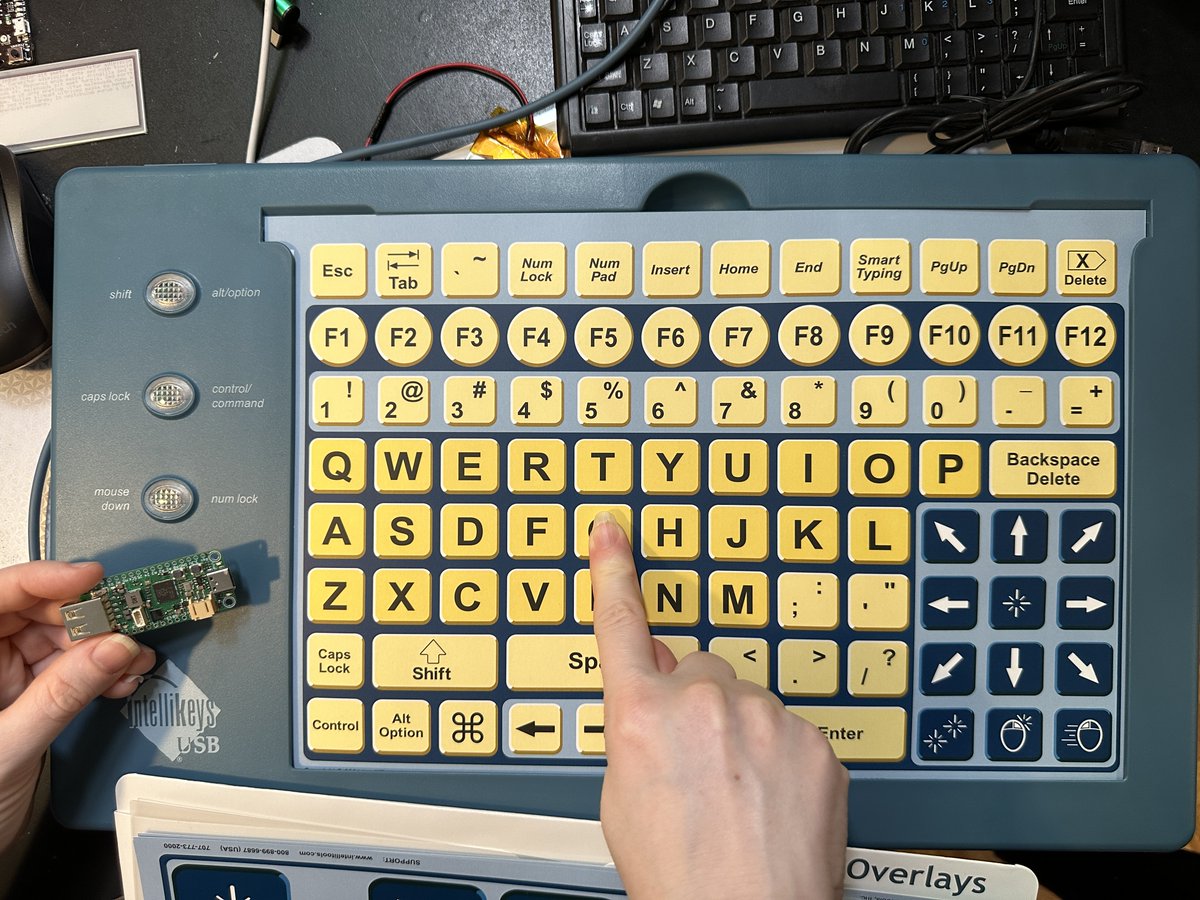
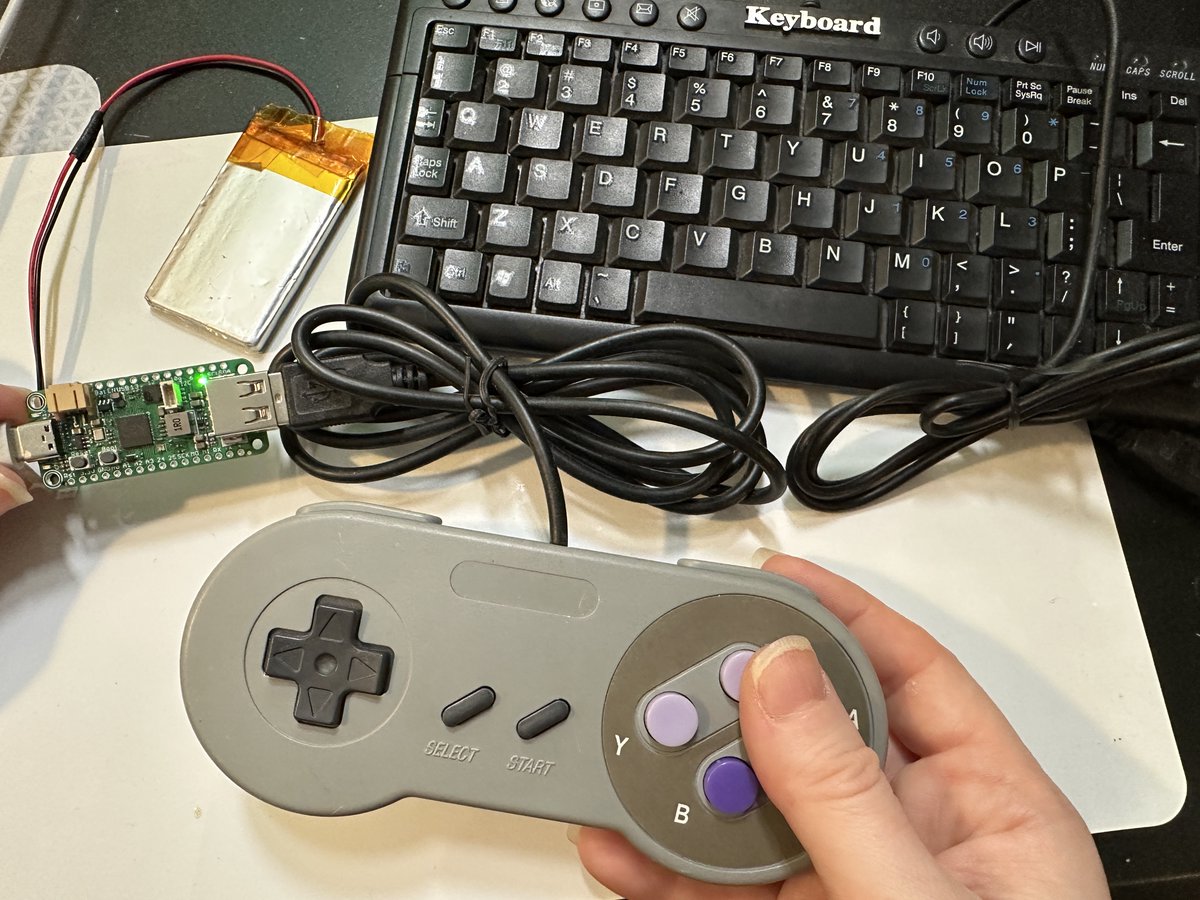
The RP2040 Feather with USB Host lets us use Intellikeys with an iPad
the Intellikeys is a popular accessibility device with custom overlays, that is no longer supported. even though it has a USB plug it doesn't work like many USB devices: it doesn't enumerate as an HID keyboard, instead it downloads the firmware from the computer driver! that means it'll never work with many modern devices ike chromebooks or iPads...unless you've got a specialized device like the RP2040 Feather with two USB ports! we've loaded Thach's Intellikeys translator (github.com/adafruit/Adafruit…) arduino sketch and it even does overlay detection so that when we switch out the paper it will enumerate as a different HID device. the code and hardware is all open source, so it can be maintained and improved for a very long time.
2
9
46
9,392

Just released a new version of #USBvalve firmware (0.7.0): github.com/cecio/USBvalve
I moved on the latest version of TinyUSB.
This is the first step to implement a #badusb detector as suggested during the talk @1ns0mn1h4ck
Stay tuned for news on this!
1
3
5
1,066
TinyUSB retweeted

19 Mar 2023
The Kolibri firmware now doubles as a UART to USB CDC bridge, so a separate USB-UART PMOD is no longer needed. The Eis computer will also get this feature soon. @TinyUSB is great! github.com/machdyne/kolibri
2
8
785
TinyUSB retweeted
14 Mar 2023
Using USB Host in Arduino and RP2040 using TinyUSB #PiDay #Arduino #QTPy @HisashiKato @Raspberry_Pi
blog.adafruit.com/2023/03/14…
4
9
3,317
TinyUSB retweeted
5 Feb 2023
One step closer to Metro M7 feat. iMX RT1011 and ESP32! The first board of a new chip series is always the toughest because we have to figure out all the gotchas and testing techniques.
1
6
34
8,676
TinyUSB retweeted
22 Dec 2022
rp2040 programming an rp2040 ~ flash inception
we crank out a lot of @Raspberry_Pi rp2040 microcontroller boards and so we have to be able to program them very fast and very reliably. historically we used a teensy 3.6 to run our programmer tester 'brains'
2
12
58
10,287
TinyUSB retweeted

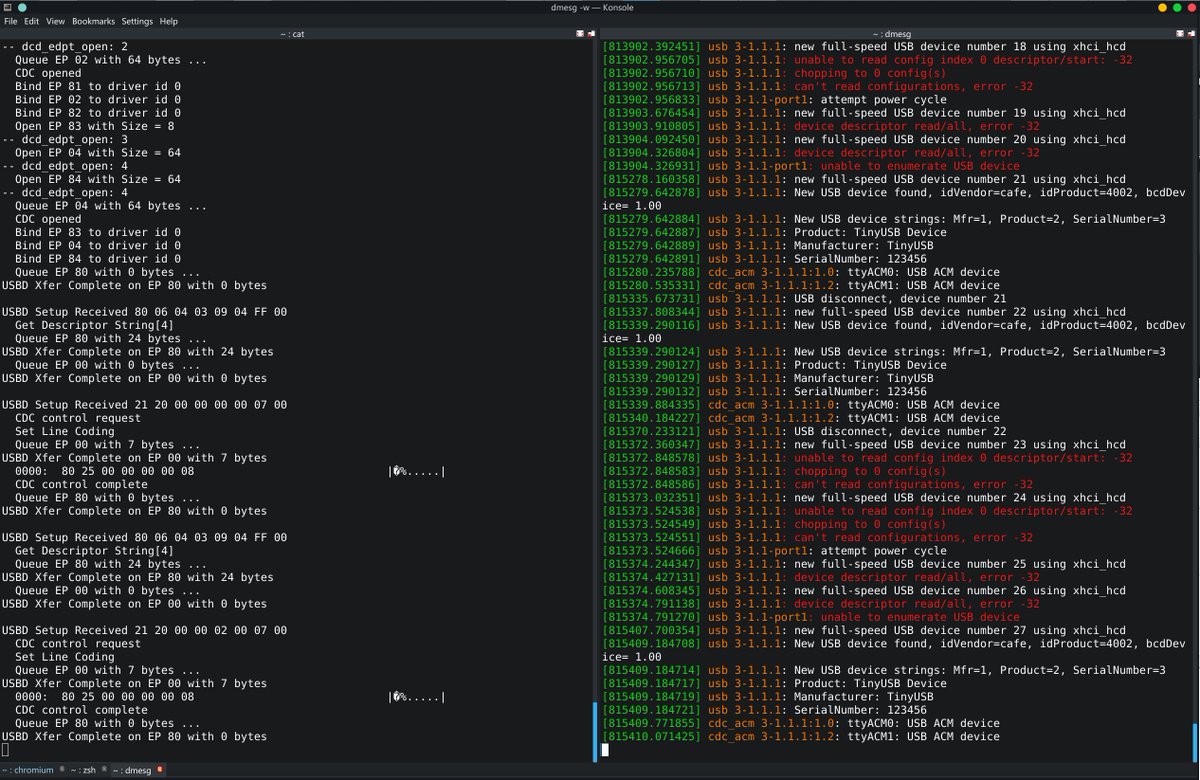
It works! Now @tinyusb works on @MicrochipMakes PIC32MX/MM and possibly PIC24!
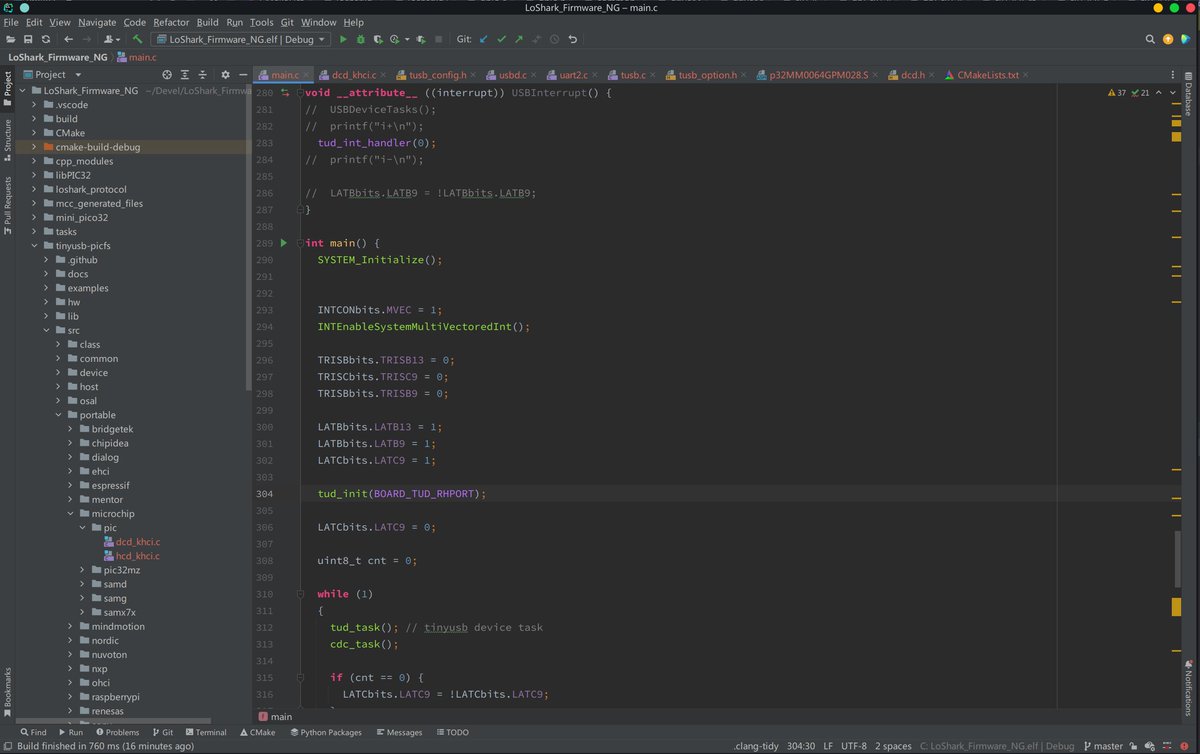
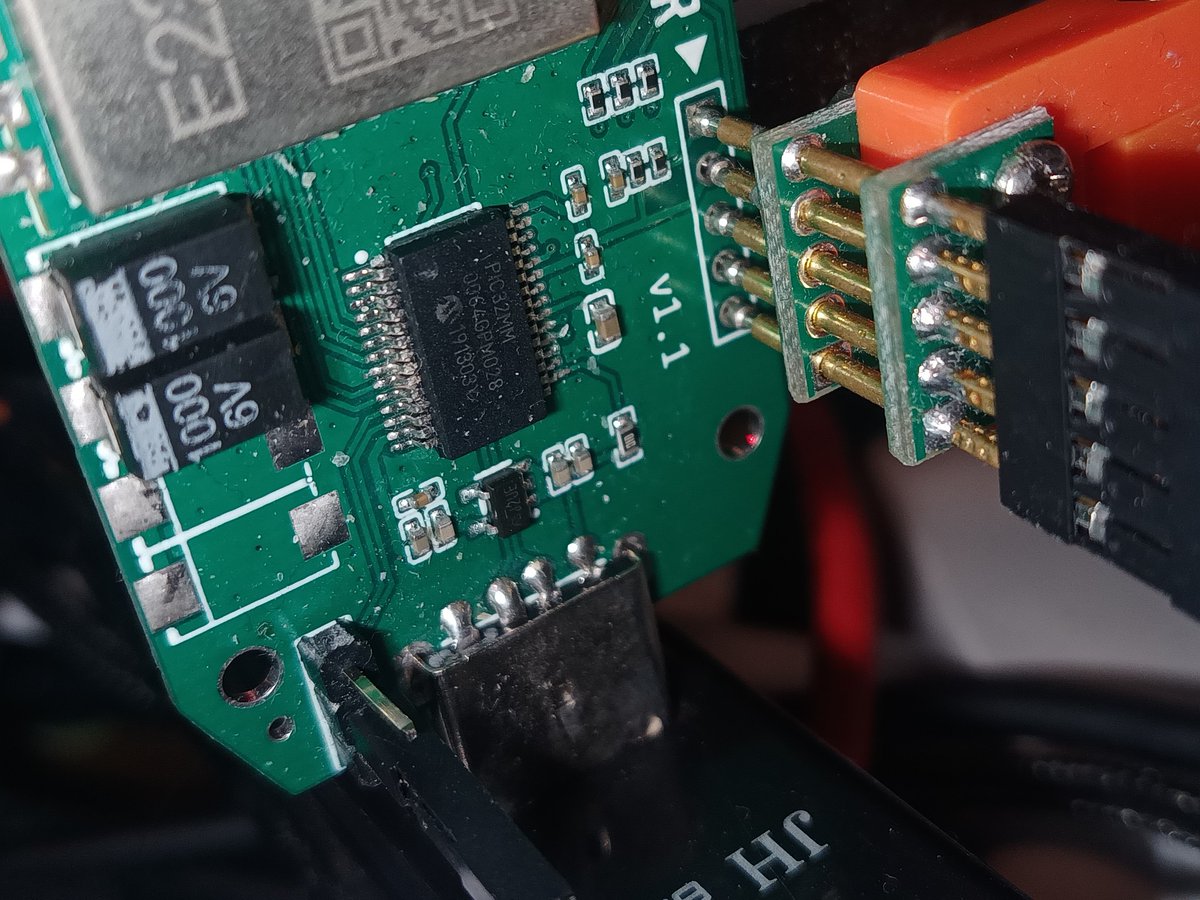
1
6
31
TinyUSB retweeted

3 Aug 2022
記事を投稿しました! RXマイコンでTinyUSBのホスト機能を実験 [C ] on #Qiita qiita.com/hira_kuni_45/items…
1
3
TinyUSB retweeted
17 Jun 2022
5
6