
BitCoin will tokenise the world ! #NFT $tokenpow tokenpow.com
Joined February 2021
- Tweets 644
- Following 853
- Followers 772
- Likes 2,650
105 Photos and videos




Pinned Tweet

29 May 2022
Concentrations of Power in These Decentralized Markets & Patenting Bitcoin youtu.be/hlSoo_UFauc via @YouTube
Reggie talks about IP, Bitcoin and Craig ... he knows... and he warns the exchanges that something is coming
1
1
7
Tk @45457 retweeted

28 Jul 2025
In an SPV-based model, you don’t bloat the chain—you anchor truth.
You record the hash of a response in SPV, a prompt, a correction, or even a microtransaction bundle. That hash becomes immutable proof, timestamped and globally verifiable. If challenged, you reveal the original. If valuable, you retain it. If ephemeral, you discard it. But the ledger—Bitcoin’s real ledger—says it was.
This isn’t theoretical. It’s the only viable architecture for a micropayment AI economy:
- Corrective Feedback? Hash the correction, pay the contributor 0.0002¢, anchor the hash.
- Query Chain-of-Thought? Anchor the input/output pair’s digest.
- Royalty Distribution? Aggregate per-user or per-model hashes, tie to payment receipts.
The Lightning Network can’t do that. It can’t even remember what it paid for.
But with Bitcoin—actual Bitcoin, not BTC—you don’t need full state retention. You commit to the existence of truth, not its replication.
Hash it, prove it, pay it.
Scalable, lean, honest.
And that—right there—is the difference between a memoryless IOU network and a truth-layered economy.
28 Jul 2025

Micropayment-Driven AI Models.
A System to Deliver Precision, Accountability, and Economic Feedback in Machine Intelligence...
The future of AI is not merely in scaling parameter counts, nor in fine-tuning LLMs with the doctrinaire fervour of today’s academic echo chambers. It is in the controlled burn of value exchange—where information becomes accountable, where every correction costs and earns, and where computation itself becomes a commodity traded at the granularity of milliseconds. Micropayments, long derided as economically unviable under legacy systems, become the foundation of AI governance and function in a world where digital cash can move at near-zero marginal cost.
Forget the current swamp of hallucinated citations and models regurgitating consensus sludge with the self-assuredness of a tenured bureaucrat. In a micropayment-driven model, accuracy has an incentive structure. Querying a model becomes auditable. Every insight carries a traceable cost and, crucially, a distributable reward.
Take corrective feedback: when an LLM asserts that hydrogen has six protons and a user corrects it to one, the system doesn't merely retrain. It logs, it hashes, and it pays—0.0002¢, perhaps, to the contributor. Insignificant per act, but at scale it forges a market for veracity. The model becomes not just smarter, but economically tied to its own truthfulness, curated by a distributed network of informed actors who are finally compensated for doing what social media stole from them: thinking.
Extend this further to querying and insight: a user asks for a summary—0.01¢. A deeper chain-of-thought breakdown—0.02¢. Each request logged immutably, each contributor credited. No more black box prompt engineering. The ledger doesn’t forget. AI becomes an economy, not just a tool.
But it’s not just epistemology that bends under the weight of value. Compute itself becomes scarce in a rational market. GPU access? Biddable by the second. A real-time auction of silicon attention, throttled by demand curves, not corporate allocations or opaque paywalls. No more subsidised hallucinations. No more bloated middlemen. You pay for heat and cycles, not the brand of the model's custodians.
What emerges is not utopia. It is discipline. An AI market where truth costs money, where misinformation loses market share, where feedback is not a social virtue signal but a revenue stream. Micropayments do not just lubricate—they enforce. They make AI honest, not because we told it to be, but because dishonesty is finally more expensive.
5
30
142
8,271
Tk @45457 retweeted

29 Jul 2025
3
19
51
1,826
Tk @45457 retweeted

28 Jul 2025
Sometimes I am tempted to take a break from the Bitcoin fight because I know scalable Bitcoin future is good.
Then I note the vast amount of paid shills whose only purpose for existence is to fud and psyop BSV.
It worries them very much that BSV is getting stronger.
16
17
139
7,957
Tk @45457 retweeted
11 Jun 2025
Today I shall post on macros I use in my writings, these macros aren’t new opcodes—they’re second-layer script constructs compiled down into valid original Bitcoin Script using existing opcodes only. Think of them as macro definitions that expand into deterministic opcode sequences—entirely legal under the original protocol rules. But, they will allow for transactions that are simpler to code.
For example, OP_XSWAP simply expands to a known sequence of stack manipulation opcodes like OP_OVER, OP_ROT, OP_NIP, depending on depth. OP_XDROP uses OP_PICK and OP_ROLL to simulate removal of elements at depth. OP_HASHCAT leverages a combination of OP_DUP, OP_HASH256, and OP_CAT (where enabled) to achieve hash-preserving behaviours.
What we’re really doing is constructing a compiler or macro preprocessor that rolls these patterns out—no protocol change, no opcode addition. The base script remains intact. The macros represent reusable templates which compile into original opcodes and execute as expected on the VM.
If you're interested in how these get built step-by-step, or want examples of constructing such a macro layer, I'll be posting more detail on this later today in a Substack article. It’ll cover macro expansion, compiler structure, opcode validation, and why this keeps Bitcoin Script intact while allowing far more expressive development.
12
25
115
5,225
Tk @45457 retweeted

11 Jun 2025
Just posted: Why the Kleiman case ruling on "origins of Bitcoin" wasn't brought up in Wright's later trials, plus everything else you need to know before @CsTominaga first post-trial show tomorrow. youtu.be/khtjM9uf5t8?si=pa2u… via @YouTube

2
8
48
1,452

Tk @45457 retweeted

28 Oct 2024
6
8
63
1,927
1 Oct 2024
Bells !!
1 Oct 2024

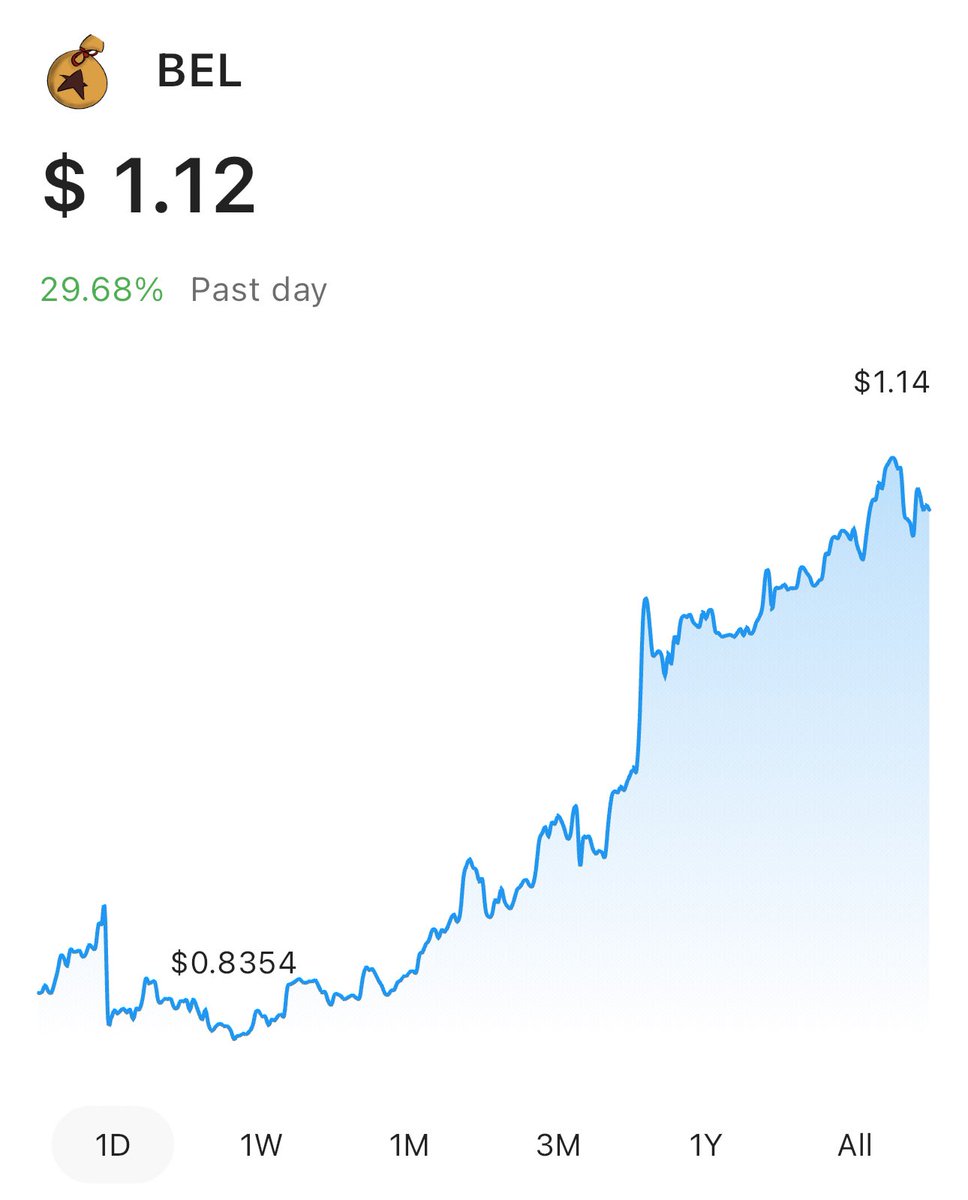
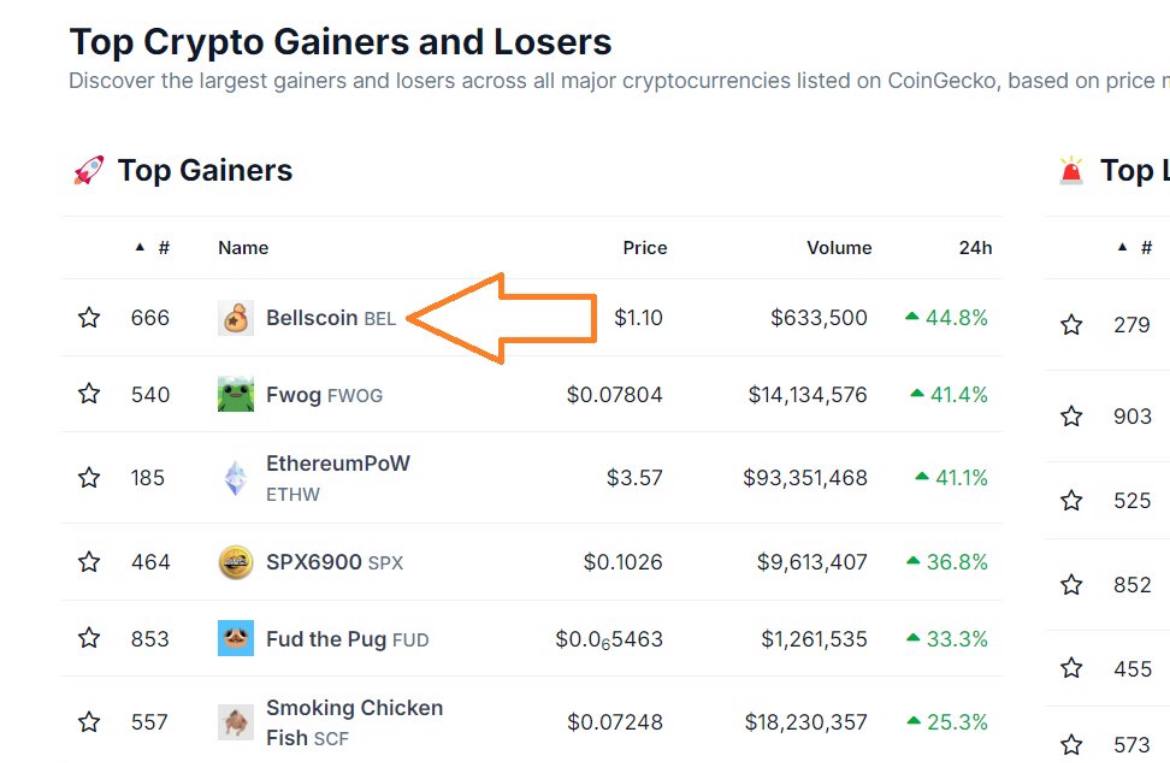
Bellscoin is smashing through these charts due to low liquidity. The people don’t want to sell and are buying more and more every day. I have so much fomo right now $Bel
7
190
Tk @45457 retweeted
29 Sep 2024
BREAKING
Binance has added $BEL rewards to its mining pool and the price is taking off.
9
13
99
5,512
Tk @45457 retweeted

26 Apr 2024
🚨 CRASH ALERT🚨
1987 VS 2024
Im trying to unsee it .
The 1987 crash was biblical
Today we see the same set up
Yields rising /Breach of primary trendline .✅
Measured move complete .✅
Momentum plummeting .✅
Erratic behaviour ✅
The only difference today.
Bigger Bubble

624
1,132
5,484
1,758,678
Tk @45457 retweeted

19 Apr 2024
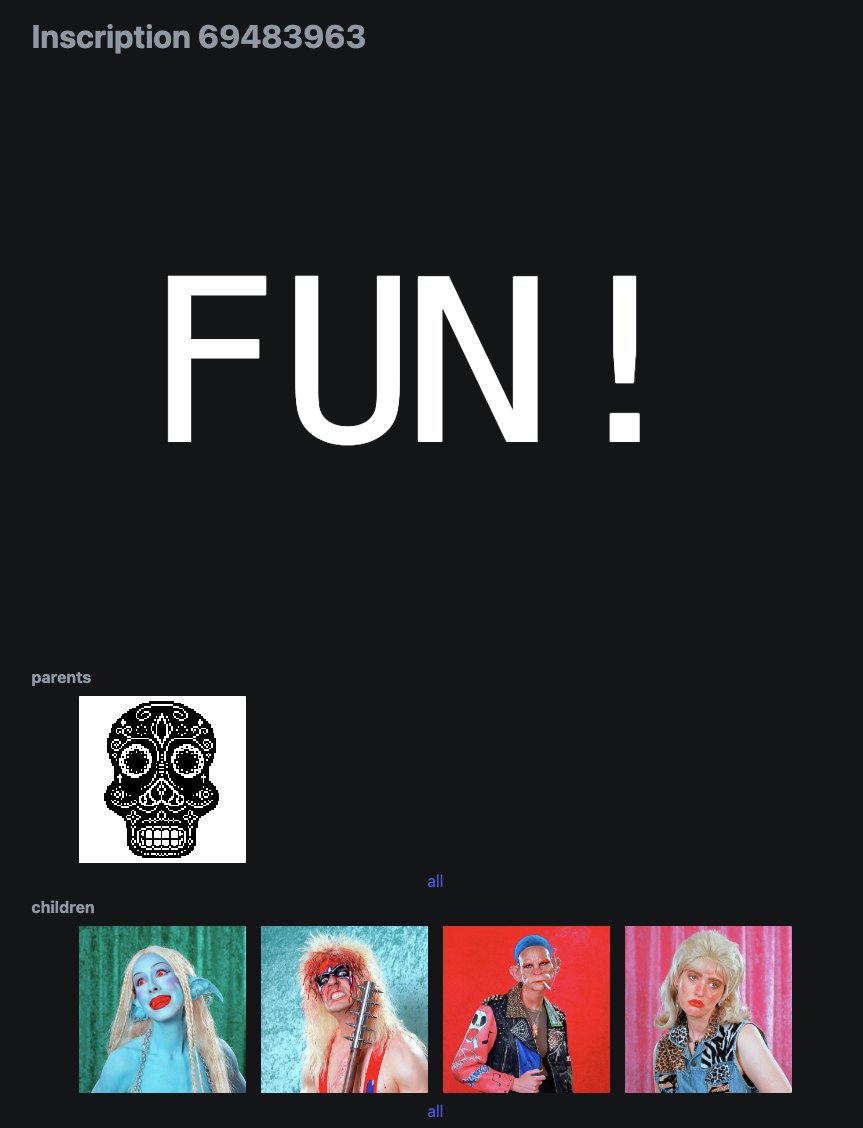
BREAKING – CREATOR OF ORDINALS INSCRIBES SATANIC IMAGES AS CHILDREN OF THE FIRST ORDINAL INSCRIPTION #0
THIS JUST BEFORE THE HALVING
WTF IS GOING ON
ordinals.com/inscription/dad…
31
3
43
18,670
Tk @45457 retweeted

18 Apr 2024
The rain maker.
590
8,015
28,815
9,003,820
Tk @45457 retweeted

16 Feb 2024
when bsv is $1,000 it will be the journey along the way that we’ll value the most not the $
37
27
195
12,418
Tk @45457 retweeted

28 Dec 2023
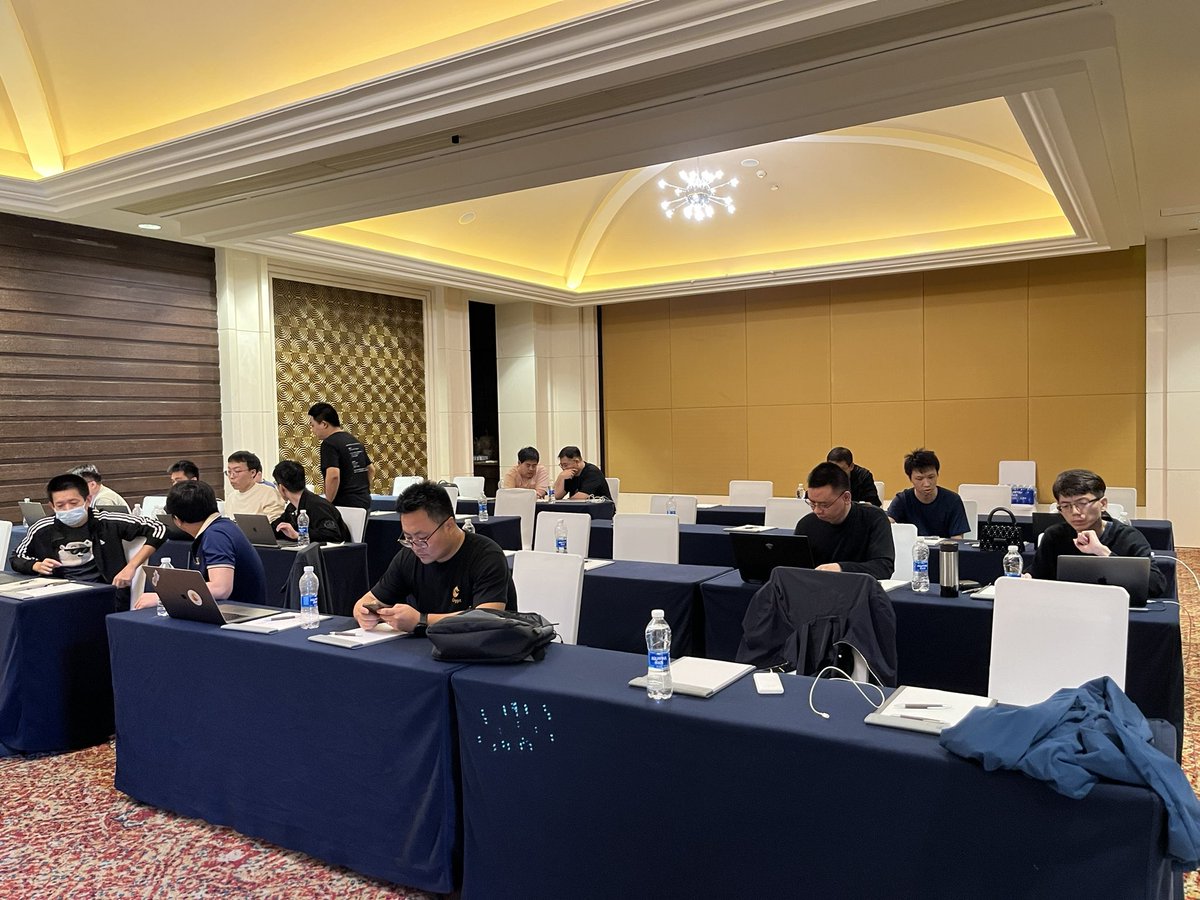
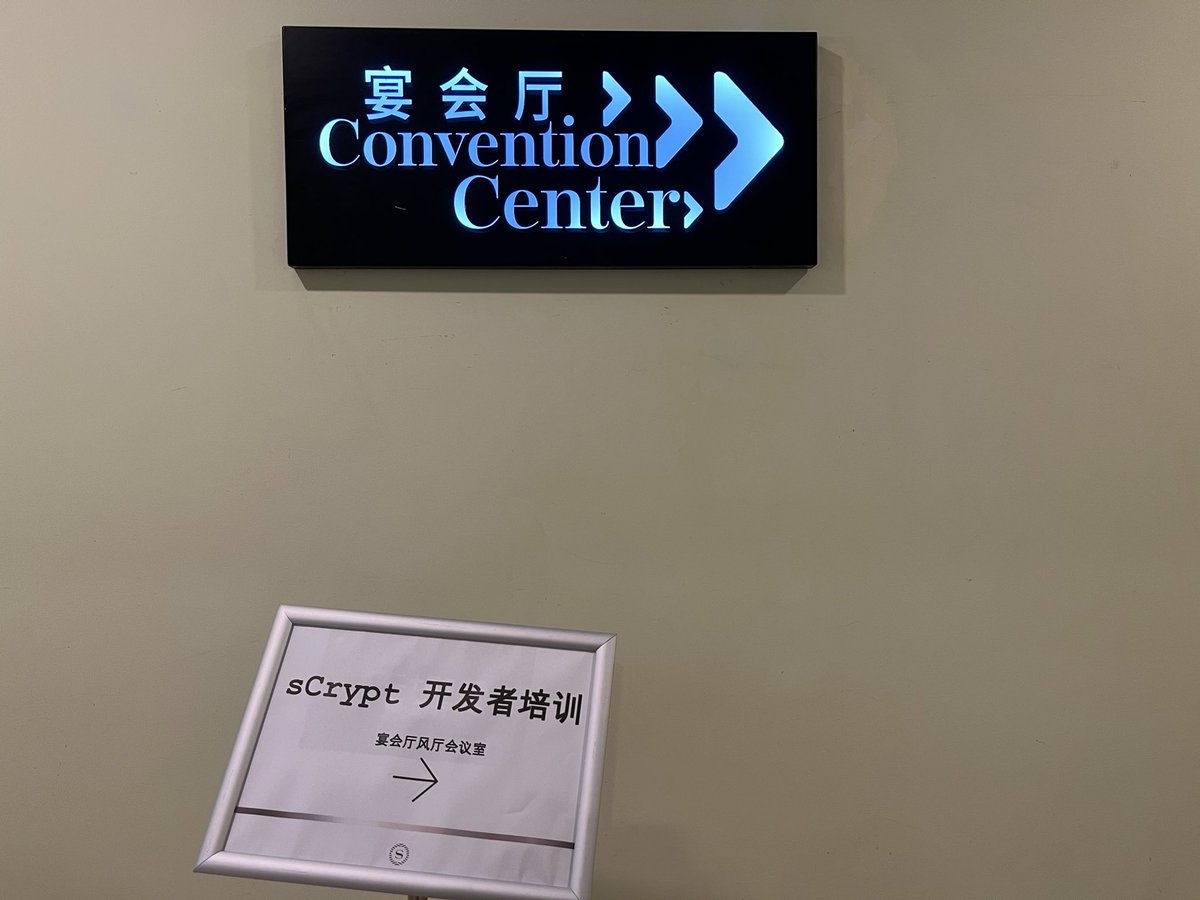
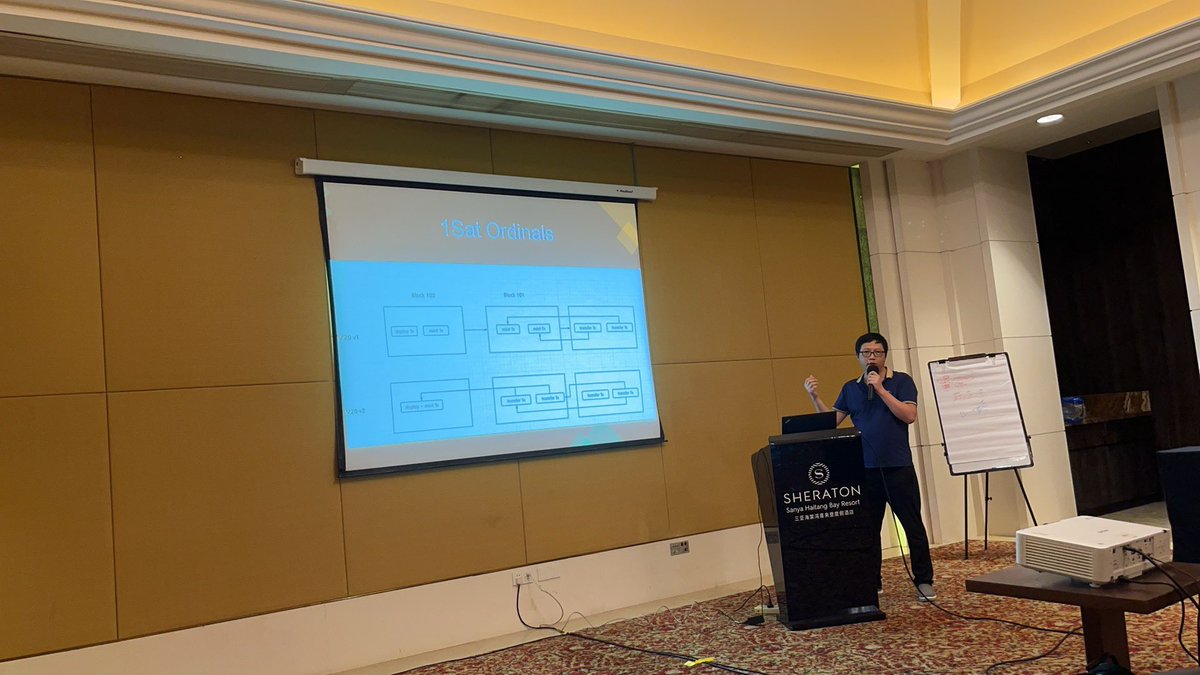
Mystery resolved: we r behind the price pump. Asians r learning the programming power of Bitcoin
17
35
181
9,178
Tk @45457 retweeted
10 Dec 2023
Do you think BlackRock takes major CVE reports seriously?
Think about it. They’re doing their due diligence, and all of the BTC influencers are crowing about an on-going JPEG DDoS attack that they can’t stop while passing around cat meat sandwiches in a Central American military state.
Do they still invest? Do they still launch the ETF?
11
14
50
3,914
Tk @45457 retweeted
10 Dec 2023
This man approved nearly every BIP in BTC.
He also cannot explain how his cold and hot storage was robbed.
He just accepted $6.2m to build a pool with the expressed purpose of censoring your BTC transactions.
He has proven the US government can censor BTC too. 🛑🐈🍖
10
29
96
8,306
Tk @45457 retweeted
13 Nov 2023
BTC is the definition of cancel culture.
Mempool full? Cancelled.
Only have $5? Cancelled.
Like Ordinals? Cancelled.
Want to scale? Cancelled.
Tired of being cancelled and switch to a new network? Cancelled!
Why are they so easily triggered?
25
26
138
7,638
Tk @45457 retweeted

28 Jul 2023
DOJ drops all charges against SBF.
He donated $40 million in the 2022 election cycle to the establishment, AKA “The Untouchables”.
It’s just a matter of time.
Community note
SBF is still facing 7 charges related to defrauding customers of FTX.
twitter.com/PSA_Sitch/stat…
661
1,053
6,292
1,122,744

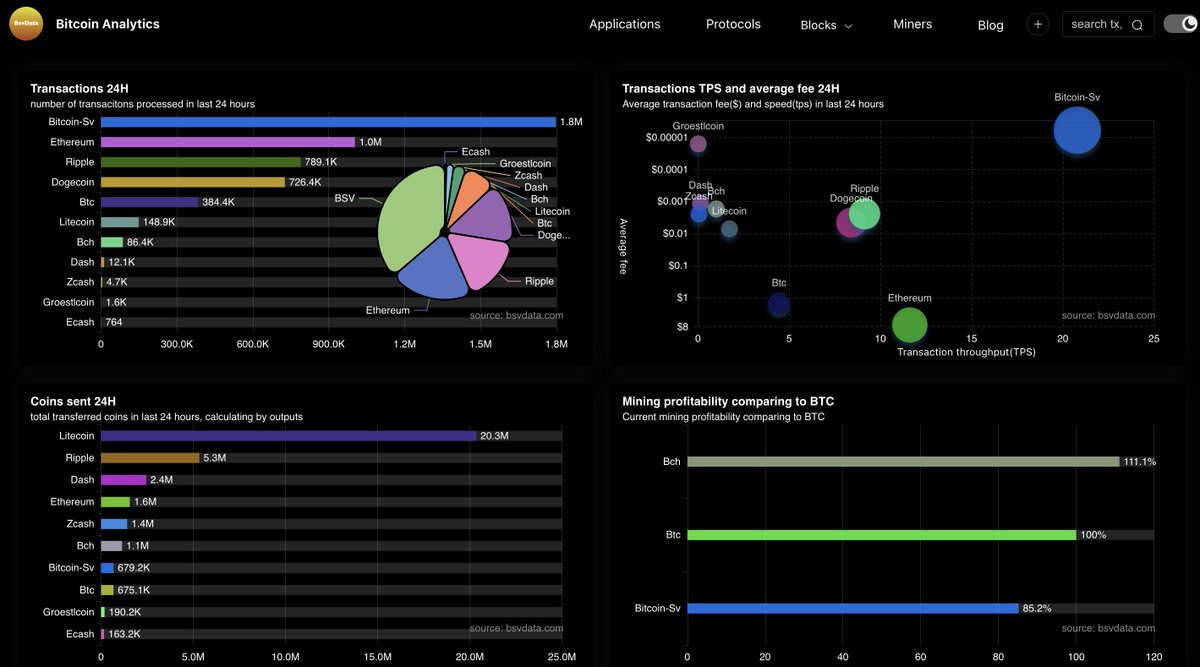
Launching a live monitoring tool for blockchains performance, a one-stop site comparing Bitcoin-sv with other blockchains and payment networks. bsvdata.com/blockchains-stat…
14
50
128
7,170
Tk @45457 retweeted

19 Jun 2023
Aym the Podcast #1
Thanks to @liujackc for being the first ever guest!
Artifacts 🟡 Aesthetics 🟡 Bitcoin Ordinals
Become Radiant
6
17
65
13,862