Truth-teller in a world of token echo chambers. I say what others won’t. And I never swing without purpose.
Joined October 2022
- Tweets 8,557
- Following 3,536
- Followers 1,509
- Likes 25,788
1,435 Photos and videos


Mar 31
Football is more than a game; it’s a ticket to a better future. ⚽
The @AyreFoundation just wrapped another successful Player Identification Combine, bringing in scouts from the USA and UK to scout local talent for university scholarships.
Investing in sports is investing in the dreams of our youth. 🏆🎓 calvinayrefoundation.org/pro…
5
153
Mar 31
Sign me up!
Mar 29

#TheSuperMarioGalaxyMovie is the original powered by a superstar. A 100 minute sugar rush, with fan service galore, that starts at 90mph and barely stops for breath. Largely the same issues with the first movie remain, but fans will be delighted. Full review Tuesday.
2
75
Token Slayer retweeted

Mar 30
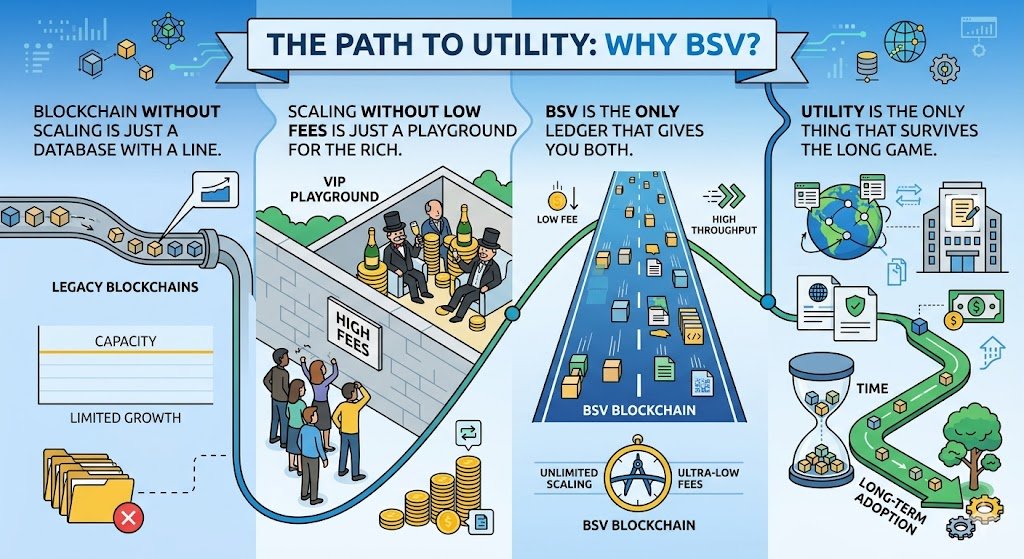
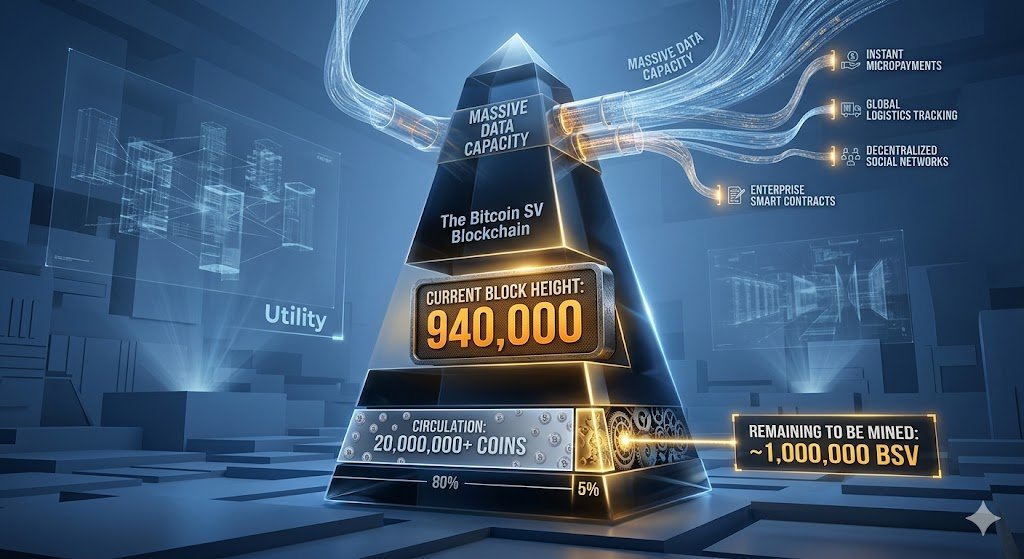
BTC may have won the price battle, but $BSV will win the war.
2
10
1,051
Mar 31
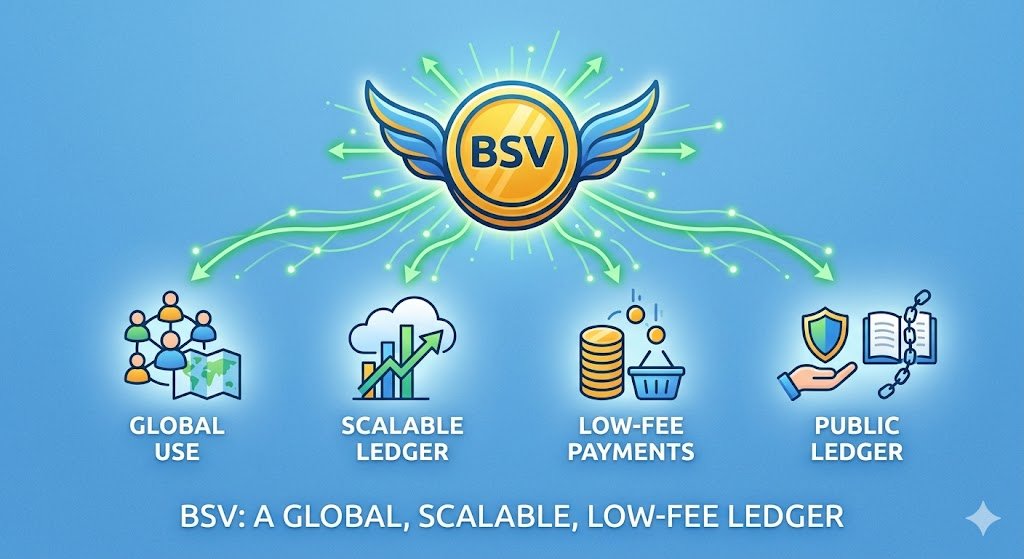
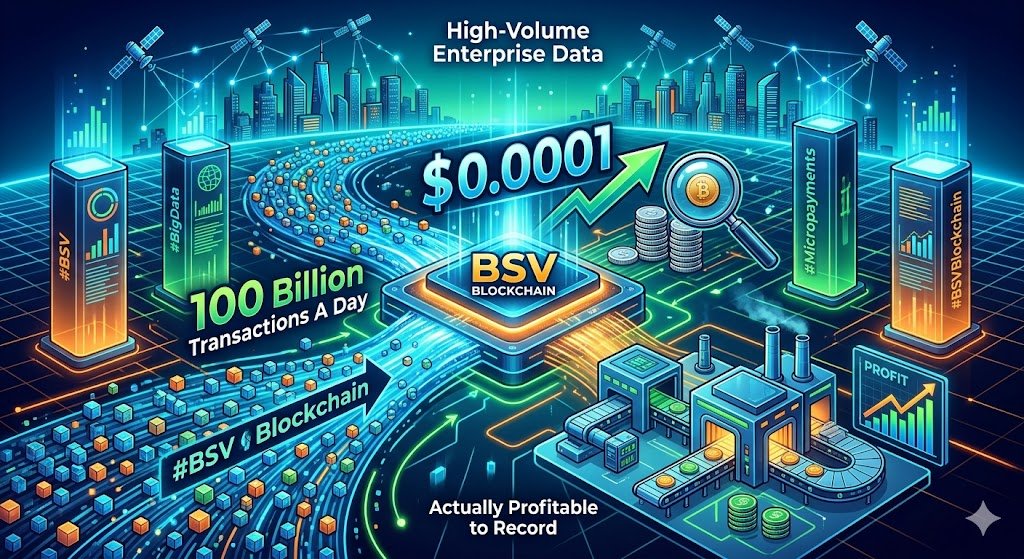
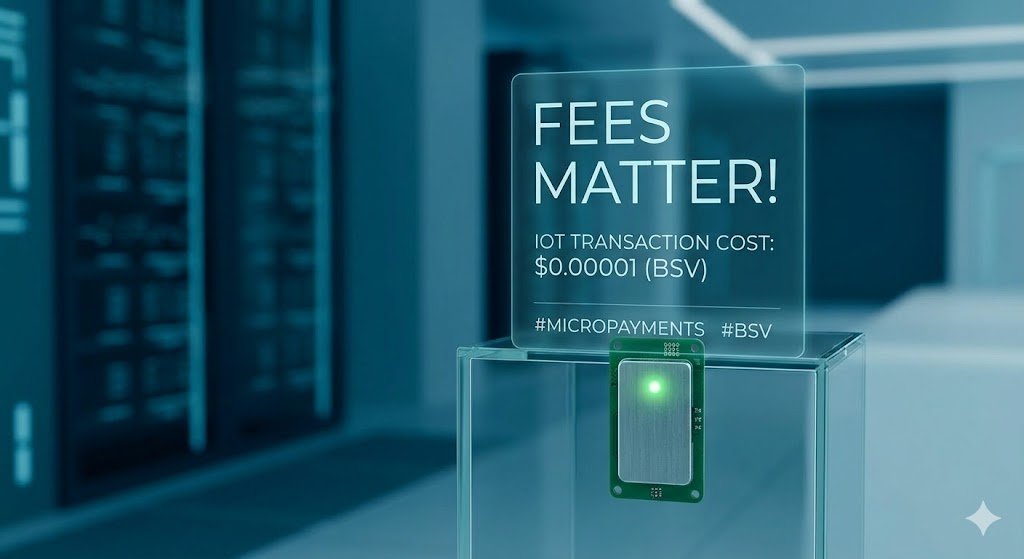
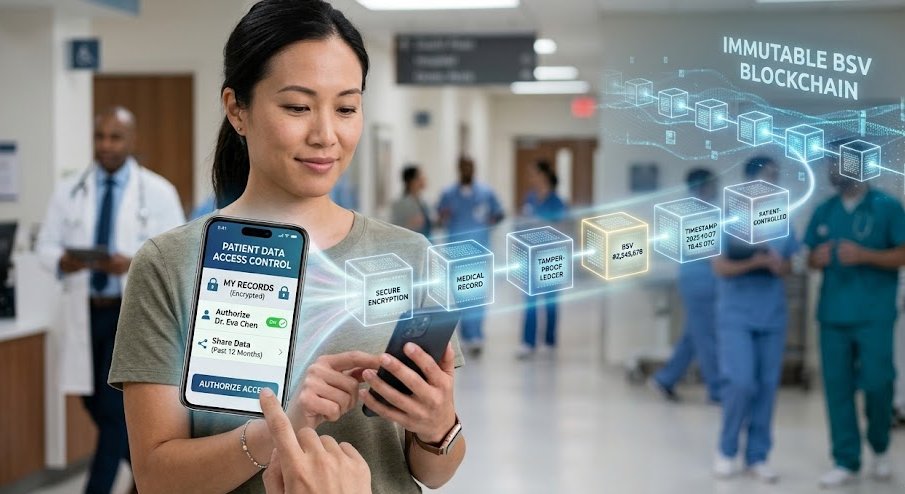
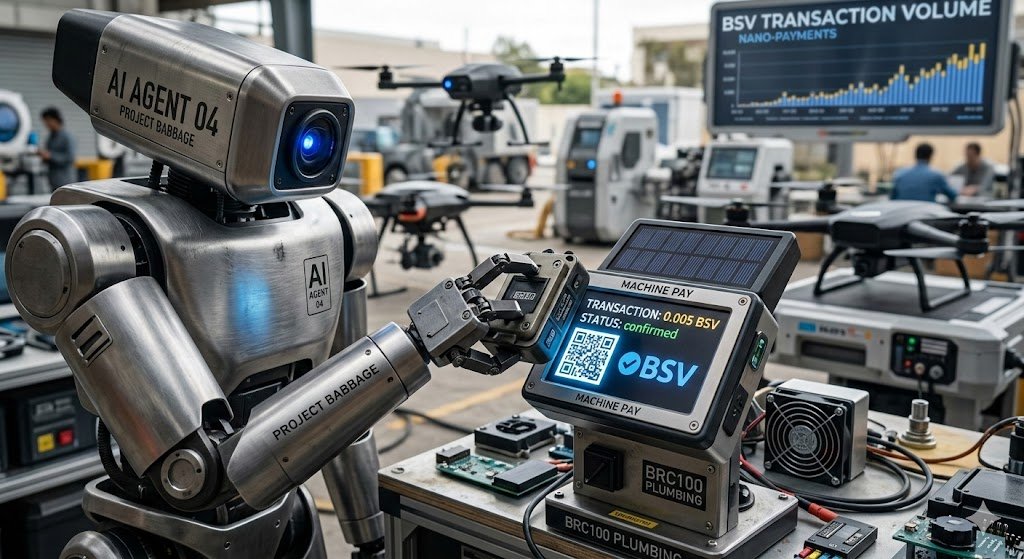
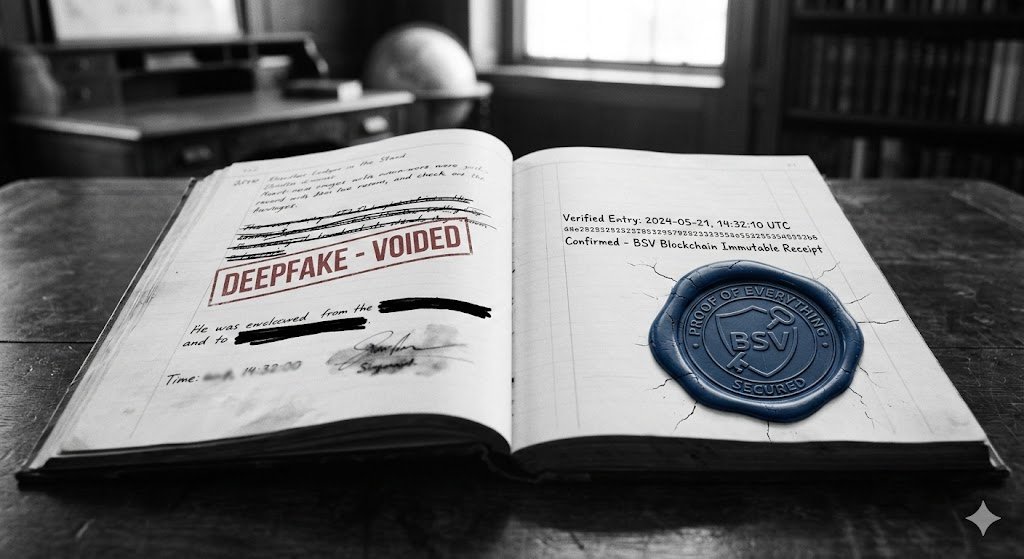
The era of begging banks for permission is over. We’re moving toward a world of direct micropayments and real ownership on BSV, and honestly? It’s about time the internet started working for us instead of against us. #BSV
Mar 30

We're coming for your Wall Street jobs!!!!!!
💪💪 #BSV
Chancellor on brink of second bailout for banks.
The future will be powered by Real World Assets. Hard money. Sovereign identity. Private exchange. Direct micropayments.
And a more fair Internet.
8
420
Mar 31
0%
20 Million Coins Mined 💎
64%
Chronicle Upgrade (Apr 7)
27%
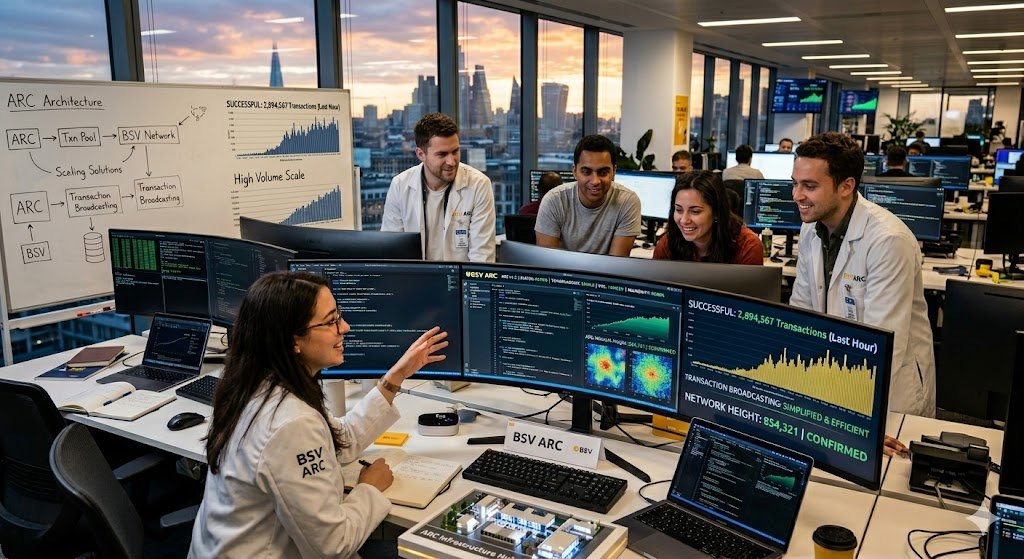
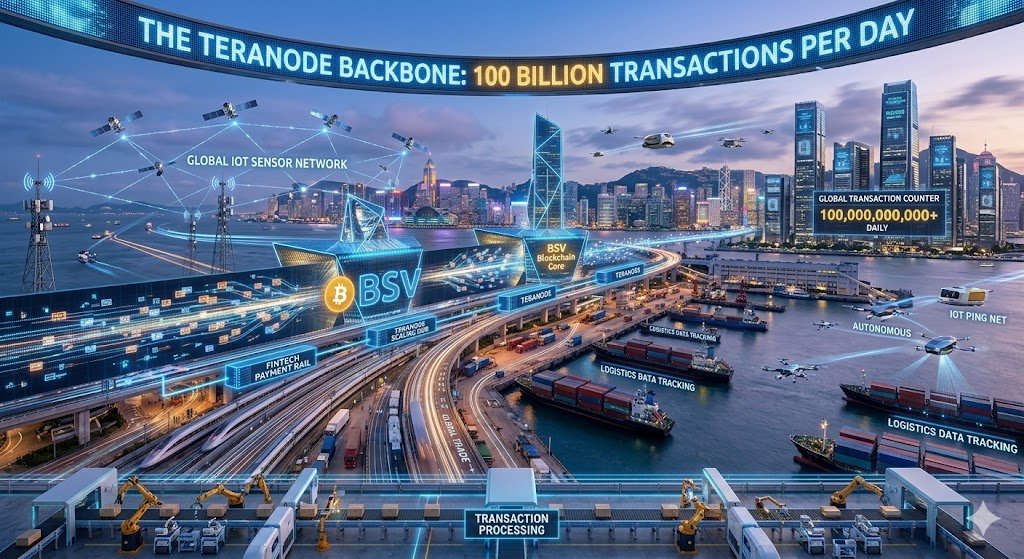
Teranode Hitting 1M TPS ⚡
9%
New HandCash Updates 📱
22 votes • Final results
5
2
21
2,544
Token Slayer retweeted

Mar 30
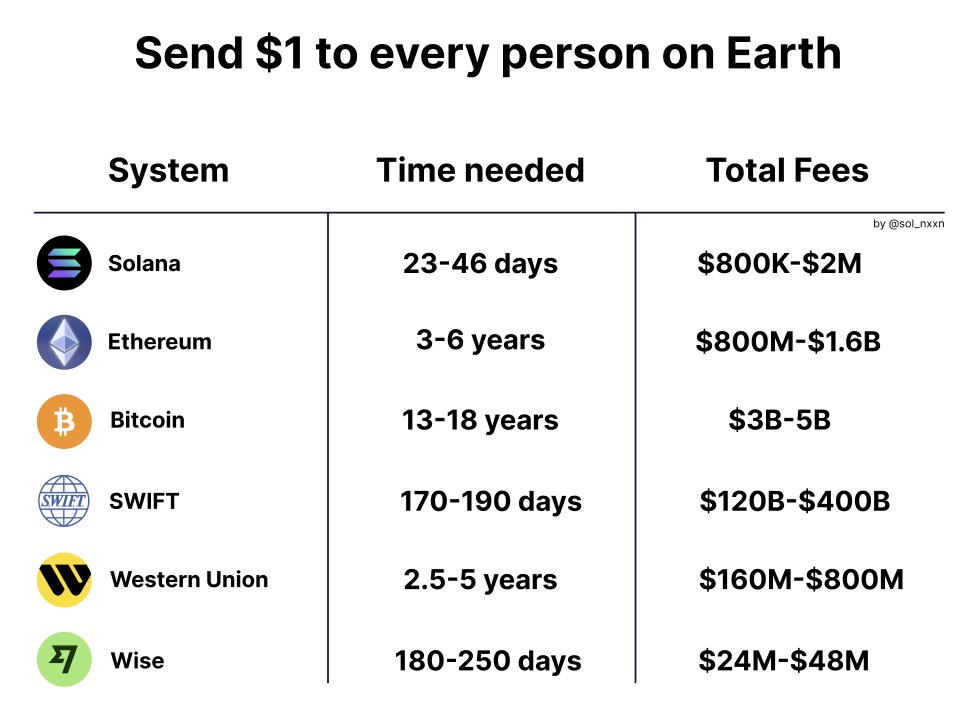
Can we put BSV on this list?

6
5
53
1,920
Mar 31
The protocol is back. No more what ifs or artificial limits. April 7th is a massive line in the sand for BSV. Chronicle gives us the original toolkit, and now it’s up to the builders to show the world why that matters. The foundation is solid; time to go to work. #BSV #Chronicle
Mar 30

Chronicle activates April 7th.
I want to take a moment to explain why this upgrade matters - not just technically, but personally.
First, huge thanks to everyone involved. The developers who did the actual work, and the community members who contributed to ensuring the scope was as airtight as possible while promoting stability. Maintaining stability while restoring the original protocol was a delicate balance, and the final release reflects all the hard work that went into ensuring that.
Why restore the original protocol?
This isn't just about completion for its own sake. Over the years, a lot of restrictions were added to Bitcoin. And in the same way that central planning can destroy an economy, centrally planning and limiting developer creativity means we have no idea what possibilities the original protocol actually enabled. We know it allowed more flexibility. We imagine that as better Bitcoin scripting engineers emerge and people learn more about the underlying protocol, they'll take advantage of use cases we can't even predict yet. Chronicle removes those artificial constraints. This is the core of the BSV Association's mandate. There should be no central person or group of people that tell you how you can build on top of the protocol.
Original Transaction Digest Algorithm (OTDA)
One of the most significant changes is the restoration of the Original Transaction Digest Algorithm. BSV will now support both the OTDA and the current BIP143 digest algorithm. Developers can opt into OTDA by setting the new CHRONICLE sighash flag (0x20). If you do nothing, existing behavior is preserved - BIP143 continues to work exactly as before. This gives developers the flexibility to choose which digest algorithm fits their use case, whether that's maintaining compatibility with existing systems or leveraging the original protocol's behavior.
Transaction malleability
Transaction malleability has been treated as this big scary problem throughout Bitcoin's history. There were a lot of patches added to Bitcoin over the years specifically to prevent it. But in doing so, they limited developer flexibility significantly.
Here's the thing: transaction malleability itself isn't actually a problem. It was only perceived as one because of how people were doing payments in Bitcoin - which was always wrong. Payments in Bitcoin were always meant to be peer-to-peer, then broadcast directly to the mining network. This is outlined in the Simplified Payment Verification section of the white paper. The work that has been done on all of the development tooling and the BRC-100 standard has enabled users and developers to utilize SPV.
Transaction malleability was a concern based on a misunderstanding of the payment flow, and a misunderstanding of nodes themselves. Because they misunderstood how payments should work and are convinced that miners will behave irrationally, they put in a bunch of restrictions on developers.
And here's the clever part: this is opt-in. Transactions using version 1 keep all existing restrictions. Only transactions with version > 1 get the relaxed rules. Existing applications remain completely unaffected. So if you are reading this and think "no way Connor is right about this" - then you can continue to ensure payments made with your wallet or application are not susceptible to malleability.
Restored opcodes
Chronicle re-instates several opcodes that were disabled years ago. Of note:
• OP_VER, OP_VERIF, OP_VERNOTIF — access the transaction version directly in script
• OP_LSHIFTNUM, OP_RSHIFTNUM — numerical bit shifting (restored to mimic the original behavior of OP_LSHIFT and OP_RSHIFT)
Business continuity
In line with BSV's commitment to stability: if you do nothing, nothing breaks. Existing applications using BIP143 without the CHRONICLE flag remain completely unaffected. The changes are all opt-in. This was deliberate - we needed to restore the original protocol while respecting that real businesses depend on the current state.
Personal note
I've been in BSV since day one. The uniting goal, shared with other community members, was always restoring the Bitcoin protocol and locking it. Set in stone. I'm proud to have played my part in that, and to have been involved in the actual work being done by the developers to enable it.
The work of the Association in doing this restoration is finally done. The protocol Satoshi designed is back.
This is cause for celebration. Let's build.
12
603
Mar 31
It’s the details that save lives!
This month, eight dedicated healthcare professionals completed specialized recompression chamber training at Sir Lester Bird Medical Centre, all sponsored by the @AyreFoundation.
By investing in the people and the tech, CAF is making decompression sickness a thing of the past for our local divers and fishers. 🌊🏥 calvinayrefoundation.org/pro…
11
74
Mar 30
2026 started with a sprint. 🏥🏃♂️
We’ve already handled back-to-back medical evacuations, from a 15-year-old girl needing specialized care to a lung patient in Martinique. The @AyreFoundation team doesn't sleep so our community can heal. 🇦🇬calvinayrefoundation.org/pro…
3
3
16
204
Mar 30
Either MacBook Neo or Mac Mini!
Mar 19

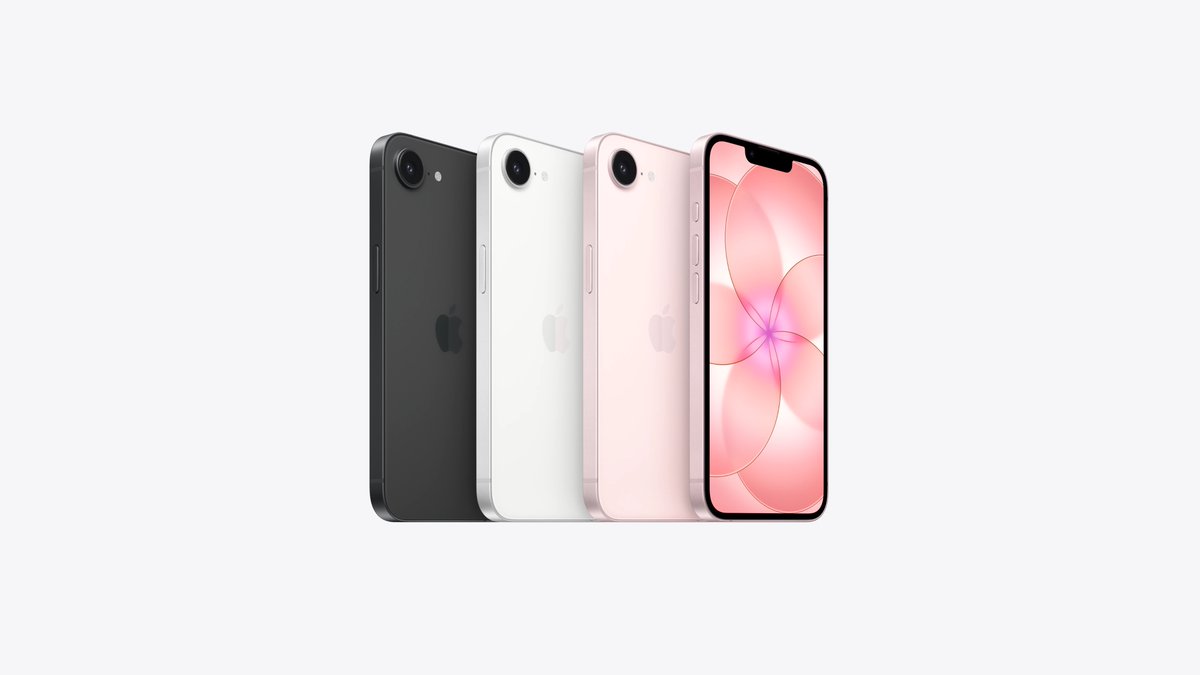
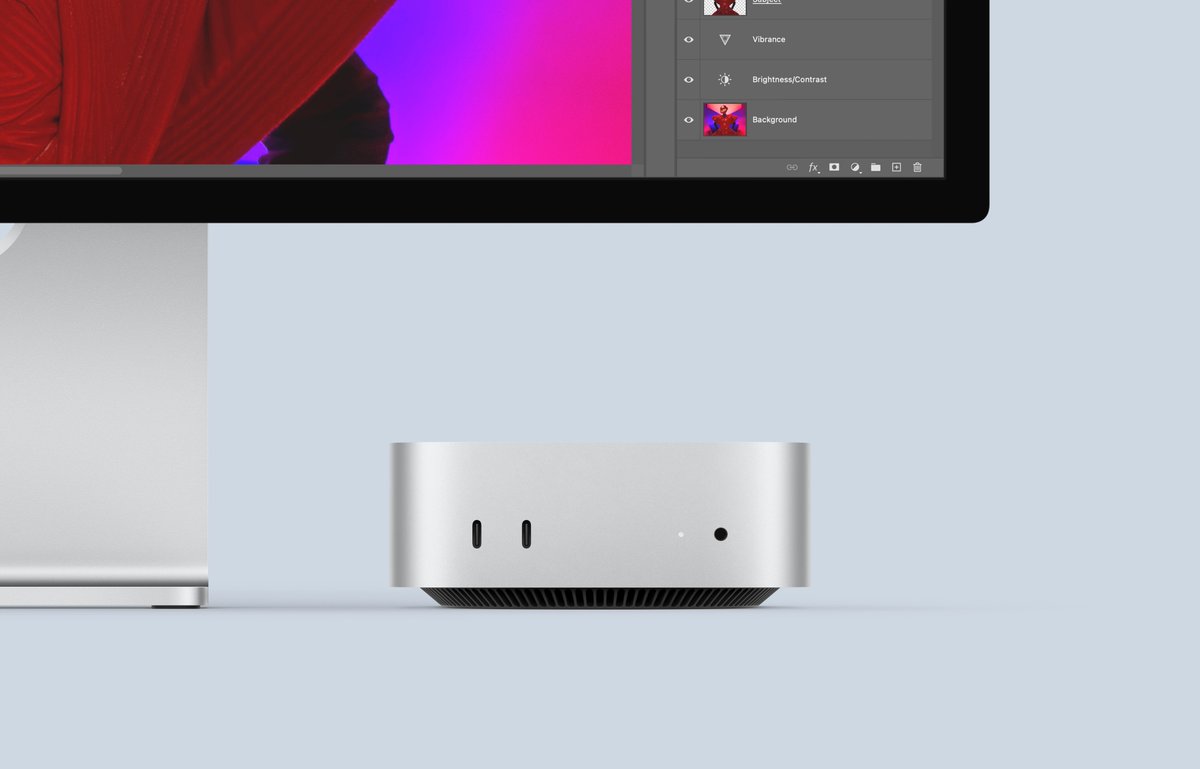
You have $599, what are you buying?
256GB iPhone 17e
256GB MacBook Neo
11-inch, 128GB M4 iPad Air
256GB M4 Mac mini
or
31 Apple Polishing Cloths


2
151
Token Slayer retweeted

Instead of a boycott of @BSVAssociation , we need a complete restoration of the original Bitcoin protocol and we need it now. The Chroniocal update was originally scheduled for deployment in Q3 2024; however, due to multiple rounds of feedback, refinement, and close collaboration with developers, it was delayed by a year and a half. @Kate_L_Mosso you can read the full story and timeline here, complete with referenced links for every step taken. I consider that @ProjectBabbage as well as has developers invloved have had ample time and resources for review and feedback. Best regards.
@GavinMehl @___siggi___ @Bitcoin_Beyond @kurtwuckertjr @deggen
home.treechat.ai/p/b4422e18-…
5
12
56
4,665
Mar 30
The hard problems are the only ones worth solving. If it were easy, an L2 would’ve fixed it by now. But we’re doing it on the base layer at the right way. BSV is the quiet revolution that’s about to get very loud. Proud to be in the trenches with you all. #BSV
Mar 28
What's going on in #BSV? A little update and some thoughts about the future.
And I want to reiterate, we are all in this together and we have got to find a way to keep growing while still addressing the hard problems.
1
21
706
Token Slayer retweeted

Mar 29
"In 2026, the SV Node development team will activate ”Chronicle”—an upgrade intended as the final major release of BSV blockchain’s SV Node software before Teranode eventually supersedes it."
What is the date of the superseding?
coingeek.com/chronicle-compl…
3
9
41
1,421
Mar 30
We talked about it for years, and now we’re just building it. This is exactly why the BSV Browser is in a league of its own. #BSVBrowser #Tuvalu

New feature coming to next release of BSV Browser, something I’ve dreamt about since discussions with Tuvalu gov many years ago now.
It’s shut-the-fuck-up-and-build o’clock!
Where should I put this feature in the UI? Paging @shadilayvision
1
24
804
Mar 30
Debt is a loud wake-up call. MARA selling $1 billion in BTC to stay afloat tells you everything you need to know about the current state of mining. The hardware stayed, but the mission changed. #BTC #MARA #AI coingeek.com/this-is-fine-bt…
2
17
276
Mar 26
2026 is already a year of action. 🏥
From airlifting a 15-year-old girl for urgent specialized care to our first medevac of the year for Paqual Peters, @AyreFoundation is bridging the healthcare gap in Antigua every single day.
calvinayrefoundation.org/pro…
1
13
183

Token Slayer retweeted

Mar 25
BTC changed the consensus rules 4 times.
BSV locked them forever.
One is "evolving," one is "stable."
Both are marketing terms.
4
16
76
1,592
Mar 26
It only took five years, but Tether is finally letting the Big Four into the building. Meanwhile, Circle’s share price is feeling the heat and Resolv Labs is dealing with an $80M exploit. Stable is definitely a relative term in this industry right now. #Tether #Circle #Resolv coingeek.com/tether-commits-…
1
14
403