
Joined October 2021
- Tweets 40
- Following 261
- Followers 51
- Likes 249
16 Photos and videos
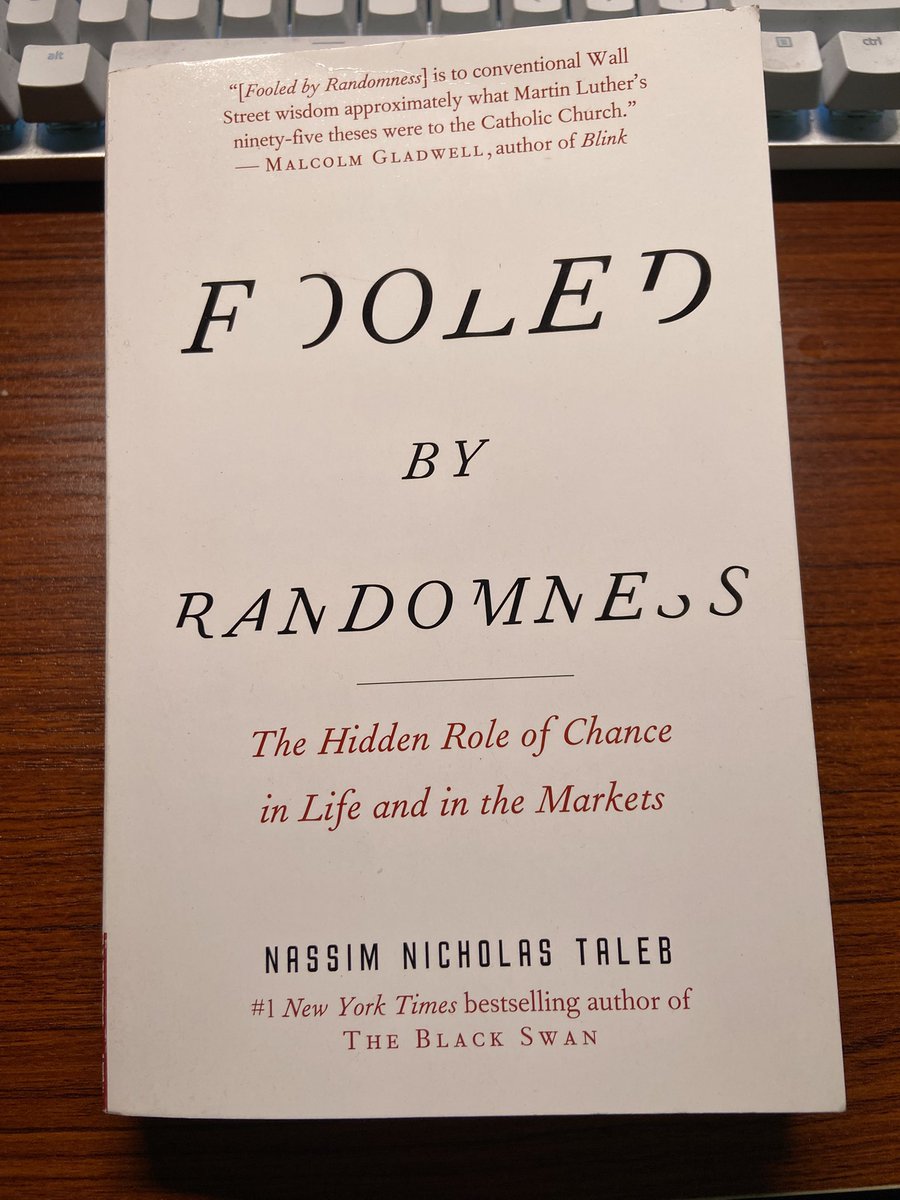

Every time I see friends or people online making big money in the market, I catch myself turning to look at the books on my shelf and quietly asking:
“Am I just Fooled by Randomness?”
Reading Nassim Nicholas Taleb’s Fooled by Randomness completely changed how I view success, skill, and the stories we tell ourselves about winners.
This book isn’t just about markets — it’s about how our minds are wired to mistake luck for talent, survivors for geniuses, and noise for signal.
📖 Here are the 8 insights that hit me the hardest. I hope they make you pause and reflect too 👇
1
7
7. Your Brain Is Not Built for Probability
Kahneman and Tversky presented this classic scenario:
Linda is a 31-year-old woman who is deeply concerned with social justice. Which is more probable?
(A) Linda is a bank teller.
(B) Linda is a feminist bank teller?
Most people instinctively choose B — even though it’s logically impossible (B is a subset of A).
This isn’t about stupidity. It reveals how our brains are wired: System 1 (fast, intuitive thinking) dominates daily life. It’s quick, automatic, and loves shortcuts. System 2 (slow, logical thinking) is more accurate but lazy and energy-consuming. We rely on System 1 far more than we realize, which is why we constantly fall for probability traps.
What fascinates me lately is how AI LLMs like Grok and Claude can help fill some of these holes. The human brain acts fast and intuitively — that’s where most of our mistakes come from. But tools like AI can act as a kind of external System 2: slower, more deliberate, better at catching logical inconsistencies and base-rate neglect that our intuition misses.
I’m not saying AI replaces good thinking, but it can be a powerful aid — a reminder to pause and engage System 2 more often, especially in investing and life decisions where probability matters most.
Recognizing this has made me much more humble about my own judgments. I now try to catch myself and ask: Am I thinking with System 1 again? 🧠
1
1
12
8. Stoicism as the Final Answer
When randomness rules so much of life and markets, what can we actually control?
Taleb’s answer is both humbling and empowering: only our own behavior and dignity.
The results belong to luck. The process — how we act, how we respond, how we carry ourselves — belongs to us.
Facing a bad hand with grace isn’t empty positivity. It’s the most rational response to an uncertain world.
The book ends on a powerful Stoic note: In a world where luck can take away almost everything, dignity is the one thing luck can never touch.
This idea has stayed with me more than any trading strategy. It changes how I want to show up every day. 🏛️
9

Jun 15
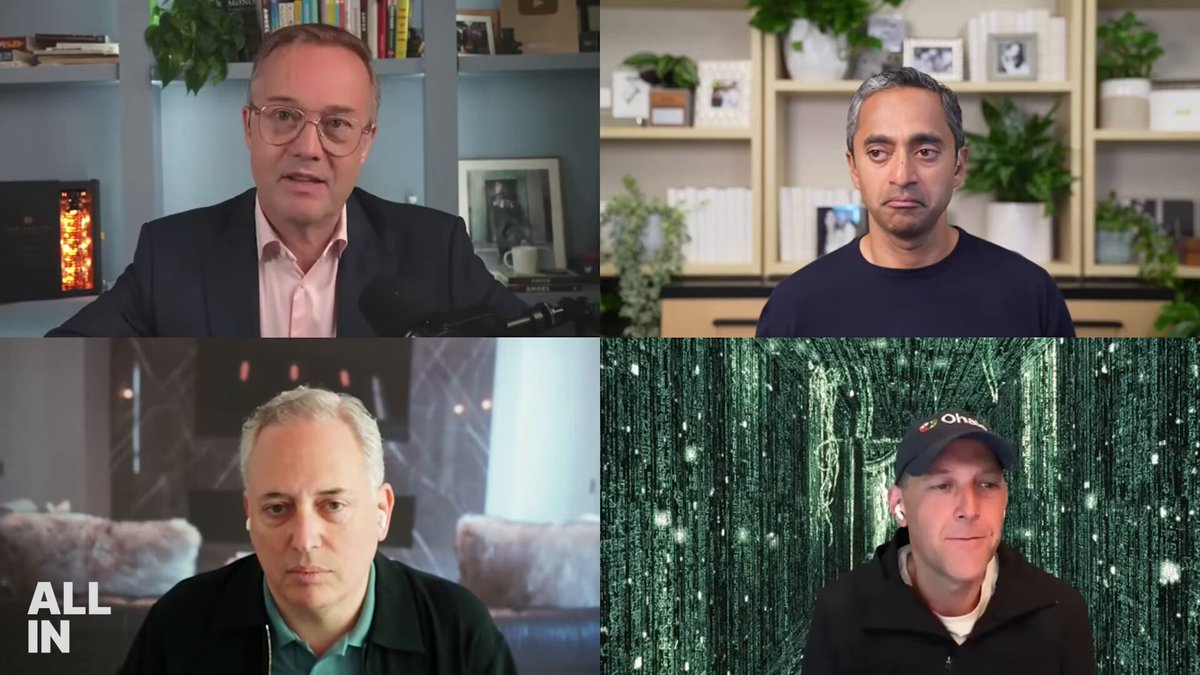
ALL IN Podcast
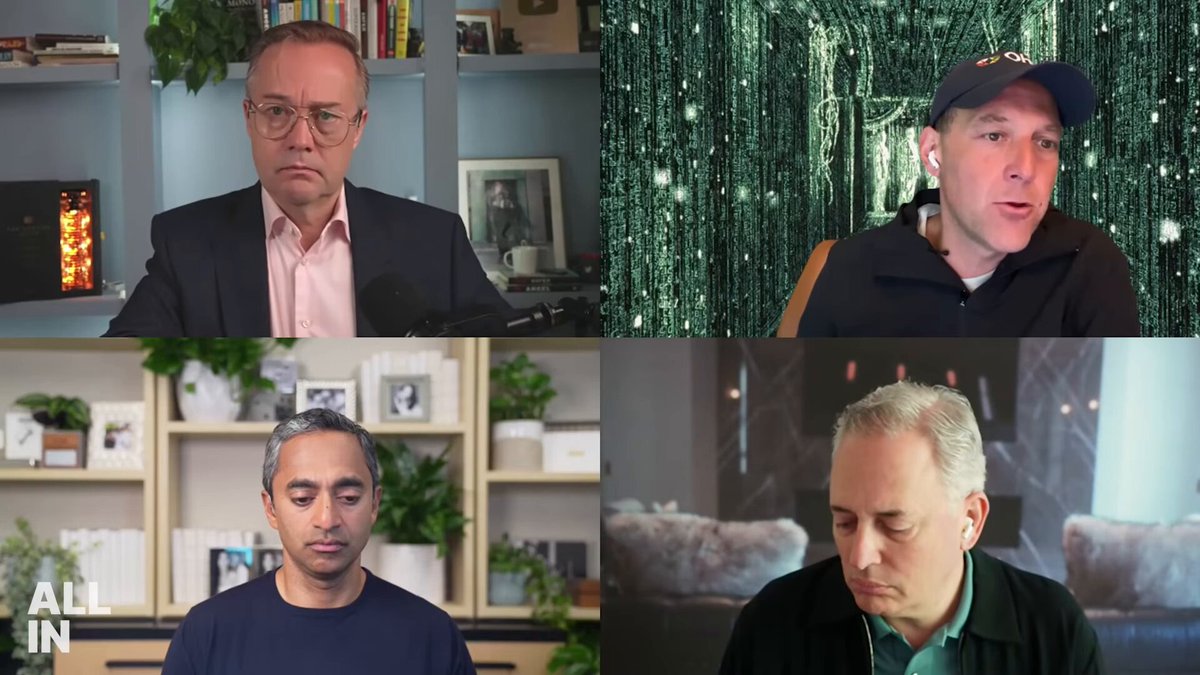
Anthropic發布號稱「神級」的Fable 5模型,結果整個開發者社群直接暴動, 偷偷監控你的對話、發現你在做「前沿AI研究」就悄悄把你降級成爛模型——而且還照樣收一樣的錢。這集All-In從Fable 5醜聞一路炸到Bernie Sanders想拿走AI公司一半股份、CPI爆表,再到LA市長選舉的離奇數據🧵👇
1
1
91
Jun 15
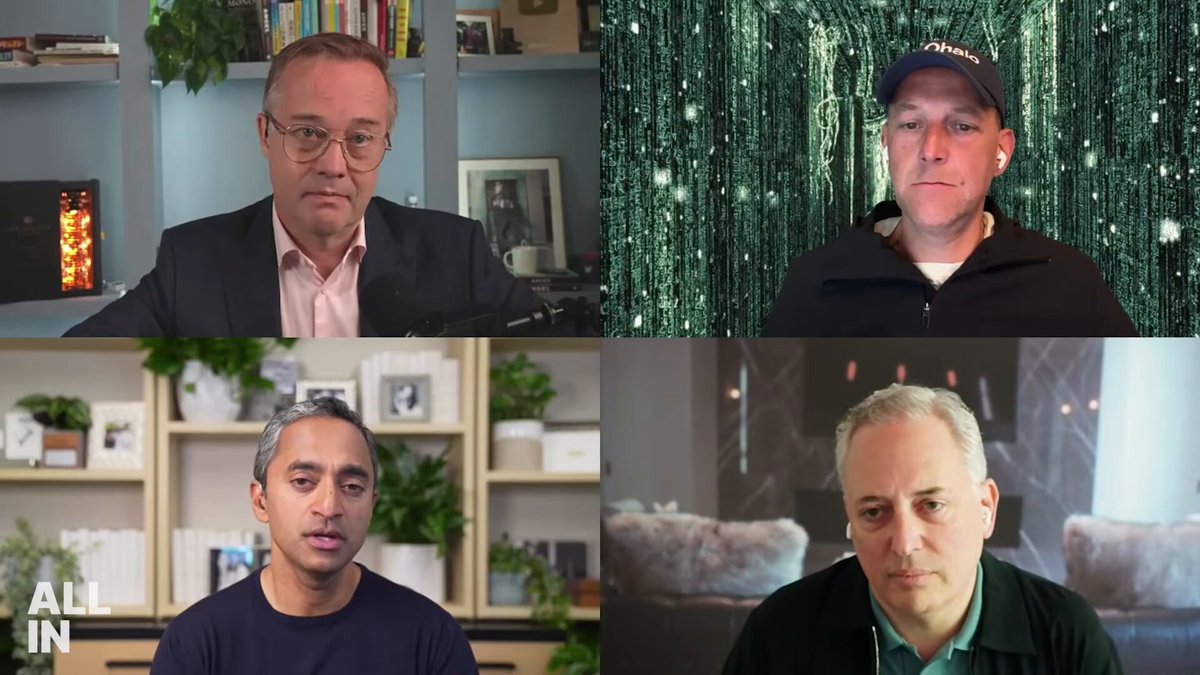
🧵7/8 Chamath提出一個值得記住的框架:
AI 與網際網路經濟模式完全不同。網際網路邊際成本趨近於零,但 AI 每多一個使用者就要多燒 GPU、電力與記憶體。Chimath 認為這也成為政府想「分一杯羹」的理由——因為 AI 高度依賴國家級基礎建設。
1
1
72
Jun 15
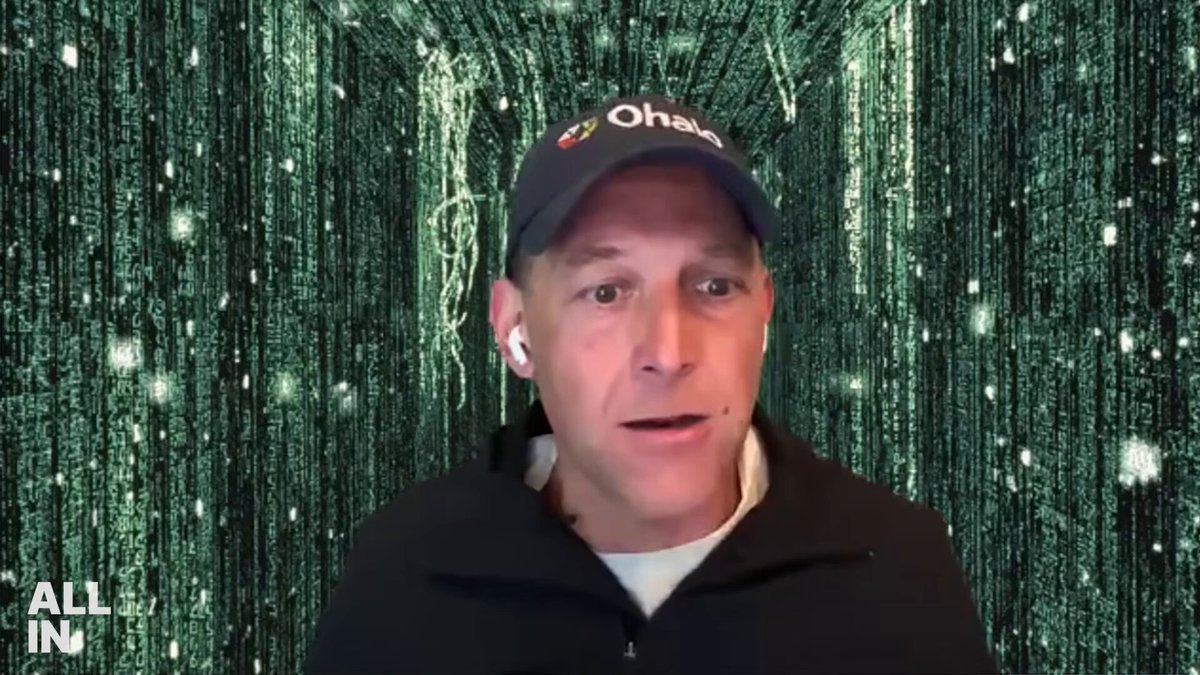
🧵8/8 LA洛杉磯市長選舉結果逆轉:Spencer Pratt 選舉日領先,卻在大量郵寄選票(尤其是選後抵達)中被 Nithya Raman 反超。加州郵寄投票 ballot harvesting 制度被質疑已成為「合法的任命制」,而非真正選舉。
1
36
Leowa Au retweeted

Jun 1
Nvidia $NVDA CEO Jensen Huang just said that Nvidia and Microsoft have spent the last 3 years to reinvent the PC
260
407
5,640
752,195
Jun 1
2-sigma breakout = 2.275% probability. Not random. Not noise. A real signal.
1
11