
Irish wanderer ✝️ Grateful husband, dad & granddad. CFO embracing history, philosophy & critical theory ♥️ Socialist heart, happy in Asia 🌏
Joined February 2011
- Tweets 43,107
- Following 5,834
- Followers 3,224
- Likes 134,176
7,113 Photos and videos









Tom B retweeted

"El hombre no existe para ganar dinero. El dinero existe para servir al hombre."
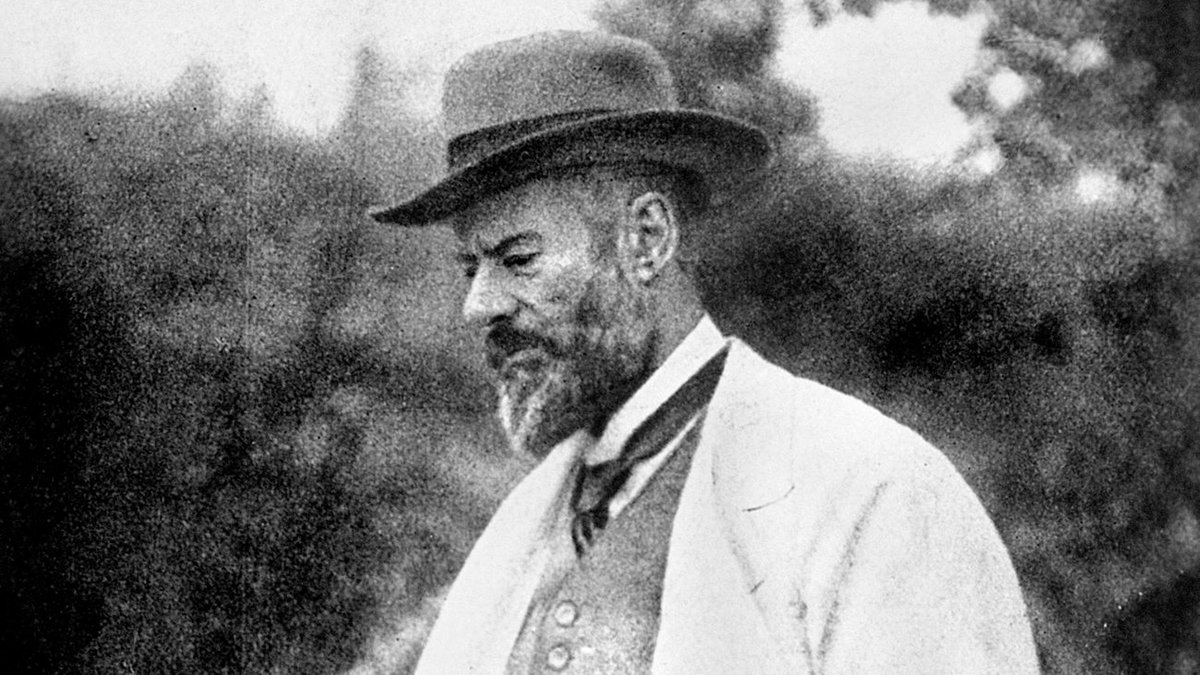
Murió un 14 de junio de 1920, hace 106 años hoy, Max Weber, el sociólogo alemán que definió el capitalismo moderno. Tenía 56 años.
Weber escribió esto a principios del siglo XX observando cómo el capitalismo industrial estaba invirtiendo esa relación. Cómo el trabajo dejaba de ser un medio para vivir y se convertía en un fin en sí mismo. Cómo el éxito económico dejaba de ser consecuencia de una vida bien vivida y se convertía en su única medida.
Cien años después su diagnóstico sigue siendo perfectamente reconocible.
Murió hoy hace 106 años. La jaula de acero que describió sigue muy en pie.
8
238
461
10,349
Tom B retweeted

“A Voice, echoing through the corridors of time, says to every intemperate Peter, “Put up thy sword.” History is cluttered with the wreckage of nations that failed to follow Christ’s command.”
Rev. Dr. Martin Luther King, Jr.
from the sermon ‘A Tough Mind and a Tender Heart’
#MLK #SundayWithKing #ToughMind #TenderHeart #TheKingCenter

2
20
52
1,361

Fareed Zakaria stood at Bard College’s commencement.
He had a trigger warning.
“I’m about to utter the two most provocative letters in English today. AI.”
Students braced to boo.
Instead, he flipped it.
“I don’t want to talk about AI. I want to talk about HI. Human Intelligence.”
The story:
He pointed to the human brain. 3 pounds. ~20 watts.
Less power than a laptop charger.
AI data centers? They consume enough electricity to power entire cities.
His point: humans aren’t “inferior computers.” We were never computers at all.
The lesson:
“A machine can write a sad poem. But it cannot weep at a funeral. It can generate a love letter. But it cannot fall in love.”
Human intelligence doesn’t win on speed. Or efficiency.
It wins because it’s embedded, consciousness, emotion, morality, memory, relationships, lived experience.
The takeaway:
Don’t ask “what’s left for humans to do?”
Ask “what does AI reveal about everything humans already do, that’s irreplaceable?”
Curiosity. Wisdom. Empathy. Critical thinking.
These aren’t soft skills anymore.
They’re the moat.
Build the tech. Use the tech.
But champion HI, human imagination, human inspiration, human interconnection.
“Our imperfections aren’t bugs in some system’s code. They’re the cracks that let the light in.”
24
302
714
34,033
Tom B retweeted

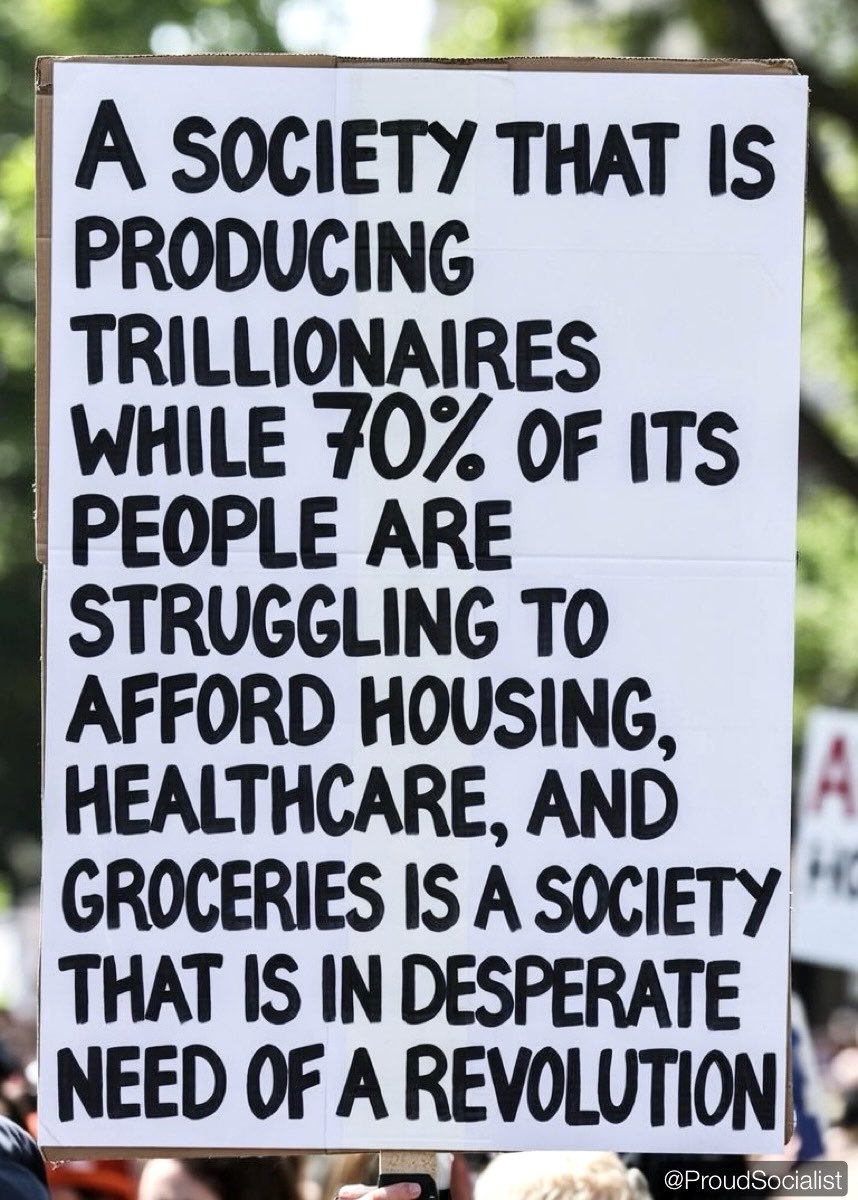
No, the left are not Jealous of Elon Musk,
We don’t want to be trillionaires.
We want a world where children aren’t starving to death whilst trillionaires hoard money.
7,892
1,922
11,272
337,670

Tom B retweeted

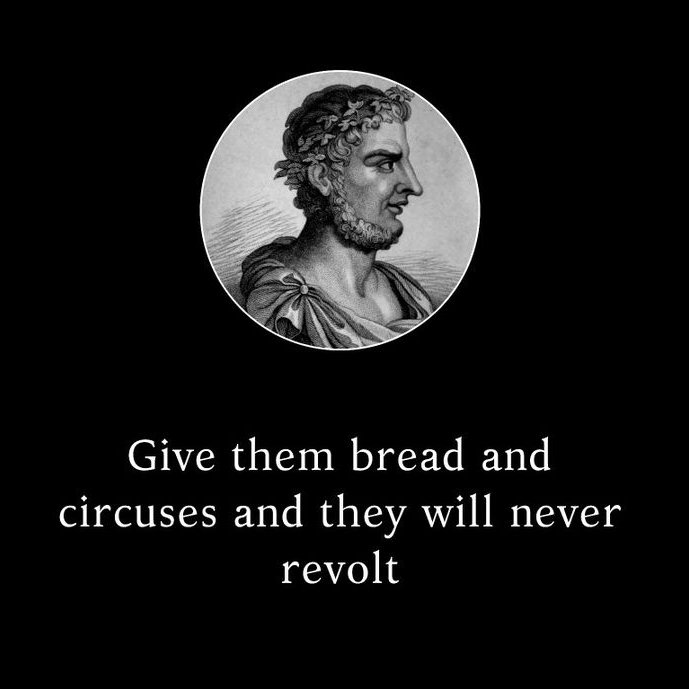
Jesus didn’t build a grand arena to hold gladiator fights for his own amusement.
That was Caesar.
97
460
2,265
48,441
Tom B retweeted

"Never underestimate the power of stupid people."
| Paulo Coelho
13
56
310
9,829
Tom B retweeted

Jun 13
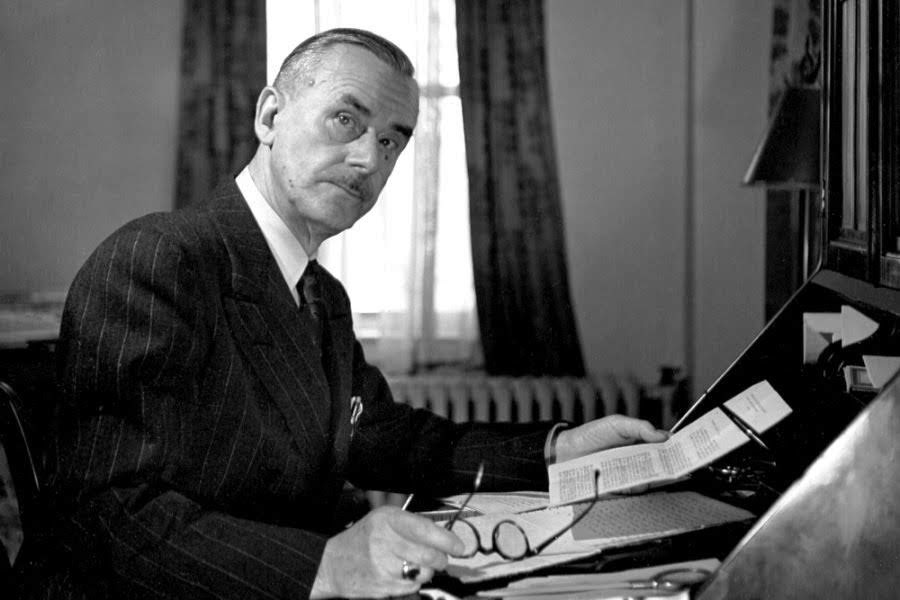
“La tolerancia es un crimen cuando lo que se tolera es la maldad”
Thomas Mann
20
794
2,084
26,511
Tom B retweeted

Jun 13
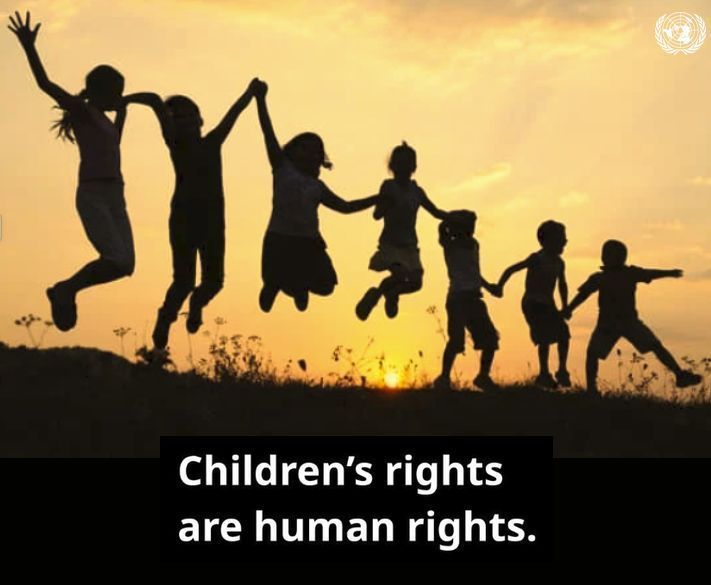
Children want a world where their rights are respected.
Let’s listen to children and stand up for their rights, every day.
What is your wish #ForEveryChild?
#ActToProtect
58
71
169
6,412


Tom B retweeted

Jun 13
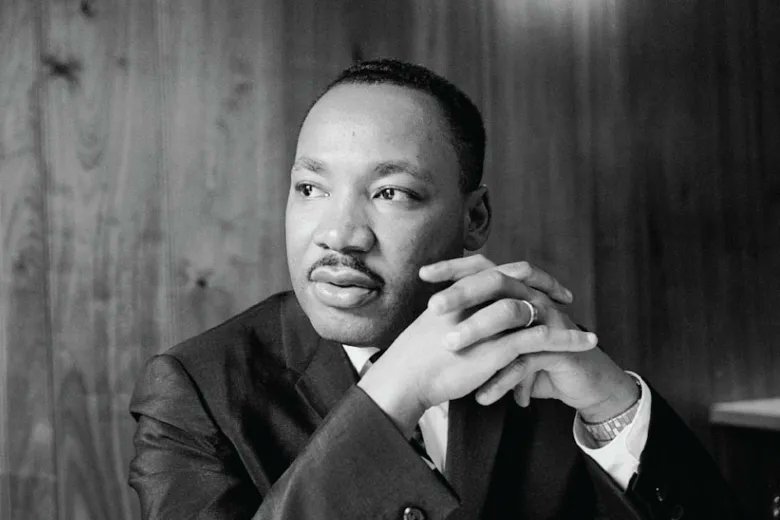
“It’s all right to tell a man to lift himself by his own bootstraps, but it is a cruel jest to say to a bootless man that he ought to lift himself by his own bootstraps.”
— Martin Luther King Jr.
8
108
314
6,346

Tom B retweeted

There are two kinds of thieves: the small-time ones the police catch, and the big-time ones they protect.
5
26
114
4,201

Tom B retweeted

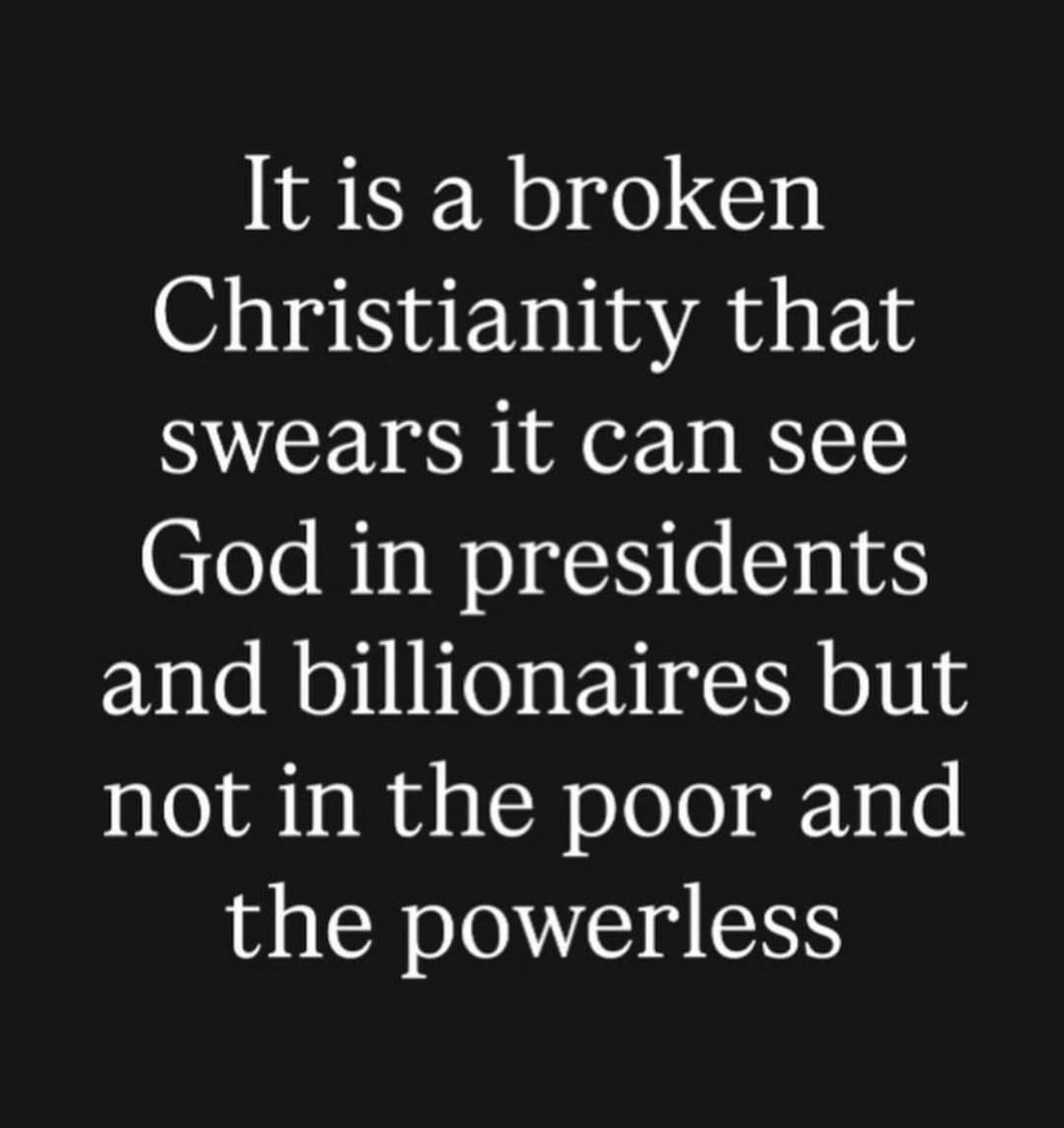
Elon Musk came from privilege, including attending elite private schools and receiving a loan from his father to start his first business.
Donald Trump was born into extreme wealth. He personally was a millionaire by age eight. He was given partial ownership of an apartment building before graduating from high school.
This isn't about shaming someone for being born privileged. The point is that they won the generational lottery. That privilege helped them obtain success.
Over 500,000 US children are born into poverty each year. 34% of children born into poverty are still in low-income households when they reach the age of 30.
The point people are making isn't that someone who becomes very rich is a bad person. It is that a system allowing one person to amass astronomical wealth while millions struggle to survive with no wealth at all is broken.
The truth that many don't want to face is that not everyone has the same opportunities. If you want people to pick themselves up by their bootstraps, then they need a solid foundation to stand on.
That means ensuring jobs pay a livable wage so that work pays the bills.
It means providing universal Pre-K to all children to give them a solid start and then free college, job training, and apprenticeships so that everyone can gain the skills needed to get ahead.
It means guaranteeing affordable healthcare for all so that an accident or illness doesn't force someone into debt or joblessness.
We can solve poverty and unnecessary hardship. Doing so not only helps the people facing it, but it also brings greater prosperity to the entire nation.
It is time for change.
137
90
307
10,453

12h
We didn’t just commercialise education. We systematically defunded the public alternative, watched it deteriorate, and then called the collapse a market opportunity.
In the 1980s and 90s, governments across Africa and Asia — under pressure from international lenders — cut education budgets, froze teacher recruitment, and allowed class sizes to reach levels incompatible with learning. Private schools moved in, not to serve the public good, but to serve those who could pay.
In Pakistan, Nigeria, and the Philippines, private school enrolment surged — not because families preferred them, but because the public alternative had been hollowed out. Across South and Southeast Asia, two parallel systems now exist: internationally accredited private schools, with qualified teachers, functioning libraries, and pathways to global universities — and chronically underfunded state schools, overcrowded and lacking resources, serving the majority with the least.
The West is not watching from a distance; it is replicating the model.
In England, 7% of children attend fee-paying independent schools. That same 7% produces a disproportionate share of senior judges, permanent secretaries, cabinet ministers, and editors of national newspapers. This is not meritocracy; it is the purchased reproduction of elite power across generations.
In Ireland, the stratification is less visible but no less real — operating through grind schools, private tuition, and well-resourced fee-paying secondary schools that consistently outperform under-resourced DEIS schools serving disadvantaged communities.
In East Asia — South Korea, Japan, Hong Kong, Singapore — shadow education industries worth tens of billions have arisen. Families spend extraordinary sums on private tutoring simply to keep pace within systems that are nominally public. The market has colonised education so thoroughly that opting out of private supplementation becomes a disadvantage.
This is the logic of commercialisation taken to its furthest extent: a race that is rigged before it begins, where the starting line is set by your parents’ income.
Education was never solely about learning; it has always been about access — to opportunity, to mobility, to power. When you price it, you don’t merely create inequality of outcome; you institutionalise it, making it heritable.
Public education, properly funded and genuinely universal, remains the most powerful tool any society has for breaking the link between circumstances of birth and life trajectory. Yet, we are choosing not to utilise it.
The data is clear, and the politics are straightforward. What is missing is the courage to recognise this for what it truly is — not market failure, not inevitability, but a policy choice. One that can be reversed.
1
39
12h
Commercialising healthcare does not improve it. It rations it by wealth, and the evidence has been clear for forty years.
In the 1980s and 90s, the IMF and World Bank made user fees a condition of lending across the Global South. The theory was efficiency; the reality was catastrophic. Clinic attendance collapsed across Ghana, Kenya, Tanzania, Uganda, and Bangladesh. Mothers stopped delivering in hospitals. Children went unvaccinated. Preventable deaths rose. Not because of a lack of medical knowledge, but because of a lack of money in a patient’s pocket.
In rural India today, out-of-pocket health expenditure remains among the highest in the world. It pushes an estimated 55 million people into poverty every year. Not just because of illness, but because of the cost of treatment.
And before anyone dismisses this as a developing world issue — look west.
The UK’s NHS, once the envy of the world, now has waiting lists stretching beyond a year for cancer referrals and orthopaedic procedures. Those who can afford private care jump the queue. Those who cannot wait — sometimes deteriorate while waiting. In the United States, 40% of adults report delaying or avoiding medical care due to cost. In the wealthiest country in human history. In Ireland, your access to a consultant appointment depends not on clinical need, but on whether you hold a private health insurance card.
The two-tier system is no accident. It is the predictable outcome of decades of underinvestment in public services, driven by an ideology that treats health as a product and patients as consumers.
When healthcare becomes a market, it benefits those who can pay. For everyone else, it results in waiting lists, debt, and in the worst cases, death.
Health is not a commodity. It is a right. And until we fund, defend, and govern it as such — the gap between those who receive care and those who cannot will keep growing.
The data is clear. The politics are straightforward. What is missing is honesty — and the will to act on it.
24
Tom B retweeted
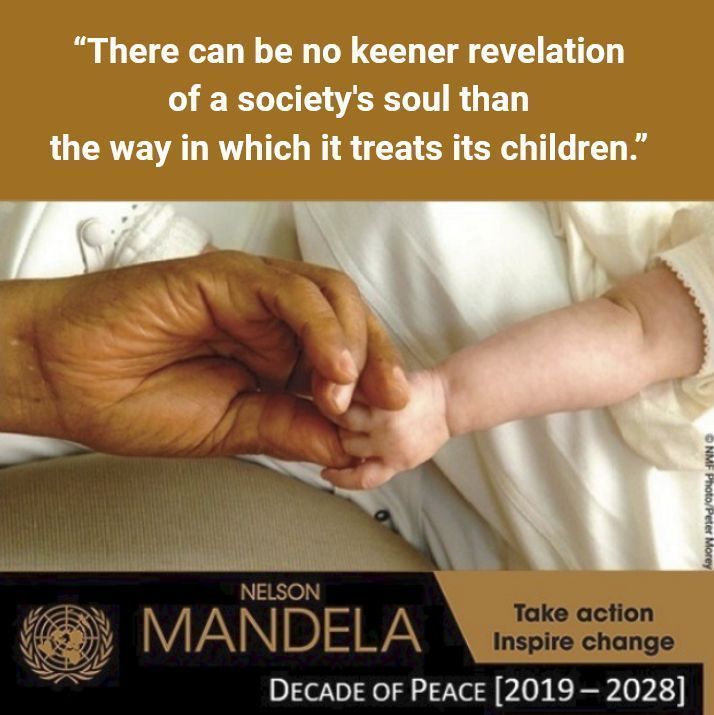
“There can be no keener revelation of a society's soul than the way in which it treats its children.”
Let us honor Nelson Mandela's legacy by taking action.
By standing up for child's rights, #ForEveryChild.
28
41
90
4,893